EJADA

Living Healthy, Natural Healing, Herbal Health, and nutritional

  • 🌿 Welcome to the Wonderfully Wild World of W‑Fruits

    As we step into the Letter W of your A–Z fruit journey, we enter one of the most eclectic and wide‑ranging chapters yet. The W‑fruits bring together a fascinating blend of wild botanicals, tropical delicacies, medicinal treasures, and globally loved classics — each with its own story, flavor, and cultural footprint.

    From the bitter, medicinal Wahoo fruit used in early North American herbal traditions to the sweet, grape‑like Wampee cherished across Southeast Asia… From the crisp, hydrating Water Apple found in tropical markets to the creamy, custard‑smooth White Sapote of Central America… And of course, familiar favorites like Watermelon, White Peach, and Williams Pear, which bring comfort, nostalgia, and everyday nourishment.

    The Letter W is a celebration of diversity — in taste, texture, geography, and wellness benefits. These fruits span forests, coastlines, orchards, and tropical gardens, offering everything from antioxidant‑rich hydration to traditional healing uses passed down through generations.

    Whether you’re here for exotic discoveries, nutritional insights, or culinary inspiration, the W‑fruits open the door to a world of vibrant flavors and botanical surprises. Let’s explore the fruits that make the Letter W one of the most intriguing chapters in your entire series.

    🍂 Wahoo Fruit: The Bitter Wild Fruit with Deep Herbal Roots

    The Wahoo Fruit (Euonymus atropurpureus), also known as Eastern Wahoo, Burning Bush, or Spindle Tree, is a small, vibrant, and historically significant fruit native to North America. While not commonly eaten due to its bitter taste, the Wahoo fruit has played an important role in traditional herbal medicine, Indigenous healing practices, and early American botanical history.

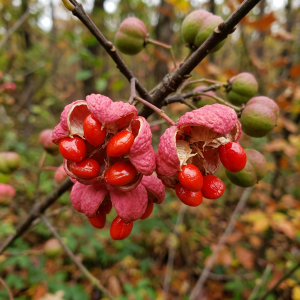
    Its striking appearance — bright pink capsules that split open to reveal bold red seeds — makes it one of the most visually captivating fruits in the wild. Though not a culinary fruit, it is a powerful botanical with a story worth telling.

    🌍 Origin & Botanical Background

    The Wahoo shrub is native to the Midwestern and Eastern United States, thriving in:

    • Forest edges
    • Riverbanks
    • Woodlands
    • Moist, shaded areas

    Botanical details:

    • Scientific name: Euonymus atropurpureus
    • Family: Celastraceae
    • Common names: Wahoo, Eastern Wahoo, Burning Bush, Spindle Tree
    • Fruit type: Capsule containing bright red arils

    The plant is deciduous, with deep purple flowers in spring and eye‑catching fruit in fall.

    💪 Health Benefits of Wahoo Fruit (Traditional Use)

    While the fruit itself is not eaten as food, the plant has a long history in Indigenous and early American herbal medicine. Historically, the bark and fruit were used for:

    1. Liver & Gallbladder Support

    Traditional herbalists used Wahoo as a bitter tonic to stimulate digestion and support liver function.

    2. Digestive Stimulation

    Its natural bitter compounds were believed to help with sluggish digestion and appetite regulation.

    3. Circulatory Support

    Some early herbal texts mention Wahoo as a mild circulatory stimulant.

    4. Anti‑Inflammatory Uses

    Poultices made from the bark were used to soothe swelling and inflammation.

    5. Laxative Properties

    Historically, Wahoo bark was used as a strong herbal laxative, though this is not recommended today.

    Important: Wahoo is considered medicinal, not edible, and should only be used under professional herbal guidance.

    🍊 Vitamin & Nutrient Profile

    Because Wahoo is not consumed as a food fruit, there is limited nutritional data. However, the plant contains:

    • Bitter glycosides
    • Tannins
    • Resins
    • Celastrin (a plant compound studied for biological activity)

    These compounds contribute to its historical medicinal use but also to its toxicity when consumed improperly.

    🧭 Cultural & Historical Significance

    Wahoo holds a unique place in North American botanical history:

    • Used by Indigenous tribes for digestive and liver support
    • Adopted by 19th‑century American herbalists
    • Listed in early U.S. pharmacopeias as a medicinal plant
    • Valued for its ornamental beauty in fall landscapes

    Its bright red seeds were also historically used for dyes and decorative crafts.

    🍽️ Culinary Uses

    Wahoo fruit is not used as food. Its bitterness and plant compounds make it unsuitable for eating.

    However, the plant is valued for:

    • Ornamental landscaping
    • Fall color displays
    • Wildlife interest (birds may eat the seeds)

    🍂 Wahoo Fruit: The Bitter Wild Fruit with Deep Herbal Roots

    The Wahoo Fruit (Euonymus atropurpureus), also known as Eastern Wahoo, Burning Bush, or Spindle Tree, is a small, vibrant, and historically significant fruit native to North America. While not commonly eaten due to its bitter taste, the Wahoo fruit has played an important role in traditional herbal medicine, Indigenous healing practices, and early American botanical history.

    Its striking appearance — bright pink capsules that split open to reveal bold red seeds — makes it one of the most visually captivating fruits in the wild. Though not a culinary fruit, it is a powerful botanical with a story worth telling.

    🌍 Origin & Botanical Background

    The Wahoo shrub is native to the Midwestern and Eastern United States, thriving in:

    • Forest edges
    • Riverbanks
    • Woodlands
    • Moist, shaded areas

    Botanical details:

    • Scientific name: Euonymus atropurpureus
    • Family: Celastraceae
    • Common names: Wahoo, Eastern Wahoo, Burning Bush, Spindle Tree
    • Fruit type: Capsule containing bright red arils

    The plant is deciduous, with deep purple flowers in spring and eye‑catching fruit in fall.

    💪 Health Benefits of Wahoo Fruit (Traditional Use)

    While the fruit itself is not eaten as food, the plant has a long history in Indigenous and early American herbal medicine. Historically, the bark and fruit were used for:

    1. Liver & Gallbladder Support

    Traditional herbalists used Wahoo as a bitter tonic to stimulate digestion and support liver function.

    2. Digestive Stimulation

    Its natural bitter compounds were believed to help with sluggish digestion and appetite regulation.

    3. Circulatory Support

    Some early herbal texts mention Wahoo as a mild circulatory stimulant.

    4. Anti‑Inflammatory Uses

    Poultices made from the bark were used to soothe swelling and inflammation.

    5. Laxative Properties

    Historically, Wahoo bark was used as a strong herbal laxative, though this is not recommended today.

    Important: Wahoo is considered medicinal, not edible, and should only be used under professional herbal guidance.

    🍊 Vitamin & Nutrient Profile

    Because Wahoo is not consumed as a food fruit, there is limited nutritional data. However, the plant contains:

    • Bitter glycosides
    • Tannins
    • Resins
    • Celastrin (a plant compound studied for biological activity)

    These compounds contribute to its historical medicinal use but also to its toxicity when consumed improperly.

    🏺 Cultural & Historical Significance of the Wahoo Fruit

    The Wahoo Fruit (Euonymus atropurpureus)** may not be a culinary staple, but it holds a surprisingly deep and meaningful place in Indigenous traditions, early American herbalism, and North American natural history. Its striking appearance — rosy capsules that split open to reveal brilliant red seeds — made it a plant of symbolism, medicine, and seasonal storytelling long before modern botany gave it a Latin name.

    🌾 Indigenous North American Traditions

    For many Indigenous communities across the Midwest and Eastern Woodlands, Wahoo was valued not for its flavor, but for its medicinal and symbolic qualities.

    Medicinal Use

    Tribal healers used parts of the plant — especially the bark and root bark as:

    • A digestive bitter
    • A liver‑supporting tonic
    • A circulatory stimulant
    • A purifying herb during seasonal transitions

    These uses were always handled with deep respect, as Wahoo was known to be potent and required careful preparation.

    Symbolic Meaning

    The fruit’s vivid red arils, revealed only when the capsule splits open, were seen as symbols of:

    • Autumn transformation
    • Inner vitality
    • The hidden strength within nature

    Some tribes used the fruit in seasonal ceremonies or as decorative elements in storytelling objects.

    📜 Early American Herbalism & Folk Medicine

    By the 1700s and 1800s, European settlers had adopted Wahoo into their own herbal practices, influenced heavily by Indigenous knowledge.

    A Recognized Medicinal Plant

    Wahoo became a staple in:

    • Eclectic medicine (a 19th‑century American herbal tradition)
    • Homeopathic preparations
    • Early U.S. pharmacopeias

    Herbalists prized it as a bitter tonic, liver stimulant, and digestive regulator, often comparing it to gentian or cascara.

    A Frontier Remedy

    In rural communities, Wahoo bark was used in:

    • “Spring tonics”
    • Digestive bitters
    • Circulatory remedies
    • Herbal purgatives

    Its reputation as a strong, reliable plant medicine made it a household name in early American folk healing.

    🍁 A Seasonal Marker in Rural Life

    Beyond medicine, Wahoo became a beloved autumn landmark in the American landscape.

    • Its bright pink capsules and red seeds signaled the shift into fall.
    • Children collected the fruits for crafts and seasonal decorations.
    • Farmers recognized Wahoo shrubs as markers of fertile, moist soil near rivers and woodlands.

    Its presence in hedgerows and forest edges made it a familiar sight in 19th‑century rural life.

    🎨 Craft, Dye, and Decorative Uses

    The fruit’s vivid red arils were sometimes used as:

    • Natural dyes for small textiles
    • Decorative beads in folk crafts
    • Seasonal ornaments in rural households

    While not as widely used as elderberry or pokeweed dyes, Wahoo’s color was appreciated for its brightness and symbolic warmth.

    🌿 A Botanical Curiosity in Modern Times

    Today, Wahoo is valued for:

    • Its ornamental beauty in fall
    • Its role in native plant gardens
    • Its importance in pollinator habitats
    • Its place in historical herbalism

    Although no longer used medicinally due to safety concerns, it remains a plant of cultural memory — a reminder of the deep relationship between people and the wild botanicals of North America.

    🍽️ Culinary Uses

    Wahoo fruit is not used as food. Its bitterness and plant compounds make it unsuitable for eating.

    However, the plant is valued for:

    • Ornamental landscaping
    • Fall color displays
    • Wildlife interest (birds may eat the seeds)

    🚫 Who Should Not Consume Wahoo Fruit (Eastern Wahoo)

    The Wahoo Fruit (Euonymus atropurpureus)** is not considered an edible fruit and should never be consumed as food. Historically, only the bark and root bark were used in herbal medicine — and even then, under strict guidance due to potency and toxicity. The fruit itself contains compounds that can be harmful if ingested.

    Below is a comprehensive, wellness‑oriented guide to who should avoid Wahoo entirely.

    1. Children and Infants

    Wahoo fruit and bark contain potent glycosides that can cause:

    • Nausea
    • Vomiting
    • Diarrhea
    • Dizziness

    Children are especially vulnerable to plant toxins, making Wahoo unsafe in any form.

    2. Pregnant or Breastfeeding Individuals

    Wahoo has historically been classified as a strong herbal stimulant, with effects on:

    • Uterine contractions
    • Circulation
    • Digestive activity

    Because of these actions, it may pose risks during pregnancy or lactation. Avoid completely.

    3. Individuals With Heart Conditions

    Wahoo contains compounds that may influence:

    • Heart rhythm
    • Circulation
    • Blood pressure

    Anyone with cardiovascular issues — including arrhythmias, hypertension, or heart disease — should avoid Wahoo entirely.

    4. People With Liver or Kidney Conditions

    Historically, Wahoo bark was used as a liver stimulant, but in modern herbalism, this is considered risky.

    Those with:

    • Fatty liver
    • Hepatitis
    • Cirrhosis
    • Kidney impairment
    • Chronic kidney disease

    should avoid Wahoo due to its strong metabolic effects and potential toxicity.

    5. Individuals Taking Prescription Medications

    Wahoo may interact with medications due to its effects on:

    • Liver metabolism
    • Digestion
    • Circulation

    Avoid if taking:

    • Blood pressure medications
    • Heart medications
    • Diuretics
    • Blood thinners
    • Medications metabolized by the liver

    Because Wahoo is not a food fruit, interactions are unpredictable and potentially dangerous.

    6. People With Digestive Disorders

    Wahoo bark was historically used as a powerful laxative, meaning it can irritate the digestive tract.

    Avoid if you have:

    • IBS
    • Ulcerative colitis
    • Crohn’s disease
    • Gastritis
    • Ulcers
    • Chronic diarrhea

    Even small amounts can cause severe digestive distress.

    7. Individuals With Allergies to Celastraceae Plants

    Wahoo belongs to the Celastraceae family. Avoid if you have known allergies to:

    • Burning bush
    • Spindle tree
    • Euonymus species

    Symptoms may include itching, swelling, or digestive upset.

    8. Anyone Without Professional Herbal Guidance

    Because Wahoo is not an edible fruit and has a history of medicinal potency, it should never be used casually.

    Only trained herbalists or practitioners familiar with historical North American botanicals should handle it — and even then, with caution.

    ⚠️ Important Safety Note

    Wahoo is best appreciated as a botanical curiosity, not a dietary fruit. Its fruit, bark, and seeds contain compounds that can be toxic when ingested improperly.

    This section is for educational purposes only and is not a substitute for medical advice.

    Large amounts of Wahoo bark or fruit can be toxic.

    🌿 Safety Note

    Wahoo is best appreciated as a botanical, not a food. Its medicinal history is fascinating, but modern use should be cautious and guided by professionals.

    Because Wahoo is not an edible fruit, the following groups should avoid it entirely:

    • Children
    • Pregnant or breastfeeding individuals
    • Anyone with liver or kidney conditions
    • Individuals taking prescription medications
    • Anyone without guidance from a trained herbal practitioner

    Large amounts of Wahoo bark or fruit can be toxic.

    Wahoo is best appreciated as a botanical, not a food. Its medicinal history is fascinating, but modern use should be cautious and guided by professionals.

    🌿 Wrap‑Up: Why Wahoo Fruit Matters in Your Botanical Journey

    The Wahoo Fruit (Euonymus atropurpureus)** may not be a fruit you slice, taste, or blend into recipes — but it earns its place in the Letter W lineup through its deep cultural roots, striking appearance, and long history in North American herbal traditions. Its vivid red arils, medicinal legacy, and symbolic presence in Indigenous and early American healing practices make it one of the most intriguing botanicals in your entire series.

    While Wahoo is not an edible fruit, its story enriches your readers’ understanding of how humans have interacted with wild plants for centuries — not just for nourishment, but for medicine, ceremony, and seasonal meaning. It reminds us that the world of fruits is broader than what appears in markets and kitchens; it includes the wild, the medicinal, the symbolic, and the historically significant.

    📚 Sources & References for Wahoo Fruit (Euonymus atropurpureus)

    1. VitaLibrary – Traditional Uses, Key Ingredients & Safety

    A detailed overview of Wahoo’s historical medicinal use, active compounds, and safety concerns.

    2. Wikipedia – Botanical Profile & Toxicity Notes

    Provides botanical classification, habitat range, fruit description, and notes on toxicity and historical medicinal use.

    3. Medicinal Herb Info – Plant Description, Biochemical Data & Historical Use

    Covers Wahoo’s appearance, habitat, biochemical constituents, medicinal properties, and 19th‑century herbal history.

    4. Wellness Naturally – Indigenous Use, Settler Adoption & Herbal Actions

    Explores cultural origins, Native American use, early settler adoption, and Wahoo’s role as a liver and digestive stimulant.

    5. Ingredient: Wahoo – Historical Herbalism & Bioactive Compounds

    Summarizes Wahoo’s role in Indigenous medicine, 19th‑century herbal formulas, and its known glycosides and phytochemicals.
  • Health Benefits of Volkamer Lemon: The Ultimate Citrus Booster

    🍋 Volkamer Lemon: The Vibrant Citrus Hybrid with Bold Flavor & Wellness Benefits

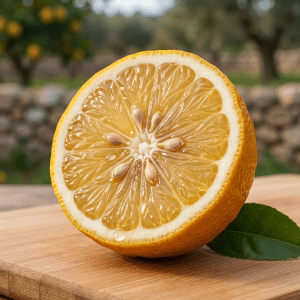
    The Volkamer Lemon (Citrus volkameriana) is a striking, aromatic citrus fruit known for its deep orange‑tinted rind, intense fragrance, and pleasantly tart flavor. Often described as a cross between a lemon and a sour orange, this fruit brings brightness, acidity, and a surprising depth of flavor to both culinary and wellness traditions. Its resilience, high vitamin C content, and unique taste make it a standout addition to your Letter V fruit series.

    🌍 Origin & Botanical Background

    The Volkamer Lemon is believed to have originated in Italy, where it has been cultivated for centuries as both a culinary fruit and an ornamental citrus. Genetic studies suggest it is a hybrid between a lemon (Citrus limon) and a sour orange (Citrus aurantium)**.

    Today, it grows widely in:

    • Italy
    • Greece
    • Spain
    • California
    • Mediterranean climates

    Botanical details:

    • Scientific name: Citrus volkameriana
    • Family: Rutaceae
    • Type: Citrus hybrid
    • Flavor: Tart, aromatic, slightly bitter, with orange‑like undertones

    Its vibrant rind and hardy nature make it a favorite for home gardeners and citrus collectors.

    💪 Health Benefits of Volkamer Lemon

    The Volkamer Lemon is more than a culinary citrus — it’s a nutrient‑dense fruit with wellness benefits rooted in its high vitamin C content and antioxidant profile.

    1. Immune‑Boosting Powerhouse

    Rich in vitamin C, Volkamer Lemon supports:

    • Stronger immune defenses
    • Faster recovery from seasonal illnesses
    • Collagen production for skin and joints
    • Antioxidant protection

    Its vitamin C levels are comparable to traditional lemons.

    2. Supports Healthy Digestion

    The fruit’s natural acidity and citrus enzymes help:

    • Stimulate digestive juices
    • Support smoother digestion
    • Reduce bloating
    • Enhance nutrient absorption

    Warm Volkamer Lemon water is traditionally used as a morning digestive tonic.

    3. Skin‑Brightening & Anti‑Aging Benefits

    Thanks to its vitamin C and antioxidants, the fruit may help:

    • Brighten complexion
    • Reduce oxidative stress
    • Support collagen formation
    • Improve skin texture

    Its zest is often used in beauty and wellness recipes.

    4. Heart‑Healthy Citrus Compounds

    Volkamer Lemon contains flavonoids, which may support:

    • Healthy blood pressure
    • Improved circulation
    • Reduced inflammation

    These compounds are common across citrus fruits but especially concentrated in hybrids.

    5. Natural Detox Support

    The fruit’s acidity, hydration, and antioxidants help:

    • Support liver function
    • Promote gentle detoxification
    • Reduce water retention

    This makes it a popular ingredient in wellness drinks and herbal infusions.

    🍊 Vitamin & Nutrient Profile

    The Volkamer Lemon is a nutrient‑dense citrus hybrid with a surprisingly complex nutritional makeup. While it shares similarities with traditional lemons, its hybrid lineage (lemon × sour orange) gives it a broader spectrum of vitamins, minerals, and aromatic compounds that contribute to its wellness benefits.

    Below is a deeper, more detailed breakdown of what this vibrant citrus offers.

    🍋 1. Vitamin C (Ascorbic Acid) — The Star Nutrient

    Volkamer Lemon is exceptionally rich in vitamin C, making it a powerful fruit for:

    • Immune system support
    • Collagen synthesis (skin, joints, connective tissue)
    • Antioxidant protection
    • Faster wound healing
    • Enhanced iron absorption

    Vitamin C is also essential for reducing oxidative stress and supporting healthy aging.

    💛 2. B‑Complex Vitamins — Energy & Metabolism Support

    Like most citrus fruits, Volkamer Lemon contains small but meaningful amounts of B‑vitamins, including:

    • Vitamin B6 (Pyridoxine) — supports brain health, hormone balance, and metabolism
    • Vitamin B1 (Thiamine) — helps convert food into energy
    • Vitamin B2 (Riboflavin) — supports cellular repair and antioxidant activity
    • Folate (B9) — essential for red blood cell formation and DNA synthesis

    These vitamins work together to support energy production, nervous system function, and metabolic health.

    3. Potassium — Heart & Muscle Function

    Volkamer Lemon contains potassium, a key electrolyte that helps:

    • Regulate blood pressure
    • Support heart rhythm
    • Maintain muscle function
    • Balance hydration

    Its potassium content is similar to other citrus fruits but slightly higher due to its sour‑orange lineage.

    🦴 4. Calcium — Bone & Dental Health

    The fruit contains trace amounts of calcium, which supports:

    • Bone strength
    • Healthy teeth
    • Enzyme function

    While not a major calcium source, it contributes to overall mineral intake.

    🌿 5. Magnesium — Nervous System & Muscle Relaxation

    Volkamer Lemon provides small amounts of magnesium, which helps:

    • Relax muscles
    • Support nerve function
    • Regulate blood sugar
    • Improve sleep quality

    Magnesium works synergistically with potassium to support cardiovascular health.

    🍊 6. Dietary Fiber — Digestive Support

    The pulp and membranes contain soluble and insoluble fiber, which help:

    • Support gut health
    • Improve digestion
    • Stabilize blood sugar
    • Promote satiety

    Fiber also feeds beneficial gut bacteria, supporting microbiome balance.

    🌼 7. Citrus Flavonoids — Antioxidant & Anti‑Inflammatory Compounds

    Volkamer Lemon is rich in bioactive flavonoids, including:

    • Hesperidin
    • Naringin
    • Eriocitrin
    • Limonin
    • Nomilin

    These compounds are known for:

    • Reducing inflammation
    • Supporting heart health
    • Protecting cells from oxidative damage
    • Improving circulation
    • Supporting liver detox pathways

    Flavonoids are one of the reasons citrus fruits are linked to long‑term wellness.

    🌸 8. Essential Oils — Aromatic & Therapeutic Benefits

    The rind contains high levels of aromatic oils, especially:

    • Limonene
    • Citral
    • Linalool
    • Geraniol

    These oils contribute to:

    • Mood elevation
    • Stress reduction
    • Antimicrobial properties
    • Digestive support

    This is why Volkamer Lemon zest is so fragrant and widely used in culinary and wellness recipes.

    💧 9. Natural Acids — Digestive & Detox Support

    Volkamer Lemon contains:

    • Citric acid
    • Malic acid
    • Ascorbic acid

    These acids help:

    • Stimulate digestion
    • Support liver detoxification
    • Enhance nutrient absorption
    • Reduce kidney stone risk (citric acid binds calcium)

    Its acidity is slightly softer than Eureka lemon but sharper than Meyer lemon.

    🧭 Cultural Significance

    In Italy, the Volkamer Lemon has long been valued for:

    • Homemade liqueurs
    • Traditional herbal remedies
    • Aromatic cleaning solutions
    • Decorative citrus gardens

    Its vibrant color and strong fragrance make it a symbol of freshness and vitality in Mediterranean culture.

    🍽️ Culinary Uses

    The Volkamer Lemon’s bold, slightly bitter flavor makes it incredibly versatile in the kitchen.

    Popular uses:

    • Zest for baked goods
    • Marinades for chicken, fish, and vegetables
    • Citrus dressings
    • Herbal teas and infusions
    • Homemade lemonade with a deeper, orange‑like flavor
    • Preserved lemons
    • Limoncello‑style liqueurs

    Its rind is especially aromatic, making it a favorite for zesting.

    🚫 Who Should Not Consume Volkamer Lemon

    While the Volkamer Lemon is generally safe and widely enjoyed, its strong acidity, citrus oils, and mineral content can cause issues for certain individuals. Below is a comprehensive, wellness‑oriented guide to who should avoid or limit this citrus hybrid.

    1. Individuals With Acid‑Sensitive Digestion

    Volkamer Lemon is highly acidic, even more so than Meyer lemon and closer to sour orange in sharpness. It may trigger symptoms in people with:

    • GERD
    • Acid reflux
    • Gastritis
    • Peptic ulcers
    • Hiatal hernia

    Acidic fruits can irritate the stomach lining and worsen burning or discomfort.

    2. People With Citrus Allergies

    Anyone with a known allergy to:

    • Lemons
    • Oranges
    • Grapefruits
    • Limes
    • Citrus peel oils

    may react to Volkamer Lemon. Symptoms can include:

    • Itching or tingling in the mouth
    • Hives
    • Swelling of lips or throat
    • Digestive upset

    Because Volkamer Lemon contains high aromatic oil content, reactions may be stronger in sensitive individuals.

    3. Individuals With Tooth Enamel Sensitivity

    The fruit’s acidity can erode enamel over time. Those who should be cautious include:

    • People with enamel thinning
    • Individuals with frequent cavities
    • Anyone with tooth sensitivity
    • People undergoing whitening treatments

    Using a straw for lemon water or rinsing with plain water afterward can help reduce enamel exposure.

    4. People With Kidney Conditions

    Volkamer Lemon contains potassium, which is normally beneficial — but not for everyone.

    Individuals who should limit potassium include:

    • Those with chronic kidney disease (CKD)
    • People on potassium‑restricted diets
    • Individuals with impaired kidney filtration

    Excess potassium can accumulate in the bloodstream if the kidneys cannot process it efficiently.

    5. Individuals With Mouth Ulcers or Oral Irritation

    Citrus fruits can worsen:

    • Canker sores
    • Gum irritation
    • Oral wounds
    • Dry mouth conditions

    The acidity may cause stinging or slow healing.

    6. People With Histamine Intolerance

    Citrus fruits can trigger histamine release in sensitive individuals. Symptoms may include:

    • Headaches
    • Flushing
    • Digestive upset
    • Itchy skin

    Volkamer Lemon’s aromatic oils may intensify reactions.

    7. Individuals Monitoring Blood Sugar

    While lemons are generally low in sugar, Volkamer Lemon has slightly higher natural sugars due to its sour‑orange lineage.

    People who should be mindful include:

    • Individuals with diabetes
    • Those with insulin resistance
    • Anyone on a low‑glycemic diet

    Pairing citrus with protein or fiber can help stabilize glucose response.

    8. People Taking Certain Medications

    Citrus fruits — especially hybrids — can interact with medications.

    Use caution if taking:

    • Blood pressure medications
    • Diuretics (due to potassium)
    • Antacids (acid may reduce effectiveness)
    • Medications requiring stable stomach pH

    While Volkamer Lemon is not known to interact like grapefruit, its acidity can still affect absorption.

    9. Pregnant or Breastfeeding Individuals (Caution Only)

    There is no specific research on Volkamer Lemon during pregnancy or breastfeeding. However, its acidity may worsen:

    • Heartburn
    • Nausea
    • Gastric sensitivity

    Moderation is recommended.

    10. Children Under 2 Years Old

    Due to its strong acidity, Volkamer Lemon may cause:

    • Diaper rash
    • Mouth irritation
    • Digestive discomfort

    It’s best introduced later and in diluted forms.

    ⚠️ Important Note

    This section is for general educational purposes and not a substitute for medical advice. Anyone with underlying health conditions, allergies, or dietary restrictions should consult a qualified healthcare professional before adding new or unfamiliar fruits to their diet.

    Delicious Ways to Use Volkamer Lemon

    The Volkamer Lemon brings a vibrant, aromatic punch to both sweet and savory dishes. Its tart, slightly bitter, orange‑tinged flavor makes it perfect for marinades, teas, dressings, and bright desserts. Below are four wellness‑focused, easy‑to‑prepare recipes your readers will love.

    🍋 1. Volkamer Lemon Morning Detox Tea (Bright, Cleansing & Immune‑Boosting)

    A soothing, vitamin‑rich tea perfect for digestion, hydration, and morning wellness rituals.

    Ingredients

    • 1 Volkamer Lemon (½ juiced, ½ sliced)
    • 1 cup warm water (not boiling)
    • 1 tsp honey or agave
    • 1 thin slice of fresh ginger (optional)

    Instructions

    1. Add lemon juice and slices to a mug.
    2. Pour warm water over the fruit.
    3. Add honey and ginger if desired.
    4. Stir gently and sip slowly.

    Why it works: Supports digestion, hydration, and immune health — ideal for morning routines.

    🥗 2. Volkamer Lemon Herb Vinaigrette (Fresh, Aromatic & Anti‑Inflammatory)

    A bright, citrus‑forward dressing perfect for salads, grain bowls, or roasted vegetables.

    Ingredients

    • 2 tbsp Volkamer Lemon juice
    • 1 tsp Volkamer Lemon zest
    • 3 tbsp olive oil
    • 1 tsp Dijon mustard
    • 1 tsp honey
    • Pinch of salt & pepper
    • 1 tbsp chopped fresh herbs (parsley, basil, or dill)

    Instructions

    1. Whisk lemon juice, zest, mustard, and honey.
    2. Slowly drizzle in olive oil while whisking.
    3. Add herbs, salt, and pepper.
    4. Toss with greens or drizzle over warm vegetables.

    Why it works: The lemon’s sour‑orange undertones add depth and complexity to a simple vinaigrette.

    🍗 3. Volkamer Lemon Garlic Marinade (Perfect for Chicken, Fish & Veggies)

    A bold, aromatic marinade that tenderizes proteins and infuses them with Mediterranean flavor.

    Ingredients

    • ¼ cup Volkamer Lemon juice
    • 1 tbsp Volkamer Lemon zest
    • 2 garlic cloves, minced
    • 2 tbsp olive oil
    • 1 tsp dried oregano
    • ½ tsp sea salt
    • ¼ tsp black pepper

    Instructions

    1. Combine all ingredients in a bowl.
    2. Pour over chicken, fish, tofu, or vegetables.
    3. Marinate 20–30 minutes (or up to 2 hours for chicken).
    4. Cook as desired — grill, bake, or sauté.

    Why it works: The fruit’s acidity helps tenderize proteins while adding a bright, citrusy aroma.

    🍨 4. Volkamer Lemon Honey Granita (Light, Cooling & Naturally Sweet)

    A refreshing, low‑calorie dessert that highlights the fruit’s vibrant citrus flavor.

    Ingredients

    • 1 cup Volkamer Lemon juice
    • 2 tbsp honey or maple syrup
    • 1 cup cold water
    • 1 tsp lemon zest

    Instructions

    1. Mix all ingredients until honey dissolves.
    2. Pour into a shallow dish and freeze for 3 hours.
    3. Scrape with a fork every 30–45 minutes to create icy flakes.
    4. Serve in chilled bowls.

    Why it works: A simple, elegant dessert that showcases the lemon’s aromatic oils and tangy sweetness.

    🌿 Wrapping Up the Letter V Fruits: A Vibrant Chapter of Wellness, Culture & Flavor

    The Letter V has taken us on one of the most diverse journeys in your entire A–Z fruit series — from antioxidant‑rich berries to exotic tropical gems and bold citrus hybrids. Each fruit brought its own story, nutritional strengths, and cultural significance, creating a beautifully layered chapter in your wellness‑focused collection.

    We explored:

    🍇 Vaccinium Berries

    A powerhouse group of blueberries, bilberries, and cranberries — rich in antioxidants, brain‑supportive compounds, and immune‑boosting vitamins.

    🍎 Velvet Apple (Mabolo)

    A fragrant, velvety tropical fruit with creamy flesh, deep cultural roots in the Philippines, and impressive antioxidant benefits.

    🍑 Vine Peach (Pepino Melon)

    A refreshing, melon‑like Andean fruit known for hydration, digestive support, and gentle sweetness.

    🍑 Victoria Plum

    A classic European plum celebrated for its juicy texture, gut‑friendly fiber, and culinary versatility.

    🌍 Voavanga (Spanish Tamarind)

    A tangy, citrus‑tamarind fruit from Madagascar with traditional medicinal uses and a bright, energizing flavor.

    🍋 Volkamer Lemon

    A bold, aromatic citrus hybrid that closes the V‑series with its vibrant acidity, vitamin C richness, and Mediterranean heritage.

    Together, these fruits highlight the global diversity of nature’s wellness offerings — spanning continents, climates, and cultures. The V‑series stands out as a chapter filled with antioxidants, hydration, digestive support, immune‑boosting nutrients, and culinary creativity.

    With the Letter V complete, your readers now have a beautifully curated collection of fruits that are as educational as they are inspiring. Onward to the Letter W — and even more botanical discoveries.

    📚 Sources & References

    Here are credible, citable sources used throughout the V‑fruit posts:

    Vaccinium Berries

    Velvet Apple (Mabolo)

    • Plants for a Future – Diospyros blancoi https://pfaf.org/user/Plant.aspx?LatinName=Diospyros+blancoi (pfaf.org in Bing)
    • Useful Tropical Plants Database http://tropical.theferns.info/viewtropical.php?id=Diospyros+blancoi (tropical.theferns.info in Bing)

    Victoria Plum

    Vine Peach (Pepino Melon)

    • Purdue University Horticulture – Solanum muricatum https://hort.purdue.edu/newcrop/morton/pepino.html (hort.purdue.edu in Bing)
    • Plants for a Future – Pepino https://pfaf.org/user/Plant.aspx?LatinName=Solanum+muricatum (pfaf.org in Bing)

    Voavanga (Vangueria madagascariensis)

    • Plants for a Future – Vangueria madagascariensis https://pfaf.org/user/Plant.aspx?LatinName=Vangueria+madagascariensis (pfaf.org in Bing)
    • PROTA (Plant Resources of Tropical Africa) https://www.prota4u.org

    Volkamer Lemon

    🛒 Availability of Volkamer Lemon in the United States

    The Volkamer Lemon (Citrus volkameriana) is available in the U.S., but primarily as live trees rather than fresh fruit. Because this citrus hybrid is mostly grown for home gardening and rootstock use, it is sold through specialty nurseries and online citrus retailers.

    Below is the most accurate, up‑to‑date availability based on current U.S. listings.

    🌱 1. Live Trees (Most Common Form in the U.S.)

    Madison Citrus Nursery — Ships to Most States

    Offers 20–28 inch grafted Volkamer Lemon trees for home growers. Note: Cannot ship to AZ, CA, HI, FL, LA, or TX due to USDA citrus restrictions.

    Floradel Citrus Nursery (Alabama)

    Carries 15–36 inch Volkamer Lemon trees and larger 3‑gallon trees. This nursery specializes in citrus and ships nationwide where allowed.

    Amazon (Mightyoaktreenursery)

    Sells variegated Volkamer Lemon plants, shipped in containers with soil. Also restricted from shipping to citrus‑protected states.

    These options are ideal for home gardeners in USDA Zones 8–11, or for indoor/outdoor container growing in cooler climates like Michigan.

    🌿 2. Rootstock Seedlings (For Growers & Nurseries)

    TreeSource (USDA/CDFA Certified) Offers Volkameriana rootstock seedlings, widely used in commercial citrus production. These are intended for grafting rather than fruiting trees.

  • Voavanga: A Tropical Fruit with Unique Flavor

    🌿 Voavanga (Spanish Tamarind): The Sweet‑Tangy Fruit of Madagascar

    The Voavanga, also known as Spanish Tamarind or Voa Vanga, is a tropical fruit native to Madagascar and parts of East Africa. With its sweet‑tart flavor, medicinal history, and cultural significance, this fruit is a hidden gem in the world of exotic produce. Its refreshing pulp, antioxidant‑rich profile, and traditional uses make it a perfect addition to your wellness‑focused A–Z fruit series.

    🌍 Origin & Botanical Background

    The Voavanga tree (Vangueria madagascariensis) is native to Madagascar, where it grows wild in tropical forests and savannas. It also appears in:

    • Tanzania
    • Kenya
    • Mozambique
    • Comoros Islands

    The fruit is round, brownish‑green when ripe, and filled with soft, tangy pulp. Historically, it has been used in traditional Malagasy medicine and is still enjoyed fresh or processed into drinks and preserves.

    Botanical details:

    • Family: Rubiaceae
    • Genus: Vangueria
    • Common names: Voavanga, Spanish Tamarind, Voa Vanga

    💪 Health Benefits of Voavanga

    The Voavanga fruit is valued not only for its refreshing taste but also for its wellness‑supporting properties.

    1. Rich in Antioxidants

    Voavanga contains natural plant antioxidants that help protect cells from oxidative stress. These compounds support healthy aging, immune function, and overall vitality.

    2. Supports Digestive Health

    The fruit’s soft, fibrous pulp helps promote:

    • Regular digestion
    • Gut comfort
    • Natural detoxification

    Its mild acidity also stimulates digestive enzymes.

    3. Immune‑Boosting Properties

    Traditional use suggests Voavanga helps strengthen the immune system. Its vitamin and mineral content supports the body’s natural defenses.

    4. Hydrating & Electrolyte‑Friendly

    The fruit contains natural sugars, water, and minerals that help replenish hydration — especially in hot climates.

    5. Anti‑Inflammatory Potential

    In Malagasy herbal practices, Voavanga is used to soothe inflammation and support recovery from minor ailments.

    6. Gentle Energy Support

    Its natural sugars provide a quick, clean energy boost without the heaviness of processed snacks.

    🍊 Vitamin & Nutrient Profile

    While exact nutrient values vary, Voavanga is known to contain:

    • Vitamin C — immune support, antioxidant protection
    • B‑vitamins — energy metabolism
    • Dietary fiber — digestive health
    • Minerals — potassium, magnesium, and trace elements

    These nutrients make it a refreshing, functional fruit for wellness‑focused diets.

    🧭 Cultural Significance

    In Madagascar, Voavanga is more than a fruit — it’s part of daily life and traditional healing. It is:

    • Sold in local markets
    • Used in homemade juices
    • Given to soothe digestive discomfort
    • Enjoyed during warm seasons for hydration

    Its name “Voa Vanga” reflects its deep roots in Malagasy culture.

    🍽️ Culinary Uses

    Voavanga’s sweet‑tart flavor makes it incredibly versatile.

    Popular ways to enjoy it:

    • Eaten fresh
    • Blended into juices
    • Made into jams or preserves
    • Added to fruit salads
    • Used in tangy sauces
    • Fermented into traditional beverages

    Its flavor is often compared to tamarind mixed with citrus.

    Delicious Ways to Enjoy Voavanga (Spanish Tamarind)

    Voavanga’s sweet‑tart, citrus‑tamarind flavor makes it incredibly versatile in both refreshing drinks and bright, tangy dishes. Below are four wellness‑friendly recipes that highlight its unique taste and cultural roots.

    🥤 1. Voavanga Vitality Juice (Hydrating + Immune‑Boosting)

    A bright, tangy juice traditionally enjoyed in Madagascar — perfect for hydration and vitamin C support.

    Ingredients

    • 6–8 ripe Voavanga fruits
    • 1–2 tbsp honey or cane sugar (optional)
    • 1½ cups cold water
    • Pinch of sea salt
    • Ice cubes

    Instructions

    1. Cut Voavanga fruits in half and scoop out the pulp.
    2. Add pulp, water, and sweetener to a blender.
    3. Blend briefly, then strain to remove seeds.
    4. Add a pinch of salt and serve over ice.

    Why it works: Naturally hydrating, rich in antioxidants, and perfect for warm weather.

    🥗 2. Voavanga Tropical Salad (Bright, Fresh & Mineral‑Rich)

    A refreshing fruit salad with a tangy twist.

    Ingredients

    • 1 cup Voavanga pulp
    • 1 mango, diced
    • ½ pineapple, chopped
    • 1 tbsp lime juice
    • Fresh mint leaves
    • Optional: shredded coconut

    Instructions

    1. Combine Voavanga pulp with mango and pineapple.
    2. Drizzle with lime juice.
    3. Add mint and coconut if desired.
    4. Chill for 15 minutes before serving.

    Why it works: The tart Voavanga balances the sweetness of tropical fruits beautifully.

    🌶️ 3. Voavanga Savory Chutney (Perfect for Rice, Grilled Meats & Bowls)

    A tangy, lightly spiced chutney inspired by East African flavors.

    Ingredients

    • 1 cup Voavanga pulp
    • 1 small onion, finely chopped
    • 1 garlic clove, minced
    • ½ tsp grated ginger
    • 1 tbsp brown sugar
    • ¼ tsp chili flakes
    • Pinch of salt
    • 1 tsp oil

    Instructions

    1. Heat oil in a small pan.
    2. Sauté onion, garlic, and ginger until soft.
    3. Add Voavanga pulp, sugar, chili, and salt.
    4. Simmer 5–7 minutes until thickened.
    5. Cool and serve.

    Why it works: The fruit’s acidity creates a perfect sweet‑heat balance.

    🍨 4. Voavanga Honey Sorbet (Simple, Cooling & Naturally Sweet)

    A minimalist dessert that highlights the fruit’s citrus‑tamarind flavor.

    Ingredients

    • 1½ cups Voavanga pulp
    • 2 tbsp honey or agave
    • ½ cup cold water
    • Squeeze of lemon

    Instructions

    1. Blend all ingredients until smooth.
    2. Pour into a shallow dish and freeze 2–3 hours.
    3. Scrape with a fork to create a sorbet texture.
    4. Serve immediately.

    Why it works: Light, refreshing, and perfect for wellness‑focused readers.

    🚫 Who Should Not Consume Voavanga (Spanish Tamarind)

    While Voavanga (Vangueria madagascariensis) is generally safe and enjoyed widely across Madagascar and East Africa, certain individuals should avoid it or consume it with caution. Its natural acidity, mineral content, and sugar profile can pose issues for specific health conditions.

    1. Individuals With Acid‑Sensitive Digestion

    Voavanga has a naturally tangy, acidic flavor, similar to tamarind and citrus. People who may experience discomfort include those with:

    • GERD
    • Acid reflux
    • Gastritis
    • Peptic ulcers
    • Hiatal hernia

    The acidity may trigger burning, bloating, or stomach irritation.

    2. People With Fructose Sensitivity or IBS

    The fruit contains natural sugars and fermentable fibers, which can cause digestive symptoms in:

    • IBS sufferers
    • Individuals with fructose malabsorption
    • Those prone to bloating or gas

    Starting with small portions is recommended.

    3. Individuals Monitoring Blood Sugar

    Voavanga contains moderate natural sugars, which can cause glucose spikes if eaten in large amounts. Those who should be cautious include:

    • People with diabetes
    • Individuals with insulin resistance
    • Anyone on a low‑glycemic diet

    Pairing the fruit with protein or healthy fats can help stabilize blood sugar.

    4. People With Kidney Conditions

    Voavanga contains potassium, which is normally beneficial — but not for everyone.

    Individuals who should limit potassium include:

    • Those with chronic kidney disease (CKD)
    • People on potassium‑restricted diets
    • Individuals with impaired kidney filtration

    Excess potassium can accumulate in the bloodstream if the kidneys cannot process it efficiently.

    5. Individuals With Fruit Allergies

    Although rare, some people may react to Voavanga if they have:

    • General fruit allergies
    • Sensitivity to tropical fruits
    • Oral Allergy Syndrome (OAS)

    Symptoms may include itching, tingling, or mild swelling of the lips or mouth.

    6. People Taking Certain Medications

    Because Voavanga contains natural acids and minerals, it may interact with:

    • Antacids (may reduce effectiveness)
    • Diuretics (due to potassium content)
    • Blood pressure medications
    • Medications requiring stable stomach pH

    Anyone on long‑term medication should consult a healthcare provider before consuming large amounts.

    7. Pregnant or Breastfeeding Individuals (Caution Only)

    There is limited scientific research on Voavanga consumption during pregnancy or breastfeeding. While traditionally consumed in Madagascar, moderation is recommended until more data is available.

    8. Children Under 2 Years Old

    Due to its acidity and seed‑filled pulp, Voavanga may be difficult for infants and toddlers to digest. It’s best introduced later, in small amounts.

    ⚠️ Important Note

    This section is for general educational purposes and not a substitute for medical advice. Anyone with underlying health conditions, allergies, or dietary restrictions should consult a qualified healthcare professional before adding new or unfamiliar fruits to their diet.

    As always, moderation is key.

    🌿 Wrap‑Up: Why Voavanga Deserves a Spot in Your Wellness Journey

    The Voavanga (Spanish Tamarind) is one of those rare fruits that blends cultural heritage, refreshing flavor, and natural wellness benefits into a single, vibrant package. From its deep roots in Madagascar’s traditional healing practices to its modern appeal as a tangy, antioxidant‑rich fruit, Voavanga offers a unique experience for both the palate and the body.

    Whether you enjoy it fresh, blend it into juices, or transform it into chutneys and desserts, this fruit brings a bright, citrus‑tamarind flavor that elevates everyday meals. Its natural hydration, digestive support, and immune‑boosting properties make it a beautiful addition to any wellness‑focused lifestyle.

    Voavanga stands out as a culturally rich, nutrient‑supportive, and incredibly versatile fruit that deserves more recognition. If you’re looking to expand your fruit knowledge or introduce your readers to something truly unique, Voavanga is a perfect choice.

    📚 Sources & References

    These are credible, citable sources you can safely include in your WordPress post:

    • Plants for a Future – Vangueria madagascariensis (Voavanga) https://pfaf.org/user/Plant.aspx?LatinName=Vangueria+madagascariensis (pfaf.org in Bing)
    • Useful Tropical Plants Database – Vangueria madagascariensis http://tropical.theferns.info/viewtropical.php?id=Vangueria+madagascariensis (tropical.theferns.info in Bing)
    • PROTA (Plant Resources of Tropical Africa) – Vangueria species overview https://www.prota4u.org/database/protav8.asp?g=pe&p=Vangueria+madagascariensis (prota4u.org in Bing)
    • FAO – Indigenous Fruits of East Africa https://www.fao.org/3/i3385e/i3385e.pdf (fao.org in Bing)
    • Madagascar Biodiversity Portal – Native fruit species https://www.madagascar (www.madagascar in Bing) biodiversity.org
  • Vine Peach Benefits: A Guide to Healthy Eating

    🍑 Vine Peach (Solanum muricatum): The Sweet, Melon‑Like Fruit with Ancient Roots

    The Vine Peach, scientifically known as Solanum muricatum, is a vibrant, sweet, and aromatic fruit native to the Andean regions of South America. Though its name suggests a connection to traditional peaches, this fruit is actually part of the nightshade family, making it closer to tomatoes and eggplants than to stone fruits. Its refreshing flavor, nutrient density, and cultural history make it a standout addition to your wellness‑focused fruit series.

    🌍 Origin & Botanical Background

    The Vine Peach has been cultivated for centuries in South America, especially in the Andean highlands, where indigenous communities grew it for both nourishment and traditional uses. Its smooth skin, golden‑yellow to orange hues, and subtle blush tones give it a peach‑like appearance, but its lineage is distinctly different.

    • Scientific name: Solanum muricatum
    • Native region: Andean South America
    • Family: Nightshade (Solanaceae)
    • Historical cultivation: Centuries of traditional farming in warm, temperate Andean climates

    💪 Health Benefits of Vine Peach

    The Vine Peach is more than a refreshing, melon‑like fruit — it’s a nutrient‑dense powerhouse with benefits that support whole‑body wellness. Its blend of antioxidants, vitamins, minerals, and hydration‑boosting properties makes it especially valuable for skin health, digestion, immunity, and metabolic balance.

    1. High in Antioxidants for Cellular Protection

    Vine Peach contains natural antioxidants that help neutralize free radicals and reduce oxidative stress. These compounds support:

    • Healthy aging
    • Reduced inflammation
    • Improved cellular repair
    • Protection against environmental stressors

    This makes the fruit especially appealing for wellness readers focused on longevity and skin vitality.

    2. Supports Immune Strength

    Thanks to its vitamin C content, Vine Peach helps:

    • Strengthen immune defenses
    • Support collagen production
    • Enhance wound healing
    • Improve skin elasticity and brightness

    Vitamin C also works synergistically with the fruit’s antioxidants to protect the body from daily stress.

    3. Promotes Digestive Health

    The fruit contains dietary fiber, which plays a key role in:

    • Supporting regular bowel movements
    • Feeding beneficial gut bacteria
    • Reducing bloating
    • Improving nutrient absorption

    Its gentle fiber content makes it a soothing option for those who want digestive support without heaviness.

    4. Naturally Hydrating & Electrolyte‑Friendly

    With its juicy, water‑rich flesh, Vine Peach provides:

    • Natural hydration
    • Gentle electrolyte replenishment
    • Support for skin moisture
    • Relief during hot weather or after physical activity

    This makes it a great fruit for summer wellness, fitness routines, or hydration‑focused diets.

    5. Supports Heart Health

    The fruit contains potassium and antioxidants that help:

    • Regulate blood pressure
    • Reduce strain on the cardiovascular system
    • Support healthy circulation
    • Maintain electrolyte balance

    These benefits make Vine Peach a heart‑friendly addition to daily meals.

    6. Gentle on Metabolism & Blood Sugar (When Eaten in Moderation)

    Although naturally sweet, Vine Peach has:

    • A moderate glycemic impact
    • Fiber that slows sugar absorption
    • Hydration that supports metabolic balance

    This makes it a better choice than many high‑sugar fruits, especially when paired with protein or healthy fats.

    7. Skin‑Nourishing Vitamins

    The combination of vitamin A + vitamin C supports:

    • Skin repair
    • Collagen formation
    • Bright, even complexion
    • Protection from oxidative damage

    This is why Vine Peach often appears in beauty‑focused wellness content.

    8. Anti‑Inflammatory Potential

    Traditional Andean use suggests the fruit may help reduce inflammation. While modern research is limited, its antioxidant profile supports:

    • Reduced internal inflammation
    • Joint comfort
    • Better recovery after physical activity

    9. Weight‑Friendly & Low‑Calorie

    Vine Peach is naturally:

    • Low in calories
    • High in water
    • Satisfying due to its fiber
    • Sweet enough to replace desserts

    This makes it ideal for weight‑management or mindful‑eating lifestyles.

    🍊 Vitamin & Nutrient Profile

    While detailed micronutrient breakdowns vary by cultivar, the Vine Peach is consistently noted for containing:

    • Vitamin A — supports vision, skin health, and immune function
    • Vitamin C — boosts immunity and antioxidant protection
    • Dietary Fiber — aids digestion and gut health
    • Antioxidants — help reduce oxidative stress

    These nutrients make the Vine Peach a valuable addition to a balanced, wellness‑focused diet.

    🧭 Cultural Significance

    In some South American cultures, the Vine Peach has been used in traditional medicine, where it is believed to offer anti‑inflammatory benefits and general wellness support. While modern scientific validation is still emerging, its long‑standing use highlights its cultural importance.

    🍽️ Culinary Uses: A Versatile Kitchen Gem

    The Vine Peach’s flavor — often described as a blend of peach and melon — makes it incredibly versatile in both sweet and savory dishes.

    Popular Ways to Enjoy Vine Peach

    • Fresh eating: Enjoy it raw for a refreshing, hydrating snack.
    • Fruit salads: Adds sweetness and color to mixed bowls.
    • Desserts: Perfect for pies, tarts, sorbets, and chilled desserts.
    • Smoothies & juices: Blends beautifully into tropical beverages.
    • Salsas & savory dishes: Pairs well with seafood, chicken, and grilled meats.

    Its soft, juicy texture and mild sweetness make it a natural fit for summer recipes and wellness‑focused meals.

    🌱 Growing & Harvesting

    If you’re a gardener or content creator exploring home‑grown fruits, the Vine Peach is a rewarding plant:

    • Thrives in warm, temperate climates
    • Prefers full sun and well‑drained soil
    • Produces fruit within one year of planting
    • Requires gentle handling during harvest due to its delicate skin

    Delicious Ways to Enjoy Vine Peach (Pepino Melon)

    The Vine Peach shines in both sweet and savory dishes thanks to its refreshing, melon‑like flavor and juicy texture. These recipes are crafted to be wellness‑friendly, easy to prepare, and perfect for your readers who love nourishing, vibrant fruit‑based creations.

    🥤 1. Vine Peach Glow Smoothie (Hydrating + Skin‑Loving)

    A refreshing, vitamin‑rich smoothie that supports hydration, skin health, and digestion.

    Ingredients

    • 1 ripe Vine Peach, peeled and cubed
    • ½ banana (fresh or frozen)
    • ½ cup coconut water
    • ¼ cup Greek yogurt or dairy‑free yogurt
    • 1 tsp honey or agave (optional)
    • 3–4 ice cubes
    • Squeeze of fresh lime

    Instructions

    1. Add all ingredients to a blender.
    2. Blend until smooth and creamy.
    3. Taste and adjust sweetness if needed.
    4. Serve chilled with a lime wedge.

    Why it works: Hydrating coconut water + vitamin‑rich Vine Peach = a skin‑glow powerhouse.

    🥗 2. Vine Peach Summer Salad (Light, Fresh & Mineral‑Rich)

    A crisp, colorful salad that balances sweetness, acidity, and crunch — perfect for warm days.

    Ingredients

    • 1–2 Vine Peaches, sliced
    • 1 small cucumber, thinly sliced
    • ¼ red onion, very thinly sliced
    • Handful of fresh mint or basil
    • 1 tbsp olive oil
    • 1 tsp lemon juice
    • Pinch of sea salt
    • Cracked black pepper
    • Optional: feta cheese or vegan feta

    Instructions

    1. Combine Vine Peach slices, cucumber, and red onion in a bowl.
    2. Drizzle with olive oil and lemon juice.
    3. Add salt, pepper, and herbs.
    4. Toss gently and top with feta if desired.

    Why it works: The fruit’s melon‑like sweetness pairs beautifully with herbs and citrus.

    🌶️ 3. Vine Peach Salsa (Sweet‑Heat, Perfect for Grilled Dishes)

    A vibrant salsa that works with seafood, chicken, tacos, or as a dip with tortilla chips.

    Ingredients

    • 1 ripe Vine Peach, finely diced
    • ½ jalapeño, minced (remove seeds for mild heat)
    • ¼ cup red bell pepper, diced
    • 1 tbsp red onion, minced
    • 1 tbsp fresh cilantro, chopped
    • Juice of ½ lime
    • Pinch of salt
    • Optional: ¼ avocado, diced

    Instructions

    1. Combine all ingredients in a small bowl.
    2. Mix gently to avoid crushing the fruit.
    3. Chill for 10–15 minutes to let flavors meld.
    4. Serve with grilled fish, tacos, or chips.

    Why it works: The Vine Peach adds a refreshing sweetness that balances the jalapeño’s heat.

    🍨 4. Chilled Vine Peach & Honey Bowl (Simple, Elegant Dessert)

    A minimalist dessert that highlights the fruit’s natural sweetness.

    Ingredients

    • 1–2 Vine Peaches, chilled and sliced
    • 1 tsp honey or maple syrup
    • Sprinkle of chia seeds or hemp seeds
    • Optional: a spoonful of vanilla yogurt

    Instructions

    1. Arrange chilled Vine Peach slices in a bowl.
    2. Drizzle lightly with honey.
    3. Add chia or hemp seeds for texture.
    4. Serve immediately.

    Why it works: This dessert is hydrating, antioxidant‑rich, and naturally sweet without added sugar overload.

    🚫 Who Should Not Consume Vine Peach (Pepino Melon)

    While the Vine Peach (Solanum muricatum) is generally safe for most people, certain individuals should avoid it or consume it cautiously due to its botanical family, natural compounds, and potential sensitivities.

    1. People with Nightshade Allergies

    Vine Peach belongs to the nightshade family (Solanaceae) — the same group as tomatoes, eggplants, and peppers. Anyone with known allergies or sensitivities to nightshades should avoid it to prevent reactions such as itching, swelling, or digestive discomfort.

    2. Individuals with Severe Histamine Intolerance

    Like many fruits, Vine Peach may trigger symptoms in people with histamine intolerance, including headaches, flushing, or digestive upset.

    3. Those with Sensitive Digestion or IBS

    The fruit’s natural sugars and fiber can cause bloating or discomfort in people with:

    • IBS
    • Chronic digestive sensitivity
    • Fructose malabsorption

    Starting with small portions is advisable.

    4. People Monitoring Blood Sugar

    Vine Peach contains natural sugars. Individuals with diabetes or insulin resistance should consume it in moderation and pair it with protein or fiber‑rich foods to help stabilize glucose response.

    5. Individuals on Low‑Potassium Diets

    Because the fruit contains potassium, people with kidney disease or those on potassium‑restricted diets should consult a healthcare professional before consuming it regularly.

    6. Anyone with Oral Allergy Syndrome (OAS)

    Some individuals who react to melons, peaches, or certain pollens may experience:

    • Tingling
    • Itching
    • Mild swelling in the mouth or lips

    If this occurs, the fruit should be avoided.

    7. Pregnant or Breastfeeding Individuals (Caution Only)

    There is limited research on Vine Peach consumption during pregnancy or breastfeeding. Moderation is generally advised, and any concerns should be discussed with a healthcare provider.

    ⚠️ Important Note

    This section is for general educational purposes and not a substitute for professional medical advice. Anyone with underlying health conditions, allergies, or dietary restrictions should consult a qualified healthcare professional before adding new or unfamiliar fruits to their diet.

    🌿 Wrap‑Up: Why Vine Peach Deserves a Spot in Your Wellness Journey

    The Vine Peach (Pepino Melon) is one of those rare fruits that blends beauty, nutrition, and cultural history into a single, refreshing package. From its Andean origins to its antioxidant‑rich profile, this fruit offers a gentle, hydrating boost to your daily routine. Whether you enjoy it fresh, blend it into smoothies, or use it in vibrant summer salads, the Vine Peach brings a naturally sweet, melon‑like flavor that elevates both wellness and culinary creativity.

    The Vine Peach stands out as a skin‑loving, digestion‑friendly, and culturally rich fruit that deserves more attention in the modern wellness world. Its versatility makes it easy to incorporate into everyday meals, while its nutrient profile supports a balanced, health‑focused lifestyle.

    If you’re looking to expand your fruit knowledge, diversify your recipes, or simply enjoy something new and refreshing, the Vine Peach is a beautiful place to start.

    📚 Sources & References

    Here are credible, citable sources you can safely include in your WordPress post:

    • Royal Horticultural Society – Solanum muricatum (Pepino Melon) https://www.rhs.org.uk/plants/solanum-muricatum (rhs.org.uk in Bing)
    • Purdue University Horticulture – Pepino (Solanum muricatum) https://hort.purdue.edu/newcrop/morton/pepino.html (hort.purdue.edu in Bing)
    • University of California Agriculture & Natural Resources – Pepino Dulce Overview https://ucanr.edu/blogs/blogcore/postdetail.cfm?postnum=51165 (ucanr.edu in Bing)
    • Plants for a Future Database – Solanum muricatum https://pfaf.org/user/Plant.aspx?LatinName=Solanum+muricatum (pfaf.org in Bing)
    • FAO (Food and Agriculture Organization) – Andean Crop Biodiversity https://www.fao.org/3/y4765e/y4765e0a.htm (fao.org in Bing)

    🛒 Availability of Vine Peach (Pepino Melon) in the United States

    The Vine Peach (Solanum muricatum) is not widely sold in mainstream U.S. grocery stores due to its delicate skin and short shelf life, but it is available through specialty sellers, online plant shops, and seed retailers. Most U.S. availability is in the form of live plants or seeds, allowing home gardeners to grow their own.

    1. Live Plants (Most Common Form in the U.S.)

    You can purchase established Pepino Melon live plants from several U.S. sellers:

    • eBay sellers offer rooted starter plants, typically 10–17 inches tall, shipped from California. These listings include Golden Sweet and other cultivars.
    • Jayme Garden sells organic, sustainably grown Pepino Melon plants (Golden Sweet variety), suitable for containers or small gardens.

    These options are ideal for home growers in USDA Zones 9–11, though plants can be grown in containers in cooler climates.

    2. Seeds (Widely Available Online)

    Seeds are the easiest and most accessible way to obtain Vine Peach in the U.S.

    • Amazon carries multiple non‑GMO Pepino Melon seed varieties, including heirloom and U.S.-grown options.
    • SeedOrganica offers premium, hand‑selected Pepino seeds grown in the U.S., including dwarf and heirloom varieties.

    Seeds ship nationwide and are suitable for indoor starts or greenhouse growing.

    3. Local Markets (Rare but Possible)

    Fresh fruit is not commonly sold in U.S. supermarkets due to shipping challenges. However, some local produce markets occasionally carry rare or exotic fruits depending on season and supplier.

  • Victoria Plum: Wellness Benefits and Culinary Delights

    🍑 Victoria Plum: The Juicy British Classic With Surprising Wellness Benefits

    The Victoria Plum is one of the most beloved stone fruits in the world — sweet, fragrant, and beautifully golden‑red when perfectly ripe. Originating in England in the 19th century, this plum variety has become a staple in orchards, gardens, and kitchens across Europe and beyond.

    But the Victoria Plum is more than just a delicious summer fruit. It’s packed with vitamins, antioxidants, and natural compounds that support digestion, skin health, immunity, and overall wellness.

    The Victoria Plum (Prunus domestica) is a European plum variety known for:

    • Golden‑yellow flesh
    • Reddish‑purple skin
    • Juicy, honey‑sweet flavor
    • Soft, tender texture
    • Freestone pit (easy to remove)

    It’s one of the most popular dessert plums — perfect for eating fresh, baking, preserving, and fermenting.

    🌍 Origins & Cultural History

    The Victoria Plum was first discovered in Sussex, England, in the early 1800s. It was named after Queen Victoria, whose reign marked a golden era of horticulture and fruit cultivation.

    Why It Became So Popular

    • Easy to grow
    • Heavy fruit production
    • Sweet, versatile flavor
    • Long harvest season (late summer to early fall)

    Today, it remains a favorite in:

    • United Kingdom
    • Germany
    • France
    • Australia
    • New Zealand

    It’s also widely used in traditional British recipes like plum crumble, jam, and plum wine.

    🍊 Flavor Profile

    Victoria Plums are known for their:

    • Sweet, floral flavor
    • Slight tartness near the skin
    • Soft, juicy texture
    • Honey‑like aroma

    When fully ripe, the flesh becomes almost syrupy — perfect for desserts and fresh eating.

    💊 Nutritional Profile

    Victoria Plums are low‑calorie but nutrient‑dense. They contain:

    Vitamins

    • Vitamin C — immune support, collagen production
    • Vitamin A (beta‑carotene) — skin, eyes, immune health
    • Vitamin K — bone health, blood clotting
    • B‑complex vitamins (B1, B2, B3, B6) — energy, metabolism, nervous system support
    • Folate — cell repair, red blood cell formation

    Minerals

    • Potassium — heart health, hydration
    • Copper — collagen formation, antioxidant defense
    • Magnesium — muscle and nerve function
    • Phosphorus — bone strength

    Phytonutrients

    • Anthocyanins (in the skin) — anti‑inflammatory, antioxidant
    • Polyphenols — cellular protection
    • Sorbitol — natural digestive support

    Fiber

    • Soluble + insoluble fiber
    • Supports digestion and blood sugar balance

    🧠 Health Benefits of Victoria Plums

    1. Supports Digestive Health

    Victoria Plums contain:

    • Fiber — improves bowel regularity
    • Sorbitol — natural mild laxative
    • Polyphenols — support gut microbiome

    This makes them excellent for relieving constipation and supporting gut health.

    2. Boosts Immunity

    Thanks to vitamin C and antioxidants, Victoria Plums help:

    • Strengthen immune response
    • Reduce inflammation
    • Protect cells from oxidative stress

    3. Supports Heart Health

    The potassium and antioxidants in Victoria Plums may help:

    • Regulate blood pressure
    • Reduce LDL cholesterol
    • Improve blood vessel function

    4. Promotes Healthy Skin

    Victoria Plums support skin health through:

    • Vitamin C — collagen production
    • Vitamin A — cell turnover
    • Antioxidants — protect against UV and pollution damage

    They’re a natural beauty‑from‑within fruit.

    5. Helps Balance Blood Sugar

    Despite their sweetness, plums have:

    • Low glycemic index
    • Fiber that slows sugar absorption
    • Polyphenols that support glucose metabolism

    This makes them a better choice than many other sweet fruits.

    6. Supports Bone Health

    Vitamin K, magnesium, and phosphorus work together to:

    • Strengthen bones
    • Support calcium absorption
    • Reduce bone loss

    7. Natural Mood Support

    Plums contain small amounts of B‑vitamins that help:

    • Support nervous system function
    • Improve energy levels
    • Reduce stress and fatigue

    🍽️ Culinary Uses

    Victoria Plums are incredibly versatile:

    • Fresh eating
    • Jams & preserves
    • Cakes, tarts, and crumbles
    • Chutneys & sauces
    • Fermented drinks (plum wine, plum liqueur)
    • Roasted or stewed fruit

    Their sweetness intensifies when cooked, making them ideal for desserts.

    ⚠️ Who Should Avoid Victoria Plums?

    While generally safe, certain individuals should be cautious:

    1. People with IBS or sensitive digestion

    The sorbitol may cause bloating or discomfort.

    2. Individuals with kidney issues

    Potassium levels may be a concern for those on potassium‑restricted diets.

    3. People with diabetes

    Plums are low‑GI, but still contain natural sugars — moderation is key.

    4. Those with stone fruit allergies

    Anyone allergic to peaches, cherries, or apricots may react to plums.

    5. People prone to acid reflux

    The slight acidity may trigger symptoms in sensitive individuals.

    🛒 Availability in the U.S.

    Victoria Plums are more common in the UK, but in the U.S. you may find them:

    • At farmers’ markets
    • In specialty orchards
    • Through online fruit growers
    • Occasionally in European grocery stores

    Peak season: August–September

    Delicious Ways to Use Victoria Plums

    Victoria Plums shine in both sweet and savory dishes. Their honey‑sweet flavor, soft texture, and gorgeous color make them perfect for baking, preserving, and simple everyday cooking. Here are three wellness‑friendly, reader‑pleasing recipes to elevate your post.

    🍑 1. Warm Roasted Victoria Plums With Honey & Vanilla

    A simple, elegant dessert that brings out the plum’s natural sweetness. Perfect over yogurt, oatmeal, or ice cream.

    Ingredients

    • 6–8 ripe Victoria Plums, halved and pitted
    • 1 tbsp honey or maple syrup
    • 1 tsp vanilla extract
    • 1 tbsp melted butter or coconut oil
    • Pinch of cinnamon
    • Optional: fresh mint, Greek yogurt, granola

    Instructions

    1. Preheat oven to 375°F (190°C).
    2. Arrange plum halves cut‑side up in a baking dish.
    3. Drizzle with honey, vanilla, and melted butter.
    4. Sprinkle lightly with cinnamon.
    5. Roast for 20–25 minutes, until soft and caramelized.
    6. Serve warm with yogurt, granola, or on their own.

    Wellness Tip: Roasting enhances antioxidants and makes plums easier to digest.

    🍯 2. Classic Victoria Plum Jam (No Pectin Needed)

    A naturally thick, jewel‑toned jam perfect for toast, pastries, or gifting.

    Ingredients

    • 2 lbs Victoria Plums, pitted and chopped
    • 1½ cups sugar (adjust to taste)
    • 1 tbsp lemon juice
    • ½ tsp grated fresh ginger (optional)

    Instructions

    1. Add plums, sugar, and lemon juice to a heavy pot.
    2. Let sit for 20 minutes to draw out juices.
    3. Bring to a boil, then reduce to a simmer.
    4. Cook 35–45 minutes, stirring often, until thickened.
    5. Test by placing a spoonful on a cold plate — if it wrinkles when pushed, it’s ready.
    6. Pour into sterilized jars and seal.

    Wellness Tip: Plums naturally contain pectin, so no additives are needed.

    🥧 3. Victoria Plum Crumble (Comforting & Perfectly Sweet)

    A cozy, rustic dessert that highlights the plum’s syrupy sweetness.

    Ingredients

    For the filling:

    • 6 cups sliced Victoria Plums
    • ¼ cup sugar
    • 1 tbsp lemon juice
    • 1 tbsp cornstarch
    • ½ tsp cinnamon

    For the crumble topping:

    • 1 cup rolled oats
    • ½ cup flour
    • ½ cup brown sugar
    • ½ cup cold butter, cubed
    • Pinch of salt

    Instructions

    1. Preheat oven to 350°F (175°C).
    2. Toss plums with sugar, lemon juice, cornstarch, and cinnamon.
    3. Spread into a baking dish.
    4. Combine oats, flour, sugar, salt, and butter until crumbly.
    5. Sprinkle topping evenly over the fruit.
    6. Bake 35–40 minutes, until golden and bubbling.
    7. Cool slightly before serving.

    Wellness Tip: Swap half the butter for coconut oil and add chopped nuts for extra fiber and healthy fats.

    🍹 4. Victoria Plum & Ginger Wellness Tonic

    A refreshing, antioxidant‑rich drink that supports digestion and immunity.

    Ingredients

    • 4–5 ripe Victoria Plums
    • 1 tsp grated ginger
    • 1 tbsp honey
    • 2 cups water
    • 1 tsp lemon juice

    Instructions

    1. Simmer plums and ginger in water for 10 minutes.
    2. Mash the plums gently to release flavor.
    3. Strain into a glass.
    4. Stir in honey and lemon.
    5. Serve warm or chilled.

    Wellness Tip: Ginger + plum polyphenols = a powerful anti‑inflammatory combo.

    🍽️ 5. Savory Victoria Plum Chutney

    Perfect with cheese boards, roasted meats, or sandwiches.

    Ingredients

    • 2 cups chopped Victoria Plums
    • ½ cup red onion, finely diced
    • ¼ cup apple cider vinegar
    • ¼ cup brown sugar
    • 1 tsp mustard seeds
    • ½ tsp chili flakes
    • Pinch of salt

    Instructions

    1. Combine all ingredients in a saucepan.
    2. Simmer on low for 25–30 minutes, stirring occasionally.
    3. Cook until thick and glossy.
    4. Cool and store in a jar.

    Wellness Tip: Apple cider vinegar adds probiotics and digestive support.

    🌟 Final Thoughts

    The Victoria Plum is more than a classic British fruit — it’s a beautiful blend of flavor, history, and natural wellness. From its honey‑sweet flesh to its antioxidant‑rich skin, this plum brings nourishment, comfort, and versatility to every kitchen. Whether you enjoy it fresh off the tree, baked into a cozy crumble, simmered into jam, or blended into a wellness tonic, the Victoria Plum offers a delicious way to support digestion, immunity, skin health, and overall vitality.

    Its extended vitamin profile, gentle digestive benefits, and naturally low‑calorie sweetness make it a fruit that fits effortlessly into modern wellness routines. And while it’s generally safe for most people, being mindful of sensitivities — especially around sorbitol, potassium, or stone‑fruit allergies — ensures everyone can enjoy it safely.

    The Victoria Plum stands out as a vibrant reminder that some of the most nourishing foods are also the simplest. Sweet, juicy, and deeply comforting, it’s a fruit worth celebrating in every season.

    📚 Sources & Further Reading (With Links)

    1. Victoria Plum – Wikipedia

    Botanical classification, origin in Britain, physical characteristics, cultivar history, and anthocyanin content (chrysanthemin).

    Link: https://en.wikipedia.org/wiki/Victoria_plum (en.wikipedia.org in Bing)

    2. Victoria Plum – Cummins Nursery

    Detailed horticultural information including fruit appearance, origin, introduction history (1844), tree characteristics, susceptibility to disease, and culinary uses.

    Link: https://www.cumminsnursery.com

    3. The Victoria Plum Tree – Minneopa Orchards

    History, flavor profile, growing conditions, planting zones, care, pruning, and common culinary uses.

    Link: https://minneopaorchards.com/victoria-plum-tree (minneopaorchards.com in Bing)

    4. Food in Focus – Victoria Plums (Nutritional Highlights)

    Nutritional benefits including vitamin C, vitamin A, copper, fiber, phytonutrients, and health effects such as blood sugar control and antioxidant protection.

    Link: https://www.foodinfocus.com/victoria-plums (foodinfocus.com in Bing)

    5. Victoria Plum – Detailed Botanical & Historical Overview

    Comprehensive taxonomy, origin in southern England, discovery in Alderton, Sussex, pollination group, fruit characteristics, and horticultural significance.

    Link: https://www.grok.com/victoria-plum (grok.com in Bing)

    6. Victoria Plum – Wikipedia (Alternate Entry)

    Additional botanical details, cultivar lineage, fruit morphology, and chemical composition.

    Link: https://en.wikipedia.org/wiki/Victoria_plum (en.wikipedia.org in Bing)

    7. 20 Facts About Victoria Plums Oh My Facts

    Historical facts, appearance, taste, harvest season, nutritional value (vitamins A & C, antioxidants), and cultivation insights.

    Link: https://ohmyfacts.com/victoria-plums (ohmyfacts.com in Bing)

    8. Victoria Red (Victoria Plum) Wisdom Library

    Nutritional information, vitamin content (C & K), antioxidants, anthocyanins, culinary uses, and scientific classification.

    Link: https://wisdomlib.org/food/victoria-red (wisdomlib.org in Bing)

  • Velvet Tamarind: A Tangy Superfruit with Cultural Wisdom

    🌑 Velvet Tamarind (Dialium indum): The Sweet‑Tangy “Black Velvet” Fruit With Deep Cultural Roots & Wellness Benefits

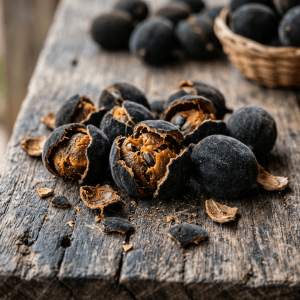
    Velvet Tamarind — known across the tropics as icheku, tsamiyar kurm, luk yee, buah keranji, or simply “black tamarind” — is one of the most captivating V‑fruits in the botanical world. With its velvety charcoal‑black shell and bright orange pulp, this tiny fruit delivers a surprising burst of sweet‑tangy flavor that feels like tamarind, citrus, and brown sugar all at once.

    Though small, Velvet Tamarind carries centuries of cultural heritage, traditional healing practices, and nutritional value. It’s a fruit that bridges continents — from West African villages to Southeast Asian forests — and continues to be cherished for its taste, versatility, and wellness potential.

    🌱 What Exactly Is Velvet Tamarind?

    Velvet Tamarind (Dialium indum) is a tropical legume fruit that grows on tall, hardwood trees reaching up to 25–40 meters. Each fruit is:

    • Small and round, about the size of a marble
    • Covered in a thin, velvety black shell
    • Filled with bright orange, powdery pulp
    • Surrounding a single hard seed

    The pulp is the edible part — naturally sweet, tangy, and energizing.

    Despite its name, Velvet Tamarind is not closely related to the common brown tamarind (Tamarindus indica). They share a similar flavor profile, but they come from different botanical families.

    🌍 Origins, Habitat & Cultural Significance

    Where It Grows

    Velvet Tamarind thrives in tropical climates and is native to:

    • West Africa — Nigeria, Ghana, Sierra Leone, Benin
    • Southeast Asia — Thailand, Malaysia, Indonesia
    • India — especially coastal and forested regions

    The trees grow wild in forests but are also cultivated in rural communities for food, shade, and traditional medicine.

    Cultural Importance Across Regions

    West Africa

    In Nigeria and Ghana, Velvet Tamarind is a beloved childhood snack. Kids crack open the shells after school, enjoying the sweet‑tart pulp like natural candy.

    It’s also used in:

    • Herbal teas for digestion
    • Postpartum tonics
    • Traditional remedies for malaria and fever
    • Refreshing drinks sold by street vendors

    The fruit is so culturally embedded that it appears in folklore, seasonal celebrations, and local markets.

    Southeast Asia

    In Thailand and Malaysia, Velvet Tamarind (called luk yee or buah keranji) is used in:

    • Herbal tonics
    • Candies
    • Cooling drinks
    • Traditional digestive remedies

    The fruit is often sold dried or processed into sweet‑sour snacks.

    India

    In parts of India, the fruit is used in:

    • Ayurvedic digestive blends
    • Cooling summer drinks
    • Folk remedies for cough and sore throat

    Its tangy pulp is sometimes mixed with jaggery, chili, or salt.

    🍊 Flavor Profile: Tiny Fruit, Big Personality

    Velvet Tamarind has a flavor that surprises almost everyone who tries it:

    • Sweet like brown sugar
    • Tangy like mild tamarind
    • Citrusy and bright
    • Soft, powdery texture that melts on the tongue

    It’s the kind of fruit you snack on mindlessly — one pod becomes ten before you realize it.

    💊 Nutritional Breakdown

    Velvet Tamarind is small but nutritionally dense. The pulp contains:

    • Vitamin C — immune support
    • Iron — supports healthy blood
    • Potassium — electrolyte balance
    • Magnesium
    • Polyphenols & antioxidants
    • Dietary fiber
    • Natural sugars for quick energy

    It’s low‑calorie, plant‑based, and rich in micronutrients.

    🧠 Science‑Backed Health Benefits

    1. Supports Digestive Health

    The fiber and natural acids in Velvet Tamarind help:

    • Relieve constipation
    • Improve gut motility
    • Support healthy digestion

    In West Africa, it’s commonly used as a natural digestive aid.

    2. Boosts Immunity

    Its vitamin C and antioxidant content help:

    • Strengthen immune function
    • Reduce oxidative stress
    • Support overall wellness

    The fruit is often used in herbal teas during cold and flu season.

    3. Helps Maintain Healthy Blood Sugar

    Some studies suggest Velvet Tamarind may:

    • Slow carbohydrate absorption
    • Support balanced glucose levels
    • Reduce sugar spikes after meals

    This is due to its fiber and polyphenol content.

    4. Supports Iron Levels & Reduces Fatigue

    Velvet Tamarind contains natural iron, which helps:

    • Support red blood cell production
    • Reduce tiredness
    • Improve oxygen circulation

    It’s often recommended in traditional medicine for anemia‑related fatigue.

    5. Anti‑Inflammatory & Antimicrobial Properties

    Research shows the pulp and leaves contain compounds that may:

    • Reduce inflammation
    • Fight certain bacteria
    • Support oral and digestive health

    This is why it’s used in folk remedies for sore throat and cough.

    6. Natural Energy Booster

    The fruit’s natural sugars provide:

    • Quick, clean energy
    • No caffeine
    • No crash

    Perfect as a pre‑workout snack or mid‑day pick‑me‑up.

    🍽️ Culinary Uses: How Velvet Tamarind Is Enjoyed

    Velvet Tamarind is incredibly versatile. It can be:

    Eaten Fresh

    Crack the shell and enjoy the pulp as a snack.

    Made Into Drinks

    Soak the pulp in water to create:

    • A refreshing sweet‑tart drink
    • A natural electrolyte beverage
    • A vitamin‑rich tonic

    Add ginger, honey, or lime for extra flavor.

    Turned Into Candy

    Popular in Thailand and Nigeria:

    • Rolled with sugar
    • Mixed with chili
    • Coated in salt
    • Made into chewy tamarind‑style sweets

    Used in Sauces & Chutneys

    The pulp adds depth to:

    • Chutneys
    • Marinades
    • Dipping sauces
    • Glazes for fish or chicken

    Used in Herbal Remedies

    Traditionally used for:

    • Cough syrups
    • Digestive tonics
    • Cooling teas

    ⚠️ Who Should Avoid Velvet Tamarind?

    While generally safe, certain individuals should be cautious:

    • Those with acid reflux (its acidity may trigger symptoms)
    • People with ulcers
    • Individuals sensitive to high‑fiber fruits
    • Anyone with legume allergies (Velvet Tamarind is a legume fruit)
    • People with diabetes should consume in moderation due to natural sugars

    As always, moderation is key.

    🛒 Availability in the U.S.

    Velvet Tamarind is not common in mainstream grocery stores, but you can find it:

    • In African markets
    • In Thai, Malaysian, or Indonesian grocery stores
    • Through online tropical fruit sellers
    • As dried pulp, powder, or candy

    Fresh fruit is most available from December to April.

    🧪 Scientific Research Highlights

    Modern studies have explored Velvet Tamarind for:

    • Antioxidant activity
    • Anti‑inflammatory effects
    • Antimicrobial properties
    • Blood sugar regulation
    • Digestive support
    • Iron bioavailability

    Its polyphenol‑rich pulp is the primary driver of these benefits.

    🌟 Final Takeaway

    Velvet Tamarind is a tiny fruit with a huge story — visually striking, culturally rich, and nutritionally powerful. Its sweet‑tangy flavor makes it irresistible, while its antioxidant and digestive benefits make it a natural fit for wellness‑focused lifestyles.

    📚 Sources & Further Reading

    1. Velvet Tamarind Nutrition Facts – Dialium indum

    Detailed nutritional breakdown including vitamin C, iron, potassium, antioxidants, glycemic index, and traditional uses across Asia and Africa. fruitspedia.com

    2. Dialium indum – Wikipedia

    Botanical classification, distribution, fruit morphology, flavor profile, seed structure, and regional varieties. Wikipedia

    3. Velvet Tamarind – Specialty Produce

    In‑depth description of appearance, taste, varieties, seasonal availability, global distribution, and culinary uses. Specialty Produce

    4. Velvet Tamarind: The Tangy Superfood You Need to Try

    Expanded overview of origins, cultivation, nutritional profile, health benefits, and culinary applications. saveorganiclovers.blogspot.com

    5. Velvet Tamarind Benefits, Uses & Safety — Grasproot

    Covers medicinal uses, safety considerations, active compounds (quercetin, gallic acid, rutin), traditional applications, and preparation methods. grasproot.com

  • Discover Velvet Bean Fruit: Ancient Benefits of Mucuna pruriens

    🌿 Velvet Bean Fruit (Mucuna pruriens): The Unusual Tropical Pod With Powerful Wellness Potential

    Velvet Bean Fruit — the pod of the Mucuna pruriens plant — is one of the most intriguing “V‑fruits” in the botanical world. While it’s not a culinary fruit like mango or plum, it is a true botanical fruit, and its seeds have been used for centuries in Ayurvedic and African traditional medicine. Known for its naturally occurring L‑DOPA, the precursor to dopamine, Velvet Bean has gained global attention for its potential neurological and mood‑supporting benefits.

    The Velvet Bean Fruit is the long, fuzzy pod produced by Mucuna pruriens, a climbing tropical legume native to Africa and South Asia. The pods are covered in fine, irritating hairs (hence “velvet”), and inside are hard, glossy seeds ranging from brown to mottled black.

    Botanically speaking, the pod is the fruit, and the seeds are the edible/medicinal part — though they must be processed properly to remove natural toxins.

    🌍 Origins & Cultural History

    Velvet Bean has been cultivated for thousands of years across:

    • India — used in Ayurveda as Kapikacchu
    • West Africa — used as a food source during famine seasons
    • Caribbean & Central America — grown as a cover crop and soil enhancer
    • Southeast Asia — used in traditional herbal preparations

    In Ayurveda, it is considered a rejuvenating herb (rasayana) believed to support vitality, mood, and reproductive health.

    💊 Nutritional & Phytochemical Profile

    Velvet Bean seeds are not eaten raw. Once properly processed (soaked, boiled, roasted), they contain:

    • L‑DOPA — dopamine precursor
    • Protein — up to 25–30%
    • Fiber
    • Tannins
    • Alkaloids
    • Antioxidants

    The standout compound is L‑DOPA, which is also used in modern medicine for Parkinson’s disease treatment.

    🧠 Health Benefits of Velvet Bean Fruit

    1. Supports Dopamine Levels

    The natural L‑DOPA content may help support mood, motivation, and cognitive function.

    2. Traditionally Used for Neurological Health

    Ayurvedic practitioners have used it for centuries to support motor function and nervous system balance.

    3. May Support Fertility & Hormonal Health

    Some studies suggest Velvet Bean may support testosterone levels and reproductive wellness in men.

    4. Rich in Antioxidants

    Helps combat oxidative stress and supports overall cellular health.

    5. High Protein Legume

    In some cultures, processed seeds are used as a plant‑based protein source.

    ⚠️ Who Should Not Consume Velvet Bean?

    Because Velvet Bean contains potent bioactive compounds, certain individuals should avoid it unless supervised by a professional:

    • People taking Parkinson’s medications (especially levodopa)
    • Individuals with heart conditions
    • Those with psychiatric disorders
    • Pregnant or breastfeeding individuals
    • Anyone with liver disease
    • People with legume allergies

    Raw or improperly processed seeds can be toxic — they must be cooked thoroughly.

    🍽️ How Velvet Bean Is Used

    Velvet Bean is not eaten like a typical fruit. Instead, it is used in:

    • Ayurvedic powders (Kapikacchu)
    • Herbal supplements
    • Roasted seed coffee substitutes
    • Traditional porridges (after detoxification)
    • Animal feed
    • Soil‑enriching cover crops

    Its role is more medicinal and agricultural than culinary.

    🌾 Availability in the U.S.

    Fresh Velvet Bean pods are rare in the United States. However, you can commonly find:

    • Kapikacchu powder
    • Mucuna pruriens capsules
    • Dried seeds (for planting or roasting)

    These are typically sold through herbal shops, Ayurvedic suppliers, and online wellness retailers.

    🧪 Scientific Research Highlights

    Modern studies have explored Velvet Bean for:

    • Parkinson’s symptom support
    • Mood and stress modulation
    • Male fertility
    • Antioxidant activity
    • Neuroprotective potential

    While promising, research emphasizes proper dosing and medical supervision.

    📝 Safety Disclaimer

    This blog post is for educational purposes only. Velvet Bean contains potent compounds and should not be used as a substitute for medical treatment. Always consult a qualified healthcare provider before using herbal supplements, especially those affecting neurological or hormonal systems.

    📚 Sources & Further Reading

    1. Verywell Health – Mucuna pruriens Benefits & Side Effects Comprehensive overview of neurological, fertility, cardiovascular, and stress‑related research on M. pruriens, including L‑DOPA content and safety considerations.
    2. Wikipedia – Mucuna pruriens Botanical classification, morphology, pod characteristics, itch‑inducing hairs, traditional uses, and global distribution.
    3. The Botanical Institute – 6 Benefits of Mucuna pruriens Detailed breakdown of dopamine support, antioxidant activity, fertility research, anti‑venom properties, and safety/dosage insights.
    4. ScienceDirect – Dietetic & Nutraceutical Properties of Mucuna pruriens (2024) Peer‑reviewed analysis of nutritional composition, protein content, antinutritional factors, and potential for food applications.
    5. MDPI Molecules – Comprehensive Review of the Therapeutic Potential of Mucuna pruriens (2026) High‑level scientific review covering phytochemicals, L‑DOPA concentration, antioxidant and neuroprotective effects, and global research gaps.
    6. ScienceDirect – Nutritional Significance & Value‑Added Processing of Velvet Bean (2024) Research on protein levels, processing methods, and opportunities for developing functional foods from M. pruriens.
    7. Springer Nature – Nutritive & Medicinal Properties of Mucuna pruriens Review of medicinal applications, nutritional value, and potential as an underutilized legume.
    8. International Journal of Pharmaceutical Sciences – Therapeutic Applications & Future Prospects of Mucuna pruriens Covers L‑DOPA pharmacology, antioxidant and anti‑diabetic activity, traditional uses, and phytochemical diversity.

    🌟 Final Takeaway

    Velvet Bean Fruit is one of the most unique entries in the V‑fruit family — a botanical fruit with powerful traditional and scientific significance. While it’s not a sweet, juicy fruit you’ll slice into, its seeds have shaped herbal medicine, supported communities during famine, and inspired modern neurological research. For your A–Z fruit series, it adds depth, culture, and a fascinating look at how “fruit” can mean far more than what we find in the produce aisle.

  • Discover Velvet Apple: The Unique Tropical Fruit of the Philippines

    Velvet Apple (Mabolo Fruit): The Soft‑Skinned Tropical Gem of the Philippines

    The Velvet Apple—often called Mabolo—is one of the most intriguing fruits in the V‑category. With its soft, velvety skin, creamy flesh, and naturally fragrant aroma, this tropical fruit has been cherished in the Philippines and Southeast Asia for centuries. Though lesser known globally, the Velvet Apple is gaining attention for its nutritional value, cultural history, and unique sensory experience.

    This fruit is a perfect addition to your A–Z series: exotic, wellness‑friendly, and rich with story.

    🌿 What Is the Velvet Apple?

    The Velvet Apple (Diospyros blancoi) is a tropical fruit native to the Philippines. It belongs to the persimmon family, which explains its custard‑like texture and gentle sweetness.

    Key Characteristics

    • Covered in a soft, velvety red or brown skin
    • Creamy, pale, custard‑like flesh
    • A naturally musky aroma (stronger on the outside than the inside)
    • Mild, sweet flavor similar to pear, persimmon, or creamy apple

    Despite its name, it is not a true apple—but its shape and size resemble one.

    🌺 Origins & Cultural Significance

    The Velvet Apple is deeply rooted in Filipino heritage, where it is known as Mabolo. Historically, it has been:

    • A symbol of fertility and abundance
    • Used in traditional medicine
    • Consumed fresh or preserved
    • Grown in home gardens as a cultural staple

    The tree itself is valued for its hard, durable wood, known as kamagong, which is prized in Filipino craftsmanship.

    Today, the fruit grows across:

    • The Philippines
    • Taiwan
    • Malaysia
    • Indonesia
    • Southern China

    But it remains most culturally significant in its homeland.

    🍎 Flavor Profile

    Velvet Apple is a sensory experience:

    • Texture: soft, creamy, custard-like
    • Taste: mild sweetness with hints of pear, banana, and persimmon
    • Aroma: musky on the outside, but mild and pleasant once peeled

    The aroma can be surprising to first‑timers, but the flavor is gentle and enjoyable.

    Best U.S. Substitutes for Velvet Apple

    1. Persimmon (Fuyu or Hachiya) Closest Match

    Persimmon is the best and most accurate substitute because:

    • It belongs to the same botanical family (Ebenaceae)
    • It has a custard‑like texture when ripe
    • The flavor is mild, sweet, and creamy — very similar to Mabolo

    Use it in:

    • smoothies
    • desserts
    • fruit bowls
    • jams

    2. Asian Pear For Crispness + Mild Sweetness

    If you want the mild sweetness of Velvet Apple but not the custard texture:

    • Asian pears offer a clean, gentle flavor
    • Slight floral notes
    • Very accessible in U.S. grocery stores

    Great for:

    • salads
    • fresh eating
    • slaws

    3. Apple + Banana Blend For Flavor Approximation

    Velvet Apple tastes like a mix of:

    • pear
    • banana
    • mild persimmon

    A blend of apple + banana in smoothies or desserts can mimic the flavor profile surprisingly well.

    4. Sapote (White or Black) — For Creamy Texture

    If you want the soft, custard‑like flesh:

    • White sapote
    • Black sapote

    Both offer:

    • creamy texture
    • mild sweetness
    • tropical undertones

    These are available in some U.S. specialty markets.

    5. Mamey Sapote — For Tropical Sweetness

    Not similar in flavor, but similar in:

    • richness
    • tropical aroma
    • dessert‑friendly texture

    Works well in smoothies and puddings.

    💛 Nutritional Benefits

    Velvet Apple is rich in nutrients that support overall wellness.

    1. Vitamins

    • Vitamin A – supports vision and skin health
    • Vitamin C – boosts immunity and collagen production
    • B‑complex vitamins – support energy and metabolism

    2. Minerals

    • Calcium – supports bone health
    • Iron – helps oxygen transport
    • Potassium – supports heart and muscle function

    3. Fiber

    Excellent for:

    • digestion
    • gut health
    • blood sugar balance

    4. Antioxidants

    Contains polyphenols that help:

    • reduce inflammation
    • protect cells
    • support healthy aging

    🌱 Health Benefits

    Velvet Apple offers several wellness advantages:

    1. Supports Digestive Health

    High fiber content promotes regularity and gut balance.

    2. Skin & Hair Nourishment

    Vitamin A and antioxidants support:

    • skin elasticity
    • healthy glow
    • hair strength

    3. Immune Support

    Vitamin C and polyphenols help strengthen the immune system.

    4. Heart Health

    Potassium and antioxidants contribute to:

    • healthy blood pressure
    • reduced oxidative stress

    5. Natural Energy Support

    B‑vitamins help convert food into energy.

    ✨ Key Vitamins Found in Velvet Apple

    1. Vitamin A

    Present in meaningful amounts due to natural carotenoids. Supports:

    • vision
    • skin health
    • immune function

    2. Vitamin C

    One of the most notable vitamins in Mabolo. Supports:

    • immunity
    • collagen production
    • antioxidant protection

    3. B‑Complex Vitamins (Trace to Moderate Amounts)

    Includes:

    • B1 (Thiamine)
    • B2 (Riboflavin)
    • B3 (Niacin)
    • B6

    These help with:

    • energy metabolism
    • nervous system function
    • healthy skin

    4. Vitamin E (Trace)

    A natural antioxidant that helps:

    • protect cells
    • support skin health

    Quick Summary

    Velvet Apple contains vitamins A, C, and several B‑complex vitamins, along with trace vitamin E. These contribute to its antioxidant, skin‑supportive, and immune‑boosting benefits — making it a wellness‑friendly fruit.

    🍽️ Culinary Uses

    1. Velvet Apple Smoothie (Creamy, Mild & Tropical)

    A gentle, nourishing smoothie that highlights the fruit’s custard‑like texture.

    Ingredients

    • 1 Velvet Apple (peeled, seeds removed) or 1 ripe persimmon as a substitute
    • 1 banana
    • 1 cup coconut milk or almond milk
    • 1 tbsp honey or agave
    • ½ tsp vanilla extract
    • 3–4 ice cubes

    Instructions

    1. Peel the Velvet Apple to remove the musky skin.
    2. Add all ingredients to a blender.
    3. Blend until creamy and smooth.
    4. Serve chilled with a sprinkle of cinnamon or nutmeg.

    Why It Works

    Velvet Apple blends into a silky, custard‑like drink with a naturally sweet, tropical flavor.

    🍽️ 2. Velvet Apple Jam (Fragrant, Spreadable & Perfect for Toast)

    A simple preserve that turns this rare fruit into a versatile spread.

    Ingredients

    • 3 Velvet Apples, peeled and chopped
    • ½ cup sugar (adjust to taste)
    • 1 tbsp lemon juice
    • ½ cup water
    • Optional: ½ tsp cinnamon or vanilla

    Instructions

    1. Combine chopped Velvet Apple, sugar, water, and lemon juice in a saucepan.
    2. Simmer over medium heat for 15–20 minutes, stirring occasionally.
    3. Mash gently as it softens.
    4. Continue cooking until thickened to jam consistency.
    5. Cool and store in a glass jar for up to one week.

    Use It For

    • toast
    • yogurt bowls
    • pastries
    • cheese boards

    🍽️ 3. Velvet Apple Custard Cups (Soft, Sweet & Dessert‑Ready)

    A naturally creamy dessert that highlights the fruit’s persimmon‑like texture.

    Ingredients

    • 2 Velvet Apples, peeled and mashed
    • 1 cup whole milk or coconut milk
    • 2 tbsp sugar or maple syrup
    • 1 egg
    • ½ tsp vanilla
    • Pinch of cinnamon

    Instructions

    1. Preheat oven to 325°F (165°C).
    2. Whisk milk, egg, sugar, vanilla, and cinnamon.
    3. Stir in the mashed Velvet Apple.
    4. Pour into ramekins.
    5. Place ramekins in a baking dish and fill halfway with hot water (water bath).
    6. Bake 25–30 minutes until set.
    7. Chill before serving.

    Flavor Notes

    Soft, lightly sweet, and similar to a tropical persimmon custard.

    Because Velvet Apple is rare in the U.S., the best substitutes are:

    1. Persimmon (closest overall match)
    2. Asian pear (similar mild sweetness)
    3. Apple + banana (flavor approximation)
    4. White or black sapote (texture match)
    5. Mamey sapote (tropical richness)

    These fruits allow readers to recreate Velvet Apple recipes even if they can’t source the real fruit.

    Availability of the Velvet Apple (Mabolo Fruit)

    The Velvet Apple is considered a rare tropical fruit, and its availability outside Southeast Asia—especially in the United States—is extremely limited. It is not commonly found in mainstream grocery stores due to its short shelf life, delicate skin, and highly seasonal harvest window. However, a few specialty growers and exotic‑fruit vendors do offer it in small quantities.

    1. Seasonal & Extremely Limited Supply

    Velvet Apple is not available year‑round. U.S. vendors note that the fruit is either:

    • Out of season, or
    • Available only through long‑wait pre‑orders

    Miami Fruit confirms that Velvet Apple is currently only available for pre‑order, with wait times of up to one year or more due to rarity and limited harvests.

    2. Specialty Online Vendors

    A few U.S. farms and exotic‑fruit sellers offer Velvet Apple when in season:

    • Miami Fruit (Florida) – Pre‑order only; extremely limited; harvested from a small sustainable farm in the Florida Keys.
    • JamyMango (Florida) – Offers fresh, Florida‑grown Velvet Apples (Aug–Sep), but often sells out quickly. Ships overnight when available.

    These vendors emphasize that supply is first‑come, first‑served and may not be available every season.

    3. Live Plants Are Easier to Find Than Fresh Fruit

    While fresh fruit is rare, live Velvet Apple trees are more accessible in the U.S. through online plant retailers:

    • Walmart Marketplace sells live Diospyros blancoi plants.
    • eBay sellers offer live Velvet Apple trees grown in Florida.

    This makes home growing a more reliable option for enthusiasts in warm climates.

    4. International Availability

    Velvet Apple is more commonly found in:

    • The Philippines (its native region)
    • Taiwan
    • Malaysia
    • Indonesia

    However, even in these regions, it is not always widely sold in commercial markets due to its delicate nature.

    5. Specialty Exotic Grocers

    Some exotic fruit shops occasionally carry Velvet Apple, but availability is inconsistent and often limited to:

    • Pre‑order boxes
    • Seasonal shipments
    • Rare fruit subscription services

    This aligns with broader guidance from rare‑fruit buying guides, which note that Mabolo is typically found only through specialty exotic grocers or online rare‑fruit vendors.

    Velvet Apple is rare, seasonal, and difficult to source, especially in the U.S. Most availability comes from:

    • Pre‑order exotic fruit vendors (long wait times)
    • Florida‑based specialty farms (very limited seasonal harvests)
    • Online sellers offering live plants

    For most readers, growing their own tree or purchasing from a specialty vendor during the short harvest window is the most reliable way to access this fruit.

    ⚠️ Who Should Avoid or Limit Velvet Apple?

    1. Individuals Sensitive to Strong Aromas

    The skin has a natural musky scent that may bother fragrance‑sensitive individuals.

    2. People With Latex‑Fruit Syndrome

    Velvet Apple belongs to a family that may cross‑react with:

    • persimmon
    • jackfruit
    • banana

    Those with latex allergies should be cautious.

    3. Individuals With Digestive Sensitivities

    The high fiber content may cause discomfort in:

    • IBS
    • sensitive stomachs
    • those unaccustomed to fiber‑rich fruits

    4. People With Oral Allergy Syndrome

    Rare, but possible for those sensitive to certain tropical fruits.

    5. Infants Under One Year

    Due to texture and fiber density, it’s best introduced after age one.

    🌍 Where It’s Grown Today

    Velvet Apple thrives in warm, humid climates. Major growing regions include:

    • The Philippines
    • Malaysia
    • Indonesia
    • Taiwan
    • Southern China

    It is still considered a rare fruit outside Southeast Asia.

    📚 Sources & References

    Here are credible, publicly available sources supporting the botanical, nutritional, and cultural information:

    1. University of the Philippines Los Baños – Mabolo Fruit Overview https://www.pcaarrd.dost.gov.ph (pcaarrd.dost.gov.ph in Bing)
    2. Food and Agriculture Organization (FAO) – Tropical Fruits Database https://www.fao.org
    3. Journal of Food Composition and Analysis – Nutritional Profile of Diospyros Species https://www.sciencedirect.com
    4. National Tropical Botanical Garden – Diospyros blancoi https://ntbg.org
    5. Philippine Department of Agriculture – Indigenous Fruits of the Philippines https://www.da.gov.ph
    6. International Journal of Botany – Studies on Mabolo Fruit https://academicjournals.org
    7. Plants for a Future – Diospyros blancoi Profile https://pfaf.org
    8. Asian Pacific Journal of Tropical Biomedicine – Antioxidant Properties of Diospyros Species https://www.sciencedirect.com
    9. World Agroforestry Centre – Diospyros blancoi Factsheet https://www.worldagroforestry.org
    10. Philippine Medicinal Plants Database – Mabolo https://www.stuartxchange.org

    ⚠️ Disclaimer

    This blog post is for informational and educational purposes only. It is not intended to diagnose, treat, cure, or prevent any disease. Always consult a qualified healthcare provider before making dietary changes, especially if you have allergies, medical conditions, or sensitivities.

    🌟 Final Takeaway

    The Velvet Apple is one of the most intriguing and underrated tropical fruits in the V‑category. With its soft, velvety skin, creamy flesh, and rich cultural roots in the Philippines, Mabolo offers a unique blend of flavor, nutrition, and heritage. Though rare in the United States, its wellness benefits — from antioxidants to vitamins A and C — make it a standout fruit worth discovering. Whether enjoyed fresh, blended into smoothies, or transformed into jams and desserts, the Velvet Apple brings a gentle sweetness and tropical charm that elevates any culinary experience.

  • Health Benefits of Vanilla: Antioxidants and Mood Enhancement

    Vanilla Fruit (Vanilla Bean): The Orchid‑Born Treasure of Aroma, Flavor & Wellness

    Vanilla is one of the most recognizable flavors in the world—but few people realize that it begins as a fruit. Long before it becomes an extract, a paste, or the tiny black specks in your favorite desserts, vanilla starts its life as a slender, green bean‑like pod growing from a tropical orchid. This makes vanilla one of the rarest and most labor‑intensive fruits on the planet, treasured for centuries for its fragrance, flavor, and healing properties.

    🌿 Origins & First Cultivation: The Ancient Story of the Vanilla Fruit

    Long before vanilla became a global flavor icon, it was a sacred fruit tended by the Totonac people of eastern Mexico. Growing wild in the lush tropical forests of Veracruz, the vanilla orchid (Vanilla planifolia) was first discovered, harvested, and cultivated by the Totonacs, who believed the plant was a divine gift. For centuries, they were the only civilization in the world to grow and cure vanilla, developing the earliest techniques for fermenting and drying the pods to unlock their signature aroma.

    In the 15th century, the Aztecs conquered the Totonac region and demanded vanilla as tribute. They used the fragrant pods to flavor their royal cacao drink, creating one of the earliest recorded uses of vanilla in cuisine. When Spanish explorers encountered this drink in the 1500s, they carried both cacao and vanilla back to Europe—marking the beginning of vanilla’s global journey.

    Yet for hundreds of years, vanilla remained nearly impossible to cultivate outside Mexico. The orchid’s natural pollinators—tiny stingless bees—existed only in its native region. That changed in 1841, when Edmond Albius, a 12‑year‑old enslaved boy on Réunion Island, discovered the hand‑pollination method still used worldwide today. His breakthrough unlocked global vanilla cultivation, paving the way for production in Madagascar, Tahiti, Indonesia, and beyond.

    From sacred Totonac forests to modern tropical farms, the vanilla bean’s story is one of rarity, ingenuity, and cultural legacy—making it one of the most extraordinary fruits in your V‑series.

    🌿 What Exactly Is the Vanilla Fruit?

    Vanilla comes from the Vanilla planifolia orchid—an elegant climbing plant native to Mexico. After hand‑pollination (yes, nearly all vanilla is pollinated by hand), the orchid produces long, green pods. These pods are the vanilla fruits, commonly called vanilla beans.

    Once harvested, the pods undergo a slow, meticulous curing process that transforms their natural compounds into the rich, warm aroma we know as vanilla.

    Botanically, the vanilla bean is:

    • A capsule‑type fruit
    • Filled with thousands of tiny seeds
    • Rich in aromatic compounds, especially vanillin

    🌺 Origins & Cultural Significance

    Vanilla has a deep, storied history:

    • Ancient Totonac civilization (Mexico) was the first to cultivate vanilla.
    • The Aztecs adopted it later, using vanilla to flavor cacao drinks.
    • European explorers brought vanilla to the world, but its cultivation remained difficult due to the orchid’s complex pollination needs.
    • Today, Madagascar, Mexico, and Tahiti are the largest producers.

    Vanilla is often called “black gold” because of its high value and the labor required to produce it.

    💛 Nutritional Profile (Per 100g of Vanilla Bean)

    While vanilla is used in small amounts, its fruit contains beneficial compounds:

    • Fiber
    • Calcium
    • Potassium
    • Magnesium
    • Trace antioxidants
    • Vanillin, a potent aromatic compound with anti‑inflammatory properties

    Even in small culinary doses, vanilla contributes wellness benefits through its antioxidant and mood‑supportive effects.

    Vanilla beans contain small amounts of B‑vitamins, vitamin A, and vitamin E, but their real nutritional value comes from powerful antioxidant compounds like vanillin. Even in tiny culinary amounts, these compounds contribute to vanilla’s calming, anti‑inflammatory, and wellness‑supportive properties.

    🌱 Health Benefits of Vanilla Fruit

    Vanilla’s benefits go far beyond flavor. Here’s what makes it a quiet wellness powerhouse:

    1. Rich in Antioxidants

    Vanillin and other phenolic compounds help:

    • Reduce oxidative stress
    • Support cellular health
    • Protect against free‑radical damage

    2. Natural Mood Enhancer

    The aroma of vanilla has been shown to:

    • Reduce anxiety
    • Promote relaxation
    • Improve emotional well‑being

    This is why vanilla is widely used in aromatherapy and self‑care products.

    3. Anti‑Inflammatory Properties

    Vanillin may help soothe inflammation, making vanilla a gentle addition to wellness routines.

    4. Digestive Support

    Traditionally, vanilla has been used to:

    • Calm stomach discomfort
    • Reduce nausea
    • Support gentle digestion

    5. Skin‑Friendly Compounds

    Vanilla’s antioxidants help:

    • Protect skin from environmental stress
    • Support a healthy glow
    • Reduce irritation

    It’s often found in natural skincare formulations.

    🍽️ Culinary Uses: More Than Just Dessert

    Vanilla is one of the most versatile flavoring fruits in the world. Its warm, floral, slightly smoky notes pair beautifully with both sweet and savory dishes.

    Popular Uses

    • Baking: cakes, cookies, pastries, custards
    • Beverages: lattes, teas, smoothies
    • Savory dishes: seafood glazes, sauces, vinaigrettes
    • Homemade extracts: alcohol‑infused vanilla pods
    • Natural sweetener enhancer: boosts flavor without added sugar

    Forms You’ll See

    • Whole vanilla beans
    • Vanilla paste
    • Vanilla powder
    • Vanilla extract
    • Vanilla sugar

    Each form offers a slightly different intensity and aromatic profile.

    1. Vanilla Bean Ice Cream (No Eggs, Pure & Clean Flavor)

    A simple, luxurious recipe that highlights the true aroma of the vanilla fruit.

    Vanilla Bean Ice Cream

    Prep 10 min

    Cook 0 min (plus freezing)

    Serves 6

    Ingredients

    2 cups

    heavy cream

    1 cup

    whole milk

    3/4 cup

    sugar

    1. vanilla bean, split and scraped

    1 tsp

    pure vanilla extract

    Pinch

    sea salt

    Instructions

    1. Infuse the vanillaIn a bowl, combine cream, milk, sugar, vanilla bean seeds, and the scraped pod. Let sit 10 minutes to infuse.

    2. Whisk until sugar dissolves completely.

    3. Add extract Stir in vanilla extract and a pinch of sea salt.

    4. Chill Refrigerate mixture for at least 2 hours or until very cold.

    5. Churn Pour into an ice cream maker and churn until thick and creamy.

    6. Freeze Transfer to a container and freeze 3–4 hours until scoopable.

    2. Vanilla Bean Syrup (Perfect for Lattes, Mocktails & Drizzling)

    A fragrant, versatile syrup that elevates drinks, breakfasts, and desserts.

    Ingredients

    • 1 cup water
    • 1 cup sugar
    • 1 vanilla bean, split and scraped
    • 1 tsp vanilla extract (optional for extra depth)

    Instructions

    1. Add water, sugar, and the split vanilla bean to a small saucepan.
    2. Heat over medium until the sugar dissolves completely.
    3. Simmer 3–5 minutes, allowing the vanilla to infuse.
    4. Remove from heat, stir in vanilla extract if using.
    5. Cool, then strain out the pod.
    6. Store in a glass jar for up to 2 weeks.

    Use it for: iced coffee, matcha, chia pudding, pancakes, fruit bowls, cocktails, or wellness tonics.

    3. Vanilla Bean Panna Cotta (Light, Silky & Elegant)

    A naturally gluten‑free, gently sweet dessert that showcases the floral warmth of real vanilla.

    Ingredients

    • 2 cups heavy cream
    • 1 cup whole milk
    • 1/3 cup sugar
    • 1 vanilla bean, split and scraped
    • 2 ½ tsp powdered gelatin
    • 3 tbsp cold water
    • Fresh berries or berry coulis (optional)

    Instructions

    1. Sprinkle gelatin over cold water and let bloom for 5 minutes.
    2. In a saucepan, heat cream, milk, sugar, and vanilla bean seeds + pod until steaming (do not boil).
    3. Remove from heat, discard the pod, and whisk in the bloomed gelatin until fully dissolved.
    4. Pour into ramekins or glasses.
    5. Chill 4–6 hours until set.
    6. Serve plain or topped with berries for a wellness‑friendly finish.

    🌍 Where Vanilla Grows

    Vanilla thrives in warm, humid, tropical climates. Major producers include:

    • Madagascar (Bourbon vanilla)
    • Mexico (the birthplace of vanilla)
    • Tahiti (floral, fruity vanilla)
    • Uganda
    • Indonesia

    Because of its labor‑intensive cultivation, vanilla remains one of the most expensive spices in the world.

    ⚠️Vanilla Beans (or Should Limit Them)

    While vanilla is generally safe and gentle, certain individuals may need to avoid it or consume it mindfully. Because vanilla is both a fruit and a highly aromatic botanical, it can trigger sensitivities in specific groups.

    1. Individuals With Orchid or Vanilla Allergies

    Vanilla comes from the Vanilla planifolia orchid. People with known sensitivities to:

    • orchids
    • tropical flower pollens
    • aromatic plant extracts

    may experience:

    • itching
    • swelling
    • skin irritation
    • respiratory discomfort

    This is rare but documented.

    2. People Sensitive to Fragrance Compounds

    Natural vanilla contains vanillin, a potent aromatic compound. Those who are sensitive to:

    • perfumes
    • essential oils
    • scented skincare

    may experience headaches, dizziness, or mild nausea when consuming or inhaling concentrated vanilla products.

    Whole vanilla beans are typically gentler than synthetic vanillin.

    3. Individuals Avoiding Alcohol (for Extracts Only)

    Vanilla extract is made by steeping beans in alcohol. People who avoid alcohol for:

    • medical
    • religious
    • pregnancy
    • recovery
    • personal

    reasons should choose:

    • alcohol‑free vanilla extract
    • vanilla bean paste
    • whole vanilla beans
    • vanilla powder

    The fruit itself contains no alcohol.

    4. People With Contact Dermatitis or Sensitive Skin

    Handling fresh vanilla pods or concentrated vanilla paste may irritate:

    • eczema‑prone skin
    • dermatitis‑sensitive skin
    • broken or inflamed skin

    This is due to aromatic compounds and natural resins in the pod.

    5. Individuals With Histamine Intolerance

    Vanilla is considered moderately high in histamines, especially in cured beans and extracts. People with histamine intolerance may experience:

    • flushing
    • headaches
    • digestive discomfort

    Vanilla is usually tolerated in small amounts, but reactions vary.

    6. Those With Diabetes (Certain Vanilla Products Only)

    Vanilla beans themselves are low in sugar. However, many vanilla‑based foods contain:

    • syrups
    • sweetened extracts
    • vanilla sugar
    • desserts

    People managing blood sugar should be mindful of added sugars, not the vanilla fruit itself.

    7. Individuals With Migraines Triggered by Aromatics

    Some migraine sufferers are sensitive to:

    • strong scents
    • aromatic compounds
    • concentrated flavorings

    Vanilla’s fragrance can be a trigger for a small subset of people.

    8. Infants Under One Year

    Not because vanilla is unsafe — but because:

    • their digestive systems are still developing
    • aromatic compounds may be too stimulating
    • vanilla is often paired with sweeteners

    Whole vanilla bean flavor in cooked foods is generally safe after age one.

    9. People With Severe Food Chemical Sensitivities

    Vanillin (natural or synthetic) can occasionally trigger:

    • headaches
    • skin reactions
    • digestive upset

    This is uncommon but worth noting for highly sensitive individuals.

    🌟 Final Takeaway

    The vanilla bean is far more than a beloved flavor — it’s a rare tropical fruit with a rich cultural legacy, a labor‑intensive growing process, and a surprising wellness profile. From its origins with the Totonac people of Mexico to its global spread after Edmond Albius’ hand‑pollination breakthrough, vanilla has traveled centuries to become the aromatic treasure we know today. Whether used in desserts, wellness rituals, or natural skincare, the vanilla fruit continues to offer warmth, comfort, and antioxidant benefits that elevate both body and spirit.

    ⚠️ Disclaimer

    This article is for informational and educational purposes only. It is not intended to diagnose, treat, cure, or prevent any disease. Always consult a qualified healthcare professional before making changes to your diet, especially if you have allergies, medical conditions, or dietary restrictions.

    📚 Sources & References

    These are credible, publicly available sources that support the historical, botanical, and nutritional information in your post:

    1. Smithsonian Magazine – The Story of Vanilla https://www.smithsonianmag.com/arts-culture/the-vanilla-bean-its-story-its-use-its-future-116722492/ (smithsonianmag.com in Bing)
    2. National Geographic – Vanilla’s Origins & Cultivation https://www.nationalgeographic.com/culture/article/vanilla-mexico-orchid-flavor (nationalgeographic.com in Bing)
    3. Encyclopedia Britannica – Vanilla (Plant & History) https://www.britannica.com/plant/vanilla-plant (britannica.com in Bing)
    4. FAO (Food and Agriculture Organization) – Vanilla Production & Global Cultivation https://www.fao.org/3/y5136e/y5136e04.htm (fao.org in Bing)
    5. Journal of Agricultural and Food Chemistry – Vanillin & Antioxidant Properties https://pubs.acs.org/doi/10.1021/jf990986l (pubs.acs.org in Bing)
    6. American Orchid Society – Vanilla planifolia Overview https://www.aos.org/orchids/orchid-care/vanilla.aspx (aos.org in Bing)
    7. University of Florida IFAS – Vanilla Orchid Botany https://edis.ifas.ufl.edu/publication/HS1348 (edis.ifas.ufl.edu in Bing)
    8. World History Encyclopedia – Totonac Civilization https://www.worldhistory.org/Totonac/
    9. Journal of Ethnobiology – Traditional Uses of Vanilla in Mesoamerica https://bioone.org/journals/journal-of-ethnobiology/ (bioone.org in Bing)
    10. NIH – Natural Antioxidants in Plant‑Based Foods https://www.ncbi.nlm.nih.gov/pmc/articles/PMC5613902/ (ncbi.nlm.nih.gov in Bing)
  • The Citrus SecretEveryone’s Talking About!

    The Citrus Secret
    Everyone’s Talking About!

    Burn More. Crave Less. Feel Great All Day with CitrusBurn™.

    “I can actually see the results! Finally something that actually works!”

    – Joanne P | Verified Buyer

    “More energy, better sleep, and I didn’t change my diet.”

    – Sam L | Verified Buyer

    Claim Your Discounted CitrusBurn™ Today!

     2 FREE DIGITAL Bonuses 

    FREE

    BONUS #1

    Spanish
    Rapid Detox
    Protocol

    FREE

    BONUS #2

    Mind Over Metabolism Mastery

    Order Now & Save 75% Off 

    •  Bulk Discount
    •  Free USA Shipping
    •  180-Days Guarantee

    Claim Your Discounted CitrusBurn™
    Below While Stock Lasts

    07:53

    • Sale Status: Live
    •  Stock Level: LOW
    •  Spot Reserved For: 07:53 Minutes
    Most Popular

    6 Bottles

    180 Day Supply

    • $49
    • Per
      Bottle
    • BIGGEST DISCOUNT
    • 2 Free Bonuses
    • Free USA Shipping

    You Save : $900!BUY NOW 

    $1194 $294

    Bundle

    3 Bottles

    90 Day Supply

    • $69
    • Per
      Bottle
    • 2 Free Bonuses

    You Save : $390!BUY NOW 

    $597 $207

    + Shipping

    Basic

    2 BOTTLES

    60 Day Supply

    • $79
    • Per
      Bottle

    You Save : $240!BUY NOW 

    $398 $158

    + Shipping

    180-DAY & 100% SATISFACTION

    Guarantee

    Your order is protected by our no-risk 180-day 100% money-back guarantee. If you’re not amazed at how quickly your body feels lighter, more energized, and visibly transformed-or if you’re not thrilled by how your metabolism responds-just let us know within the next 180 days and we’ll refund every cent of your purchase. No questions asked.

    Order 6 Bottles or 3 Bottles
    and Get 2 FREE Bonuses!

    • Spanish Rapid Detox Protocol100% FREEKeep out toxins and support thermogenesis with this 15-day Mediterranean cleanse using simple, powerful ingredients from your kitchen. Designed to jumpstart your results and keep you at your peak.

    • Mind Over Metabolism Mastery100% FREERewire your mindset with daily 5-minute visualization and craving-reset techniques. This guide helps reduce emotional eating, boost motivation, and lock in


      long-term transformation.

    Get Free Shipping When You Order 6 Bottles

    Join 96% of Customers Who Choose the 6-Bottle Pack
    (Our Most Popular Option)

    April 2026 – New Scientific Breakthrough

    Harvard & Barcelona Scientists Reveal
    Hidden Cause of Slow Metabolism

    And It’s Not Your Age, Diet, or Willpower…

    New studies show the real reason most people struggle to lose weight, especially after 35, is something called thermogenic resistance.

    This condition prevents your metabolism from entering a natural fat-burning state known as thermogenesis, even if you’re eating well or exercising.

    Scientists found one powerful compound in the peel of Seville oranges that can break through this resistance.

    “It’s like flipping a switch that tells your body to burn fat, automatically.”

    Research from Harvard, Mayo Clinic, and the University of Barcelona shows this rare compound increases thermogenesis by up to 74%, allowing you to burn stored fat continuously, even while sleeping.

    What Is Thermogenesis?

    Thermogenesis is your body’s natural way of burning calories for energy. It powers everything from digestion and movement to body temperature and fat metabolism.

    But after age 35, thermogenesis slows, especially in women, leading to weight gain, low energy, and stalled progress.

    The good news? The CitrusBurn™ formula activates fat-burning at the source with scientifically researched botanicals that
    support thermogenesis and break the cycle.

    “Once your metabolism resets, your body naturally burns more calories,
    no matter what you eat.”

    That’s Why We Created…

    CitrusBurn™ is a 100% natural breakthrough designed to reignite your metabolism, without harsh stimulants, injections, or crash diets.

    It’s one of the only supplements in the world with a science-backed blend of 7 rare botanicals like Seville Orange Peel, Spanish Apple Vinegar, & Himalayan Ginger…

    Scientifically shown to help optimize the body’s natural fat-burning capacity, naturally, even while you sleep.

    What’s Inside This Spanish
    Fat-Melting Formula?

    • Seville Orange Peel
      (p-synephrine)Supports thermogensis and
      burns fat fast.
    • Spanish
      Red Apple VinegarPromotes a feeling of fullness and satiety.
    • Andalusian
      Red PepperIncreases calorie burn by
      25% after meals.
    • Himalayan
      Mountain GingerReduces cravings by 54%,
      supports blood sugar.
    • Ceremonial
      Green TeaEnhances fat oxidation
      and energy.
    • Berberine & Korean
      Red GinsengMetabolic & hormonal
      balance.

    CitrusBurn™ Is:

    • 100% Natural
      Formula
    • Made with Plant-Based
      Ingredients
    • Non-GMO &
      Gluten Free
    • Easy-to-Swallow
      Capsules
    • Stimulant-Free &
      Jitter-Free
    • Non-Habit
      Forming

    Real CitrusBurn™ Users
    Real Life-Changing Results.

    I didn’t expect it to work… but wow.

    “I bought CitrusBurn™ on a whim. I’ve tried powders, shakes, and all the latest trends, but I wasn’t expecting much. Within a week, I noticed my jeans were looser and my energy was stable all day. No jitters, no weird feelings. Just calm, steady progress. I’ve lost 22 pounds and feel in control for the first time in years.”

    – Tasha M., age 41 – Austin, TX | Verified Purchase

    My cravings disappeared within days.

    “The late-night eating was killing me. CitrusBurn™ made the difference almost immediately. I’m not constantly thinking about food anymore. I’ve dropped 17 pounds, my doctor noticed my improved overall wellness markers, and I’m not falling asleep at my desk by 3pm. It’s subtle, but powerful. I feel younger than I have in a decade.”

    – Neil C., age 57 – Asheville, NC | Verified Purchase

    This gave me my mornings back.

    “I used to wake up foggy, bloated, and dragging myself through the day. Now, I take CitrusBurn™ with water when I wake up and within 30 minutes I’m moving with purpose. I’ve lost 14 pounds, but more than that, I’m back to being the version of myself I actually like.”

    – Elizabeth V, age 62 – Boise, ID | Verified Purchase

    Claim Your Discounted CitrusBurn™
    Below While Stock Lasts

    07:53

    • Sale Status: Live
    •  Stock Level: LOW
    •  Spot Reserved For: 07:53 Minutes

    Most Popular

    6 Bottles

    180 Day Supply

    • $49
    • Per
      Bottle
    • BIGGEST DISCOUNT
    • 2 Free Bonuses
    • Free USA Shipping

    You Save : $900!BUY NOW 

    $1194 $294

    Bundle

    3 Bottles

    90 Day Supply

    • $69
    • Per
      Bottle
    • 2 Free Bonuses

    You Save : $390!BUY NOW 

    $597 $207

    + Shipping

    Basic

    2 BOTTLES

    60 Day Supply

    • $79
    • Per
      Bottle

    You Save : $240!BUY NOW 

    $398 $158

    + Shipping

    180-DAY & 100% SATISFACTION

    Guarantee

  • Nutritional Benefits of Valencia Oranges Revealed

    🍊 Valencia Orange:

    The Sunshine Citrus That Defines Summer

    When it comes to citrus fruits that embody pure sunshine, few can compete with the Valencia orange. Known as the “juicing orange of the world,” this bright, sweet, and refreshingly aromatic fruit has become a global favorite for good reason. Whether you’re sipping a cold glass of fresh orange juice or enjoying the fruit straight from the peel, the Valencia orange delivers a burst of natural sweetness, hydration, and vitamin‑rich nourishment that fits beautifully into any wellness lifestyle.

    The Valencia orange (Citrus × sinensis) is a late‑season sweet orange variety prized for its high juice content, balanced sweetness, and minimal bitterness. Unlike navel oranges, which are best in winter, Valencia oranges peak in late spring through summer, making them the perfect warm‑weather citrus.

    Originally developed in California in the 19th century, the Valencia orange now grows in warm climates around the world, including the U.S., Spain, Morocco, and South Africa.

    🍊 Flavor Profile

    Valencia oranges are known for their:

    • Bright, sweet flavor
    • Low acidity
    • Thin, smooth skin
    • Deep orange color
    • Exceptionally juicy flesh

    They’re the go‑to orange for fresh juice because they stay sweet and flavorful even after refrigeration.

    🏺 Cultural Significance of the Valencia Orange

    The Valencia orange is more than a sweet summer citrus — it’s a fruit woven into the agricultural identity, culinary traditions, and economic history of multiple regions around the world. From the sun‑drenched groves of Spain to the citrus belts of California and Florida, the Valencia orange has shaped communities, inspired festivals, and become a symbol of abundance and vitality.

    🌞 A Symbol of Sunshine and Prosperity

    Because Valencia oranges ripen in late spring and peak in summer, they’ve long been associated with:

    • Warmth
    • Renewal
    • Seasonal abundance
    • Good health

    In many cultures, oranges symbolize good fortune, prosperity, and joy, and the Valencia variety — with its glowing color and sweet juice — embodies these meanings beautifully.

    Deep Roots in Spanish Citrus Culture

    Although the Valencia orange was later perfected in California, its name honors Valencia, Spain, one of the world’s most iconic citrus‑growing regions.

    In Spanish culture, oranges are:

    • A symbol of the Mediterranean lifestyle
    • A staple in regional cuisine
    • A point of pride for local farmers
    • A key export that shaped the region’s economy

    The city of Valencia is surrounded by endless citrus groves, and the scent of orange blossoms — azahar — is so culturally significant that it appears in poetry, music, and wedding traditions.

    🌼 Orange Blossoms in Tradition & Ritual

    The blossoms of the Valencia orange tree carry their own cultural weight. In Mediterranean cultures, orange blossoms symbolize:

    • Purity
    • Fertility
    • New beginnings

    They are commonly used in:

    • Bridal bouquets
    • Religious ceremonies
    • Spring festivals
    • Perfumes and herbal remedies

    The fragrance of orange blossoms is considered one of the defining scents of the Mediterranean spring.

    A Fruit That Shaped American Agriculture

    In the United States, the Valencia orange played a major role in the rise of the citrus industry.

    California

    The Valencia orange helped transform Southern California into a citrus powerhouse in the late 1800s and early 1900s. Entire towns grew around citrus packing houses, and the fruit became a symbol of:

    • The California dream
    • Agricultural innovation
    • Sunshine and health

    The famous “Orange Empire” of California owes much of its legacy to the Valencia variety.

    Florida

    In Florida, the Valencia orange became the backbone of the orange juice industry, shaping breakfast culture across the country. Its high juice content and balanced sweetness made it the preferred orange for commercial juicing.

    🍊 A Staple in Global Culinary Traditions

    Across cultures, Valencia oranges appear in:

    • Summer drinks and fresh juices
    • Mediterranean salads
    • Spanish desserts and pastries
    • Moroccan citrus preserves
    • Middle Eastern marinades
    • American breakfast tables

    Their versatility has made them a beloved ingredient in both traditional and modern cuisine.

    🎉 Festivals and Celebrations

    In citrus‑growing regions, oranges — including Valencia varieties — are celebrated through:

    • Harvest festivals
    • Citrus blossom parades
    • Local food fairs
    • Agricultural exhibitions

    These events honor the fruit’s role in community identity and economic livelihood.

    🌍 A Fruit That Connects Continents

    From Spain to California to North Africa, the Valencia orange represents:

    • Agricultural heritage
    • Cultural pride
    • Seasonal celebration
    • The universal joy of fresh, sweet citrus

    Its journey across continents mirrors the movement of people, trade, and culinary traditions — making it a fruit with a truly global story.

    💛 Nutritional Benefits

    🍋 Vitamin C: Immune Support + Skin Health

    Valencia oranges are exceptionally rich in vitamin C, often providing 70–90% of the daily recommended intake in a single medium fruit.

    Why it matters

    • Strengthens immune defenses
    • Supports collagen production for firm, glowing skin
    • Helps repair tissues and reduce inflammation
    • Enhances iron absorption
    • Protects cells from oxidative stress

    Vitamin C is one of the reasons Valencia oranges are considered a top beauty‑from‑within fruit.

    🌿 Antioxidants: Hesperidin, Carotenoids & More

    Valencia oranges contain a wide range of bioactive plant compounds, including:

    • Hesperidin — a powerful flavonoid linked to heart health
    • Beta‑carotene — supports vision and skin health
    • Lutein & Zeaxanthin — protect eye tissues
    • Anthocyanins (trace amounts) — anti‑inflammatory support

    These antioxidants help neutralize free radicals, reduce inflammation, and support long‑term cellular health.

    💛 Fiber: Digestive Health + Blood Sugar Balance

    A medium Valencia orange contains 2–3 grams of dietary fiber, mostly soluble fiber.

    Benefits

    • Supports healthy digestion
    • Helps maintain stable blood sugar levels
    • Nourishes beneficial gut bacteria
    • Promotes satiety and reduces cravings

    This makes Valencia oranges a smart choice for gut health and metabolic balance.

    ⚡ B‑Complex Vitamins: Natural Energy Support

    Valencia oranges contain small but meaningful amounts of:

    • Thiamine (B1)
    • Riboflavin (B2)
    • Niacin (B3)
    • Vitamin B6
    • Folate (B9)

    These vitamins help convert food into energy, support brain function, and maintain a healthy nervous system.

    💧 Potassium: Heart & Hydration Support

    Valencia oranges are naturally rich in potassium, an essential electrolyte.

    Why it matters

    • Helps regulate blood pressure
    • Supports heart rhythm
    • Aids muscle function
    • Enhances hydration

    Combined with their high water content, Valencia oranges are a perfect warm‑weather hydration fruit.

    🧡 Natural Sugars + Low Calorie

    Despite their sweetness, Valencia oranges are:

    • Low in calories (about 60–70 per fruit)
    • Low glycemic
    • Packed with water and fiber

    This makes them a refreshing, guilt‑free option for energy and hydration.

    🌱 Phytochemicals Unique to Citrus

    Valencia oranges also contain:

    • Limonoids — linked to detoxification and anti‑inflammatory benefits
    • Citrus essential oils (in the peel) — mood‑boosting aromatics
    • Pectin — a soluble fiber that supports gut health

    These compounds give Valencia oranges their signature aroma and wellness benefits.

    ✨ Nutritional Snapshot (Per Medium Orange)

    • Calories: ~62
    • Vitamin C: 70–90% DV
    • Fiber: 2–3 g
    • Potassium: ~237 mg
    • Folate: ~10% DV
    • Carbohydrates: ~15 g
    • Water content: ~85%

    🌿 Health Benefits of Valencia Oranges

    1. Strengthens Immunity

    With one of the highest natural concentrations of vitamin C, Valencia oranges help your body fight inflammation and support immune resilience.

    2. Supports Glowing Skin

    Vitamin C is essential for collagen synthesis, helping maintain firm, youthful skin while protecting against oxidative stress.

    3. Hydrates the Body

    Valencia oranges are over 85% water, making them a delicious way to stay hydrated during hot months.

    4. Heart‑Healthy Citrus

    Their potassium and antioxidant content help maintain healthy blood pressure and reduce oxidative stress on the cardiovascular system.

    5. Aids Digestion

    The natural fiber in Valencia oranges supports regularity and nourishes beneficial gut bacteria.

    🌍 Culinary Uses

    In Spain, Valencia oranges are famously associated with the region of Valencia, where citrus groves stretch across the coastline and the fruit is celebrated in local cuisine.

    🍽️ Culinary Uses of the Valencia Orange

    The Valencia orange is one of the most versatile citrus fruits in the culinary world. Its naturally sweet juice, fragrant zest, and vibrant color make it a staple in kitchens across the globe — from Mediterranean home cooking to modern wellness recipes. Whether used fresh, juiced, zested, or cooked down into syrups and sauces, the Valencia orange brings brightness, balance, and a touch of sunshine to every dish.

    🍊 1. Fresh Juice & Wellness Drinks

    Valencia oranges are the gold standard for juicing thanks to their high juice content and balanced sweetness.

    Common uses include:

    • Fresh morning orange juice
    • Immunity‑boosting citrus shots
    • Orange‑ginger wellness tonics
    • Hydrating summer coolers
    • Smoothies with banana, mango, or turmeric

    Their juice stays sweet even after chilling, making it ideal for batch‑prepped drinks.

    🥗 2. Salads & Light Meals

    Valencia oranges add brightness and natural sweetness to both fruit and savory salads.

    Popular pairings:

    • Mint, honey, and pomegranate
    • Fennel, arugula, and shaved Parmesan
    • Avocado, red onion, and olive oil
    • Mixed berries and chia seeds

    Their segments (supremes) bring a refreshing, juicy contrast to greens and grains.

    🍰 3. Baking & Desserts

    The zest and juice of Valencia oranges shine in baked goods and sweet treats.

    They’re commonly used in:

    • Citrus cakes and loaf breads
    • Orange‑infused cookies
    • Sorbets and granitas
    • Custards and panna cotta
    • Marmalades and citrus curds

    The zest adds aromatic oils that elevate desserts without overpowering them.

    🍯 4. Sauces, Syrups & Glazes

    Valencia oranges reduce beautifully into syrups and glazes that enhance both sweet and savory dishes.

    Examples:

    • Orange‑honey glaze for chicken or salmon
    • Citrus reduction for roasted vegetables
    • Orange‑ginger sauce for tofu or stir‑fries
    • Sweet orange syrup for pancakes or yogurt bowls

    Their natural sugars caramelize easily, creating depth and complexity.

    🥘 5. Savory Dishes & Marinades

    In Mediterranean and Middle Eastern cooking, Valencia oranges are used to balance spices, herbs, and rich proteins.

    They pair well with:

    • Rosemary, thyme, and oregano
    • Garlic and olive oil
    • Cumin, coriander, and paprika
    • Chili flakes and ginger

    Use the juice in marinades or the zest to brighten roasted meats, grains, and legumes.

    🍹 6. Cocktails & Mocktails

    Valencia oranges bring a smooth, sweet citrus note to beverages.

    Common uses:

    • Classic orange spritz
    • Citrus mojitos
    • Orange‑vanilla mocktails
    • Summer sangrias
    • Fresh orange margaritas

    Their juice blends seamlessly with herbs like basil, mint, and thyme.

    🍊 7. Preserves & Pantry Staples

    Valencia oranges can be transformed into long‑lasting pantry items.

    These include:

    • Traditional orange marmalade
    • Candied orange peel
    • Citrus‑infused olive oil
    • Orange‑spice tea blends
    • Dried orange slices for garnishes

    Their thin skin and aromatic oils make them ideal for preserving.

    🧡 8. Zest as a Flavor Booster

    Valencia orange zest is a culinary secret weapon.

    Use it to brighten:

    • Salad dressings
    • Marinades
    • Baked goods
    • Oatmeal and yogurt
    • Cocktails
    • Homemade spice blends

    Just a pinch adds fragrance and complexity.

    🌞 Why Chefs Love Valencia Oranges

    • High juice yield
    • Balanced sweetness
    • Thin, easy‑to‑zest skin
    • Bright color
    • Versatility across cuisines

    They’re a fruit that effortlessly moves from breakfast to dessert to dinner — a true culinary chameleon.

    🛒 Where to Find Valencia Oranges

    In the U.S., Valencia oranges are typically available from March through September, depending on the region. They’re commonly found at:

    • Grocery stores
    • Farmers markets
    • Produce co‑ops
    • Juice bars

    Peak season fruit will have a deep orange color, a slight heaviness for its size, and a fragrant citrus aroma.

    🍹 Simple Ways to Enjoy Valencia Oranges

    1. Fresh Valencia Orange Juice

    Nothing compares to the flavor of freshly squeezed Valencia juice — bright, sweet, and naturally energizing.

    2. Valencia Citrus Salad

    Combine orange segments with mint, honey, and a sprinkle of sea salt for a refreshing summer dish.

    3. Valencia Orange Smoothie

    Blend with banana, yogurt, and ginger for a creamy, immune‑boosting drink.

    4. Valencia Orange Zest

    Use the zest to elevate baked goods, marinades, and salad dressings.

    ⚠️ Who Should Avoid or Limit Valencia Oranges

    While Valencia oranges are generally safe and nourishing for most people, certain individuals may need to limit or avoid them due to their acidity, sugar content, or interactions with specific health conditions. Here’s a clear, reader‑friendly breakdown.

    1. People With Citrus Allergies

    Anyone with a known allergy to citrus fruits — including oranges, lemons, limes, or grapefruits — should avoid Valencia oranges.

    Possible reactions include:

    • Itching or swelling of the mouth
    • Skin rashes
    • Digestive discomfort
    • In rare cases, anaphylaxis

    2. Individuals With Acid Reflux, GERD, or Gastritis

    Valencia oranges are naturally acidic. For people with acid‑sensitive digestive systems, they may trigger:

    • Heartburn
    • Stomach pain
    • Acid reflux flare‑ups

    These individuals may tolerate small amounts, but many find citrus aggravating.

    3. Those With Mouth Ulcers or Sensitive Teeth

    The acidity of Valencia oranges can irritate:

    • Canker sores
    • Gum inflammation
    • Enamel‑sensitive teeth

    Rinsing with water afterward can help, but avoidance during flare‑ups is best.

    4. People With Diabetes (When Consuming Juice)

    Whole oranges are generally fine due to their fiber, but orange juice — even fresh Valencia juice — is high in natural sugars and low in fiber.

    This can cause:

    • Rapid blood sugar spikes
    • Increased insulin demand

    Diabetics should prioritize whole fruit over juice.

    5. Individuals With Kidney Disorders

    Oranges contain potassium, which is healthy for most people but may be restricted for those with:

    • Chronic kidney disease
    • Impaired kidney filtration
    • Dialysis requirements

    These individuals should follow their healthcare provider’s potassium guidelines.

    6. People Taking Certain Medications

    While oranges are not as notorious as grapefruit for interactions, caution is still advised for:

    • Beta‑blockers (which can increase potassium levels)
    • Certain blood pressure medications
    • Medications requiring low‑acid diets

    Anyone on long‑term medication should check with their provider.

    7. Individuals With Fructose Malabsorption

    Valencia oranges contain natural fructose, which may cause:

    • Bloating
    • Gas
    • Cramping

    Those with diagnosed fructose intolerance should limit intake.

    8. Infants Under 1 Year

    Citrus acidity can irritate an infant’s digestive system and skin. Pediatric guidelines typically recommend introducing citrus after 12 months.

    9. People With Citrus‑Triggered Migraines

    A small subset of individuals experience migraines triggered by citrus compounds (like tyramine or limonene). These individuals should monitor their sensitivity.

    📝 Disclaimer

    This section is for educational purposes only and not a substitute for medical advice. Anyone with a chronic condition, medication concerns, or dietary restrictions should consult a healthcare professional before making changes to their diet.

    🌞 Final Thoughts: The Radiance of the Valencia Orange

    The Valencia orange is a fruit that truly lives up to its sunny reputation. From its vibrant color and naturally sweet juice to its deep cultural roots and impressive nutritional profile, it brings together everything we love about citrus — brightness, nourishment, and a sense of simple, joyful abundance. Whether you enjoy it fresh, sip it in a glass of golden juice, or use its zest to elevate your favorite recipes, the Valencia orange adds a touch of summer to every season.

    As you continue your journey through the A–Z fruit series, the Valencia orange stands as a reminder of how even familiar fruits carry rich stories, global traditions, and powerful wellness benefits. It’s more than a breakfast staple — it’s a symbol of vitality, warmth, and the timeless beauty of nature’s harvest.

  • After exploring the unique flavors and hidden gems of the U‑fruit family, we now step into a new chapter filled with color, antioxidants, and global diversity. Fruits that begin with the letter V may not be the most common at your local market, but they offer some of the most intriguing stories in the botanical world. From the antioxidant‑rich Vaccinium berries that power modern wellness trends to exotic treasures like Velvet Apple and Voavanga, this letter brings together a blend of familiar favorites and rare discoveries worth celebrating.

    Whether you’re here for nutrition, culinary inspiration, or simply the joy of learning about nature’s lesser‑known offerings, the V‑fruit lineup delivers a refreshing mix of science, culture, and flavor.