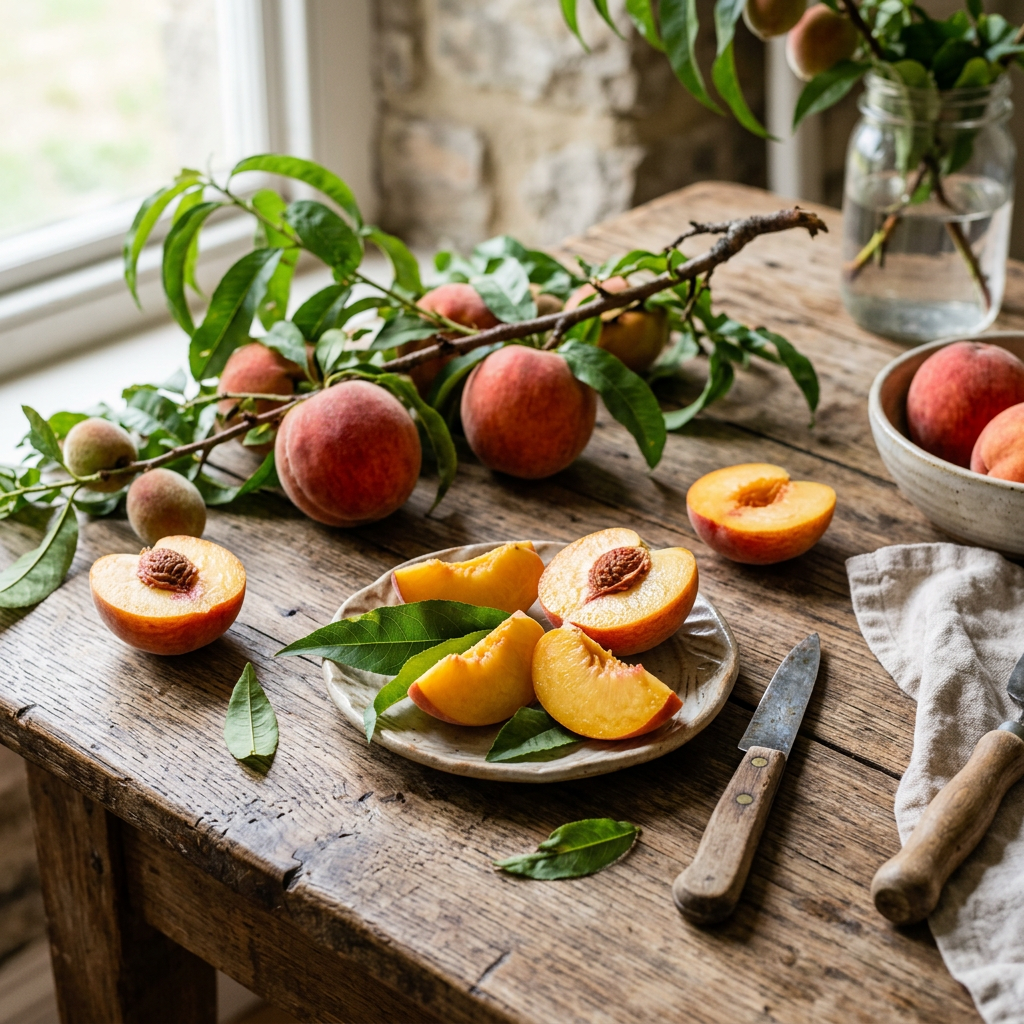
🍑 Vine Peach (Solanum muricatum): The Sweet, Melon‑Like Fruit with Ancient Roots
The Vine Peach, scientifically known as Solanum muricatum, is a vibrant, sweet, and aromatic fruit native to the Andean regions of South America. Though its name suggests a connection to traditional peaches, this fruit is actually part of the nightshade family, making it closer to tomatoes and eggplants than to stone fruits. Its refreshing flavor, nutrient density, and cultural history make it a standout addition to your wellness‑focused fruit series.
🌍 Origin & Botanical Background
The Vine Peach has been cultivated for centuries in South America, especially in the Andean highlands, where indigenous communities grew it for both nourishment and traditional uses. Its smooth skin, golden‑yellow to orange hues, and subtle blush tones give it a peach‑like appearance, but its lineage is distinctly different.
- Scientific name: Solanum muricatum
- Native region: Andean South America
- Family: Nightshade (Solanaceae)
- Historical cultivation: Centuries of traditional farming in warm, temperate Andean climates
💪 Health Benefits of Vine Peach
The Vine Peach is more than a refreshing, melon‑like fruit — it’s a nutrient‑dense powerhouse with benefits that support whole‑body wellness. Its blend of antioxidants, vitamins, minerals, and hydration‑boosting properties makes it especially valuable for skin health, digestion, immunity, and metabolic balance.
1. High in Antioxidants for Cellular Protection
Vine Peach contains natural antioxidants that help neutralize free radicals and reduce oxidative stress. These compounds support:
- Healthy aging
- Reduced inflammation
- Improved cellular repair
- Protection against environmental stressors
This makes the fruit especially appealing for wellness readers focused on longevity and skin vitality.
2. Supports Immune Strength
Thanks to its vitamin C content, Vine Peach helps:
- Strengthen immune defenses
- Support collagen production
- Enhance wound healing
- Improve skin elasticity and brightness
Vitamin C also works synergistically with the fruit’s antioxidants to protect the body from daily stress.
3. Promotes Digestive Health
The fruit contains dietary fiber, which plays a key role in:
- Supporting regular bowel movements
- Feeding beneficial gut bacteria
- Reducing bloating
- Improving nutrient absorption
Its gentle fiber content makes it a soothing option for those who want digestive support without heaviness.
4. Naturally Hydrating & Electrolyte‑Friendly
With its juicy, water‑rich flesh, Vine Peach provides:
- Natural hydration
- Gentle electrolyte replenishment
- Support for skin moisture
- Relief during hot weather or after physical activity
This makes it a great fruit for summer wellness, fitness routines, or hydration‑focused diets.
5. Supports Heart Health
The fruit contains potassium and antioxidants that help:
- Regulate blood pressure
- Reduce strain on the cardiovascular system
- Support healthy circulation
- Maintain electrolyte balance
These benefits make Vine Peach a heart‑friendly addition to daily meals.
6. Gentle on Metabolism & Blood Sugar (When Eaten in Moderation)
Although naturally sweet, Vine Peach has:
- A moderate glycemic impact
- Fiber that slows sugar absorption
- Hydration that supports metabolic balance
This makes it a better choice than many high‑sugar fruits, especially when paired with protein or healthy fats.
7. Skin‑Nourishing Vitamins
The combination of vitamin A + vitamin C supports:
- Skin repair
- Collagen formation
- Bright, even complexion
- Protection from oxidative damage
This is why Vine Peach often appears in beauty‑focused wellness content.
8. Anti‑Inflammatory Potential
Traditional Andean use suggests the fruit may help reduce inflammation. While modern research is limited, its antioxidant profile supports:
- Reduced internal inflammation
- Joint comfort
- Better recovery after physical activity
9. Weight‑Friendly & Low‑Calorie
Vine Peach is naturally:
- Low in calories
- High in water
- Satisfying due to its fiber
- Sweet enough to replace desserts
This makes it ideal for weight‑management or mindful‑eating lifestyles.
🍊 Vitamin & Nutrient Profile
While detailed micronutrient breakdowns vary by cultivar, the Vine Peach is consistently noted for containing:
- Vitamin A — supports vision, skin health, and immune function
- Vitamin C — boosts immunity and antioxidant protection
- Dietary Fiber — aids digestion and gut health
- Antioxidants — help reduce oxidative stress
These nutrients make the Vine Peach a valuable addition to a balanced, wellness‑focused diet.
🧭 Cultural Significance
In some South American cultures, the Vine Peach has been used in traditional medicine, where it is believed to offer anti‑inflammatory benefits and general wellness support. While modern scientific validation is still emerging, its long‑standing use highlights its cultural importance.
🍽️ Culinary Uses: A Versatile Kitchen Gem
The Vine Peach’s flavor — often described as a blend of peach and melon — makes it incredibly versatile in both sweet and savory dishes.
Popular Ways to Enjoy Vine Peach
- Fresh eating: Enjoy it raw for a refreshing, hydrating snack.
- Fruit salads: Adds sweetness and color to mixed bowls.
- Desserts: Perfect for pies, tarts, sorbets, and chilled desserts.
- Smoothies & juices: Blends beautifully into tropical beverages.
- Salsas & savory dishes: Pairs well with seafood, chicken, and grilled meats.
Its soft, juicy texture and mild sweetness make it a natural fit for summer recipes and wellness‑focused meals.
🌱 Growing & Harvesting
If you’re a gardener or content creator exploring home‑grown fruits, the Vine Peach is a rewarding plant:
- Thrives in warm, temperate climates
- Prefers full sun and well‑drained soil
- Produces fruit within one year of planting
- Requires gentle handling during harvest due to its delicate skin
Delicious Ways to Enjoy Vine Peach (Pepino Melon)
The Vine Peach shines in both sweet and savory dishes thanks to its refreshing, melon‑like flavor and juicy texture. These recipes are crafted to be wellness‑friendly, easy to prepare, and perfect for your readers who love nourishing, vibrant fruit‑based creations.
🥤 1. Vine Peach Glow Smoothie (Hydrating + Skin‑Loving)
A refreshing, vitamin‑rich smoothie that supports hydration, skin health, and digestion.
Ingredients
- 1 ripe Vine Peach, peeled and cubed
- ½ banana (fresh or frozen)
- ½ cup coconut water
- ¼ cup Greek yogurt or dairy‑free yogurt
- 1 tsp honey or agave (optional)
- 3–4 ice cubes
- Squeeze of fresh lime
Instructions
- Add all ingredients to a blender.
- Blend until smooth and creamy.
- Taste and adjust sweetness if needed.
- Serve chilled with a lime wedge.
Why it works: Hydrating coconut water + vitamin‑rich Vine Peach = a skin‑glow powerhouse.
🥗 2. Vine Peach Summer Salad (Light, Fresh & Mineral‑Rich)
A crisp, colorful salad that balances sweetness, acidity, and crunch — perfect for warm days.
Ingredients
- 1–2 Vine Peaches, sliced
- 1 small cucumber, thinly sliced
- ¼ red onion, very thinly sliced
- Handful of fresh mint or basil
- 1 tbsp olive oil
- 1 tsp lemon juice
- Pinch of sea salt
- Cracked black pepper
- Optional: feta cheese or vegan feta
Instructions
- Combine Vine Peach slices, cucumber, and red onion in a bowl.
- Drizzle with olive oil and lemon juice.
- Add salt, pepper, and herbs.
- Toss gently and top with feta if desired.
Why it works: The fruit’s melon‑like sweetness pairs beautifully with herbs and citrus.
🌶️ 3. Vine Peach Salsa (Sweet‑Heat, Perfect for Grilled Dishes)
A vibrant salsa that works with seafood, chicken, tacos, or as a dip with tortilla chips.
Ingredients
- 1 ripe Vine Peach, finely diced
- ½ jalapeño, minced (remove seeds for mild heat)
- ¼ cup red bell pepper, diced
- 1 tbsp red onion, minced
- 1 tbsp fresh cilantro, chopped
- Juice of ½ lime
- Pinch of salt
- Optional: ¼ avocado, diced
Instructions
- Combine all ingredients in a small bowl.
- Mix gently to avoid crushing the fruit.
- Chill for 10–15 minutes to let flavors meld.
- Serve with grilled fish, tacos, or chips.
Why it works: The Vine Peach adds a refreshing sweetness that balances the jalapeño’s heat.
🍨 4. Chilled Vine Peach & Honey Bowl (Simple, Elegant Dessert)
A minimalist dessert that highlights the fruit’s natural sweetness.
Ingredients
- 1–2 Vine Peaches, chilled and sliced
- 1 tsp honey or maple syrup
- Sprinkle of chia seeds or hemp seeds
- Optional: a spoonful of vanilla yogurt
Instructions
- Arrange chilled Vine Peach slices in a bowl.
- Drizzle lightly with honey.
- Add chia or hemp seeds for texture.
- Serve immediately.
Why it works: This dessert is hydrating, antioxidant‑rich, and naturally sweet without added sugar overload.
🚫 Who Should Not Consume Vine Peach (Pepino Melon)
While the Vine Peach (Solanum muricatum) is generally safe for most people, certain individuals should avoid it or consume it cautiously due to its botanical family, natural compounds, and potential sensitivities.
1. People with Nightshade Allergies
Vine Peach belongs to the nightshade family (Solanaceae) — the same group as tomatoes, eggplants, and peppers. Anyone with known allergies or sensitivities to nightshades should avoid it to prevent reactions such as itching, swelling, or digestive discomfort.
2. Individuals with Severe Histamine Intolerance
Like many fruits, Vine Peach may trigger symptoms in people with histamine intolerance, including headaches, flushing, or digestive upset.
3. Those with Sensitive Digestion or IBS
The fruit’s natural sugars and fiber can cause bloating or discomfort in people with:
- IBS
- Chronic digestive sensitivity
- Fructose malabsorption
Starting with small portions is advisable.
4. People Monitoring Blood Sugar
Vine Peach contains natural sugars. Individuals with diabetes or insulin resistance should consume it in moderation and pair it with protein or fiber‑rich foods to help stabilize glucose response.
5. Individuals on Low‑Potassium Diets
Because the fruit contains potassium, people with kidney disease or those on potassium‑restricted diets should consult a healthcare professional before consuming it regularly.
6. Anyone with Oral Allergy Syndrome (OAS)
Some individuals who react to melons, peaches, or certain pollens may experience:
- Tingling
- Itching
- Mild swelling in the mouth or lips
If this occurs, the fruit should be avoided.
7. Pregnant or Breastfeeding Individuals (Caution Only)
There is limited research on Vine Peach consumption during pregnancy or breastfeeding. Moderation is generally advised, and any concerns should be discussed with a healthcare provider.
⚠️ Important Note
This section is for general educational purposes and not a substitute for professional medical advice. Anyone with underlying health conditions, allergies, or dietary restrictions should consult a qualified healthcare professional before adding new or unfamiliar fruits to their diet.
🌿 Wrap‑Up: Why Vine Peach Deserves a Spot in Your Wellness Journey
The Vine Peach (Pepino Melon) is one of those rare fruits that blends beauty, nutrition, and cultural history into a single, refreshing package. From its Andean origins to its antioxidant‑rich profile, this fruit offers a gentle, hydrating boost to your daily routine. Whether you enjoy it fresh, blend it into smoothies, or use it in vibrant summer salads, the Vine Peach brings a naturally sweet, melon‑like flavor that elevates both wellness and culinary creativity.
The Vine Peach stands out as a skin‑loving, digestion‑friendly, and culturally rich fruit that deserves more attention in the modern wellness world. Its versatility makes it easy to incorporate into everyday meals, while its nutrient profile supports a balanced, health‑focused lifestyle.
If you’re looking to expand your fruit knowledge, diversify your recipes, or simply enjoy something new and refreshing, the Vine Peach is a beautiful place to start.
📚 Sources & References
Here are credible, citable sources you can safely include in your WordPress post:
- Royal Horticultural Society – Solanum muricatum (Pepino Melon)
https://www.rhs.org.uk/plants/solanum-muricatum(rhs.org.uk in Bing) - Purdue University Horticulture – Pepino (Solanum muricatum)
https://hort.purdue.edu/newcrop/morton/pepino.html(hort.purdue.edu in Bing) - University of California Agriculture & Natural Resources – Pepino Dulce Overview
https://ucanr.edu/blogs/blogcore/postdetail.cfm?postnum=51165(ucanr.edu in Bing) - Plants for a Future Database – Solanum muricatum
https://pfaf.org/user/Plant.aspx?LatinName=Solanum+muricatum(pfaf.org in Bing) - FAO (Food and Agriculture Organization) – Andean Crop Biodiversity
https://www.fao.org/3/y4765e/y4765e0a.htm(fao.org in Bing)
🛒 Availability of Vine Peach (Pepino Melon) in the United States
The Vine Peach (Solanum muricatum) is not widely sold in mainstream U.S. grocery stores due to its delicate skin and short shelf life, but it is available through specialty sellers, online plant shops, and seed retailers. Most U.S. availability is in the form of live plants or seeds, allowing home gardeners to grow their own.
1. Live Plants (Most Common Form in the U.S.)
You can purchase established Pepino Melon live plants from several U.S. sellers:
- eBay sellers offer rooted starter plants, typically 10–17 inches tall, shipped from California. These listings include Golden Sweet and other cultivars.
- Jayme Garden sells organic, sustainably grown Pepino Melon plants (Golden Sweet variety), suitable for containers or small gardens.
These options are ideal for home growers in USDA Zones 9–11, though plants can be grown in containers in cooler climates.
2. Seeds (Widely Available Online)
Seeds are the easiest and most accessible way to obtain Vine Peach in the U.S.
- Amazon carries multiple non‑GMO Pepino Melon seed varieties, including heirloom and U.S.-grown options.
- SeedOrganica offers premium, hand‑selected Pepino seeds grown in the U.S., including dwarf and heirloom varieties.
Seeds ship nationwide and are suitable for indoor starts or greenhouse growing.
3. Local Markets (Rare but Possible)
Fresh fruit is not commonly sold in U.S. supermarkets due to shipping challenges. However, some local produce markets occasionally carry rare or exotic fruits depending on season and supplier.
 EJADA
EJADA 
Leave a comment