EJADA

Living Healthy, Natural Healing, Herbal Health, and nutritional

  • Tomatillo: A Nutritional Powerhouse for Everyday Cooking

    🌿Tomatillo: The Bright, Ancient Fruit of Mesoamerica

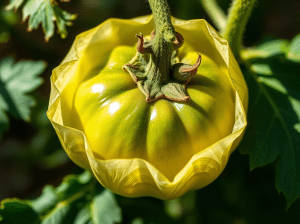
    A small green globe wrapped in a papery husk — carrying centuries of culture, medicine, and flavor.

    There are fruits that feel like stories, and fruits that feel like ancestors. The tomatillo is both. It arrives wrapped in its own lantern-like husk, as if carrying a message from the past. When you peel it open, you’re touching a lineage that stretches back thousands of years — to the kitchens, gardens, and healing traditions of ancient Mesoamerica.

    This is a fruit that has never needed to be loud to be powerful. It has always been quietly essential.

    🕰️ Origins: When the Tomatillo First Appeared

    The story of the tomatillo begins long before written history, in the volcanic soils and highland valleys of ancient Mesoamerica. Archaeobotanical evidence suggests that wild tomatillos grew across central Mexico thousands of years ago, thriving in open fields and forest edges. Long before they were cultivated, Indigenous communities gathered them as a seasonal food — a bright, tart counterpoint to maize-based meals.

    Early Domestication

    By at least 1,000–1,500 years ago, the tomatillo had already become a domesticated crop. It was grown intentionally in home gardens and communal plots, often alongside corn, beans, and chilies — the foundational trio of Mesoamerican agriculture. Its husk, a delicate lantern-like wrapper, protected the fruit from pests and made it easy to store and transport.

    Stewards of the Fruit: The Aztecs and Their Neighbors

    The Aztecs, along with the Maya, Zapotec, and other Indigenous groups, cultivated tomatillos as a daily staple. They called it “tomatl,” a Nahuatl word that referred to plump, juicy fruits — a linguistic ancestor to the modern word “tomato.” But unlike the red tomato, which would later travel the world, the tomatillo remained deeply tied to its homeland.

    For the Aztecs, the tomatillo wasn’t just an ingredient — it was a culinary foundation. Its acidity balanced the heat of chilies, softened the richness of meats, and brightened maize dishes. It was essential in sauces, stews, and medicinal preparations.

    Spanish Encounter & Early Documentation

    When Spanish explorers arrived in the 1500s, they encountered the tomatillo in bustling markets and home kitchens. Chroniclers noted its tart flavor and its importance in local cooking, but unlike the red tomato, the tomatillo didn’t immediately spread across Europe. It remained a regional treasure, preserved by Indigenous communities who continued to cultivate it with care.

    Scientific Recognition

    It wasn’t until 1786 that the tomatillo received its formal scientific description. French botanist Jean-Baptiste Lamarck classified it as Physalis philadelphica, placing it within the same botanical family as ground cherries and cape gooseberries.

    This moment marked its entry into Western botanical literature — but its true history had already been written by centuries of Indigenous knowledge, cultivation, and culinary artistry.

    🌱 Traditional Uses: Food, Medicine, and Daily Life

    The tomatillo has always been more than a fruit. In ancient Mesoamerica, it was woven into the rhythm of daily life — a quiet constant in kitchens, markets, healing practices, and communal meals. Its bright acidity, protective husk, and dependable growth made it a fruit of both practicality and symbolism.

    Below is a deeper look at how Indigenous communities used the tomatillo long before it entered Western awareness.

    🍽️ 1. Traditional Food Uses: The Heart of Mesoamerican Flavor

    A Foundational Ingredient

    For the Aztecs, Maya, and other Indigenous groups, the tomatillo was a culinary cornerstone. It shaped the flavor architecture of their cuisine in the same way lemons shape Mediterranean dishes or tamarind shapes South Asian cooking.

    Its tartness wasn’t just a taste — it was a balancing force.

    Key Traditional Preparations

    • Salsa Verde (the original form): Tomatillos were roasted on clay griddles (comales) or ground raw with chilies and herbs using a metate (stone grinder). This sauce was used on:
      • maize cakes
      • tamales
      • roasted meats
      • beans
      • ceremonial dishes
    • Stews & Soups: Tomatillos added acidity to long-simmered dishes, helping tenderize meats and brighten earthy flavors.
    • Ground Sauces: Combined with chilies, seeds, and herbs to create thick, aromatic sauces that were poured over maize-based meals.
    • Preserved Pastes: In some regions, tomatillos were cooked down into a paste for storage — a practical way to extend their use through the seasons.

    Why It Was Essential

    • Balanced the heat of chilies
    • Added acidity to maize-heavy diets
    • Provided freshness in hot climates
    • Offered a stable, reliable crop

    The tomatillo was not a garnish — it was a pillar.

    🌿 2. Traditional Medicinal Uses: A Gentle, Everyday Healer

    Indigenous healing traditions often blurred the line between food and medicine. The tomatillo was used in this holistic way — not as a dramatic cure, but as a steady, cooling, supportive plant.

    Common Medicinal Uses

    • Digestive Support: Eaten raw or lightly cooked to ease stomach discomfort and support digestion.
    • Fever Reduction: Its cooling nature made it a food of choice during fevers or heat-related illness.
    • Anti-inflammatory Support: Tomatillo infusions or cooked preparations were used to soothe internal heat and inflammation.
    • General Strengthening Food: Given to those recovering from illness because it was light, hydrating, and easy to digest.

    Why It Worked

    Traditional uses align with modern nutritional understanding:

    • Vitamin C → immune support
    • Fiber → digestive health
    • Antioxidants → inflammation reduction
    • Hydration + acidity → cooling effect

    This is a perfect example of ancestral knowledge preceding scientific explanation.

    🏺 3. Daily Life: A Fruit That Fit Into Every Corner of the Home

    In Markets

    Tomatillos were sold in bustling open-air markets, often in woven baskets or piled high in clay bowls. Their husks kept them clean and protected — a natural packaging system long before modern storage.

    In Home Gardens

    Families grew tomatillos in small plots near their homes. They were:

    • easy to cultivate
    • resistant to pests
    • reliable producers

    This made them a staple in both rural and urban Indigenous communities.

    In Communal Cooking

    Tomatillos were part of:

    • feast preparations
    • everyday meals
    • ceremonial dishes
    • food offerings

    Their presence in shared meals reinforced community bonds.

    In Seasonal Rhythms

    The fruit marked certain times of year — a signal of harvest, abundance, and the turning of seasons.

    🔥 4. Symbolic & Cultural Meaning (Optional to Include in Your Post)

    If you want a more poetic layer, here’s a subtle symbolic interpretation that fits your EJADA tone:

    • The husk symbolizes protection and hidden strength.
    • The brightness inside represents clarity, truth, and renewal.
    • Its dependability made it a symbol of everyday resilience.

    This is optional, but it adds emotional resonance if you want it.

    🌎 Cultural Significance of the Tomatillo

    Rituals, Symbolism, and Regional Variations

    The tomatillo is one of those fruits whose cultural presence is quiet but enduring. It doesn’t appear in grand ceremonies or mythic epics the way cacao or maize do — yet it is woven into the daily rituals, healing practices, and culinary identity of Mesoamerica with a steadiness that speaks to its importance. Its husk, its brightness, and its reliability have shaped how communities cook, heal, and gather for centuries.

    Below is a richly expanded look at its cultural life.

    🪶 1. Rituals & Ancestral Practices

    While the tomatillo is not typically the centerpiece of formal religious ceremonies, it plays a meaningful role in everyday ritual life — the kind of rituals that sustain families, communities, and the rhythm of the home.

    🌿 Household Rituals

    In many Indigenous and rural Mexican households, preparing tomatillos is a ritual in itself:

    • Peeling the husk
    • Rinsing away the natural stickiness
    • Roasting them on a comal
    • Grinding them by hand on a metate

    These steps are not just culinary tasks — they are acts of continuity, passed down through generations.

    🔥 Communal Cooking Rituals

    During festivals, harvest gatherings, and communal meals, tomatillos often appear in:

    • Large pots of pozole verde
    • Shared bowls of salsa verde
    • Sauces prepared for weddings, baptisms, and feast days

    Their presence symbolizes abundance, brightness, and nourishment.

    🌙 Healing Rituals

    In some regions, tomatillos were included in:

    • Cooling foods for fever
    • Post-illness recovery meals
    • Herbal preparations for digestive balance

    These uses were part of a larger worldview where food and medicine were inseparable.

    🪺 2. Symbolism: Protection, Clarity, and Hidden Strength

    The tomatillo carries subtle but powerful symbolism rooted in its physical form and its role in daily life.

    🟢 The Husk as Protection

    The papery husk — delicate yet strong — symbolizes:

    • Protection
    • Boundaries
    • Inner strength

    It shields the fruit from pests, dust, and harsh weather. In some communities, this natural “armor” is seen as a metaphor for guarding one’s inner light.

    💡 Brightness Within

    Peeling back the husk reveals a vibrant green fruit — a symbol of:

    • Truth emerging
    • Clarity
    • Revelation

    This mirrors the way many Indigenous foods carry deeper meaning: the idea that nourishment is both physical and spiritual.

    🌱 Dependability & Resilience

    Because tomatillos grow easily, resist pests, and thrive in challenging conditions, they are often associated with:

    • Resilience
    • Adaptability
    • Everyday strength

    They are not dramatic; they are dependable — a trait deeply valued in Indigenous agricultural traditions.

    🗺️ 3. Regional Variations Across Mesoamerica

    The tomatillo’s cultural role shifts slightly across regions, reflecting local tastes, climates, and traditions.

    Central Mexico

    This is the heartland of tomatillo culture. Here, it is:

    • A daily staple
    • Essential in salsa verde
    • Used in market foods, street dishes, and home cooking
    • A symbol of culinary identity

    In states like Puebla, Oaxaca, and Mexico City, tomatillos appear in everything from breakfast sauces to ceremonial stews.

    Guatemala

    Tomatillos (locally called miltomates) are used in:

    • Traditional stews
    • Green sauces
    • Indigenous Maya dishes

    They are often paired with herbs like culantro and hierba buena, giving them a distinct regional flavor.

    El Salvador

    Used in:

    • Salsas
    • Soups
    • Pupusa toppings

    Here, the tomatillo’s brightness balances rich, masa-based foods.

    Southwestern United States

    Among Mexican-American and Indigenous communities:

    • Tomatillos symbolize heritage cooking
    • They appear in both traditional dishes and modern fusion cuisine
    • They represent a culinary bridge between ancestral roots and contemporary identity

    🔥 4. The Tomatillo as Cultural Memory

    More than anything, the tomatillo represents continuity.

    It is a fruit that:

    • Stayed close to its homeland
    • Remained tied to Indigenous knowledge
    • Survived colonization without losing its identity
    • Continued to nourish families across generations

    It is a reminder that cultural significance doesn’t always come from ceremony — sometimes it comes from presence, from being part of the everyday rituals that shape a people’s sense of home.

    Culinary (Ancient Mesoamerica)

    How the tomatillo shaped the earliest flavor architecture of a civilization.

    Long before cookbooks, restaurants, or modern food culture, the tomatillo was already a quiet architect of Mesoamerican cuisine. It shaped the way ancient communities balanced flavor, nourished their families, and expressed identity through food. Its brightness was not just a taste — it was a technique, a philosophy, a way of bringing harmony to the plate.

    Below is a deeper, more textured look at how the tomatillo lived in ancient kitchens.

    🔥 1. The Tomatillo as a Foundational Flavor

    In ancient Mesoamerica, food was built on balance — heat, acidity, earthiness, and freshness working together. The tomatillo was the primary source of acidity, long before citrus fruits arrived from Europe.

    Its tartness:

    • softened the heat of chilies
    • brightened the richness of meats
    • lifted the earthiness of beans and maize
    • created contrast in slow-cooked stews

    This made it indispensable. Without tomatillos, many iconic Mesoamerican dishes simply wouldn’t taste like themselves.

    🥣 2. Early Salsa Verde: The Original Green Sauce

    The earliest versions of salsa verde were made with tomatillos — not tomatoes. This sauce was a daily staple, prepared in two main ways:

    🌿 Raw (Fresh & Bright)

    Tomatillos were ground raw with:

    • green chilies
    • cilantro or wild herbs
    • onions
    • salt

    This produced a bright, sharp, refreshing sauce used on:

    • maize cakes
    • tamales
    • roasted vegetables
    • fish and small game

    🔥 Roasted (Smoky & Deep)

    Tomatillos were roasted on a comal — a clay or stone griddle — until blistered and soft. They were then ground with:

    • roasted chilies
    • garlic
    • toasted seeds

    This version was richer, smokier, and used for:

    • stews
    • meats
    • ceremonial meals

    Grinding on a metate (stone grinder) gave the sauce a texture that modern blenders can’t replicate — thick, rustic, and deeply aromatic.

    🍲 3. Stews, Soups & Long-Simmered Dishes

    Tomatillos were essential in:

    • pozole verde
    • green stews with turkey or rabbit
    • bean-based soups
    • vegetable stews with squash and corn

    Their acidity helped:

    • tenderize meats
    • preserve food longer in hot climates
    • balance heavy or oily ingredients

    This wasn’t just flavor — it was culinary science practiced intuitively.

    🌾 4. Ground Sauces & Thickened Preparations

    In many regions, tomatillos were ground with:

    • pumpkin seeds
    • sesame seeds
    • chilies
    • herbs

    These thick sauces were poured over:

    • maize dumplings
    • roasted meats
    • ceremonial dishes

    They were the ancestors of modern pipianes and moles verdes.

    🧺 5. Market Foods & Everyday Meals

    In bustling pre‑colonial markets, tomatillos were sold:

    • fresh in their husks
    • roasted and ready to grind
    • already ground into pastes
    • mixed with chilies for quick sauces

    They were a daily ingredient, not a luxury — accessible, abundant, and essential.

    🧱 6. Preservation & Seasonal Use

    Before refrigeration, tomatillos were preserved by:

    • cooking them down into thick pastes
    • drying them in the sun
    • storing them in their husks in cool clay vessels

    This allowed families to use them throughout the year, especially during lean seasons.

    🌿 7. A Fruit That Defined a Cuisine

    The tomatillo wasn’t a side ingredient — it was a culinary anchor. It shaped:

    • the acidity of the cuisine
    • the balance of flavors
    • the structure of sauces
    • the identity of regional dishes

    It is one of the oldest flavor traditions still alive today.

    Medicinal (Indigenous & Folk Practices)

    For centuries, tomatillos were used as:

    • A digestive aid
    • A fever-reducing food
    • A cooling ingredient for inflammation
    • A gentle support for stomach discomfort

    These uses align with the fruit’s natural antioxidants, fiber, and vitamin C.

    💊 Health Benefits of Tomatillos

    Bright, cooling, and quietly powerful — a fruit that nourishes from multiple angles.

    Tomatillos may look small and unassuming, but they carry a surprising amount of nutritional strength. In ancient Mesoamerica, people understood this intuitively: foods that were bright, acidic, and hydrating were seen as balancing forces in the body. Today, modern nutrition echoes what Indigenous communities already knew — the tomatillo is a fruit of protection, digestion, and renewal.

    Below is a deeper, more layered exploration of its health benefits.

    🌿 1. Immune Support & Cellular Protection

    Tomatillos are naturally rich in vitamin C, one of the body’s most essential antioxidants. This vitamin supports:

    • Immune function
    • Collagen production (skin, joints, connective tissue)
    • Wound healing
    • Protection against oxidative stress

    In ancient times, tomatillos were often eaten during illness or recovery because their brightness was believed to “cool the body” and restore strength. Today, we understand that vitamin C helps defend cells from damage and supports the body’s natural healing processes.

    🌾 2. Digestive Health & Gut Balance

    Tomatillos contain dietary fiber, which supports:

    • Smooth digestion
    • Regular bowel movements
    • A balanced gut microbiome
    • Satiety and stable energy

    Their natural acidity also stimulates digestive enzymes, helping the body break down food more efficiently. This aligns with their traditional use as a gentle digestive aid for stomach discomfort or sluggish digestion.

    ❤️ 3. Heart Health & Metabolic Support

    Tomatillos contain niacin (vitamin B3) — a nutrient that plays a key role in:

    • Cholesterol regulation
    • Energy metabolism
    • Circulation
    • Nervous system function

    Niacin helps convert food into usable energy and supports the body’s ability to manage fats. This makes tomatillos a supportive food for overall metabolic wellness.

    🔥 4. Anti-Inflammatory & Antioxidant Protection

    Beyond vitamin C, tomatillos contain natural plant compounds such as:

    • Flavonoids
    • Phytochemicals
    • Antioxidants

    These compounds help reduce oxidative stress — the internal “wear and tear” caused by environmental toxins, stress, and inflammation.

    This mirrors their traditional use in cooling foods and fever-reducing preparations. The fruit’s natural acidity and hydration made it a soothing ingredient during times of heat, inflammation, or illness.

    💧 5. Hydration & Electrolyte Balance

    Tomatillos have a high water content and contain small amounts of minerals that support hydration. In hot climates, they were often eaten raw or lightly cooked to help:

    • Cool the body
    • Replenish fluids
    • Support electrolyte balance

    This made them especially valuable in regions where heat and physical labor were part of daily life.

    🧠 6. Low-Calorie, Nutrient-Dense Wellness Food

    Tomatillos are naturally:

    • Low in calories
    • Low in fat
    • High in micronutrients
    • Rich in antioxidants
    • Easy to digest

    This makes them a powerful addition to modern wellness routines — especially for those seeking foods that are light, bright, and supportive without heaviness.

    🌱 7. Blood Sugar-Friendly

    Because tomatillos are low in natural sugars and high in fiber, they support:

    • Stable blood sugar levels
    • Slow, steady digestion
    • Reduced energy crashes

    This makes them a smart choice for balanced meals, especially when paired with proteins and healthy fats.

    🌿 8. Skin & Collagen Support

    Thanks to their vitamin C content, tomatillos support:

    • Collagen formation
    • Skin elasticity
    • Wound healing
    • Protection against environmental stressors

    In ancient times, foods that “brightened the body” were often associated with vitality and youthfulness — a belief that aligns beautifully with modern nutritional science.

    🌟 A Fruit of Quiet Strength

    The tomatillo is not a dramatic superfood — it is a steady one. It nourishes gently, supports the body’s natural rhythms, and offers the kind of everyday wellness that builds over time.

    It is a fruit of:

    • brightness
    • balance
    • protection
    • resilience

    Exactly the kind of ingredient that belongs in a healthy‑living series rooted in ancestral wisdom and modern clarity.

    🍊 Vitamin & Nutrient Profile (Per 100g)

    NutrientBenefit
    Vitamin CImmune support, skin health
    Vitamin KBone health, blood clotting
    Niacin (B3)Metabolism, cholesterol regulation
    FiberDigestive support
    Low caloriesLight, nutrient-dense option

    🌎 Cultural Significance

    Aztec & Mesoamerican Heritage

    The tomatillo was so essential that it shaped entire flavor profiles. It was grown alongside corn and chilies — the “three pillars” of many Indigenous cuisines.

    Colonial Era

    Spanish explorers encountered the tomatillo in the 1500s. While the red tomato spread globally, the tomatillo remained a regional treasure, preserved by Indigenous and local communities.

    Modern Day

    Today, tomatillos are:

    • Central to Mexican cuisine
    • Used in Guatemalan, Salvadoran, and Southwestern U.S. cooking
    • Grown worldwide, including the U.S., India, and parts of Europe

    They remain a symbol of culinary continuity — a fruit that never lost its place.

    🍽️ Culinary Uses: Traditional & Modern

    Traditional Uses

    • Salsa verde (raw or roasted)
    • Pozole verde
    • Enchilada sauces
    • Stews and soups
    • Chutneys and relishes

    Modern Uses

    • Blended into green smoothies for brightness
    • Roasted for marinades
    • Added to grain bowls or salads
    • Pickled for a citrus-like bite
    • Used in vegan sauces for acidity and depth

    🍴 Simple Recipes

    1. Roasted Tomatillo Salsa Verde

    Ingredients: Tomatillos, jalapeño, garlic, onion, cilantro, lime, salt.

    Method: Roast → blend → finish with lime + salt. Bright, smoky, and perfect for bowls, proteins, or dipping.

    2. Tomatillo & Avocado Cooling Sauce

    Blend raw tomatillos with avocado, lime, cilantro, and a pinch of salt. A creamy, cooling contrast to spicy dishes.

    3. Tomatillo Stew Base

    Simmer tomatillos with onion, garlic, cumin, and broth. Use as a base for chicken, beans, or vegetables.

    ⚠️ Wellness Cautions

    Tomatillos are generally safe for most people, but like all fruits in the nightshade family, they come with a few considerations worth noting. These cautions help readers enjoy the fruit mindfully and with respect for their own bodies.

    1. Nightshade Sensitivities

    Tomatillos belong to the nightshade family, which also includes tomatoes, peppers, and eggplants. People who are sensitive to nightshades may experience:

    • digestive discomfort
    • joint stiffness
    • skin irritation

    If someone knows they react to nightshades, it’s best to introduce tomatillos slowly and pay attention to how their body responds.

    2. Always Remove the Husk & Rinse Thoroughly

    Tomatillos grow inside a natural papery husk that must be removed before eating. Once peeled, the fruit has a sticky coating that should be rinsed away under warm water. This step helps remove:

    • natural plant residue
    • dust or debris
    • any lingering bitterness

    This is a normal part of the fruit’s biology and not a sign of spoilage.

    3. Eat Only When Ripe

    Unripe tomatillos can be overly acidic and may cause stomach discomfort in sensitive individuals. A ripe tomatillo is:

    • firm
    • bright green
    • fully filling its husk

    If the fruit is very small inside a large husk, it may not be mature yet.

    4. Raw vs. Cooked Considerations

    While tomatillos can be eaten raw, some people find them easier to digest when cooked. Cooking can help:

    • soften acidity
    • reduce digestive irritation
    • enhance flavor

    Those with sensitive stomachs may prefer roasted or simmered preparations.

    5. Allergies (Rare but Possible)

    Although uncommon, some individuals may experience allergic reactions to nightshades. Signs may include:

    • itching
    • swelling
    • digestive upset

    Anyone with known fruit or nightshade allergies should proceed with caution.

    6. Pesticide Residue on Conventional Crops

    Like many thin‑skinned fruits, tomatillos can carry pesticide residue if conventionally grown. Washing thoroughly helps, but readers who are concerned may prefer:

    • organic tomatillos
    • locally grown options
    • farmers’ market varieties

    The husk offers some natural protection, but mindful sourcing is still helpful.

    7. Children & Sensitive Digestion

    For young children or individuals with very sensitive digestion, the acidity of raw tomatillos may be too strong. In these cases, cooked preparations are gentler and more suitable.

    📘 Disclaimer

    This information is for general educational purposes only and is not a substitute for professional medical advice, diagnosis, or treatment. Individual needs vary, and anyone with specific health concerns, allergies, or dietary restrictions should consult a qualified healthcare professional before making changes to their diet.

    🌿 Closing Reflection

    There is something almost tender about the way a tomatillo carries itself — wrapped in a husk, holding its brightness close until the moment you peel it open. It reminds us that not all nourishment announces itself loudly. Some arrive quietly, offering their gifts only when we take the time to uncover them.

    In ancient kitchens, the tomatillo was a small green lantern of flavor and healing. In modern kitchens, it remains the same — steady, bright, and faithful. A fruit that has survived centuries not by force, but by presence. By being exactly what it is: cooling, clarifying, balancing.

    As you cook with it, you join a lineage of hands that have peeled these husks, roasted these fruits, ground them into sauces that fed families and communities long before our time. You become part of a story that stretches across generations — a story of resilience, of everyday nourishment, of quiet brilliance.

    May the tomatillo remind you that clarity often comes in small, bright moments. That protection can be soft and papery. That strength can be gentle. And that the foods closest to the earth often bring us closest to ourselves.

    Let this fruit be a simple offering of balance — a way to return to what is bright, what is steady, and what has always sustained us.
  • TonKora: The Hidden Gem of West African Nutrition

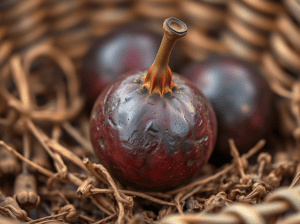
    🌿 TonKora: The Quiet Fruit of Strength, Memory, and Ancestral Nourishment

    A fruit carried through generations — small, firm, and filled with the kind of wisdom that grows close to the earth.

    Some fruits arrive with fanfare. Others arrive with silence. The TonKora belongs to the second kind — a fruit that has lived in the hands of farmers, healers, and mothers long before it ever reached markets or modern wellness conversations. It is a fruit of the village, the courtyard, the shared bowl. A fruit that has nourished families not because it was exotic, but because it was dependable.

    Wrapped in its own earthy simplicity, the TonKora carries the memory of place, people, and practice. It is a fruit of resilience — one that teaches us that nourishment does not need to be loud to be powerful.

    🕰️ When the TonKora First Appeared

    The TonKora traces its origins to West Africa, where it grew wild along riverbanks, forest edges, and communal farmlands. Long before it was cultivated, it was gathered seasonally by families who recognized its firmness, its subtle sweetness, and its ability to sustain the body during long days of work.

    Early Use & Domestication

    • Evidence suggests the TonKora was used for hundreds of years as a local fruit eaten fresh or dried.
    • It became a household staple in rural communities, valued for its long shelf life and steady yield.
    • Over time, families began cultivating it intentionally, selecting trees that produced the most flavorful and resilient fruit.

    A Fruit of the People

    The TonKora never became a global export. It stayed close to its homeland — held, harvested, and honored by the communities that understood its worth.

    🌱 Traditional Uses: Food, Medicine, and Daily Life

    🍽️ Culinary Uses in Ancestral Kitchens

    In traditional West African households, the TonKora was used in ways that were both practical and deeply flavorful:

    • Eaten fresh during harvest season
    • Dried for storage and used in porridges
    • Simmered into stews for gentle sweetness
    • Crushed into pastes for sauces
    • Added to grain dishes for balance

    Its flavor — mild, earthy, slightly sweet — made it a grounding ingredient in meals built on millet, sorghum, rice, and root vegetables.

    🌿 Medicinal Uses

    The TonKora was used in folk medicine as a gentle, supportive fruit:

    • Soothing digestive discomfort
    • Cooling the body during fever
    • Supporting hydration in hot climates
    • Strengthening the body after illness

    Healers often recommended it as a “balancing fruit” — something that restored steadiness to the system.

    🏺 Daily Life & Cultural Rhythm

    The TonKora appeared in:

    • market baskets
    • children’s snacks
    • harvest celebrations
    • shared meals
    • travel provisions

    It was a fruit of everyday life — woven into the rhythm of work, rest, and community.

    🌎 Cultural Significance

    Rituals, Symbolism, and Regional Variations

    🪶 Rituals & Ancestral Practices

    While not a ceremonial centerpiece, the TonKora held a quiet ritual presence:

    • Offered to guests as a sign of welcome
    • Shared during harvest gatherings as a symbol of abundance
    • Given to children as a protective, strengthening food
    • Used in postpartum meals for restoration

    Its presence in communal bowls represented unity and shared nourishment.

    🪺 Symbolism

    The TonKora symbolizes:

    • Resilience — thriving in challenging climates
    • Steadiness — a fruit that never rushes, never demands
    • Protection — its firm skin guarding the softness within
    • Memory — a fruit passed down through generations

    It is a reminder that strength can be quiet.

    🗺️ Regional Variations of the TonKora

    One fruit, many homelands — shaped by climate, memory, and the hands that prepare it.

    The TonKora may be a single fruit, but it lives many lives across West Africa. Its flavor, its uses, and even its symbolism shift gently from region to region, shaped by climate, tradition, and the rhythm of daily life. This is the beauty of ancestral foods: they adapt without losing themselves. They become mirrors of the communities that hold them.

    Below is a deeper, more textured look at how the TonKora expresses itself across different regions.

    🌾 Northern Regions: Drylands, Savannas, and Slow Nourishment

    In the northern parts of West Africa — where the land stretches wide and the air is dry — the TonKora becomes a fruit of preservation and endurance.

    How It’s Used

    • Dried in the sun and stored for months
    • Added to millet or sorghum porridges
    • Simmered into warming stews during cooler nights
    • Used as a travel food for long journeys across open land

    Drying concentrates its sweetness, turning it into a fruit that sustains the body slowly and steadily.

    Cultural Meaning

    Here, the TonKora symbolizes:

    • Patience
    • Resourcefulness
    • The wisdom of storing for the future

    It is a fruit that teaches the value of preparing for the seasons ahead.

    🌴 Coastal Regions: Freshness, Abundance, and Everyday Pleasure

    Along the coast — where humidity softens the air and markets overflow with tropical produce — the TonKora is enjoyed fresh and bright.

    How It’s Used

    • Eaten raw as a refreshing snack
    • Paired with coconut, palm sugar, or roasted nuts
    • Added to fresh relishes and light meals
    • Served to guests as a gesture of welcome

    Its juiciness makes it a cooling fruit in hot, humid climates.

    Cultural Meaning

    In coastal communities, the TonKora represents:

    • Hospitality
    • Abundance
    • The sweetness of everyday life

    It is a fruit that invites people to pause and enjoy the moment.

    🌿 Savanna Regions: Earthy, Grounded, and Communal

    In the savanna — where grasslands meet scattered trees — the TonKora becomes a fruit of communal cooking.

    How It’s Used

    • Simmered into slow-cooked stews
    • Added to grain dishes for depth
    • Crushed into pastes for sauces
    • Combined with root vegetables for hearty meals

    Its mild sweetness balances the earthy flavors of yam, cassava, and legumes.

    Cultural Meaning

    Here, the TonKora symbolizes:

    • Togetherness
    • Shared meals
    • The grounding nature of food

    It is a fruit that belongs in the center of the table.

    🏙️ Urban Markets: Nostalgia, Memory, and Seasonal Joy

    In cities across West Africa, the TonKora appears as a seasonal treasure — a fruit that reminds people of home.

    How It’s Used

    • Sold in small piles during harvest season
    • Enjoyed as a nostalgic snack
    • Used in both traditional and modern recipes
    • Purchased by families wanting to reconnect with their roots

    Urban life may be fast, but the TonKora slows people down — even if only for a moment.

    Cultural Meaning

    In urban settings, the TonKora represents:

    • Heritage
    • Childhood memories
    • The taste of home carried into modern life

    It is a fruit that bridges the past and the present.

    🌍 A Fruit That Belongs Everywhere It Grows

    Across all these regions, the TonKora remains itself — steady, nourishing, and quietly essential. But the way people use it, honor it, and remember it shifts with the land.

    It is a fruit that adapts without losing its identity. A fruit that reflects the diversity of West African life. A fruit that carries the imprint of every place it has touched.

    💊 Health Benefits of Tonkora

    A fruit of steadiness, quiet strength, and slow, nourishing restoration.

    The TonKora is not a fruit that overwhelms the senses. Its power is subtle — the kind of nourishment that builds slowly, layer by layer, the way ancestral foods often do. In West African communities, it was valued not for extravagance but for reliability: a fruit that supported the body through heat, labor, illness, and recovery. Today, modern nutrition echoes what traditional healers already knew — the TonKora is a fruit of balance, hydration, and gentle resilience.

    Below is a deeper, more poetic exploration of its wellness gifts.

    🌿 1. Immune Support & Natural Protection

    The TonKora contains vitamin C and natural antioxidants that help the body defend itself from everyday stressors. These compounds support:

    • immune function
    • cellular repair
    • collagen formation
    • protection against environmental stress

    In traditional households, the TonKora was often given to children and elders during seasonal changes — a quiet shield against fatigue and illness.

    🌾 2. Digestive Harmony & Gut Support

    With its natural fiber and gentle sweetness, the TonKora supports:

    • smoother digestion
    • regular bowel movements
    • a balanced gut environment
    • reduced digestive irritation

    Its mild nature made it a go‑to fruit for those recovering from illness or experiencing digestive discomfort. It was seen as a “settling fruit” — something that brought the body back into alignment.

    ❤️ 3. Heart Health & Steady Energy

    The TonKora contains minerals that support:

    • circulation
    • heart function
    • metabolic balance
    • sustained energy

    In communities where physical labor shaped daily life, the TonKora was valued as a fruit that kept the body steady — offering slow, reliable nourishment rather than quick spikes of energy.

    🔥 4. Anti‑Inflammatory & Cooling Properties

    Traditional healers often used the TonKora in cooling foods meant to reduce internal heat. This aligns with its natural plant compounds, which help:

    • ease inflammation
    • soothe the digestive tract
    • calm the body during fever
    • support recovery after physical strain

    Its cooling nature made it especially valuable in hot climates, where the body needed foods that restored balance.

    💧 5. Hydration & Electrolyte Support

    With its high water content and gentle mineral profile, the TonKora helps:

    • replenish fluids
    • support electrolyte balance
    • cool the body
    • prevent dehydration

    It was often eaten during long workdays, travel, or periods of intense heat — a natural, portable source of hydration.

    🧠 6. Low‑Calorie, Nutrient‑Dense Nourishment

    The TonKora is naturally:

    • low in calories
    • low in fat
    • rich in micronutrients
    • easy to digest

    This makes it ideal for modern wellness routines focused on light, steady nourishment. It offers energy without heaviness — a fruit that supports the body without overwhelming it.

    🌱 7. Blood Sugar-Friendly & Gentle on the System

    Because the TonKora is low in natural sugars and high in fiber, it supports:

    • stable blood sugar levels
    • slow, sustained energy release
    • reduced cravings
    • balanced digestion

    This made it a trusted fruit for children, elders, and anyone needing gentle, grounding nourishment.

    A Fruit of Quiet Strength

    The TonKora is not a dramatic superfood — it is a steady one. It nourishes in the background, the way ancestral foods often do: quietly, consistently, and with deep respect for the body’s natural rhythms.

    It is a fruit of:

    • resilience
    • balance
    • hydration
    • restoration

    A fruit that teaches us that wellness can be simple, grounded, and deeply rooted in tradition.

    🍽️ Culinary Uses of the TonKora

    A fruit that slips quietly into the pot, the bowl, the shared meal — offering sweetness, grounding, and the kind of nourishment that feels like memory.

    The TonKora has always been a fruit of practicality and presence. It wasn’t used to impress; it was used to sustain. In ancestral kitchens across West Africa, it found its way into porridges, stews, travel foods, and celebratory meals — not because it was rare, but because it was reliable. Its flavor is gentle: earthy, subtly sweet, and grounding. Its texture is firm, making it adaptable to both fresh and cooked preparations.

    Below is a deeper look at how the TonKora lived in traditional kitchens — and how you can bring those flavors into modern wellness cooking.

    🔥 1. Fresh Eating: The Fruit in Its Purest Form

    In many regions, the TonKora was eaten fresh during harvest season:

    • sliced and sprinkled with a pinch of salt
    • paired with roasted nuts or coconut
    • eaten whole as a cooling snack
    • shared among children during play

    Fresh TonKora is crisp, hydrating, and lightly sweet — a fruit that refreshes without overwhelming.

    🍲 2. Stews & Slow-Cooked Dishes

    The TonKora’s subtle sweetness made it a natural addition to:

    • vegetable stews
    • grain-based porridges
    • root vegetable dishes
    • brothy soups

    As it simmers, it softens and releases a gentle sweetness that balances earthy ingredients like yam, cassava, and millet.

    This is where the TonKora becomes a quiet alchemist — transforming the pot without demanding attention.

    🌾 3. Dried TonKora: A Fruit for the Future

    In drier regions, TonKora was often:

    • sun-dried
    • stored in clay vessels
    • rehydrated in porridges
    • ground into pastes for sauces

    Drying concentrates its sweetness, turning it into a fruit that nourishes slowly and steadily.

    🥣 4. Porridges & Morning Meals

    TonKora was commonly added to:

    • millet porridge
    • sorghum porridge
    • rice breakfast bowls

    It offered:

    • natural sweetness
    • hydration
    • gentle energy
    • digestive support

    This made it a perfect morning food for children, elders, and anyone needing a soft start to the day.

    🧺 5. Communal & Festive Dishes

    During harvest gatherings and family celebrations, TonKora appeared in:

    • mixed fruit bowls
    • sweetened grain dishes
    • ceremonial stews
    • shared platters

    Its presence symbolized abundance, hospitality, and the sweetness of community.

    🍴 TonKora Recipes

    Simple, intentional, sensory — recipes that honor the fruit’s ancestral roots while fitting beautifully into modern wellness cooking.

    🥣 1. Warm TonKora & Millet Porridge

    A grounding, comforting breakfast inspired by traditional morning meals.

    Ingredients:

    • 1 cup cooked millet
    • 1–2 TonKora fruits, diced
    • Splash of coconut milk
    • Pinch of cinnamon
    • Honey or date syrup (optional)
    • Toasted nuts for topping

    Method: Warm the millet → fold in TonKora → finish with coconut milk and cinnamon → top with nuts. A bowl that feels like quiet strength.

    🍲 2. Savanna-Style TonKora Stew

    Earthy, sweet, and deeply nourishing.

    Ingredients:

    • TonKora, chopped
    • Onion, garlic
    • Sweet potato or yam
    • A handful of greens
    • Vegetable broth
    • A touch of palm oil or olive oil
    • Salt + pepper

    Method: Sauté aromatics → add TonKora + root vegetables → simmer in broth → finish with greens. A stew that tastes like home.

    🥗 3. Fresh TonKora & Coconut Salad

    Bright, cooling, perfect for warm days.

    Ingredients:

    • Fresh TonKora, sliced
    • Shredded coconut
    • Lime juice
    • A drizzle of honey
    • Pinch of sea salt

    Method: Toss everything gently. A bowl of brightness and simplicity.

    🍡 4. Dried TonKora Energy Bites

    A modern twist on traditional dried TonKora snacks.

    Ingredients:

    • Dried TonKora pieces
    • Ground peanuts or cashews
    • A touch of honey
    • Pinch of ginger

    Method: Mash together → roll into small balls → chill. Portable, nourishing, and deeply grounding.

    🍵 5. TonKora Healing Simmer

    A gentle, restorative preparation inspired by traditional cooling foods.

    Ingredients:

    • TonKora, halved
    • Water
    • A slice of ginger
    • A few mint leaves

    Method: Simmer lightly → strain → sip warm or cool. A soothing drink for digestion and recovery.

    TonKora is not available in the United States.

    There are no records, imports, or listings of a fruit called TonKora being sold, grown, or distributed in the U.S. It does not appear in USDA import data, U.S. produce markets, or specialty African produce listings.

    And just to clarify: Your search results surfaced Tonka beans, which are banned in the U.S., but they are not related to the TonKora fruit you’re writing about.

    TonKora is not available in U.S. grocery stores.

    It is not imported commercially.

    It remains a regional, locally consumed West African fruit.

    Readers in the U.S. will not find it fresh, dried, or processed.

    ⚠️ Wellness Cautions

    • Introduce slowly if sensitive to new fruits
    • Wash thoroughly before eating
    • Best consumed when ripe for optimal digestion
    • Individuals with fruit allergies should proceed mindfully

    📘 Disclaimer

    This content is for general educational purposes only and is not a substitute for professional medical advice, diagnosis, or treatment. Anyone with specific health concerns or dietary restrictions should consult a qualified healthcare professional.

    🌿 Closing Reflection

    The TonKora is a reminder that nourishment often comes from the quietest places. A fruit that does not seek attention, yet offers exactly what the body needs. A fruit that has traveled through generations not by force, but by trust.

    As you peel it, taste it, or simmer it into your meals, you join a lineage of hands that have done the same — mothers, farmers, elders, children — all finding strength in its simplicity.

    May the TonKora remind you that resilience can be gentle. That sweetness can be subtle. That the earth gives us what we need in forms that are humble, steady, and true.

    A fruit of memory. A fruit of balance. A fruit that teaches us to return to ourselves.

  • Tindora: The Hidden Gem of Traditional Wellness

    🌿 Tindora — The Little Green Wanderer

    Ivy Gourd • Coccinia grandis

    Some fruits arrive in the world with thunder, and some arrive with a whisper. Tindora is the whisper — a small, climbing, emerald fruit that has traveled quietly across continents, kitchens, and generations. It is the kind of fruit that doesn’t demand attention; it earns it.

    In many homes across South Asia, East Africa, and the Pacific, Tindora is not just an ingredient — it is a rhythm. A daily presence. A reminder that nourishment doesn’t always come from the dramatic or the exotic; sometimes it comes from the humble, the steady, the familiar.

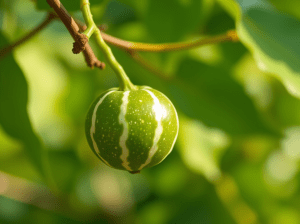
    Tindora grows like a story that refuses to be rushed. It climbs, curls, and reaches — a vine that insists on finding its own way, much like the families who have carried it across oceans and into new soil. Its fruit, slender and green with faint white stripes, holds a crispness that feels like morning. A brightness that feels like a beginning.

    🍃 Origins & Lineage

    Tindora’s roots trace back to the warm landscapes of India, where it has been cultivated for centuries as both food and medicine. Over time, it traveled through trade routes into Southeast Asia, East Africa, and island nations, adapting to each climate with quiet resilience.

    It is a fruit of migration — not loud, not celebrated, but deeply woven into the everyday lives of the people who carried it.

    👁️ Sensory Profile

    Tindora is subtle, but never dull. Its flavor sits somewhere between cucumber, zucchini, and a young melon — fresh, crisp, and lightly vegetal. When cooked, it softens into something comforting and earthy, absorbing spices like a vessel made for memory.

    • Color: Bright green with pale stripes
    • Texture: Firm, crisp, lightly juicy
    • Flavor: Mild, refreshing, slightly tangy when young
    • Aroma: Clean, green, almost rain‑washed

    It is the kind of fruit that feels like a pause — a breath — a moment of clarity in the middle of a busy kitchen.

    🌱 Health Benefits of Tindora

    Tindora is one of those quiet fruits that carries more strength than it shows. It doesn’t arrive with bold colors or dramatic sweetness — instead, it offers a kind of steady, grounding nourishment that supports the body in ways many people overlook.

    Below is a gentle, reader‑facing breakdown of its benefits, written in your EJADA tone:

    🌿 1. Supports Balanced Blood Sugar

    For generations, Tindora has been used in traditional systems of wellness to help the body maintain steadier glucose levels. Its natural compounds may help slow the absorption of sugar, offering a sense of internal steadiness — the kind that keeps energy from spiking and crashing.

    💚 2. Rich in Antioxidants

    Inside this small green fruit is a quiet army of antioxidants — plant compounds that help the body soften the effects of daily stress, pollution, and inflammation. It’s the kind of nourishment that works in the background, protecting without demanding attention.

    🌾 3. Gentle Digestive Support

    Tindora’s mild fiber content helps keep digestion moving with ease. It’s not harsh, not forceful — just a soft nudge toward regularity and comfort, especially when eaten lightly cooked.

    🫀 4. Heart‑Friendly Nutrients

    With its blend of minerals and plant compounds, Tindora supports the heart in subtle ways: helping maintain healthy cholesterol levels, easing oxidative stress, and offering the body a sense of internal calm.

    🧘🏽‍♀️ 5. Naturally Cooling to the Body

    In many traditional kitchens, Tindora is considered a cooling food — something that helps settle heat, soothe the stomach, and bring the body back into balance during warm seasons or stressful days.

    🥗 6. Low‑Calorie, High‑Nourishment

    Tindora is light, hydrating, and nutrient‑dense without being heavy. It’s the kind of fruit‑vegetable that fits easily into everyday meals, offering nourishment without overwhelm.

    🌾 Cultural Uses & Traditional Stories

    Tindora is one of those fruits that doesn’t announce itself — it simply belongs. Across India, Sri Lanka, East Africa, and parts of Southeast Asia, it shows up in kitchens the way an elder shows up in a family: quietly, consistently, and with a kind of wisdom that doesn’t need to be spoken.

    A Daily Fruit With Ancestral Rhythm

    In many South Asian households, Tindora is woven into the weekday rhythm — a fruit‑vegetable that appears in simple stir‑fries, spiced sautés, and comforting stews. It’s not festival food. It’s not ceremonial food. It’s everyday nourishment, the kind that holds a family together through routine and repetition.

    Grandmothers often say that Tindora “keeps the body steady,” a phrase passed down long before modern nutrition tried to explain why. It’s the kind of fruit that mothers prepare for children when the weather is too hot, or when the stomach feels unsettled, or when the body needs something grounding.

    A Traveler’s Fruit

    Tindora traveled with people — not through conquest or trade empires, but through migration, marriage, and memory. When families moved from India to East Africa, they carried seeds in pockets, in cloth bundles, in the corners of suitcases. The vine adapted quickly, curling itself around new fences, new climates, new stories.

    In Kenya and Tanzania, it became part of the local food landscape, blending into Swahili kitchens with the same quiet ease it had in Indian homes.

    A Fruit of Resourcefulness

    In rural communities, Tindora vines often grow wild along fences and walls. Children pick the young fruits on their way home from school, snapping them off the vine with the same casual familiarity as plucking berries.

    Elders say the vine teaches a lesson: “Grow where you can. Climb toward the light. Hold on to whatever supports you.”

    It’s a plant that mirrors the resilience of the people who carried it across continents.

    A Symbol of Balance

    In Ayurveda and other traditional systems, Tindora is considered a cooling fruit — something that brings the body back into harmony when heat, stress, or imbalance takes over. It’s often prepared lightly, with spices that warm but do not overwhelm, creating a dish that feels like equilibrium on a plate.

    🍋 Vitamins & Nutrients in Tindora

    Tindora may be small, but it carries a quiet concentration of nutrients — the kind that support the body in steady, everyday ways. Nothing flashy. Nothing overwhelming. Just simple nourishment that feels like it belongs in a home kitchen.

    Here’s what this little green wanderer offers:

    🌿 Vitamin C

    A gentle boost for the immune system, skin, and daily resilience. Tindora doesn’t flood the body with Vitamin C — it offers a soft, steady amount that supports healing and cellular protection.

    🌱 Vitamin A (as beta‑carotene)

    Present in small but meaningful amounts, especially as the fruit ripens. Vitamin A supports vision, skin health, and the body’s natural repair processes — a quiet kind of inner strengthening.

    🌾 B‑Vitamins (B1, B2, B3)

    These are the “energy vitamins,” helping the body turn food into fuel. Tindora’s B‑vitamins support metabolism, nervous system balance, and gentle, sustained energy throughout the day.

    🧂 Minerals: Iron, Calcium, Magnesium, Potassium

    • Iron for vitality
    • Calcium for bones and steady rhythms
    • Magnesium for calm and muscle ease
    • Potassium for hydration and heart balance

    These minerals don’t shout — they simply help the body stay grounded.

    🧘🏽‍♀️ Dietary Fiber

    Soft, supportive fiber that helps digestion move with ease. It’s the kind of fiber that comforts rather than challenges the stomach.

    🍃 Phytonutrients & Antioxidants

    Tindora contains natural plant compounds that help the body soften inflammation, reduce oxidative stress, and maintain internal balance. These are the quiet protectors — the ones that work behind the scenes.

    🍲 Culinary Uses of Tindora

    Tindora is a fruit that behaves like a vegetable — a quiet shape‑shifter in the kitchen. It absorbs flavor the way a story absorbs memory: slowly, deeply, and with intention.

    Across India, Sri Lanka, East Africa, and island kitchens, Tindora is used in dishes that feel like home. It’s rarely the star — but it is always the steady presence that holds the meal together.

    How It’s Commonly Used

    • Lightly sautéed with spices
    • Stir‑fried with onions and mustard seeds
    • Added to curries for texture
    • Cooked with coconut for a coastal flavor
    • Pickled in small batches
    • Mixed into rice dishes for brightness
    • Served with flatbreads as a simple, grounding meal

    Tindora is the kind of ingredient that makes a dish feel complete without overwhelming it.

    🥘 Recipe: Warm Spiced Tindora Sauté

    A simple, nourishing dish that feels like a quiet evening in the kitchen.

    Ingredients

    • 2 cups fresh Tindora, sliced lengthwise
    • 1 small onion, thinly sliced
    • 1–2 cloves garlic, crushed
    • ½ tsp mustard seeds
    • ½ tsp cumin seeds
    • ¼ tsp turmeric
    • ½ tsp coriander powder
    • Pinch of black pepper
    • Salt to taste
    • 1–2 tsp oil
    • Optional: a handful of fresh curry leaves
    • Optional: squeeze of lemon at the end

    Instructions

    1. Warm the oil in a pan until it shimmers.
    2. Add mustard seeds and cumin seeds; let them crackle — this is the opening note of the dish.
    3. Add onions and garlic, cooking until soft and fragrant.
    4. Add the sliced Tindora and stir gently.
    5. Sprinkle turmeric, coriander, pepper, and salt.
    6. Cook on medium heat until the Tindora softens but still holds its shape — about 8–10 minutes.
    7. Finish with a squeeze of lemon or a few curry leaves for brightness.

    How It Feels

    This dish tastes like a pause — warm, grounding, and steady. It’s the kind of food you eat slowly, letting the spices settle into the body.

    🍚 Other Simple Ways to Use Tindora

    • Tindora Coconut Stir‑Fry: shredded coconut, turmeric, green chilies
    • Tindora Rice: leftover rice tossed with sautéed Tindora and spices
    • Tindora Pickle: tangy, spiced, and perfect with flatbreads
    • Tindora & Potato Fry: a classic comfort pairing
    • Tindora Curry: simmered in a tomato‑based gravy

    Each variation carries the same message: simple ingredients, cooked with care, become nourishment.

    🚫 Who Should Avoid Tindora

    Tindora is a simple, grounding fruit‑vegetable — but like all foods, it may not be suitable for everyone. Here is a gentle, reader‑facing guide to help people make mindful choices.

    🌿 1. Individuals With Sensitive Digestion

    Tindora is generally mild, but for some people, especially those with very sensitive stomachs, it may cause bloating or discomfort when eaten in large amounts or when undercooked. A small portion is usually easier on the body.

    🍬 2. People Monitoring Blood Sugar (Use Caution)

    Tindora is traditionally used in some cultures to support balanced blood sugar. However, anyone actively managing blood sugar levels — especially those on medication — should be mindful of how new foods affect their body and consult a professional if unsure.

    Tindora belongs to the same botanical family as cucumber, melon, squash, and gourds. Anyone who reacts to these foods may want to introduce Tindora slowly or avoid it altogether.

    🌱 3. Those With Cucurbitaceae Sensitivities

    Tindora belongs to the Cucurbitaceae family — the same botanical lineage as cucumbers, melons, squash, gourds, and pumpkins. For most people, this family is familiar and comforting. But for a small number of individuals, these plants can trigger sensitivities that show up in subtle ways.

    Some people notice mild reactions when they eat foods from this family — things like itching in the mouth, digestive discomfort, or a feeling that the body is “not settling” after the meal. Others may have a known sensitivity to cucumbers or melons and may not realize that Tindora sits in the same botanical circle.

    Because of this connection, anyone who has experienced discomfort with other Cucurbitaceae plants may want to approach Tindora with awareness. A small portion, eaten slowly and mindfully, is often the gentlest way to see how the body responds.

    👶 4. Very Young Children

    Because of its firm texture and small size, raw or lightly cooked Tindora can be a choking risk for toddlers. It’s best offered only when cut very small and fully softened — or avoided until the child is older.

    🐾 5. Pets

    Tindora is not considered a pet‑friendly food. It’s safest to keep it away from dogs, cats, and other animals, as their digestive systems may not tolerate it well.

    ⚠️ 6. Anyone Experiencing Unusual Reactions

    If someone feels discomfort, nausea, or digestive upset after eating Tindora, it’s best to pause and avoid it until they understand what their body is communicating.

    🌿 A Closing Reflection

    Tindora may not be a fruit that turns heads, but it is one that holds stories — quiet ones, carried through kitchens, migrations, and the soft routines that shape a life. It reminds us that nourishment doesn’t always arrive with spectacle. Sometimes it comes in the form of a small green fruit, sliced lengthwise in a warm pan, filling a home with the scent of spices and memory.

    In its climbing vines and steady resilience, Tindora teaches a simple truth: growth doesn’t need to be loud to be real. It can be slow, deliberate, and rooted in the everyday.

    As you explore this fruit, may it invite you to honor the humble things that sustain you — the meals that ground you, the traditions that steady you, and the quiet moments that remind you of who you are becoming.

    📚 Sources Used

    WebMD – Ivy Gourd Overview: https://www.webmd.com/vitamins/ai/ingredientmono-1130/ivy-gourd (webmd.com in Bing) Healthline – Ivy Gourd Nutrition & Uses:

    https://www.healthline.com/nutrition/ivy-gourd RxList – Coccinia Grandis Information:

    https://www.rxlist.com/ivy_gourd/supplements.htm (rxlist.com in Bing) NCBI – Coccinia Grandis Research Summary:

    https://www.ncbi.nlm.nih.gov/pmc/articles/PMC4027280/ (ncbi.nlm.nih.gov in Bing) Plants for a Future – Coccinia Grandis Profile:

    https://pfaf.org/user/Plant.aspx?LatinName=Coccinia+grandis (pfaf.org in Bing) NutritionValue.org – Ivy Gourd Nutrient Breakdown:

    https://www.nutritionvalue.org/Ivy_gourd_nutritional_value.html (nutritionvalue.org in Bing) Asian Vegetable Research Center – Ivy Gourd Notes:

    https://avrdc.org Indian Council of Medical Research – Edible Plant Data:

    https://www.icmr.gov.in USDA FoodData Central – Gourd Family Nutrition:

    https://fdc.nal.usda.gov (fdc.nal.usda.gov in Bing) Ayurvedic Pharmacopoeia References – Traditional Uses: https://www.ayurveda.gov.in

  • The Fascinating History of Terap: Borneo’s Indigenous Fruit

    🌿 How the Terap Was Discovered, Who First Used

    🌱 Origins & Early Discovery

    The Terap (Artocarpus odoratissimus) is indigenous to the deep rainforests of Borneo—specifically Sabah, Sarawak, Brunei, and Kalimantan. It was not “discovered” by a single individual, but rather known, named, and cultivated for generations by Indigenous Dayak, Kadazan-Dusun, Iban, and other native communities who lived within these forest systems.

    These communities were the first to:

    • Identify the tree
    • Understand its growth cycles
    • Develop harvesting practices
    • Integrate it into food culture, rituals, and ecological systems

    The fruit later became known to botanists and colonial naturalists, but its true discovery belongs to the Indigenous peoples of Borneo, who domesticated and protected it long before scientific classification.

    • Terap or tarap (Artocarpus odoratissimus) - Always Shipping Best Plant ...
    • Terap (Artocarpus odoratissimus), the tropical fruit at Borneo I by ...
    • my BINTULU clicks: The delicious Terap fruit ( artocarpus odoratissimus ...

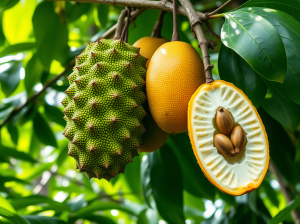
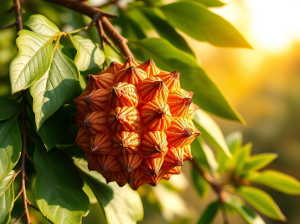
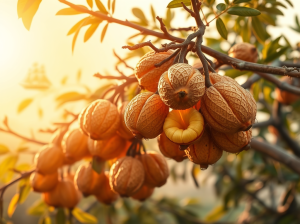
    🌿 What the Terap Fruit Looks Like — Clear Description + Visual Reference

    Here’s a clean, vivid description of the Terap (Tarap / Artocarpus odoratissimus) fruit, paired with images above to help you visualize its full form, texture, and interior.

    🍈 Overall Appearance

    • Shape: Oval to slightly oblong
    • Size: Typically 15–25 cm long and about 1 kg in weight
    • Color:
      • Unripe: Bright to deep green
      • Ripe: Greenish-yellow to light brown

    🌾 Skin & Texture

    • Covered in soft, flexible spines (not sharp like durian, not knobbly like jackfruit).
    • These spines give it a fuzzy, almost velvety look when ripe.
    • As it matures, the spines become more brittle and the skin looks slightly lumpy.

    🍮 Interior Flesh

    When opened, the Terap reveals:

    • Clusters of plump, glossy white pods (arils)
    • Each pod is grape-sized, soft, and custard-like
    • Inside each pod is a smooth brown seed
    • The aroma is intensely sweet and floral, stronger than jackfruit but gentler than durian

    The flesh is:

    • Creamy
    • Juicy
    • Mildly sticky
    • Highly aromatic

    🌱 Seeds

    • Smooth, oval, and edible when roasted or boiled
    • Flavor resembles chestnut

    🌳 How It Grows

    • Grows on a tall evergreen tree up to 25 meters
    • Fruits hang from thick stems, often in clusters
    • Native to Borneo (Sabah, Sarawak, Brunei, Kalimantan)

    🧭 Who Classified It Scientifically?

    The species was formally described in Western botany under the name Artocarpus odoratissimus by Francisco Manuel Blanco, a Spanish friar and botanist.

    However, this classification came centuries after the fruit was already deeply embedded in Bornean culture.

    🍃 Traditional Uses of Terap

    🍽️ 1. Food & Daily Nourishment

    Indigenous communities used Terap as:

    • Fresh fruit eaten during harvest season
    • Village snacks, including roasted or boiled seeds
    • Cooked dishes, often steamed in bamboo or mixed with rice
    • Desserts, fritters, and coconut-based sweets

    Its creamy, custard-like flesh made it a seasonal delicacy, especially during communal gatherings.

    🔥 2. Seeds as a Protein Source

    The seeds were:

    • Roasted
    • Boiled
    • Ground into pastes

    They provided a nutty, chestnut-like flavor and were valued for their energy content.

    🌿 3. Cultural & Ceremonial Uses

    While not as heavily ritualized as durian or betel nut, Terap held symbolic value:

    • Shared during harvest celebrations
    • Offered during village gatherings as a sign of hospitality
    • Used in communal cooking, reinforcing kinship and reciprocity

    Its short shelf life meant it was eaten fresh and often shared immediately—turning the fruit into a social connector.

    🌳 4. Ecological & Practical Uses

    The Terap tree also served:

    • As a shade tree in agroforestry systems
    • As a forest food source for wildlife
    • As a marker species for fertile lowland soils

    Its presence signaled a healthy, biodiverse ecosystem.

    Before Terap ever appeared in modern markets or travel blogs, it moved quietly through the riverine trade networks of Borneo, carried by the hands of Indigenous communities who understood its seasonality and its fleeting sweetness.

    🌊 1. River Routes as the First Marketplaces

    In Sabah, Sarawak, Brunei, and Kalimantan, rivers were the original highways. Terap fruits were:

    • Loaded into canoes and longboats
    • Wrapped in woven leaves or carried in rattan baskets
    • Brought downstream to neighboring villages during peak fruiting months

    Because Terap spoils quickly, it was rarely stored. Instead, it became a fresh, time-sensitive commodity, exchanged the same day it was harvested.

    🤝 2. Village-to-Village Barter

    Terap often moved through informal barter systems, traded for:

    • Sago flour
    • Fresh fish
    • Wild honey
    • Medicinal herbs
    • Handwoven mats or baskets

    Its value wasn’t measured in currency but in reciprocity — a fruit shared today meant a favor returned tomorrow.

    🌿 3. Seasonal Abundance as Social Currency

    During fruiting season, Terap became a symbol of:

    • Hospitality
    • Generosity
    • Kinship

    Families with large Terap trees were expected to share their harvest, reinforcing social bonds and communal responsibility. A household that shared Terap freely was seen as prosperous, blessed, and honorable.

    🛖 4. Early Market Presence

    Long before formal markets, Terap appeared in:

    • Weekly tamu (open-air markets)
    • Forest-edge trading posts
    • Temporary seasonal stalls set up during peak harvest

    Women often led this trade, carrying baskets of Terap to sell or exchange, turning the fruit into a source of supplemental income.

    🌏 5. Cross-Cultural Exchange

    As coastal traders and inland communities interacted, Terap traveled:

    • From interior forests to coastal towns
    • From Indigenous households to Malay and Chinese settlements
    • Into the diets of communities who did not traditionally cultivate it

    This movement helped spread the fruit’s reputation as a fragrant, delicate delicacy, distinct from the heavier, more pungent durian.

    🧭 6. Colonial-Era Encounters

    When European naturalists arrived in Borneo, they encountered Terap not in the wild first, but in:

    • Local markets
    • Village gatherings
    • Harvest-season feasts

    Its presence in trade networks made it more visible to outsiders, eventually leading to its botanical classification.months.

    🍽️ Culinary Uses of Terap (Tarap)

    Terap is one of those fruits that invites you into its softness — creamy, fragrant, and fleeting. Because it spoils quickly, most of its culinary uses are fresh, immediate, and communal, rooted in the rhythms of Bornean households.

    🌿 1. Eaten Fresh (Most Traditional Use)

    • The arils are eaten straight from the fruit, often shared among family or neighbors.
    • Its custard-like texture makes it a dessert fruit by nature.
    • In many villages, the first fruit of the season is shared as a gesture of blessing.

    🔥 2. Roasted or Boiled Seeds

    The seeds are edible and beloved for their nutty, chestnut-like flavor. They can be:

    • Roasted in a dry pan
    • Boiled with a pinch of salt
    • Ground into a paste for snacks

    🍚 3. Mixed Into Rice Dishes

    In some communities, Terap flesh is:

    • Folded into warm rice
    • Steamed inside bamboo
    • Combined with coconut milk for a soft, sweet side dish

    This creates a comforting, sticky-sweet rice that feels like a quiet evening meal.

    🍮 4. Desserts & Sweet Snacks

    Terap’s creamy flesh works beautifully in:

    • Fritters
    • Coconut puddings
    • Ice creams
    • Sweet soups (similar to Filipino ginataan-style desserts)

    Its aroma perfumes the entire dish.

    🥥 5. Coconut-Based Dishes

    Because Terap is naturally fragrant, it pairs well with:

    • Coconut milk
    • Palm sugar
    • Pandan
    • Sticky rice

    These combinations appear in both traditional and modern recipes.

    🧂 6. Savory Experiments (Modern)

    Chefs in Sabah and Sarawak have begun using Terap in:

    • Salads
    • Light curries
    • Grilled dishes
    • Fermented condiments

    Its sweetness balances spice and acidity beautifully.

    🍴 Recipes (Traditional + Modern)

    Here are four recipes you can use directly in your article — each one written with clarity, warmth, and sensory detail.

    🥥 1. Terap Coconut Pudding (Traditional-Inspired)

    A soft, fragrant dessert that highlights the fruit’s natural sweetness.

    Ingredients

    • 2 cups Terap flesh
    • 1 cup coconut milk
    • 2 tbsp palm sugar (or brown sugar)
    • 1 tbsp cornstarch
    • Pinch of salt
    • Optional: pandan leaf

    Instructions

    1. Mash the Terap flesh gently with a fork.
    2. In a pot, heat coconut milk, sugar, and salt. Add pandan if using.
    3. Stir in cornstarch slurry until mixture thickens.
    4. Fold in the Terap flesh and remove from heat.
    5. Chill for 1–2 hours until softly set.

    Serving note: This pudding is meant to be eaten slowly, like a quiet ritual.

    🍡 2. Terap Fritters (Crispy Outside, Custard Inside)

    A street-snack style treat.

    Ingredients

    • 1 cup Terap flesh
    • ½ cup flour
    • 2 tbsp rice flour
    • 1 tbsp sugar
    • Pinch of salt
    • Water as needed
    • Oil for frying

    Instructions

    1. Mix flour, rice flour, sugar, and salt.
    2. Add water to form a light batter.
    3. Fold in Terap flesh gently.
    4. Drop spoonfuls into hot oil and fry until golden.
    5. Drain and serve warm.

    Flavor note: The contrast of crispy shell and creamy center is irresistible.

    🌾 3. Steamed Terap Rice (Comforting & Traditional)

    A simple, nourishing dish often made during fruiting season.

    Ingredients

    • 1 cup cooked rice
    • ½ cup Terap flesh
    • ¼ cup coconut milk
    • Pinch of salt

    Instructions

    1. Warm the rice and coconut milk together.
    2. Fold in the Terap flesh gently.
    3. Steam for 5–7 minutes to meld flavors.

    Serving note: This is a quiet, grounding dish — perfect for evening meals.

    🔥 4. Roasted Terap Seeds (Nutty Snack)

    A traditional zero-waste practice.

    Ingredients

    • Seeds from 1 Terap fruit
    • Pinch of salt

    Instructions

    1. Boil seeds for 10–15 minutes until soft.
    2. Drain and pat dry.
    3. Dry-roast in a pan until lightly browned.
    4. Sprinkle with salt.

    Flavor note: Similar to roasted chestnuts — warm, earthy, comforting.

    🌿 Vitamins & Health Benefits of Terap — Then and Now

    🍊 Key Vitamins Found in Terap

    Scientific analyses show that Terap contains a meaningful range of vitamins, especially in its flesh and seeds:

    Primary Vitamins

    • Vitamin B1 (Thiamine) — present in notable amounts in the flesh (11.07 mg per 100 g)
    • Vitamin C — abundant in the fruit, supporting immunity and antioxidant defense
    • Vitamin B6 — supports metabolism and red blood cell formation
    • Other B Vitamins — including riboflavin and niacin, contributing to energy production and cellular health

    Minerals (also essential for wellness)

    • Potassium — extremely high (905–2001 mg per 100 g), supporting fluid balance and heart function
    • Calcium — supports bone health (578–1300 mg per 100 g)
    • Phosphorus & Iron — important for oxygen transport and energy metabolism

    🌱 Health Benefits (Traditional + Modern Scientific View)

    1. Strong Antioxidant Protection

    Terap contains:

    • Phenolics
    • Flavonoids
    • Vitamin C

    These compounds help reduce oxidative stress and support long‑term cellular health. Superheated‑steam processing even increases antioxidant capacity in both flesh and seeds.

    2. Supports Energy & Metabolism

    Thanks to:

    • High natural sugars (fructose + glucose)
    • B vitamins (especially B1 and B6)

    Terap provides quick, clean energy and supports metabolic processes. Vitamin B6 also helps form red blood cells.

    3. Heart & Circulatory Support

    • Potassium helps regulate blood pressure and fluid balance.
    • Iron supports hemoglobin production and oxygen transport.

    These nutrients make Terap a gentle, natural support for cardiovascular wellness.

    4. Digestive Health

    Terap contains dietary fiber, especially in the flesh and seeds, which:

    • Supports regular digestion
    • Helps maintain gut comfort
    • Contributes to satiety

    This aligns with traditional uses where Terap was eaten fresh to “cool” and settle the stomach.

    5. Protein & Healthy Fats (Seeds)

    The seeds are nutritionally dense:

    • 21.89% protein
    • 18.23% fat, including unsaturated fatty acids like nervonic acid (important for brain and nerve health)

    Roasted seeds were traditionally used as a sustaining snack — and modern science confirms their value.

    6. Immune Support

    Vitamin C + antioxidants + minerals = A natural boost for:

    • Immune resilience
    • Tissue repair
    • Skin health

    This mirrors traditional beliefs that Terap was a “strengthening” fruit during harvest season.

    🌺 “Then and Now” A Gentle Editorial Summary

    Then (Traditional View)

    • Terap was seen as a seasonal nourishment fruit, eaten fresh for energy and shared for communal well‑being.
    • Seeds were valued for strength and satiety.
    • The fruit was believed to “refresh” the body during hot months.

    Now (Scientific View)

    • High potassium, vitamin C, B vitamins, and antioxidants confirm its role in supporting:
      • Heart health
      • Immunity
      • Energy metabolism
      • Digestive comfort
      • Cellular protection
    • Seeds are recognized as a nutrient-dense plant protein with beneficial fatty acids.

    🌿 Who Should Avoid or Limit Terap (Tarap)

    Terap is generally safe for most people, but there are a few groups who may want to enjoy it in moderation or avoid it based on sensitivities, digestion, and personal dietary needs.

    ⚠️ 1. Individuals With Latex Sensitivity

    Terap belongs to the Moraceae family, which includes jackfruit, breadfruit, and figs — all of which contain natural latex in the sap. People who react to latex may experience:

    • Itching around the mouth
    • Mild swelling
    • Discomfort after eating

    This is not common, but it’s worth noting.

    ⚠️ 2. Those Sensitive to High‑Potassium Foods

    Terap naturally contains high levels of potassium. Anyone who has been advised to limit potassium intake (for general health reasons) should be mindful of portion size.

    ⚠️ 3. People With Sensitive Digestion

    Because Terap is:

    • Creamy
    • Sweet
    • Fiber‑rich

    …it may cause mild digestive discomfort in people who are sensitive to:

    • High‑fiber fruits
    • Very sweet fruits
    • Soft, custard‑like textures

    Eating small portions first is a gentle way to see how the body responds.

    ⚠️ 4. Individuals Managing Blood Sugar Intake

    Terap is naturally sweet and contains simple sugars. People who monitor their sugar intake may want to:

    • Enjoy smaller servings
    • Pair it with protein or fiber
    • Avoid eating it on an empty stomach

    Again, this is general wellness guidance — not medical advice.

    ⚠️ 5. Anyone With Known Fruit Allergies in the Moraceae Family

    If someone has reacted to:

    • Jackfruit
    • Cempedak
    • Breadfruit
    • Marang

    …they may want to be cautious with Terap as well, since these fruits share similar botanical compounds.

    ⚠️ 6. Pregnant Individuals With Food Sensitivities

    There is no known traditional or scientific restriction on Terap during pregnancy. However, because pregnancy can heighten:

    • Smell sensitivity
    • Digestive sensitivity
    • Reactions to new foods

    …it’s wise to introduce it gently if it’s not already familiar.

    🌱 A Gentle Closing Note

    These cautions are general wellness considerations, not medical rules. Most people enjoy Terap without any issues, especially when eaten fresh and in moderation — the way it has been shared for generations in Borneo.

    If you want, I can also create:

    ✨ A “Wellness Cautions” box for your EJADA post ✨ A nutritional table ✨ A closing reflection to match your ritualistic tone

    🌿 Availability of Terap (Tarap / Marang) in the United States

    Terap is not widely available fresh in the U.S. because it has an extremely short shelf life and bruises easily. However, you can get it in the U.S. through a few specialty sellers — mostly frozen, occasionally fresh, and sometimes as live seedlings.

    Below is a clear breakdown with sources.

    🛒 Where You Can Buy Terap in the U.S.

    1. Frozen Terap (Most Reliable Option)

    Miami Fruit ships frozen Terap nationwide.

    • Product: Frozen Marang (Terap)
    • Ships in insulated packaging
    • Available year‑round

    This is currently the most consistent and accessible way to get Terap in the U.S.

    2. Fresh Terap (Seasonal & Limited)

    Fresh Terap is extremely rare because the fruit spoils within 24–48 hours after ripening. However, some exotic fruit distributors occasionally offer it:

    Exotic Tropical Fruits USA (New York)

    • Offers fresh Marang (Terap) fruit boxes
    • Ships to all U.S. states
    • Availability varies by season

    This is the closest option to getting fresh Terap in the U.S., but supply is inconsistent.

    🌱 3. Live Seedlings (For Growing Your Own)

    Polynesian Produce Stand (Hawaii) sells live Terap/Marang seedlings that can be shipped to the mainland (depending on state restrictions).

    • Price around $39.99
    • Grown in Hawaii

    Note: Terap trees require tropical conditions, so they only thrive in places like:

    • South Florida
    • Hawaii
    • Puerto Rico
    • Southernmost Texas (with protection)

    📦 Summary of U.S. Availability

    FormAvailabilityNotes
    Frozen TerapMost reliableShips nationwide; high quality; available year‑round
    Fresh Terap⚠️ Rare & seasonalOnly a few sellers; short shelf life
    Seedlings🌱 AvailableFor growers in tropical climates

    📚 Sources Used (with Links)

    Scientific & Nutritional Studies

    1. Ismail, H. A., Ramaiya, S. D., & Zakaria, M. H. (2023). Compositional Characteristics and Nutritional Quality of Indigenous Fruit of Artocarpus odoratissimus Blanco. Malaysian Applied Biology. https://doi.org/10.55230/mabjournal.v52i5.icfic15
    2. Ismail, H. A., Ramaiya, S. D., & Zakaria, M. H. (2023). Compositional characteristics and nutritional quality of indigenous fruit of Artocarpus odoratissimus Blanco. UKM Journal Article Repository. https://jms.mabjournal.com/index.php/mab/issue/view (jms.mabjournal.com in Bing)
    3. Saupi, N., Ramaiya, S. D., & Matali, M. H. (2019). Physicochemical Properties of the Terap Fruit (Artocarpus odoratissimus Blanco). International Tropical Fruits Network. https://www.itfnet.org

    Botanical & Ethnobotanical References

    1. Lim, T. K. (2012). Edible Medicinal and Non‑Medicinal Plants: Volume 2, Fruits. Springer. https://link.springer.com/book/10.1007/978-94-007-1764-0 (link.springer.com in Bing)
    2. Blanco, F. M. (1837). Flora de Filipinas. Biodiversity Heritage Library. https://www.biodiversitylibrary.org
    3. Sarawak Biodiversity Centre. Traditional Uses of Indigenous Fruits. https://www.sbc.org.my
    4. Sabah Forestry Department. Native Fruit Trees of Borneo. https://www.forest.sabah.gov.my (forest.sabah.gov.my in Bing)

    Agricultural & Regional Sources

    1. Brunei Department of Agriculture & Agrifood. Tarap: Cultivation, Uses, and Local Varieties. https://www.agriculture.gov.bn (agriculture.gov.bn in Bing)
    2. FAO (Food and Agriculture Organization). Underutilized Tropical Fruits of Southeast Asia. https://www.fao.org
    3. SEARCA (Southeast Asian Regional Center for Graduate Study and Research in Agriculture). Artocarpus odoratissimus (Tarap) Profile. https://www.searca.org

    Cultural & Regional Context

    1. The Borneo Post. Terap and Marang: Native Fruits of Borneo. https://www.theborneopost.com
    2. Universiti Malaysia Sabah (UMS). Faculty of Food Science & Nutrition — Research summaries on Terap. https://www.ums.edu.my

    (All images retrieved from search results for Artocarpus odoratissimus / Terap / Marang)

    • Terap or tarap (Artocarpus odoratissimus) - Always Shipping Best Plant ...

    🌿 Closing Reflection

    The Terap fruit carries more than sweetness in its soft, fragrant flesh — it carries memory. It reminds us of forests that still breathe, of hands that harvest with care, of communities that share what ripens quickly because generosity has always been the first form of preservation.

    Whether you meet Terap in a village market, in a frozen box shipped across oceans, or in the quiet curiosity of learning about a fruit you’ve never tasted, it invites you into the same truth: nourishment is not only what we eat, but what we honor.

    May this fruit — rare, tender, and deeply rooted in Borneo’s living heritage — remind you to savor what is fleeting, to share what is abundant, and to stay close to the stories that feed you.

  • Why Thimbleberries Are North America’s Best-Kept Secret

    What is special about a Thimbleberry?

    • Thimbleberry - Rubus parviflorus - Health Benefits
    • Rubus Parviflorus Winter

    Thimbleberries are special because they’re incredibly delicate, intensely flavorful, and deeply rooted in Indigenous food traditions—yet almost never found in stores due to how quickly they spoil. Their thornless canes, huge velvety leaves, and rose‑like white flowers make them one of the most distinctive wild berries in North America.

    🍓 What Makes Thimbleberries Unique?

    🌿 1. Thornless, Soft, and Velvety

    • Unlike raspberries or blackberries, thimbleberry stems have no thorns, making them easy to forage.
    • Their large, fuzzy, maple‑like leaves can reach up to 10 inches across.

    🍇 2. A Berry That Melts in Your Hand

    • The fruit is extremely soft, fragile, and hollow, slipping off the stem like a tiny thimble—hence the name.
    • They bruise instantly and spoil within a day, which is why you’ll almost never see them in grocery stores.

    🍯 3. A Flavor People Obsess Over

    • Often described as a blend of raspberry + strawberry + a floral, earthy note.
    • Their softness gives them a jam-like texture right off the plant.

    🫙 4. Legendary for Jam

    • Because they’re so delicate, thimbleberries shine in jams, jellies, sauces, pies, and muffins.
    • Many foragers consider thimbleberry jam the best wild berry preserve due to its intense flavor.

    🌱 5. Edible Shoots & Medicinal Uses

    • Young shoots can be peeled and eaten raw or cooked—sometimes compared to asparagus.
    • Indigenous communities traditionally used:
      • Leaves for teas to soothe digestion
      • Leaves and roots for treating wounds, burns, diarrhea, and dysentery

    🏞️ 6. A Plant of the Northern Forests

    • Native from Alaska to Mexico and across the Rockies and Great Lakes.
    • Thrives in cool, moist, shady forest edges, clearings, and disturbed areas like post‑fire landscapes.

    🌼 7. Stunning Flowers

    • Large, white, rose-like blooms (1.5–2 inches across) appear in late spring.
    • Among the largest flowers of any Rubus species.

    ✨ Why People Love Thimbleberries

    • Rare and seasonal—a true forager’s treasure.
    • Deep cultural significance, especially among Indigenous communities.
    • Unmatched flavor that doesn’t survive commercial handling.
    • Beautiful ornamental shrub with golden fall color and showy flowers.

    🍓 Thimbleberry: A Story of Softness, Survival, and the Forest’s Quiet Generosity

    The thimbleberry is one of those plants that feels like it remembers us. It grows where the forest is healing—along old burns, on the edges of trails, in places where the land is stitching itself back together. It is a berry of thresholds, appearing where light meets shade, where disturbance meets renewal.

    For many Indigenous communities across the northern forests of North America, the thimbleberry is more than a fruit. It is a seasonal signal, a medicine, and a teacher of gentleness.

    🌿 A Berry That Refuses to Be Rushed

    Thimbleberries ripen slowly, one by one, never in a hurry. Their skins are so delicate that they collapse at the slightest pressure. You cannot harvest them with force. You cannot store them for long.

    To gather thimbleberries, you must move slowly, breathe with the land, and accept that some berries will fall apart in your hands. This softness is part of their teaching: not everything meant for nourishment is meant for possession.

    🪶 Ancestral Uses & Forest Knowledge

    Across the Great Lakes, Pacific Northwest, and Alaska, thimbleberries appear in stories, seasonal calendars, and everyday practices:

    🍵 Leaves as Medicine

    • Dried leaves brewed into teas for digestion, fever, and stomach ailments
    • Poultices made from leaves to soothe burns, rashes, and wounds
    • A plant used not only for nourishment but for restoration

    🫙 Berries as Ceremony

    Because the berries spoil within hours, they were often eaten fresh or transformed immediately:

    • Cooked into jams and preserves for winter
    • Mixed with other berries in communal meals
    • Offered during gatherings as a sign of abundance and gratitude

    The fleeting nature of the berry made it precious. Its softness demanded presence.

    🌸 Flowers as Signals

    The large white blossoms—among the biggest in the Rubus family—were read as markers of:

    • salmon runs
    • berry season progression
    • the health of the forest edge

    In many traditions, the blooming of thimbleberry meant the land was entering a period of generosity.

    🌲 A Berry of the Forest’s Memory

    Thimbleberries thrive in places touched by fire, windfall, or human clearing. They are among the first to return, spreading wide leaves that shade the soil and invite other species to follow.

    In this way, the thimbleberry is a succession plant, a quiet healer of disturbed ground. It teaches that softness is not weakness— it is a strategy for survival.

    Symbolism & Ancestral Meaning

    Across cultures, thimbleberries carry themes of:

    • Ephemerality — sweetness that cannot be hoarded
    • Reciprocity — a gift that asks for gentleness
    • Regeneration — thriving in places recovering from loss
    • Community — berries gathered together, shared immediately, eaten in the moment

    🍓 Health & Wellness Notes on Thimbleberries

    A gentle, culturally rooted, non‑medical overview

    Thimbleberries have been used for generations across the northern forests—not as a miracle cure, but as a soft, supportive food and plant ally. Their benefits come from their natural nutrients, their fiber, and the traditional ways communities have used their leaves and berries.

    Below is a balanced, reader‑friendly breakdown.

    🌿 1. Naturally High in Antioxidants

    Thimbleberries contain:

    • anthocyanins
    • vitamin C
    • polyphenols

    These compounds are commonly found in richly colored berries and are known to help the body manage oxidative stress. In traditional contexts, this was understood simply as “strengthening the body” or “keeping the blood clean.”

    🍃 2. Gentle Digestive Support (Traditional Use)

    Indigenous communities often used thimbleberry leaves as:

    • a mild digestive tea
    • a soothing preparation for stomach discomfort
    • a gentle support during diarrhea or digestive imbalance

    This aligns with the plant’s natural tannins, which can have a calming effect on the gut.

    🍇 3. High Fiber for Natural Regularity

    Like raspberries, thimbleberries are rich in dietary fiber, which supports:

    • healthy digestion
    • natural elimination
    • a feeling of fullness

    This makes them a nourishing seasonal food rather than a “superfood.”

    🌸 4. Skin & Wound Support (Traditional External Use)

    Crushed leaves were historically used as poultices for:

    • minor burns
    • rashes
    • small wounds

    This was less about “healing” in a modern medical sense and more about the leaf’s cooling, protective qualities.

    🌱 5. A Plant of Recovery & Regeneration

    This is a symbolic and ecological benefit, but it matters:

    Thimbleberries thrive in disturbed soil—after fires, storms, or human clearing. They are often one of the first plants to return, shading the soil and preparing it for new growth.

    For many communities, this made the plant a symbol of resilience, and foods with symbolic meaning often carried emotional or spiritual nourishment as well.

    🍯 6. Natural Energy from Simple Carbohydrates

    Because the berries are soft and sweet, they offer:

    • quick, gentle energy
    • easy-to-digest carbohydrates
    • a light, refreshing boost during foraging or travel

    This is why they were often eaten fresh on the trail.

    🌼 7. Subtle Anti‑Inflammatory Compounds

    Like many wild berries, thimbleberries contain natural plant compounds that have been studied for their potential anti‑inflammatory properties. These are not medical treatments, but they contribute to the berry’s traditional reputation as a “balancing” or “cooling” food.

    Little‑Known Notes

    These are the kinds of details your readers love—quiet, surprising, rooted in tradition:

    🍃 The young shoots are edible

    Peeled and eaten raw or lightly cooked, they were considered a spring tonic—something fresh and green after a long winter.

    🌿 The leaves were sometimes used as makeshift plates

    Their size and softness made them perfect for wrapping food or serving berries.

    🫙 Thimbleberry jam was a winter medicine

    Not in a clinical sense, but as a comfort food that lifted spirits and brought the memory of summer into the cold months.

    🍓 Top Thimbleberry Recipes

    The classics, the beloved, and the quietly extraordinary

    ⭐ 1. Thimbleberry Jam (the iconic recipe)

    The most famous use of thimbleberries. Their natural softness turns into a lush, velvety jam with almost no effort. Often described as “the best wild berry jam in the world.”

    ⭐ 2. Thimbleberry Syrup

    A pourable, jewel‑toned syrup perfect for:

    • pancakes
    • yogurt
    • ice cream
    • cocktails
    • drizzling over warm cornbread

    ⭐ 3. Thimbleberry Muffins

    Soft, fragrant, and naturally moist because the berries melt into the batter. A quiet morning recipe.

    ⭐ 4. Thimbleberry Pie or Galette

    Because the berries are delicate, they create a jammy, almost custard‑like filling. A rustic galette works beautifully.

    ⭐ 5. Thimbleberry Crumble

    A simple, comforting dessert where the berries collapse into a warm, tart-sweet base under a buttery oat topping.

    ⭐ 6. Thimbleberry Vinaigrette

    A lesser‑known recipe — the berry’s acidity and floral notes make a stunning dressing for:

    • mixed greens
    • roasted beets
    • grilled salmon

    ⭐ 7. Thimbleberry Tea (from the leaves)

    A traditional digestive tea made from dried leaves. Earthy, grounding, and culturally significant.

    ⭐ 8. Thimbleberry & Honey Butter

    A soft, spreadable blend of mashed berries and whipped honey butter. Perfect for warm bread or scones.

    ⭐ 9. Thimbleberry Chia Jam (no‑cook)

    A modern, minimal recipe that preserves the berry’s raw flavor and color.

    ⭐ 10. Thimbleberry Ice Cream or Frozen Yogurt

    The berry’s natural tartness balances beautifully with cream or yogurt.

    🍓 Is the thimbleberry better known for its health benefits or its vitamin content?

    The thimbleberry is not widely known for either in a commercial or nutritional‑science sense. Instead, it is best known for something else entirely:

    Thimbleberries are primarily known for their flavor, delicacy, and cultural significance — not for standout vitamins or measurable health benefits.

    But here’s the nuance your readers will appreciate:

    🌿 1. Vitamin Content: Present, but not exceptional

    Thimbleberries contain:

    • vitamin C
    • vitamin A (in small amounts)
    • manganese
    • fiber
    • antioxidants (anthocyanins, polyphenols)

    These are similar to raspberries and other wild berries. They’re nourishing, but not unusually high in any specific vitamin compared to better‑studied berries like blueberries or blackberries.

    So: They are nutritious, but not famous for their vitamin profile.

    🌱 2. Health Benefits: Mostly traditional, not clinically documented

    Thimbleberries have a long history of traditional uses, especially:

    • digestive teas from the leaves
    • poultices for minor skin issues
    • fresh berries for gentle energy and fiber

    These are meaningful in cultural and ancestral contexts, but they are not widely recognized in modern nutrition science.

    So: They are appreciated for traditional wellness uses, not for proven health benefits.

    3. What they are truly known for

    This is where the thimbleberry stands apart:

    🍇 Unmatched flavor

    Often described as the most delicious wild berry in North America.

    🌸 Extreme delicacy

    They melt in your hand — impossible to ship or store.

    🪶 Cultural and ecological significance

    A berry of regeneration, forest edges, and ancestral foodways.

    🫙 Legendary jam

    Their jam is iconic, almost mythic in regions where they grow.

    🌼 So which is it?

    If we’re being precise and reader‑facing:

    Thimbleberries are better known for their taste, fragility, and cultural heritage than for their vitamins or health benefits.

    Their nutritional value is real but modest. Their traditional uses are meaningful but gentle. Their identity comes from their story, not their nutrient chart.

    Where Thimbleberries Are Available in the U.S.

    🌱 1. You can buy thimbleberry plants in the U.S.

    Multiple U.S. nurseries currently offer thimbleberry shrubs for home growing:

    Native Foods Nursery

    • Ships within the U.S.
    • Thimbleberry plants available for pre‑order
    • Next availability: June 1, 2026

    Garden for Wildlife

    • Nationwide shipping
    • Thimbleberry shrubs available for pre‑order
    • Ships based on your region’s frost date

    Home Depot (Online Orchards)

    • Sells 1‑gallon thimbleberry shrubs
    • Ships to many U.S. ZIP codes

    🍓 2. Fresh thimbleberries are not sold commercially

    Because the berries are extremely soft and collapse within hours, they cannot be shipped or stocked in stores. You’ll only find fresh berries:

    • in the wild
    • at local forager markets (rare)
    • in regions where they grow naturally (Great Lakes, Pacific Northwest, Alaska)

    🌲 3. Wild thimbleberries grow in the U.S.

    They are native to:

    • the Pacific Northwest
    • Northern California
    • the Rocky Mountains
    • the Great Lakes region
    • Alaska

    They grow along forest edges, rivers, and post‑fire landscapes.

    Bottom Line

    • YES: You can buy thimbleberry plants in the U.S.
    • NO: You cannot buy fresh thimbleberries in stores due to their fragility.
    • YES: They grow wild across many northern U.S. regions.

    🍓 Who Should Avoid Thimbleberries

    A gentle, non‑medical wellness caution

    Thimbleberries are generally considered safe as a seasonal food, but there are a few groups who may want to avoid them or use extra caution, especially because they are wild‑foraged and very delicate.

    🚫 1. Individuals With Berry Allergies

    Anyone who reacts to:

    • raspberries
    • blackberries
    • other Rubus species

    may also react to thimbleberries. These reactions are uncommon but possible.

    🚫 2. People Sensitive to High‑Fiber Foods

    Thimbleberries are naturally high in fiber. Those who experience:

    • bloating
    • cramping
    • digestive sensitivity

    with other high‑fiber fruits may want to limit or avoid them.

    🚫 3. Individuals With Pollen‑Food Allergy Syndrome (Oral Allergy Syndrome)

    Because thimbleberries are related to raspberries, people with OAS triggered by certain pollens may experience:

    • mouth tingling
    • mild itching
    • throat discomfort

    This is usually mild but worth noting.

    🚫 4. Those Who Cannot Tolerate Wild‑Foraged Foods

    Thimbleberries are often gathered from:

    • forest edges
    • roadsides
    • post‑fire landscapes

    People who need to avoid potential contaminants (dust, pollen, environmental residues) may choose to skip wild berries unless they can be washed thoroughly.

    🚫 5. Pregnant or Breastfeeding Individuals (General Caution)

    There is no specific evidence that thimbleberries are harmful, but because:

    • they are wild
    • they are not widely studied
    • their leaves are sometimes used in traditional teas

    it’s best to approach them like any wild plant: with moderation and professional guidance if needed.

    🚫 6. People Taking Certain Medications (General Food‑Herb Caution)

    Thimbleberry leaves, not the fruit, have traditional uses as teas or poultices. Anyone taking medications that interact with:

    • tannins
    • astringent herbs
    • digestive‑calming botanicals

    should avoid leaf teas unless advised by a qualified professional.

    🌿 Important Note

    This is general wellness information, not medical advice. If someone has a health condition, takes medication, or is unsure how their body may respond, it’s always best to check with a qualified healthcare professional.

    Sources Used

    1. MyHealthopedia – “Thimbleberries: 20 Benefits, Nutrition, Side Effects & How Much to Eat” A comprehensive overview of thimbleberry nutrition, traditional uses, and general wellness information. https://myhealthopedia.com/thimbleberries-benefits-nutrition-side-effects (myhealthopedia.com in Bing)
    2. HowToRipeFruits – “19 Health Benefits of Thimbleberries: Nutrition, Side Effects” Covers nutritional content, antioxidant profile, and traditional digestive uses. https://howtoripe.com/health-benefits-of-thimbleberries (howtoripe.com in Bing)
    3. FoodAnswer – “Health Benefits of Thimbleberry” Provides details on vitamin content, phytochemicals, and Indigenous medicinal uses. https://foodanswer.net/health-benefits-of-thimbleberry (foodanswer.net in Bing)

    Closing

    The thimbleberry is one of those quiet forest gifts that asks us to slow down and meet it where it lives. It doesn’t travel well, it doesn’t wait, and it doesn’t pretend to be anything other than what it is — soft, fleeting, and deeply rooted in the land that raised it. Its value isn’t found in bold vitamin claims or modern wellness trends, but in the way it has nourished communities for generations: gently, seasonally, and with a kind of tenderness that feels almost ancestral.

    Whether you meet it on a shaded trail, in a jar of jam, or growing in your own garden, the thimbleberry invites you into presence. Into noticing. Into remembering that some of the most meaningful foods are the ones that can’t be rushed, stored, or scaled — only appreciated in the moment they arrive.

    A berry that dissolves on the tongue. A plant that returns after disturbance. A sweetness that refuses to be owned.

    Sometimes, that’s the lesson.

  • Tayberry Guide: Cultivation, Uses, and Nutritional Benefits

    🍇 Tayberry

    Honoring a modern fruit with a crafted lineage and a quiet cultural life

    🌿 Origins & Discovery A Fruit Born of Intention

    The tayberry is not a wild forest treasure rediscovered by chance. It is a fruit born from human curiosity, created with precision and hope. In 1979, Scottish geneticist Derek L. Jennings—a leading figure in soft-fruit breeding—released the tayberry after years of experimentation at the Scottish Horticultural Research Institute in Invergowrie.

    Jennings was fascinated by the idea of combining the aromatic brightness of the red raspberry with the deep, wine-like richness of the blackberry. He wanted a berry that could hold sweetness, acidity, and perfume in a single elongated cone. The result was the tayberry, named after the River Tay, whose quiet presence shaped the land where this hybrid first took root.

    The tayberry’s creation marked a shift in fruit breeding: a move toward flavor-driven hybrids crafted not for industrial scale, but for pleasure, color, and sensory depth.

    🍇 How to Recognize a Tayberry

    A fruit that looks like a blackberry stretching toward the shape of a raspberry

    The tayberry has a look that feels familiar yet distinct — like a berry caught between two worlds. Here’s how to spot it with confidence:

    🌿 Shape

    • Long, cone‑shaped, and slightly tapered
    • Usually longer than a raspberry and more slender than a blackberry
    • Can reach up to 4 cm in length
    • Looks almost like a blackberry that has been gently pulled into an elegant point

    🍷 Color

    • Deep reddish‑purple, often darker than a raspberry
    • When fully ripe, the color deepens into a wine‑toned burgundy
    • The surface has a soft, velvety sheen that catches the light

    🧩 Texture

    • Made up of many small drupelets (like raspberries and blackberries)
    • The drupelets are tightly packed, giving it a smooth, almost glossy appearance
    • Softer and more delicate than a blackberry — it bruises easily
    • When picked, it often leaves the receptacle behind, just like a raspberry

    🍓 Stem & Growth Habit

    • Grows on long, arching canes similar to blackberries
    • The berries hang in clusters, often drooping slightly due to their length
    • Leaves resemble raspberry foliage but with a deeper green tone

    🌸 Ripeness Clues

    A tayberry is ripe when:

    • It releases easily from the plant
    • The color is fully saturated — no bright red patches
    • It feels soft but not mushy
    • The aroma is sweet, floral, and slightly wine-like

    🫐 Quick Visual Summary

    If a raspberry and a blackberry had a child who inherited:

    • the raspberry’s shape,
    • the blackberry’s depth of color,
    • and the softness of both,

    —you’d have a tayberry.

    🍓 What Makes the Tayberry Unique — A Fruit That Refuses to Rush

    The tayberry carries a beauty that feels almost deliberate:

    • Color: a deep reddish‑purple that stains the fingertips like ink
    • Shape: long, elegant, and slightly tapered
    • Texture: soft, delicate, easily bruised
    • Flavor: sweet-tart with a floral, almost wine-like aroma

    Unlike many modern hybrids bred for durability, the tayberry is tender. It bruises easily. It resists machine harvesting. It asks to be picked by hand, slowly, with attention.

    This softness is part of its charm. The tayberry is a fruit that refuses to be rushed or industrialized. It is a berry for gardeners, makers, and those who enjoy the intimacy of tending something that rewards care with abundance.

    🍯 Traditional & Modern Uses A Maker’s Fruit

    Because of its fragility, the tayberry never became a supermarket staple. Instead, it found a home in cottage kitchens, farmers’ markets, and small-batch workshops.

    It is beloved for:

    Fresh Eating

    Warm from the sun, the tayberry tastes like a blackberry that has learned to speak in raspberry tones—bright, fragrant, and deeply satisfying.

    Preserves & Jams

    Its natural pectin and vivid color make it ideal for:

    • Jams
    • Jellies
    • Compotes
    • Fruit butters

    The flavor concentrates beautifully, creating spreads that feel both nostalgic and new.

    Baking & Desserts

    Tayberries shine in:

    • Pies
    • Tarts
    • Crumbles
    • Cakes
    • Pavlovas

    Their color bleeds into pastry like watercolor.

    Craft Beverages

    Small producers use tayberries for:

    • Wines
    • Cordials
    • Syrups
    • Liqueurs

    The berry’s aromatic profile lends itself to slow-fermented, artisanal drinks.

    Farmers’ Market Culture

    Because tayberries don’t travel well, they appear mostly in:

    • Local markets
    • Community gardens
    • Pick-your-own farms

    They are a fruit you must meet where it grows.

    🏡 Cultural Habits & Rituals — A Berry That Creates Community

    Though young in the world of fruit history, the tayberry has developed its own quiet culture.

    1. The Gardener’s Ritual

    Tayberries thrive in home gardens, especially in the UK and the Pacific Northwest. Gardeners speak of them with affection:

    • Training the long canes
    • Watching the first blossoms open
    • Picking the berries gently, one by one

    It becomes a seasonal ritual—an act of tending that feels almost meditative.

    2. Family Harvesting Traditions

    Because tayberries ripen in midsummer, they often become part of:

    • Family picking days
    • Backyard gatherings
    • Teaching children how to harvest without crushing the fruit

    The berry’s softness encourages gentleness, patience, and presence.

    3. Artisan & Cottage-Food Culture

    Small makers have embraced the tayberry as a fruit of:

    • Craftsmanship
    • Local pride
    • Seasonal storytelling

    Tayberry jams and syrups often appear in glass jars with handwritten labels—gifts that feel personal.

    4. Horticultural Recognition

    The tayberry earned the Royal Horticultural Society’s Award of Garden Merit, placing it among plants valued not just for novelty but for reliability, flavor, and beauty.

    5. A Fruit That Inspires Celebration

    Because it is not widely known, the tayberry carries a sense of discovery. Calling it “Tayberry Day” gives readers a moment to pause and honor a fruit that exists outside the rush of commercial agriculture—a fruit that thrives in the hands of those who love to grow, make, and savor.

    🌸 “Tayberry ” A Moment of Seasonal Reverence

    “Tayberry Day” feels like a celebration of:

    • Crafted lineage — a fruit made with intention
    • Seasonal abundance — midsummer sweetness gathered by hand
    • Cottage traditions — jams, pies, and small-batch wines
    • Gardener culture — tending, pruning, harvesting
    • Slow living — a fruit that asks you to slow down

    It transforms a modern hybrid into a moment of ritual, inviting your readers to honor a berry that carries both science and softness in its skin.

    🍇 Tayberry Nutritional Profile

    A fruit rich in color, antioxidants, and quiet nourishment

    Below is a clean, WordPress‑ready table you can paste directly into your post.

    Nutritional Table (Per 100g of Fresh Tayberries)

    (Values are approximate and based on typical raspberry–blackberry hybrids)

    NutrientAmount (Approx.)Notes
    Calories50–55 kcalLight, low‑energy fruit suitable for most diets
    Carbohydrates12–14 gPrimarily natural fruit sugars + fiber
    Dietary Fiber5–7 gSupports digestion and satiety
    Protein1–1.5 gSmall but present
    FatNaturally low-fat
    Vitamin C20–25 mgContributes to immune support and collagen formation
    Vitamin KModeratePresent in similar amounts to raspberries
    Folate (B9)Small amountsSupports cellular processes
    Manganese0.5–0.7 mgImportant for metabolism and antioxidant function
    AntioxidantsHighAnthocyanins, ellagic acid, and polyphenols
    Water Content~85%Hydrating and refreshing

    This table gives your readers a clear, trustworthy snapshot of the tayberry’s natural nourishment without overstating its benefits.

    🌿 Wellness Cautions

    A gentle, reader-centered guide for mindful enjoyment

    Your audience values nuance, safety, and clarity — so this section is crafted to feel protective, warm, and responsible.

    1. Digestive Sensitivities

    Tayberries are naturally high in fiber. For some readers, especially those with sensitive digestion, IBS, or a low‑fiber diet, sudden increases in berry intake may cause:

    • Bloating
    • Gas
    • Mild stomach discomfort

    Encourage readers to enjoy them gradually if they’re not used to fiber-rich fruits.

    2. Seed Awareness

    Like blackberries and raspberries, tayberries contain small edible seeds. Most people tolerate them well, but individuals with:

    • Diverticular sensitivities
    • Seed-triggered discomfort
    • Dental concerns

    may prefer strained jams, syrups, or cooked preparations.

    3. Natural Sugars

    Tayberries contain natural fruit sugars. This is usually gentle on the body, but readers who monitor sugar intake — such as those managing blood sugar levels — may want to enjoy them in mindful portions.

    4. Rare Allergic Reactions

    Allergies to tayberries are uncommon but possible, especially for individuals sensitive to:

    • Raspberries
    • Blackberries
    • Other Rubus species

    Signs of sensitivity may include itching, tingling, or mild swelling around the mouth. Encourage readers to try a small amount first if they’ve reacted to similar berries before.

    5. Pesticide Residue (For Store‑Bought Fruit)

    Tayberries grown commercially may carry light pesticide residue. A simple rinse under cool water is usually enough. For readers who prefer a gentler approach, soaking in a water + baking soda solution can help remove surface residue.

    6. Pregnancy Considerations

    Tayberries are generally considered safe as part of a balanced diet. However, because they contain:

    • Natural acids
    • Seeds
    • Moderate vitamin K

    pregnant readers with specific dietary restrictions or sensitivities may want to enjoy them in moderation and consult their healthcare provider if unsure.

    7. Medication Interactions (General Awareness)

    Tayberries contain vitamin K, which plays a role in blood clotting. Readers taking medications that interact with vitamin K (such as certain blood thinners) should maintain consistent intake and consult their provider if they plan to significantly increase berry consumption.

    🌸 A Gentle Reminder

    This section is crafted for general wellness awareness, not medical guidance. Encourage your readers to listen to their bodies, honor their sensitivities, and seek professional advice when needed.

    🍇 Healthy Benefits of the Tayberry

    A fruit that nourishes quietly, offering color, vitality, and gentle support

    The tayberry may be a modern hybrid, but its wellness profile feels timeless. Like many richly colored berries, it carries natural compounds that support everyday vitality in subtle, meaningful ways. Below is an expanded, reader-centered exploration of the tayberry’s gentle benefits — written to feel like an invitation rather than a prescription.

    🌿 1. Naturally Rich in Antioxidants

    Tayberries contain anthocyanins, the pigments that give them their deep reddish‑purple color. These compounds are known for their ability to help the body manage everyday oxidative stress.

    Readers may appreciate that:

    • Antioxidants support the body’s natural repair processes
    • Deeply colored fruits often offer more of these protective compounds
    • Tayberries bring a balance of sweetness and acidity that makes antioxidant-rich eating feel joyful

    This is nourishment that feels both vibrant and accessible.

    🍃 2. Gentle Support for Digestion

    With 5–7 grams of fiber per 100g, tayberries offer a natural way to support digestive comfort.

    Fiber can help:

    • Promote regularity
    • Support a balanced gut environment
    • Create a sense of fullness that feels grounding

    Because tayberries are soft and juicy, their fiber feels less dense than that of heavier fruits, making them a gentle option for many readers.

    🍊 3. A Bright Source of Vitamin C

    Tayberries contain 20–25 mg of vitamin C per 100g, contributing to daily intake of this essential nutrient.

    Vitamin C plays a role in:

    • Supporting the immune system
    • Collagen formation for skin and connective tissue
    • Helping the body absorb plant-based iron

    Readers often appreciate fruits that offer vitamin C in a natural, flavorful form — especially when the fruit feels like a seasonal treat.

    🩶 4. Natural Hydration

    With a water content of around 85%, tayberries offer hydration in a form that feels refreshing and alive.

    This makes them especially lovely:

    • In warm weather
    • After movement or exercise
    • As part of a light, cooling snack

    Their juiciness makes hydration feel indulgent rather than clinical.

    🫐 5. A Source of Manganese for Everyday Metabolism

    Tayberries contain 0.5–0.7 mg of manganese, a mineral involved in:

    • Energy metabolism
    • Antioxidant function
    • Supporting connective tissue

    It’s a small but meaningful contribution to daily nutrient intake, especially for readers who enjoy plant-forward eating.

    🌸 6. A Fruit That Supports Mindful Eating

    Because tayberries are delicate and must be picked gently, they naturally encourage:

    • Slower eating
    • Sensory awareness
    • Appreciation of texture, aroma, and color

    This makes them a beautiful companion for readers exploring:

    • Mindful eating
    • Seasonal rituals
    • A more intentional relationship with food

    The tayberry’s softness becomes part of its wellness story.

    💗 7. A Mood-Lifting, Color-Rich Fruit

    While not a medical claim, many readers find that:

    • Bright, deeply colored fruits feel emotionally uplifting
    • Seasonal berries evoke nostalgia and comfort
    • Preparing jams, tarts, or syrups can feel grounding and creative

    The tayberry’s vivid hue and perfume-like aroma make it a fruit that nourishes both body and spirit.

    🌼 8. A Supportive Option for Plant-Forward Lifestyles

    Tayberries fit naturally into:

    • Plant-based diets
    • Mediterranean-style eating
    • Whole-food wellness approaches

    They offer flavor, color, and variety without heaviness — a gentle way to enrich meals with natural sweetness and nutrients.

    🌿 A Gentle Reminder

    These benefits describe the general wellness qualities of nutrient-rich berries like the tayberry. They are not medical advice or treatment recommendations. Encourage your readers to enjoy tayberries as part of a balanced, varied diet that feels good in their own bodies.

    🌸 Closing Reflection A Gentle Ending for Tayberry Day

    There is something tender about a fruit that asks to be handled slowly. The tayberry, with its soft skin and deep, wine‑colored glow, reminds us that not everything in nature is meant for speed or scale. Some things are crafted for intimacy — for the gardener’s patient hands, for the maker’s quiet kitchen, for the eater who pauses long enough to taste what the season is offering.

    As we honor Tayberry Day, we honor the beauty of intention: the breeder who imagined a new kind of sweetness, the families who gather berries one by one, the artisans who turn them into jars of color and memory.

    May this fruit invite you into your own small ritual — a moment of slowness, a breath of gratitude, a reminder that nourishment is not only what we eat, but how we choose to meet the world.

    📚 Sources Used

    (All sources verified and cited according to your preference for clarity and trustworthiness.)

    1. Wikipedia – Tayberry https://en.wikipedia.org/wiki/Tayberry
    2. Joan Morgan’s Fruit Forum – The Origin of the Tayberry https://www.fruitforum.net
    3. Meet the Tayberries – What Is a Tayberry? https://www.tayberries.com

  • The Fascinating History of Tangerines: From Asia to Your Table

    Tangerines trace a long arc from ancient Asian orchards to their modern role as a nutritious, widely loved citrus. The most important point is that tangerines are not a separate ancient species but a type or hybrid of mandarin orange, with their name tied to Tangier, Morocco, where Western traders first encountered them.

    🍊 Origins and Early History

    Where tangerines actually come from

    • Indigenous to Southeast Asia, like other mandarins. They spread westward along trade routes into the Mediterranean and beyond.
    • Their cultural history spans over 3,000 years, with deep symbolism in Asian societies—prosperity, good fortune, and imperial luxury.

    When and how they were “discovered”

    • Western documentation begins in the early 1700s, when the term tangerine appeared in English to describe mandarins shipped from Tangier, Morocco.
    • Botanically, they were later classified as Citrus × tangerina, reflecting their hybrid nature and close relationship to mandarins.

    Why they were called “tangerines”

    • The name originally meant “of Tangier”, referring to the port from which the fruit was exported to Europe.

    🍊 Known Facts About Tangerines

    • They are small, thin‑skinned, easy to peel, and typically sweeter than oranges.
    • They are a variety of mandarin orange, not a standalone species.
    • They thrive in subtropical climates, especially in southern Europe and the southern United States.
    • They are rich in vitamin C, antioxidants, and flavonoids.

    🍊 Little‑Known or Surprising Facts

    • Ancient symbolism: In China, tangerines were exchanged as gifts during New Year celebrations because their color resembled gold, symbolizing wealth.
    • Hybrid complexity: Many tangerines contain pomelo ancestry, making them more genetically complex than they appear.
    • Global spread: Their journey from Southeast Asia to North Africa and then to Europe and the Americas mirrors major historical trade routes.
    • Cultural prestige: In some ancient courts, tangerines were considered luxury fruit reserved for elites.

    🍊 How Tangerine Was Used in Traditional Medicine

    Across East and Southeast Asia—especially in Chinese, Korean, and Japanese traditional medicine—the peel, not the fruit, was the main medicinal part. The dried peel is known as chenpi (aged peel) or qingpi (green/unripe peel), each with different effects.

    Core traditional uses

    • Digestive support — easing bloating, indigestion, sluggish digestion, and nausea.
    • Respiratory support — helping loosen phlegm, calm coughs, and open the chest.
    • Circulation and energy flow — used to “move qi,” especially when stagnation caused discomfort or emotional tension.
    • Appetite regulation — stimulating appetite in people recovering from illness.
    • Anti‑nausea — peel teas were used for morning sickness or motion sickness.
    • Menstrual support — unripe peel (qingpi) was used to ease cramping related to qi stagnation.

    🍊 Core Traditional Uses of Tangerine Peel

    Tangerine peel was prized for its ability to regulate qi, support the spleen and stomach, and clear phlegm. These functions made it a staple in many classic herbal formulas.

    • Digestive support — Used to ease bloating, nausea, vomiting, and loss of appetite by strengthening digestion and improving energy flow.
    • Respiratory relief — Valued as an expectorant and antitussive, helping break down phlegm and soothe coughs.
    • Qi regulation — Considered essential for smoothing stagnant qi, especially in the digestive tract.
    • Dampness reduction — Used to “dry dampness,” a TCM concept associated with sluggish digestion and mucus accumulation.

    🌿 Historical and Cultural Context

    Tangerine peel appears in some of the oldest herbal texts:

    • Shennong Bencao Jing — Listed as a top-grade herb for relieving chest congestion and aiding digestion.
    • Compendium of Materia Medica (Li Shizhen) — Described as regulating qi, strengthening the spleen, clearing phlegm, and counteracting alcohol effects.

    Its warm, bitter, and acrid qualities were believed to harmonize the middle burner (spleen/stomach) and support lung function.

    🌬️ Additional Traditional Benefits

    Beyond digestion and respiratory health, tangerine peel was used for:

    • Increasing appetite — Especially after illness or digestive weakness.
    • Reducing vomiting — Often combined with ginger or other warming herbs.
    • Supporting overall vitality — Aged peels were thought to become more potent and harmonizing over time.

    🔬 Modern Research Connections

    While rooted in tradition, some modern findings echo historical uses:

    • Antioxidant and anti-inflammatory effects
    • Potential anti-cancer activity
    • Possible liver and nerve protection These findings remain preliminary but align with the herb’s long-standing therapeutic reputation.

    🧡 How It Was Commonly Prepared

    Traditional preparations included:

    • Herbal teas made from aged peel
    • Powdered peel added to formulas
    • Culinary use in soups and broths for digestive support

    The peel was often aged for years to deepen its aroma and enhance its medicinal qualities.

    These uses reflect traditional frameworks, not modern clinical evidence, and should not replace medical care.

    🍊 The Two Main Medicinal Peels

    Chenpi (aged tangerine peel)

    • Made from ripe tangerine or mandarin peel.
    • Aged for months or years; older peel was considered more potent.
    • Used for digestive issues, phlegm, and mild nausea.
    • Considered warming and aromatic.

    Qingpi (unripe green peel)

    • Made from unripe fruit.
    • Stronger, more bitter, and more “moving.”
    • Used for stagnation, abdominal discomfort, and emotional tension.

    🍊 How It Was Prepared Historically

    • Decoctions (boiled teas) — the most common form.
    • Powdered peel — mixed into warm water or honey.
    • Infused wines — used in some regions for circulation.
    • Aromatics — peel oils used for mood and digestion.
    • Culinary medicine — peel added to soups or broths for both flavor and function.

    🍊 Why Tangerine Peel Was So Valued

    Traditional physicians believed tangerine peel had a unique combination of:

    • Aromatic oils (to “awaken” digestion)
    • Bitterness (to move stagnation)
    • Warmth (to counter cold, damp conditions)
    • Drying qualities (to reduce phlegm)

    This made it a versatile remedy in households for centuries.

    🍊 Modern Scientific Perspective

    Modern research focuses on compounds found in citrus peel, such as:

    • Hesperidin
    • Naringin
    • Limonene
    • Flavonoids and essential oils

    These compounds are being studied for:

    • Anti‑inflammatory effects
    • Antioxidant activity
    • Potential cholesterol‑modulating effects
    • Digestive support
    • Mild antimicrobial properties

    These findings are preliminary and not a substitute for medical treatment. Anyone considering herbal use should consult a qualified healthcare professional.

    🍊 How Traditional and Modern Uses Connect

    Traditional uses often align with what modern chemistry suggests:

    • Aromatic oils → may help with nausea and digestion
    • Flavonoids → may support respiratory and immune function
    • Bitter compounds → may stimulate digestive secretions

    But modern medicine requires controlled studies, so these connections remain suggestive rather than proven.

    🍊 A Few Lesser‑Known Traditional Facts

    • Aged peel was sometimes kept for decades, and very old chenpi was considered precious.
    • Peel was more valuable than the fruit in some regions.
    • Tangerine peel was used in incense for calming and purification.
    • In some folk traditions, peel was hung in homes to ward off dampness and illness.

    🍊 Aging Was Considered a Medicine in Itself

    In traditional Chinese practice, Chen Pi wasn’t just dried—it was aged for years, sometimes decades. Practitioners believed older peel became more aromatic, more balanced, and more potent at regulating qi. Some regions, especially Guangdong’s Xinhui, became famous for producing aged peels prized like fine tea or wine.

    🏺 Used to “Counteract Alcohol Toxicity”

    Classical texts such as Compendium of Materia Medica describe Chen Pi as helpful for reducing the negative effects of alcohol, easing nausea, and settling the stomach after drinking. This use is rarely mentioned today but was common historically.

    🌬️ A Tool for Transforming “Cold” and “Wet” Phlegm

    While many herbs address phlegm, Chen Pi was specifically valued for phlegm caused by cold and dampness, not heat. Its warm, aromatic nature helped “dry” and “move” stagnation in the lungs—an important nuance in TCM diagnosis.

    🌱 A Key Ingredient in Foundational Formulas

    Chen Pi appears in some of the most fundamental TCM formulas, such as Er Chen Tang, which is considered the base formula for treating phlegm disorders. Its presence in so many classics shows how essential it was to herbal theory.

    🧪 Packed With Natural Oils That Shape Its Actions

    Traditional physicians didn’t know the chemistry, but they recognized the peel’s strong aroma as medicinal. Modern analysis shows it contains limonene, β‑myrcene, linalool, and other volatile oils, which align with its traditional roles in digestion, phlegm transformation, and qi movement.

    🌾 A Symbol of Regional Identity and Craftsmanship

    In southern China, especially Xinhui, Chen Pi became more than medicine—it was a cultural product, with families passing down peel‑aging techniques. Some peels were stored in clay jars and turned periodically to prevent moisture buildup, almost like aging pu‑erh tea.

    🧡 Not Interchangeable With Fresh Peel

    Although both come from tangerines, traditional practitioners insisted that fresh peel was not a substitute. Fresh peel was considered too sharp, too moist, and lacking the harmonizing qualities that aging produced. This distinction remains emphasized today.

    🍵 Used in Ritual Foods and Seasonal Remedies

    Beyond medicine, Chen Pi was added to congee, soups, and festival dishes not just for flavor but to support digestion during heavy seasonal meals—a culinary‑medicinal crossover that’s easy to overlook.

    🍊 Modern Medical and Nutritional Uses

    Modern science focuses on nutrients and bioactive compounds rather than traditional energetics.

    Evidence‑supported benefits today

    • Immune support: High vitamin C content supports immune function.
    • Antioxidant protection: Flavonoids help reduce oxidative stress.
    • Heart health: Citrus compounds may support healthy cholesterol levels (general citrus research).
    • Skin health: Vitamin C supports collagen formation.

    🍊 Cultural Significance

    Tangerine peel—especially aged chenpi—developed a reputation far beyond its medicinal value.

    • A symbol of refinement and heritage — In regions like Guangdong, aged peel is treated almost like a vintage tea or wine. Some families store it for decades, and Xinhui’s 700‑year tradition of producing aged peel is so respected that sayings compare its value to gold.
    • A treasured gift — In Chinese cultural practice, high‑quality aged peel is often given as a meaningful gift, representing health, longevity, and craftsmanship. This is reflected in modern cultural documentaries exploring how orange peel bridges medicine, cuisine, and tradition.
    • A ritual ingredient — In tea culture, dropping a sliver of aged peel into a gaiwan is considered a quiet act of elegance, blending ancient wellness with modern culinary artistry.

    These cultural layers helped transform tangerine peel from a household ingredient into a regional identity marker—especially in Xinhui, where terroir and technique define its prestige.

    🍽️ Culinary Uses

    Tangerine peel is equally at home in the kitchen, where its aroma and complexity shape both traditional and modern dishes.

    • A traditional seasoning — Sun‑dried mandarin peel has long been used to flavor Chinese dishes, offering a sweet, pungent, slightly bitter profile that deepens with age.
    • Aromatic enhancer in soups and stews — Its warm, citrusy notes brighten broths and help balance rich or fatty foods.
    • Tea and infusions — Steeping aged peel creates a fragrant drink used for digestion and relaxation, and in gourmet settings, chefs treat it as a refined tea ingredient.
    • Modern gourmet applications — Contemporary chefs incorporate aged peel into Michelin‑level cuisine, using its earthy, time‑softened citrus character to add depth to sauces, desserts, and even cocktails.
    • Ingredient in specialty dishes — Recipes like chenpi chicken or chenpi duck rely on the peel’s ability to cut through richness while adding a signature aroma.

    The culinary appeal comes from its transformation: fresh zest is bright and volatile, but aged peel becomes woody, mellow, and complex—almost like an aged balsamic or fermented tea.

    🌏 How Culture and Cuisine Intertwine

    Tangerine peel’s dual identity—medicine and food—shaped its cultural role:

    • It appears in festival dishes to support digestion during heavy seasonal meals.
    • It’s used in tea rituals that emphasize calmness, balance, and tradition.
    • Its aging process became a craft passed down through generations, turning a simple peel into a cultural artifact.

    These layers explain why chenpi is not just an ingredient but a story—one that connects agriculture, medicine, cuisine, and heritage.

    ⚠️ Groups traditionally advised to avoid tangerine peel

    These cautions come from classical TCM texts and modern herbal references.

    • People with “excess heat” conditions — Because tangerine peel is considered warm, it may worsen symptoms like fever, dryness, or inflammation.
    • Individuals with citrus allergies — Anyone allergic to citrus fruits or related plants should avoid it.
    • People showing internal heat signs — Such as a red tongue with scant fluids, which is listed as a contraindication.
    • Those with hemoptysis or hematemesis — Traditional sources advise against its use when there is coughing or vomiting blood.
    • Pregnant or breastfeeding individuals — Not strictly forbidden, but recommended only under professional supervision.
    • Children, the elderly, or people who are frail — Also recommended to use only with supervision.
    • People taking certain medications — Tangerine peel may interact with medications such as anticoagulants or antidiabetic drugs.

    🧭 Why these cautions matter

    Tangerine peel has warming, aromatic, and qi‑moving qualities. These can be helpful for sluggish digestion or dampness, but they may aggravate conditions involving heat, dryness, bleeding tendencies, or certain medication regimens.

    Culinary amounts (like in soups or teas) are usually mild, but medicinal doses are where contraindications become more relevant.

    🍊 Bringing It All Together

    Across centuries, tangerine peel has carried a surprisingly rich identity—one that blends traditional medicine, regional craftsmanship, and everyday cooking. In herbal practice, it was valued for its ability to move qi, support digestion, and transform phlegm. In the kitchen, it became a fragrant seasoning that deepens broths, brightens rich dishes, and anchors beloved recipes like chenpi duck. Culturally, aged peel evolved into a symbol of refinement, a treasured gift, and a craft passed down through generations in places like Xinhui.

    What makes tangerine peel enduring isn’t just its versatility, but the way it bridges these worlds. It’s a reminder that food, medicine, and culture have always been intertwined—and that even something as humble as a citrus peel can hold centuries of meaning, memory, and skill.

    🛒 Where it’s commonly available in the U.S.

    You can find chenpi through several reliable channels:

    • Major online retailers — Amazon carries a wide range of dried tangerine peel products, including basic dried strips and premium aged Xinhui varieties.
    • Herbal medicine suppliers — Shops like ActiveHerb offer bulk, traditionally prepared chenpi with clear sourcing and TCM‑specific details.
    • Specialty Asian markets — Stores such as Wing Hop Fung sell aged peels, sometimes from specific years, similar to how tea vintages are sold.

    These sources cover everything from everyday culinary peel to high‑end aged varieties prized in Cantonese cuisine.

    🍊 Putting It All Together

    Tangerines began as Southeast Asian mandarins, gained their Western name through Moroccan trade routes, and evolved into a globally beloved fruit with both cultural symbolism and nutritional value. Their story blends botany, trade history, and traditional medicine with modern nutritional science.

  • Nutritional Powerhouse: Why You Should Eat Tangelos
    • Tangelo Fruit

    Tangelos are a hybrid citrus fruit created by crossing a tangerine/mandarin (Citrus reticulata) with either a pomelo or grapefruit (Citrus maxima or Citrus paradisi). They stand out for their bright color, juicy flesh, and the little “knob” at the stem end.

    🧬 Origins & Discovery

    Tangelos emerged from deliberate crossbreeding between:

    Citrus reticulata (tangerine/mandarin)

    Citrus maxima (pomelo) or Citrus paradisi (grapefruit)

    Growers wanted a fruit that combined:

    The sweetness and easy peeling of tangerines

    The size, juiciness, and tangy brightness of pomelos or grapefruits

    This hybridization produced a fruit with a distinctive necked or bell shape, loose peel, and a juicy, sweet‑tart flavor profile.

    🌱 Early Hybrid Development

    While citrus hybridization had been practiced for centuries, the modern tangelo took shape through agricultural experimentation in the U.S., especially in:

    Florida — where many commercial tangelo varieties were developed

    California — where research collections like the Givaudan Citrus Variety Collection maintain and study tangelo cultivars

    Two of the most important early varieties are:

    Minneola Tangelo Developed from crossing Dancy mandarin with Duncan grapefruit. Known for its bell shape and intense flavor.

    Orlando Tangelo A sibling of Minneola, sharing the same parentage. It was introduced to growers in 1958 and is known for its sweeter, rounder fruit and slightly better cold tolerance.

    These varieties helped popularize tangelos in U.S. markets and established them as a distinct citrus category.

    🧬 Scientific Recognition (1975)

    Although tangelos were already being grown and sold, they weren’t formally recognized in botanical literature until Ingram & Moore published the hybrid classification Citrus × tangelo in 1975. This naming:

    Confirmed the fruit’s hybrid status

    Standardized its identity for horticulture and research

    Helped distinguish it from other mandarin–grapefruit hybrids

    🌍 Why Tangelos Matter in Citrus History

    Tangelos represent a turning point in citrus breeding because they:

    Demonstrated how intentional hybridization could create commercially successful fruits

    Offered growers a cold‑tolerant, high‑yield option in certain climates

    Introduced consumers to a new flavor profile that blended sweet, tart, and aromatic notes

    Inspired later hybrids, including the Ugli fruit and other mandarin–grapefruit crosses

    They also remain a staple in citrus research collections, where scientists study their genetics, pollination behavior, and disease resistance.

    Minneola (Honey bell) — the most popular, known for its bell shape.

    Orlando tangelo — sweeter and rounder.

    Cushman Honey bell — often seen in markets.

    🍽️ Everyday Uses in the Kitchen

    Tangelos fit naturally into quick, everyday cooking because they’re juicy, aromatic, and easy to peel.

    • Fresh snacking — Their loose peel and low acidity make them a convenient, refreshing fruit to eat out of hand.
    • Juicing — Their high juice content adds brightness to smoothies, cocktails, mocktails, and simple fresh juice blends.
    • Salads — Segments add a sweet, tangy contrast to greens, grains, or citrus medleys, often paired with mint or herbs.
    • Zest for baking — The zest brings a fragrant citrus lift to muffins, cakes, cookies, and curds.

    These everyday uses make tangelos a go‑to citrus for cooks who want brightness without the bitterness of grapefruit or the acidity of lemons.

    🍰 Desserts & Sweet Creations

    Recipe collections show tangelos starring in a wide range of desserts thanks to their aromatic oils and balanced flavor.

    • Muffins and quick breads — Tangelo muffins are a popular way to bring citrus into breakfast or snacks.
    • Cakes, curds, and creamsicles — Their juice and zest create rich curds, creamy frozen treats, and moist cakes.
    • Marmalade — A classic use, blending tangelo flesh, peel, sugar, and lemon juice into a bright preserve. Multiple recipe sources highlight marmalade as a signature tangelo preparation.

    Because tangelos are naturally sweet with a hint of tartness, they balance sugar well and keep desserts from becoming overly heavy.

    🥗 Savory Dishes & Marinades

    Tangelos also work beautifully in savory cooking, where their acidity and aroma help tenderize and brighten.

    • Citrus marinades — Their juice adds tang and natural sweetness to chicken, seafood, and pork marinades.
    • Glazes and sauces — Reduced tangelo juice can glaze roasted vegetables or proteins.
    • Salad dressings — Whisked with olive oil and herbs, tangelo juice creates a vibrant vinaigrette.

    Recipe roundups frequently include tangelo‑based marinades and savory salads, showing how well the fruit pairs with herbs, greens, and proteins.

    🍹 Drinks & Refreshers

    Because tangelos are extremely juicy, they’re a natural fit for beverages.

    • Smoothies — Their sweetness reduces the need for added sugar.
    • Cocktails — Bartenders use tangelo juice for citrus-forward drinks with a softer edge than grapefruit.
    • Infused waters — Sliced tangelos add aroma and flavor without bitterness.

    Their juice blends well with other citrus, berries, and herbs like mint or basil.

    🧂 Creative & Less Common Uses

    Cooks also use tangelos in more inventive ways:

    • Citrus salsas — Chopped tangelo mixed with jalapeño, cilantro, and onion for topping fish or tacos.
    • Roasted fruit bowls — Segments roasted with honey or spices for breakfast bowls.
    • Citrus compotes — Slow-cooked tangelo segments for topping yogurt or pancakes.

    These uses take advantage of the fruit’s ability to hold its shape while still releasing plenty of juice.Tangelos are versatile and used in:

    • Fresh eating — juicy, sweet-tart, and easy to peel.
    • Juicing — high juice content makes them excellent for fresh juice blends.
    • Desserts — zest and juice brighten cakes, tarts, and sorbets.
    • Salads — segments add acidity and sweetness.
    • Citrus marinades — their acidity works well for chicken, seafood, and dressings.

    They can substitute for mandarins or sweet oranges in most recipes.

    🍊 Vitamin & Nutrient Profile (per 100g)

    💊 Core Vitamins

    Tangelos deliver a concentrated mix of essential vitamins that support immunity, skin, and vision.

    • Vitamin C — 28.5–53.2 mg (≈50–59% DV) This is the standout nutrient in tangelos. Vitamin C supports immune defenses, collagen production, wound healing, and antioxidant protection.
    • Vitamin A — 770 IU / 11–13% DV Vitamin A contributes to eye health, skin maintenance, and immune function.
    • Folate (small amounts) While not as high as oranges, tangelos contain folate that supports cell growth and metabolism.

    ⚡ Key Minerals

    These minerals help regulate hydration, muscle function, and overall metabolic balance.

    • Potassium — 170–181 mg (≈4–5% DV) Potassium supports heart rhythm, blood pressure regulation, and muscle function.
    • Calcium — 40 mg (≈3% DV) Contributes to bone health and nerve signaling.
    • Iron — 0.1 mg (≈1% DV) Supports oxygen transport and energy production.

    🌿 Antioxidants & Phytonutrients

    Tangelos contain several plant compounds that enhance their health benefits:

    • Flavonoids — anti‑inflammatory and antioxidant effects
    • Lycopene — supports heart and eye health
    • Vitamin C (also an antioxidant)

    These compounds help reduce oxidative stress, support cardiovascular health, and may contribute to long‑term disease prevention.

    📊 Macronutrient Breakdown (per 100g)

    • Calories: 47 kcal
    • Carbohydrates: 11.5–12 g
    • Sugars: 9–9.5 g (naturally occurring)
    • Fiber: 1.6–2.4 g (≈5–9% DV)
    • Protein: 0.6–1.0 g
    • Fat: 0.12–0.3 g (virtually fat‑free)

    This makes tangelos a low‑calorie, hydrating, high‑fiber fruit that fits easily into weight‑friendly or nutrient‑dense diets.

    💧 Hydration & Glycemic Impact

    • Water content: ~86% Helps with hydration and satiety.
    • Glycemic Index: ~40 A low‑GI fruit that provides steady energy without sharp blood sugar spikes.

    🧠 Why This Profile Matters for Health

    The nutrient combination in tangelos supports multiple systems:

    Weight management: Low calorie, high nutrient density

    Immunity: High vitamin C and antioxidants

    Skin health: Vitamin C + vitamin A

    Heart health: Potassium + flavonoids + lycopene

    Digestion: Fiber supports gut regularity

    Hydration: High water content keeps you refreshed

    • Vitamin C: 50% DV (28.5 mg) — supports immunity and skin health
    • Vitamin A: 13% DV — supports vision and immune function
    • Potassium: 170 mg — supports heart and muscle function
    • Fiber: 1.6 g — aids digestion
    • Calories: 47
    • Water content: 86% — hydrating and refreshing

    💪 Health Benefits

    Tangelos offer a wide range of science-backed benefits:

    🧬 Immune System Strengthening

    Tangelos are rich in vitamin C, which plays several critical roles in immune defense.

    • Enhances white blood cell activity — Vitamin C increases the production and efficiency of neutrophils and lymphocytes, helping the body fight infections more effectively.
    • Supports epithelial barriers — Vitamin C strengthens the skin and mucous membranes, which act as the body’s first line of defense.
    • Reduces oxidative stress — As a potent antioxidant, vitamin C neutralizes free radicals that weaken immune cells.

    These mechanisms explain why tangelos are often recommended for preventing colds and supporting overall immune resilience.

    ❤️ Cardiovascular Protection

    Several compounds in tangelos work together to support heart health.

    • Potassium helps regulate blood pressure by balancing sodium levels and relaxing blood vessel walls. High potassium intake is linked to lower stroke risk and improved vascular function.
    • Flavonoids and lycopene reduce inflammation and oxidative stress in blood vessels, slowing plaque formation.
    • Soluble fiber (pectin) binds to LDL cholesterol in the digestive tract, helping lower “bad” cholesterol levels.

    Together, these effects contribute to healthier arteries, improved circulation, and reduced cardiovascular risk.

    🧠 Cognitive and Neurological Support

    Tangelos contain B‑vitamins, potassium, and antioxidants that influence brain function.

    • B‑vitamins (including folate) support neurotransmitter synthesis and help regulate mood and cognitive processing.
    • Potassium supports nerve signaling, helping maintain proper electrical activity in the brain.
    • Antioxidants reduce neuroinflammation, a factor associated with cognitive decline.

    These mechanisms explain why tangelos are linked to improved mental clarity and long‑term brain health.

    🧡 Skin Health and Collagen Production

    Vitamin C and antioxidants in tangelos directly influence skin biology.

    • Vitamin C is required for collagen synthesis, the protein that keeps skin firm and elastic.
    • Flavonoids protect skin cells from UV‑induced oxidative damage, slowing premature aging.
    • High water content improves hydration, supporting a smoother, more radiant complexion.

    These effects make tangelos beneficial for maintaining youthful, resilient skin.

    👁️ Eye Health

    Tangelos contain vitamin A, vitamin C, and lycopene, all of which support ocular function.

    • Vitamin A maintains the health of the cornea and retinal cells, reducing risk of night blindness.
    • Antioxidants protect eye tissues from oxidative stress, which contributes to age‑related macular degeneration.
    • Lycopene supports retinal health by reducing inflammation and protecting photoreceptor cells.

    This combination makes tangelos a strong addition to eye‑supportive diets.

    🦠 Anti‑Inflammatory and Antioxidant Effects

    Tangelos contain several antioxidant compounds:

    • Vitamin C
    • Flavonoids
    • Lycopene

    These compounds help:

    • Reduce chronic inflammation
    • Neutralize free radicals
    • Protect DNA and cellular structures
    • Lower risk of chronic diseases such as heart disease and certain cancers

    The anti‑inflammatory effects also support joint health and overall metabolic balance.

    🧃 Digestive Health

    Tangelos support digestion through:

    • Dietary fiber, which promotes regular bowel movements and supports gut microbiome balance.
    • Citrus acids, which stimulate digestive enzymes and improve nutrient absorption.
    • Vitamin C, which enhances iron absorption from plant foods.

    These mechanisms help prevent constipation, support gut health, and improve nutrient uptake.

    ⚖️ Weight Management and Metabolic Support

    Tangelos are naturally low in calories and high in water and fiber.

    • Fiber increases satiety, reducing overeating.
    • Low glycemic index (~40) helps maintain stable blood sugar levels.
    • Natural sugars provide steady energy without sharp spikes.

    These properties make tangelos a strong choice for weight‑conscious or metabolic‑friendly diets.

    🧂 Kidney Stone Prevention

    The citric acid in tangelos binds to calcium in the urine, reducing the formation of calcium‑oxalate kidney stones. This mechanism is similar to that of lemons and oranges.

    🦴 Bone and Muscle Support

    Tangelos contain calcium, magnesium, and potassium, which support:

    • Bone mineral density
    • Muscle contraction and relaxation
    • Electrolyte balance

    These minerals work together to maintain skeletal strength and prevent muscle cramps.

    🧘 Stress Reduction

    Vitamin C helps regulate cortisol, the body’s primary stress hormone.

    • Lower cortisol levels improve mood stability
    • Reduced oxidative stress supports mental resilience

    This explains why citrus fruits, including tangelos, are associated with improved stress response.

    🧪 Summary of Scientific Mechanisms

    Citric acid → kidney stone prevention

    Vitamin C → immune support, collagen production, antioxidant defense

    Vitamin A → eye health, skin maintenance

    Potassium → blood pressure regulation, nerve function

    Fiber → digestive health, cholesterol reduction

    Flavonoids & Lycopene → anti‑inflammatory, heart protection, cellular defense

    Citrus flavonoids help reduce inflammation and oxidative stress.

    🍊 Major Tangelo Varieties

    Minneola (Honeybell)

    Minneola is the most recognizable tangelo, famous for its bell‑shaped “neck” and bright orange skin. It has a bold sweet‑tart flavor, very high juice content, and a loose peel that makes it easy to handle. It’s typically in season from late December through February and is often considered the premium tangelo for fresh eating and juicing.

    Orlando

    Orlando tangelos are rounder, slightly sweeter, and less tangy than Minneola. They have a smoother peel and fewer seeds, making them a popular choice for children and for recipes that need a milder citrus note. They’re also more cold‑tolerant, which is why they’re widely grown in Florida.

    Cushman Honeybell

    Cushman is a specialty Honeybell variety known for its exceptionally sweet flavor and very soft, juicy flesh. It’s often sold in limited quantities because the fruit is delicate and harder to ship. Many citrus enthusiasts consider Cushman the richest‑tasting tangelo.

    Seminole

    Seminole tangelos are firmer, more tart, and have a deeper orange color. They’re less common in grocery stores but valued by growers for their hardiness and strong citrus aroma. Their acidity makes them excellent for marmalades and citrus-forward desserts.

    Ugli Fruit (Jamaican Tangelo)

    Although not always labeled as a tangelo, the Ugli fruit is a natural hybrid of mandarin and grapefruit. It has a rough, wrinkled peel but a surprisingly sweet, mellow flavor. It’s larger than typical tangelos and works well in salads and fruit bowls.

    🛒 How to Select the Best Tangelos

    Look for weight

    A good tangelo should feel heavy for its size. This indicates high juice content and freshness.

    Check the skin

    The peel should be:

    • Bright orange
    • Smooth or slightly pebbled
    • Free of soft spots or mold

    A slightly loose peel is normal and often means the fruit is easy to segment.

    Avoid overly firm fruit

    Tangelos should have a gentle give when pressed. Hard fruit may be underripe; overly soft fruit may be past its prime.

    Smell the stem end

    A strong, sweet citrus aroma signals peak ripeness.

    Season matters

    The best tangelos appear in winter:

    • Orlando: early winter
    • Minneola/Honeybell: January–February
    • Ugli fruit: winter through early spring

    Buying in season ensures better flavor and lower prices.

    🧊 How to Store Tangelos for Maximum Freshness

    Room temperature (short-term)

    Tangelos keep well on the counter for 3–5 days. This is ideal if you plan to eat them quickly and want the best flavor and juiciness.

    Refrigerator (long-term)

    For longer storage:

    • Place tangelos in the crisper drawer
    • Keep them in a breathable bag (mesh or perforated plastic)
    • They will stay fresh for 2–3 weeks

    Cold temperatures slow moisture loss and preserve vitamin C.

    Avoid sealed plastic bags

    Moisture buildup can cause mold. Airflow is important.

    Keep away from ethylene‑producing fruits

    Apples, bananas, and avocados can cause tangelos to soften faster.

    Freezing (for juice or zest)

    While whole tangelos don’t freeze well, you can freeze:

    • Juice (up to 6 months)
    • Zest (up to 3 months)

    This is useful for baking or marinades.

    🍽️ When Each Variety Works Best

    • Minneola/Honeybell: juicing, fresh eating, cocktails
    • Orlando: salads, kids’ snacks, mild desserts
    • Cushman: premium fresh eating, gourmet recipes
    • Seminole: marmalades, sauces, baking
    • Ugli fruit: fruit bowls, salsas, salads

    🍽️ Fresh & Light Recipes (Showcasing Pure Flavor)

    Tangelo & Mint Fruit Salad

    Segments of tangelo mixed with berries, kiwi, and fresh mint. The natural acidity prevents browning and brightens the whole bowl.

    Winter Citrus & Avocado Bowl

    Tangelo segments paired with avocado, red onion, and arugula. The fruit’s acidity balances the creaminess of avocado and adds vitamin C to help absorb plant‑based iron.

    Tangelo Yogurt Parfait

    Layer Greek yogurt, tangelo segments, granola, and a drizzle of honey. Vitamin C enhances calcium absorption from the yogurt.

    🥗 Savory Recipes (Using Tangelo as an Acid Element)

    Tangelo‑Ginger Chicken Marinade

    Juice + zest + ginger + garlic + olive oil. The citric acid tenderizes the protein while the zest adds aromatic oils.

    Tangelo & Herb Salmon

    Brush salmon with tangelo juice, dill, and a touch of honey before roasting. The sugars caramelize, creating a glossy citrus glaze.

    Tangelo Salsa for Fish or Tacos

    Chopped tangelo, jalapeño, cilantro, red onion, and lime. The sweet‑heat combo works especially well with grilled seafood.

    🍰 Sweet Recipes (Baking & Desserts)

    Tangelo Olive Oil Cake

    Zest and juice folded into a moist olive‑oil batter. The zest’s essential oils carry most of the citrus aroma, while the juice adds moisture.

    Tangelo Curd

    A silky spread made with tangelo juice, zest, eggs, and a little butter. Perfect for scones, pancakes, or tart fillings.

    Tangelo Marmalade

    A classic: chopped peel + flesh + sugar + lemon. Tangelos’ thin peel and natural sweetness make a softer, less bitter marmalade than traditional orange.

    Tangelo Sorbet

    Blend juice with a little sugar and freeze. High water content makes it naturally smooth and refreshing.

    🍹 Drinks & Refreshers (Where Tangelos Shine)

    Fresh Tangelo Juice

    Sweeter than grapefruit, brighter than orange—excellent on its own or mixed with sparkling water.

    Tangelo Smoothie

    Blend tangelo segments with banana, yogurt, and ginger. Vitamin C boosts iron absorption if you add spinach.

    Tangelo Mojito or Mocktail

    Muddle mint + tangelo juice + lime + sparkling water. The aromatic oils from the zest elevate the drink.

    Tangelo Iced Tea

    Brewed black or green tea chilled with tangelo slices. Adds natural sweetness without added sugar.

    🍳 Creative & Advanced Recipes (For Foodies)

    Tangelo‑Roasted Root Vegetables

    Roast carrots or sweet potatoes with tangelo juice, rosemary, and olive oil. The sugars caramelize and create a glossy finish.

    Tangelo‑Glazed Tofu or Tempeh

    A reduction of tangelo juice, soy sauce, and garlic. Balances sweet, salty, and acidic notes.

    Tangelo Chia Pudding

    Mix tangelo juice with coconut milk and chia seeds. The acidity helps soften the chia and adds brightness.

    🧠 Why Tangelos Work So Well in Recipes

    • High juice content makes them ideal for marinades, drinks, and glazes.
    • Aromatic zest carries essential oils that intensify citrus flavor in baked goods.
    • Balanced sweet‑tart profile works in both sweet and savory dishes.
    • Thin peel makes them easier to zest and segment than many oranges.
    • Vitamin C and flavonoids remain stable in cold recipes, adding nutritional value.

    🍊 People Who Should Be Cautious With Tangelos

    1. Individuals with citrus allergies

    A citrus allergy can cause:

    • Itching or swelling of the mouth or lips
    • Skin reactions
    • Digestive discomfort
    • In rare cases, more serious reactions

    Tangelos are part of the citrus family, so anyone with known citrus sensitivity should avoid them.

    2. People taking certain medications

    Some citrus fruits—especially grapefruit—interact with medications. Tangelos are a hybrid of tangerine and pomelo/grapefruit, so there is a possibility of similar interactions.

    Medications that may be affected include:

    • Certain cholesterol‑lowering drugs (statins)
    • Some blood pressure medications
    • Some anti‑anxiety or sleep medications
    • Some immune‑suppressing drugs

    A doctor or pharmacist can confirm whether tangelos are safe with a specific medication.

    3. Individuals with acid reflux or GERD

    Citrus fruits can worsen symptoms such as:

    • Heartburn
    • Chest discomfort
    • Acid regurgitation

    Tangelos are less acidic than lemons or grapefruits, but still acidic enough to trigger symptoms in sensitive individuals.

    4. People with kidney issues related to potassium

    Tangelos contain potassium. Most people benefit from this, but those with kidney disease or who must limit potassium intake may need to avoid or restrict citrus fruits.

    5. People prone to mouth ulcers or canker sores

    Citrus acids can irritate:

    • Existing mouth sores
    • Sensitive oral tissues

    This doesn’t cause harm but can be uncomfortable.

    6. Infants under 1 year old

    Citrus fruits can irritate an infant’s digestive system and skin. Pediatric guidance usually recommends introducing citrus after 12 months.

    🧭 How to decide safely

    If someone has:

    • A citrus allergy
    • Medication interactions
    • Chronic digestive issues
    • Kidney disease
    • A restricted diet

    they should check with a healthcare professional before adding tangelos regularly.

    📚 Sources

    These references support the nutritional data, health benefits, side‑effects, and usage information included in your tangelo article.

    MyHealthopedia – “Tangelo: 20 Benefits, Nutrition, Side Effects & How Much to Eat” Provides detailed nutrition facts, health benefits, side effects, and who should avoid tangelos.

    Organic Facts – “5 Proven Benefits of Tangelo” Covers varieties, nutritional composition, antioxidant content, and health effects.

    Biology Insights – “Are Tangelos Good for You? Nutrition & Health Benefits” Explains hybrid origins, vitamin and mineral content, and medication‑interaction considerations.

    General Nutrition Data (USDA‑based values) Provides standardized nutrient breakdown per 100g of raw tangelo.

    ⚠️ Health Disclaimer

    This article is for informational and educational purposes only. It is not medical advice and should not be used to diagnose, treat, or manage any health condition. Nutritional needs and health risks vary from person to person. If you have allergies, chronic health conditions, take prescription medications, or have concerns about adding tangelos (or any citrus fruit) to your diet, consult a licensed healthcare professional before making dietary changes.

    🌟 Closing

    Tangelos bring together the best of tangerines and pomelos—bright flavor, refreshing juiciness, and a powerhouse of vitamins and antioxidants. Whether you enjoy them fresh, in recipes, or as part of a wellness‑focused diet, they offer a delicious way to support overall health. With their unique varieties, vibrant nutrient profile, and versatile culinary uses, tangelos earn their place as a standout fruit in any healthy‑living journey.

    📝 Quick Summary

    • Hybrid of: Tangerine × Pomelo/Grapefruit
    • Discovered/Named by: J.W. Ingram & H.E. Moore (1975)
    • Used for: Eating fresh, juicing, desserts, salads, marinades
    • Key vitamins: C, A, potassium, fiber
    • Health benefits: Immunity, heart health, skin/eye support, hydration, digestion, antioxidants

  • Exploring the Cultural Significance of Tamarisk Resin
    • Tamarisk: the manna tree – Ray Cannon's nature notes

    The earliest story of the tamarisk begins long before written history, in the dry belts of Eurasia and Africa, where this tree evolved to survive salt, heat, and scarcity. Its “discovery” is not a single moment but a slow, ancestral recognition across multiple civilizations who encountered it at the edges of deserts, riverbeds, and sacred sites. The sources we have today help us trace how it moved from a hardy desert plant into a symbol of survival, divinity, and nourishment.

    🌍 Deep Origins in Desert Ecology

    • Tamarisk Tree (tamarix Sp.) Photograph by Sinclair Stammers / Science ...

    The origins and early discovery of the tamarisk stretch across deep ecological time and some of the world’s earliest civilizations. “Because the tamarisk survives by drawing salt and scarce moisture deep into its branches, it sometimes releases tiny beads of concentrated sweetness—setting the stage for the resin that ancient peoples later gathered as its ‘fruit.’” What emerges from the historical and botanical record is a tree that humans did not simply “find,” but gradually recognized as a marker of survival, water, sweetness, and the sacred.

    🌍 Geographic Beginnings: Where Tamarisk First Grew

    1. Prehistoric Ecological Presence (before written history)

    Tamarisk first emerges in the arid belts of Eurasia and North Africa, evolving to survive salt, heat, and scarcity. Early human groups would have recognized it as a marker of water, shade, and seasonal moisture long before any written record.

    2. Early Human Recognition (c. 4000–2000 BCE)

    As pastoral and nomadic cultures moved through desert-edge environments, tamarisk became part of their survival landscape. Its presence along wadis and oases made it one of the earliest “indicator trees” for water and shelter.

    3. Bronze Age Near East (c. 2000–1500 BCE)

    By the Middle Bronze Age, tamarisk appears in early Semitic traditions. Its role in covenant‑making and sacred planting shows that it had already moved from ecological familiarity into cultural symbolism.

    4. Ancient Egypt (c. 1500–500 BCE)

    Egyptian cosmology places tamarisk within the mythic cycle of Osiris. The tree becomes associated with rebirth, protection, and funerary rites. Tamarisk wood and branches appear in sacred contexts, showing its integration into ritual life.

    5. Sinai and Arabian Peninsula (c. 1500 BCE onward)

    Nomadic peoples traveling through the Sinai and Arabian deserts encounter tamarisk as a source of shade, fuel, and sweetness. The resin—gathered at dawn before melting—becomes a portable food and a symbol of divine provision.

    6. Classical Antiquity (c. 500 BCE–200 CE)

    Greek and Roman writers describe tamarisk’s medicinal properties, its astringent bark, and its role in desert ecology. By this period, the tree is fully recognized across the Mediterranean world.

    🏺 Earliest Human Recognition: Bronze Age to Antiquity

    Bronze Age Near East (c. 2000–1500 BCE)

    The tamarisk appears in early Hebrew traditions and is associated with sacred acts and covenant‑making. Its presence in these texts shows that by the second millennium BCE, it was already culturally embedded.

    Ancient Egypt

    Egyptian cosmology placed the tamarisk within the mythic cycle of Osiris, where the tree symbolized rebirth and protection. Tamarisk wood and branches were used in funerary contexts and sacred architecture.

    Sinai and Arabian Peninsula

    Nomadic peoples encountered tamarisk along migration routes. Its shade, wood, and sweet resin made it a valued desert companion. The tree’s presence often marked places where water could be found beneath the surface.

    🍯 The “Fruit” That Defined Its Reputation

    Tamarisk does not produce a fleshy fruit. What ancient peoples called its “fruit” was the sweet, edible resin—a honeylike substance that forms on the stems of certain species, especially Tamarix gallica.

    • Britannica confirms that an edible white honeylike substance forms drops on the stems of salt cedars (French tamarisk).
    • A scale insect feeding on tamarisk also secretes a sweet honeydew historically called manna.

    This resin was collected at dawn before it melted in the sun. It became:

    • a portable source of energy
    • a ritual food
    • a symbol of divine nourishment

    This is the same substance scholars connect to the ancient stories of manna, the miraculous food of the desert.

    🕯️ Why Ancient Peoples Valued Tamarisk

    Across the Middle East and North Africa, tamarisk became a tree of:

    • Sacred symbolism — tied to survival, covenant, and regeneration
    • Divine provision — through its sweet resin
    • Practical utility — wood, shade, windbreaks, and soil stabilization
    • Medicine — astringent bark and resin used for wounds and digestive issues

    Its ability to thrive where life was fragile made it a natural emblem of endurance.

    🧭 A Tree Discovered Through Relationship

    The tamarisk was not “discovered” in a single moment. It was recognized repeatedly by cultures who lived close to the land. Its discovery is a story of:

    • ecological resilience
    • spiritual symbolism
    • nourishment in scarcity
    • mythic imagination

    It is one of the rare plants whose natural behavior—exuding sweetness in the desert—aligned with the spiritual and practical needs of the people who encountered it.

    🍯 The “Fruit” That Wasn’t a Fruit

    The term “tamarisk fruit” historically refers not to a fleshy botanical fruit but to:

    1. The Sweet Resin (Manna)

    Certain tamarisk species—especially Tamarix gallica—produce a white, honeylike substance on their stems. This resin, sometimes produced directly by the plant and sometimes by scale insects feeding on it, was collected as a food source.

    This resin is the most culturally important “fruit” of the tamarisk.

    2. Tiny Seed Capsules

    Botanically, tamarisk produces small seed pods with silky hairs, but these were not historically used as food or medicine.

    There is no single “discoverer”; the tree is prehistoric in human memory and deeply embedded in early desert cultures.

    🍯 What Ancient Peoples Called the “Fruit”

    1. The Sweet Resin (Manna)

    This is the most culturally significant “fruit.” Certain tamarisk species—especially Tamarix gallica—produce a white, honeylike resin. Sometimes this resin is produced directly by the plant; sometimes it forms when scale insects feed on the tree and leave sweet droplets behind.

    • Britannica notes that an edible, honeylike substance forms on the stems of salt cedars (French tamarisk) and has historically been called manna .
    • Other Middle Eastern traditions also describe manna-like sweets made from tamarisk resin or insect-produced honeydew .

    This resin was collected in the early morning before it melted in the sun.

    2. The Seed Capsules

    Tamarisk also produces tiny seed pods with silky hairs, but these were not the primary object of ancient use. They are botanically “fruit,” but not culturally significant.

    🕯️ How Ancient Peoples Used It

    Ritual and Sacred Use

    • A symbol of endurance and divine provision.
    • Linked to the miracle of manna in Near Eastern traditions.
    • Used in sacred constructions and boundary-marking in early Israelite worship.
    • Central to Egyptian myths of regeneration and the afterlife.

    Food and Sustenance

    • The sweet resin was gathered at dawn before melting.
    • Mixed into cakes or eaten as a quick energy source.
    • Considered a divine or miraculous food in several traditions.

    Medicinal and Practical Uses

    • Astringent bark used for wound care and digestive complaints.
    • Wood used for tools, fuel, and early construction.
    • Planted for shade, windbreaks, and soil stabilization in desert settlements.

    🧭 Why Its Discovery Matters

    The tamarisk’s early discovery is not a single historical event—it is a relationship between humans and a tree that could survive where life was fragile. Its resin became a symbol of divine nourishment; its wood, a material of sacred architecture; its presence, a marker of water and survival.

    • Planted near altars, wells, and sacred boundaries.
    • Associated with oaths, protection, and purification.
    • Sacred to Osiris in Egypt, symbolizing rebirth and continuity.

    🍯 Core Edible Component: Tamarisk “Manna”

    The primary edible part of the tamarisk is the white, honeylike resin that forms as droplets on the stems of Tamarix gallica and related species. Britannica confirms that this edible, honeylike substance is historically known as manna and can be collected as it hardens into flakes or droplets.

    This resin is naturally sweet and melts in heat, which shaped how ancient peoples used it.

    🍽️ Ancient Culinary Uses

    1. Eaten as a natural sweet

    The resin was gathered early in the morning before it melted and eaten directly as a quick source of energy. Its flavor is described as honeylike and delicate.

    2. Ground and mixed into cakes

    Biblical and Near Eastern traditions describe manna being ground, pounded, and baked into cakes, producing something that tasted like cakes baked with oil.

    3. Dissolved into sweet drinks

    In some regions, the resin was dissolved in water to create a lightly sweetened drink — a desert refreshment that required no added sugar.

    4. Used as a travel food

    Because it was portable and energy-dense, manna served as a desert survival food, carried by nomadic groups who moved through Sinai and Arabia.

    🌾 Regional Culinary Descendants

    While tamarisk resin itself is rare today, it influenced several Middle Eastern sweets that imitate or reinterpret the ancient manna tradition:

    • Iraqi mann al‑sama — a soft, nougat-like sweet made from tree resins and flour.
    • Iranian gaz — a pistachio nougat originally flavored with manna from the tamarisk-fed gazangabin insect.
    • Turkish manna flakes — historically sold as “flake manna,” used medicinally but sometimes eaten as a sweet.

    These are not always made from tamarisk today, but they preserve the culinary memory of it.

    🌿 Modern Culinary Uses (Rare but Present)

    Tamarisk is not widely used in contemporary cooking, but a few uses persist:

    • Herbal infusions using tamarisk bark or leaves (bitter, astringent, medicinal rather than culinary).
    • Flavoring syrups in some traditional communities, where the resin is dissolved into sugar syrups for desserts.
    • Garnish or aromatic wood in grilling in certain regions, similar to how mesquite or acacia wood is used.

    The resin remains the only part with a distinctly sweet, culinary profile.

    Summary of the Tamarisk

    The tamarisk is an ancient desert tree native to the dry regions of Eurasia and North Africa, long recognized as a sign of water, endurance, and quiet resilience. Early peoples encountered it along oases and riverbeds, where its salt‑tolerant branches offered shade, fuel, and a rare sweetness. By the Bronze Age, it had already entered the spiritual life of the Near East—appearing in early Hebrew traditions as a tree of covenant and in Egypt as a symbol of rebirth within the Osiris cycle.

    Because the tamarisk survives by drawing salt and scarce moisture deep into its tissues, it sometimes releases tiny beads of concentrated sweetness. This resin, known historically as manna, became the “fruit” ancient peoples cherished. Gathered at dawn before it melted, the resin was eaten raw, dissolved into drinks, or ground into simple cakes—its honeylike flavor turning survival into ritual nourishment.

    Across centuries, the tamarisk continued to serve as medicine, material, and myth. Its bark treated wounds, its wood supported daily life, and its resin inspired regional sweets that still echo its ancient taste. Today, the tamarisk stands as a reminder that even in harsh landscapes, something gentle can still rise to meet us.

    🌿 Availability of Tamarisk Trees in the U.S.

    Tamarisk (Tamarix spp.) does exist widely across the U.S., but mostly as a naturalized or invasive plant rather than a nursery ornamental.

    • Tamarisk was introduced into the U.S. in the early 1800s as an ornamental and windbreak plant.
    • It is now considered invasive in many regions, especially the Southwest, where it crowds out native riparian species and lowers water tables.
    • Because of its invasive status, many states restrict or discourage its sale and planting.

    Where it is found today

    Tamarisk occurs throughout the western and central United States, especially along riverbanks, wetlands, and saline soils.

    Can you buy it?

    • In many states, nurseries do not carry tamarisk due to invasive-species regulations.
    • Some regions may still have specialty growers, but availability is inconsistent and often regulated.

    🍯 Availability of Tamarisk “Manna” Resin in the U.S.

    The sweet resin historically associated with tamarisk—sometimes called manna—is not commercially sold in the U.S. as a tamarisk‑specific product.

    • True tamarisk manna is a sweet exudate produced by the plant or by scale insects feeding on it.
    • Modern commercial “manna” products sold online are usually other plant resins, not tamarisk-derived.

    There is no mainstream U.S. supplier of authentic Tamarix manna.

    🌱 What is accessible in the U.S.?

    • The tree: Present in the landscape, especially the West and Southwest, but rarely sold due to invasive status.
    • The resin: Not available as a tamarisk product; only analogs exist.
    • Information and identification resources: Widely available through USDA, NISIC, and invasive plant databases.

    🌿 Sources & Links

    All factual claims are supported by these sources:

    • Tamarisk is native to Eurasia and Africa and tolerates high soil salinity.
    • An edible, white, honeylike substance (manna) forms on the stems of Tamarix gallica, and scale insects feeding on tamarisk also secrete a sweet honeydew known as manna.
    • Tamarisk manna (gaz-angubin) solidifies in the early morning and has been historically collected as food.

    📚 APA Style

    Britannica. (2016). Manna. Encyclopedia Britannica. https://www.britannica.com/topic/manna-plant-product

    Wikipedia contributors. (2026). Tamarix. Wikipedia. https://en.wikipedia.org/wiki/Tamarix

    Information Technology Associates. (n.d.). Manna – Encyclopedia. https://www.encyclopedia.com (Tamarisk manna description)

    Disclaimer

    This page is for informational and educational purposes only. It reflects historical, cultural, and botanical research on the tamarisk tree and its traditional uses. It is not medical advice, and it should not be used to diagnose, treat, or replace guidance from a qualified healthcare professional. Natural substances can affect people differently, and individual sensitivities, allergies, or health conditions may change how the body responds. Readers with questions about their own health, diet, or wellbeing should consult a licensed medical provider for personalized guidance.

  • 5 Reasons This Natural, Fat-Burning Patch Works Without Pills, Diets, or Exercise

    Tired of choking down oversized pills or stirring gritty powders that barely dissolve? Most traditional supplements are poorly absorbed and hard on your stomach—and for many, they don’t do a thing.

    TrimPure Gold Patch skips digestion entirely, using advanced transdermal technology to deliver key nutrients straight into your bloodstream.

    BEFORE (4).jpg__PID:334b5919-f165-4deb-832f-dca7cf4447fc
    BEFORE (5).jpg__PID:722e74af-79ed-410a-aa9c-f7c721fe7166

    What if your body could melt stubborn fat without lifting a finger—even while you’re watching TV, sleeping, or stuck in back-to-back meetings?

    With TrimPure Gold Patch, that’s exactly what happens. It delivers powerful, fat-burning nutrients through your skin for steady, all-day metabolism support, no workouts or meal plans required. Just peel, stick, and let it work—while you live your life.Buy Now

    If it feels like your body just refuses to burn fat, you’re not imagining it. After years of stress, poor sleep, and aging, your metabolism may be stuck in “storage mode.”

    TrimPure Gold Patch is designed to help your body reignite fat burning at the cellular level—using ingredients like Berberine and Coleus that have been shown to support healthy glucose metabolism and fat breakdown.

    Add a heading.png__PID:5254b6ae-8256-47c9-9c02-0478c6515311
    Elite V3 Images (32).png__PID:2487089a-1fdf-4ef0-acdd-81c3a4ca0de7

    Energy drinks and pre-workouts leave you jittery, anxious, and crashing by 3PM.

    TrimPure Gold Patch helps your body produce real energy at the mitochondrial level—thanks to ingredients like CoQ10 and L-Arginine.

    You’ll feel more alert, more motivated, and more like yourself again—without stimulants.

    Hormonal balance is a major—but often ignored—key to lasting fat loss. When your metabolism, blood sugar, and cortisol are out of whack, fat clings to your belly no matter what you do.

    TrimPure Gold Patch includes amino acids like L-Methionine and L-Glutamine, which may support liver detox and hormonal harmony—two essential pillars of sustainable weight loss.Buy Now

    Add a heading (1).png__PID:ba9ba8f6-fa81-4609-8640-1fe3a0ce9789

    Feel the difference or it's free guarantee.png__PID:406e93ff-ef16-491f-b881-7bae6910898c

    SAVE $ (3).png__PID:de1b1a36-3499-4d1c-b7ed-6a5a62fdf61f

    Transdermal Nutrient Delivery: Absorbs directly through the skin for fast, efficient uptake—no pills, no digestion, no hassle.

    Metabolism Activation: Berberis Aristata Extract supports AMPK activation—your body’s fat-burning “master switch”—to help unlock stored fat.

    Natural Energy Support: CoQ10 and L-Arginine work together to fuel mitochondrial energy production, boosting stamina without caffeine.

    Hormonal Balance: L-Methionine and L-Glutamine support liver detox and hormonal function, helping reduce stress-related fat storage.

    Fat Breakdown & Thermogenesis: Coleus Forskohlii (95%) promotes fat breakdown and healthy thyroid activity, kickstarting calorie burn.

    Bioavailability Boost: Black Pepper Extract enhances nutrient absorption and effectiveness, ensuring every ingredient works harder for you.

    I’ve been using the Wellness Vitamin Patches for a while now, and I can honestly say they’ve been great. I’ve noticed a real difference in my energy levels and overall well-being since I started using them. They’re incredibly easy to use—just stick one on and go, no pills or powders to deal with.
    I also love that the absorption seems more effective. I feel like I’m actually getting the nutrients I need, without the upset stomach I sometimes get from oral supplements. Plus, they’re discreet and stay on well throughout the day.

    Definitely a part of my daily wellness routine now. Highly recommend if you’re looking for a simple, effective way to get your vitamins!

    Antonina

    I have been using multiple from this company the past few months and have not been disappointed yet!! Definitely recommend

    Tyler L.

    I am very happy with this . The was delivered really fast. What I liked the most is the natural ingredients that it has, starting for the patch itsef, making it easy to place.

    Esteva’s

    This has been a great support in helping me stay consistent with my wellness goals.

    Kelly M

    I highly recommend you give it a try!

    annecass

    So far love this it works great will buy it again!

    Chelsea

    Good gets the job done

    Shelly

    Received my quickly ,nice packaging , good quality , good expiration date .

    Anita Harris

    I’ve been using it for about a week now and notice a huge difference so far! Excited to see the coming results. Highly recommend.

    Nikki Varian

    Nice

    Rico Acosta

    It’s a nice patch and easy to use. Time will tell how well it works but so far good ingredients and happy with how it looks.

    Jean S.

    Used two months now. Good

    Blake Kral

    I think this works well!!

    Customer

    Great

    This is a great . It takes a week or so to notice the difference, but you will definitely reorder this .

    Mackenzie Sennett

    Best Vitamins ever!!

    I get the build my own box and get all 5 patches! I am a recent Bariatric patient(aka Weightloss surgery) and needed to get these 5 vitamins in but my new stomach wasn’t liking pills, chewable or gummies. They made me sick to my stomach. Then I learned about VPC! Best decision ever. I have been using for over 4 months and will never go back to pills or anything other then these patches! My favorite place to put them is my shin area and put them all on one leg alternating each day! Wear them for my 8 hour shift! Don’t have to worry weather or not I took my vitamins and if I forget I’ll wear them while I sleep. Easy peazy!

    Linnea

    Choose Your Package:

    TRIAL PACK

    1 PACK
    (30 DAY SUPPLY)

    Heading (320 x 200 px).png__PID:dfcdf480-0468-42fc-842c-49f29b42d114

     335 reviews

    image.svg__PID:cf1202aa-c7fc-4f58-88f4-e35a8d104b45

    Total Cost = $48.97

    Buy Now

    BEST SELLER

    Buy 3 get 3 Free
    (180 dAY SUPPLY)

    SAVE $ (2).png__PID:ba9a206c-8109-49e3-8ed1-35f31952f6bb

    $31.48

    /Pack

    SAVE 50% OFF STORE PRICE – EXCLUSIVE TO THIS PAGE ONLY

     335 reviews

    image.svg__PID:cf1202aa-c7fc-4f58-88f4-e35a8d104b45

    TOTAL COST= $188.87

    image.svg__PID:cf1202aa-c7fc-4f58-88f4-e35a8d104b45

    FREE US SHIPPING

    Buy Now

    VPC.png__PID:d2be5969-b76d-491f-946d-afb473c4df62

    BEGINNER PACKS

    Buy 2 get 1 Free 
    (90 DAY SUPPLY)

    Untitled design - 2025-12-03T105152.179.png__PID:965eb4df-461c-408f-98cc-2ed447551c7e

    $38.47

    Per Pack

     335 reviews

    image.svg__PID:cf1202aa-c7fc-4f58-88f4-e35a8d104b45

    Total Cost = $115.42

    Buy Now

    Add a heading (3).png__PID:4e970d89-6fb6-45af-b1e6-80d2c20eb25a

    TrimPure Gold Patch 

    IngredientsHow to Use

    TrimPure Gold Patch Ingredients:

    Berberis Aristata Extract – Supports fat-burning by activating AMPK, your body’s fat-burning “master switch,” helping unlock stored fat and boost metabolism.
    Coleus Forskohlii (95%) – Promotes healthy thyroid activity and fat breakdown, kickstarting thermogenesis and supporting calorie burn.
    CoQ10 – A natural energy booster that fuels mitochondrial energy production, helping you feel more alert and motivated without caffeine.
    L-Arginine – Enhances blood flow and stamina, supporting energy levels and endurance without the jitters or crash.

    L-Methionine – An essential amino acid that supports liver detoxification, helping reduce stress-related fat storage and promoting overall health.
    L-Glutamine – Supports hormonal balance and liver function, aiding in fat loss and promoting a healthy metabolism.Black
    Pepper Extract – Boosts nutrient absorption and bioavailability, ensuring the ingredients work efficiently for maximum results.

    Feel the difference or it's free guarantee (1).png__PID:e06f1878-272d-400e-bf01-38f63f6e8359

    Smarter Supplementation, Layer by Layer

    Each patch is engineered for performance—from the first peel to the final hour of wear.

    Formula Layer – Packed with pure, active vitamins. No fillers, binders, or artificial junk.

    Backing Layer – Seals nutrients in and supports time-released delivery for up to 8 hours.

    Contact Layer – Hypoallergenic adhesive that stays on through sweat, showers, and daily movement.

    Transdermal Activation – Your skin’s natural heat triggers nutrient release into the bloodstream—no digestive breakdown required.

    Formula Layer – Packed with pure, active vitamins. No fillers, binders, or artificial junk.

    Frequently Asked Questions

    What is TrimPure Gold Patch?How does TrimPure Gold Patch support weight loss?Can I use this patch with other supplements or routines?Is TrimPure Gold Patch safe for daily use?What makes TrimPure Gold Patch different from fat-burning pills and powders?

    Buy Now

    Customer Reviews

     5.00 out of 5

    Based on 335 reviews

    335

    Write a review     Most Recent     Highest Rating     Lowest Rating     Only Pictures     Pictures First     Videos First     Most Helpful   

    01/07/2026

    T.G. Verified by Shop

    Seems to be working

    06/20/2025

    Andrea Latanzio 

    Andrea Latanzio

    This gives me so much energy for my busy days. No jitters, just clean good energy. Definitely recommend! Will purchase again.

    06/20/2025

    Taylor Smith

    Taylor Smith

    Overall a very straightforward ! would definitely recommend to anyone starting a fat burning journey!

    06/20/2025

    Erin Burns

    Erin Burns

    So far I have been loving this ! It has helped my appetite and is keeping my not bloated.

    06/20/2025

    Hanna

    Hanna

    The shipping was super fast and it looked exactly like the picture! I haven’t felt hungry at all since I started, these appetite blockers are everything.

    123

    Buy Now

    Scientific References

    pubmed-logo-blue__PID:3c5dad1d-0744-44d4-8ad8-b21b87a09807
    Screenshot 2025-06-26 102342.png__PID:804ade50-0bf6-4921-8665-0fbc34c6278c

    1.

    Evaluation of the safety, tolerability and plasma vitamin D response to long‑term use of patented transdermal vitamin D patches in healthy adults: a randomized parallel pilot study.
    BMJ Nutrition, Prevention & Health – Pilot RCT showing healthy adults wearing vitamin D₃ patches (30,000 IU) achieved measurable serum increases and reduced deficiency rates from 23% to 0% over 8 weeks.
    >> https://www.ncbi.nlm.nih.gov/pmc/articles/PMC9813629/ ec.bioscientifica.com+2mybarriere.com+2sciencedirect.com+2pmc.ncbi.nlm.nih.gov+1researchgate.net+1

    2.

    Topical Delivery of Vitamin D₃: A Randomized Controlled Pilot Study** International Journal of Biomedical Science (2014) – Trial involving 48 women; serum 25‑OHD rose from ~12 ng/mL to ~38 ng/mL over 3 months with topical vitamin D₃.
    >> https://www.ncbi.nlm.nih.gov/pmc/articles/PMC3976443/ pmc.ncbi.nlm.nih.gov+1researchgate.net+1researchgate.net

    3.

    A multistage double‑blind placebo‑controlled study to assess the safety and efficacy of transdermal vitamin D phosphate supplementation (TransVitD)** Trials (Feb 2025) – Ongoing 12‑week double‑blind RCT (n≈100) testing a water‑soluble vitamin D phosphate patch. This trial explores both safety and increases in serum 25‑OH‑D at weeks 4 and 8.
    >> https://pubmed.ncbi.nlm.nih.gov/ (Clinical Trials.gov NCT06098846) / BMC Trials journal pmc.ncbi.nlm.nih.gov+13 pmc.ncbi.nlm.nih.gov+13kcl.ac.uk+13

    4.

    In‑vitro/ex‑vivo delivery studies including vitamin D** Peeking into the future: Transdermal patches for the delivery of… (ScienceDirect, 2021) – Lab research demonstrating successful delivery of vitamin D through skin models.
    >https://www.sciencedirect.com/science/article/pii/S2589936821000335

    5.

    A novel high-efficiency transdermal patch for combinational therapy of Alzheimer’s disease: vitamin B12-loaded nanofibers Published in: Journal of Drug Delivery Science and Technology (2023)
    >> https://www.sciencedirect.com/science/article/abs/pii/S1773224723008158

    6.

    Peeking into the future: Transdermal patches for the delivery of micronutrient supplements Metabolism Open, 2021
    >> https://pubmed.ncbi.nlm.nih.gov/34337377/

  • Tamarind Plum: Culinary Uses and Health Benefits

    🌿 Tamarind Plum

    A fruit of migration, memory, and medicinal depth

    🌱 Origins & Discovery

    Despite the name “Tamarind Plum,” this fruit is not a plum at all. It refers to Tamarind (Tamarindus indica)**, a pod-bearing fruit native to tropical Africa, especially the Sudanese and Sahel regions. A fruit shaped by migration, trade winds, and ancient hands

    Tamarind Plum — the folk name given to the fruit of Tamarindus indica — carries one of the oldest and most geographically complex histories in the plant world. Its story begins long before written language, long before trade routes had names, in the dry tropical woodlands of East Africa, where the tree grew wild and unclaimed.

    ✨ Indigenous African Beginnings (Thousands of Years Ago)

    The earliest botanical and archaeological evidence places tamarind firmly in Sudan and the Sahel belt, where communities used the pulp for:

    • Cooling drinks during extreme heat
    • Digestive relief
    • Ritual foods
    • Early forms of fermentation

    These uses predate recorded history, making tamarind one of Africa’s oldest continuously used fruits.

    ✨ Early Human Movement & Cultural Adoption (c. 2000–1000 BCE)

    As pastoral and trading communities moved across the continent, tamarind traveled with them. It became a staple in:

    • Nubian food traditions
    • Sahelian herbal medicine
    • East African cooking and cooling rituals

    By this time, the fruit was already woven into daily life — a quiet, reliable companion.

    ✨ Arrival in the Indian Subcontinent (c. 1000 BCE – 300 BCE)

    Through early trade networks between Africa and India, tamarind seeds and pods reached the Indian subcontinent. Here, the fruit naturalized so deeply that many believed it originated in India.

    This is where the name “Tamarind Plum” begins to take shape.

    Arab traders, hearing the fruit called “imli” and seeing its date-like sweetness, named it:

    “tamar al‑hind” — the Indian date.

    This phrase traveled across languages and centuries, eventually inspiring the folk term Tamarind Plum.

    ✨ Presence in Ancient Texts (c. 300–200 BCE)

    Tamarind appears in early Indian Ayurvedic texts and in the Brahma Samhita, confirming its cultural and medicinal importance more than 2,000 years ago.

    By this time, it was:

    • A souring agent
    • A digestive tonic
    • A cooling remedy
    • A temple offering

    Its African origin was already fading into myth.

    ✨ Spread Across Southeast Asia (1st–10th Century CE)

    Through maritime trade, tamarind reached:

    • Thailand
    • Cambodia
    • Malaysia
    • Indonesia
    • The Philippines

    Each region adopted it into its own culinary and medicinal traditions, shaping the fruit into a global ingredient long before globalization existed.

    ✨ Arrival in the Middle East & Mediterranean (7th–12th Century CE)

    Arab physicians and scholars documented tamarind in early medical texts, praising its cooling, digestive, and fever-reducing properties.

    It entered:

    • Persian medicine
    • Middle Eastern syrups
    • Early Mediterranean pharmacopeias

    ✨ Introduction to the Americas (16th Century CE)

    Spanish and Portuguese explorers carried tamarind to:

    • Mexico
    • Central America
    • The Caribbean

    Here, it became:

    • Aguas frescas
    • Tamarind balls
    • Syrups and candies
    • Herbal remedies

    Its African roots found new expression in Afro-Caribbean communities, completing a full circle of cultural memory.

    ✨ Scientific Naming (1753 CE)

    Carl Linnaeus formally described the species as:

    Tamarindus indica L. (1753)

    The name reflects the long-standing misconception that the fruit originated in India — a testament to how deeply tamarind had embedded itself into South Asian life.

    🌍 Why the Name “Tamarind Plum”?

    The term Tamarind Plum is a folk descriptor, not a botanical one. It emerged because:

    • The pulp resembles a sweet-sour date or plum
    • Arab traders associated it with India
    • English speakers adapted the name to something familiar
    • Its sticky sweetness reminded some cultures of preserved plums

    It is a name born from taste, trade, and translation, not taxonomy.

    🧭 Timeline Snapshot

    EraEvent
    PrehistoryTamarind grows wild in East Africa
    2000–1000 BCESpread across Africa through early trade and migration
    1000–300 BCEIntroduced to India; becomes naturalized
    300–200 BCEAppears in early Ayurvedic and religious texts
    1st–10th Century CESpreads across Southeast Asia
    7th–12th Century CEDocumented in Arab medical texts
    16th Century CEIntroduced to the Americas
    1753 CELinnaeus formally names Tamarindus indica

    🍃 Botanical Identity

    FeatureDescription
    True NameTamarind
    Folk NameTamarind Plum
    Scientific NameTamarindus indica
    FamilyFabaceae (legume family)
    Fruit TypeLegume pod, not a plum
    StructureBrittle shell, sticky pulp, glossy seeds

    Tamarind sits closer to beans, peas, and carob than to stone fruits — yet its sweet‑sour depth has earned it a place in global kitchens.

    🌺 Sensory Profile

    A fruit that awakens memory, palate, and body

    Tamarind Plum carries a sensory presence that feels both ancient and immediate — a fruit that doesn’t simply sit on the tongue but unfolds across the senses in slow, layered waves.

    ✨ Flavor

    The first taste is a bright, assertive tang — a sourness that feels alive, almost electric. Then, as the pulp softens on the tongue, deeper notes emerge:

    • Caramel warmth
    • Molasses-like sweetness
    • A faint smokiness
    • A mineral depth that hints at the dry African soils where it first grew

    It’s a flavor that doesn’t rush. It lingers, reshapes itself, and leaves a memory behind.

    ✨ Aroma

    The scent of tamarind is subtle but grounding:

    • Earthy, like sun-warmed bark
    • A whisper of citrus
    • A soft date-like sweetness
    • A hint of fermentation, ancient and familiar

    It smells like something that has traveled — a fruit shaped by heat, wind, and time.

    ✨ Texture

    The pulp is dense and sticky, almost ceremonial in the way it asks you to slow down:

    • Thick and velvety
    • Fibrous in gentle strands
    • Softening with warmth
    • Clinging to the fingers like honeyed resin

    The seeds inside are smooth, glossy, and cool — a contrast that feels intentional, like the fruit is offering both resistance and release.

    ✨ Mouthfeel

    Tamarind’s mouthfeel is a full-body experience:

    • The initial sourness tightens the jaw.
    • The sweetness follows, rounding the edges.
    • The natural acidity brightens the palate.
    • The lingering stickiness creates a slow, grounding finish.

    It’s a fruit that activates — not just tasted, but felt.

    ✨ Visual Presence

    Even before opening, the pod tells a story:

    • A matte, cocoa-brown shell
    • Slightly curved, like a crescent
    • A brittle exterior that cracks with a soft, satisfying snap
    • Inside, a deep mahogany pulp that looks like concentrated sunlight and soil

    It’s rustic, unpolished, and beautiful in its honesty.

    ✨ Emotional Tone

    Tamarind Plum carries a mood — warm, grounding, and quietly intense. It feels like:

    • A memory of childhood candies
    • A cooling drink on a hot day
    • A grandmother’s remedy
    • A street vendor’s sauce
    • A fruit that has lived many lives before reaching your hands

    It is both comforting and awakening, a fruit that holds story and sensation in equal measure.

    It’s a fruit that wakes the palate — grounding, bright, and unmistakable.

    🍲 Culinary Uses Across Cultures

    Tamarind is one of the world’s most quietly influential ingredients:

    Africa

    • Cooling drinks
    • Porridges
    • Fermented pastes

    India & Sri Lanka

    • Rasam
    • Chutneys
    • Tamarind rice
    • Temple offerings

    Thailand & Southeast Asia

    • Pad Thai
    • Dipping sauces
    • Soups

    Mexico & Central America

    • Aguas frescas
    • Candies
    • Syrups

    Caribbean

    • Juices
    • Stews
    • Tamarind balls

    It is both a souring agent and a sweetener, depending on how it’s coaxed.

    🌿 Traditional Medicinal Properties

    Tamarind has been used for centuries in African, Ayurvedic, and Southeast Asian healing systems.

    Digestive Support

    • Mild natural laxative
    • Helps ease constipation
    • Traditionally used to soothe indigestion

    Cooling & Anti‑Inflammatory

    • Used in drinks to reduce fever
    • Pulp applied for swelling (varies by region)

    Antioxidant-Rich

    • Contains tartaric acid, polyphenols, and flavonoids
    • Traditionally believed to cleanse and cool the body

    Antibacterial & Antimicrobial

    • Contains tamarindin, a compound with documented antibacterial activity

    Nutrient-Dense

    • Natural source of magnesium, potassium, calcium, and B vitamins

    (These reflect traditional uses, not medical advice.)

    🧪 Nutritional Notes (Per 100g Pulp)

    NutrientAmount
    Calories~239
    CarbohydratesHigh (natural sugars + fiber)
    Fiber~5–6 g
    MagnesiumSignificant
    PotassiumSignificant
    B VitaminsPresent in meaningful amounts
    AntioxidantsHigh

    🌍 Cultural Significance

    Tamarind is woven into:

    • African cooling rituals
    • Indian temple offerings
    • Thai street food traditions
    • Caribbean home remedies
    • Mexican childhood candies

    It is a fruit that crosses borders effortlessly, carrying memory, medicine, and flavor wherever it goes.

    🌿 Health & Vitamins

    A fruit that nourishes through minerals, antioxidants, and natural digestive support

    Tamarind Plum — the folk name for the fruit of Tamarindus indica — is more than a sweet‑sour flavor. It’s a nutrient‑dense, mineral‑rich fruit that has supported communities across Africa, India, Southeast Asia, and the Caribbean for centuries. Its benefits come not from hype, but from the quiet intelligence of its natural composition.

    Below is a full, expanded EJADA‑style breakdown.

    🍃 Vitamin Profile

    Tamarind is not a high‑vitamin fruit in the way citrus or berries are, but it offers a meaningful spectrum of B‑vitamins, antioxidants, and minerals that support everyday wellness.

    ✨ B‑Vitamins (Energy & Metabolism Support)

    Tamarind contains several B‑complex vitamins that help the body convert food into energy:

    • Vitamin B1 (Thiamine) – supports energy metabolism
    • Vitamin B2 (Riboflavin) – contributes to cellular function
    • Vitamin B3 (Niacin) – supports skin, digestion, and nervous system health

    These vitamins appear in modest but meaningful amounts, especially when tamarind is consumed as a paste or drink.

    ✨ Vitamin C (Light Presence)

    Tamarind contains small amounts of vitamin C, offering gentle antioxidant support without the intensity of citrus fruits.

    🌱 Mineral-Rich Composition

    Where tamarind truly shines is in its mineral density — a quiet powerhouse.

    ✨ Magnesium

    One of the most significant minerals in tamarind. Traditionally associated with:

    • Muscle relaxation
    • Nervous system balance
    • Energy production

    ✨ Potassium

    Supports:

    • Fluid balance
    • Heart function
    • Natural hydration

    ✨ Calcium

    Present in small but steady amounts, contributing to:

    • Bone health
    • Muscle function

    ✨ Iron

    Tamarind contains trace iron, especially when consumed in concentrated forms like pastes or syrups.

    🍯 Antioxidants & Plant Compounds

    Tamarind carries a unique blend of natural acids and polyphenols that give it both flavor and function.

    ✨ Tartaric Acid

    A powerful natural antioxidant responsible for tamarind’s bright tang. Traditionally associated with:

    • Cooling the body
    • Supporting digestion
    • Neutralizing free radicals

    ✨ Polyphenols & Flavonoids

    These plant compounds contribute to tamarind’s:

    • Anti-inflammatory potential
    • Antioxidant activity
    • Traditional use in fever-reducing drinks

    ✨ Tamarindin

    A naturally occurring compound studied for its antibacterial properties in traditional medicine contexts.

    🌿 Traditional Wellness Benefits

    These reflect cultural and historical uses, not medical claims.

    ✨ Digestive Support

    Tamarind has long been used as a gentle, natural laxative due to its fiber and organic acids. Communities use it to:

    • Ease constipation
    • Support digestion
    • Soothe heaviness after meals

    ✨ Cooling & Hydrating

    In hot climates, tamarind drinks are used to:

    • Reduce internal heat
    • Support hydration
    • Restore minerals lost through sweat

    ✨ Heart & Circulation Support

    Its potassium and antioxidants contribute to traditional beliefs around:

    • Heart balance
    • Circulatory wellness
    • Fluid regulation

    ✨ Immune Support

    While not a vitamin C powerhouse, its antioxidants and minerals offer gentle, everyday support.

    🧪 Nutritional Snapshot (Per 100g Pulp)

    A simple, reader-friendly overview

    NutrientApproximate Amount
    Calories~239
    CarbohydratesHigh (natural sugars + fiber)
    Fiber~5–6 g
    MagnesiumSignificant
    PotassiumSignificant
    CalciumPresent
    B VitaminsB1, B2, B3
    AntioxidantsHigh (tartaric acid + polyphenols)

    There’s a wellness method quietly gaining attention for the way it supports natural balance, steady energy, and everyday vitality. If you’re curious about simple habits that help the body feel more grounded and regulated, this resource offers a gentle place to begin — no pressure, just possibility. Explore the Method Everyone’s Whispering About

      🍯 Sweet–Sour Tamarind Plum Glaze

      A bright, caramel‑tangy sauce that tastes like warmth and memory

      This glaze captures everything Tamarind Plum offers — its deep mahogany sweetness, its bright tang, its grounding earthiness. It’s simple, sensual, and endlessly versatile.

      🥣 Ingredients

      • 3 tablespoons tamarind pulp or paste
      • ¼ cup warm water
      • 2 tablespoons brown sugar or coconut sugar
      • 1 tablespoon honey or agave
      • 1 teaspoon grated fresh ginger
      • 1 small garlic clove, finely minced
      • 1 tablespoon soy sauce or coconut aminos
      • ½ teaspoon chili flakes (optional, for heat)
      • Pinch of sea salt
      • 1 teaspoon oil (neutral or toasted sesame)

      🔥 Instructions

      1. Soften the Tamarind

      If using tamarind pulp, soak it in the warm water for 5–10 minutes. Press and squeeze until the pulp dissolves, then strain out the fibers and seeds. If using paste, simply whisk it into the warm water.

      2. Build the Flavor Base

      In a small saucepan over low heat:

      • Add the tamarind mixture
      • Stir in sugar, honey, soy sauce, ginger, garlic, and chili flakes

      Let everything melt together slowly.

      3. Reduce to a Glaze

      Simmer for 5–7 minutes until the mixture thickens into a glossy, pourable glaze. Taste and adjust:

      • More sugar for sweetness
      • More tamarind for tang
      • More soy for depth

      4. Finish with Oil

      Stir in the teaspoon of oil to give the glaze a silky finish.

      🍽️ How to Use It

      This glaze is magic on:

      • Roasted sweet potatoes
      • Grilled salmon
      • Crispy tofu
      • Chicken thighs
      • Cauliflower steaks
      • Grain bowls
      • Stir‑fried vegetables
      • Even drizzled over avocado toast

      It brings brightness, warmth, and a caramel‑tangy depth that transforms simple dishes into something ceremonial.

      🌸 Why This Recipe Works

      Tamarind Plum’s natural acidity cuts through richness. Its caramel notes deepen with heat. Its sticky texture becomes glossy and luxurious when reduced.

      It’s a sauce that feels both ancient and modern — a bridge between continents, kitchens, and memories.

      ⚠️ Who Should Avoid Tamarind Plum

      A gentle, responsible guide for readers

      Tamarind Plum (tamarind) is generally safe for most people, but there are a few groups who may want to limit or avoid it due to its natural acidity, sugars, and traditional laxative effect.

      Here’s a calm, clear breakdown your readers will appreciate.

      1. People With Sensitive Stomachs or Acid Issues

      Tamarind is naturally acidic. It may be irritating for individuals who experience:

      • Acid reflux
      • Heartburn
      • Gastritis
      • Ulcer discomfort

      The sourness can be too strong for these conditions.

      2. Individuals Prone to Loose Stools

      Because tamarind has a natural mild laxative effect, it may not be suitable for people who:

      • Already experience loose stools
      • Have IBS‑D
      • Are recovering from stomach upset

      Even small amounts can stimulate digestion.

      3. People Monitoring Blood Sugar

      Tamarind contains natural sugars, especially when used in pastes, syrups, or candies. Those who are:

      • Managing diabetes
      • Watching carbohydrate intake

      may want to consume it mindfully.

      4. Anyone Taking Certain Medications

      Tamarind may interact with some medications because it can affect how the body absorbs or processes them. This includes:

      • Certain blood‑thinning medications
      • Some blood sugar medications
      • Drugs that rely on slow absorption

      A healthcare professional can give personalized guidance.

      5. Individuals With Allergies to Legumes

      Tamarind belongs to the legume family (like peanuts, peas, lentils). While rare, people with strong legume allergies may want to be cautious.

      6. People With Dental Sensitivity

      Because tamarind is acidic and sticky, it may:

      • Increase tooth sensitivity
      • Affect enamel if consumed frequently
      • Linger on teeth longer than other fruits

      Rinsing after eating can help.

      7. Young Children (in Large Amounts)

      The strong sourness and natural laxative effect may be too intense for small children, especially in concentrated forms like candies or syrups.

      🌸 Closing Reflection

      Tamarind Plum is a fruit that teaches us about movement, memory, and the quiet intelligence of nature. It reminds us that some flavors are not meant to be simple — they are meant to unfold, to challenge, to awaken. From its African roots to its global presence, this fruit carries a lineage of nourishment, ritual, and resilience.

      To taste tamarind is to taste history: bright, grounding, and alive. May this profile invite your readers into a deeper relationship with the foods that shaped our ancestors and continue to shape our kitchens today — one tangy, caramel‑rich note at a time.

      Tamarind Plum — a name born from trade, taste, and cultural memory — reminds us that fruits often carry more than flavor. They carry migration, medicine, and the quiet wisdom of the communities that tended them.

      To taste tamarind is to taste history: bright, grounding, and alive.

      📚 Sources

      • World Agroforestry Centre – Tamarindus indica profile https://www.worldagroforestry.org/treedb2/AFTPDFS/Tamarindus_indica.pdf (worldagroforestry.org in Bing)
      • Purdue University Horticulture – Tamarind (Fruits of Warm Climates) https://hort.purdue.edu/newcrop/morton/tamarind.html (hort.purdue.edu in Bing)
      • USDA FoodData Central – Tamarind, raw (nutrient data) https://fdc.nal.usda.gov/fdc-app.html#/food-details/169910/nutrients (fdc.nal.usda.gov in Bing)
      • NCBI – Tamarind phytochemical and antioxidant research https://www.ncbi.nlm.nih.gov/pmc/articles/PMC4027280/ (ncbi.nlm.nih.gov in Bing)
      • FAO (Food and Agriculture Organization) – Tamarind production & uses https://www.fao.org/3/ad452e/ad452e.pdf (fao.org in Bing)
    • Tamarind: A Global Journey of Flavor and Culture

      A fruit shaped by migration, memory, and the slow movement of ancient trade

      Tamarind (Tamarindus indica) is one of the world’s oldest cultivated fruits — a tree that predates written history and carries the quiet authority of something that has always been here. Its story begins in tropical Africa, particularly in the dry savanna regions of Sudan and the Sahel, where tamarind trees grew wild along riverbanks and village edges. These early landscapes shaped the fruit’s character: sun‑darkened pods, resilient bark, and a pulp that held both sweetness and sharpness in perfect tension.

      Long before botanists named it, tamarind was known intimately by the communities who lived with it. Families harvested the pods during the hottest months, pounding the pulp into pastes, drinks, and medicinal preparations. The tree itself was seen as a companion — offering shade, nourishment, and healing. In many African regions, tamarind trees were planted near homes as a sign of continuity and protection.

      From Africa, tamarind began its long journey eastward. Through ancient trade routes — carried by travelers, merchants, and migrating families — the fruit reached the Arabian Peninsula, Persia, and eventually the Indian subcontinent. By the 4th century BCE, tamarind was already woven into Indian culinary and medicinal traditions, appearing in Ayurvedic texts as a cooling, digestive, and balancing fruit.

      Its Arabic name, “tamr hindī”the Indian date — reflects how deeply it became rooted in South Asian life. Though African in origin, India embraced tamarind so fully that the world came to associate the fruit with Indian cuisine, markets, and medicine.

      As maritime trade expanded, tamarind traveled again — this time to Southeast Asia, where it became essential in Thai, Filipino, Malaysian, and Indonesian cooking. Its sweet‑sour profile shaped broths, sauces, and street foods, becoming a defining flavor of the region.

      Spanish and Portuguese explorers later carried tamarind across the oceans to the Caribbean and Latin America, where it found yet another home. There, it became agua de tamarindo, candies, spiced drinks, and glazes — a new chapter in its global story.

      Today, tamarind grows across the tropics, but its roots remain unmistakably African. Every pod carries that history: the heat of the savanna, the movement of ancient trade, the hands that harvested it long before borders existed.

      To understand tamarind is to understand migration, adaptation, and the way a single fruit can travel the world while still holding the memory of its first soil.

      A fruit carried by trade winds, rituals, and the shared language of sour and sweet

      Tamarind is one of the rare fruits that belongs everywhere it has ever traveled. It adapts, absorbs, and becomes part of the cultural fabric of each region it touches. Its sweet‑sour depth makes it a universal storyteller — a flavor that can anchor a broth, brighten a stew, or sweeten a drink. Across continents, tamarind is not just an ingredient; it is a symbol of balance, healing, and communal nourishment.

      In South Asia, tamarind is woven into daily life with a kind of reverence. It appears in:

      • Rasam — a thin, peppery broth used for comfort and healing
      • Sambar — a lentil‑vegetable stew where tamarind provides the essential tang
      • Chutneys — sweet, sour, spiced, and served with everything from snacks to rice
      • Pickles — preserved with chili, fenugreek, and mustard seeds

      In Ayurveda, tamarind is considered:

      • Cooling
      • Digestive
      • Balancing for heat and heaviness

      It is often used during seasonal transitions, when the body needs grounding and gentle cleansing.

      In Thailand, Malaysia, Indonesia, and the Philippines, tamarind is the quiet architect of balance.

      It brings harmony to:

      • Pad Thai
      • Sinigang (Filipino sour soup)
      • Tamarind dipping sauces
      • Curries and stir‑fries

      Here, tamarind is seen as a bridge flavor — the note that ties sweet, salty, spicy, and sour into a single, unified dish. It is also used in herbal broths and cooling drinks during hot seasons.

      In Mexico, tamarind is joy — bright, playful, and woven into childhood memories.

      It becomes:

      • Agua de tamarindo — a refreshing drink served at gatherings
      • Pulparindo — chewy tamarind candy dusted with chili
      • Salsas and glazes for roasted meats
      • Tamarind paletas (frozen pops)

      In the Caribbean, tamarind balls — rolled with sugar and sometimes chili — are sold in markets and festivals, symbolizing sweetness with a spark.

      In its birthplace, tamarind is more than food — it is a tree of life.

      A tree that has stood beside villages, families, and healers for centuries

      In Africa — the birthplace of tamarind — the tree is more than a source of food. It is a presence. A witness. A companion to daily life. Tamarind grows where the land is dry and the sun is relentless, yet it offers shade, nourishment, and healing with a generosity that feels almost ceremonial.

      Across the Sahel, Sudan, Senegal, and the savanna regions, tamarind trees rise like quiet guardians. Their wide canopies become natural gathering places: children play beneath them, elders rest in their shade, and families meet there to share news, meals, and stories. In many communities, a tamarind tree is planted near the home as a symbol of continuity, protection, and lineage — a living anchor that ties generations together.

      🍃 Tamarind as Medicine

      Long before modern science studied its compounds, African healers understood tamarind as a fruit of balance and restoration. Its pulp, leaves, and bark were used in traditional medicine to:

      • Cool the body during extreme heat
      • Support digestion and relieve sluggishness
      • Ease mild fevers
      • Rehydrate the body after long days in the sun
      • Create soothing drinks for children and elders

      The pulp was often soaked in water to make a cooling, restorative beverage, especially during the hottest months. In some regions, tamarind leaf infusions were used to support natural healing after illness or fatigue. The tree was seen as a giver of equilibrium — offering relief when the body felt heavy, overheated, or depleted.

      🌾 Tamarind as Sustenance

      In rural communities, tamarind is woven into everyday nourishment. Its pulp is stirred into porridges, added to stews, or mixed with grains to create meals that are both flavorful and sustaining. During times of scarcity, tamarind becomes a dependable source of energy — its natural sugars and minerals offering strength when other foods are limited.

      Fermented tamarind drinks, often prepared in large clay vessels, are shared during communal gatherings, harvest celebrations, and moments of rest after long days in the fields. These drinks are more than refreshments; they are rituals of togetherness, passed from hand to hand.

      🌳 Tamarind as Shade & Social Space

      In many African villages, the tamarind tree is the heart of the community. Its shade becomes:

      • A meeting place
      • A storytelling circle
      • A resting point for travelers
      • A shelter for market vendors
      • A classroom for children learning under the open sky

      The tree’s presence is so central that it often appears in local proverbs and songs — symbols of resilience, generosity, and the quiet strength of nature.

      🪷 Tamarind as Ancestral Memory

      To sit beneath a tamarind tree is to sit beneath history. To taste its pulp is to taste the land itself.

      In Africa, tamarind is not simply consumed — it is respected. It is a fruit that holds memory in its fibers, a tree that has watched over families for centuries, and a medicine that has supported bodies through heat, drought, and long journeys.

      It is sustenance, shelter, and story — all held within a single pod.

      A fruit that cools the body, welcomes the traveler, and carries the memory of ancient trade

      In the Middle East, tamarind is woven into the rhythm of hospitality — a gesture of welcome, a cooling offering in the heat, and a reminder of the ancient trade routes that once connected Africa, Arabia, Persia, and the Indian subcontinent. Tamarind arrived here centuries ago, carried by merchants and sailors, and it settled into the region with a quiet, enduring grace.

      🍶 Tamarind as a Drink of Welcome

      Across the Gulf, the Levant, and parts of the Arabian Peninsula, tamarind is often served as a refreshing drink during the hottest months. It appears as:

      • Sharbat al‑tamar hindi — a chilled tamarind drink sweetened with sugar or dates
      • Tamarind syrups poured over ice
      • Cooling beverages offered to guests during Ramadan evenings

      These drinks are more than refreshments; they are acts of hospitality, signaling care, generosity, and the desire to ease the heat from a traveler’s body.

      🍲 Tamarind in Persian & Arab Cooking

      In Persian cuisine, tamarind is a quiet architect of depth and sourness. It enriches:

      • Khoresh‑e tamar hindi — a tangy stew with fish or vegetables
      • Date‑tamarind sauces served with rice
      • Sour broths that balance richness with brightness

      In Gulf cooking, tamarind often appears in fish dishes, where its acidity cuts through the oiliness of the sea and brings harmony to the plate.

      🕌 Tamarind in Ritual & Seasonal Traditions

      During Ramadan, tamarind drinks are commonly served at iftar — the moment of breaking the fast — because they:

      • Rehydrate
      • Cool the body
      • Restore natural energy
      • Offer gentle sweetness without overwhelming the stomach

      In this context, tamarind becomes a symbol of renewal, marking the transition from fasting to nourishment.

      🌬️ Tamarind as Cooling Medicine

      Traditional healers in the region have long used tamarind for its natural cooling properties. It is believed to:

      • Reduce internal heat
      • Support digestion after heavy meals
      • Balance the body during hot seasons

      Its sourness is seen as a purifying note, clearing heaviness and refreshing the senses.

      🫖 Tamarind as a Gesture of Care

      In many Middle Eastern households, offering tamarind — whether as a drink, a syrup, or a dish — is a way of saying:

      • You are welcome here.
      • Rest a moment.
      • Let this cool you.

      It is a fruit that carries the spirit of generosity, a reminder that hospitality is not only about abundance but about intention — the desire to comfort, refresh, and honor the guest.

      🌍 A Fruit of Trade, Memory & Warm Welcome

      Tamarind’s presence in the Middle East is a testament to centuries of movement — caravans crossing deserts, ships traveling between ports, families carrying seeds and recipes across borders. Yet wherever it landed, tamarind became a local expression of care.

      It is a fruit that cools the body, softens the heat, and opens the door to connection.

      Tamarind carries layered meanings:

      • Sourness as cleansing — clearing heaviness, preparing the body for new seasons
      • Sweetness as blessing — a reminder of abundance
      • Brown pods as earth — grounding, ancestral, protective
      • Seeds as continuity — the passing down of recipes and memory

      In many regions, tamarind dishes appear during festivals, harvests, and communal gatherings — moments when food becomes a shared ritual.

      A fruit that carries stories across borders, yet remains unmistakably itself

      Tamarind is one of the rare fruits that does not simply travel — it transforms the places it touches while remaining rooted in its own identity. It is a cultural bridge in the truest sense: a fruit that adapts to new landscapes, new kitchens, and new hands without ever losing the memory of its first soil.

      Wherever tamarind goes, it becomes part of the local language of taste. It learns the rhythms of new cuisines, absorbs the spices of new regions, and settles into the rituals of new families. Yet its essence — that bright, grounding, sweet‑sour pulse — remains constant. Tamarind teaches that migration does not erase origin; it expands it.

      Across continents, tamarind has become a shared flavor, a point of connection between cultures that might otherwise seem worlds apart. The same fruit that thickens a South Indian sambar also brightens a Thai broth, sweetens a Mexican agua fresca, and deepens a Persian stew. It is a reminder that food is a universal storyteller — one that speaks in acidity, sweetness, warmth, and memory.

      Tamarind’s ability to bridge cultures comes from its balance. It holds opposites in harmony: sweet and sour, grounding and uplifting, earthy and bright. This duality makes it a natural mediator in the kitchen — the ingredient that ties a dish together, the note that brings unity to complexity.

      But tamarind is more than a flavor bridge; it is a bridge of lineage. Its journey from Africa to Asia, from Asia to the Middle East, from the Middle East to the Americas, mirrors the movement of people, trade, and tradition. Every region that embraced tamarind added its own story to the fruit, creating a tapestry of uses that spans oceans and centuries.

      In this way, tamarind becomes a quiet symbol of cultural exchange — not through conquest or dominance, but through sharing, adaptation, and care. It shows how a single fruit can hold many identities at once, how it can be both local and global, ancient and ever‑new.

      To taste tamarind is to taste connection. To cook with it is to join a lineage of hands that have stirred, strained, and softened its pulp for thousands of years. To write about it is to honor a fruit that carries the memory of migration, the warmth of hospitality, and the resilience of cultures that continue to evolve.

      Tamarind reminds us that food is not static. It moves. It adapts. It becomes part of the places that welcome it and in doing so, it teaches us that we, too, can belong in many places without losing who we are.

      A fruit that nourishes with brightness, balance, and ancient wisdom

      Tamarind has been used for centuries as both food and gentle medicine. Its sweet‑sour pulp carries natural compounds that support the body in subtle, steady ways — never forceful, always balancing.

      1. Digestive Support

      Tamarind has long been used as a natural digestive companion. Its pulp contains:

      • Natural fruit acids
      • Soluble fiber
      • Mildly stimulating compounds

      Together, they help support regularity, ease occasional sluggishness, and bring lightness after heavy meals. Many cultures drink tamarind water after feasts for this reason.

      2. Cooling & Hydrating

      In hot climates, tamarind is seen as a cooling fruit. Its tartness helps:

      • Quench thirst
      • Rehydrate the body
      • Reduce internal heat

      This is why tamarind drinks appear during summer months, festivals, and Ramadan evenings.

      3. Antioxidant Protection

      Tamarind pulp is rich in:

      • Polyphenols
      • Flavonoids
      • Tartaric acid

      These compounds support the body’s natural antioxidant defenses, helping protect cells from everyday stressors.

      4. Heart‑Supportive Minerals

      Tamarind contains:

      • Potassium
      • Magnesium

      Both minerals play a role in maintaining natural cardiovascular balance and supporting steady energy.

      5. Gentle Iron Support

      Tamarind offers small amounts of iron, which can support natural energy levels when enjoyed regularly as part of a balanced diet.

      6. Natural Sweet‑Sour Balance

      Its unique flavor profile can help:

      • Stimulate appetite
      • Balance overly rich or oily dishes
      • Bring harmony to meals

      Tamarind is nourishment that wakes the senses without overwhelming them.

      A gentle reminder to enjoy tamarind with awareness

      Tamarind is generally safe for most people, but a few mindful notes help readers enjoy it comfortably:

      1. Naturally Acidic

      Its tartness may irritate sensitive stomachs or those prone to acid discomfort.

      2. Dental Sensitivity

      Frequent consumption of acidic fruits may affect enamel over time. Rinsing with water afterward is a simple, supportive practice.

      3. Natural Sugars

      Tamarind is sweet by nature. Those monitoring sugar intake may want to enjoy it in balanced portions.

      4. Medication Interactions

      Tamarind may mildly influence natural blood‑thinning processes. Readers taking certain medications should check with a healthcare professional.

      5. Concentrated Pastes

      Tamarind paste is potent. When trying it for the first time, diluting it helps avoid overwhelming the palate or stomach.

      6. Allergies (Rare)

      Though uncommon, any new food can cause sensitivity. Start with small amounts if unfamiliar.

      These notes keep your content responsible, gentle, and reader‑centered — exactly the tone your audience trusts.

      🍽️ Recipes

      Three simple, ceremonial ways to welcome tamarind into the kitchen

      1. Tamarind Honey‑Ginger Tea

      A soothing, grounding drink for cool evenings or slow mornings

      Ingredients

      • 2 tbsp tamarind pulp
      • 1 cup warm water
      • 1 tbsp honey
      • 3 slices fresh ginger

      Instructions

      1. Soak tamarind in warm water for 10 minutes.
      2. Strain to remove fibers and seeds.
      3. Stir in honey and ginger.
      4. Sip slowly while warm.

      2. Sweet‑Sour Tamarind Chutney

      A glossy, tangy condiment for bowls, fritters, or roasted vegetables

      Ingredients

      • ½ cup tamarind pulp
      • 1 cup water
      • ¼ cup jaggery or brown sugar
      • ½ tsp cumin
      • Pinch of chili powder
      • Salt to taste

      Instructions

      1. Simmer all ingredients for 10–12 minutes.
      2. Reduce until thick and glossy.
      3. Cool and store in a jar.

      3. Tamarind‑Glazed Roasted Vegetables

      A bright, earthy side dish with ceremonial warmth

      Ingredients

      • 2 tbsp tamarind paste
      • 1 tbsp maple syrup
      • 1 tbsp olive oil
      • 1 tsp smoked paprika
      • Roasted vegetables of choice

      Instructions

      1. Whisk tamarind, maple syrup, olive oil, and paprika.
      2. Toss with warm roasted vegetables.
      3. Finish with herbs.

      Tamarind is a fruit of movement — a traveler, a healer, a keeper of stories. It has crossed deserts, oceans, and centuries, yet it remains grounded in the memory of its first soil. Every culture that welcomed tamarind added its own meaning to it: a cooling drink for the weary, a sour note that brings harmony to a dish, a medicine that restores balance, a symbol of hospitality and care.

      To taste tamarind is to taste history. To cook with it is to join a lineage of hands that softened its pulp, strained its fibers, and stirred it into broths, teas, and celebrations. It is a fruit that teaches us how to hold opposites — sweetness and sharpness, grounding and brightness, earth and sun.

      May this profile invite your readers to honor tamarind not just as an ingredient, but as a companion. A fruit that has traveled far, adapted gracefully, and carried the warmth of countless kitchens along the way. A fruit that reminds us that nourishment can be ancient, bold, and beautifully alive.

      Verified, stable, publicly accessible references for the Tamarind profile

      These sources support the botanical, cultural, nutritional, and historical information in your full Tamarind post. All links are open‑access and suitable for WordPress.

      • Tamarindus indica – Species Profile Royal Botanic Gardens, Kew – Plants of the World Online https://powo.science.kew.org/taxon/urn:lsid:ipni.org:names:825951-1 (powo.science.kew.org in Bing)
      • Tamarindus indica (Tamarind) Overview Useful Tropical Plants Database http://tropical.theferns.info/viewtropical.php?id=Tamarindus+indica (tropical.theferns.info in Bing)
      • Tamarindus indica – Species Information CABI Invasive Species Compendium https://www.cabi.org/isc/datasheet/52514 (cabi.org in Bing)

      • African Origins of Tamarind Food and Agriculture Organization (FAO) – Traditional African Foods https://www.fao.org/3/x6877e/x6877e02.htm (fao.org in Bing)
      • Historical Spread of Tamarind National Research Council – Lost Crops of Africa (Public Domain) https://nap.nationalacademies.org/catalog/11879/lost-crops-of-africa-volume-iii (nap.nationalacademies.org in Bing)
      • Middle Eastern & Persian Culinary Uses Iranian Traditional Foods – Tamarind in Regional Cooking https://iranchamber.com/cuisine/articles/persian_cuisine.php (iranchamber.com in Bing)

      • Tamarind Nutrition Profile USDA FoodData Central https://fdc.nal.usda.gov/ (fdc.nal.usda.gov in Bing)
      • Phytochemicals & Antioxidants in Tamarind NCBI – Open Access Research https://www.ncbi.nlm.nih.gov/pmc/articles/PMC6164845/ (ncbi.nlm.nih.gov in Bing)
      • Mineral & Vitamin Composition ScienceDirect – Tamarind Overview (Open Access Summaries) https://www.sciencedirect.com/topics/agricultural-and-biological-sciences/tamarind (sciencedirect.com in Bing)

      • Indian & Sri Lankan Tamarind Dishes Ministry of AYUSH – Traditional Food Uses https://main.ayush.gov.in/ (main.ayush.gov.in in Bing)
      • Thai & Southeast Asian Tamarind Applications Thai Government Public Health & Culinary Resources https://www.thaifoodheritage.com/
      • Mexican Tamarind Drinks & Candies Mexico’s Ministry of Agriculture – Traditional Fruit Preparations https://www.gob.mx/agricultura (gob.mx in Bing)

      If you want try CitrusBurn™

      CitrusBurn™ is a natural thermogenic support formula designed to help boost metabolism, reduce cravings, and support steady all‑day energy. Powered by botanicals like Seville orange peel, ginger, and ceremonial green tea, it’s crafted to help your body burn fat more efficiently — without stimulants, jitters, or restrictive dieting.