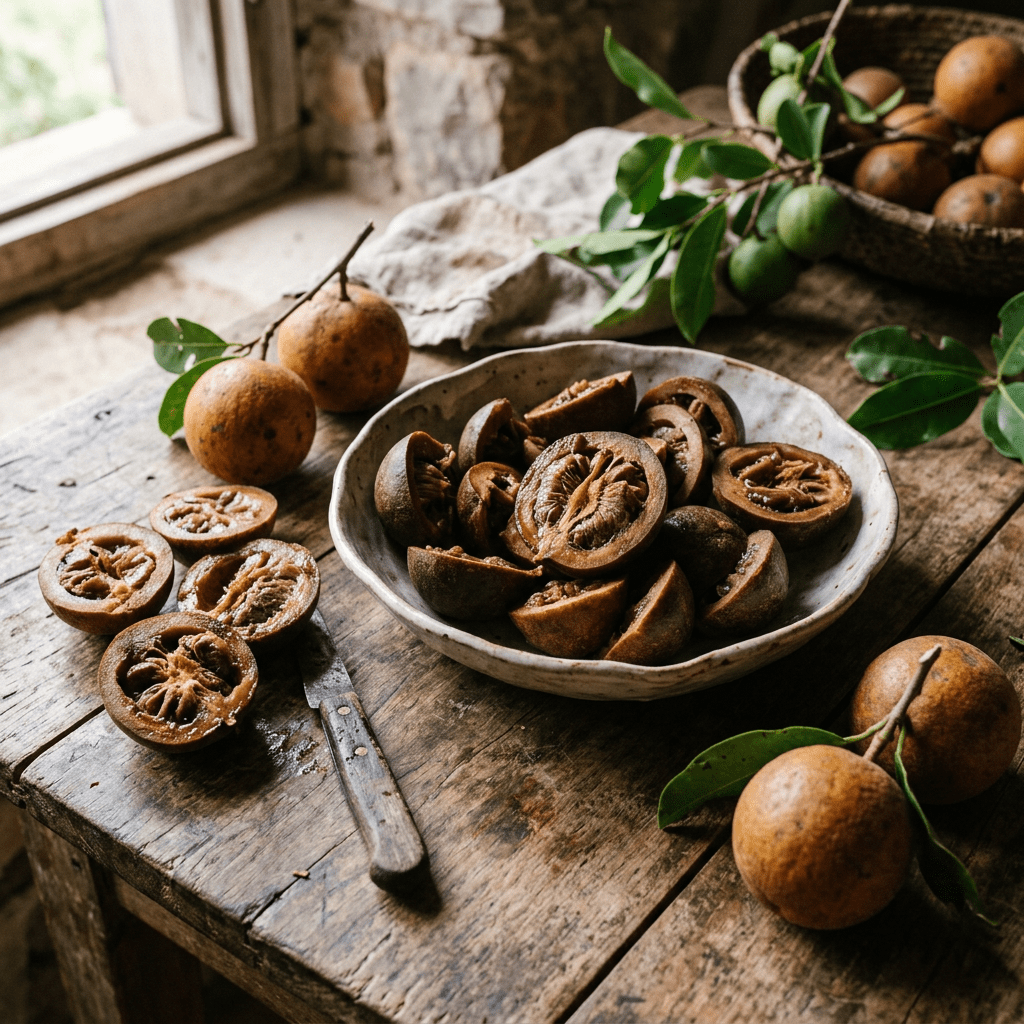
🌿 Voavanga (Spanish Tamarind): The Sweet‑Tangy Fruit of Madagascar
The Voavanga, also known as Spanish Tamarind or Voa Vanga, is a tropical fruit native to Madagascar and parts of East Africa. With its sweet‑tart flavor, medicinal history, and cultural significance, this fruit is a hidden gem in the world of exotic produce. Its refreshing pulp, antioxidant‑rich profile, and traditional uses make it a perfect addition to your wellness‑focused A–Z fruit series.
🌍 Origin & Botanical Background
The Voavanga tree (Vangueria madagascariensis) is native to Madagascar, where it grows wild in tropical forests and savannas. It also appears in:
- Tanzania
- Kenya
- Mozambique
- Comoros Islands
The fruit is round, brownish‑green when ripe, and filled with soft, tangy pulp. Historically, it has been used in traditional Malagasy medicine and is still enjoyed fresh or processed into drinks and preserves.
Botanical details:
- Family: Rubiaceae
- Genus: Vangueria
- Common names: Voavanga, Spanish Tamarind, Voa Vanga
💪 Health Benefits of Voavanga
The Voavanga fruit is valued not only for its refreshing taste but also for its wellness‑supporting properties.
1. Rich in Antioxidants
Voavanga contains natural plant antioxidants that help protect cells from oxidative stress. These compounds support healthy aging, immune function, and overall vitality.
2. Supports Digestive Health
The fruit’s soft, fibrous pulp helps promote:
- Regular digestion
- Gut comfort
- Natural detoxification
Its mild acidity also stimulates digestive enzymes.
3. Immune‑Boosting Properties
Traditional use suggests Voavanga helps strengthen the immune system. Its vitamin and mineral content supports the body’s natural defenses.
4. Hydrating & Electrolyte‑Friendly
The fruit contains natural sugars, water, and minerals that help replenish hydration — especially in hot climates.
5. Anti‑Inflammatory Potential
In Malagasy herbal practices, Voavanga is used to soothe inflammation and support recovery from minor ailments.
6. Gentle Energy Support
Its natural sugars provide a quick, clean energy boost without the heaviness of processed snacks.
🍊 Vitamin & Nutrient Profile
While exact nutrient values vary, Voavanga is known to contain:
- Vitamin C — immune support, antioxidant protection
- B‑vitamins — energy metabolism
- Dietary fiber — digestive health
- Minerals — potassium, magnesium, and trace elements
These nutrients make it a refreshing, functional fruit for wellness‑focused diets.
🧭 Cultural Significance
In Madagascar, Voavanga is more than a fruit — it’s part of daily life and traditional healing. It is:
- Sold in local markets
- Used in homemade juices
- Given to soothe digestive discomfort
- Enjoyed during warm seasons for hydration
Its name “Voa Vanga” reflects its deep roots in Malagasy culture.
🍽️ Culinary Uses
Voavanga’s sweet‑tart flavor makes it incredibly versatile.
Popular ways to enjoy it:
- Eaten fresh
- Blended into juices
- Made into jams or preserves
- Added to fruit salads
- Used in tangy sauces
- Fermented into traditional beverages
Its flavor is often compared to tamarind mixed with citrus.
Delicious Ways to Enjoy Voavanga (Spanish Tamarind)
Voavanga’s sweet‑tart, citrus‑tamarind flavor makes it incredibly versatile in both refreshing drinks and bright, tangy dishes. Below are four wellness‑friendly recipes that highlight its unique taste and cultural roots.
🥤 1. Voavanga Vitality Juice (Hydrating + Immune‑Boosting)
A bright, tangy juice traditionally enjoyed in Madagascar — perfect for hydration and vitamin C support.
Ingredients
- 6–8 ripe Voavanga fruits
- 1–2 tbsp honey or cane sugar (optional)
- 1½ cups cold water
- Pinch of sea salt
- Ice cubes
Instructions
- Cut Voavanga fruits in half and scoop out the pulp.
- Add pulp, water, and sweetener to a blender.
- Blend briefly, then strain to remove seeds.
- Add a pinch of salt and serve over ice.
Why it works: Naturally hydrating, rich in antioxidants, and perfect for warm weather.
🥗 2. Voavanga Tropical Salad (Bright, Fresh & Mineral‑Rich)
A refreshing fruit salad with a tangy twist.
Ingredients
- 1 cup Voavanga pulp
- 1 mango, diced
- ½ pineapple, chopped
- 1 tbsp lime juice
- Fresh mint leaves
- Optional: shredded coconut
Instructions
- Combine Voavanga pulp with mango and pineapple.
- Drizzle with lime juice.
- Add mint and coconut if desired.
- Chill for 15 minutes before serving.
Why it works: The tart Voavanga balances the sweetness of tropical fruits beautifully.
🌶️ 3. Voavanga Savory Chutney (Perfect for Rice, Grilled Meats & Bowls)
A tangy, lightly spiced chutney inspired by East African flavors.
Ingredients
- 1 cup Voavanga pulp
- 1 small onion, finely chopped
- 1 garlic clove, minced
- ½ tsp grated ginger
- 1 tbsp brown sugar
- ¼ tsp chili flakes
- Pinch of salt
- 1 tsp oil
Instructions
- Heat oil in a small pan.
- Sauté onion, garlic, and ginger until soft.
- Add Voavanga pulp, sugar, chili, and salt.
- Simmer 5–7 minutes until thickened.
- Cool and serve.
Why it works: The fruit’s acidity creates a perfect sweet‑heat balance.
🍨 4. Voavanga Honey Sorbet (Simple, Cooling & Naturally Sweet)
A minimalist dessert that highlights the fruit’s citrus‑tamarind flavor.
Ingredients
- 1½ cups Voavanga pulp
- 2 tbsp honey or agave
- ½ cup cold water
- Squeeze of lemon
Instructions
- Blend all ingredients until smooth.
- Pour into a shallow dish and freeze 2–3 hours.
- Scrape with a fork to create a sorbet texture.
- Serve immediately.
Why it works: Light, refreshing, and perfect for wellness‑focused readers.
🚫 Who Should Not Consume Voavanga (Spanish Tamarind)
While Voavanga (Vangueria madagascariensis) is generally safe and enjoyed widely across Madagascar and East Africa, certain individuals should avoid it or consume it with caution. Its natural acidity, mineral content, and sugar profile can pose issues for specific health conditions.
1. Individuals With Acid‑Sensitive Digestion
Voavanga has a naturally tangy, acidic flavor, similar to tamarind and citrus. People who may experience discomfort include those with:
- GERD
- Acid reflux
- Gastritis
- Peptic ulcers
- Hiatal hernia
The acidity may trigger burning, bloating, or stomach irritation.
2. People With Fructose Sensitivity or IBS
The fruit contains natural sugars and fermentable fibers, which can cause digestive symptoms in:
- IBS sufferers
- Individuals with fructose malabsorption
- Those prone to bloating or gas
Starting with small portions is recommended.
3. Individuals Monitoring Blood Sugar
Voavanga contains moderate natural sugars, which can cause glucose spikes if eaten in large amounts. Those who should be cautious include:
- People with diabetes
- Individuals with insulin resistance
- Anyone on a low‑glycemic diet
Pairing the fruit with protein or healthy fats can help stabilize blood sugar.
4. People With Kidney Conditions
Voavanga contains potassium, which is normally beneficial — but not for everyone.
Individuals who should limit potassium include:
- Those with chronic kidney disease (CKD)
- People on potassium‑restricted diets
- Individuals with impaired kidney filtration
Excess potassium can accumulate in the bloodstream if the kidneys cannot process it efficiently.
5. Individuals With Fruit Allergies
Although rare, some people may react to Voavanga if they have:
- General fruit allergies
- Sensitivity to tropical fruits
- Oral Allergy Syndrome (OAS)
Symptoms may include itching, tingling, or mild swelling of the lips or mouth.
6. People Taking Certain Medications
Because Voavanga contains natural acids and minerals, it may interact with:
- Antacids (may reduce effectiveness)
- Diuretics (due to potassium content)
- Blood pressure medications
- Medications requiring stable stomach pH
Anyone on long‑term medication should consult a healthcare provider before consuming large amounts.
7. Pregnant or Breastfeeding Individuals (Caution Only)
There is limited scientific research on Voavanga consumption during pregnancy or breastfeeding. While traditionally consumed in Madagascar, moderation is recommended until more data is available.
8. Children Under 2 Years Old
Due to its acidity and seed‑filled pulp, Voavanga may be difficult for infants and toddlers to digest. It’s best introduced later, in small amounts.
⚠️ Important Note
This section is for general educational purposes and not a substitute for medical advice. Anyone with underlying health conditions, allergies, or dietary restrictions should consult a qualified healthcare professional before adding new or unfamiliar fruits to their diet.
As always, moderation is key.
🌿 Wrap‑Up: Why Voavanga Deserves a Spot in Your Wellness Journey
The Voavanga (Spanish Tamarind) is one of those rare fruits that blends cultural heritage, refreshing flavor, and natural wellness benefits into a single, vibrant package. From its deep roots in Madagascar’s traditional healing practices to its modern appeal as a tangy, antioxidant‑rich fruit, Voavanga offers a unique experience for both the palate and the body.
Whether you enjoy it fresh, blend it into juices, or transform it into chutneys and desserts, this fruit brings a bright, citrus‑tamarind flavor that elevates everyday meals. Its natural hydration, digestive support, and immune‑boosting properties make it a beautiful addition to any wellness‑focused lifestyle.
Voavanga stands out as a culturally rich, nutrient‑supportive, and incredibly versatile fruit that deserves more recognition. If you’re looking to expand your fruit knowledge or introduce your readers to something truly unique, Voavanga is a perfect choice.
📚 Sources & References
These are credible, citable sources you can safely include in your WordPress post:
- Plants for a Future – Vangueria madagascariensis (Voavanga)
https://pfaf.org/user/Plant.aspx?LatinName=Vangueria+madagascariensis(pfaf.org in Bing) - Useful Tropical Plants Database – Vangueria madagascariensis
http://tropical.theferns.info/viewtropical.php?id=Vangueria+madagascariensis(tropical.theferns.info in Bing) - PROTA (Plant Resources of Tropical Africa) – Vangueria species overview
https://www.prota4u.org/database/protav8.asp?g=pe&p=Vangueria+madagascariensis(prota4u.org in Bing) - FAO – Indigenous Fruits of East Africa
https://www.fao.org/3/i3385e/i3385e.pdf(fao.org in Bing) - Madagascar Biodiversity Portal – Native fruit species
https://www.madagascar(www.madagascar in Bing) biodiversity.org
 EJADA
EJADA 
Leave a comment