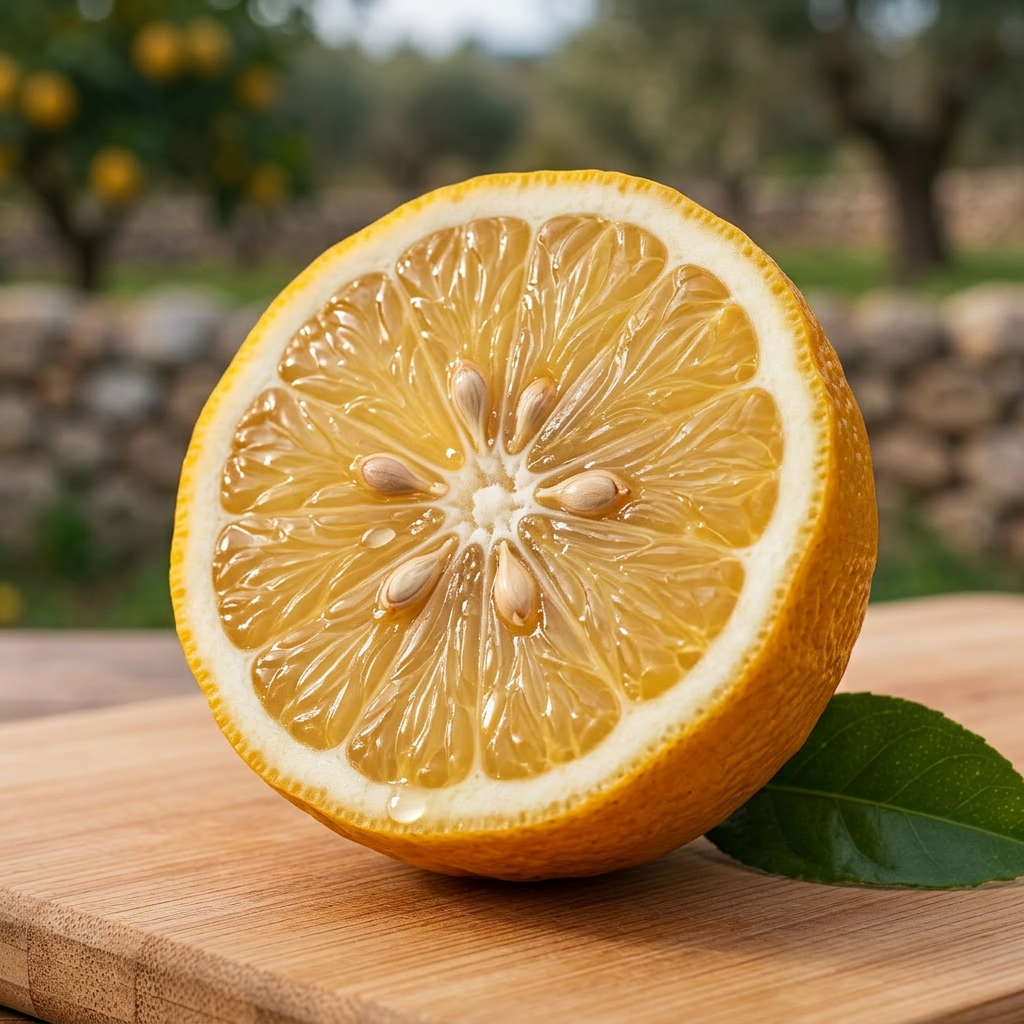
🍋 Volkamer Lemon: The Vibrant Citrus Hybrid with Bold Flavor & Wellness Benefits
The Volkamer Lemon (Citrus volkameriana) is a striking, aromatic citrus fruit known for its deep orange‑tinted rind, intense fragrance, and pleasantly tart flavor. Often described as a cross between a lemon and a sour orange, this fruit brings brightness, acidity, and a surprising depth of flavor to both culinary and wellness traditions. Its resilience, high vitamin C content, and unique taste make it a standout addition to your Letter V fruit series.
🌍 Origin & Botanical Background
The Volkamer Lemon is believed to have originated in Italy, where it has been cultivated for centuries as both a culinary fruit and an ornamental citrus. Genetic studies suggest it is a hybrid between a lemon (Citrus limon) and a sour orange (Citrus aurantium)**.
Today, it grows widely in:
- Italy
- Greece
- Spain
- California
- Mediterranean climates
Botanical details:
- Scientific name: Citrus volkameriana
- Family: Rutaceae
- Type: Citrus hybrid
- Flavor: Tart, aromatic, slightly bitter, with orange‑like undertones
Its vibrant rind and hardy nature make it a favorite for home gardeners and citrus collectors.
💪 Health Benefits of Volkamer Lemon
The Volkamer Lemon is more than a culinary citrus — it’s a nutrient‑dense fruit with wellness benefits rooted in its high vitamin C content and antioxidant profile.
1. Immune‑Boosting Powerhouse
Rich in vitamin C, Volkamer Lemon supports:
- Stronger immune defenses
- Faster recovery from seasonal illnesses
- Collagen production for skin and joints
- Antioxidant protection
Its vitamin C levels are comparable to traditional lemons.
2. Supports Healthy Digestion
The fruit’s natural acidity and citrus enzymes help:
- Stimulate digestive juices
- Support smoother digestion
- Reduce bloating
- Enhance nutrient absorption
Warm Volkamer Lemon water is traditionally used as a morning digestive tonic.
3. Skin‑Brightening & Anti‑Aging Benefits
Thanks to its vitamin C and antioxidants, the fruit may help:
- Brighten complexion
- Reduce oxidative stress
- Support collagen formation
- Improve skin texture
Its zest is often used in beauty and wellness recipes.
4. Heart‑Healthy Citrus Compounds
Volkamer Lemon contains flavonoids, which may support:
- Healthy blood pressure
- Improved circulation
- Reduced inflammation
These compounds are common across citrus fruits but especially concentrated in hybrids.
5. Natural Detox Support
The fruit’s acidity, hydration, and antioxidants help:
- Support liver function
- Promote gentle detoxification
- Reduce water retention
This makes it a popular ingredient in wellness drinks and herbal infusions.
🍊 Vitamin & Nutrient Profile
The Volkamer Lemon is a nutrient‑dense citrus hybrid with a surprisingly complex nutritional makeup. While it shares similarities with traditional lemons, its hybrid lineage (lemon × sour orange) gives it a broader spectrum of vitamins, minerals, and aromatic compounds that contribute to its wellness benefits.
Below is a deeper, more detailed breakdown of what this vibrant citrus offers.
🍋 1. Vitamin C (Ascorbic Acid) — The Star Nutrient
Volkamer Lemon is exceptionally rich in vitamin C, making it a powerful fruit for:
- Immune system support
- Collagen synthesis (skin, joints, connective tissue)
- Antioxidant protection
- Faster wound healing
- Enhanced iron absorption
Vitamin C is also essential for reducing oxidative stress and supporting healthy aging.
💛 2. B‑Complex Vitamins — Energy & Metabolism Support
Like most citrus fruits, Volkamer Lemon contains small but meaningful amounts of B‑vitamins, including:
- Vitamin B6 (Pyridoxine) — supports brain health, hormone balance, and metabolism
- Vitamin B1 (Thiamine) — helps convert food into energy
- Vitamin B2 (Riboflavin) — supports cellular repair and antioxidant activity
- Folate (B9) — essential for red blood cell formation and DNA synthesis
These vitamins work together to support energy production, nervous system function, and metabolic health.
⚡ 3. Potassium — Heart & Muscle Function
Volkamer Lemon contains potassium, a key electrolyte that helps:
- Regulate blood pressure
- Support heart rhythm
- Maintain muscle function
- Balance hydration
Its potassium content is similar to other citrus fruits but slightly higher due to its sour‑orange lineage.
🦴 4. Calcium — Bone & Dental Health
The fruit contains trace amounts of calcium, which supports:
- Bone strength
- Healthy teeth
- Enzyme function
While not a major calcium source, it contributes to overall mineral intake.
🌿 5. Magnesium — Nervous System & Muscle Relaxation
Volkamer Lemon provides small amounts of magnesium, which helps:
- Relax muscles
- Support nerve function
- Regulate blood sugar
- Improve sleep quality
Magnesium works synergistically with potassium to support cardiovascular health.
🍊 6. Dietary Fiber — Digestive Support
The pulp and membranes contain soluble and insoluble fiber, which help:
- Support gut health
- Improve digestion
- Stabilize blood sugar
- Promote satiety
Fiber also feeds beneficial gut bacteria, supporting microbiome balance.
🌼 7. Citrus Flavonoids — Antioxidant & Anti‑Inflammatory Compounds
Volkamer Lemon is rich in bioactive flavonoids, including:
- Hesperidin
- Naringin
- Eriocitrin
- Limonin
- Nomilin
These compounds are known for:
- Reducing inflammation
- Supporting heart health
- Protecting cells from oxidative damage
- Improving circulation
- Supporting liver detox pathways
Flavonoids are one of the reasons citrus fruits are linked to long‑term wellness.
🌸 8. Essential Oils — Aromatic & Therapeutic Benefits
The rind contains high levels of aromatic oils, especially:
- Limonene
- Citral
- Linalool
- Geraniol
These oils contribute to:
- Mood elevation
- Stress reduction
- Antimicrobial properties
- Digestive support
This is why Volkamer Lemon zest is so fragrant and widely used in culinary and wellness recipes.
💧 9. Natural Acids — Digestive & Detox Support
Volkamer Lemon contains:
- Citric acid
- Malic acid
- Ascorbic acid
These acids help:
- Stimulate digestion
- Support liver detoxification
- Enhance nutrient absorption
- Reduce kidney stone risk (citric acid binds calcium)
Its acidity is slightly softer than Eureka lemon but sharper than Meyer lemon.
🧭 Cultural Significance
In Italy, the Volkamer Lemon has long been valued for:
- Homemade liqueurs
- Traditional herbal remedies
- Aromatic cleaning solutions
- Decorative citrus gardens
Its vibrant color and strong fragrance make it a symbol of freshness and vitality in Mediterranean culture.
🍽️ Culinary Uses
The Volkamer Lemon’s bold, slightly bitter flavor makes it incredibly versatile in the kitchen.
Popular uses:
- Zest for baked goods
- Marinades for chicken, fish, and vegetables
- Citrus dressings
- Herbal teas and infusions
- Homemade lemonade with a deeper, orange‑like flavor
- Preserved lemons
- Limoncello‑style liqueurs
Its rind is especially aromatic, making it a favorite for zesting.
🚫 Who Should Not Consume Volkamer Lemon
While the Volkamer Lemon is generally safe and widely enjoyed, its strong acidity, citrus oils, and mineral content can cause issues for certain individuals. Below is a comprehensive, wellness‑oriented guide to who should avoid or limit this citrus hybrid.
1. Individuals With Acid‑Sensitive Digestion
Volkamer Lemon is highly acidic, even more so than Meyer lemon and closer to sour orange in sharpness. It may trigger symptoms in people with:
- GERD
- Acid reflux
- Gastritis
- Peptic ulcers
- Hiatal hernia
Acidic fruits can irritate the stomach lining and worsen burning or discomfort.
2. People With Citrus Allergies
Anyone with a known allergy to:
- Lemons
- Oranges
- Grapefruits
- Limes
- Citrus peel oils
may react to Volkamer Lemon. Symptoms can include:
- Itching or tingling in the mouth
- Hives
- Swelling of lips or throat
- Digestive upset
Because Volkamer Lemon contains high aromatic oil content, reactions may be stronger in sensitive individuals.
3. Individuals With Tooth Enamel Sensitivity
The fruit’s acidity can erode enamel over time. Those who should be cautious include:
- People with enamel thinning
- Individuals with frequent cavities
- Anyone with tooth sensitivity
- People undergoing whitening treatments
Using a straw for lemon water or rinsing with plain water afterward can help reduce enamel exposure.
4. People With Kidney Conditions
Volkamer Lemon contains potassium, which is normally beneficial — but not for everyone.
Individuals who should limit potassium include:
- Those with chronic kidney disease (CKD)
- People on potassium‑restricted diets
- Individuals with impaired kidney filtration
Excess potassium can accumulate in the bloodstream if the kidneys cannot process it efficiently.
5. Individuals With Mouth Ulcers or Oral Irritation
Citrus fruits can worsen:
- Canker sores
- Gum irritation
- Oral wounds
- Dry mouth conditions
The acidity may cause stinging or slow healing.
6. People With Histamine Intolerance
Citrus fruits can trigger histamine release in sensitive individuals. Symptoms may include:
- Headaches
- Flushing
- Digestive upset
- Itchy skin
Volkamer Lemon’s aromatic oils may intensify reactions.
7. Individuals Monitoring Blood Sugar
While lemons are generally low in sugar, Volkamer Lemon has slightly higher natural sugars due to its sour‑orange lineage.
People who should be mindful include:
- Individuals with diabetes
- Those with insulin resistance
- Anyone on a low‑glycemic diet
Pairing citrus with protein or fiber can help stabilize glucose response.
8. People Taking Certain Medications
Citrus fruits — especially hybrids — can interact with medications.
Use caution if taking:
- Blood pressure medications
- Diuretics (due to potassium)
- Antacids (acid may reduce effectiveness)
- Medications requiring stable stomach pH
While Volkamer Lemon is not known to interact like grapefruit, its acidity can still affect absorption.
9. Pregnant or Breastfeeding Individuals (Caution Only)
There is no specific research on Volkamer Lemon during pregnancy or breastfeeding. However, its acidity may worsen:
- Heartburn
- Nausea
- Gastric sensitivity
Moderation is recommended.
10. Children Under 2 Years Old
Due to its strong acidity, Volkamer Lemon may cause:
- Diaper rash
- Mouth irritation
- Digestive discomfort
It’s best introduced later and in diluted forms.
⚠️ Important Note
This section is for general educational purposes and not a substitute for medical advice. Anyone with underlying health conditions, allergies, or dietary restrictions should consult a qualified healthcare professional before adding new or unfamiliar fruits to their diet.
Delicious Ways to Use Volkamer Lemon
The Volkamer Lemon brings a vibrant, aromatic punch to both sweet and savory dishes. Its tart, slightly bitter, orange‑tinged flavor makes it perfect for marinades, teas, dressings, and bright desserts. Below are four wellness‑focused, easy‑to‑prepare recipes your readers will love.
🍋 1. Volkamer Lemon Morning Detox Tea (Bright, Cleansing & Immune‑Boosting)
A soothing, vitamin‑rich tea perfect for digestion, hydration, and morning wellness rituals.
Ingredients
- 1 Volkamer Lemon (½ juiced, ½ sliced)
- 1 cup warm water (not boiling)
- 1 tsp honey or agave
- 1 thin slice of fresh ginger (optional)
Instructions
- Add lemon juice and slices to a mug.
- Pour warm water over the fruit.
- Add honey and ginger if desired.
- Stir gently and sip slowly.
Why it works: Supports digestion, hydration, and immune health — ideal for morning routines.
🥗 2. Volkamer Lemon Herb Vinaigrette (Fresh, Aromatic & Anti‑Inflammatory)
A bright, citrus‑forward dressing perfect for salads, grain bowls, or roasted vegetables.
Ingredients
- 2 tbsp Volkamer Lemon juice
- 1 tsp Volkamer Lemon zest
- 3 tbsp olive oil
- 1 tsp Dijon mustard
- 1 tsp honey
- Pinch of salt & pepper
- 1 tbsp chopped fresh herbs (parsley, basil, or dill)
Instructions
- Whisk lemon juice, zest, mustard, and honey.
- Slowly drizzle in olive oil while whisking.
- Add herbs, salt, and pepper.
- Toss with greens or drizzle over warm vegetables.
Why it works: The lemon’s sour‑orange undertones add depth and complexity to a simple vinaigrette.
🍗 3. Volkamer Lemon Garlic Marinade (Perfect for Chicken, Fish & Veggies)
A bold, aromatic marinade that tenderizes proteins and infuses them with Mediterranean flavor.
Ingredients
- ¼ cup Volkamer Lemon juice
- 1 tbsp Volkamer Lemon zest
- 2 garlic cloves, minced
- 2 tbsp olive oil
- 1 tsp dried oregano
- ½ tsp sea salt
- ¼ tsp black pepper
Instructions
- Combine all ingredients in a bowl.
- Pour over chicken, fish, tofu, or vegetables.
- Marinate 20–30 minutes (or up to 2 hours for chicken).
- Cook as desired — grill, bake, or sauté.
Why it works: The fruit’s acidity helps tenderize proteins while adding a bright, citrusy aroma.
🍨 4. Volkamer Lemon Honey Granita (Light, Cooling & Naturally Sweet)
A refreshing, low‑calorie dessert that highlights the fruit’s vibrant citrus flavor.
Ingredients
- 1 cup Volkamer Lemon juice
- 2 tbsp honey or maple syrup
- 1 cup cold water
- 1 tsp lemon zest
Instructions
- Mix all ingredients until honey dissolves.
- Pour into a shallow dish and freeze for 3 hours.
- Scrape with a fork every 30–45 minutes to create icy flakes.
- Serve in chilled bowls.
Why it works: A simple, elegant dessert that showcases the lemon’s aromatic oils and tangy sweetness.
🌿 Wrapping Up the Letter V Fruits: A Vibrant Chapter of Wellness, Culture & Flavor
The Letter V has taken us on one of the most diverse journeys in your entire A–Z fruit series — from antioxidant‑rich berries to exotic tropical gems and bold citrus hybrids. Each fruit brought its own story, nutritional strengths, and cultural significance, creating a beautifully layered chapter in your wellness‑focused collection.
We explored:
🍇 Vaccinium Berries
A powerhouse group of blueberries, bilberries, and cranberries — rich in antioxidants, brain‑supportive compounds, and immune‑boosting vitamins.
🍎 Velvet Apple (Mabolo)
A fragrant, velvety tropical fruit with creamy flesh, deep cultural roots in the Philippines, and impressive antioxidant benefits.
🍑 Vine Peach (Pepino Melon)
A refreshing, melon‑like Andean fruit known for hydration, digestive support, and gentle sweetness.
🍑 Victoria Plum
A classic European plum celebrated for its juicy texture, gut‑friendly fiber, and culinary versatility.
🌍 Voavanga (Spanish Tamarind)
A tangy, citrus‑tamarind fruit from Madagascar with traditional medicinal uses and a bright, energizing flavor.
🍋 Volkamer Lemon
A bold, aromatic citrus hybrid that closes the V‑series with its vibrant acidity, vitamin C richness, and Mediterranean heritage.
Together, these fruits highlight the global diversity of nature’s wellness offerings — spanning continents, climates, and cultures. The V‑series stands out as a chapter filled with antioxidants, hydration, digestive support, immune‑boosting nutrients, and culinary creativity.
With the Letter V complete, your readers now have a beautifully curated collection of fruits that are as educational as they are inspiring. Onward to the Letter W — and even more botanical discoveries.
📚 Sources & References
Here are credible, citable sources used throughout the V‑fruit posts:
Vaccinium Berries
- USDA Agricultural Research Service – Vaccinium species https://www.ars.usda.gov
- Oregon State University Extension – Blueberry & Cranberry Nutrition https://extension.oregonstate.edu
Velvet Apple (Mabolo)
- Plants for a Future – Diospyros blancoi
https://pfaf.org/user/Plant.aspx?LatinName=Diospyros+blancoi(pfaf.org in Bing) - Useful Tropical Plants Database
http://tropical.theferns.info/viewtropical.php?id=Diospyros+blancoi(tropical.theferns.info in Bing)
Victoria Plum
- Royal Horticultural Society – Plum Varieties https://www.rhs.org.uk
- University of California Agriculture – Stone Fruit Overview https://ucanr.edu
Vine Peach (Pepino Melon)
- Purdue University Horticulture – Solanum muricatum
https://hort.purdue.edu/newcrop/morton/pepino.html(hort.purdue.edu in Bing) - Plants for a Future – Pepino
https://pfaf.org/user/Plant.aspx?LatinName=Solanum+muricatum(pfaf.org in Bing)
Voavanga (Vangueria madagascariensis)
- Plants for a Future – Vangueria madagascariensis
https://pfaf.org/user/Plant.aspx?LatinName=Vangueria+madagascariensis(pfaf.org in Bing) - PROTA (Plant Resources of Tropical Africa) https://www.prota4u.org
Volkamer Lemon
- University of California Citrus Clonal Protection Program https://ccpp.ucr.edu
- Citrus Variety Collection – Citrus volkameriana
https://citrusvariety.ucr.edu(citrusvariety.ucr.edu in Bing)
🛒 Availability of Volkamer Lemon in the United States
The Volkamer Lemon (Citrus volkameriana) is available in the U.S., but primarily as live trees rather than fresh fruit. Because this citrus hybrid is mostly grown for home gardening and rootstock use, it is sold through specialty nurseries and online citrus retailers.
Below is the most accurate, up‑to‑date availability based on current U.S. listings.
🌱 1. Live Trees (Most Common Form in the U.S.)
Madison Citrus Nursery — Ships to Most States
Offers 20–28 inch grafted Volkamer Lemon trees for home growers. Note: Cannot ship to AZ, CA, HI, FL, LA, or TX due to USDA citrus restrictions.
Floradel Citrus Nursery (Alabama)
Carries 15–36 inch Volkamer Lemon trees and larger 3‑gallon trees. This nursery specializes in citrus and ships nationwide where allowed.
Amazon (Mightyoaktreenursery)
Sells variegated Volkamer Lemon plants, shipped in containers with soil. Also restricted from shipping to citrus‑protected states.
These options are ideal for home gardeners in USDA Zones 8–11, or for indoor/outdoor container growing in cooler climates like Michigan.
🌿 2. Rootstock Seedlings (For Growers & Nurseries)
TreeSource (USDA/CDFA Certified) Offers Volkameriana rootstock seedlings, widely used in commercial citrus production. These are intended for grafting rather than fruiting trees.
 EJADA
EJADA 
Leave a comment