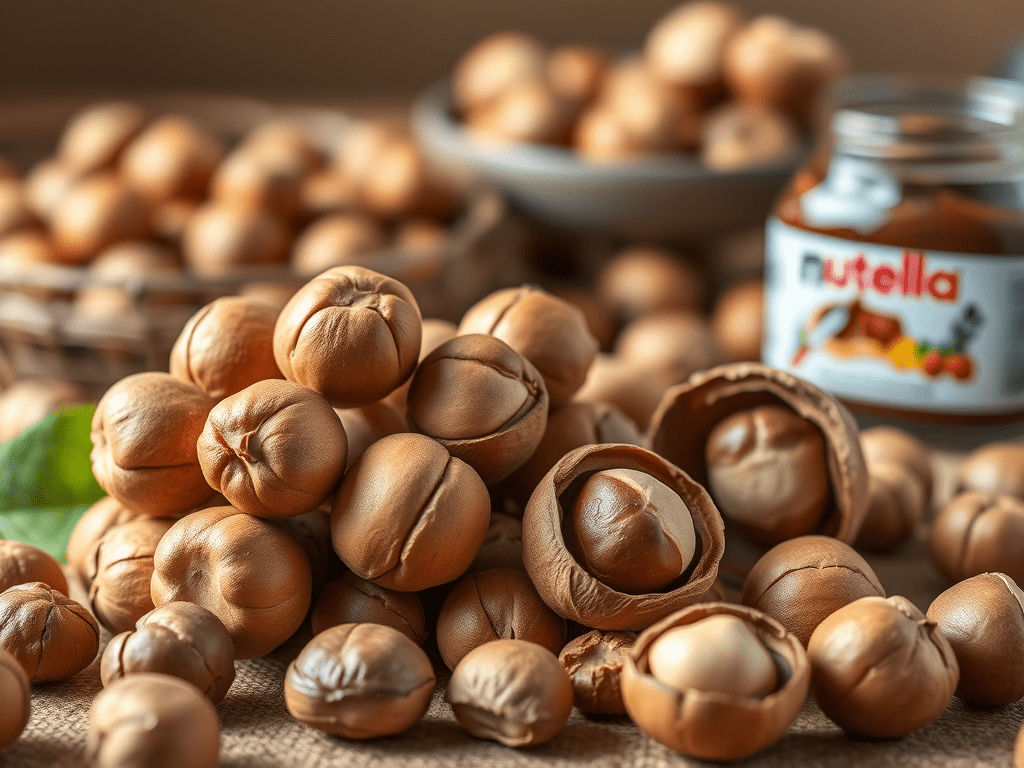
Hazelnuts are both a fruit and a nut, depending on the context—botanical or culinary. Here’s a breakdown to clarify:
🌰 Botanical Classification: A True Nut
Botanically, hazelnuts are considered true nuts.
A true nut is a dry, indehiscent fruit, meaning it doesn’t split open at maturity to release its seed.
Hazelnuts come from the hazel tree (Corylus avellana) and consist of:
A hard outer shell
A single edible seed inside
This structure fits the botanical definition of a nut perfectly.
🍽️ Culinary Perspective: A Nut by Use
In the kitchen, hazelnuts are treated as culinary nuts, just like almonds or cashews.
Culinary nuts include a wide variety of seeds and fruits used for their flavor, texture, and nutritional value.
Hazelnuts are used in:
Confections (e.g., Nutella, pralines)
Baked goods
Liqueurs (e.g., Frangelico)
Nut oils
🌳 Fun Fact: Ancient Staple
Archaeological evidence from Scotland shows hazelnuts were processed in large quantities as far back as 6000 BCE, suggesting they were a major food source for Mesolithic communities.
“Hazelnuts are one of the few true botanical nuts, prized for their rich oil content and deep cultural roots stretching back to prehistoric diets.”
🍎 Known Fruit Qualities: From Orchard to Table
🔬 External Qualities (Visible Traits)
These are the first things consumers notice and are often used for sorting and grading:
Color: Indicates ripeness and appeal (e.g., red apples, golden bananas)
Shape & Size: Uniformity suggests quality and consistency
Surface Defects: Absence of bruises, blemishes, or mold is ideal
Firmness: A tactile cue for freshness and texture
Glossiness: Often associated with freshness in fruits like apples or grapes
🧪 Internal Qualities (Sensory & Nutritional)
These require tasting or testing to assess:
Juiciness: High water content enhances refreshment and mouthfeel
Crunchiness or Mealiness: Texture affects consumer satisfaction
Sweetness: Determined by sugar content (measured in °Brix)
Acidity: Balances sweetness; key in citrus and berries
Aroma & Flavor: Driven by volatile compounds and sugar-acid balance
Nutrient Density: Includes vitamins (C, A, K), fiber, and antioxidants
🧬 Biochemical Markers
Dry Matter Content: Indicates sugar and nutrient concentration
Starch Content: Important in ripening stages (e.g., bananas, apples)
Organic Acids: Citric, malic, and tartaric acids influence tartness
🛍️ Consumer Preferences
Flavor Complexity: A mix of sweetness, acidity, and aroma drives repeat purchases
Shelf Life: Influenced by firmness, water content, and skin integrity
Cultural Expectations: Some cultures prefer tart over sweet, or soft over crunchy
Hazelnuts are a powerhouse of essential vitamins, particularly those that support skin health, energy metabolism, and antioxidant protection. Here’s a breakdown of the key vitamins found in hazelnuts:
🌰 Key Vitamins in Hazelnuts
| Vitamin | Amount per 100g | % Daily Value (DV) | Benefits |
|---|---|---|---|
| Vitamin E | 4.2 mg | 21% | Powerful antioxidant; supports skin health and immune function |
| Vitamin B1 (Thiamin) | 0.2 mg | 12% | Helps convert food into energy; supports nerve function |
| Vitamin B6 | 0.2 mg | 8% | Supports brain health and metabolism |
| Folate (B9) | 31.6 mcg | 8% | Essential for DNA synthesis and cell division |
| Vitamin K1 | 4.0 mcg | 5% | Important for blood clotting and bone health |
| Vitamin C | 1.8 mg | 3% | Antioxidant; supports immune function and collagen production |
| Vitamin B3 (Niacin) | 0.5 mg | 3% | Aids in energy production and skin health |
| Vitamin B5 (Pantothenic Acid) | 0.3 mg | 3% | Supports hormone production and metabolism |
| Vitamin B2 (Riboflavin) | Trace | 2% | Helps with energy production and cellular function |
🌟 Highlights
Vitamin E is the standout nutrient in hazelnuts, offering antioxidant protection and potential cancer-preventive properties.
Hazelnuts also contain a full spectrum of B-complex vitamins, which are crucial for energy metabolism and nervous system health.
Though not a major source, they do provide small amounts of Vitamin C and Vitamin K, adding to their overall nutritional value.
Medically, hazelnuts offer a wide range of health benefits thanks to their rich profile of vitamins, minerals, antioxidants, and healthy fats. Here’s a comprehensive look at their clinically supported medical benefits:
🩺 Medically Recognized Health Benefits of Hazelnuts
| Health Benefit | Mechanism | Supporting Nutrients |
|---|---|---|
| 1. Cardiovascular Protection | Hazelnuts help lower LDL (“bad”) cholesterol, reduce inflammation, and improve blood vessel function | Vitamin E, monounsaturated fats, magnesium, phenolic compounds2 |
| 2. Antioxidant Defense | Protects cells from oxidative stress, which contributes to aging, cancer, and chronic disease | Vitamin E, manganese, proanthocyanidins, phenolic compounds2 |
| 3. Improved Insulin Sensitivity | Enhances glucose uptake and reduces insulin resistance, lowering type 2 diabetes risk | Healthy fats, magnesium, vitamin B6 |
| 4. Weight Management | High fiber and healthy fats promote satiety and may reduce long-term weight gain | Healthy fats, magnesium, and vitamin B6 |
| 5. Digestive Health | Promotes regular bowel movements and gut health | Dietary fiber (2.7g per 28g serving) |
| 6. Cancer Risk Reduction | Antioxidants and anti-inflammatory compounds may inhibit cancer cell growth | Vitamin E, manganese, proanthocyanidins |
| 7. Skin Health | Supports collagen production and protects skin from oxidative damage | Vitamin E, vitamin C, fatty acids |
| 8. Brain and Nerve Function | Supports neurotransmitter synthesis and protects neurons | Thiamin (B1), B6, folate, vitamin E3 |
🧬 Clinical Highlights
Heart Health: A hazelnut-rich diet has been shown to improve cardiovascular biomarkers without increasing body weight.
Cancer Prevention: Hazelnuts contain manganese superoxide dismutase, an enzyme that reduces oxidative stress, and proanthocyanidins, which have shown anti-cancer effects in lab studies.
Diabetes Support: A 12-week study found that a nut mix including hazelnuts improved insulin sensitivity in adults.
⚠️ Medical Considerations
Allergies: Hazelnuts can trigger severe allergic reactions in sensitive individuals.
Caloric Density: While nutrient-rich, hazelnuts are high in calories and should be consumed in moderation.
For a deeper dive, you can explore the Medical News Today article on hazelnuts or the Healthline overview of hazelnut benefits, and WebMD
Hazelnuts are incredibly versatile in the culinary world, prized for their rich, buttery flavor and crunchy texture. Here’s a comprehensive look at their culinary uses, blending traditional, modern, and global perspectives:
🍽️ Culinary Uses of Hazelnuts
🍰 Sweet Applications
- Confections: Hazelnuts are iconic in chocolates (e.g., Ferrero Rocher, Nutella), pralines, and truffles.
- Baked Goods: Used whole, chopped, or ground in cakes, cookies, biscotti, tarts, and pastries.
- Dessert Garnishes: Toasted hazelnuts add crunch and flavor to ice cream, mousse, and puddings.
- Hazelnut Flour: A gluten-free alternative in baking, especially in tortes and macarons2.
🥗 Savory Dishes
- Salads: Toasted hazelnuts add texture and nutty depth to green salads, grain bowls, and slaws.
- Stuffings & Crusts: Ground hazelnuts are used in stuffing for mushrooms or poultry, and as a crust for fish or chicken.
- Pasta & Pilafs: Finely chopped hazelnuts enhance pasta dishes and grain-based sides like quinoa or farro.
- Pesto: A flavorful substitute for pine nuts or walnuts in pesto sauces.
🧴 Oils & Butters
- Hazelnut Oil: A gourmet oil used in salad dressings, marinades, and finishing drizzles for its delicate, nutty aroma.
- Hazelnut Butter: A creamy spread similar to peanut butter, used on toast, in smoothies, or as a dip for fruits.
🥛 Dairy Alternatives
- Hazelnut Milk: A plant-based milk alternative used in coffee, smoothies, and baking.
- Vegan Cheeses & Yogurts: Hazelnuts provide a creamy base for dairy-free products.
🍸 Beverages & Flavorings
- Liqueurs: Hazelnut liqueur (e.g., Frangelico) is used in cocktails and desserts.
- Coffee Flavoring: Hazelnut is a popular flavor in creamers and syrups.
🌍 Cultural & Historical Notes
- Ancient Use: Archaeological evidence shows hazelnuts were a staple food as far back as 6000 BCE in Mesolithic Scotland.
- European Cuisine: Especially prominent in Italian and French desserts and sauces.
- Modern Fusion: Hazelnuts are now used in global cuisines, from Middle Eastern pastries to vegan innovations.
Medically, hazelnuts are generally safe when consumed in food amounts, but there are a few potential medication interactions and precautions to be aware of:
⚠️ Potential Medication Interactions with Hazelnuts
| Medication Type | Interaction Concern | Details |
|---|---|---|
| Blood Thinners (e.g., Warfarin) | 🩸 Possible additive effect | Hazelnuts contain vitamin K and antioxidant compounds that may influence blood clotting. While not directly contraindicated, excessive intake could theoretically interfere with anticoagulant therapy. |
| Diabetes Medications | 💉 May enhance glucose-lowering effects | Hazelnuts may improve insulin sensitivity. When combined with diabetes medications, this could potentially lead to hypoglycemia (low blood sugar). |
| Mineral Absorption (e.g., Iron, Zinc) | ⚙️ Phytic acid interference | Hazelnuts contain phytic acid, which can bind minerals and reduce their absorption. This may be relevant for people taking mineral supplements or those with deficiencies. |
| Allergy Medications (Antihistamines, Epinephrine) | 🚨 Emergency use only | Individuals with hazelnut allergies may require antihistamines or epinephrine in case of accidental exposure. Hazelnuts are a major allergen and can cause anaphylaxis3. |
🧪 Clinical Note
Juglone, a compound found in hazelnuts, may interact with certain medications, although this is primarily theoretical and not well-documented in clinical trials.
There is no widely recognized direct drug interaction listed in major databases like WebMD or RxList, but caution is advised for those on sensitive medication regimens3.
✅ Safe Use Recommendations
Consult your healthcare provider if you’re on blood thinners, diabetes medications, or mineral supplements.
Monitor for symptoms like unusual bruising, low blood sugar, or digestive discomfort if consuming hazelnuts regularly while on medication.
Avoid hazelnut supplements unless advised by a medical professional, especially during pregnancy or while breastfeeding.
For more details, you can explore the WebMD profile on hazelnuts or the RxList medical overview.
Hazelnuts are incredibly versatile in the culinary world, prized for their rich, buttery flavor and crunchy texture. Here’s a comprehensive look at their culinary uses, blending traditional, modern, and global perspectives:
🍽️ Culinary Uses of Hazelnuts
🍰 Sweet Applications
Confections: Hazelnuts are iconic in chocolates (e.g., Ferrero Rocher, Nutella), pralines, and truffles.
Baked Goods: Used whole, chopped, or ground in cakes, cookies, biscotti, tarts, and pastries.
Dessert Garnishes: Toasted hazelnuts add crunch and flavor to ice cream, mousse, and puddings.
Hazelnut Flour: A gluten-free alternative in baking, especially in tortes and macarons.
🥗 Savory Dishes
Salads: Toasted hazelnuts add texture and nutty depth to green salads, grain bowls, and slaws.
Stuffings & Crusts: Ground hazelnuts are used in stuffing for mushrooms or poultry and as a crust for fish or chicken.
Pasta & Pilafs: Finely chopped hazelnuts enhance pasta dishes and grain-based sides like quinoa or farro.
Pesto: A flavorful substitute for pine nuts or walnuts in pesto sauces.
🧴 Oils & Butters
Hazelnut Oil: A gourmet oil used in salad dressings, marinades, and finishing drizzles for its delicate, nutty aroma.
Hazelnut Butter: A creamy spread similar to peanut butter, used on toast, in smoothies, or as a dip for fruits.
🥛 Dairy Alternatives
Hazelnut Milk: A plant-based milk alternative used in coffee, smoothies, and baking.
Vegan Cheeses & Yogurts: Hazelnuts provide a creamy base for dairy-free products.
🍸 Beverages & Flavorings
Liqueurs: Hazelnut liqueur (e.g., Frangelico) is used in cocktails and desserts.
Coffee Flavoring: Hazelnut is a popular flavor in creamers and syrups.
🌍 Cultural & Historical Notes
Ancient Use: Archaeological evidence shows hazelnuts were a staple food as far back as 6000 BCE in Mesolithic Scotland.
European Cuisine: Especially prominent in Italian and French desserts and sauces.
Modern Fusion: Hazelnuts are now used in global cuisines, from Middle Eastern pastries to vegan innovations.
Medically, while hazelnuts offer many health benefits, there are specific groups of people who should avoid or limit their consumption due to potential health risks:
🚫 Who Should Not Consume Hazelnuts
| Group | Reason | Details |
|---|---|---|
| People with Tree Nut Allergies | ⚠️ High risk of severe allergic reactions | Hazelnuts are a major allergen. Individuals allergic to peanuts, walnuts, cashews, Brazil nuts, macadamia nuts, or birch/mugwort pollen may also react to hazelnuts. Symptoms can include hives, swelling, difficulty breathing, or anaphylaxis. |
| Individuals with Birch Pollen Allergy (Oral Allergy Syndrome) | 🤧 Cross-reactivity | Hazelnuts can trigger oral allergy syndrome (OAS) in people allergic to birch pollen, causing itching or swelling in the mouth and throat. |
| People with Digestive Sensitivities | 🤢 Tannins and fiber may cause GI upset | Raw hazelnuts contain tannins, which can cause nausea, bloating, or diarrhea in sensitive individuals. |
| Those with Caloric Restrictions or Obesity Concerns | ⚖️ High in calories and fat | While healthy, hazelnuts are energy-dense. Overconsumption may contribute to weight gain if not balanced with overall caloric intake. |
| Infants and Young Children | 🧒 Choking hazard | Whole hazelnuts pose a choking risk and should be avoided in children under 4 years old unless ground or incorporated safely. |
| Pregnant or Breastfeeding Women (in medicinal doses) | ❓ Lack of safety data for supplements | While food amounts are safe, there’s insufficient evidence on the safety of hazelnut-based supplements during pregnancy or lactation. |
✅ Safe Practices
Allergy testing is recommended if you suspect sensitivity.
Roasting may reduce allergenic proteins slightly, but it does not eliminate the risk.
Moderation is key for those managing weight or digestive issues.
Final Thoughts on the Little Nut with a Big Legacy
Hazelnuts may be small, but they carry a legacy that spans millennia—from Mesolithic hearths in ancient Scotland to modern kitchens crafting pralines, pestos, and plant-based milks. Botanically a true nut and culinarily a global favorite, the hazelnut is a symbol of resilience, nourishment, and versatility.
Its rich oil content, antioxidant power, and deep cultural roots make it more than just a snack—it’s a bridge between tradition and innovation, between forest foraging and fine dining. Whether ground into flour, pressed into oil, or simply toasted and savored, the hazelnut reminds us that even the humblest foods can tell profound stories.
So next time you crack open a hazelnut, remember: you’re not just tasting a nut—you’re tasting history, health, and heritage.
“A modern twist on an ancient nut—hazelnuts have nourished cultures from the Black Sea to the Mediterranean for millennia. Today, they’re found in everything from traditional confections to global favorites like chocolate-hazelnut spreads. 🍫🌰”
Disclaimer: This image is for illustrative purposes only and does not imply endorsement of Nutella or any specific brand.
 EJADA
EJADA 
Leave a comment