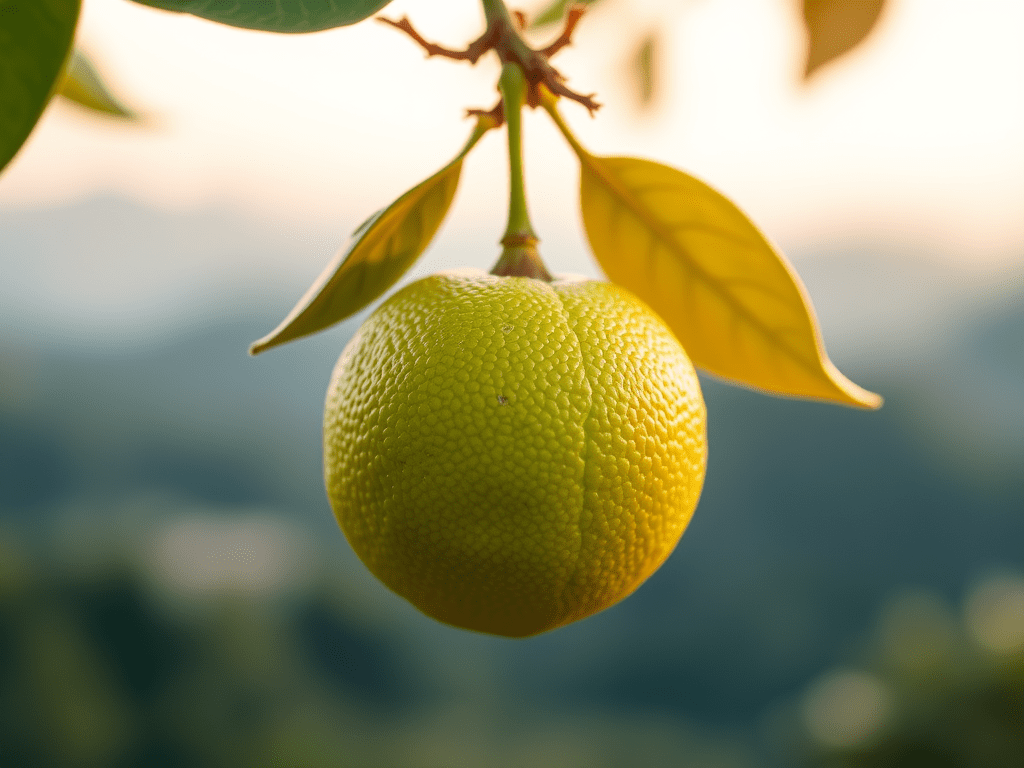
It appears that most of the fruit that begins with H is from China or Japan. That being said, let’s continue with Hebesu.
Hebesu: A Unique Japanese Citrus
Hebesu (also spelled hebezu) is a small, green citrus fruit native to Japan, particularly cherished in the Hyūga region of Miyazaki Prefecture. Here’s a closer look at its identity and origins:
🌿 What Kind of Fruit Is Hebesu?
Botanical Name: Citrus × hebesu
Family: Rutaceae (same as lemons, limes, and oranges)
Appearance: Small, round, and green—similar in size and look to sudachi or kabosu
Flavor Profile: Tart and aromatic, rich in citric acid
Nutritional Note: Contains high levels of a specific flavonoid believed to have anti-cancer properties
🕰️ When Was It First Cultivated?
Historical Roots: Hebesu was first discovered during Japan’s Edo period (1603–1868)
Origin Story: Named after Chōsokabe Heibei, who found the fruit and began cultivating it in what is now the Nishikawauchi Tomitaka area of Hyūga city
Name Meaning: “Hebe’s vinegar” – a nod to its sourness and its discoverer
🌱 Cultivation & Availability
Greenhouse-grown Hebesu: Available from June
Outdoor-grown Hebesu: Shipped from late July to October
Local Specialty: While not widely known outside Miyazaki, it’s a prized regional delicacy
Medicinal Uses of Hebesu
Hebesu isn’t just a culinary gem—it’s also valued for its health-promoting properties, particularly in traditional Japanese wellness practices and modern phytochemical research. Here’s a breakdown of its medicinal potential:
🌿 Key Medicinal Benefits
1. Anti-Cancer Potential
Hebesu contains high levels of a specific flavonoid believed to have anti-cancer properties2.
These flavonoids, including hesperidin, rutin, narirutin, and nobiletin, have been studied for their antioxidant and anti-inflammatory effects, which may help inhibit cancer cell growth.
2. Cardiovascular Health
- Rich in Vitamin C and flavonoids, Hebesu may help:
- Lower blood pressure
- Improve blood vessel function
- Reduce oxidative stress, a key factor in heart disease
3. Fatigue Recovery & Cellular Health
- Traditionally used in Hyūga for recovering from exhaustion
- Vitamin C in Hebesu supports cellular respiration and redox balance, enhancing energy metabolism
4. Anti-Inflammatory & Antioxidant Effects
- Extracts from Hebesu flowers have shown free radical scavenging and α-glucosidase inhibitory activity, which may help manage inflammation and blood sugar levels
5. Digestive and Culinary Aid
- Used as a digestive stimulant in traditional cuisine—its tart juice is often added to hot pots, sashimi, and teas to aid digestion and refresh the palate
🧪 Notable Compounds Identified
| Compound | Known Effects |
|---|---|
| Hesperidin | Anti-inflammatory, antioxidant, supports blood vessel health |
| Rutin | Strengthens capillaries, an antioxidant, and anti-inflammatory |
| Narirutin | Antioxidant, neuroprotective |
| Nobiletin | Anti-cancer, anti-inflammatory, supports cognitive function |
| Tangeretin | Strengthens capillaries, an antioxidant, and anti-inflammatory |
🍊 Medicinal Uses of Hebesu
Hebesu isn’t just a culinary gem—it’s also valued for its health-promoting properties, particularly in traditional Japanese wellness practices and modern phytochemical research. Here’s a breakdown of its medicinal potential:
🌿 Key Medicinal Benefits
1. Anti-Cancer Potential
Hebesu contains high levels of a specific flavonoid believed to have anti-cancer properties.
These flavonoids, including hesperidin, rutin, narirutin, and nobiletin, have been studied for their antioxidant and anti-inflammatory effects, which may help inhibit cancer cell growth.
2. Cardiovascular Health
Rich in Vitamin C and flavonoids, Hebesu may help:
Lower blood pressure
Improve blood vessel function
Reduce oxidative stress, a key factor in heart disease
3. Fatigue Recovery & Cellular Health
Traditionally used in Hyūga for recovering from exhaustion
Vitamin C in Hebesu supports cellular respiration and redox balance, enhancing energy metabolism
4. Anti-Inflammatory & Antioxidant Effects
- Extracts from Hebesu flowers have shown free radical scavenging and α-glucosidase inhibitory activity, which may help manage inflammation and blood sugar levels
5. Digestive and Culinary Aid
Used as a digestive stimulant in traditional cuisine—its tart juice is often added to hot pots, sashimi, and teas to aid digestion and refresh the palate
🧪 Notable Compounds Identified
| Compound | Known Effects |
|---|---|
| Hesperidin | Anti-inflammatory, antioxidant, supports blood vessel health |
| Rutin | Strengthens capillaries, an antioxidant, and anti-inflammatory |
| Narirutin | Antioxidant, neuroprotective |
| Nobiletin | Anti-cancer, anti-inflammatory, supports cognitive function |
| Tangeretin | Strengthens capillaries, an antioxidant, anti-inflammatory |
American Citrus Fruits Comparable to Hebesu
While Hebesu is uniquely Japanese, there are a few American citrus fruits that share similar flavor profiles, uses, and medicinal potential. Here are the closest U.S. counterparts:
1. Key Lime (Citrus aurantiifolia)
Region: Florida and California
Flavor: Tart, aromatic, and acidic—very similar to Hebesu
Uses: Common in pies, marinades, and drinks; also used medicinally for digestion and vitamin C content
Medicinal Value:
High in ascorbic acid (Vitamin C)
Traditionally used for scurvy prevention, immune support, and digestion
2. Calamondin (× Citrofortunella macrocarpa)
Region: Grown in Florida and ornamental gardens across the U.S.
Flavor: Sour and fragrant, often used like a lime
Uses: Juiced for marinades, teas, and preserves
Medicinal Value:
Used in folk medicine for coughs, colds, and skin conditions
Contains flavonoids and essential oils with antimicrobial properties
3. Tangelo (Citrus × tangelo)
Region: Florida and California
Flavor: Juicy, sweet-tart, aromatic
Uses: Eaten fresh, juiced, or used in sauces
Medicinal Value:
Rich in antioxidants and Vitamin C
Supports immune health and skin vitality
4. Eureka Lemon (Citrus limon ‘Eureka’)
Region: California (originated in Los Angeles, 1858)
Flavor: Tart and acidic, with a fragrant rind
Uses: Culinary and medicinal—used in teas, tonics, and marinades
Medicinal Value:
Supports detoxification, digestion, and alkalizing the body
Contains limonene, a compound studied for anti-cancer effects
🔬 Summary Comparison
| Feature | Hebesu (Japan) | Key Lime (USA) | Calamondin | Tangelo | Eureka Lemon |
|---|---|---|---|---|---|
| Flavor | Tart, aromatic | Tart, floral | Sour, fragrant | Sweet-tart, juicy | Tart, acidic |
| Size | Small | Small | Small | Medium | Medium |
| Medicinal Use | Anti-cancer, fatigue | Immune, digestion | Coughs, skin | Antioxidant, immune | Detox, anti-cancer |
| Vitamin C Content | High | High | Moderate | High | High |
| Unique Compound | Nobiletin, hesperidin | Limonene | Essential oils | Flavonoids | Limonene |
Here’s a practical guide to growing Hebesu and its closest American citrus equivalents like Key lime, Calamondin, Tangelo, and Eureka lemon—whether you’re planting in your backyard or in containers.
🌱 How to Grow Hebesu (Citrus ×Hebesu)
Hebesu is a subtropical citrus that thrives in warm, humid climates similar to southern Japan. While it’s rare outside Japan, you can grow it under similar conditions to other cold-sensitive citrus.
✅ Growing Conditions
Climate: USDA Zones 9–11 (protect from frost)
Sunlight: Full sun (6–8 hours daily)
Soil: Well-draining, slightly acidic (pH 5.5–6.5)
Watering: Deep, infrequent watering; avoid soggy roots
Fertilizer: Use citrus-specific fertilizer high in nitrogen and micronutrients like magnesium and zinc
🪴 Container Tips
Use a 15–20 gallon pot with drainage holes
Mix potting soil with 30–40% perlite or coarse bark
Bring indoors during winter if temperatures drop below 40°F
✂️ Maintenance
Prune lightly in early spring
Spray leaves to prevent mold after flowering
Watch for pests like aphids and scale
🇺🇸 How to Grow American Equivalents
🍈 Key Lime (Citrus aurantiifolia)
Zones: 9–11
Container-friendly: Yes, especially dwarf varieties
Care: Needs 10+ hours of sun, well-drained soil, and regular pruning
Full guide
🍊 Calamondin (Citrus × microcarpa)
Zones: 8–11
Container-friendly: Excellent for indoor/outdoor growing
Care: Tolerates partial shade, prefers acidic soil, and benefits from organic compost
Growing tips
🍊 Tangelo (Citrus × tangelo)
Zones: 9–11
Sunlight: 8+ hours
Soil: Loamy, compost-rich, well-drained
Care: Fertilize in spring/summer; protect from frost
🍋 Eureka Lemon (Citrus limon ‘Eureka’)
Zones: 9–11
Container-friendly: Yes, especially dwarf types
Care: Needs consistent moisture, acidic soil, and full sun
Container growing guide
🌿 Summary Table
| Citrus | USDA Zones | Container Friendly | Sunlight | Special Notes |
|---|---|---|---|---|
| Hebesu | 9–11 | Yes | 6–8 hrs | Rare outside Japan; high in flavonoids |
| Key Lime | 9–11 | Yes (dwarf) | 10+ hrs | Cold-sensitive, fast-growing |
| Calamondin | 8–11 | Excellent | 6–8 hrs | Hardy, ornamental, fragrant |
| Tangelo | 9–11 | Yes (dwarf) | 8+ hrs | Juicy hybrid, needs space |
| Eureka Lemon | 9–11 | Yes | 6–8 hrs | Year-round fruiting, water-sensitive |
Let’s compare Hebesu, Key Lime, Calamondin, Tangelo, and Eureka Lemon based on their nutritional content, bioactive compounds, and documented health benefits. Each has unique strengths, but some stand out more for specific wellness goals.
🏆 Top Contenders by Health Benefit
| Citrus | Vitamin C | Antioxidants | Unique Compounds | Notable Benefits |
|---|---|---|---|---|
| Hebesu | High | Very High | Nobiletin, hesperidin, narirutin | Anti-cancer, anti-inflammatory, fatigue recovery |
| Key Lime | Very High | High | Limonene, calcium, fiber | Anti-cancer, anti-inflammatory, and fatigue recovery |
| Calamondin | High | Moderate | Essential oils, citric acid | Skin health, immune boost, antimicrobial4 |
| Tangelo | Moderate | Moderate | Flavonoids, vitamin A | Heart health, hydration, immune support |
| Eureka Lemon | High | High | Limonene, flavonoids | Heart health, hydration, and immune support |
🧬 Highlights by Category
🧠 Best for Anti-Cancer & Cognitive Health: Hebesu
Contains nobiletin and narirutin, flavonoids studied for anti-cancer, neuroprotective, and anti-inflammatory effects
Rare among citrus for its high flavonoid density
💪 Best for Immune Support & Bone Health: Key Lime
Higher in Vitamin C, calcium, and dietary fiber than regular limes
Supports digestion, bone strength, and cellular repair
🌿 Best for Skin & Antimicrobial Use: Calamondin
Used in traditional medicine for coughs, colds, and skin conditions
Contains essential oils with antimicrobial properties
💧 Best for Detox & Collagen Support: Eureka Lemon
High in Vitamin C and limonene, which supports liver detox and collagen synthesis
Common in wellness routines like lemon water
Here’s a flavorful roundup of how Hebesu and its American citrus cousins—Key Lime, Calamondin, Tangelo, and Eureka Lemon—shine in the kitchen. Each brings its own zest to both traditional and modern dishes.
🍋 Hebesu (Japan)
Culinary Uses
Zest: Used as a seasoning for chilled tofu, somen noodles, and soups
Juice:
Squeezed over sashimi, vinegared dishes, or hot pots
Added to tea or water for a refreshing drink
Mixed into miso or clear soups
Used in pickled dishes or sweet soy sauce
Shochu Infusion: Sliced and added to Japanese spirits
Flavor Enhancer: Acts as a natural seasoning in place of lemon or lime
Key Lime
Culinary Uses
Desserts: Famous for Key lime pie, cheesecakes, cookies, and tarts
Savory: Used in marinades, dressings, and seafood glazes
Beverages: Adds brightness to cocktails, mojitos, and limeades
Zest & Juice: Enhances sauces, dips, and even sorbets
Calamondin
Culinary Uses
Filipino Cuisine: Essential in dishes like bistek Tagalog, grilled meats, and dipping sauces
Desserts:
Calamondin cake, crinkle cookies, and sweet tarts
Used in marmalade and candied slices
Beverages: Juiced for teas, cocktails, and refreshing drinks
Fusion: Adds tang to chocolate frostings and savory glazes
Tangelo
Culinary Uses
Fresh Eating: Juicy and sweet-tart, great for snacking
Desserts:
Tangelo cake, curd, muffins, and creamsicles
Used in tarts and candied peel
Juice: Ideal for salad dressings, cocktails, and sauces
Zest: Adds brightness to baked goods and savory dishes
Eureka Lemon
Culinary Uses
Baking: Classic in lemon bars, meringue pies, and lemon cakes
Savory: Used in lemon chicken, seafood, and pasta sauces
Preserving: Great for marmalade, lemon curd, and pickling
Drinks: Key ingredient in lemonade, cocktails, and infused teas
Zest: Enhances soups, curries, and baked goods
🧑🍳 Summary Table
| Citrus | Best Known For | Sweet or Savory | Unique Use |
|---|---|---|---|
| Hebesu | Japanese hot pots, sashimi, tofu | Mostly savory | Shochu infusion, miso seasoning |
| Key Lime | Key lime pie, cocktails | Both | Iconic in desserts and mojitos |
| Calamondin | Japanese hot pots, sashimi, and tofu | Both | Sweet-tart desserts and glazes |
| Tangelo | Cakes, curd, fresh juice | Both | Tangy creamsicles and tarts |
| Eureka Lemon | Lemon bars, savory marinades | Both | Lemonade, pickling, zesting |
while citrus fruits like Hebesu, Key Lime, Calamondin, Tangelo, and Eureka Lemon offer impressive health benefits, there are certain individuals who should limit or avoid them due to specific health conditions or sensitivities.
⚠️ Who Should Avoid or Limit These Citrus Fruits?
1. People with Citrus Allergies
Symptoms: Itching, swelling, hives, or even anaphylaxis
Note: Citrus allergies are rare but can occur, especially with the oils in the peel (e.g., limonene)
2. Individuals with GERD or Acid Reflux
Why: Citrus fruits are highly acidic and can trigger heartburn or worsen reflux symptoms
Advice: Limit intake or consume alkaline foods to reduce irritation
3. People Taking Certain Medications
Concern: Citrus, especially grapefruit, is known to interfere with drug metabolism. While Hebesu and its cousins are less studied in this regard, caution is advised.
Examples: Statins, calcium channel blockers, immunosuppressants
Action: Consult a healthcare provider before consuming large amounts
4. Those with Kidney Conditions
Oxalate Content: Some citrus fruits (like lemons and limes) contain moderate oxalates, which may contribute to kidney stone formation in sensitive individuals
However: Citrus juice (especially lemon) is also used to prevent certain types of stones by increasing urinary citrate—so it depends on the type of stone and individual condition
5. People with Sensitive Teeth or Enamel Erosion
Why: The high citric acid content can erode tooth enamel over time
Tip: Rinse with water after consuming or use a straw when drinking citrus juice
🧠 Summary Table
| Condition | Risk with Citrus | Recommendation |
|---|---|---|
| Citrus allergy | High | Avoid entirely |
| GERD / Acid reflux | Moderate–High | Limit or avoid |
| Medication interactions | Moderate | Consult doctor |
| Kidney stone risk | Variable | Monitor intake |
| Tooth sensitivity | Moderate | Rinse after use |
🏁 Final Thoughts: Hebesu vs. American Citrus
Hebesu stands out as a rare gem of Japanese citrus, offering a potent blend of medicinal value, cultural heritage, and culinary elegance. Its high flavonoid content—especially compounds like nobiletin and hesperidin—makes it a standout for anti-cancer, anti-inflammatory, and fatigue-fighting benefits.
By contrast, American citrus varieties like Key Lime, Calamondin, Tangelo, and Eureka Lemon offer:
Greater accessibility
Broad culinary versatility
Ease of cultivation in U.S. climates
🍈 Hebesu: Japan’s Hidden Citrus Gem
Hebesu, a tart and aromatic citrus native to Japan’s Miyazaki Prefecture, is more than just a regional delicacy—it’s a botanical treasure with deep historical roots. Discovered during the Edo period by Chōsokabe Heibei, this small green fruit—whose name means “Hebe’s vinegar”—offers a flavor profile similar to sudachi and Kabosu, yet stands out with its high citric acid content and unique flavonoid believed to have anti-cancer properties.
🌿 Quick Facts:
Botanical Name: Citrus × Hebesu
Family: Rutaceae
Flavor: Tart, fragrant, and refreshing
Season: Greenhouse-grown from June; outdoor harvest from July to October
Though still a well-kept secret outside of Miyazaki, Hebesu is a vibrant example of Japan’s citrus diversity—perfect for culinary experimentation or cultural storytelling.
 EJADA
EJADA 
Leave a comment