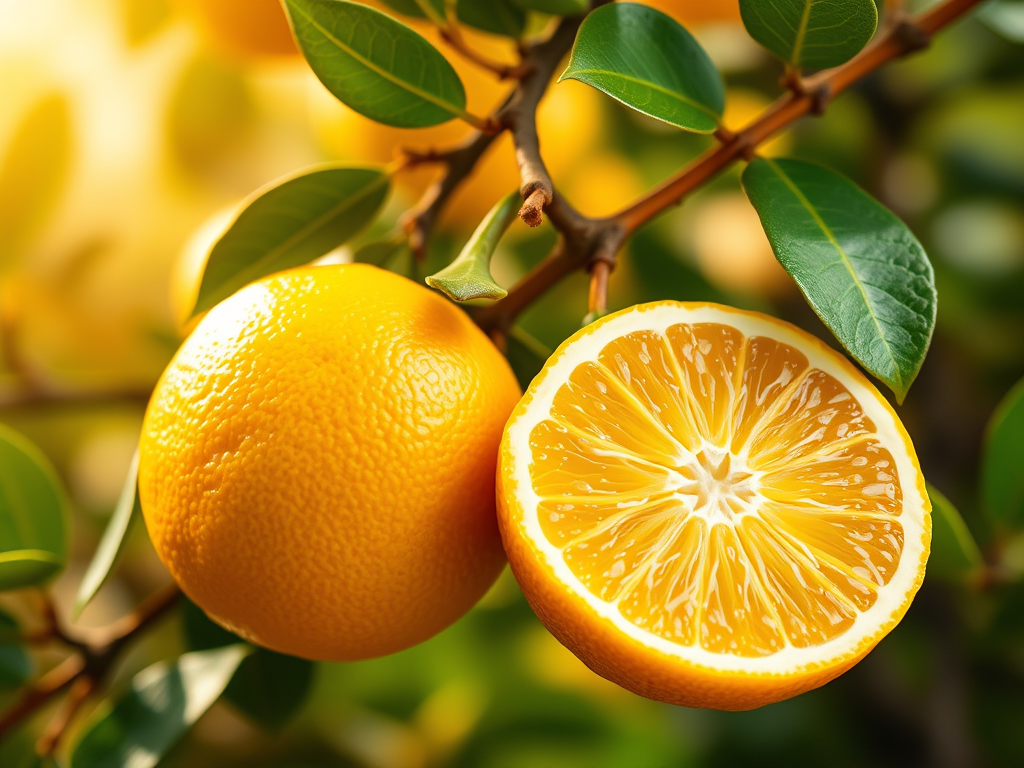
🍋 Did you know? The Haruka is a unique citrus fruit best known for its sweet, mild flavor and edible white pith, which sets it apart from many other citrus varieties.
🌱 Origins of the Haruka Fruit
Discovered: In 1980, by Tokuo Ishii in Itoshima, Fukuoka Prefecture, Japan.
First Fruited: The seedling was grafted in 1982 and bore fruit in 1986.
Registered Name: Initially called “Enka,” it was officially registered as “Haruka” in 1996.
🧬 Botanical Background
Hybrid Lineage: Haruka is a natural hybrid between:
Hyuganatsu (Citrus Tamura) – the seed parent
Natsudaidai (Citrus natsudaidai) – the pollen parent
🌍 Where It’s Grown
Primarily cultivated in southern Japan, especially:
Ehime Prefecture
Hiroshima Prefecture
Nagasaki Prefecture
It’s also exported to Singapore, Taiwan, and Hong Kong, and even inspired a flavor of the Japanese candy Puccho!
In the United States, the Haruka citrus fruit is not widely known or commonly available. Here’s what the research shows:
Haruka in the U.S. Market
Specialty Status: Haruka is considered a specialty citrus and is rarely found in mainstream grocery stores. It may occasionally appear in high-end produce markets or Asian specialty stores, especially those that import directly from Japan.
Not in Top U.S. Fruits: It does not appear on the list of the top 20 fruits sold in the U.S., which includes more familiar options like bananas, apples, grapes, and mandarins.
Limited Awareness: Most American consumers are unfamiliar with Haruka, and it hasn’t yet gained the popularity of other Japanese citrus like yuzu or satsuma.
🍊 Why It’s Rare in the U.S.
Short Season: Haruka is only available from late winter to spring, limiting its export window.
Delicate Nature: Its soft flesh and edible pith make it more prone to damage during shipping, which may deter large-scale importers.
Niche Appeal: Its mild, sweet flavor and low acidity appeal to citrus enthusiasts, but it lacks the tart punch that many American consumers expect from citrus.
🍋 Haruka: A Citrus Jewel of Japan
While Haruka is best known for its sweet, low-acid flavor and edible white pith, it also carries subtle cultural symbolism and nutritional value in its native regions.
🌿 Medicinal & Nutritional Significance
Though not as extensively studied as other citrus varieties, Haruka offers several health benefits typical of Japanese citrus:
🧪 Nutritional & Medicinal Benefits
Highlight Haruka’s health value with a quick, skimmable list:
Vitamin C – Boosts immunity and skin health
Vitamin A – Supports vision and cell repair
Dietary Fiber – Aids digestion
Low Acidity – Gentle on the stomach, ideal for children and elders
Antioxidants – May help reduce inflammation and oxidative stress
🎎 Cultural Notes & Symbolism
Even without ritual use, Haruka reflects Japanese values:
Seasonal Harmony: Ripens in early spring, symbolizing renewal
Edible Pith: Appreciated for its subtle texture—echoes shibui aesthetics
Gift Culture: Sometimes included in luxury fruit boxes, reflecting omotenashi (hospitality)
🍽️ How to Enjoy Haruka: Culinary Inspirations from Japan
Though Haruka is often eaten fresh, its gentle sweetness and low acidity make it a versatile ingredient in both traditional and modern dishes. Here are a few ways to bring this rare citrus into your kitchen:
🍊 1. Fresh & Simple
Eat it whole: Slice and enjoy with the white pith intact—no need to peel!
Fruit platters: Pair with strawberries, kiwi, or melon for a refreshing spring mix.
🍮 2. Candied Haruka
Simmer slices in sugar syrup until translucent.
Use as a garnish for cakes, or enjoy as a delicate sweet with tea.
🍧 3. Haruka Syrup or Marmalade
Boil juice and zest with sugar to make a fragrant syrup.
Drizzle over pancakes, yogurt, or shaved ice (kakigōri).
🍱 4. Japanese-Inspired Salads
Toss Haruka segments with daikon, mizuna, and sesame dressing.
Add to seaweed salad for a citrusy twist.
🍵 5. Wagashi & Tea Pairings
Use Haruka zest in mochi or yokan (sweet bean jelly).
Serve slices alongside green tea during spring tea gatherings.
🌐 Global Reach & Rarity
Rarely found outside Japan
Occasionally appears in Asian specialty markets in the U.S.
Not yet widely cultivated or recognized globally, making it a hidden gem
🎎 Cultural Significance in Japan
Seasonal Symbol: Haruka ripens in late winter to early spring, making it a symbol of renewal and gentle transition—a citrus that bridges the cold of winter with the promise of spring.
Edible Pith Tradition: Like its parent Hyuganatsu, Haruka is eaten with its sweet white pith intact, reflecting a Japanese appreciation for subtle textures and layered flavors.
Gift-Giving: In regions like Ehime and Hiroshima, Haruka is sometimes included in seasonal fruit gift boxes, a practice rooted in omotenashi (hospitality) and seasonal sharing.
Culinary Use: Its mild, honey-like flavor is used in candies, syrups, and even savory dishes, showcasing the Japanese art of balancing sweet and umami.
🌏 Final Slice: Haruka, a Citrus Worth Discovering
From its quiet origins in Fukuoka to its delicate presence in Japanese spring markets, the Haruka citrus is more than just a fruit—it’s a symbol of seasonal harmony, gentle sweetness, and cultural refinement. Though it hasn’t yet made waves globally, its subtle flavor and edible pith offer a refreshing reminder that not all citrus needs to be bold to be beautiful.
Whether enjoyed fresh, candied, or folded into a spring salad, Haruka invites us to slow down and savor the quiet elegance of nature’s design.
 EJADA
EJADA 
Leave a comment