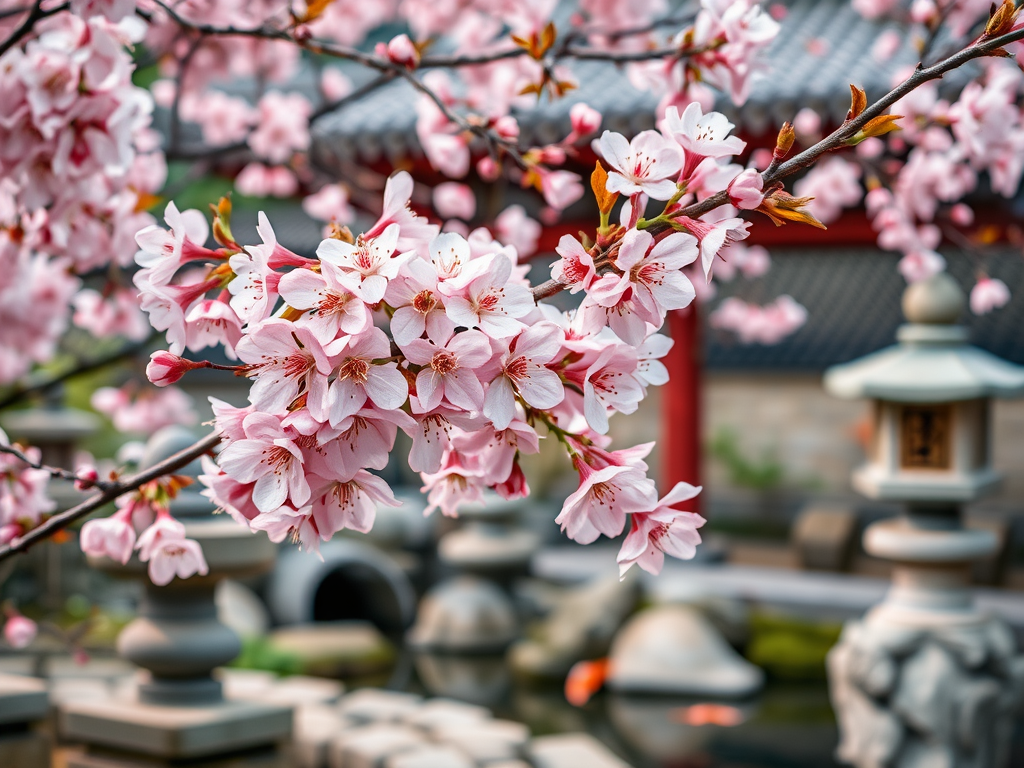
Cultural Origins of the Hall Crabapple (Malus halliana)
Before its introduction to the West in the 19th century, the Hall crabapple had a long and revered history in East Asia—particularly in China and Japan—where it was cultivated for both its beauty and symbolic meaning.
📍 China: The Poetic “Weeping Silk Crabapple”
Local Name: 垂丝海棠 (chui si hai tang)
Cultivation: Grown in classical gardens for centuries, especially during the Tang and Song dynasties.
Symbolism: Represented feminine beauty, elegance, and the fleeting nature of youth in Chinese poetry and painting.
Uses:
Ornamental: Featured in imperial courtyards and scholar gardens.
Medicinal: Bark and fruit are used in traditional remedies for digestion and skin health.
📍 Japan: A Garden Treasure Since the Muromachi Period
Local Name: 花海棠 (Hana-kaidō)
Introduction: Likely brought from China before or during the Muromachi period (1336–1573).
Cultural Role: Admired in temple gardens and seasonal festivals.
Medicinal Use: Employed in Kampo medicine to support blood flow and energy balance.
The Hall crabapple (Malus halliana) has been used for health-related purposes in East Asia since at least the Tang dynasty (7th–10th century CE) in China, and likely during the Muromachi period (14th–16th century) in Japan.
While exact dates are difficult to pinpoint due to the oral and poetic nature of early records, here’s what we know:
🌿 Earliest Medicinal Use of Hall Crabapple
| Region | Estimated First Use | Medicinal Applications | Notes |
|---|---|---|---|
| China | Tang dynasty (618–907 CE) | Bark and fruit used for digestive health and skin conditions | Often featured in classical herbals and poetry as a symbol of vitality and beauty |
| Japan | Muromachi period (1336–1573) | Used in Kampo medicine to support blood flow and energy balance (qi) | Integrated into temple gardens and seasonal healing rituals |
Artistic Presence: Frequently depicted in Edo-period woodblock prints and haiku.
Cultivation of Hall Crabapple
Introduced to the West: The species was named after Dr. George Rogers Hall, an American physician and plant collector who lived in Japan between 1855 and 1861. He is credited with bringing Malus halliana and other ornamental plants to the United States.
Native Range: While often considered native to China, some sources suggest it may have originated in Japan and was later introduced into China. The tree has long been cultivated in both countries for its ornamental value.
Wild vs. Cultivated Debate: There is an ongoing debate among botanists about whether many Chinese populations are truly wild or naturalized from ancient cultivation.
Historical Significance
The Hall crabapple was part of a broader wave of East Asian plants introduced to Western gardens during the 19th century, a period marked by botanical exchange and exploration.
Its ornamental appeal—especially the fragrant pink blossoms—made it a favorite in classical Chinese gardens and later in Western landscape design.
Ceremonial and Symbolic Uses of Hall Crabapple
China
Symbol of Elegance and Renewal: In classical Chinese gardens, especially those of scholars and nobility, the Hall crabapple was planted to evoke themes of feminine beauty, grace, and the fleeting nature of life—a concept central to many seasonal festivals and poetic gatherings.
Spring Festivals: Its blossoms were admired during Qingming Festival (Tomb-Sweeping Day) and Hanami-style flower viewings, where families honored ancestors and celebrated the renewal of life.
Literary Ceremonies: The tree often appeared in poetry recitations and scholarly rituals, where its blossoms symbolized the transient beauty of youth and the cycles of nature.
Japan
Temple Gardens: Planted in Zen and Shinto temple gardens, the Hall crabapple contributed to the spiritual ambiance of seasonal observances, especially during Hanami (flower viewing) in spring.
Seasonal Offerings: While not a primary ritual plant, its blossoms were sometimes included in seasonal altar arrangements or tea ceremony gardens, where the aesthetic of impermanence (wabi-sabi) was honored.
Artistic Ceremonies: Featured in Edo-period woodblock prints and haiku gatherings, where the tree’s bloom marked the arrival of spring and inspired reflection.
🌸 Summary Table
| Culture | Ceremonial Role | Symbolism | Common Occasions |
|---|---|---|---|
| China | Garden centerpiece in poetic and ancestral rites | Feminine beauty, transience, renewal | Qingming Festival, poetry gatherings |
| Japan | Temple and tea garden plant | Impermanence, seasonal beauty | Hanami, tea ceremonies, seasonal altars |
🌸 Ceremonial & Symbolic Uses in the West
🌿 1. Memorial and Commemorative Plantings
- Symbol of Renewal: The Hall crabapple’s spring blossoms have made it a popular choice for memorial gardens, symbolizing rebirth, remembrance, and the cycle of life.
- Public Spaces: Frequently planted in cemeteries, arboretums, and civic parks as living tributes to individuals or historical events.
🌼 2. Aesthetic Role in Seasonal Celebrations
- Spring Festivals: While not central to Western holidays, the Hall crabapple is often featured in springtime garden tours and flower festivals, especially in regions like the Midwest and Northeast U.S.
- Wedding Landscapes: Its romantic pink blossoms are favored in wedding venues and bridal photography, symbolizing love, beauty, and new beginnings.
🏡 3. Symbolism in Garden Design
- Victorian and Colonial Revival Gardens: Used to evoke a sense of refined elegance and nostalgia, especially in curated historical landscapes.
- Cottage Gardens: Valued for its compact form and ornamental charm, often planted near entryways or patios to create a welcoming atmosphere.
🧭 Summary Table
| Use | Description | Symbolism |
|---|---|---|
| Memorial Gardens | Planted in remembrance of loved ones or events | Renewal, remembrance |
| Spring Celebrations | Featured in seasonal festivals and garden tours | Beauty, awakening |
| Weddings & Photography | Used in romantic settings and ceremonies | Love, new beginnings |
| Historic Landscapes | Included in curated estate or heritage gardens | Elegance, nostalgia |
The Hall crabapple (Malus halliana) is both versatile and health-promoting, making it a valuable addition to gardens, landscapes, and even wellness-focused content.
🌿 Versatile & Healthy: The Hall Crabapple Advantage
🌸 Botanical Versatility
The Hall crabapple is more than just a pretty tree—it’s a multifunctional botanical asset:
Ornamental Beauty: With fragrant pink blossoms and vibrant fall foliage, it’s a showstopper in spring and autumn.
Edible Elements: Both the flowers and fruits are edible in moderation. The fruit, though tart, can be used in:
Jellies and chutneys
Herbal infusions
Natural pectin sources for preserves
Pollinator Magnet: Attracts bees, butterflies, and hummingbirds, supporting biodiversity.
Adaptability: Thrives in USDA zones 4–8, tolerates a range of soils, and handles both sun and partial shade.
Low Maintenance: Moderate disease resistance and easy to prune, making it ideal for home gardeners.
🍎 Health Benefits of the Hall Crabapple Fruit
While small, the fruit packs a surprising nutritional punch:
| Benefit | Description |
|---|---|
| Rich in Vitamin C | Supports immunity, skin health, and wound healing6 |
| High in Antioxidants | Contains quercetin, catechin, and chlorogenic acid—compounds that reduce inflammation and oxidative stress |
| Supports Heart Health | Polyphenols may help lower blood pressure and LDL cholesterol |
| Aids Digestion | High in pectin, a prebiotic fiber that supports gut health and blood sugar balance7 |
| Traditional Uses | Infusions used for fevers, digestive issues, and skin conditions in East Asian medicine7 |
Medicinal Uses & Health Benefits
Though best known for its ornamental beauty, the Hall crabapple (Malus halliana) has also been valued in traditional East Asian medicine for its subtle yet meaningful health benefits.
🍵 Traditional Medicinal Uses
In Traditional Chinese Medicine (TCM)
- Fruit: Used to aid digestion, reduce bloating, and support skin clarity.
- Bark: Applied topically for minor skin irritations and inflammation.
- Blossoms: Sometimes infused in teas to soothe hormonal imbalances and promote calmness.
In Kampo Medicine (Japan)
- Whole plant infusions were used to support blood flow, energy balance (qi), and seasonal detoxification.
- Integrated into temple garden remedies and seasonal wellness rituals.
🍎 Nutritional & Modern Health Insights
While not widely studied in modern pharmacology, the Hall crabapple shares many beneficial compounds with its relatives in the Malus genus:
Compound Benefit Pectin Supports gut health, regulates blood sugar, and acts as a natural prebiotic Vitamin C Boosts immunity and skin health Polyphenols (e.g., quercetin) Antioxidant and anti-inflammatory properties Malic Acid Aids digestion and detoxification The Hall crabapple (Malus halliana) is generally safe to consume in small amounts, especially when used in jellies or cooked preparations. However, certain individuals should exercise caution or avoid it altogether due to specific health risks associated with its seeds and potential sensitivities.
⚠️ Who Should Not Consume Hall Crabapple
1. Children
- Why: Children are more likely to chew and swallow seeds, which contain amygdalin, a compound that can release hydrogen cyanide when metabolized.
- Risk: Cyanide poisoning is rare but possible if a large number of seeds are consumed.
2. Pregnant or Breastfeeding Individuals
- Why: There is limited safety data on the effects of crabapple compounds during pregnancy or lactation.
- Recommendation: Avoid consumption of seeds and large quantities of raw fruit.
3. People with Gastrointestinal Sensitivities
- Why: The fruit is high in pectin and malic acid, which can cause bloating or discomfort in sensitive individuals.
- Tip: Cooked forms (like jelly or compote) are gentler on digestion.
4. Individuals with Allergies to Rosaceae Family
- Why: Hall crabapple belongs to the Rosaceae family, which includes apples, pears, and cherries.
- Symptoms: Those with oral allergy syndrome (OAS) or pollen-food allergy syndrome may experience itching or swelling in the mouth and throat.
5. People on Certain Medications
- Why: The high antioxidant content may interact with blood thinners or medications that affect liver enzymes.
- Advice: Consult a healthcare provider before regular consumption.
🚫 Seed Warning
Safe Practice: Avoid eating the seeds—just as you would with apples or cherries.
Toxic Compound: Seeds contain amygdalin, which can release hydrogen cyanide when chewed and digested.
Toxic Dose: Cyanide poisoning is only a risk if dozens to hundreds of seeds are consumed at once.
Potential Medication Considerations
While not conclusive, individuals taking the following types of medications should consult a healthcare provider before consuming Hall crabapple in medicinal or concentrated forms:
1. Blood Thinners (e.g., Warfarin, Aspirin)
Why: Crabapple fruit contains flavonoids and salicylates, which may have mild blood-thinning effects.
Risk: Could enhance anticoagulant effects, increasing the risk of bruising or bleeding.
2. Diabetes Medications
Why: The fruit’s pectin and polyphenols may influence blood sugar regulation.
Risk: May enhance the effect of glucose-lowering drugs, potentially leading to hypoglycemia.
3. Diuretics or ACE Inhibitors
Why: High potassium intake from fruit (though minimal in crabapple) can interact with these medications.
Risk: Could affect electrolyte balance, especially in sensitive individuals.
4. Sedatives or CNS Depressants
Why: Some traditional uses of crabapple blossoms include mild calming effects.
Risk: May amplify drowsiness when combined with sedatives or sleep aids.
🧪 Important Note
There is no clinical evidence that Hall crabapple causes serious drug interactions when consumed in culinary amounts (e.g., jellies, teas, or small fruit servings). However, concentrated extracts or medicinal preparations should be used with caution.
“Always consult a healthcare provider or pharmacist if you’re taking prescription medications and considering herbal or fruit-based remedies.”
Cited Precautions for Hall Crabapple
1. Seed Toxicity
Source: North Carolina Extension Gardener
Details: The seeds contain precursors of cyanide (amygdalin), similar to apple seeds. While the fruit is edible in moderation, seeds should not be consumed, especially by children or pets.
2. Allergic Reactions
Implied Risk: As a member of the Rosaceae family, individuals with allergies to apples, cherries, or pears may experience oral allergy syndrome (OAS)—itching or swelling in the mouth and throat.
Note: While not explicitly cited, this is a well-documented cross-reactivity in related species.
3. Wildlife Sensitivity
Source: North Carolina Extension Gardener
Details: The tree is frequently damaged by deer, which may be a concern in rural or suburban landscapes. Protective fencing or repellents may be necessary.
4. Digestive Sensitivity
Source: PictureThis Plant Guide
Details: The fruit is high in pectin and malic acid, which may cause bloating or discomfort in individuals with sensitive digestion. Cooking the fruit reduces this effect.
Scientific Research & Future Potential
While the Hall crabapple (Malus halliana) is best known for its ornamental beauty and cultural symbolism, it also holds untapped scientific potential. Though direct pharmacological studies are limited, researchers and horticulturists are beginning to explore its value in several key areas:
🧬 1. Botanical Classification & Genetic Studies
Ongoing research is examining whether M. halliana is a distinct species or a variety of Malus baccata or Malus hupehensis.
The 1980 Sino-American Botanical Expedition collected specimens in Hubei, China, suggesting possible wild populations.
These studies may help clarify its evolutionary lineage and inform conservation strategies.
🌸 2. Ornamental Breeding & Horticulture
M. halliana is used in breeding programs to develop new crabapple cultivars with improved disease resistance, floral traits, and compact growth habits.
Cultivars like ‘Parkmanii’ are derived from M. halliana and valued for their showy blossoms and landscape adaptability.
🍎 3. Phytochemical Potential (Inferred)
While no clinical trials have focused on M. halliana, related species like Malus domestica and Malus baccata have demonstrated:
Antioxidant and anti-inflammatory properties
High pectin content for digestive health
Given its similar fruit chemistry, M. halliana may share these benefits—an area ripe for future research.
Conclusion: A Tree That Blossoms Across Time
From the poetic gardens of ancient China to the curated landscapes of the modern West, the Hall crabapple (Malus halliana) continues to enchant with its delicate blossoms, cultural symbolism, and quiet resilience. Whether admired for its springtime beauty, explored for its health potential, or planted as a living tribute, this tree reminds us that nature’s elegance often carries deeper stories—of healing, heritage, and harmony.
As we rediscover the value of traditional plants in contemporary life, the Hall crabapple stands as a vibrant bridge between past and present, East and West, science and spirit.
 EJADA
EJADA 
Leave a comment