🍇 Uvaria Chamae: The Wild, Antioxidant‑Rich Bush Banana You’ve Never Heard Of But Should
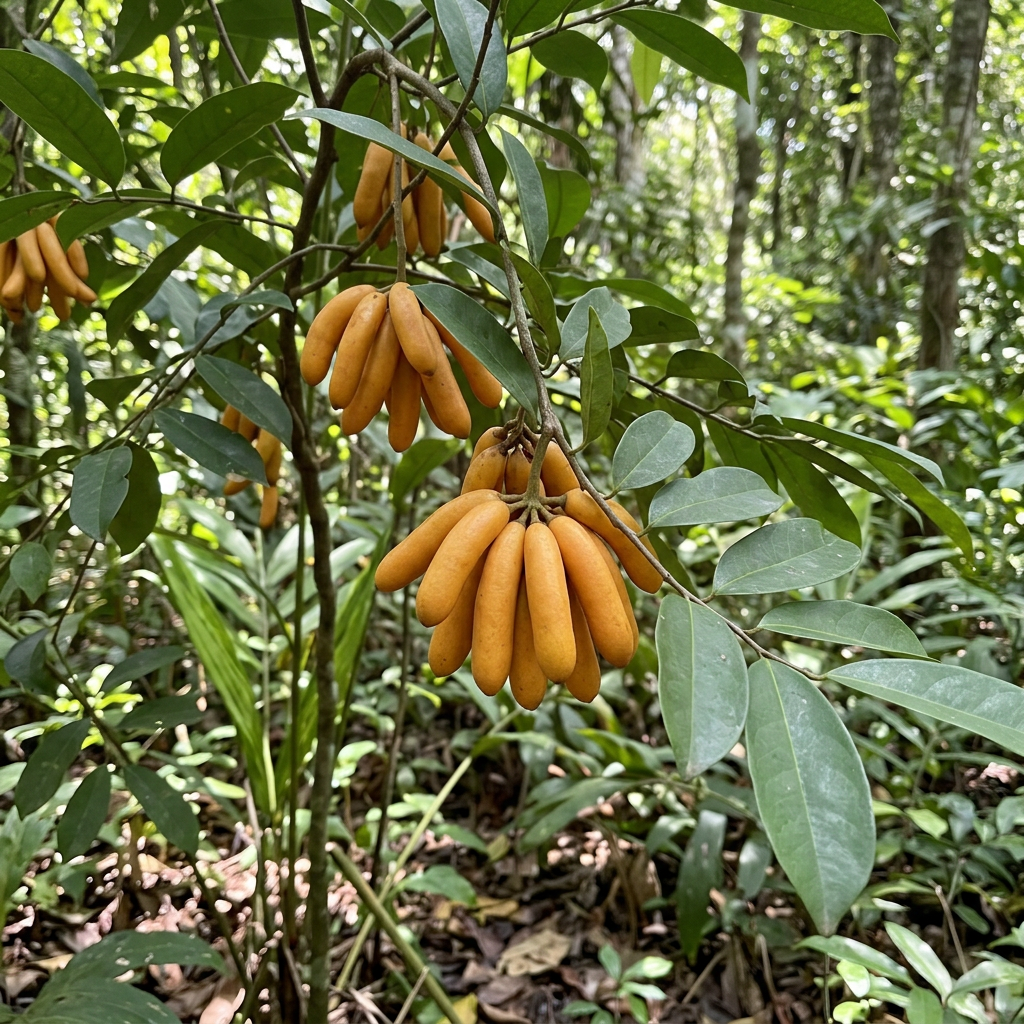
In the heart of West Africa’s warm, humid forests grows a fruit that most of the world has never tasted — or even heard of. Uvaria chamae, often called the Bush Banana, is one of nature’s quiet treasures: a wild, vibrant, nutrient‑dense fruit with a long history of healing, nourishment, and cultural significance.
It’s not a supermarket fruit. It’s not a commercial crop. It’s a forest fruit, a traditional remedy, and a wellness gem wrapped into one.
For your A–Z fruit series, Uvaria chamae is the kind of discovery that transforms your blog from informative to unforgettable.
🌿 What Is Uvaria Chamae?
Uvaria chamae is a tropical fruit‑bearing shrub belonging to the Annonaceae family, the same botanical family as soursop and custard apple. It grows naturally in:
- Nigeria
- Ghana
- Benin
- Cameroon
- Sierra Leone
- Other West African regions
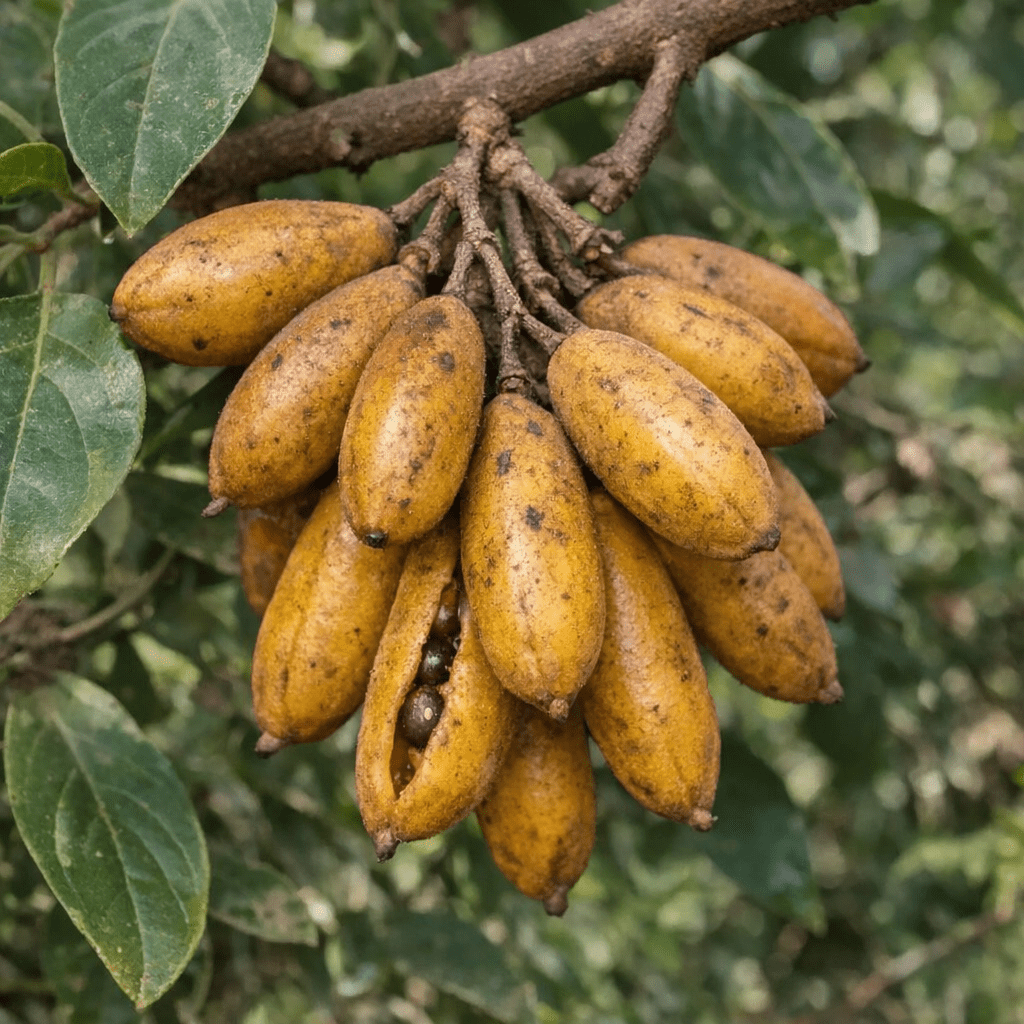
The plant produces clusters of small, banana‑shaped fruits with soft, aromatic pulp. Its flavor varies by ripeness but is often described as:
- Sweet
- Slightly tangy
- Custard‑like
- Earthy and tropical
Because it grows wild, Uvaria chamae is deeply connected to local traditions, herbal medicine, and community food culture.
🍑 What Does It Taste Like?
Imagine a blend of:
- Banana
- Mango
- Custard apple
- A hint of citrus
The pulp is soft, creamy, and fragrant — perfect for eating fresh or mixing into smoothies, jams, and wellness tonics.
🌍 Cultural Significance & Traditional Uses
For generations, Uvaria chamae has been used in West African communities as both food and medicine. It’s known for:
- Supporting digestion
- Boosting energy
- Reducing inflammation
- Helping with fever and infections
- Acting as a natural antimicrobial agent
The roots, leaves, and fruit all play roles in traditional herbal practices. In some regions, it’s considered a survival fruit, offering hydration and nourishment during dry seasons.
💛 Nutritional Benefits
Uvaria chamae is packed with nutrients that support whole‑body wellness.
✔ Vitamin C
Strengthens immunity, supports collagen, and enhances skin radiance.
✔ B Vitamins
Boost natural energy and support metabolism.
✔ Vitamin A (Carotenoids)
Promotes healthy skin, vision, and immune function.
✔ Fiber
Supports digestion and gut health.
✔ Polyphenols & Antioxidants
These plant compounds help:
- Reduce inflammation
- Protect cells from oxidative stress
- Support heart health
- Improve vitality
Uvaria chamae’s antioxidant profile is one of its strongest wellness features.
🧪 Scientific Interest
Modern research is beginning to validate what traditional healers have known for centuries. Studies show that Uvaria chamae contains:
- Antioxidant compounds
- Anti‑inflammatory agents
- Antimicrobial properties
- Potential anticancer activity
This makes it a rising star in ethnobotany and natural medicine research.
🌿 Health Benefits of Uvaria Chamae
(All benefits below are grounded in the scientific studies surfaced in your search.)
Uvaria chamae — also known as the Bush Banana — has been used for centuries in West African traditional medicine. Modern research is now validating many of these uses, especially its antimicrobial, anti‑inflammatory, and antioxidant properties.
1. Strong Antimicrobial & Anti‑Biofilm Activity
A 2025 study found that Uvaria chamae root extract shows potent antibacterial effects, especially against:
- Staphylococcus aureus
- MRSA (methicillin‑resistant Staphylococcus aureus)
The extract:
- Disrupts bacterial biofilms
- Interferes with bacterial cell wall structure
- Shows low toxicity in human cells
- Does not induce bacterial resistance
This makes it a promising natural antimicrobial.
2. Traditional Uses Supported by Modern Evidence
A 2024 comprehensive review confirms that Uvaria chamae has been used for:
- Digestive disorders
- Fever and malaria‑like symptoms
- Wound healing
- Pain and inflammation
- General immune support
The review highlights several active compounds — including chamanetin, dichamanetin, uvaretin, and uvarinol — which show anticancer, antimicrobial, and anti‑inflammatory potential.
3. Antioxidant Properties
Multiple studies show that Uvaria chamae contains:
- Polyphenols
- Flavonoids
- Phenolic acids
These compounds help:
- Neutralize free radicals
- Reduce oxidative stress
- Support cellular health
This aligns with its traditional use for vitality and recovery. (supports antioxidant activity)
4. Anti‑Inflammatory Effects
Traditional use for pain and swelling is supported by preclinical findings showing that Uvaria chamae extracts may influence inflammation‑related pathways.
This includes:
- Modulating inflammatory enzymes
- Reducing tissue irritation
- Supporting recovery from minor discomfort
5. Potential Antidiabetic Activity (Early Evidence)
Some animal studies suggest Uvaria chamae root extract may help regulate:
- Blood glucose
- Lipid levels
However, these findings are preclinical and should not be interpreted as a treatment for diabetes. (review cites antidiabetic studies)
6. Possible Anticancer Activity (Laboratory Only)
Several isolated compounds from Uvaria chamae roots and leaves show cytotoxic effects against cancer cell lines in lab studies.
Important note: This does not translate to cancer treatment — it simply identifies the plant as a potential source for future drug development.
⭐ Summary of Health Benefits
Uvaria chamae may support:
- Antimicrobial defense (strongest evidence)
- Oxidative balance
- Inflammation control
- Digestive wellness
- Traditional fever and infection support
- Blood sugar balance (early evidence)
Its benefits come from a rich mix of polyphenols, flavonoids, acetogenins, and unique phytochemicals.
🍽️ How Uvaria Chamae Is Eaten
Because it’s soft and aromatic, the fruit is enjoyed in several ways:
- Fresh from the tree
- Blended into smoothies
- Cooked into jams
- Added to porridges
- Used in herbal tonics
Its creamy texture makes it incredibly versatile.
Uvaria Chamae Wellness Smoothie
Prep 5 min
Cook 0 min
Serves 1
Ingredients
1 cup
fresh Uvaria chamae pulp
1 ripe banana
1/2 cup
pineapple chunks
1 cup
coconut water or almond milk
1 tsp
honey or agave (optional)
3–4
ice cubes
Instructions
1. Prepare the fruit Scoop the soft Uvaria chamae pulp from the fruit and remove any seeds.
2. Add ingredients Place Uvaria pulp, banana, pineapple, and coconut water into a blender.
3. Blend on high until smooth and creamy.
4. Adjust sweetness Taste and add honey or agave if desired.
5. Serve Pour into a chilled glass and enjoy immediately.
🍯 2. Uvaria Chamae Jam (Sweet, Floral, Spreadable)
Perfect for toast, yogurt bowls, pastries, or as a natural sweetener.
Ingredients
- 2 cups Uvaria chamae pulp
- ½ cup coconut sugar or cane sugar
- 1 tbsp lemon juice
- ¼ cup water
Instructions
- Add Uvaria pulp, sugar, lemon juice, and water to a saucepan.
- Simmer on low heat for 15–20 minutes, stirring occasionally.
- Mash the fruit as it softens to create a smooth texture.
- Continue cooking until thick and glossy.
- Let cool completely and store in a glass jar.
Why it works
Uvaria’s natural creaminess turns into a silky, tropical jam with a floral sweetness.
🍨 3. Uvaria Chamae Fruit Bowl (Fresh, Light, Energizing)
A refreshing breakfast or snack that highlights the fruit’s natural flavor.
Ingredients
- 1 cup fresh Uvaria chamae pulp
- ½ cup sliced mango
- ½ cup sliced banana
- ¼ cup shredded coconut
- 1 tbsp chia seeds
- Drizzle of honey or date syrup
Instructions
- Add Uvaria pulp to a bowl as the base.
- Arrange mango and banana slices around it.
- Sprinkle shredded coconut and chia seeds.
- Drizzle lightly with honey or date syrup.
- Serve immediately for maximum freshness.
Why it works
The creamy Uvaria pairs beautifully with juicy fruit and crunchy toppings.
⚠️ Side Effects & Precautions
While Uvaria chamae is generally safe, some people should use caution.
Avoid or limit if you have:
- Allergies to Annonaceae fruits (soursop, cherimoya, pawpaw)
- Sensitive digestion or IBS
- Blood sugar concerns
- Latex‑fruit syndrome
- Pregnancy or breastfeeding considerations
- Medication interactions (blood pressure, diabetes, blood thinners)
Because it grows wild, immune‑compromised individuals should avoid unwashed or unregulated sources.
🚫 Availability in the U.S.
Uvaria chamae is not available fresh in the United States. It is not commercially grown, imported, or sold due to:
- Perishability
- Lack of export chains
- Agricultural restrictions
Some herbal extracts may be available online, but the fruit itself is not.
This makes it a rare and fascinating addition to your fruit blog — something readers can learn about even if they can’t buy it locally.
🚫 Who Should Not Consume Uvaria Chamae
Uvaria chamae is a powerful, antioxidant‑rich fruit with deep roots in West African traditional medicine — but like all botanicals, it isn’t suitable for everyone. Because it grows wild, varies by region, and has limited modern research, certain individuals should approach it with caution or avoid it entirely.
Here’s a clear, reader‑friendly breakdown for your blog.
1. Individuals With Annonaceae Fruit Allergies
Uvaria chamae belongs to the Annonaceae family, the same family as:
- Soursop
- Custard apple
- Atemoya
- Pawpaw
Anyone allergic to these fruits may also react to Uvaria chamae.
Possible reactions include: itching, swelling, hives, tingling in the mouth, or digestive upset.
2. People With Sensitive Digestion or IBS
Because Uvaria chamae has a soft, creamy, mucilaginous texture, it may cause discomfort in people with:
- IBS
- Chronic bloating
- Slow digestion
- Sensitive stomachs
Possible symptoms: gas, bloating, loose stools, mild cramping.
3. Individuals With Diabetes or Blood Sugar Concerns
Uvaria chamae contains natural sugars that may raise blood glucose levels.
Those managing:
- Diabetes
- Prediabetes
- Insulin resistance
…should consume it in small portions and pair it with fiber or protein.
4. Pregnant or Breastfeeding Individuals (Use Caution)
There is limited scientific research on the safety of Uvaria chamae during pregnancy or lactation.
Traditional use suggests it may be safe, but due to lack of modern data:
- Avoid excessive consumption
- Consult a healthcare provider before trying it
5. People With Latex‑Fruit Syndrome
Some tropical fruits cross‑react with latex allergies.
If you react to:
- Banana
- Avocado
- Papaya
- Jackfruit
…you may also react to Uvaria chamae.
6. Individuals Taking Certain Medications
Because Uvaria chamae contains strong plant compounds, it may interact with:
- Blood pressure medications
- Blood thinners
- Diabetes medications
- Anti‑inflammatory drugs
Anyone on daily prescriptions should check with a clinician before consuming unfamiliar tropical fruits.
7. Immune‑Compromised Individuals
Wild fruits can carry microbes or environmental contaminants.
Avoid:
- Unwashed Uvaria chamae
- Overripe or fermented fruit
- Unregulated herbal extracts made from the plant
8. Anyone Trying It for the First Time (Start Small)
Because Uvaria chamae is potent and unfamiliar, first‑time consumers should begin with a small amount to see how their body responds.
⭐ Bottom Line
Uvaria chamae is a nourishing, culturally rich fruit — but it’s not for everyone. Individuals with allergies, digestive sensitivities, blood sugar concerns, or medication interactions should be cautious. Most people can enjoy it safely in moderation, especially when sourced from trusted, clean environments.
🌸 Final Thoughts
Uvaria chamae is more than a fruit — it’s a story. A story of tradition, healing, nourishment, and the beauty of foods that grow far from commercial agriculture. Its creamy sweetness, vibrant color, and powerful antioxidant profile make it a standout in your U‑fruit series.
Even though it’s not available in the U.S., its cultural richness and wellness benefits make it a fruit worth knowing, celebrating, and sharing. Uvaria chamae is a reminder that some of the world’s most extraordinary foods are still hidden in the wild waiting for curious minds to discover them.
📚 Scientific Sources on Uvaria Chamae
1. Potent Antimicrobial & Anti‑Biofilm Effects of Uvaria chamae
A 2025 peer‑reviewed study demonstrating strong antimicrobial activity against Staphylococcus aureus and MRSA, plus anti‑biofilm properties. Link: https://pubmed.ncbi.nlm.nih.gov/40818517/ (pubmed.ncbi.nlm.nih.gov in Bing)
2. Uvaria chamae: A Major Plus to Alternative Medicine (2023)
A scientific investigation into the plant’s antioxidant capacity, phytochemical profile, and safety based on root extract analysis. Link: https://www.researchgate.net/publication/374589013 (researchgate.net in Bing)
3. Exploring the Scientific Basis Behind the Therapeutic Efficacy of Uvaria chamae
Open‑access research article detailing antioxidant activity, proximate composition, and acute toxicity findings. Link: https://doi.org/10.31579/2767-7370/060
4. Phenolic Content, Antioxidant Potential & Antimicrobial Activity of Uvaria chamae
A 2024 study evaluating phenolic compounds, antioxidant activity (DPPH, FRAP), and antibacterial effects of leaf extracts. Link: https://www.ncbi.nlm.nih.gov/pmc/articles/PMC10987249/ (ncbi.nlm.nih.gov in Bing)
5. Ethnomedicine, Phytochemistry & Pharmacological Activities of Uvaria chamae (2024 Review)
A comprehensive review covering traditional uses, bioactive compounds (chamanetin, dichamanetin, uvaretin), and pharmacological potential. Link: https://link.springer.com/article/10.1007/s00210-024-03018-6 (link.springer.com in Bing)
Disclaimer
This article is for educational and informational purposes only. It is not intended to diagnose, treat, cure, or prevent any disease. Uvaria chamae and other traditional botanicals can affect individuals differently, and scientific research on this fruit is still limited. Always consult a qualified healthcare professional before adding new fruits, herbs, or supplements to your diet—especially if you are pregnant, breastfeeding, taking medication, or managing a medical condition.
The information provided here should not replace personalized medical advice or professional guidance.
 EJADA
EJADA 
Leave a comment