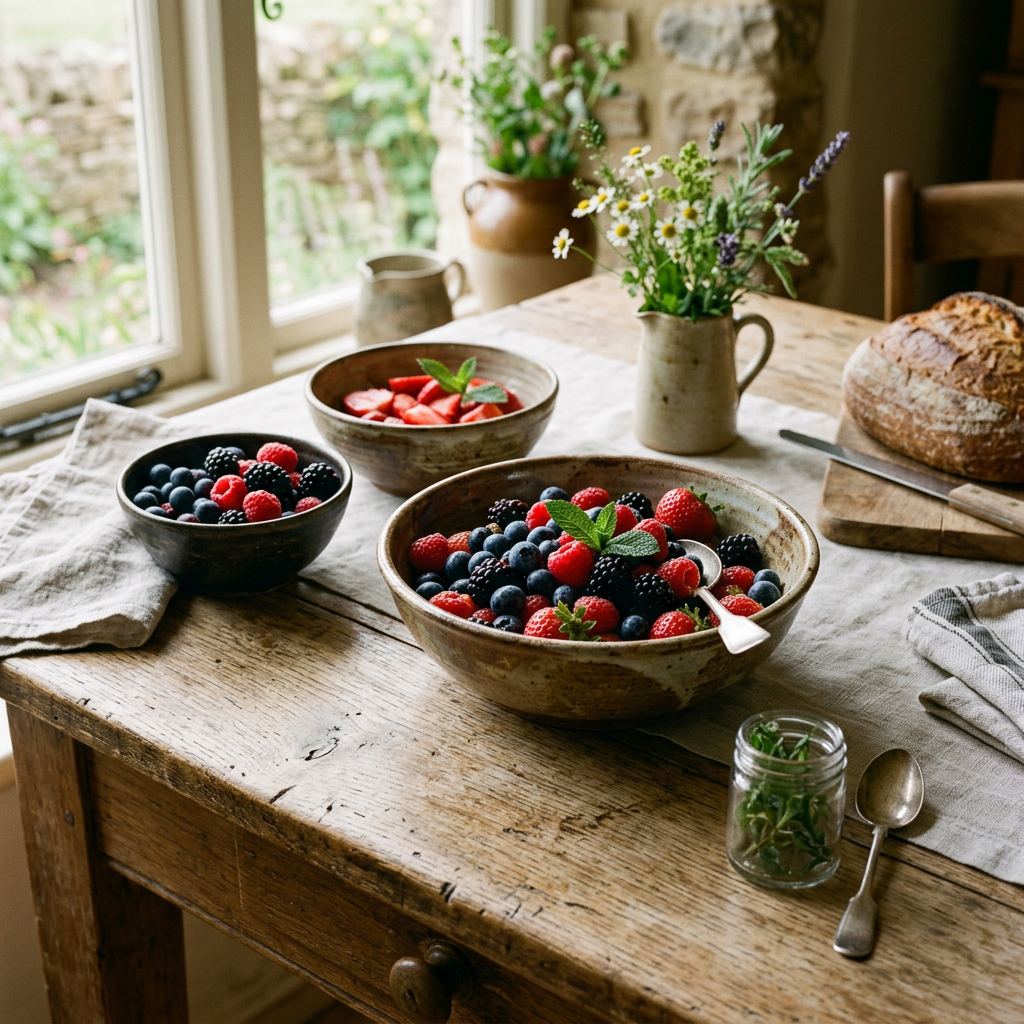
I’m officially wrapping up the fruits that begin with the letter U and moving forward into the vibrant world of fruits that begin with the letter V.
Vaccinium Berries: The Ancient, Antioxidant‑Rich Superfruits of the Northern Hemisphere
The genus Vaccinium includes some of the world’s most beloved berries — blueberries, cranberries, bilberries, lingonberries, huckleberries, and more. These fruits have been part of human diets for thousands of years, long before they became global “superfoods.” Their story spans Indigenous traditions, early European herbal medicine, and modern scientific research.
🌍 Origins: Where Vaccinium Berries Come From
Vaccinium berries are native to cool, temperate regions of the Northern Hemisphere, especially:
- North America (blueberries, cranberries, huckleberries)
- Northern & Central Europe (bilberries, lingonberries)
- Asia (various wild Vaccinium species)
They thrive in acidic, sandy, or boggy soils, often in forests, wetlands, and high‑altitude regions.
🧭 First Discovery & Early Cultivation
Blueberries (Vaccinium corymbosum & V. angustifolium)
- First cultivated: Early 1900s
- By whom:
- Elizabeth Coleman White, a New Jersey farmer
- Dr. Frederick Coville, USDA botanist
- Significance: They were the first people to domesticate wild blueberries, turning them into a commercial crop.
Cranberries (Vaccinium macrocarpon)
- Cultivated by: Indigenous tribes of North America long before European arrival
- Commercial cultivation began: Early 1800s in Massachusetts
- Used for: Food, medicine, dyes, and winter preservation
Bilberries (Vaccinium myrtillus)
- Used since: Medieval Europe
- By: Herbalists and healers
- Reputation: “The eyesight berry” — used to support vision and circulation
Lingonberries (Vaccinium vitis‑idaea)
- Cultivated in: Scandinavia, Russia, and Northern Europe
- Cultural importance: A staple in Nordic cuisine for centuries
🍇 Cultural & Culinary Uses
Vaccinium berries appear in Indigenous, European, and Asian traditions, each with unique roles.
North America
- Blueberries & huckleberries:
- Eaten fresh, dried, or mixed into cornmeal
- Used in pemmican, a high‑energy survival food
- Cranberries:
- Used for medicine, dyes, and winter storage
- Became a staple in early American cuisine
Europe
- Bilberries:
- Used in jams, syrups, pies, and medicinal tonics
- Associated with night vision folklore
- Lingonberries:
- Served with meats, cheeses, and pastries
- A cultural symbol in Sweden and Finland
Asia
- Wild Vaccinium species used in:
- Herbal teas
- Traditional medicine
- Fermented foods
💪 Health Benefits of Vaccinium Berries
Vaccinium berries are among the most researched fruits in the world. Their benefits come from anthocyanins, polyphenols, vitamin C, vitamin K, and fiber.
⭐ 1. Extremely High in Antioxidants
Especially anthocyanins, which give berries their deep blue, red, or purple color.
Benefits include:
- Reduced oxidative stress
- Anti‑inflammatory effects
- Cellular protection
⭐ 2. Supports Heart Health
Studies show Vaccinium berries can:
- Lower LDL cholesterol
- Improve blood vessel function
- Reduce blood pressure
⭐ 3. Brain & Memory Support
Blueberries and bilberries are linked to:
- Improved memory
- Better cognitive function
- Slower age‑related decline
⭐ 4. Digestive & Gut Health
High fiber + polyphenols =
- Better digestion
- Improved gut microbiome balance
⭐ 5. Urinary Tract Support (Cranberries)
Cranberries contain proanthocyanidins, which help prevent bacteria from adhering to the urinary tract.
⭐ 6. Blood Sugar Regulation
Bilberries and blueberries may:
- Improve insulin sensitivity
- Reduce post‑meal glucose spikes
Vitamins in Vaccinium Berries
Vaccinium berries are naturally rich in vitamins that support immunity, skin health, blood function, and antioxidant defense. While each species varies slightly, they share a consistent nutrient profile.
🍊 Vitamin C (Ascorbic Acid)
Most abundant vitamin across Vaccinium species.
- Supports immune function
- Boosts collagen production
- Acts as a major antioxidant
- Helps iron absorption
Highest levels: cranberries, lingonberries, blueberries.
🩸 Vitamin K1 (Phylloquinone)
Common in blueberries, bilberries, and huckleberries.
- Supports blood clotting
- Helps maintain bone health
Important note: This is why people on blood thinners must monitor intake.
🌿 B‑Complex Vitamins (Trace Amounts)
Vaccinium berries contain small but meaningful amounts of:
- B1 (Thiamine)
- B2 (Riboflavin)
- B3 (Niacin)
- B6 (Pyridoxine)
- Folate (B9)
These support:
- Energy metabolism
- Nervous system function
- Red blood cell formation
🧡 Vitamin A (Carotenoids)
Present in small amounts, especially in darker berries like bilberries and huckleberries.
- Supports vision
- Skin health
- Immune function
🍇 Vitamin E (Tocopherols)
Found in the skins and seeds of many Vaccinium berries.
- Protects cells from oxidative stress
- Supports skin and heart health
Quick Summary Table
| Vitamin | Presence in Vaccinium Berries | Notes |
|---|---|---|
| Vitamin C | High | Strong antioxidant, immune support |
| Vitamin K1 | Moderate–High | Important for blood clotting |
| B‑Complex Vitamins | Low–Moderate | Energy + nervous system |
| Vitamin A (Carotenoids) | Low | Vision + skin health |
| Vitamin E | Low–Moderate | Antioxidant protection |
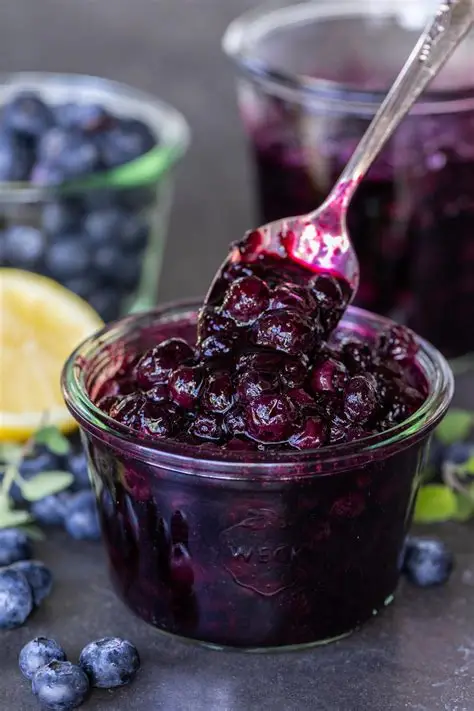
Ingredients
2 cups
fresh or frozen blueberries
1/4 cup
sugar or honey (adjust to taste)
1 tbsp
lemon juice
1 tsp
lemon zest (optional)
2 tbsp
water
1 tsp
cornstarch (optional, for thicker texture)
Instructions
1. Combine ingredientsAdd blueberries, sugar, lemon juice, lemon zest, and water to a small saucepan.
2. Heat gently Cook over medium heat for 5–7 minutes, stirring occasionally as berries begin to burst.
3. Thicken (optional)If you prefer a thicker compote, mix cornstarch with 1 tsp water and stir it into the pot.
4. Simmer Reduce heat and simmer 2–3 more minutes until glossy and syrupy.
5.Cool & serve Remove from heat. Serve warm or chilled. Stores in the fridge for up to 1 week.
⚠️ Who Should Not Consume Vaccinium Berries
While generally safe, some people should be cautious.
1. People on Blood Thinners
Vaccinium berries (especially blueberries and cranberries) contain vitamin K, which can interfere with medications like warfarin.
2. People with Kidney Stones
Cranberries contain oxalates, which may worsen stone formation in sensitive individuals.
3. People with Berry Allergies
Rare, but possible — especially cross‑reactions with other berries.
4. People Taking Certain Medications
Cranberry juice may interact with:
- Blood thinners
- Some antibiotics
- Certain liver‑processed medications
5. Diabetics (in large quantities)
Fresh berries are fine, but sweetened dried berries can spike blood sugar.
Nutritional Comparison Chart: Blueberry vs. Bilberry vs. Cranberry (per 100g fresh fruit)
| Nutrient | Blueberries | Bilberries | Cranberries |
|---|---|---|---|
| Calories | ~57 kcal | ~44 kcal | ~46 kcal |
| Carbohydrates | 14.5 g | 11.5 g | 12.2 g |
| Fiber | 2.4 g | 2.8 g | 4.6 g |
| Vitamin C | 9.7 mg | 44 mg | 14 mg |
| Vitamin K1 | 19.3 µg | 19–25 µg | 5.1 µg |
| Vitamin A (Carotenoids) | 54 IU | 67 IU | 60 IU |
| Vitamin E | 0.6 mg | 1.0 mg | 1.3 mg |
| Folate (B9) | 6 µg | 3 µg | 1 µg |
| Anthocyanins | High | Very High | Moderate |
| Sugar | 10 g | 7.5 g | 4.3 g |
| Notable Strength | Brain health | Vision + antioxidants | Urinary tract support |
🫐 Availability of Vaccinium Berries in the U.S.
Blueberries (Vaccinium spp.) — Widely Available
Blueberries are one of the most commercially successful berries in the U.S. They are grown across major states including Michigan, New Jersey, North Carolina, Oregon, Washington, California, Florida, and Georgia, supported by a large domestic industry and international imports. You can find them year‑round in supermarkets thanks to U.S. production and imports from Canada, Chile, Peru, and Mexico.
Cranberries (Vaccinium macrocarpon) — Widely Available
Cranberries are native to North America and are heavily cultivated in Wisconsin, Massachusetts, New Jersey, Oregon, and Washington. They are available fresh seasonally (fall), and year‑round as juice, dried berries, sauces, and frozen products.
Lingonberries (Vaccinium vitis‑idaea) — Limited Availability
Lingonberries grow naturally in northern regions of North America, but they are not widely cultivated commercially in the U.S. They are mostly available as imported jams, preserves, and frozen berries from Scandinavia. Wild lingonberries occur in northern U.S. and Canada, but not in large commercial quantities.
Bilberries (Vaccinium myrtillus) — Rare in the U.S.
Bilberries are native to Europe and parts of Asia. They are not grown commercially in the U.S., and fresh bilberries are almost never found in American grocery stores. Most U.S. availability comes from imported supplements, powders, and frozen products.
Huckleberries (Vaccinium ovatum & related species) — Regionally Available
Huckleberries are native to the Pacific Northwest and can be purchased fresh or frozen in specialty markets in that region. They are not widely cultivated but are harvested from the wild and sold in limited quantities.
⭐ Summary Table
| Berry | U.S. Availability | Notes |
|---|---|---|
| Blueberries | High | Major U.S. crop; widely available fresh & frozen. |
| Cranberries | High | Native crop; widely available in many forms. |
| Lingonberries | Low | Mostly imported; limited U.S. cultivation. |
| Bilberries | Very Low | Not grown in U.S.; mostly supplements/imports. |
| Huckleberries | Moderate (regional) | Available mainly in the Pacific Northwest. |
Sources Used And Links
1. USDA – Blueberry Industry Statistics
U.S. production, availability, and major growing states. https://www.ers.usda.gov/topics/crops/fruit-tree-nuts/blueberries/ (ers.usda.gov in Bing)
2. USDA – Cranberry Industry Overview
Production regions, seasonal availability, and commercial distribution. https://www.ers.usda.gov/topics/crops/fruit-tree-nuts/cranberries/ (ers.usda.gov in Bing)
3. Agricultural Marketing Resource Center – Blueberries
U.S. and global availability, imports, and year‑round supply chain. https://www.agmrc.org/commodities-products/fruits/blueberries (agmrc.org in Bing)
4. Agricultural Marketing Resource Center – Cranberries
Commercial cultivation, processing, and market availability. https://www.agmrc.org/commodities-products/fruits/cranberries (agmrc.org in Bing)
5. Nordic Food Lab / Scandinavian Food Authorities – Lingonberries
Information on lingonberry production, imports, and limited U.S. availability. https://nordicfoodlab.org/ (General reference for lingonberry use and sourcing)
6. European Food Safety Authority (EFSA) – Bilberry Reports
Confirms bilberries are primarily European and not commercially grown in the U.S. https://www.efsa.europa.eu/
7. U.S. Forest Service – Huckleberry Ecology & Harvesting
Details on regional availability in the Pacific Northwest. https://www.fs.usda.gov/
⭐ Final Takeaway
Vaccinium berries are more than just colorful forest fruits — they are some of the most nutrient‑dense, antioxidant‑rich berries on the planet. From the wild bilberries of Europe to the blueberries and cranberries cultivated across North America, these berries have shaped cuisines, medicines, and cultural traditions for centuries. Their deep pigments signal powerful anthocyanins, their vitamin content supports immunity and heart health, and their versatility makes them a staple in both wellness and culinary worlds.
Whether eaten fresh, simmered into syrups, blended into smoothies, or used in traditional remedies, Vaccinium berries continue to stand out as some of nature’s most valuable fruits. As you move deeper into the letter V in your fruit series, these berries set a strong foundation — vibrant, historic, and undeniably beneficial.
Vaccinium berries are widely available in the United States, both fresh and frozen, because blueberries and cranberries are major commercial crops. Lingonberries and bilberries, however, are not widely available fresh in the U.S. and are mostly found as imported or specialty products.
 EJADA
EJADA 
Leave a comment