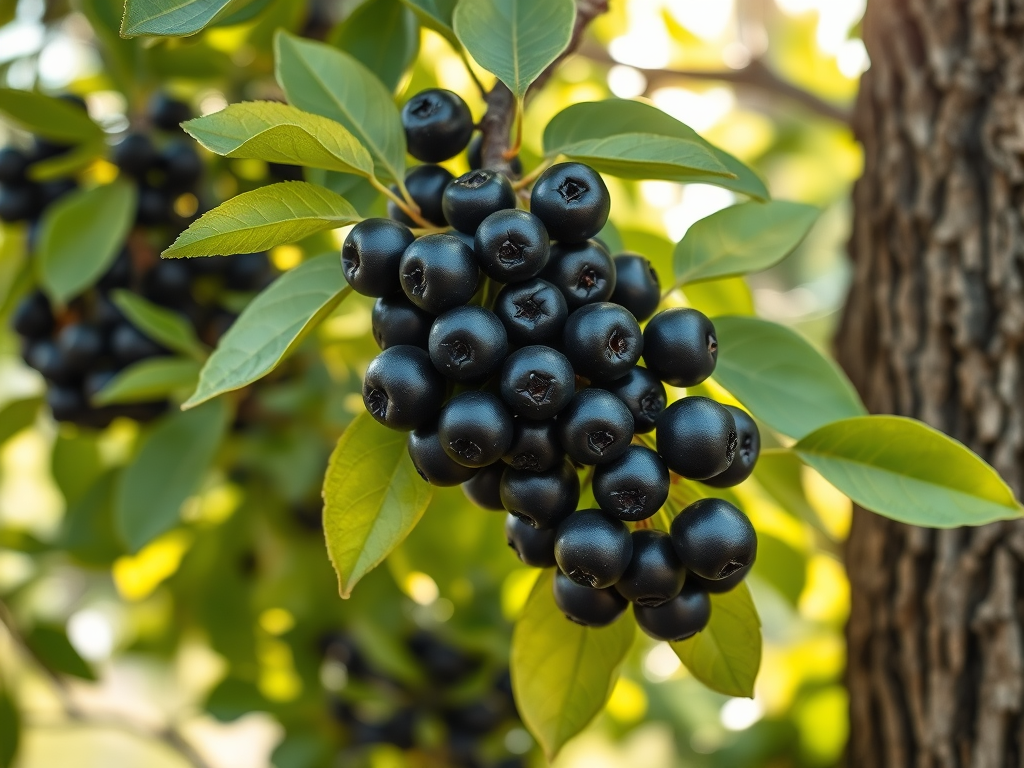
Hackberry: The Forgotten Superfruit with Ancient Roots
Move over, goji and acai—there’s a wild fruit that’s been quietly thriving across continents for millennia, and it’s time we gave it the spotlight it deserves. Meet the hackberry: a rugged, resilient tree whose sweet, crunchy fruits were once a staple in Indigenous diets and survival strategies.
🍇 What Is Hackberry?
Hackberries (genus Celtis) are small, dark-purple drupes that grow on hardy trees found across North America, Europe, and Asia. Though often overlooked today, these fruits were revered by Native American tribes like the Apache, Sioux, and Comanche—not just for their taste, but for their incredible nutritional and medicinal value.
🧬 Nutritional Powerhouse
Don’t let their size fool you. Hackberries pack a punch:
High in fat and protein—rare for a fruit!
Rich in calcium, phosphorus, and iron
Loaded with antioxidants and fiber
Naturally sweet with a nutty, date-like flavor
Indigenous peoples often ground them into energy-rich pastes or mixed them with meat and fat to create pemmican—a high-calorie survival food that could last for months.
🌿 Medicinal & Cultural Significance
Medicinal Uses of Hackberry: Ancient Remedies, Modern Relevance
Cited Health Benefits of Hackberry
Hackberry (Celtis occidentalis and related species) has long been valued for its medicinal properties, and modern research is beginning to validate what Indigenous healers knew all along.
🏹 Traditional Uses (Indigenous Knowledge)
Native American tribes used hackberry to treat:
Colds, sore throats, and coughs
Digestive issues like diarrhea, dysentery, and colic
Wounds and inflammation using bark infusions
Menstrual irregularities with inner bark preparations
These remedies were often combined with other herbs or animal fats to enhance their potency and shelf life.
🧪 Modern Scientific Insights
Contemporary studies and herbalists have identified several key health benefits:
| Benefit | Mechanism |
|---|---|
| Antioxidant activity | Rich in polyphenols that neutralize free radicals, reducing aging and cancer risk. |
| Anti-inflammatory effects | Bark and fruit extracts reduce inflammation and support immune function |
| Digestive support | Helps regulate gut motility and soothe gastrointestinal discomfort4 |
| Cardiovascular health | It may help lower cholesterol and support blood pressure regulation |
| Cytotoxic properties | Potential to inhibit abnormal cell growth, under study for cancer applications |
| Menstrual regulation | Traditional use for balancing female reproductive health |
📚 Sources:
ValueFood: Health Benefits of Hackberry
Agric4Profits: 18 Medicinal Health Benefits of Celtis occidentalis
Health Benefits Times: Hackberry Facts
HealthyBenefits.info: Hackberry and Digestive Health
🏹 Traditional Uses by Indigenous Peoples
Hackberry wasn’t just survival food—it was a functional medicine cabinet in the wild. Native American tribes like the Houma, Apache, and Sioux used various parts of the tree for healing:
Bark decoctions: Used to treat sore throats, venereal diseases, and respiratory infections
Fruit pulp: Consumed to relieve digestive issues, including colic, diarrhea, and dysentery
Inner bark: Applied as an astringent for wounds and used to regulate menstrual flow
Infused leaves: Taken as a tea for indigestion and fever
These remedies were often combined with other natural ingredients like powdered shells or herbs, showcasing a deep understanding of synergistic healing.
🧪 Modern Herbal and Nutritional Insights
Today, herbalists and foragers are rediscovering hackberry’s therapeutic potential:
Antimicrobial & Astringent: Supports gut health, skin healing, and immune defense
Cardiovascular support: May help lower cholesterol and regulate blood pressure
Skin health: Topical applications of hackberry extract are used for eczema, rashes, and inflammation
Rich in calcium: With up to 160x more calcium than the average wild fruit, it supports bone health and muscle function
⚖️ Bridging Tradition and Science
Hackberry’s medicinal legacy is a powerful example of how Indigenous ecological knowledge aligns with modern science. Its resilience, nutritional density, and healing properties make it a wild superfruit worth reclaiming—not just for nostalgia, but for future-forward wellness.
Its ability to thrive in poor soil and harsh climates made it a metaphor for endurance—something we could all use a little more of.
🌍 Why Hackberry Matters Today
In an age of climate change and food insecurity, hackberry is a beacon of hope:
Drought-tolerant and low-maintenance
Supports pollinators and wildlife
Offers a sustainable, wild-harvested food source
It’s time to reclaim this ancestral fruit, not just as a curiosity, but as a living link to traditional ecological knowledge and a bold step toward food sovereignty.
💥 Hackberry Vitamins: Small Fruit, Big Impact
Hackberries may be tiny, but they’re loaded with essential vitamins that fuel the body and fortify the spirit. Here’s what makes them a nutritional powerhouse:
🧬 Key Vitamins in Hackberry
| Vitamin | Function | Why It Matters |
|---|---|---|
| Vitamin C | Antioxidant, immune booster, collagen synthesis | Fights infections, supports skin health, and helps absorb iron |
| Vitamin K | Blood clotting, bone metabolism | Essential for wound healing and maintaining strong bones |
| B Vitamins | Energy production, brain function, red blood cell formation | Keeps your metabolism humming and your mind sharp |
| Vitamin A (beta-carotene) | Energy production, brain function, and red blood cell formation | Protects eyesight and supports mucosal barriers against pathogens |
🌿 Why These Vitamins Count—Then and Now
Indigenous Use: Native peoples didn’t need a lab to know hackberries were healing. These vitamins helped them fight infections, recover from wounds, and survive harsh winters.
Modern Relevance: In today’s world of processed foods and nutrient depletion, hackberries offer a wild, whole-food source of vitamins that support:
Immunity and inflammation control
Skin and gut health
Bone strength and cardiovascular wellness
⚡ Bonus: Mineral Synergy
Hackberries also contain calcium, potassium, phosphorus, and iron, which work in tandem with these vitamins to:
Strengthen bones and teeth
Regulate blood pressure
Boost oxygen transport and energy levels
at all—hackberries are far from exclusive to the U.S. 🌍 These resilient trees grow across multiple continents and climates, making them a truly global species with deep cultural roots.
🌱 Where Hackberries Grow
🌎 North America
United States & Canada: Celtis occidentalis (Common Hackberry) is native to much of the U.S. and southern Canada. It thrives in prairies, woodlands, and urban landscapes.
Mexico: Several species, including Celtis pallida (Spiny Hackberry), are native to arid and semi-arid regions.
🌍 Europe & Asia
Europe: Celtis australis (European Hackberry or Nettle Tree) is native to the Mediterranean and Balkan regions. It’s found in countries like Italy, Serbia, Slovakia, France, and Germany.
Asia: Species like Celtis sinensis (Chinese Hackberry) are native to China, Korea, and Japan, often used in traditional medicine and urban greening.
How to Spot Hackberries: A Forager’s Field Guide
Hackberry trees (Celtis spp.) are surprisingly easy to identify once you know what to look for. Here are the key features:
🍂 Leaves
Shape: Ovate (egg-shaped) with a pointed tip
Edges: Finely toothed (serrated)
Base: Asymmetrical—one side of the leaf base is lower than the other
Arrangement: Alternating along the twig
Texture: Slightly rough or sandpapery to the touch
🌳 Bark
Color: Light gray to brown
Texture: Distinctive warty or corky ridges—often described as “warty bark” or “terraced”
Young trees: Smooth bark that becomes knobby with age
🍇 Fruit
Appearance: Small, round drupes (like tiny cherries), about the size of a pea
Color: Reddish-purple to dark purple or black when ripe
Taste: Sweet outer pulp with a hard seed inside
Season: Ripens in late summer to early fall and often stays on the tree through winter
🌿 Bonus Clues
Hackberry nipple galls: Small bumps on leaves caused by insects—harmless but distinctive
Twigs and buds: Small, closely attached buds with zigzagging twigs
Want a Visual Guide?
Check out these excellent videos for hands-on ID tips:
Identifying Hackberry – Tree Husker (5:45 min)
ID That Tree: Hackberry – Purdue Extension (2:03 min)
Tree Identification: Hackberry – University of Nebraska (1:48 min)
🌳 Why It’s Everywhere
Hackberries are:
Drought-tolerant and adaptable to poor soils
Resistant to urban pollution, making them ideal for city planting
Culturally significant in many regions, from Native American pemmican to Mediterranean folklore
✅ Generally Safe for Most People
Ripe hackberries are safe to eat for most individuals when properly identified and consumed in moderation. The fruit is non-toxic and has been consumed for centuries by Indigenous peoples and foragers alike.
🍇 Safety Guidelines for Consumption
To ensure a safe experience:
Correct identification is crucial: Hackberries can resemble other berries that may be toxic. Always confirm the species (Celtis occidentalis, Celtis australis, etc.) before eating.
Harvest only ripe fruit: Look for dark purple to black berries that are slightly soft.
Wash thoroughly: Especially if harvested near roadsides or urban areas where pesticides or pollutants may be present.
Eat in moderation: Due to their high fiber content, overconsumption may cause mild digestive discomfort.
⚠️ Who Should Be Cautious?
Allergy-prone individuals: Those with known sensitivities to tree fruits or nuts should try a small amount first.
Pregnant or nursing women: While no specific risks are documented, it’s best to consult a healthcare provider before consuming wild fruits.
Children and immunocompromised individuals: Should consume only under supervision and with proper preparation.
🐾 Note on Animals
While hackberries are generally safe for humans, livestock and pets may experience adverse effects if they consume large amounts of leaves or bark due to compounds like triterpenoid saponins.
🌟 Final Bite: Reclaiming the Wild Wisdom of Hackberry
Hackberry isn’t just a fruit—it’s a story of survival, resilience, and ancestral knowledge. From Indigenous pemmican to modern permaculture, this humble drupe bridges the wisdom of the past with the needs of the future.
In a world hungry for sustainability, food sovereignty, and healing, hackberry reminds us that sometimes the most powerful remedies are the ones growing quietly in our own backyards.
So the next time you pass a gnarled tree with tiny purple fruit, pause. Taste. Remember. And reclaim the wild.
 EJADA
EJADA 
Leave a comment