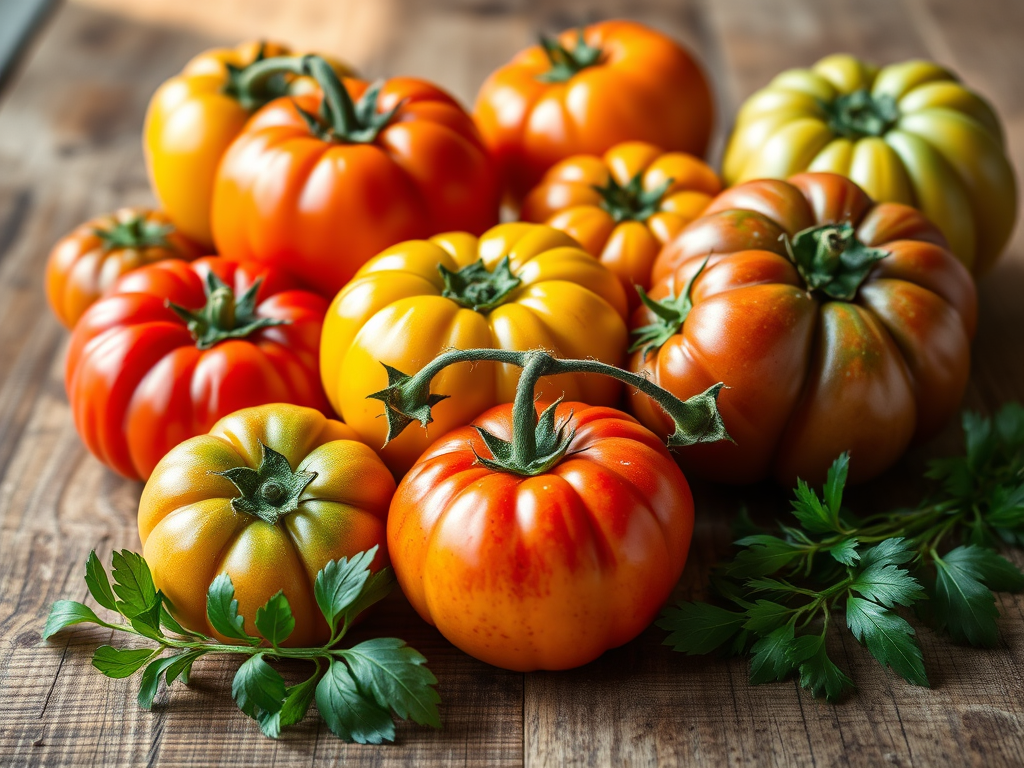
🍅 Heirloom Tomato: Fruit or Vegetable?
Botanically speaking, heirloom tomatoes are fruits. Here’s why:
🧬 Botanical Classification
Fruit: In botanical terms, a fruit is the mature ovary of a flower, typically containing seeds. Heirloom tomatoes fit this definition perfectly—they develop from the flower of the tomato plant and contain seeds.
Vegetable (Culinary Use): In the kitchen, tomatoes—including heirloom varieties—are treated as vegetables due to their savory flavor and use in salads, sauces, and savory dishes.
🌿 What Makes a Tomato “Heirloom”?
According to Gardening Know-How and Farmers’ Almanac:
Heirloom tomatoes are open-pollinated varieties that have been passed down through generations, often for 50 years or more.
They are prized for their rich flavor, diverse colors and shapes, and genetic purity—unlike hybrids, they are not crossbred for commercial traits like uniformity or shelf life.
So, while your heirloom tomato is scientifically a fruit, it’s culinarily a vegetable—a delicious dual identity that makes it a star in both gardens and kitchens.
🍅 Health Benefits of Heirloom Tomatoes
Heirloom tomatoes aren’t just a feast for the eyes and palate—they’re also a powerhouse of nutrients and antioxidants. Here’s a breakdown of their top health benefits:
🧬 1. Rich in Antioxidants
Lycopene: A potent antioxidant linked to reduced risk of several cancers (prostate, breast, lung, and skin) and cardiovascular disease.
Vitamin C: Supports immune function, reduces oxidative stress, and nourishes adrenal glands.
Beta-carotene & other carotenoids: Contribute to eye health and skin protection.
💓 2. Heart Health Support
Potassium: Helps lower blood pressure and supports heart rhythm.
Folate: Associated with a reduced risk of heart attacks.
Low in sodium and fat: Makes them ideal for heart-conscious diets.
🦴 3. Bone Strength
Vitamin K: Essential for bone mineralization and may help prevent osteoporosis when consumed consistently.
🧘♀️ 4. Stress Reduction
A single medium heirloom tomato provides about 40% of your daily Vitamin C, which supports adrenal health and stress resilience.
🥗 5. Weight-Friendly and Flavorful
Low in calories: Only about 27–35 calories per cup, making them a guilt-free snack1.
High flavor density: Their rich taste can reduce the need for added salt or sugar in recipes.
🌱 6. Grown in Nutrient-Rich Soil
Often cultivated organically or on small-scale farms, heirloom tomatoes may absorb more minerals from the soil, enhancing their nutritional profile.
Proven research and expert-backed evidence support the health benefits of heirloom tomatoes. Here’s a summary of findings from reputable sources:
🧪 Scientific and Clinical Insights
1. Mayo Clinic
Heirloom tomatoes are rich in:
Lycopene: A powerful antioxidant linked to reduced risk of certain cancers and heart disease.
Vitamin C: Boosts immunity and reduces oxidative stress.
Potassium: Supports heart health and blood pressure regulation.
Fiber: Aids digestion and supports metabolic health. 🔗 Mayo Clinic Minute: Heirloom tomatoes are the right pick
2. USDA Agricultural Research Service (2024 Study)
Researchers used metabolomics and transcriptomics to study how tomato compounds affect the liver.
Found that steroidal alkaloids and other tomato-derived metabolites influence gene expression in ways that may reduce the risk of prostate and liver cancer.
The study emphasized that whole tomatoes (not just lycopene) offer a broader range of health benefits. 🔗 USDA ARS: How Might Tomatoes Provide Health Benefits?
3. Chatelaine Nutrition Report
Highlights the heirloom tomatoes’ role in:
Reducing stress (via Vitamin C)
Protecting cardiovascular health (via potassium and folate)
Preventing cancer (via lycopene)
Strengthening bones (via Vitamin K)
Supporting weight management (low calorie, high flavor) 🔗 Five Health Benefits of Heirloom Tomatoes – Chatelaine
Heirloom tomatoes are packed with essential vitamins and minerals, making them a nutritious addition to your diet. Here’s a breakdown of the key nutrients they offer, supported by research:
🍅 Vitamins in Heirloom Tomatoes
| Vitamin | Function | % Daily Value (per medium tomato) |
|---|---|---|
| Vitamin C | Boosts immune function, supports skin health, and acts as a powerful antioxidant | ~40% |
| Vitamin A | Supports vision, immune health, and skin integrity (via beta-carotene) | ~20% |
| Vitamin K1 | Important for blood clotting and bone health | Moderate source |
| Folate (B9) | Crucial for DNA synthesis and cell growth, especially in pregnancy | Moderate source |
⚡ Other Nutrients
Potassium: Helps regulate blood pressure and supports heart health
Iron: Present in small amounts, contributes to oxygen transport
Lycopene: A powerful antioxidant linked to reduced risk of certain cancers and cardiovascular disease.
🧠 Research-Backed Sources
The Healthy Toast – Dietitian Guide to Heirloom Tomatoes
Healthfully – Nutrition Value of Heirloom Tomatoes
Healthline – Tomatoes 101: Nutrition Facts and Health Benefits
Heirloom tomatoes are culinary gems, celebrated for their vibrant colors, rich flavors, and versatility in both rustic and refined dishes. Here are some of the best-known culinary uses, drawn from expert sources like Martha Stewart, Taste of Home, and Insanely Good Recipes: Pair with fresh herbs like basil, thyme, or tarragon, and use high-quality olive oil to elevate their essence.
🍽️ Top Culinary Uses of Heirloom Tomatoes
| Dish Type | Popular Preparations |
|---|---|
| 🥗 Salads | – Caprese Salad with burrata or mozzarella, basil, and olive oil <br> – Heirloom Tomato & Zucchini Salad for a garden-fresh crunch |
| 🥧 Tarts & Galettes | – Tomato and Brie Tart with puff pastry and herbs <br> – Heirloom Tomato Galette with pecorino and buttery crust |
| 🍞 Toasts & Bruschetta | – Heirloom Tomato, Basil & Manchego Toast <br> – Tomato bruschetta with garlic and olive oil |
| 🍲 Soups | – Roasted Heirloom Tomato Soup with garlic and herbs <br> – Served with grilled cheese or crusty bread |
| 🍝 Pasta & Lasagna | – Heirloom Tomato Lasagna with fresh basil and spinach <br> – Tossed in pasta with olive oil and parmesan |
| 🍳 Egg Dishes | – Tomato frittatas or shakshuka with heirloom slices for color and acidity |
| 🍅 Fresh & Raw | – Simply sliced with sea salt and olive oil <br> – Layered in sandwiches or wraps |
| 🍸 Creative Twists | – Bloody Mary Tomato Salad <br> – Tamari Heirloom Tomatoes with Crispy Rice for fusion flair |
🌟 Why Chefs Love Them
Flavor diversity: From sweet and fruity to tangy and earthy
Visual appeal: Their rainbow hues and irregular shapes elevate the presentation
Seasonal charm: A summer staple that celebrates freshness and simplicity
Great question, Brinder. While heirloom tomatoes are nutrient-rich and generally safe for most people, not everyone can eat them without issues. Here’s a breakdown of who might want to be cautious, based on expert sources like Verywell Health, MedicineNet, and Parade:
Here’s a little-known yet creative tomato recipe that blends culinary flair with unexpected ingredients.
🍸 Little Tomato Cocktail
A savory-sweet drink that uses fresh cherry tomatoes in a refined, mixology-inspired way. 🔗 Full recipe on Difford’s Guide
🧂 Ingredients:
1 fresh cherry tomato (muddled)
15 ml vodka
15 ml Manzanilla sherry
1.25 ml sugar syrup (2:1)
5 drops coriander bitters
5 drops saline solution (4:1)
🥄 Instructions:
Pre-chill a Nick & Nora glass.
Muddle the cherry tomato in a stirring glass.
Add all other ingredients and stir with ice.
Fine strain into the chilled glass.
Garnish with a skewered cherry tomato.
🌿 Why It’s Special:
Combines the umami of tomato with the dry elegance of sherry.
A savory cocktail that bridges the gap between garden and bar.
Ideal for summer garden parties or as a conversation-starting aperitif.
Chikkudukaya Vepudu
A lesser-known South Indian stir-fry made with broad beans and tomatoes, this dish is rich in fiber, flavor, and tradition. 🔗 Full recipe on Archana’s Kitchen
🌿 Key Ingredients:
Broad beans (Chikkudukaya)
Onion, garlic, ginger
Curry leaves, turmeric, chili, coriander powder
Tomato (adds tang and depth)
🍽️ Serving Suggestion:
Pair with rice, Keerai Sambar, and yogurt—or serve as a warm side to your tomato mocktail for a fusion tapas experience.
✅ Safe for Most People
Heirloom tomatoes are:
Low in calories
Rich in antioxidants like lycopene
Packed with vitamins C, A, K, and potassium
Hydrating due to high water content
They support heart health, reduce inflammation, and may even help protect against certain cancers and cognitive decline.
⚠️ Who Should Be Cautious
| Group | Why Tomatoes Might Be a Problem |
|---|---|
| People with Acid Reflux (GERD) | Tomatoes are acidic and may trigger heartburn or reflux symptoms. |
| Individuals with Nightshade Sensitivity | Tomatoes are part of the nightshade family (along with eggplant and peppers), which can aggravate joint pain or inflammation in sensitive individuals. |
| Those with Tomato Allergies | Rare, but possible—symptoms may include itching, swelling, or digestive upset. |
| People with Kidney Issues | High potassium content may be problematic for those on potassium-restricted diets. |
| Autoimmune or Inflammatory Conditions | Some anecdotal evidence suggests nightshades may worsen symptoms in conditions like arthritis or lupus, though research is limited. |
Expert Insight
“Tomatoes are healthy because they are rich in vitamin C, vitamin A, potassium, and lycopene, but they may be bad for you if you have an inflammatory condition.” MedicineNet
There are specific groups who may need to avoid them entirely due to medical or physiological reasons. Here’s a research-backed summary of those groups:
🚫 Groups That Should Avoid Eating Tomatoes Entirely
| Group | Reason |
|---|---|
| People with Tomato Allergies | Can experience symptoms ranging from skin rashes and itching to severe anaphylaxis. |
| Individuals with Histamine Intolerance | Tomatoes are naturally high in histamine, which can trigger headaches, hives, digestive issues, and anxiety. |
| People with Severe Acid Reflux (GERD) | Tomatoes are highly acidic and can worsen symptoms like heartburn and esophageal irritation. |
| Those with Autoimmune Conditions (e.g., Lupus, RA) | Compounds like solanine and lectins in tomatoes may trigger inflammation or immune responses. |
| People with Diverticulitis | Tomato seeds may irritate the intestinal lining and worsen flare-ups in some individuals. |
| Individuals with Leaky Gut Syndrome | Lectins in tomatoes may aggravate gut permeability and inflammation. |
⚠️ Additional Considerations
Unripe or green tomatoes contain higher levels of tomatine, a glycoalkaloid that can be toxic in large amounts.
Non-organic tomatoes may carry pesticide residues, which could be harmful to sensitive individuals.
🧠 Expert Insight
“While tomatoes are generally considered a superfood, their natural compounds—like solanine, histamine, and lectins—can pose risks for certain individuals with allergies, autoimmune diseases, or gut sensitivities.” — Better Eating Habits
🌟 Final Thoughts: Heirloom Tomatoes—A Feast for the Senses and the Soul
Heirloom tomatoes are more than just a seasonal delight—they’re a vibrant intersection of botanical beauty, culinary versatility, and nutritional power. Whether you enjoy them raw in a Caprese salad, roasted into a rich soup, or layered in a rustic tart, they offer a depth of flavor and history that few fruits (or vegetables!) can match.
But as with all foods, bio-individuality matters. While most people can enjoy heirloom tomatoes freely, those with allergies, autoimmune sensitivities, or digestive conditions should proceed with caution—or avoid them entirely.
By understanding both the benefits and boundaries, we can celebrate heirloom tomatoes not just as ingredients, but as cultural and nutritional treasures worth savoring.
 EJADA
EJADA 
Leave a comment