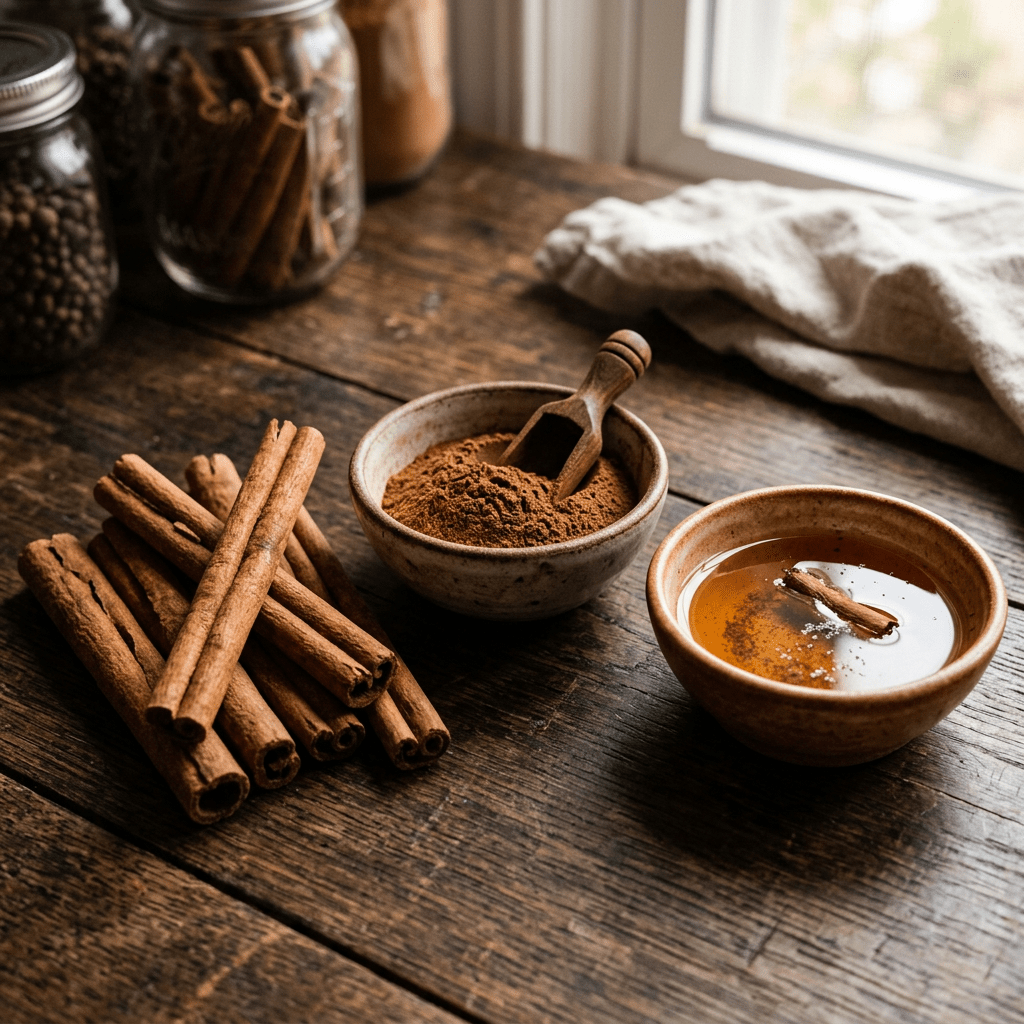
Today I want to refresh the 12 healing herbs of the Bible for a special person and all of you.
🌿 Cassia: The Overlooked Healing Herb from the Bible With Modern Benefits
Today’s herb from our “12 Healing Herbs from the Bible” series is one that often sits quietly in the background, overshadowed by its more famous cousin, cinnamon — yet its story is ancient, sacred, and surprisingly relevant for modern wellness.
Cassia.
Mentioned multiple times in Scripture and used in the holy anointing oil, cassia carries a deep spiritual symbolism of devotion, consecration, and inner cleansing. But beyond its biblical roots, cassia also offers a range of scientifically supported health benefits that make it a powerful addition to a holistic lifestyle.
Let’s explore how this ancient herb can support your well‑being today — including a benefit many people don’t expect: natural hair care.
✨ What Is Cassia?
Cassia (Cinnamomum cassia) is a fragrant bark closely related to cinnamon. In fact, the two are so similar in scent that cassia is often mistaken for cinnamon — but cassia has a stronger, richer, more intense aroma.
In biblical times, cassia was:
- A key ingredient in the holy anointing oil
- A symbol of humility and dedication
- Used for purification rituals
- Valued for its healing and aromatic properties
Today, cassia is still used in essential oils, herbal remedies, and natural beauty care — though it remains one of the most underrated biblical herbs.
🌱 Health Benefits of Cassia (Backed by Modern Research)
Although ancient people used cassia for spiritual and medicinal purposes, modern science has confirmed many of its benefits. Here are the most notable ones:
1. Supports Healthy Blood Sugar Levels
Cassia contains compounds that may help the body respond better to insulin. Studies show cassia can support balanced blood sugar when used consistently as part of a healthy lifestyle.
2. Natural Antimicrobial Properties
Cassia essential oil has strong antibacterial and antifungal effects. This makes it useful for:
- Purifying the air
- Supporting immune health
- Natural cleaning solutions
- Scalp and skin care
3. Anti‑Inflammatory Support
The cinnamaldehyde in cassia helps reduce inflammation in the body, which may support joint comfort and overall wellness.
4. Digestive Support
Traditionally, cassia was used to soothe:
- Bloating
- Gas
- Indigestion
- Nausea
Its warming nature helps stimulate digestion and ease discomfort.
5. Mood‑Boosting Aromatherapy
Cassia’s warm, spicy aroma is grounding and uplifting. It’s often used in aromatherapy to:
- Reduce stress
- Encourage emotional balance
- Promote a sense of spiritual connection
💛 Cassia for Natural Hair Care
This is where cassia becomes especially interesting for modern wellness lovers.
Although not commonly used today, cassia can offer remarkable benefits for natural hair, especially textured or curly hair.
How Cassia Supports Healthy Hair
- Strengthens strands Cassia binds to the hair shaft, creating a natural strengthening effect similar to henna — but without the color.
- Adds shine and smoothness It helps seal the cuticle, leaving hair glossy and soft.
- Supports scalp health Its antimicrobial properties help reduce dandruff, itching, and buildup.
- Enhances curl definition Many natural‑hair users report improved curl clumping and bounce.
Simple Cassia Hair Mask Recipe
You can include this in your blog as a bonus:
Ingredients:
- ½ cup cassia powder
- Warm water or aloe juice
- 1–2 tbsp olive oil or coconut oil
- Optional: a few drops of cassia or cinnamon essential oil
Instructions:
- Mix cassia powder with warm water until it forms a yogurt‑like paste.
- Add oil for moisture.
- Apply to clean, damp hair.
- Leave on for 30–45 minutes.
- Rinse thoroughly and style as usual.
Your hair will feel stronger, smoother, and naturally revitalized.
🕊️ Cassia’s Spiritual Symbolism
In Scripture, cassia represents:
- Humility
- Purification
- Consecration
- Inner transformation
It was part of the sacred oil used to anoint priests — a reminder that healing is not just physical, but spiritual and emotional as well.
When you incorporate cassia into your wellness routine, you’re connecting with a tradition that spans thousands of years.
🌿 Final Thoughts
Cassia may not be the most famous biblical herb, but it is certainly one of the most meaningful. From its role in ancient anointing rituals to its modern‑day benefits for health, beauty, and emotional well‑being, cassia is a powerful reminder that nature has always held the tools we need to heal.
Whether you use it for aromatherapy, natural hair care, or holistic wellness, cassia invites you to slow down, breathe deeply, and reconnect with the sacred wisdom of the earth.
 EJADA
EJADA 
Leave a comment