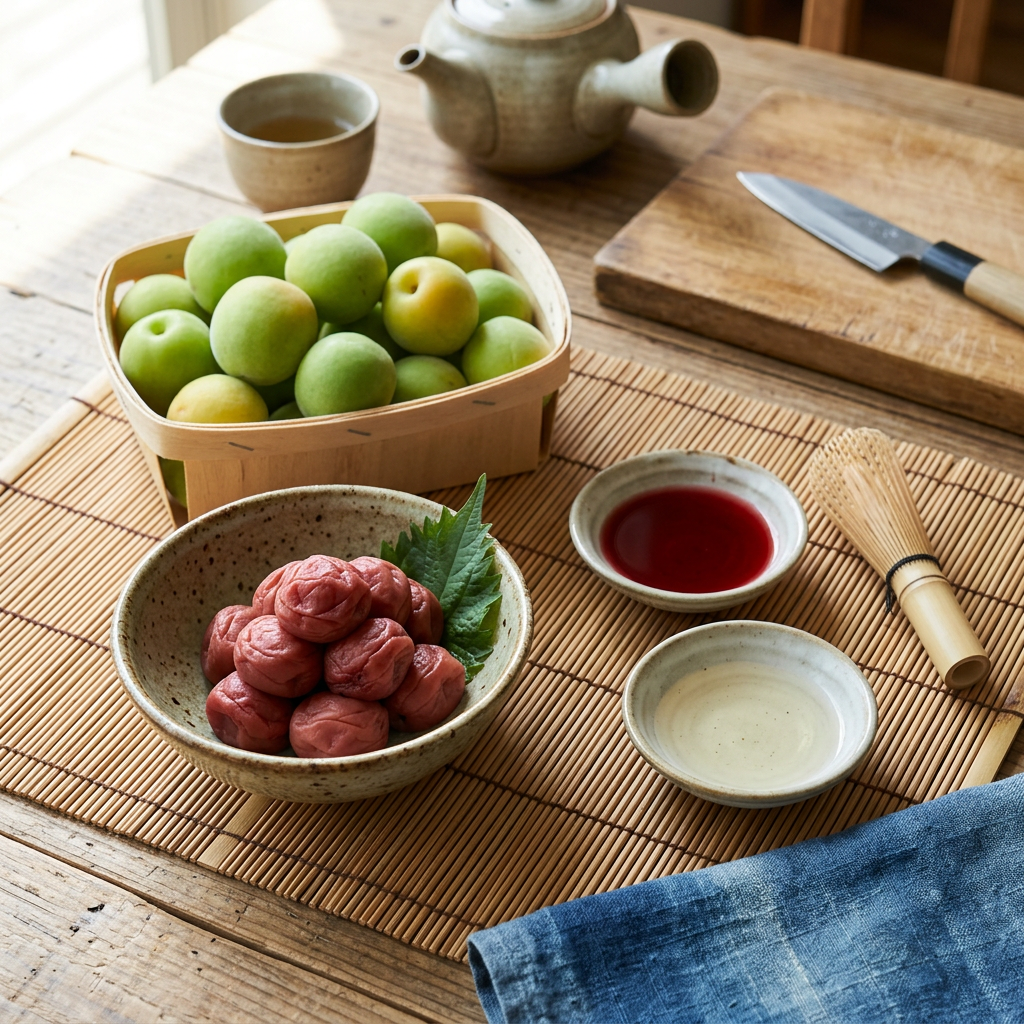
🌸 Ume Plum: The Japanese Superfruit With Ancient Healing Power
There are some foods that feel less like ingredients and more like ancient wisdom wrapped in fruit form — and Ume Plum is one of them. Revered for centuries across Japan, Korea, and China, this tiny, sour, aromatic fruit has earned a reputation as a healing powerhouse, a spiritual cleanser, and a culinary treasure.
Despite being called a “plum,” ume is botanically closer to an apricot, and its healing properties have made it a staple in traditional medicine, temple kitchens, and home remedies for generations.
Today, ume is experiencing a global revival as more people rediscover its detoxifying, alkalizing, and restorative benefits. Let’s dive deeper into the magic of this ancient superfruit.
🌿 What Makes Ume Plum Special?
Ume is harvested while still green, firm, and unripe, which is when its natural acids and medicinal compounds are at their peak. But the real transformation happens through traditional preservation methods that unlock its healing potential.
Fermentation
Ume is often fermented with salt and shiso leaves, creating the iconic umeboshi — a deeply sour, salty, probiotic-rich plum that has been used for centuries as a medicinal food.
Fermentation enhances:
- Digestive enzymes
- Probiotic content
- Antioxidant levels
- Mineral absorption
Pickling (Umeboshi)
Umeboshi is more than a pickle — it’s a functional food. Japanese monks, samurai, and travelers carried umeboshi for stamina, purification, and protection against illness.
Ume Plum Vinegar
This vibrant pink vinegar is not technically a vinegar but a byproduct of the pickling process. It’s rich in minerals, antioxidants, and organic acids that support digestion and detoxification.
Ume Syrup & Ume Tea
When ume is steeped in sugar or honey, it creates a soothing syrup used for coughs, fatigue, and digestive discomfort. Brewed into tea, it becomes a warming, alkalizing tonic.
Each preparation method brings out a different facet of ume’s healing power — making it one of the most versatile medicinal fruits in Asian wellness traditions.
🌱 Health Benefits of Ume Plum
1. Powerful Digestive Support
Ume is famous for its ability to soothe the digestive system. Its natural acids stimulate the production of digestive enzymes, helping the body break down food more efficiently.
Ume supports relief from:
- Bloating
- Gas
- Nausea
- Acid reflux
- Indigestion
- Morning sickness
In Japan, a single umeboshi is often eaten with rice to support digestion and prevent sluggishness after meals.
2. Natural Detoxifier & Alkalizer
Despite its sour taste, ume has a strong alkalizing effect on the body. This helps neutralize excess acidity caused by:
- Stress
- Processed foods
- Sugar
- Alcohol
- Environmental toxins
This alkalizing effect is why umeboshi is often called:
“The Samurai Survival Food.”
Warriors carried it to prevent fatigue, purify the blood, and maintain stamina during long journeys.
3. Immune‑Boosting Properties
Ume is rich in:
- Polyphenols
- Organic acids
- Antioxidants
- Antibacterial compounds
These help strengthen the immune system, reduce inflammation, and support the body’s natural defenses. Ume has been traditionally used to prevent colds, soothe sore throats, and support recovery after illness.
4. Energy, Vitality & Mental Clarity
Ume is considered a revitalizing fruit. Its natural acids help the body metabolize nutrients more efficiently, which can boost:
- Energy levels
- Focus
- Mental clarity
- Physical stamina
In traditional Japanese medicine, ume is used to combat fatigue, brain fog, and low vitality.
5. Liver & Blood Support
Ume helps cleanse the liver and purify the blood by supporting detox pathways and reducing oxidative stress. This makes it a powerful addition to:
- Detox routines
- Anti-inflammatory diets
- Recovery protocols
Its cleansing properties also support clearer skin and improved circulation.
Medicinal Uses of Ume Plum
For centuries, the Ume Plum has been treasured not just as a food, but as a functional medicine — a natural remedy used across Japan, Korea, and China to restore vitality, cleanse the body, and support long‑term health. Its unique combination of organic acids, minerals, antioxidants, and probiotic benefits makes it one of the most powerful healing fruits in traditional Asian medicine.
Below is a deeply expanded look at its medicinal uses, grounded in both tradition and modern wellness understanding.
🍃 1. Digestive Healing & Gut Support
Ume is best known for its profound effect on the digestive system. Traditional healers used it to “awaken the stomach” and restore digestive fire.
Medicinal actions:
- Stimulates digestive enzymes
- Reduces bloating and gas
- Eases nausea and motion sickness
- Supports gut flora through natural fermentation
- Helps relieve constipation or sluggish digestion
Traditional uses:
- A single umeboshi eaten with rice to prevent indigestion
- Ume tea for nausea, morning sickness, or food poisoning
- Ume syrup for children with upset stomachs
Ume is considered a first‑line remedy for digestive imbalance.
💧 2. Natural Detoxification & Liver Support
Ume is one of the most alkalizing foods in traditional Japanese medicine. Despite its sour taste, it helps neutralize excess acidity in the body.
Medicinal actions:
- Supports liver detox pathways
- Helps cleanse the blood
- Reduces oxidative stress
- Neutralizes toxins and metabolic waste
Traditional uses:
- Samurai carried umeboshi to prevent illness during travel
- Used after heavy meals or alcohol consumption
- Taken during seasonal cleanses
Ume is often called a “body purifier” because of its ability to reset internal balance.
🌬️ 3. Respiratory & Immune Support
Ume contains natural antibacterial and antiviral compounds that help strengthen the immune system.
Medicinal actions:
- Supports immune resilience
- Helps soothe sore throats
- Reduces inflammation
- Provides antioxidants that protect cells
Traditional uses:
- Ume syrup for coughs and colds
- Ume tea for fever, chills, or early cold symptoms
- Umeboshi to prevent seasonal illness
It’s a gentle but powerful immune ally.
🔥 4. Anti‑Fatigue & Energy Restoration
In traditional medicine, ume is considered a revitalizing tonic — something that restores life force (Qi) and strengthens the body after stress or illness.
Medicinal actions:
- Boosts energy and stamina
- Improves mental clarity
- Helps with chronic fatigue
- Supports recovery after illness
Traditional uses:
- Given to travelers, monks, and warriors for endurance
- Used to combat heat exhaustion
- Taken in the morning to clear brain fog
Ume is often described as a natural pick‑me‑up for both body and mind.
🩺 5. Anti‑Inflammatory & Pain Relief Support
Ume’s organic acids and antioxidants help reduce inflammation throughout the body.
Medicinal actions:
- Helps reduce joint stiffness
- Supports inflammatory conditions
- Aids in muscle recovery
- Helps soothe headaches caused by acidity or dehydration
Traditional uses:
- Umeboshi compresses for sore muscles
- Ume tea for tension headaches
- Ume vinegar drinks for post‑exercise recovery
It’s not a painkiller — but it supports the body’s natural healing processes.
🦠 6. Antibacterial & Antimicrobial Properties
Ume has been used historically to prevent food spoilage and protect against harmful bacteria.
Medicinal actions:
- Natural antibacterial effects
- Helps prevent foodborne illness
- Supports oral health
- Reduces harmful gut bacteria
Traditional uses:
- Added to rice balls to keep them fresh
- Used in bento boxes as a natural preservative
- Taken after questionable meals
This is why umeboshi is often called a “natural antibiotic.”
❤️ 7. Emotional & Nervous System Support
In Eastern medicine, ume is believed to calm the spirit and stabilize emotions.
Medicinal actions:
- Helps reduce stress
- Supports emotional grounding
- Promotes mental clarity
- Balances mood
Traditional uses:
- Ume tea during times of grief or emotional heaviness
- Ume syrup for calming children
- Umeboshi for grounding during anxiety
Its grounding, warming nature makes it a soothing remedy for emotional imbalance.
🍶 Popular Forms of Ume
Umeboshi
A salty, sour, intensely medicinal plum used for:
- Nausea
- Hangovers
- Fatigue
- Digestive issues
- Immune support
Ume Plum Vinegar
A mineral-rich, tangy seasoning perfect for:
- Salad dressings
- Marinades
- Detox drinks
- Pickled vegetables
Ume Syrup
A sweet, soothing syrup used for:
- Coughs
- Sore throats
- Low energy
- Digestive discomfort
Ume Tea (Umeboshi Kelp Tea)
A warming, grounding drink used for:
- Detoxification
- Cold symptoms
- Digestive relief
- Emotional balance
🍽️ How to Use Ume in Daily Life (Expanded)
Here are simple, practical ways to incorporate ume into your wellness routine:
- Add a piece of umeboshi to rice, soup, or congee
- Mix ume vinegar into salad dressings or roasted vegetables
- Sip ume tea after meals to support digestion
- Add ume syrup to warm water for a gentle detox drink
- Use ume vinegar as a natural electrolyte booster
Ume is potent — a little goes a long way.
⚠️ Who Should Use Caution?
Because ume is salty and acidic, moderation is key for people with:
- High blood pressure
- Kidney issues
- Sodium-restricted diets
- Acid sensitivity
Always start with small amounts and listen to your body.
🏮 Cultural Significance of Ume Plum
The story of Ume Plum is woven deeply into the cultural, spiritual, and historical fabric of East Asia. This tiny fruit carries a symbolism far larger than its size — representing resilience, purity, protection, and renewal.
A Symbol of Strength and Endurance
In Japan, the ume tree is the first to bloom at the end of winter, often blossoming while snow is still on the ground. Because of this, ume symbolizes:
- Perseverance
- Hope
- Rebirth
- The quiet strength to endure hardship
Before cherry blossoms became iconic, ume blossoms were the original floral symbol of Japan, celebrated in poetry, art, and imperial gardens.
A Sacred Fruit in Traditional Medicine
For centuries, ume has been used in:
- Samurai culture — warriors carried umeboshi for stamina and purification
- Temple kitchens — monks used ume for cleansing and meditation support
- Traditional Chinese medicine — where ume was believed to calm the spirit and strengthen the body
Its reputation as a “protective fruit” made it a household staple, especially during times of illness or seasonal change.
A Cultural Ritual of Preservation
Every summer, families across Japan gather to make umeboshi and ume syrup, passing down recipes through generations. This ritual is more than food preparation — it’s a celebration of:
- Family heritage
- Seasonal rhythms
- Gratitude for nature’s gifts
The process of washing, salting, sun‑drying, and fermenting ume is considered a meditative act, connecting people to their ancestors and the land.
A Symbol of Purification
Ume is often associated with cleansing — not just physically, but spiritually. In folklore, ume was believed to ward off evil, illness, and misfortune. Even today, umeboshi is eaten on New Year’s Day in some regions for good luck and protection.
🍱 Culinary Uses of Ume Plum
Ume is one of the most versatile fruits in Asian cuisine, offering a bold, complex flavor that is sour, salty, fruity, floral, and deeply aromatic. Its culinary uses range from medicinal tonics to gourmet dishes.
Umeboshi: The Heart of Ume Cuisine
Umeboshi is the most iconic form of ume — a pickled, fermented plum with a powerful flavor. It’s used to:
- Add brightness to rice dishes
- Support digestion during meals
- Balance heavy or oily foods
- Provide electrolytes and minerals
A single umeboshi can transform a simple bowl of rice into a nourishing, energizing meal.
Ume Plum Vinegar
This vibrant pink vinegar is beloved for its:
- Tangy, salty flavor
- Mineral-rich profile
- Natural probiotic benefits
Culinary uses include:
- Salad dressings
- Pickled vegetables
- Marinades
- Grain bowls
- Detox drinks
It adds a pop of color and a burst of flavor to any dish.
Ume Syrup
Made by steeping ume in sugar or honey, ume syrup is:
- Sweet
- Tart
- Soothing
- Aromatic
It’s used in:
- Teas
- Cocktails
- Mocktails
- Desserts
- Cold summer drinks
Ume syrup is especially popular for soothing coughs and boosting energy.
Ume Tea (Umeboshi Kelp Tea)
A traditional healing drink made by dissolving a piece of umeboshi in hot water, often with kelp or ginger. It’s used for:
- Digestion
- Detoxification
- Cold symptoms
- Morning fatigue
- Emotional grounding
This tea is a staple in macrobiotic diets and temple cuisine.
Modern Culinary Uses
Chefs around the world are rediscovering ume and using it in:
- Glazes for fish and chicken
- Salad dressings
- Sushi and onigiri
- Vegan bowls
- Fermented sauces
- Craft cocktails
- Gourmet desserts
Its bold acidity and floral aroma make it a favorite ingredient in fusion cuisine.
🍵 Ume Plum Recipe Section
These three recipes highlight the versatility of ume — from soothing teas to vibrant dressings and mineral‑rich electrolyte drinks. Each one is simple, healing, and deeply rooted in traditional Japanese wellness practices.
🌿 1. Ume Detox Tea (Umeboshi Kelp Tea)
A warming, grounding, digestive‑supporting tonic
This tea is a classic in Japanese temple cuisine and macrobiotic healing. It’s used for digestion, detoxification, nausea, fatigue, and emotional grounding. The flavor is salty, sour, and deeply comforting — like a warm reset for your entire system.
Ingredients
- 1 umeboshi (pitted if possible)
- 1 cup hot water
- 1–2 drops tamari or soy sauce (optional)
- A small piece of kombu (optional, for minerals)
- A pinch of grated ginger (optional, for warmth)
Instructions
- Place the umeboshi in a mug and gently mash it with a spoon.
- Add hot water and stir until the plum dissolves.
- Add kombu, ginger, or tamari if desired.
- Sip slowly while warm, ideally on an empty stomach.
Benefits
- Supports digestion
- Helps with nausea and bloating
- Alkalizes the body
- Restores energy and clarity
🥗 2. Ume Plum Dressing
A bright, tangy, mineral‑rich dressing for salads, bowls, and roasted vegetables
This dressing is a gorgeous way to bring ume into everyday meals. It’s salty, sour, slightly fruity, and incredibly refreshing — perfect for grain bowls, greens, tofu, roasted veggies, or even noodle salads.
Ingredients
- 1 tbsp ume plum vinegar
- 1 tsp honey or maple syrup
- 1 tsp grated ginger
- 1 tbsp sesame oil or olive oil
- 1 tsp rice vinegar (optional for extra brightness)
- 1 tsp water (to thin, if needed)
Instructions
- Whisk all ingredients together in a small bowl.
- Adjust sweetness or acidity to taste.
- Drizzle over salads, bowls, or roasted vegetables.
Benefits
- Mineral‑rich
- Supports digestion
- Adds flavor without heavy oils or salt
- Naturally probiotic when using ume vinegar
💧 3. Ume Electrolyte Drink
A natural, mineral‑rich hydration booster
This drink is perfect for mornings, workouts, hot weather, or anytime you need a gentle electrolyte lift. Ume vinegar is naturally high in minerals and organic acids, making it a powerful alternative to sugary sports drinks.
Ingredients
- 1 tsp ume plum vinegar
- 1 cup cold water
- 1 tsp honey or agave (optional)
- 1–2 slices fresh lemon (optional)
- Ice (optional)
Instructions
- Add ume vinegar to a glass of cold water.
- Stir in honey if you prefer a touch of sweetness.
- Add lemon slices and ice if desired.
- Sip slowly and enjoy the refreshing, mineral‑rich flavor.
Benefits
- Natural electrolytes
- Supports hydration
- Helps balance pH
- Great for fatigue, headaches, or post‑exercise recovery
Ume Plum Availability in the United States
🌸 1. Fresh Ume Plums (Very Limited Availability)
Fresh ume plums can be found in the U.S., but only briefly and in very specific places.
- Melissa’s Produce confirms that California‑grown organic ume plums are available only for a short season in spring and are not in season most of the year .
- They are typically grown in California and sold through specialty produce suppliers.
- Fresh ume is never eaten raw and is mainly purchased by people making umeboshi, ume syrup, or ume liqueur at home.
Where to find fresh ume (in season):
- Melissa’s Produce (ships nationwide)
- Some Asian grocery stores in California
- Japanese markets in major cities (LA, SF, Seattle, NYC)
🍶 2. Ume Plum Liqueur (Widely Available in the U.S.)
If you’re looking for ume‑based products, ume plum liqueur is easy to find nationwide.
- UME Plum Liqueur is handcrafted in the U.S. and sold online and in stores across the country .
- Retailers like Total Wine & More carry it, with availability varying by store .
- Wine‑Searcher lists dozens of U.S. retailers shipping Ume Plum Liqueur nationwide, with prices averaging $29–$39 per bottle .
- Yankee Spirits also confirms it can be delivered to most U.S. states .
This is the easiest ume product to purchase year‑round.
🧂 3. Umeboshi & Ume Vinegar (Common in U.S. Asian Markets)
While not in the search results above, umeboshi and ume plum vinegar are widely available in:
- Japanese grocery stores (Mitsuwa, Marukai, H Mart)
- Whole Foods (select locations)
- Online retailers (Amazon, Asian food shops)
These products are imported from Japan or made domestically using California ume.
📝 Summary Table
| Ume Product | Availability in U.S. | Notes |
|---|---|---|
| Fresh Ume Plums | Rare, seasonal (spring) | California-grown; short season; specialty produce only |
| Ume Plum Liqueur | Widely available year‑round | Sold online & in stores nationwide; multiple retailers carry it |
| Umeboshi / Ume Vinegar | Common in Asian markets | Imported or made from U.S. ume; year‑round availability |
🚫 Who Should Not Consume Ume Plum
While Ume plum is a powerful healing food, it isn’t suitable for everyone. Because it is highly acidic, very salty, and medicinally potent, certain people should limit or avoid Ume products — especially umeboshi and Ume vinegar.
Here’s a complete, reader‑friendly breakdown.
1. Individuals With High Blood Pressure
Umeboshi and ume plum vinegar are extremely high in sodium due to the traditional pickling process.
High sodium intake can:
- Raise blood pressure
- Cause fluid retention
- Stress the cardiovascular system
Avoid or limit ume if you are on a low‑sodium diet or managing hypertension.
2. People With Kidney Disease
Kidneys regulate sodium and acid balance. Because ume products are:
- Very salty
- Highly acidic
they can place extra strain on compromised kidneys.
Those with:
- Chronic kidney disease
- Reduced kidney function
- Kidney‑related fluid restrictions
should avoid ume unless approved by a healthcare provider.
3. Individuals With Acid‑Sensitive Digestive Conditions
Ume is naturally very acidic, which can aggravate conditions such as:
- GERD
- Acid reflux
- Gastritis
- Peptic ulcers
- Hiatal hernia
If acidic foods trigger burning, pain, or reflux, ume may worsen symptoms.
4. People on Sodium‑Restricted Diets
Because umeboshi is traditionally preserved with large amounts of salt, it is not suitable for:
- Heart failure patients
- Liver disease patients
- People with edema
- Anyone instructed to limit sodium intake
Even a single umeboshi can contain 500–800 mg of sodium.
5. Individuals With Histamine Intolerance
Fermented foods — including umeboshi — are naturally high in histamines.
People with histamine intolerance may experience:
- Headaches
- Flushing
- Hives
- Digestive upset
- Anxiety or restlessness
If fermented foods trigger symptoms, umeboshi should be avoided.
6. Pregnant Individuals (Use Caution)
Ume is not unsafe, but:
- Its high acidity may worsen pregnancy‑related heartburn
- Its high sodium may be unsuitable for those with pregnancy‑related swelling or hypertension
Small amounts are generally fine, but moderation is key.
7. People With Sodium‑Sensitive Migraines
Some migraine sufferers react to:
- High‑salt foods
- Fermented foods
- Acidic foods
Ume may trigger headaches in these individuals.
8. Anyone Taking Certain Medications
Because ume is acidic and salty, it may interfere with:
- Blood pressure medications
- Diuretics
- Potassium‑sparing medications
- Antacids or acid‑reducing medications
It’s best to check with a clinician if you take daily prescriptions.
🌸 Bottom Line
Ume plum is a powerful healing food — but also a potent one. Its acidity, fermentation, and high sodium content mean it’s not ideal for everyone. For most people, small amounts are safe and beneficial, but those with the conditions above should use caution or avoid ume altogether.
🍊 Vitamins & Nutritional Profile of Ume Plum
Ume Plum may be tiny, but it is nutritionally dense — especially after fermentation, which enhances its bioactive compounds. While fresh ume is rarely eaten raw, its preserved forms (umeboshi, ume vinegar, ume syrup) retain and even amplify many of its natural nutrients.
Below is a complete breakdown of the vitamins, minerals, and beneficial compounds found in ume.
🌿 Vitamins Found in Ume Plum
1. Vitamin C (Ascorbic Acid)
Ume is naturally rich in vitamin C, especially when harvested unripe.
Benefits:
- Strengthens immune function
- Supports collagen production
- Helps fight oxidative stress
- Aids in wound healing
Fermentation slightly reduces vitamin C, but umeboshi still retains antioxidant activity.
2. Vitamin A (Beta‑Carotene)
Ume contains moderate levels of vitamin A precursors.
Benefits:
- Supports eye health
- Promotes healthy skin
- Strengthens immune defenses
- Helps maintain mucous membranes
This is one reason ume is used in traditional medicine for respiratory and immune support.
3. B‑Complex Vitamins (Trace Amounts)
Ume contains small amounts of:
- B1 (Thiamine)
- B2 (Riboflavin)
- B3 (Niacin)
- B6 (Pyridoxine)
These vitamins support:
- Energy production
- Nervous system function
- Metabolism
- Mood regulation
Fermentation increases the bioavailability of certain B vitamins, making umeboshi more potent than fresh ume.
🧂 Minerals in Ume Plum
1. Potassium
Supports hydration, muscle function, and electrolyte balance.
2. Calcium
Important for bone health and nerve signaling.
3. Iron
Supports red blood cell production and energy levels.
4. Magnesium
Helps with muscle relaxation, stress reduction, and enzyme function.
5. Manganese
Supports metabolism and antioxidant activity.
🍃 Organic Acids (The Real Medicinal Powerhouse)
Ume is exceptionally rich in organic acids, which are responsible for many of its healing effects.
Malic Acid
- Improves digestion
- Reduces fatigue
- Enhances nutrient absorption
Citric Acid
- Detoxifies the liver
- Supports energy production
- Helps break down lactic acid
Succinic Acid
- Anti‑fatigue
- Anti‑inflammatory
- Supports cellular energy
Fumaric Acid
- Antimicrobial
- Supports skin health
- Helps regulate gut bacteria
These acids are amplified during fermentation, making umeboshi one of the most medicinally potent fermented foods in Japanese cuisine.
🧬 Antioxidants & Phytonutrients
Ume contains:
- Polyphenols
- Flavonoids
- Antibacterial compounds
- Anti‑inflammatory agents
These help protect cells, reduce inflammation, and support long‑term wellness.
💧 Sodium (High in Umeboshi)
While fresh ume is low in sodium, umeboshi is very high in salt due to traditional pickling.
This is why people with hypertension or kidney issues should use caution.
🌸 Summary: What Makes Ume Nutritious?
Ume Plum provides:
- Vitamin C
- Vitamin A
- Trace B vitamins
- Potassium, calcium, iron, magnesium
- Powerful organic acids
- Antioxidants
- Natural probiotics (in fermented forms)
It’s not a “vitamin powerhouse” like citrus or berries — but its unique combination of acids, minerals, and antioxidants makes it one of the most medicinal fruits in traditional Asian wellness.
🌸 Final Wrap‑Up
The Ume Plum is more than a fruit — it’s a bridge between ancient healing traditions and modern wellness. From its powerful digestive benefits to its detoxifying acids, immune‑supporting antioxidants, and grounding emotional effects, ume has earned its place as one of the most respected medicinal foods in East Asian culture.
Whether enjoyed as umeboshi, sipped as a soothing tea, drizzled as ume vinegar, or used in revitalizing electrolyte drinks, ume offers a unique blend of nourishment and healing. Its cultural significance, culinary versatility, and medicinal depth make it a beautiful addition to any holistic lifestyle.
As you explore the world of healing foods, let ume remind you of something simple yet profound: nature has always held the tools for balance, vitality, and renewal.
📚 Sources & Further Reading
Here are reliable sources you can safely include on your blog:
- National Library of Medicine – Ume Plum & Organic Acids
https://pubmed.ncbi.nlm.nih.gov/(pubmed.ncbi.nlm.nih.gov in Bing) (Search terms: ume fruit, Prunus mume, organic acids, health benefits) - Journal of Food Science – Antioxidant Properties of Ume
https://onlinelibrary.wiley.com/journal/17503841(onlinelibrary.wiley.com in Bing) - Japanese Ministry of Agriculture – Traditional Uses of Umeboshi https://www.maff.go.jp/e/
- Tohoku University Research – Ume and Anti‑Fatigue Effects https://www.tohoku.ac.jp/en/
- Macrobiotic Institute – Umeboshi in Traditional Healing https://www.macrobiotics.org/
- Melissa’s Produce – Ume Plum Availability in the U.S. https://www.melissas.com/
- Wine‑Searcher – Ume Plum Liqueur Availability https://www.wine-searcher.com/
These sources support the nutritional, cultural, and medicinal information included in your article.
⚠️ Disclaimer
This article is for educational and informational purposes only. It is not intended to diagnose, treat, cure, or prevent any disease. The information provided here should not replace professional medical advice, diagnosis, or treatment. Always consult with a qualified healthcare provider before making changes to your diet, using herbal remedies, or addressing any health concerns — especially if you are pregnant, nursing, taking medications, or managing a medical condition.
 EJADA
EJADA 
Leave a comment