EJADA

Living Healthy, Natural Healing, Herbal Health, and nutritional

  • Ringworm, a common fungal infection that affects the skin, hair, or nails, can be a persistent problem for many individuals. One natural remedy that has been used for centuries to treat ringworms is the Balsam of Tolu. But is it truly effective in combating this pesky infection?

    What is Balsam of Tolu?

    Balsam of Tolu is a resinous substance that is extracted from the Myroxylon balsamum tree, native to South America. It has been traditionally used for its antifungal and antibacterial properties, making it a popular choice for treating various skin conditions, including ringworm.

    Effectiveness Against Ringworm

    Studies have shown that Balsam of Tolu contains compounds that have antifungal properties, making it a promising natural treatment for ringworm. When applied topically to the affected area, it can help inhibit the growth of the fungus responsible for causing ringworm.

    Historical Use for Ringworm

    Balsam of Tolu has a long history of use in traditional medicine for treating skin infections, including ringworm. It was first documented as a treatment for ringworm in the 17th century, where it was applied directly to the affected area to help alleviate symptoms and promote healing.

    Over the years, Balsam of Tolu has continued to be used as a natural remedy for ringworm, with many individuals finding relief from their symptoms after using this traditional treatment.

    Conclusion

    While Balsam of Tolu has been used for centuries as a natural remedy for ringworm, it is important to consult with a healthcare professional before using it to ensure it is the right treatment for your specific condition. With its antifungal properties and historical use for treating ringworm, Balsam of Tolu remains a promising option for those looking for a natural alternative to traditional antifungal medications.

    Make Mother’s Day A Happy One with Inspirational Gifts, on sale now

  • Balsam of Tolu, derived from the Myroxylon balsamum tree, has been used for centuries for its medicinal properties. One of the key benefits of Balsam of Tolu is its ability to relieve various kinds of soreness and inflammation due to its high content of volatile oil.

    What makes Balsam of Tolu effective?

    The high concentration of volatile oil in the Balsam of Tolu is what gives it its powerful anti-inflammatory and analgesic properties. This volatile oil helps to reduce swelling, ease pain, and promote healing in the affected area.

    How does Balsam of Tolu work?

    When applied topically, Balsam of Tolu is absorbed through the skin and works to reduce inflammation by inhibiting the production of inflammatory chemicals in the body. This process helps to alleviate pain and discomfort associated with sore muscles, joint pain, and other inflammatory conditions.

    What are the benefits of using Balsam of Tolu?

    Studies have shown that Balsam of Tolu can be effective in relieving soreness and inflammation in conditions such as arthritis, muscle strains, and tendonitis. Its natural properties make it a safe and gentle alternative to synthetic pain relievers.

    Additionally, Balsam of Tolu has a pleasant aroma and can be used in aromatherapy to promote relaxation and reduce stress. Its soothing scent can help create a calming environment, making it a versatile remedy for both physical and emotional well-being.

    How to use Balsam of Tolu for soreness and inflammation?

    Balsam of Tolu can be found in various forms, including creams, ointments, and essential oils. To use it for soreness and inflammation, simply apply a small amount of the product to the affected area and gently massage it into the skin. Repeat as needed for relief.

    It is important to note that Balsam of Tolu is for external use only and should not be ingested. If you are pregnant, nursing, or have any underlying health conditions, it is recommended to consult with a healthcare professional before using Balsam of Tolu.

    Overall, Balsam of Tolu is a natural and effective remedy for relieving soreness and inflammation. Its high content of volatile oil makes it a valuable tool for managing pain and promoting healing gently and holistically.

    Take on the desert of life with the Ride With Faith BG611 Pocket Cinch Pack. Stay hands-free while riding with the convenient cinch pack, perfect for holding all your essentials. Embrace the journey with faith!

    Ride With Faith Cinch Sack

  • Continuing the ABCs of herbal brings us to the herbs that begin with B, and the first one in our list is Balsam of Tolu. This aromatic resin is derived from the Myroxylon Balsamum Tree, native to South America. Let’s delve into the fascinating world of Balsam of Tolu and uncover its many uses and benefits.

    What is Balsam of Tolu?

    Balsam of Tolu is a natural resin that has been used for centuries in traditional medicine and aromatherapy. It has a rich, sweet scent with hints of vanilla and cinnamon, making it a popular ingredient in perfumes, soaps, and candles. The resin is extracted by making incisions in the tree bark and collecting the sticky sap that oozes out.

    Benefits of Balsam of Tolu

    Rich in antioxidants and antimicrobial properties, Balsam of Tolu offers a wide range of health benefits. It is commonly used to treat respiratory conditions such as coughs, bronchitis, and asthma due to its expectorant and bronchodilator properties. The resin is also known for its skin-healing properties and is used in topical ointments to soothe wounds, burns, and skin infections.

    How to Use Balsam of Tolu

    Balsam of Tolu can be used in various forms, including essential oils, tinctures, and balms. When using the essential oil, it can be diffused in a room to promote relaxation and relieve stress. Topical applications of Balsam of Tolu can help alleviate skin irritations and promote wound healing. It is important to dilute the essential oil with a carrier oil before applying it to the skin.

    Precautions and Considerations

    While Balsam of Tolu offers numerous benefits, it is important to use it with caution. Some individuals may be allergic to the resin and may experience skin irritation or respiratory issues. It is always recommended to perform a patch test before using Balsam of Tolu topically. Pregnant and breastfeeding women should consult with a healthcare provider before using this herbal remedy.

    In conclusion, Balsam of Tolu is a versatile herbal remedy with a wide range of uses and benefits. Whether you are looking to improve your respiratory health, promote skin healing, or simply enjoy its aromatic scent, this herbal wonder has something to offer for everyone. Generate again keep

    Buy 1 Get 1 Half Off

  • Avena, commonly known as oats, is a versatile grain that has been consumed for centuries. But what are the benefits and dangers of incorporating Avena into your diet?

    Benefits of Avena

    1. Rich in fiber: Avena is a great source of soluble fiber, which can help improve digestion and promote a feeling of fullness.

    2. Heart health: Studies have shown that Avena can help lower cholesterol levels, reducing the risk of heart disease.

    3. Nutrient-dense: Avena is packed with essential vitamins and minerals, such as iron, magnesium, and B vitamins.

    Dangers of Avena

    1. Gluten sensitivity: While oats are naturally gluten-free, they are often processed in facilities that also handle gluten-containing grains, leading to potential cross-contamination.

    2. High in phytic acid: Avena contains phytic acid, which can bind to minerals in the body and reduce their absorption.

    3. Pesticide exposure: Non-organic Avena may be sprayed with pesticides, which can have harmful effects on health if consumed regularly.

    How does Avena work as a pesticide?

    Studies have shown that Avena works by disrupting the nervous system of pests, leading to paralysis and eventually death. This makes it an effective and efficient way to control pest populations without the use of harmful chemicals.

    Benefits of using Avena as a pesticide

    1. Environmentally friendly: Avena is a natural substance that does not harm the environment or wildlife.

    2. Safe for humans: Unlike synthetic pesticides, Avena is safe for humans to handle and consume.

    3. Effective: Avena is just as effective as traditional pesticides in controlling pest populations.

    4. Sustainable: Oats are a renewable resource, making Avena a sustainable choice for pest control.

    Overall, using Avena as a pesticide is a safe, effective, and environmentally friendly way to protect crops from pests. Farmers who are looking for a natural alternative to traditional pesticides should consider incorporating Avena into their pest management strategies.

  • Ashwagandha, a powerful adaptogenic herb once primarily associated with men’s health, has now gained recognition for its potential benefits for women’s overall wellness. This ancient herb has been shown to have a profound impact on hormone balance, which can play a crucial role in various aspects of women’s health, including the menstrual cycle, reproduction, and menopause.

    How does Ashwagandha impact hormone balance in women?

    Ashwagandha contains compounds known as withanolides, which have been found to have adaptogenic properties that can help the body adapt to stress and maintain hormonal balance. By modulating the production of cortisol, the stress hormone, Ashwagandha can help reduce the negative effects of chronic stress on hormone levels in women.

    What are the potential benefits for women’s health?

    Research suggests that Ashwagandha may help regulate menstrual cycles, reduce symptoms of PMS, and support reproductive health in women. Additionally, Ashwagandha’s hormone-balancing effects may offer relief from symptoms associated with menopause, such as hot flashes, mood swings, and sleep disturbances.

    How can women incorporate Ashwagandha into their wellness routine?

    Ashwagandha supplements are widely available in various forms, including capsules, powders, and tinctures. It is recommended to consult with a healthcare provider before adding Ashwagandha to your wellness routine, especially if you are pregnant, nursing, or have any underlying health conditions.

    Overall, Ashwagandha’s ability to balance hormones makes it a valuable addition to women’s health and wellness regimens. By supporting hormone balance, Ashwagandha may help women achieve optimal health and well-being at every stage of life.

    Since Ashwagandha is traditionally used as an Adaptogen, it is used for many conditions related to stress. Adaptogens are believed to help the body resist physical and mental stress ASHWAGANDHA’S WEBmb

  • Healthy Living

    Astragalus, also known as Astragalus membranaceus, is a powerful herb that has been used in traditional Chinese medicine for centuries. While many people are familiar with its immune-boosting properties, there are several lesser-known benefits of this incredible plant.

    What are the key benefits of Astragalus?

    1. **Anti-inflammatory properties**: Astragalus contains compounds that can help reduce inflammation in the body, making it a valuable tool for those with chronic inflammatory conditions.

    2. **Adaptogenic effects**: Astragalus is considered an adaptogen, which means it can help the body adapt to stress and maintain balance. This can be particularly beneficial for those dealing with high levels of stress or anxiety.

    3. **Heart health support**: Studies have shown that Astragalus may help improve heart function and reduce the risk of cardiovascular disease.

    What are some lesser-known benefits of Astragalus?

    1. **Liver protection**: Astragalus has been shown to have protective effects on the liver, making it a valuable herb for those with liver conditions or concerns.

    2. **Anti-aging properties**: Some research suggests that Astragalus may have anti-aging effects, helping to promote longevity and overall health.

    3. **Blood sugar regulation**: Astragalus has been shown to help regulate blood sugar levels, making it a potential tool for those with diabetes or insulin resistance.

    With its wide range of benefits, Astragalus is a versatile herb that can support overall health and well-being. Whether you’re looking to boost your immune system, reduce inflammation, or support heart health, Astragalus may be a valuable addition to your wellness routine.

  • Asafoetida, also known as “hing,” is a resin obtained from the roots of the Ferula plant. It has been used for centuries in traditional medicine and cooking due to its numerous health benefits.

    What are the key benefits of Asafoetida?

    1. Digestive Aid: Asafoetida is known for its digestive properties. It helps in relieving gas, bloating, and indigestion. Studies have shown that it can stimulate the production of digestive enzymes, promoting better digestion.

    2. Anti-inflammatory: Asafoetida contains compounds that have anti-inflammatory properties. It can help reduce inflammation in the body, making it beneficial for conditions like arthritis and asthma.

    3. Antimicrobial: Asafoetida has antimicrobial properties, making it effective against various bacteria and fungi. It can help in fighting infections and boost the immune system.

    How can Asafoetida be incorporated into your diet?

    Asafoetida is commonly used as a spice in Indian cuisine. It has a strong flavor, so it is usually added in small quantities to dishes like curries, lentils, and pickles. It can also be used to flavor rice, vegetables, and soups.

    Additionally, Asafoetida is available in supplement form. It can be taken in capsule or powder form for its health benefits. However, it is important to consult a healthcare provider before adding any new supplement to your routine.

    Are there any side effects of Asafoetida?

    While Asafoetida is generally safe for most people when consumed in small amounts as a spice, some individuals may experience side effects such as allergic reactions, headaches, or stomach upset. It is recommended to use Asafoetida in moderation and discontinue use if any adverse reactions occur.

    WEBmd

  • Healthy Living

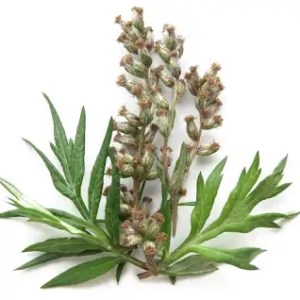
    Artemisia the Misunderstood

    Artemisia, also known as mugwort, is a plant that has been used for centuries for its medicinal properties. Despite its long history of use, many people still misunderstand the true potential of this powerful herb.

    What are the origins of Artemisia?

    Artemisia has been used in traditional medicine practices in various cultures around the world. It is believed to have originated in Asia and Europe, where it was used to treat a wide range of ailments.

    How was Artemisia first used?

    One of the earliest recorded uses of Artemisia was by the ancient Egyptians, who used it for its anti-inflammatory and antiseptic properties. It was also used to treat digestive issues and to promote overall well-being.

    What are the benefits of Artemisia?

    Artemisia is known for its powerful antioxidant properties, which can help protect the body from oxidative stress and inflammation. It is also believed to have antimicrobial and anti-parasitic effects, making it a valuable tool in fighting infections.

    How can Artemisia be used today?

    Today, Artemisia is still used in traditional medicine practices around the world. It is often used to treat digestive issues, such as bloating and indigestion, as well as to support overall immune health.

    While Artemisia may be a misunderstood herb to some, its long history of use and proven benefits make it a valuable addition to any wellness routine. Consider incorporating Artemisia into your daily regimen to experience the potential benefits for yourself.

    21 Day Diet Smoothie This is formulated for men and women, try it now.

  • Ayurvedic medicine, also known as Ayurveda, is a traditional system of medicine that has been practiced in India for thousands of years. It is based on the belief that health and wellness depend on a delicate balance between the mind, body, and spirit. Ayurveda aims to promote good health rather than fight disease.

    What is Ayurvedic Medicine?

    Ayurvedic medicine is a holistic approach to health that focuses on prevention and balance. It uses a combination of diet, herbal remedies, yoga, meditation, and breathing exercises to promote overall well-being. Ayurveda is based on the belief that each person is made up of a unique combination of the five elements: air, water, fire, earth, and space.

    Where was Ayurveda First Used?

    Ayurveda originated in India over 3,000 years ago and is considered one of the oldest healing systems in the world. It is still widely practiced in India and has gained popularity in Western countries as well. Ayurvedic practitioners believe that the body is connected to the universe and that health is achieved when there is a balance between the body, mind, and spirit.

    What are the Benefits of Ayurvedic Medicine?

    There are many potential benefits to using Ayurvedic medicine, including improved digestion, reduced stress, increased energy levels, and better overall health. Ayurveda can also help with weight management, detoxification, and boosting the immune system. By focusing on prevention and balance, Ayurvedic medicine aims to treat the root cause of health issues rather than just the symptoms.

    Overall, Ayurvedic medicine offers a holistic approach to health and wellness that can benefit people of all ages and backgrounds. Whether you are looking to improve your physical health, mental well-being, or spiritual connection, Ayurveda may have something to offer you.

    Relieve Anxiety

  • Arnica, a flowering plant native to Europe and North America, has a long history of medicinal use dating back centuries. But when was Arnica first used and why?

    Historical Origins

    The use of Arnica can be traced back to the 16th century when it was commonly used by European herbalists for its anti-inflammatory and pain-relieving properties. The plant was often applied topically in the form of ointments or salves to treat bruises, sprains, and muscle soreness.

    Traditional Uses

    Arnica was also used by Native American tribes for similar purposes, as well as for treating insect bites and skin conditions. The plant’s active compounds, such as sesquiterpene lactones and flavonoids, were believed to help reduce inflammation and promote healing.

    Modern Applications

    Today, Arnica is still widely used in homeopathic medicine and natural remedies. It is often found in creams, gels, and ointments designed to relieve muscle aches, joint pain, and swelling. Studies have shown that Arnica may help reduce pain and inflammation when applied topically.

    Furthermore, Arnica is sometimes used in cosmetic products for its skin-soothing properties. Its anti-inflammatory effects make it a popular ingredient in skincare products designed to calm irritated skin or reduce redness.

    Conclusion

    In conclusion, Arnica has a rich history of use for its medicinal properties, dating back to ancient times. Whether used in traditional remedies or modern applications, Arnica continues to be valued for its anti-inflammatory and pain-relieving benefits.

    Managing Stress

  • Heart Health

    Arjuna, scientifically known as Terminalia arjuna, is a tree native to India with a long history of traditional use in Ayurvedic medicine. This powerful herb has gained popularity in the health and wellness community for its numerous potential benefits. But how exactly can you use Arjuna, and where can you find it?

    What is Arjuna and How Does it Work?

    Arjuna is rich in antioxidants, such as flavonoids and tannins, which help protect the body from oxidative stress and inflammation. It is also known for its potential to support cardiovascular health by promoting healthy blood pressure and cholesterol levels. Additionally, Arjuna may aid in digestion, liver function, and overall vitality.

    How to Use Arjuna

    Arjuna is commonly available in various forms, including capsules, powders, and liquid extracts. The recommended dosage can vary based on the specific product and individual needs, so it’s essential to follow the instructions provided by the manufacturer or consult with a healthcare professional.

    Where to Buy Arjuna

    When looking to purchase Arjuna supplements, it’s crucial to choose a reputable source to ensure quality and potency. Many health food stores, online retailers, and specialty wellness shops carry Arjuna products. Be sure to read reviews, check for certifications, and verify the authenticity of the brand before making a purchase.

    Whether you’re seeking to support your heart health, boost your antioxidant intake, or enhance your overall well-being, incorporating Arjuna into your daily routine may offer a natural solution. Remember to consult with a healthcare provider before starting any new supplement regimen, especially if you have underlying health conditions or are taking medications.

    Unlock the potential of Arjuna and experience the benefits of this ancient herb for yourself. Embrace the power of nature and prioritize your health and wellness journey with Arjuna supplementation.

  • Anise, also known as Pimpinella anisum, is a flowering plant native to the eastern Mediterranean region and Southwest Asia. It is widely cultivated for its seeds, which have a distinct licorice-like flavor and aroma. Anise is commonly used in cooking, baking, and herbal medicine due to its unique taste and potential health benefits.

    What are the Health Benefits of Anise?

    Anise is rich in antioxidants, vitamins, and minerals that can support overall health. It has been traditionally used to aid digestion, alleviate gas and bloating, and promote respiratory health. Anise seeds are also believed to have antimicrobial properties and may help reduce inflammation in the body.

    How to Use Anise in Cooking and Baking?

    Anise seeds can be used whole or ground to add flavor to a variety of dishes. They are commonly used in bread, pastries, cookies, and desserts to impart a sweet and aromatic taste. Anise can also be used to flavor soups, stews, teas, and alcoholic beverages like absinthe and ouzo.

    To use anise in cooking, simply sprinkle whole or ground seeds into your recipes according to taste. Anise pairs well with other warm spices like cinnamon, cloves, and nutmeg, as well as citrus fruits like oranges and lemons. Experiment with different combinations to discover new and exciting flavor profiles.

    Where to Buy Anise?

    Anise seeds can be found in the spice aisle of most grocery stores, health food stores, and online retailers. Look for high-quality, organic anise seeds to ensure the best flavor and potency. Store anise seeds in an airtight container in a cool, dark place to preserve their freshness and aroma.

    Whether you’re a seasoned chef or a culinary enthusiast, incorporating anise into your cooking and baking can add a unique and aromatic twist to your favorite recipes. Explore the world of anise and discover the delightful flavors and health benefits this versatile spice has to offer.