EJADA

Living Healthy, Natural Healing, Herbal Health, and nutritional

  • Boswellia, also known as Indian frankincense, has a long history of use in traditional medicine. But where was it first used and for what purposes?

    Origin of Boswellia

    Boswellia is native to the dry areas of India, Africa, and the Middle East. It has been used for centuries in Ayurvedic medicine, an ancient Indian healing system that dates back over 3,000 years.

    Historical Uses

    One of the primary historical uses of Boswellia was for its anti-inflammatory properties. In Ayurvedic medicine, it was commonly used to treat conditions such as arthritis, asthma, and inflammatory bowel diseases.

    Additionally, Boswellia was used for its analgesic properties, helping to relieve pain and discomfort. It was also believed to have antiseptic properties, making it useful for treating wounds and infections.

    Modern Research

    Recent scientific studies have supported many of the historical uses of Boswellia. Research has shown that Boswellia extract can help reduce inflammation and pain, making it a promising natural remedy for conditions like osteoarthritis and rheumatoid arthritis.

    Furthermore, Boswellia has been found to have potential anti-cancer properties, with studies showing that it may help inhibit the growth of cancer cells.

    Overall, the historical uses of Boswellia in traditional medicine have been validated by modern research, highlighting the potential benefits of this ancient remedy.

  • Healthy Living

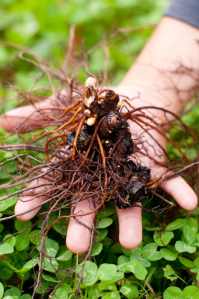
    Actaea Racemosa, also known as black cohosh, is a plant native to North America that has been used for centuries for its medicinal properties. This herb is known for its various health benefits and is commonly used to treat menopausal symptoms.

    What are the Active Compounds in Actaea Racemosa?

    Actaea Racemosa contains several active compounds, including triterpene glycosides, phenolic acids, and flavonoids. These compounds have been studied for their potential effects on hormone balance and menopausal symptoms.

    How Does Actaea Racemosa Help with Menopausal Symptoms?

    Research suggests that Actaea racemosa may help alleviate menopausal symptoms such as hot flashes, night sweats, and mood swings. The plant is believed to have estrogen-like effects that can help balance hormone levels in menopausal women.

    What Other Health Benefits Does Actaea Racemosa Offer?

    In addition to its effects on menopausal symptoms, Actaea racemosa has been studied for its potential benefits in treating other conditions. Some studies suggest that this herb may help reduce inflammation, improve sleep quality, and support bone health.

    Are There Any Side Effects or Risks Associated with Actaea Racemosa?

    While Actaea racemosa is generally considered safe for most people when taken at recommended doses, some individuals may experience side effects such as stomach upset, dizziness, or headaches. It is important to consult with a healthcare provider before using this herb, especially if you have a medical condition or are taking medications.

  • Healthy Living

    Black Cohosh, also known as Actaea Racemosa, is a perennial plant native to North America. It has been used for centuries for its medicinal properties, particularly in the treatment of menopausal symptoms. Let’s delve into the various uses and precautions associated with this herbal remedy.

    What are the Uses of Black Cohosh?

    Research has shown that Black Cohosh may help alleviate symptoms commonly associated with menopause, such as hot flashes, night sweats, and mood swings. It is believed to work by affecting serotonin receptors in the brain, which can help regulate body temperature and mood. Additionally, some studies suggest that Black Cohosh may have anti-inflammatory properties and could potentially help with conditions like arthritis.

    Are There Any Precautions to Consider?

    While Black Cohosh is generally considered safe for most people when taken at recommended doses, there are some precautions to keep in mind. Pregnant women should avoid using Black Cohosh, as it may stimulate uterine contractions and potentially lead to miscarriage. Individuals with liver problems should also exercise caution, as there have been rare reports of liver damage associated with the use of Black Cohosh.

    It’s important to consult with a healthcare provider before incorporating Black Cohosh into your routine, especially if you have any underlying health conditions or are taking medications. As with any herbal supplement, it’s crucial to follow dosing instructions carefully and monitor for any potential side effects.

    Blood Sugar Control

  • Have you ever wondered about the health benefits of a green juice blend made with baby kale leaves, cilantro leaves, avocado, date, kiwi, lime juice, fresh ginger, and coconut water? Let’s dive into the amazing properties of these ingredients when combined into a refreshing and nutritious juice.

    Baby Kale Leaves

    1/4 cup packed baby kale leaves

    Baby kale leaves are packed with vitamins A, C, and K, as well as calcium and iron. They are known for their anti-inflammatory properties and can help support healthy digestion and immune function.

    Cilantro Leaves

    1/4 cup loosely packed leaves

    Cilantro leaves are rich in antioxidants and have been shown to help detoxify the body. They also contain essential oils that can aid in digestion and promote overall gut health.

    Avocado

    1/4 cup

    Avocado is a great source of healthy fats, fiber, and vitamins E, K, and C. It can help lower cholesterol levels, reduce inflammation, and support heart health.

    Date

    1 pitted date

    Dates are a natural sweetener that also provides fiber, potassium, and antioxidants. They can help regulate blood sugar levels and provide a quick source of energy.

    Kiwi

    2 peeled, and quartered

    Kiwi is loaded with vitamin C, vitamin K, and fiber. It has been linked to improved digestion, skin health, and immune function. Kiwi also contains antioxidants that can help protect against certain diseases.

    Lime Juice

    1 teaspoon fresh

    Lime juice is a great source of vitamin C and antioxidants. It can help improve digestion, boost the immune system, and support healthy skin.

    Fresh Ginger

    1/4- inch fresh

    Fresh ginger is known for its anti-inflammatory and antioxidant properties. It can help reduce nausea, improve digestion, and support overall immune function.

    Coconut Water

    1/4 cup

    1/4 cup of ice and I also add a little honey

    Coconut water is a natural source of electrolytes, such as potassium and magnesium. It can help rehydrate the body, support heart health, and provide a refreshing and hydrating base for the green juice blend. Add some add and blend.

    When you combine all these amazing ingredients into a green juice blend, you create a powerhouse of nutrients that can support your overall health and well-being. So next time you’re looking for a refreshing and nutritious drink, consider blending up these ingredients for a delicious and beneficial green juice!

    Health and Fitness

  • Boswellia, also known as Indian frankincense, has a long history of use in traditional medicine for various health conditions. But how much of this ancient remedy’s efficacy is supported by modern research?

    Historical Uses of Boswellia

    For centuries, Boswellia has been used in Ayurvedic medicine to treat inflammatory conditions, such as arthritis, asthma, and inflammatory bowel diseases. Its anti-inflammatory properties have made it a popular choice for those seeking natural remedies for chronic pain and inflammation.

    Modern Research Findings

    Recent studies have confirmed the anti-inflammatory and analgesic effects of Boswellia. The active compounds in Boswellia resin, known as Boswellia acids, have been shown to inhibit pro-inflammatory enzymes, reducing inflammation and pain in conditions like osteoarthritis and rheumatoid arthritis.

    Furthermore, Boswellia has been found to have potential benefits for respiratory conditions, such as asthma, by reducing inflammation in the airways and improving breathing function. Its antioxidant properties also play a role in protecting against oxidative stress and cellular damage.

    Potential Benefits

    With its validated anti-inflammatory, analgesic, and antioxidant properties, Boswellia holds promise as a natural remedy for a range of health conditions. From joint pain to respiratory issues, this ancient remedy continues to demonstrate its effectiveness in modern research.

    Whether used in the form of supplements, essential oils, or topical creams, Boswellia offers a natural alternative for those seeking relief from inflammation and pain. Its long history of use in traditional medicine is now supported by scientific evidence, highlighting the potential benefits of incorporating Boswellia into your health regimen.

    According To Healthline

    Sugar Defender

  • Healthy Living

    Bitter orange, also known as Citrus aurantium, is a citrus fruit native to Southeast Asia. It has been used for centuries in traditional medicine for its various health benefits. But what exactly is bitter orange and how can it be used?

    What is Bitter Orange?

    Bitter orange is a fruit that closely resembles the common orange but with a more bitter taste. It contains compounds such as synephrine, octopamine, and tyramine, which are believed to have stimulating effects on the body.

    What are Some of the Uses of Bitter Orange?

    1. Weight Management: Bitter orange is often used in weight loss supplements due to its potential to increase metabolism and suppress appetite.

    2. Digestive Health: The fruit is believed to aid in digestion and relieve symptoms of indigestion.

    3. Skin Care: Bitter orange oil is used in skincare products for its antibacterial and anti-inflammatory properties.

    4. Aromatherapy: The citrusy scent of bitter orange oil is commonly used in aromatherapy to uplift mood and reduce stress.

    While bitter orange has several potential benefits, it is important to use it cautiously. Some individuals may experience side effects such as increased heart rate, high blood pressure, or allergic reactions. It is always recommended to consult with a healthcare professional before using bitter orange for any purpose.

    Click Here: HIS SECRET OBSESSION

  • What are the key nutrients in bitter melon?

    Bitter melon is a rich source of vitamins and minerals, including vitamin C, vitamin A, potassium, and iron. It also contains bioactive compounds like flavonoids and phenolic acids, which contribute to its health benefits.

    How can bitter melon benefit your health?

    Studies have shown that bitter melon has potential benefits for managing blood sugar levels, making it a valuable food for individuals with diabetes. The fruit contains compounds that mimic the action of insulin, helping to regulate glucose metabolism.

    Additionally, bitter melon has been found to have anti-inflammatory and antioxidant properties, which can help protect against chronic diseases like heart disease and cancer. Its high fiber content also supports digestive health and can aid in weight management.

    How can you incorporate bitter melon into your diet?

    Bitter melon can be enjoyed in a variety of ways, including stir-fries, curries, and soups. Its slightly bitter taste can be balanced with other flavors like garlic, soy sauce, or spices. You can also juice bitter melon or take it in supplement form for a concentrated dose of its benefits.

    Whether you’re looking to improve your blood sugar control, boost your antioxidant intake, or simply add a new and nutritious ingredient to your meals, bitter melon is a versatile fruit with proven health benefits. Consider adding it to your diet and experience the power of this unique superfood.

  • Benefit for Men and Women

    When it comes to the benefits of birch, many people wonder if there are specific advantages for women compared to men. Let’s delve into the scientific facts to see if birch is indeed better for women.

    Understanding the Benefits of Birch

    Birch is a tree known for its various health benefits. It is rich in antioxidants, vitamins, and minerals that can support overall well-being. Some of the key components found in birch include betulin, betulinic acid, and flavonoids.

    Benefits for Women

    Research suggests that birch may have specific benefits for women’s health. For example, the antioxidants in birch can help combat oxidative stress, which is important for maintaining healthy skin and hair. Additionally, the anti-inflammatory properties of birch may be beneficial for women dealing with conditions such as menstrual cramps or menopausal symptoms.

    Benefits for Men

    While birch may offer unique advantages for women, that doesn’t mean it’s not beneficial for men as well. The antioxidants and anti-inflammatory properties of birch can support overall health and well-being for individuals of any gender. Men can also benefit from the vitamins and minerals found in birch, which can help boost immunity and promote vitality.

    The Verdict

    While birch may have specific benefits that are more relevant to women, it is a versatile and beneficial plant for individuals of all genders. Whether you’re a man or a woman, incorporating birch into your wellness routine can provide a range of health benefits.

    Here’s something I know is just for women just in time for Mother’s Day to get in shape with the best product on the market, Puravive

  • Birch, a tree native to the northern hemisphere, has been used for centuries for its medicinal properties. In this blog post, we will explore how to use Birch, as well as its potential side effects and dangers.

    How can Birch be used?

    Birch leaves and bark contain compounds that have anti-inflammatory and diuretic properties. Birch is commonly used in traditional medicine to treat conditions such as arthritis, gout, and urinary tract infections. It can be consumed as a tea, tincture, or applied topically in the form of a poultice.

    What are the potential side effects of Birch?

    While Birch can offer health benefits, it is important to be aware of potential side effects. Some individuals may experience allergic reactions to Birch, resulting in symptoms such as skin rashes, itching, or swelling. In rare cases, Birch can cause gastrointestinal upset or interfere with blood clotting.

    What are the dangers of using Birch?

    When used in moderation and under the guidance of a healthcare professional, Birch is generally considered safe for most people. However, excessive consumption of Birch can lead to toxicity, particularly in individuals with pre-existing liver or kidney conditions. Pregnant women and individuals taking blood-thinning medications should exercise caution when using Birch.

    It is important to consult with a healthcare provider before incorporating Birch into your wellness routine, especially if you have underlying health concerns or are taking medications. By understanding how to use Birch safely and being aware of its potential side effects and dangers, you can make informed decisions about its use in your health and wellness regimen.

    Mother’s Day Sale

  • Birch, a type of tree found in various parts of the world, has been used for centuries for its medicinal properties. But what exactly is Birch and how many countries utilize it for its health benefits?

    What is Birch?

    Birch is a deciduous tree that belongs to the Betulaceae family. It is known for its distinctive bark, which can range from white to silver-gray in color. The tree is native to the Northern Hemisphere and can be found in regions such as North America, Europe, and parts of Asia.

    How many countries use Birch for Medicinal Purposes?

    Birch is utilized for its medicinal properties in various countries around the world. In fact, over 40 countries have incorporated Birch into traditional medicine practices. These countries include Russia, Finland, Sweden, and the United States, among others.

    Benefits of Birch

    Birch is rich in compounds such as betulin, betulinic acid, and flavonoids, which contribute to its medicinal benefits. Some of the potential health benefits of Birch include:

    • Anti-inflammatory properties
    • Antioxidant effects
    • Support for liver health
    • Pain relief
    • Improvement in skin conditions

    These benefits make Birch a valuable natural remedy for various health issues. Whether consumed as a tea, tincture, or applied topically, Birch can offer a range of therapeutic effects.

    Overall, Birch is a versatile tree with a long history of medicinal use. Its unique compounds and properties make it a valuable resource in traditional medicine practices across the globe.

  • Bilberry

    Ancient Uses of Bilberry

    In ancient times, Bilberry was used by European herbalists for its medicinal properties. It was believed to improve vision and treat various eye conditions. The fruit was also used to alleviate diarrhea and inflammation.

    Modern Applications of Bilberry

    Today, Bilberry is known for its high levels of antioxidants, particularly anthocyanins, which are beneficial for eye health. Studies have shown that Bilberry extract can help improve night vision and reduce eye fatigue.

    Furthermore, Bilberry is used in dietary supplements and skincare products for its anti-inflammatory and antioxidant properties. It is also used in the food industry to add flavor and color to various products.

    Health Benefits of Bilberry

    Research has shown that Bilberry can help improve circulation, lower blood sugar levels, and protect against oxidative stress. It is also believed to have anti-inflammatory and anti-cancer properties.

    Overall, Bilberry continues to be a popular natural remedy for various health issues, and its versatility makes it a valuable ingredient in different industries.

    Add a stress reducer EJADAsm

  • Healthy Living

    Barberry, a plant with a rich history of medicinal and culinary uses, has been cherished for centuries for its numerous health benefits. But what exactly are the uses and benefits of this ancient plant, and when was its first recorded use?

    Medicinal Uses

    Barberry, known scientifically as Berberis vulgaris, has been used in traditional medicine for its antimicrobial, anti-inflammatory, and antioxidant properties. It has been historically used to treat various ailments, including digestive issues, skin conditions, and infections.

    Culinary Uses

    In addition to its medicinal properties, barberry is also used in cooking to add a unique flavor to dishes. The tart and tangy berries are often used in Middle Eastern and Iranian cuisine to add a pop of flavor to rice dishes, stews, and salads.

    Health Benefits

    Barberry is rich in berberine, a compound with powerful medicinal properties. Berberine has been studied for its potential to lower blood sugar levels, reduce inflammation, and fight infections. Additionally, barberry is a good source of vitamin C, which is essential for immune function and skin health.

    First Recorded Use

    The first recorded use of barberry dates back to ancient Egypt, where it was used for its medicinal properties. The ancient Egyptians valued barberry for its ability to treat infections and promote overall health. Since then, barberry has been used in various cultures around the world for its diverse benefits.

    In conclusion, barberry is a versatile plant with a long history of uses and benefits. Whether used in traditional medicine or culinary applications, barberry continues to be a valuable resource for promoting health and well-being.

    Shop for Mother’s Day for Mother’s Health