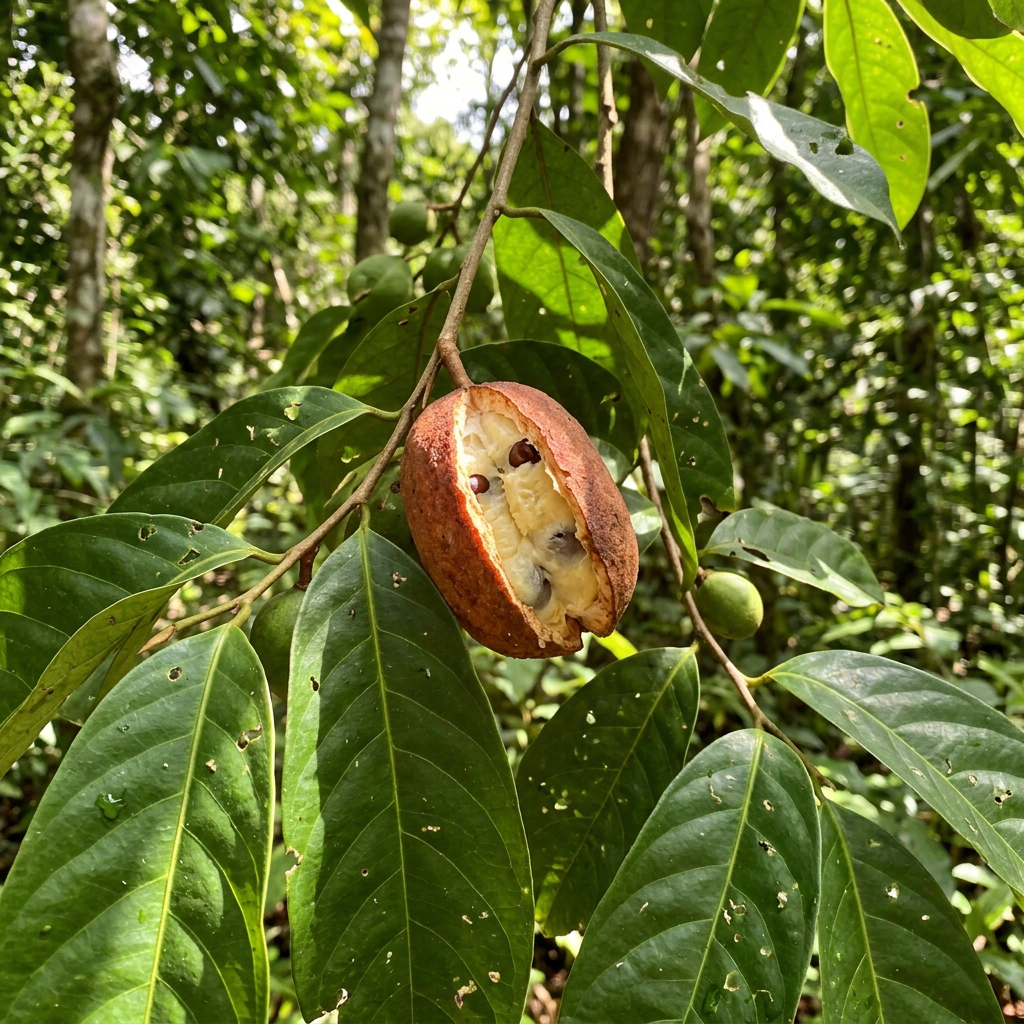
🍇 Uvaria Fruit: The Exotic, Antioxidant‑Rich Tropical Gem You’ve Never Heard Of But Should
Uvaria is one of those fruits that feels like it was designed for discovery — a hidden treasure tucked inside the warm, humid folds of tropical forests, waiting for curious hands to find it. If you’ve never heard of it, you’re not alone. Uvaria grows far from commercial farms and supermarket shelves, thriving instead in the wild landscapes of West Africa, Southeast Asia, and the Pacific tropics, where it has been cherished for generations.
What makes Uvaria so captivating isn’t just its rarity — it’s the way the fruit seems to embody the spirit of the tropics. Its colors range from sunset golds to deep, velvety reds, depending on the species. Its aroma is soft and floral, almost perfumed. And its texture? Think custard apple meets banana, with a creamy sweetness that melts on the tongue.
But beyond its beauty and flavor, Uvaria carries something even more powerful: a dense concentration of antioxidants and wellness‑supporting compounds that make it a quiet superfruit.
For centuries, communities living near Uvaria trees have used the fruit not only as food, but as medicine, nourishment, and natural energy. In some regions, it’s considered a “survival fruit” — a dependable source of hydration and strength during dry seasons. In others, it’s used in herbal tonics, digestive remedies, and restorative foods meant to support vitality.
Today, as the world becomes more curious about global superfruits, Uvaria is finally stepping into the light. And it deserves the attention. Its antioxidant profile rivals many well‑known fruits, its flavor is unforgettable, and its cultural history is rich and deeply rooted.
🌿 What Is Uvaria?
Uvaria is a genus of tropical fruit‑bearing plants known for their sweet, aromatic, and sometimes tangy fruits. Several species produce edible fruits, but the most popular include:
- Uvaria chamae — also called bush banana
- Uvaria dulcis — sweet, soft, and fragrant
- Uvaria rufa — known for its striking red, velvety skin
These fruits grow on climbing shrubs or small trees, thriving in warm, humid climates.
🍑 What Does Uvaria Taste Like?
Depending on the species, Uvaria fruits can taste:
- Sweet and custard‑like
- Slightly tangy
- Aromatic with hints of banana, mango, or berry
- Soft, creamy, and juicy
Many cultures eat them fresh, while others use them in juices, jams, and traditional remedies.
💛 Nutritional Benefits of Uvaria
Uvaria fruits are packed with wellness‑supporting nutrients. While exact values vary by species, they generally contain:
✔ Antioxidants
High levels of polyphenols help fight oxidative stress and support cellular health.
✔ Vitamin C
Boosts immunity, collagen production, and skin radiance.
✔ Fiber
Supports digestion, gut health, and natural detoxification.
✔ Natural sugars
Provide clean, plant‑based energy.
✔ Anti‑inflammatory compounds
Used traditionally to soothe inflammation and support recovery.
🍊 Vitamins in Uvaria: The Natural Nutrient Boost Hidden in the Tropics
Uvaria may be exotic and rare, but its vitamin profile is surprisingly powerful. This fruit delivers a natural blend of nutrients that support immunity, skin health, digestion, and overall vitality — exactly the kind of wellness benefits your readers love.
Here’s a deeper look at the vitamins Uvaria brings to the table:
🍋 Vitamin C Immunity, Glow, and Antioxidant Power
Uvaria is naturally rich in vitamin C, one of the most essential nutrients for whole‑body wellness.
Why it matters
- Strengthens the immune system
- Supports collagen production for glowing skin
- Helps the body absorb iron
- Acts as a potent antioxidant
- Protects cells from oxidative stress
This makes Uvaria a beautiful addition to any skin‑health or immunity‑focused content.
🌿 B‑Complex Vitamins Energy, Mood, and Metabolism
Many Uvaria species contain trace amounts of B vitamins, especially:
- B1 (Thiamine)
- B2 (Riboflavin)
- B3 (Niacin)
Why they matter
- Support natural energy production
- Help maintain a healthy nervous system
- Aid metabolism of fats, carbs, and proteins
- Promote mental clarity and mood balance
These vitamins make Uvaria a gentle, natural energy‑supporting fruit.
🍑 Vitamin A (Carotenoids) — Skin, Eyes, and Cellular Health
Some Uvaria species contain carotenoid compounds, which the body converts into vitamin A.
Why it matters
- Supports vision and eye health
- Promotes healthy skin and cell turnover
- Strengthens immune function
- Acts as an antioxidant
This adds to Uvaria’s reputation as a fruit that nourishes from the inside out.
🧡 Polyphenols & Plant Antioxidants The Hidden Superpower
While not “vitamins,” Uvaria is exceptionally rich in:
- Polyphenols
- Flavonoids
- Tannins
- Natural anti‑inflammatory compounds
These plant nutrients help:
- Reduce inflammation
- Support heart health
- Protect cells from aging
- Improve digestion
- Boost overall vitality
This is where Uvaria truly shines — its antioxidant density rivals many well‑known superfruits.
🌱 Mineral Support
Uvaria also contains small amounts of:
- Potassium (hydration + heart health)
- Calcium (bone support)
- Iron (energy + oxygen transport)
These minerals work synergistically with its vitamins to create a balanced, nourishing fruit.
🌍 Cultural & Traditional Uses
Across Africa and Southeast Asia, Uvaria fruits and leaves have been used for:
- Digestive support
- Energy and vitality
- Wound healing (leaf poultices)
- Fever reduction
- General wellness tonics
In some regions, Uvaria is considered a “survival fruit” — a reliable source of hydration and nourishment during dry seasons.
🍽️ How Uvaria Is Eaten
- Fresh, straight from the tree
- Blended into juices or smoothies
- Made into jams or preserves
- Added to desserts
- Used in herbal preparations
The fruit’s soft, custard‑like texture makes it incredibly versatile.
1. Uvaria Tropical Smoothie
Prep 10 min
Cook 0 min
Serves 2
Ingredients
1 cup
Fresh Uvaria fruit pulp (any species: rufa, chamae, or dulcis)
1 Ripe banana
1/2 cup
Pineapple chunks (fresh or frozen)
1 cup
Coconut water or almond milk
1 tbsp
Honey or agave (optional)
1/2 cup
Ice (optional for thicker texture)
Instructions
1. Prepare the UvariaSlice open the Uvaria fruits and scoop out the soft pulp, removing any seeds.
2.Add ingredients Place the Uvaria pulp, banana, pineapple, and coconut water (or almond milk) into a blender.
3.Sweeten if needed Add honey or agave if you prefer a sweeter smoothie.
4.BlendBlend on high until smooth and creamy. Add ice for a thicker, colder drink.
5.ServePour into a chilled glass and enjoy immediately for maximum freshness and nutrition.
🌱 Is Uvaria a Healthy Fruit?
Absolutely. Uvaria is rich in antioxidants, vitamins, and fiber — making it a powerful addition to any wellness‑focused diet.
Top Health Benefits at a Glance
- Supports immune health
- Promotes healthy digestion
- Helps reduce inflammation
- Provides natural energy
- Nourishes skin and hair from within
It’s a fruit that blends nourishment with exotic flavor — a perfect fit for your wellness brand.
🍨 2. Uvaria Fruit Bowl (Simple, Fresh, Beautiful)
A refreshing, nutrient‑dense bowl perfect for breakfast or a light dessert.
Ingredients
- 1 cup fresh Uvaria pulp
- ½ cup sliced mango
- ½ cup sliced banana
- ¼ cup shredded coconut
- 1 tbsp chia seeds
- Drizzle of honey or date syrup
Instructions
- Add Uvaria pulp to a bowl.
- Arrange mango and banana slices around it.
- Sprinkle coconut and chia seeds.
- Drizzle lightly with honey.
- Serve immediately.
Why it works
Uvaria’s creamy texture pairs beautifully with fresh fruit and crunchy toppings.
✨ Little‑Known Facts About Uvaria
- Some species are called “bush banana” because the fruit resembles tiny bananas.
- Uvaria rufa’s red, fuzzy skin makes it look like a tropical velvet fruit.
- The genus contains over 150 species, but only a handful produce edible fruits.
- In some cultures, Uvaria is believed to enhance vitality and stamina.
Is Uvaria Available in the U.S.?
Not in fresh form. Uvaria fruits (Uvaria chamae, Uvaria rufa, Uvaria dulcis, etc.) are not grown, imported, or sold in U.S. grocery stores, farmers markets, or specialty produce shops.
Why it’s not available
- It grows wild in tropical Africa and Southeast Asia, not in North or South America.
- There is no commercial export chain for the fruit.
- The fruit is soft, delicate, and highly perishable, making long‑distance shipping difficult.
- U.S. agriculture regulations restrict import of wild tropical fruits without established suppliers.
🌱 Can you grow Uvaria in the U.S.?
Only in very warm, tropical climates, and even then, it’s rare.
- Possible in South Florida
- Maybe in Hawaii
- Not suitable for Michigan or most of the continental U.S.
Seeds are also not commonly sold, and the plant requires a humid, rainforest‑like environment.
🛒 Are any Uvaria products available in the U.S.?
A few herbal products made from Uvaria species (especially Uvaria chamae) may appear online as:
- herbal extracts
- powders
- traditional medicine products
But not the fruit itself.
Uvaria is not available fresh in the United States due to its delicate nature and lack of commercial export, but it remains a treasured tropical fruit in Africa and Southeast Asia.
🚫 Who Should Not Consume Uvaria
While Uvaria is a nourishing, antioxidant‑rich tropical fruit, it isn’t suitable for everyone. Because it grows wild, varies by species, and has limited scientific research, certain individuals should approach it with caution or avoid it altogether.
Here’s a complete, reader‑friendly breakdown.
1. Individuals With Fruit Allergies (Especially Annonaceae Family)
Uvaria belongs to the custard apple family (Annonaceae) — the same family as soursop, cherimoya, and atemoya.
Avoid Uvaria if you have known allergies to:
- Soursop
- Custard apple
- Atemoya
- Pawpaw
Symptoms may include itching, swelling, hives, or digestive upset.
2. People With Sensitive Digestion
Because Uvaria is soft, creamy, and sometimes mucilaginous, it may cause discomfort in people with:
- IBS
- Chronic bloating
- Sensitive stomachs
- Difficulty digesting high‑fiber fruits
If these foods typically trigger symptoms, Uvaria may do the same.
3. Individuals With Diabetes or Blood Sugar Concerns
Uvaria is naturally sweet and contains moderate natural sugars.
Those managing:
- Diabetes
- Prediabetes
- Insulin resistance
should consume it in small portions and pair it with protein or fiber.
4. Pregnant or Breastfeeding Individuals (Use Caution)
There is limited scientific research on Uvaria’s safety during pregnancy or breastfeeding.
Traditional use suggests it’s generally safe, but due to lack of modern data:
- Avoid excessive consumption
- Consult a healthcare provider if unsure
5. People With Latex‑Fruit Syndrome
Some tropical fruits cross‑react with latex allergies.
If you react to:
- Banana
- Avocado
- Papaya
- Jackfruit
you may also react to Uvaria, especially species with sticky or resinous pulp.
6. Individuals Taking Certain Medications
Because Uvaria contains antioxidants and plant compounds, it may interact with:
- Blood pressure medications
- Blood thinners
- Diabetes medications
- Anti‑inflammatory drugs
Anyone on daily prescriptions should check with a clinician before consuming unfamiliar tropical fruits.
7. Those With Compromised Immune Systems
Wild fruits can carry microbes or environmental contaminants.
People with weakened immunity should avoid:
- Unwashed
- Overripe
- Wild‑foraged
- Unregulated herbal products made from Uvaria
⚠️ Side Effects & Precautions
Uvaria is a nourishing tropical fruit with a long history of traditional use — but like all botanicals, it isn’t suitable for everyone. Because it grows wild, varies by species, and has limited modern research, it’s important for readers to understand how to enjoy it safely and mindfully.
Below is a clear, expanded guide to potential side effects and precautions.
1. Digestive Sensitivity
Uvaria has a soft, creamy, sometimes mucilaginous texture. For most people, this is gentle and soothing — but for others, it may cause:
- Bloating
- Gas
- Loose stools
- Mild stomach discomfort
Why it happens
The fruit is naturally high in fiber and plant compounds that may be difficult for sensitive digestive systems.
Precaution
Start with a small amount if you have:
- IBS
- Chronic bloating
- Slow digestion
- A history of reacting to tropical fruits
2. Allergic Reactions
Uvaria belongs to the Annonaceae family, the same family as soursop, cherimoya, and atemoya. People allergic to these fruits may also react to Uvaria.
Possible symptoms
- Itching or tingling in the mouth
- Hives or skin irritation
- Swelling of lips or face
- Digestive upset
Precaution
Avoid Uvaria if you have known allergies to:
- Soursop
- Custard apple
- Atemoya
- Pawpaw
3. Blood Sugar Spikes
Uvaria is naturally sweet and contains moderate natural sugars.
Who should be cautious
- Individuals with diabetes
- Those with insulin resistance
- People monitoring carbohydrate intake
Precaution
If consumed, pair with:
- Protein
- Fiber
- Healthy fats
This helps slow sugar absorption.
4. Pregnancy & Breastfeeding (Use Caution)
There is limited scientific research on Uvaria’s safety during pregnancy or lactation.
Traditional use
Some cultures consume it without issue, but modern data is lacking.
Precaution
Pregnant or breastfeeding individuals should:
- Avoid excessive intake
- Consult a healthcare provider before trying unfamiliar tropical fruits
5. Latex‑Fruit Syndrome
Some tropical fruits cross‑react with latex allergies.
If you react to:
- Banana
- Avocado
- Papaya
- Jackfruit
…you may also react to Uvaria.
Precaution
Avoid Uvaria if you have a known latex allergy.
6. Medication Interactions
Uvaria contains antioxidants and plant compounds that may interact with certain medications.
Use caution if you take:
- Blood pressure medications
- Blood thinners
- Diabetes medications
- Anti‑inflammatory drugs
Precaution
Consult a clinician before consuming Uvaria regularly if you take daily prescriptions.
7. Immune‑Compromised Individuals
Wild fruits can carry microbes or environmental contaminants.
Precaution
Avoid:
- Unwashed Uvaria
- Overripe fruit
- Wild‑foraged fruit from unknown sources
- Unregulated herbal products made from Uvaria species
8. Overconsumption
Eating too much Uvaria may cause:
- Loose stools
- Stomach cramping
- Mild nausea
Precaution
Moderation is key — especially when trying it for the first time.
⭐ Overall Guidance
Uvaria is safe for most people and offers beautiful nutritional benefits. However, individuals with:
- Fruit allergies
- Digestive sensitivities
- Blood sugar concerns
- Latex allergies
- Pregnancy or breastfeeding considerations
- Medication interactions
- Compromised immunity
…should approach it with caution or avoid it altogether.
🧡 Final Thoughts
Uvaria is one of those rare fruits that reminds us how vast and generous nature truly is. It doesn’t grow in commercial orchards or sit neatly on supermarket shelves. Instead, it thrives quietly in the wild — in humid forests, on sun‑kissed vines, and in the hands of communities who have cherished it for generations.
Its creamy sweetness, vibrant color, and rich antioxidant profile make it more than just a fruit. Uvaria is nourishment, culture, medicine, and story all in one. It’s a reminder that some of the world’s most powerful foods are still hidden in places untouched by commercial farming.
While it may not be available in the U.S., its legacy and wellness benefits make it a fascinating addition to your A–Z fruit journey. And for readers exploring global nutrition, Uvaria offers a beautiful lesson: sometimes the most extraordinary foods are the ones we’ve never heard of — yet.
As you continue your fruit series, let Uvaria stand as a symbol of curiosity, discovery, and the joy of learning what the world has to offer. A tropical gem worth knowing, celebrating, and sharing.
📚 Sources With Links
1. Potent antioxidant and anti‑inflammatory effects of Uvaria chamae
This peer‑reviewed study highlights Uvaria’s antioxidant, anti‑inflammatory, and potential anticancer properties.
Link: https://www.ncbi.nlm.nih.gov/pmc/articles/PMC8449903/ (ncbi.nlm.nih.gov in Bing)
2. Ethnomedicine, phytochemistry, and pharmacological activities of Uvaria chamae
A comprehensive 2024 scientific review covering traditional uses, phytochemicals, and pharmacological activity.
Link: https://link.springer.com/article/10.1007/s00210-024-03018-6 (link.springer.com in Bing)
3. A comprehensive review on Uvaria species: conservation status, ethnobotanical uses, and pharmacological activities
This review covers the entire Uvaria genus, including distribution, medicinal uses, and bioactive compounds.
Link: https://www.researchgate.net/publication/374589013 (researchgate.net in Bing)
4. A comprehensive review on Uvaria species (Science Archives version)
Another peer‑reviewed version of the Uvaria genus review, confirming medicinal uses and phytochemical findings.
Link: https://dap.sciencearchives.org/article/3301
5. Ethnomedicine, phytochemistry, and pharmacological activities of Uvaria chamae (Springer)
A second Springer‑hosted review reinforcing Uvaria’s anticancer, antimicrobial, and ethnomedicinal relevance.
 EJADA
EJADA 
Leave a comment