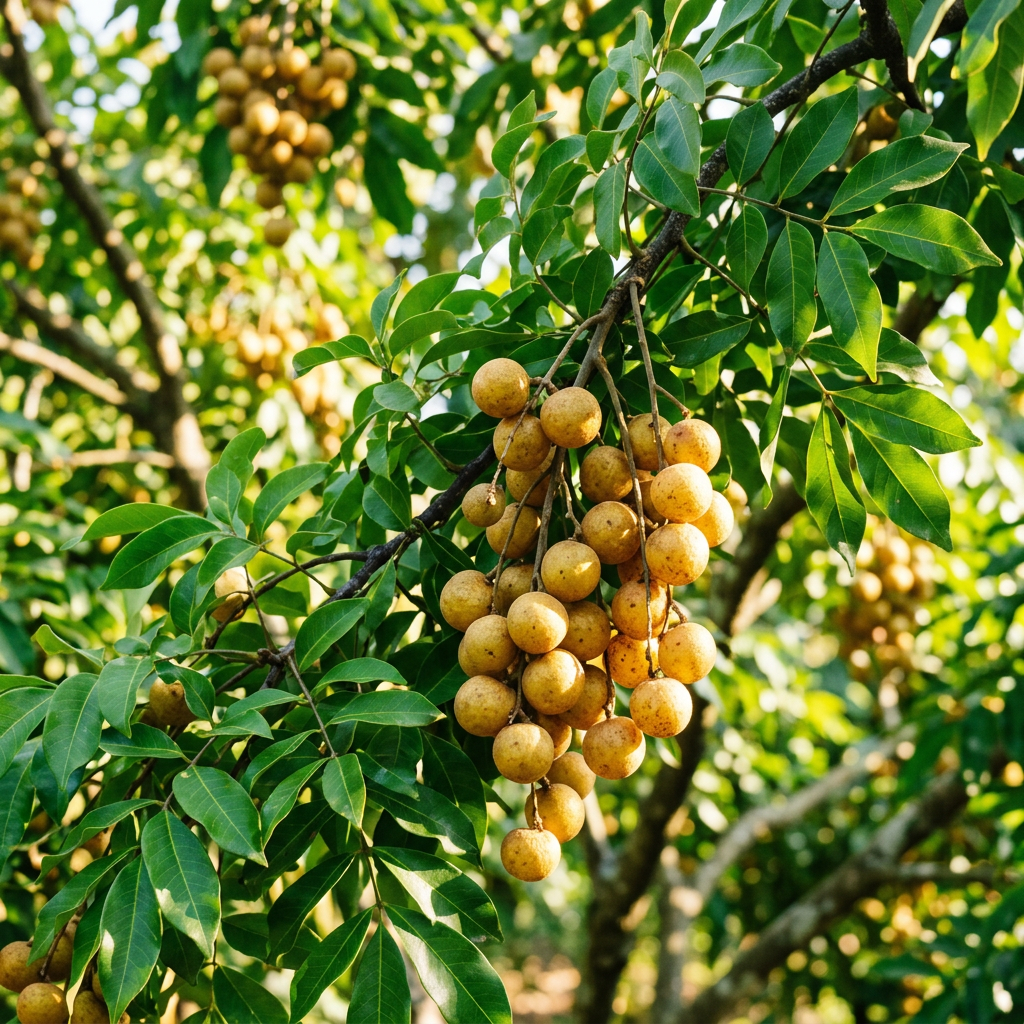
🌿 Wampee Fruit (Clausena lansium): The Sweet–Sour Jewel of Southeast Asia
The Wampee fruit, scientifically known as Clausena lansium, is a small, fragrant, citrus‑family fruit cherished across China, Vietnam, Thailand, Malaysia, and the Philippines. Its golden skin, juicy translucent flesh, and sweet‑tart flavor make it a beloved seasonal treat — but beyond taste, Wampee carries centuries of cultural history, medicinal use, and impressive nutritional benefits.
Below is a complete, extended deep dive for your blog — including origins, cultural significance, vitamins, health benefits, culinary uses, recipes, safety notes, and sources.
🌏 Origin & Cultural Significance
Ancient Roots in Southeast Asia
Wampee is native to South‑Central and Southeast China, extending naturally into Hainan, Laos, and Vietnam. It has been cultivated for over 1,500 years, especially in southern China, where selective breeding produced multiple varieties.
A Staple in Traditional Asian Life
Across China, Vietnam, Thailand, and Malaysia, Wampee is more than a fruit — it’s woven into folk medicine, seasonal rituals, and local cuisine. In Hong Kong and the New Territories, it is especially beloved among Hakka communities, who enjoy it fresh or preserved.
Medicinal Heritage
Traditional Chinese Medicine (TCM) uses leaves, bark, roots, peel, and seeds of the Wampee tree to treat ailments ranging from digestive issues to respiratory discomfort.
💊 Vitamin & Nutrient Profile (Extended)
Wampee is a nutrient‑dense fruit with a surprisingly powerful profile for its size.
Key Vitamins per 100g
- Vitamin C — 33.3 mg (55.5% DV) Supports immunity, collagen production, and antioxidant defense.
- Vitamin A — 146 IU (3% DV) Important for vision, skin health, and immune function.
- B‑Vitamins (notably B3/Niacin) Supports metabolism and energy production.
Minerals
- Potassium — 196 mg (4% DV) Helps regulate blood pressure and fluid balance.
Phytonutrients & Antioxidants
Wampee contains a rich spectrum of bioactive compounds:
- Flavonoids (anti‑inflammatory)
- Phenolic acids (chronic disease protection)
- Carotenoids (eye health)
- Limonoids (anti‑cancer potential)
- Coumarins (anticoagulant properties)
- Alkaloids (sedative effects)
- Terpenoids (anti‑inflammatory, anti‑cancer)
🌱 Extended Health Benefits of Wampee
1. Powerful Antioxidant Protection
High levels of vitamin C, flavonoids, phenolic acids, and carotenoids help neutralize free radicals, reducing oxidative stress and supporting long‑term cellular health.
2. Supports Immune Function
Vitamin C and plant compounds strengthen immune defenses and may reduce the severity of seasonal illnesses.
3. Digestive Health & Gut Support
Wampee contains dietary fiber that promotes healthy digestion, prevents constipation, and supports gut microbiome balance.
4. Anti‑Inflammatory Effects
Flavonoids and terpenoids help reduce inflammation, potentially benefiting those with chronic inflammatory conditions.
5. Blood Sugar Support
With a low glycemic index (GI 40), Wampee is suitable for individuals managing blood sugar levels.
6. Cardiovascular Support
Potassium helps regulate blood pressure, while antioxidants support vascular health.
7. Neuroprotective & Antimicrobial Properties
Studies highlight Wampee’s neuroprotective, antidiabetic, antimicrobial, and hepatoprotective potential due to its diverse phytochemicals.
🍽️ Culinary Uses
Wampee is incredibly versatile in the kitchen:
Fresh Eating
- Enjoyed whole like a kumquat — skin included.
- Sweet varieties are eaten fresh; sour varieties are used in cooking.
Cooking & Savory Dishes
- Used in Hong Kong and Hainanese meat dishes for its sweet‑sour balance.
- Adds brightness to fish, chicken, and herbal soups.
Preserved & Processed Forms
- Jams
- Beverages
- Preserved fruits
- Wines
- Dried Wampee (popular in Thailand)
Flavor Profile
Sweet, tart, slightly resinous — with hints of pine and citrus.
🍴 Recipes Featuring Wampee
1. Wampee Honey Cooler (Refreshing Drink)
Ingredients:
- 1 cup fresh Wampee (peeled or whole)
- 1 tbsp honey
- 1 cup cold water
- Ice
- Optional: mint
Instructions:
- Blend Wampee with water until smooth.
- Strain if desired.
- Add honey and stir.
- Serve over ice with mint.
2. Wampee & Ginger Chicken Stir‑Fry
Ingredients:
- 1 cup fresh Wampee (halved)
- 1 lb chicken breast, sliced
- 1 tbsp soy sauce
- 1 tbsp ginger
- 2 cloves garlic
- 1 tsp sesame oil
Instructions:
- Sauté garlic and ginger.
- Add chicken and cook until browned.
- Add Wampee and soy sauce.
- Stir‑fry 3–5 minutes until fruit softens.
- Finish with sesame oil.
3. Wampee Jam
Ingredients:
- 2 cups Wampee pulp
- 1 cup sugar
- 1 tbsp lemon juice
Instructions:
- Combine all ingredients in a pot.
- Simmer 20–30 minutes until thick.
- Store in sterilized jars.
⚠️ Who Should NOT Consume Wampee
While generally safe, certain individuals should use caution:
1. People with Citrus Allergies
Wampee belongs to the Rutaceae (citrus) family, so cross‑reactivity is possible.
2. Individuals on Blood‑Thinning Medication
Wampee contains coumarins, which have anticoagulant properties.
3. Those Sensitive to Acidic Fruits
Its natural acidity may aggravate:
- Acid reflux
- Gastritis
- Mouth ulcers
4. Pregnant or Breastfeeding Individuals
TCM uses seeds, bark, and roots medicinally — these parts should be avoided without professional guidance.
📌 Disclaimer
This article is for informational and educational purposes only. It is not medical advice and should not replace consultation with a qualified healthcare professional. Individuals with allergies, chronic conditions, or those taking medication should consult their doctor before adding new fruits or herbal ingredients to their diet.
🛒 Wampee Fruit Availability in the United States
Wampee (Clausena lansium) is not widely available in mainstream U.S. grocery stores, but it can be purchased through specialty tropical fruit suppliers and Asian online markets. Because it is a delicate, seasonal fruit, availability is often limited, seasonal, and region‑specific.
🌐 Where You Can Buy Wampee in the U.S.
1. Asian Online Grocery Platforms (Fresh Delivery)
Some Asian-focused online supermarkets list Wampee fruit for delivery in major U.S. cities. One example is an Asian American grocery platform offering Wampee fruit shipped from specialty sellers, with availability varying by region.
These services typically deliver to cities such as:
- New York
- San Francisco
- Los Angeles
- Chicago
- Seattle
- Houston
- San Diego
- Jersey City
Pricing varies but is generally in the $24–$30 range per order, depending on seller and region.
2. Specialty Tropical Fruit Retailers
Premium tropical fruit suppliers like Miami Fruit offer Wampee (listed as Wampee / Wampi) as part of their curated seasonal fruit boxes. Their Wampee offering is available for nationwide shipping, typically starting around $147 depending on box size and season.
These suppliers harvest from:
- South Florida farms
- Local tropical growers
- Imported seasonal sources
Because Wampee is a niche fruit, it often appears only during short seasonal windows.
🚫 Why Wampee Is Hard to Find Fresh in the U.S.
Fresh fruit imports into the U.S. are heavily regulated by USDA APHIS, FDA, and CBP. Many fresh fruits are restricted due to pest and disease risks, and Wampee falls into the category of fruits that require strict inspection or may not be widely approved for fresh import depending on origin.
This means:
- Fresh Wampee imports are limited
- Most availability comes from domestic tropical growers or specialty importers
- Frozen or dried forms are more likely to pass inspection
Travelers cannot bring fresh Wampee into the U.S. without meeting strict APHIS requirements, and most fresh fruits are prohibited unless specifically approved.
📚 Sources and Links
- Wikipedia – Clausena lansium (Wampee)
https://en.wikipedia.org/wiki/Clausena_lansium(en.wikipedia.org in Bing) - ScienceDirect – Chemical compositions & health benefits of Wampee
https://www.sciencedirect.com/science/article/pii/S0924224425001234(sciencedirect.com in Bing) - ACS Omega – Phytochemical Profiles & Health Effects
https://pubs.acs.org/doi/10.1021/acsomega.3c02000(pubs.acs.org in Bing) - FruitsPedia – Wampee Nutrition & Benefits https://fruitspedia.com/wampee
- Facts.net – Wampee Facts & Origins https://facts.net/wampee
- Diversivore – Culinary Uses & Preparation https://www.diversivore.com/wampee
 EJADA
EJADA 
Leave a comment