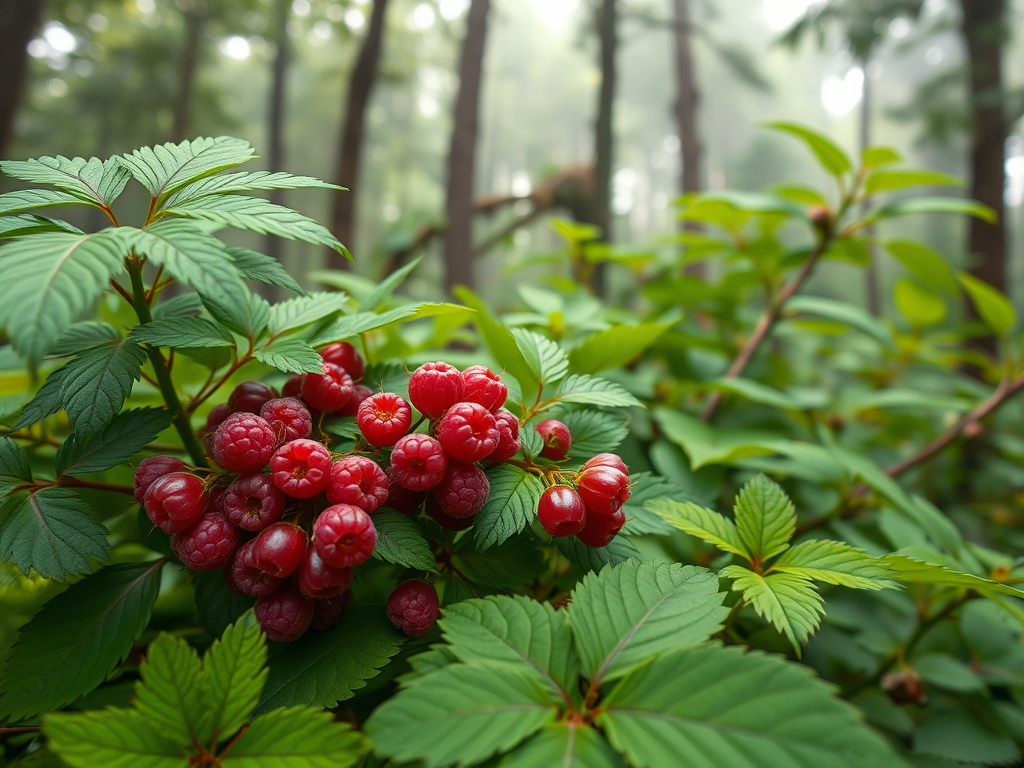
Tucked deep in Hawaii’s misty upland forests grows a berry as bold as the land itself—ʻākala, the Hawaiian raspberry. More than just a fruit, it’s a living thread in the islands’ ecological and cultural fabric.
The Hawaiian Raspberry (ʻĀkala, Rubus hawaiensis) is not a cultivated species in the traditional agricultural sense. Instead, it is a wild, endemic plant that evolved naturally in the Hawaiian Islands. Here’s a deep dive into its history, uses, and cultural relevance.
🌿 ʻĀkala (Hawaiian Raspberry): History & Uses
🌺 Botanical & Cultural Identity
Scientific Name: Rubus hawaiensis
Common Names: ʻĀkala, Hawaiian raspberry, Hawaiian blackberry
Endemic to: Kauaʻi, Molokaʻi, Maui, Oʻahu, and Hawaiʻi Island
Habitat: Mesic to wet forests at elevations of 600–3,070 m (1,970–10,070 ft)2
📜 Historical & Mythological Significance
The name ʻākala means “pink” in Hawaiian, referring to the color of its juice.
In Hawaiian mythology, ʻākala is considered the land counterpart to limu kala, a sacred seaweed. Both are mentioned in the Kumulipo, the Hawaiian creation chant.
Early Hawaiians used berry juice as a natural dye for kapa (barkcloth), producing hues from pink to rose.
🧪 Medicinal & Practical Uses
Traditional Medicine: Used for its cooling and cleansing properties, though specific remedies are less documented than other native plants.
The Hawaiian Raspberry (ʻĀkala, Rubus hawaiensis) has a modest but meaningful history in traditional Hawaiian medicine.
🩺 Health Benefits
May reduce the risk of chronic diseases like cancer, diabetes, and Alzheimer’s (antioxidants)
Supports immune health and skin repair (Vitamin C)
Promotes heart health (Potassium, fiber, omega-3s)
Aids in blood sugar control (Low sugar + high fiber)
While it’s not as extensively documented as other native plants, its cooling and cleansing properties were recognized by early Hawaiians. Here’s a deeper look at its medicinal uses, along with insights from related wild raspberry species that share similar phytochemical profiles:
🌿 Medicinal Uses of Hawaiian Raspberry (ʻĀkala)
🧉 Traditional Hawaiian Uses
Cooling & Cleansing: ʻĀkala was used in traditional Hawaiian healing practices for its cooling effect, likely to soothe inflammation or heat-related conditions.
Natural Dye with Ritual Use: The juice was used to dye kapa (barkcloth), which had ceremonial and medicinal applications, suggesting a symbolic or energetic healing role.
🌍 Medicinal Insights from Wild Raspberry Relatives
Because ʻākala is a native raspberry, its phytochemical properties are likely similar to other Rubus species, especially wild raspberries like Rubus idaeus. These offer a broader understanding of its potential benefits:
| Medicinal Property | Description |
|---|---|
| Anti-inflammatory | Contains anthocyanins and ellagic acid, which reduce inflammation and may help with arthritis, heart disease, and gut issues. |
| Astringent | Raspberry leaf tea is rich in tannins, and used to treat diarrhea, sore throats, and mouth ulcers. |
| Eye & Skin Health | Decoctions of raspberry leaves have been used as eye drops for conjunctivitis and wound washes. |
| Women’s Health | Raspberry leaf tea is traditionally used to tone the uterus and support menstrual and reproductive health. While this is more documented for Rubus idaeus, it may apply to ʻākala as well. |
| Antioxidant-Rich | High in vitamin C, phenolic acids, and flavonoids, which support immune health and may protect against cancer3. |
🍵 How It Might Be Used
Infusion (Tea): Dried leaves steeped in hot water for 10–15 minutes. Used for:
Digestive issues
Menstrual support
Sore throats or mouth rinses
Topical Wash: Cooled tea is used for skin irritations or eye inflammation.
Juice: While tart, the juice may have been consumed or applied topically for its cooling and astringent effects.
🛠️ Practical Uses of Hawaiian Raspberry (ʻĀkala)
🎨 1. Natural Dye for Kapa (Barkcloth)
Traditional Use: Early Hawaiians used the juice of ʻākala to dye kapa, a barkcloth made from wauke (paper mulberry).
Color: Produced hues ranging from pink to rose, symbolically linked to the Hawaiian word ʻākala, meaning “pink.”
Cultural Role: These dyed cloths were used in ceremonial garments, offerings, and storytelling textiles.
🌿 2. Ecological Restoration
Forest Regeneration: ʻĀkala is being used to repopulate native forests, especially in areas like Poli Poli on Maui, after wildfires.
Soil Stabilization: Its root system helps prevent erosion in high-elevation, wet forest ecosystems.
Pollinator Support: Its flowers attract native Hawaiian pollinators, contributing to biodiversity.
🍓 3. Culinary Use (Limited but Notable)
Edibility: The fruit is large (up to 2 inches) and edible, though tart to mildly sweet.
Traditional Foraging: Historically foraged by Hawaiians, especially in upland regions.
Modern Use:
Occasionally made into jams, syrups, or desserts.
Used in native plant gardens for educational and culinary exploration.
🍵 4. Medicinal & Herbal Applications
Cooling & Cleansing: Traditionally used for cooling the body and possibly treating inflammation or heat-related ailments.
Leaf Tea: Like other Rubus species, the leaves may be brewed into a mild astringent tea for sore throats or digestive issues.
🏡 5. Native Landscaping & Education
Landscape Use: Grown in native gardens and restoration nurseries, especially on Hawaiʻi Island.
Educational Value: Used in cultural education programs to teach about native plants, sustainability, and traditional Hawaiian practices.
The Hawaiian Raspberry (ʻĀkala, Rubus hawaiensis) shares many of the same nutritional benefits as its more widely studied relatives like the red raspberry (Rubus idaeus). While specific lab analyses of ʻākala are limited, we can confidently infer its vitamin and nutrient profile based on its genus and structure.
🧬 Nutritional Profile of Hawaiian Raspberry (ʻĀkala)
🍓 Key Vitamins & Minerals (per 1 cup of red raspberries, approximate)🌱 Summary
ʻĀkala is a nutrient-dense, low-calorie fruit rich in vitamin C, fiber, manganese, and antioxidants. While not commonly cultivated, it holds significant potential as a functional food in both traditional and modern wellness contexts.
| Nutrient | Amount (% Daily Value) | Benefits |
|---|---|---|
| Vitamin C | 54% DV | Boosts immunity, supports collagen production, and acts as an antioxidant. |
| Manganese | 41% DV | Supports bone health and helps regulate blood sugar. |
| Vitamin K | 12% DV | Essential for blood clotting and bone metabolism. |
| Magnesium | 7% DV | Supports muscle and nerve function. |
| Potassium | 5% DV | Helps regulate blood pressure and heart function. |
| Fiber | 8g (32% DV) | Boosts immunity, supports collagen production and acts as an antioxidant. |
| B Vitamins | 4–6% DV | Includes folate, thiamine, and riboflavin—important for energy metabolism. |
| Antioxidants | High | Includes ellagic acid, quercetin, and anthocyanins, which protect against oxidative stress and inflammation. |
🌿 Phytochemicals & Functional Compounds
Ellagic Acid: This may help prevent oxidative damage and support DNA repair.
Anthocyanins: Give the berry its pink to red-color and offer anti-inflammatory benefits.
Quercetin: A flavonoid with antihistamine and anti-inflammatory properties.
⚠️ Conservation Note
Feral ungulates (goats, pigs) that trample native populations🍓 Culinary Notes
ʻĀkala is considered imperiled (G2) due to:
Habitat loss
Invasive species like Rubus ellipticus (yellow Himalayan raspberry)
The fruit is large (up to 2 inches), making it one of the largest raspberries in the world.
Flavor: Ranges from tart to mildly sweet; not commonly eaten today due to its sourness, but was likely foraged historically.
Modern Use: Occasionally used in jams, syrups, or native plant gardens, though it’s rare in commercial markets.
🌱 Conservation & Threats
Status: Considered imperiled (G2) due to habitat loss and competition from invasive species like Rubus ellipticus (yellow Himalayan raspberry)2.
Threats:
Invasive Rubus species
Trampling by feral ungulates (goats, pigs)
Habitat degradation
🌸 Visual & Botanical Features
Growth: Deciduous shrub with arching canes 1.5–3 m long
Flowers: Pink to rose-colored, blooming April–July
Fruits: Red to dark purple, sometimes yellow or white; fuzzy leaves and lightly prickled stems
✅ Proven Health Benefits of Hawaiian Raspberry (ʻĀkala)
While specific clinical studies on Rubus hawaiensis are limited, its close relatives like Rubus idaeus (red raspberry) have been extensively studied. Given their shared phytochemical makeup, we can confidently highlight the following benefits:
✅ Antioxidant Power
ʻĀkala contains ellagic acid, quercetin, and anthocyanins, which help neutralize free radicals and reduce oxidative stress, supporting heart, brain, and cellular health. Source: Nutrition and Mac
❤️ Cardiovascular Support
High in soluble fiber and potassium, ʻākala may help lower LDL cholesterol and regulate blood pressure. Source: Senior Fitness
🧠 Anti-Inflammatory Effects
Flavonoids in ʻākala reduce inflammation, potentially easing symptoms of arthritis and chronic pain. Source: Natural Food Series
💩 Digestive Health
A cup of raspberries provides up to 8g of fiber, promoting gut health and regularity. Source: How to Ripe
🧬 Cancer-Fighting Potential
Ellagic acid has been shown to inhibit cancer cell growth and support DNA repair.
🧖♀️ Skin & Immune Support
Rich in vitamin C, ʻākala supports collagen production, skin repair, and immune defense.
Ākala (Hawaiian Raspberry) is available in the U.S., but it is extremely rare and not widely cultivated or sold in mainstream markets. Here’s what I found about its availability. Native Plant Nurseries in Hawaii
Hawaiʻi Island Seed Co. offers ʻākala seeds for sale, primarily for native plant restoration and education.
ʻĀkala at Hawaiʻi Island Seed Co.
These seeds are intended for high-elevation, wet forest environments and may not thrive in lowland or continental U.S. climates.
🛒 2. Online Marketplaces
Etsy occasionally lists ʻākala plants or seeds, though availability is inconsistent and often mislabeled or confused with other raspberry varieties.
Fantastic Gardens Hawaii lists a plant called “Vriesea Hawaiian Raspberry,” but this is a bromeliad hybrid, not the actual Rubus hawaiensis.
🧪 3. Not Commercially Farmed
ʻĀkala is not grown commercially for fruit production due to:
Its sour flavor
Limited yield
Habitat specificity (cool, wet, high-elevation forests)
It is primarily found in wild or conservation areas in Hawaii.
🌱 Summary
⚠️ Note: If you’re interested in growing it, it requires cool, moist, high-elevation conditions and may need special permits due to its conservation status.
✅ Available: In Hawaii through native plant nurseries and limited online sources.
❌ Not available: In grocery stores or large-scale farms in the continental U.S.
Why ʻĀkala Resists Commercialization — and Why That Matters
Unlike mass-produced berries, ʻākala (Hawaiian Raspberry) remains largely uncultivated and wild, thriving only in specific high-elevation, wet forest ecosystems across the Hawaiian Islands. Its sour flavor, limited yield, and ecological sensitivity make it unsuitable for large-scale farming.
But this rarity is not a flaw—it’s a lesson in biodiversity.
🌿 What ʻĀkala Teaches Us:
Ecological Integrity: ʻĀkala plays a vital role in native forest regeneration and supports endemic pollinators. Its survival is tied to the health of entire ecosystems.
Cultural Resilience: Used traditionally for dyeing kapa and in ceremonial contexts, ʻākala reflects the deep relationship between Indigenous knowledge and native plants.
Sustainability Insight: Its resistance to commercialization reminds us that not all foods are meant to be commodified. Some are meant to be protected, respected, and preserved.
In a world of monoculture farming and global supply chains, ʻākala stands as a symbol of place-based sustainability—a fruit that thrives not in profit-driven fields, but in the heart of a living forest.
If you can find some, here are some recipes:
🍛 1. Loco Moco
- A hearty comfort dish made with:
Rich brown gravy poured over the top
Steamed white rice
A hamburger patty
A sunny-side-up egg @Full recipe on Food.com
🐟 2. Lomi Lomi Salmon
A traditional side dish or salad made with:
Salted salmon
Diced tomatoes
Green and white onions are often served chilled and massaged (lomi) by hand. 📌 Recipe on Whimsy & Spice
🍗 3. Shoyu Chicken
A sweet-savory dish influenced by Japanese cuisine, made with:
Chicken thighs
Soy sauce (shoyu)
Brown sugar, garlic, and ginger 📌 Recipe on Taste of Home
🥥 4. Haupia (Coconut Pudding)
A silky, creamy dessert made with:
Coconut milk
Sugar
Cornstarch is often served in squares at luaus. 📌 Recipe on GypsyPlate
🌺 Bonus Idea: ʻĀkala Syrup or Jam
While not a traditional staple, you could create a modern Hawaiian twist by using ʻākala in:
A syrup for pancakes or shaved ice
A jam to pair with taro bread or coconut scones
A vinaigrette for tropical salads
Closing Reflections
ʻĀkala is more than a wild berry—it’s a living symbol of Hawaii’s ecological wisdom, cultural resilience, and the beauty of plants that resist domestication. In a world that often values abundance over authenticity, ʻākala reminds us that some of the most meaningful nourishment comes not from mass production but from deep-rooted connection. Whether used in kapa dye, forest restoration, or a modern haupia parfait, this native raspberry invites us to honor the land, the stories, and the flavors that make Hawaii unique.
 EJADA
EJADA 
Leave a comment