EJADA

Living Healthy, Natural Healing, Herbal Health, and nutritional

  • Healthy Living

    Peanuts and Menopause

    Menopause is a natural stage in a woman’s life that comes with a variety of symptoms, including hot flashes. These sudden feelings of intense heat can be uncomfortable and disruptive. Many women seek natural remedies to alleviate these symptoms, and one such remedy that has gained attention is peanuts.

    What is the connection between peanuts and hot flashes?

    Peanuts are a good source of nutrients such as vitamin E, which is known for its antioxidant properties. Some studies suggest that vitamin E may help reduce the frequency and severity of hot flashes in menopausal women. Additionally, peanuts contain healthy fats and protein, which can help stabilize blood sugar levels and promote overall well-being.

    Are there any scientific studies supporting this claim?

    While there is some evidence to suggest that vitamin E may have a positive impact on hot flashes, more research is needed to confirm the effectiveness of peanuts specifically. It is important to note that individual responses to dietary changes can vary, and what works for one person may not work for another.

    How can women incorporate peanuts into their diet?

    For women looking to incorporate peanuts into their diet to potentially help with hot flashes, it is important to choose unsalted, unprocessed peanuts to maximize their nutritional benefits. Peanuts can be enjoyed as a snack, added to salads, or used in cooking and baking.

    Final thoughts

    While peanuts may offer some potential benefits for menopausal women experiencing hot flashes, it is essential to consult with a healthcare provider before making any significant dietary changes. A balanced diet, regular exercise, and stress management techniques are also important factors in managing menopausal symptoms.

    NEW ARRIVALS: LIMITED QUANTITY SHOP NOW AND SAVE EJADAcm

  • When it comes to protecting our eyes, sunglasses are often the first line of defense. But can wearing sunglasses actually help slow down the development of cataracts? Let’s take a closer look at the science behind this claim.

    What are Cataracts?

    Cataracts are a common eye condition that affects millions of people worldwide. They occur when the lens of the eye becomes cloudy, leading to blurry vision, sensitivity to light, and difficulty seeing at night. Cataracts are primarily caused by aging, but other factors such as genetics, smoking, and certain medical conditions can also contribute to their development.

    The Role of Ultraviolet (UV) Radiation

    Exposure to ultraviolet (UV) radiation is a known risk factor for cataracts. UV radiation, particularly UV-B and UV-C rays, can damage the proteins in the lens of the eye, leading to the formation of cataracts over time. This is where sunglasses come into play.

    How Sunglasses Help

    Sunglasses, especially those labeled as “100% UV protection,” are designed to block out harmful UV rays. By wearing sunglasses outdoors, you can significantly reduce your exposure to UV radiation and potentially slow down the progression of cataracts.

    According to the American Academy of Ophthalmology, sunglasses that block 99% to 100% of both UV-A and UV-B rays are recommended for optimal eye protection. It’s important to note that not all sunglasses provide the same level of UV protection, so it’s crucial to choose a reputable brand and look for the UV protection label.

    Other Benefits of Wearing Sunglasses

    Aside from protecting against cataracts, wearing sunglasses offers several other benefits for your eye health:

    1. Preventing Photokeratitis: This is a painful condition that occurs when the cornea is exposed to high levels of UV radiation, such as from the sun or tanning beds.

    2. Reducing the Risk of Macular Degeneration: Prolonged exposure to UV radiation has been linked to an increased risk of age-related macular degeneration (AMD), a leading cause of vision loss in older adults.

    3. Preventing Eyestrain: Sunglasses can help reduce glare and eyestrain, especially when driving or participating in outdoor activities.

    Conclusion

    While wearing sunglasses cannot completely prevent the development of cataracts, they can certainly help slow down their progression by reducing your exposure to harmful UV radiation. Remember to choose sunglasses that offer 100% UV protection and wear them consistently, especially during peak sunlight hours.

    Protecting your eyes from UV radiation is crucial for maintaining good eye health and preventing various eye conditions. So, the next time you step outside, don’t forget to grab your favorite pair of sunglasses and shield your eyes from the sun’s harmful rays.

    Get something Beautiful to use those eyes on and buy a wall art Canvas Prints

  • When it comes to powerful and influential women in history, one cannot overlook the remarkable African queens who ruled with strength and wisdom. But who was the first African queen? Let’s delve into history and explore the fascinating story of the first African queen.

    What is the definition of an African queen?

    An African queen is a female ruler who holds a position of power and authority over a kingdom or a tribe in Africa. These queens played significant roles in shaping the history and culture of their respective regions.

    Who was the first African queen?

    The first African queen in recorded history was Queen Hatshepsut of ancient Egypt. She reigned as the fifth pharaoh of the Eighteenth Dynasty during the New Kingdom period, approximately from 1479 to 1458 BCE. Queen Hatshepsut is renowned for her successful reign and her remarkable achievements as a female ruler in a male-dominated society.

    What were Queen Hatshepsut’s accomplishments?

    Queen Hatshepsut’s reign was marked by numerous accomplishments and innovations. She initiated ambitious building projects, including the construction of magnificent temples and obelisks. One of her most notable achievements was the construction of her mortuary temple, Deir el-Bahari, which still stands as a testament to her grandeur.

    Furthermore, Queen Hatshepsut fostered trade and diplomatic relations with other nations, expanding Egypt’s influence and wealth. She sent expeditions to the mysterious land of Punt, bringing back exotic goods and establishing Egypt as a major trading power.

    Why is Queen Hatshepsut significant?

    Queen Hatshepsut’s reign is significant for several reasons. Firstly, she shattered gender norms by ascending to the throne as a female pharaoh, challenging the traditional male-dominated power structure. Her successful reign demonstrated that women were capable of ruling with strength and wisdom.

    Secondly, Queen Hatshepsut’s architectural achievements and cultural contributions left a lasting impact on ancient Egypt. Her temples and monuments showcased the grandeur and prosperity of the New Kingdom, solidifying her legacy as one of Egypt’s greatest pharaohs.

    Are there other notable African queens?

    Absolutely! Throughout history, Africa has been home to numerous powerful queens who left their mark on their respective societies. Some notable African queens include Queen Nefertiti of Egypt, Queen Amina of Zazzau in Nigeria, and Queen Nzinga of Ndongo and Matamba in present-day Angola.

    These queens, like Queen Hatshepsut, defied societal expectations and ruled with strength and intelligence. Their stories serve as a reminder of the remarkable women who shaped African history.

    In conclusion

    Queen Hatshepsut, the first African queen, was a trailblazer who defied gender norms and ruled ancient Egypt with wisdom and grace. Her reign and accomplishments continue to inspire and remind us of the significant contributions of African queens throughout history.

  • Healthy Living

    It is unhealthy to be in constant pain, you wake up with minimal pain, and most days it increases with every movement which has lasted over two decades, and four surgeries later doctors are still pushing pills and the same old physical therapy.

    This constant pain limits your interaction with family, and business even the simplest thing as making meals for yourself. Then the pain from disappointment sets in because you know you can not work a regular job so you try self-employment and find that not even your family will help, you don’t want a handout you just want a helping hand but you are disappointed over it and over again and you try to hide the pain, and holding that inside causes depression, which can manifest in more pain that affects the nerves in your stomach.

    I am saying all of this for one reason if you want to stay healthy you may want to do what I have learned to do keep dreaming, keep faith, and keep trying even when others think you are crazy and the years haven’t proven to be in your favor a lot of the time, I name my company E.J.A.D.A for this reason I still believe that Everything’s Just A Dream Away, I don’t know how long it takes for a dream to come true, but I do know giving up isn’t what I believe.

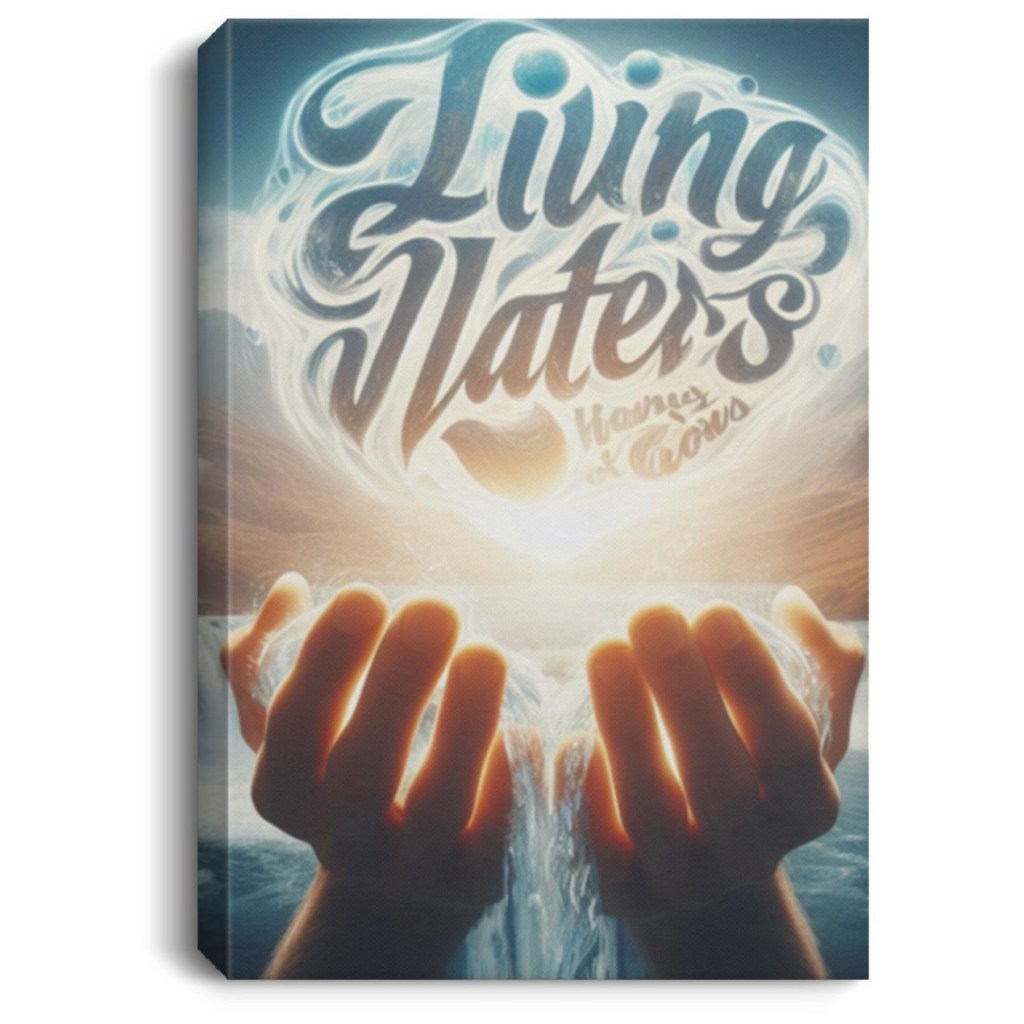
    Have you ever come across a piece of art or an item that instantly captivated your attention and left you wondering about its deeper meaning? The Rivers Of Living Waters wall art, tote bags, and floor mats are no exception. These unique creations represent a powerful verse from the Bible, John chapter 7:38. Let’s dive into the significance behind these beautiful products and the message they convey.

    What are the Rivers Of Living Waters?

    The Rivers Of Living Waters is a symbolic representation of the verse from the Bible, John chapter 7:38, which states, “Whoever believes in me, as Scripture has said, rivers of living water will flow from within them.” This verse speaks to the abundant life that believers in Jesus Christ can experience through their faith.

    Wall Art: A Visual Reminder

    The Rivers Of Living Waters wall art serves as a visual reminder of the promise of abundant life. With its intricate design and vibrant colors, it can be a focal point in any room, sparking conversations and inspiring those who see it. Whether you hang it in your living room, bedroom, or office, it serves as a constant reminder of the faith and hope that flows within you.

    Tote Bags: Carry the Message

    Carrying a Rivers Of Living Waters tote bag is more than just a fashion statement. It is a way to share the message of hope and faith with the world. These durable and stylish bags are not only practical for everyday use but also serve as a conversation starter. As you carry your belongings, you can also carry the message of abundant life, sparking curiosity and opening doors for meaningful conversations.

    Floor Mats: Stepping into Abundance

    Imagine stepping into your home and being greeted by a Rivers Of Living Waters floor mat. It’s not just a mat; it’s a reminder that you are stepping into a place of abundance, peace, and joy. Every time you enter your home, you can be reminded of the promise of living water flowing within you, bringing life and refreshment to your soul.

    Embrace the Promise

    The Rivers Of Living Waters wall art, tote bags, and floor mats are more than just decorative items. They are powerful symbols of faith, hope, and the promise of abundant life. By incorporating these meaningful pieces into your life, you can be reminded daily of the life-giving power of your faith in Jesus Christ.

    So, whether you choose to hang the wall art, carry the tote bag, or step onto the floor mat, let these products serve as a constant reminder of the promise found in John chapter 7:38. Embrace the abundant life that flows within you and share the message of hope with others.

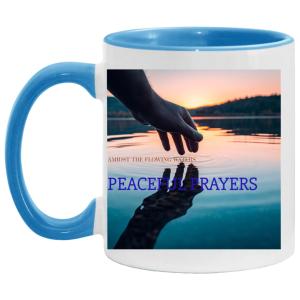
    Living Waters Shop Now
  • Healthy Living

    Psychosomatic and Psychiatric disorders can have a profound impact on an individual’s quality of life. While traditional treatments such as therapy and medication are commonly used, there is growing interest in alternative approaches, particularly herbal medicines. In Japan, these herbal remedies have been used for centuries and are considered a valuable method of treatment. This blog post will explore the benefits and effectiveness of psychosomatic and psychiatric herbal medicines in Japan.

    What are Psychosomatic and Psychiatric Herbal Medicines?

    Psychosomatic and psychiatric herbal medicines refer to natural remedies derived from plants that are used to address mental and emotional health issues. These herbal medicines are specifically formulated to target symptoms associated with psychosomatic and psychiatric disorders, such as anxiety, depression, insomnia, and stress.

    The Benefits of Herbal Medicines

    One of the key benefits of psychosomatic and psychiatric herbal medicines is their natural origin. Unlike synthetic medications, herbal remedies are derived from plants and are often considered safer and gentler on the body. They can provide relief from symptoms without the same risk of side effects commonly associated with pharmaceutical drugs.

    Additionally, herbal medicines offer a holistic approach to treatment. They not only target the symptoms but also aim to address the underlying causes of psychosomatic and psychiatric disorders. By promoting balance and harmony within the body, these herbal remedies can help restore overall well-being.

    Traditional Japanese Herbal Medicines

    Japan has a rich history of using herbal medicines for various health conditions, including psychosomatic and psychiatric disorders. Traditional Japanese herbal medicines, known as Kampo, have been practiced for over a thousand years. These remedies are based on the principles of traditional Chinese medicine and have been adapted to suit the unique needs of the Japanese population.

    Kampo medicines are typically prescribed by trained practitioners who consider the individual’s specific symptoms and constitution. They are often a combination of multiple herbs, carefully selected to address the root cause of the disorder. Some commonly used herbs in Kampo medicine include Bupleurum, Cinnamon, and Licorice.

    Evidence of Effectiveness

    While herbal medicines have been used in Japan for centuries, their effectiveness is not solely based on tradition. Numerous scientific studies have been conducted to evaluate the efficacy of psychosomatic and psychiatric herbal medicines.

    For example, a study published in the Journal of Clinical Psychopharmacology found that a Kampo medicine called Yokukansan was effective in reducing symptoms of agitation and aggression in patients with dementia. Another study published in the Journal of Ethnopharmacology demonstrated the anxiolytic effects of a Kampo medicine called Saikokeishikankyoto in mice.

    Conclusion

    Psychosomatic and psychiatric herbal medicines used in Japan offer a valuable method of treatment for individuals seeking alternative approaches to address their mental and emotional health. With their natural origin, holistic approach, and evidence of effectiveness, these herbal remedies can be a promising option for those looking to improve their well-being. However, it is important to consult with a qualified healthcare professional before incorporating herbal medicines into your treatment plan.

    This story is presented by EJADAcm our Sight for Christian Merchandise.

  • Healthy Living

    Are your shoes causing health problems?

    In this blog post, we will explore the different types of germs that can hitch a ride on our shoes and discuss some simple steps you can take to keep your home clean and germ-free.

    1. Bacteria

    Bacteria are microscopic organisms that can thrive on various surfaces, including the bottoms of our shoes. Some common types of bacteria that can be found on shoes include E. coli, Staphylococcus aureus, and Klebsiella pneumoniae. These bacteria can cause illnesses such as urinary tract infections, skin infections, and respiratory infections.

    2. Fungi

    Fungi, such as mold and yeast, can also find their way onto our shoes. These organisms thrive in warm and moist environments, making the insides of our shoes an ideal breeding ground. When we bring these fungi into our homes, they can cause allergies, respiratory problems, and skin infections.

    3. Viruses

    Viruses, including the common cold and flu viruses, can also hitch a ride on our shoes. These viruses can survive on surfaces for hours or even days, increasing the risk of transmission. When we walk around our homes with contaminated shoes, we can unknowingly spread these viruses to our family members and pets.

    4. Parasites

    Parasites, such as hookworms and roundworms, can be found in soil and can easily attach themselves to the soles of our shoes. When we bring these parasites into our homes, they can cause intestinal infections and other health issues. This is especially concerning if you have young children who may play on the floor.

    5. Chemicals

    In addition to germs, our shoes can also track various chemicals from the environment. Pesticides, herbicides, and other toxic substances can cling to the soles of our shoes and contaminate our homes. These chemicals can pose a risk to our health, especially if we have young children or pets who may come into contact with them.

    Now that you know what kind of germs can be lurking on your shoes, it’s important to take steps to minimize the risk of contamination in your home. Here are a few simple tips:

    1. Remove your shoes at the door

    Make it a habit to take off your shoes as soon as you enter your home. This will help prevent the transfer of germs and contaminants from your shoes to your floors and carpets.

    2. Clean your shoes regularly

    Regularly clean and disinfect your shoes to remove any germs or contaminants. Follow the manufacturer’s instructions for cleaning and maintenance, or consult a professional if you’re unsure.

    3. Use doormats and shoe covers

    Place doormats at the entrances of your home to help trap dirt and debris from your shoes. Consider using disposable shoe covers or dedicated indoor shoes to further minimize the risk of contamination.

    4. Practice good hygiene

    Wash your hands thoroughly after handling your shoes, especially before touching food or your face. This will help prevent the spread of any germs that may have been transferred from your shoes.

    By being aware of the potential germs that can be tracked into your home on your shoes and taking simple precautions, you can help keep your living environment clean and healthy. Remember, a little extra effort goes a long way in protecting yourself and your loved ones from harmful contaminants.

    We have the perfect indoor mat for you and your guests to rest your shoes. https://ejadacm.myshopify.com/

    Buy your indoor mat now and save with our buy 2 get a 3rd free

  • Healthy Living

    I am so passionate about this series on water because I feel it can explain some of the ways I have been suffering I once thought drinking water was very beneficial so I drank a lot of it every day but not anymore now I drink natural spring water.

    Water is essential for our overall health and well-being. We all know the importance of staying hydrated, but not all water is created equal. While tap water and filtered water have their benefits, natural spring water offers unique advantages that can greatly improve your health. In this blog post, we will explore the benefits of drinking natural spring water and why it should be your go-to choice for hydration.

    What is Natural Spring Water?

    Natural spring water is sourced from underground springs that naturally flow to the surface. It is collected at the source and undergoes minimal processing to preserve its natural mineral content. Unlike tap water, which is treated with chemicals and additives, natural spring water is pure and free from contaminants.

    The Benefits of Natural Spring Water

    1. Rich in Minerals: Natural spring water contains essential minerals such as calcium, magnesium, and potassium. These minerals are vital for maintaining healthy bones, regulating blood pressure, and supporting overall bodily functions.

    2. Improved Digestion: Drinking natural spring water can aid in digestion. The minerals present in the water help stimulate the production of digestive enzymes, leading to better absorption of nutrients and smoother digestion.

    3. Enhanced Hydration: The natural composition of spring water makes it easier for our bodies to absorb and retain water. This means that drinking natural spring water can effectively hydrate your body and quench your thirst.

    4. Detoxification: Natural spring water has detoxifying properties that can help flush out toxins from your body. It promotes kidney function and supports the body’s natural detoxification processes.

    5. Boosted Immunity: The minerals and trace elements found in natural spring water can strengthen your immune system. They help in the production of white blood cells, which are responsible for fighting off infections and diseases.

    Choosing the Right Natural Spring Water

    When selecting natural spring water, it is important to choose a reputable brand that sources its water from protected springs. Look for certifications and labels that ensure the water’s purity and quality. It is also advisable to opt for spring water that is bottled at the source to minimize any potential contamination.

    In Conclusion

    Drinking natural spring water offers numerous benefits for your health and well-being. Its rich mineral content, improved digestion, enhanced hydration, detoxification properties, and immune-boosting capabilities make it an excellent choice for daily hydration. So, make the switch to natural spring water and experience the positive impact it can have on your overall health.

    Water Bottles Cannabis Water Bottles for ages 18+

  • Healthy Living

    When it comes to staying healthy, most people focus on eating a balanced diet, exercising regularly, and getting enough sleep. However, one often overlooked factor that can have a significant impact on your health is the quality of the tap water you consume. In many cities, tap water can contain contaminants that may cause or intensify various illnesses. In this blog post, we will explore some of the illnesses that can be caused or intensified by tap water in most cities.

    1. Gastrointestinal Issues

    One of the most common health problems associated with tap water is gastrointestinal issues. Contaminants such as bacteria, viruses, and parasites can find their way into the water supply, leading to stomach cramps, diarrhea, and vomiting. These gastrointestinal issues can be particularly severe for individuals with weakened immune systems, such as the elderly or those with chronic illnesses.

    2. Respiratory Infections

    Tap water can also contribute to respiratory infections. Certain bacteria, such as Legionella, can thrive in water systems and cause illnesses like Legionnaires’ disease, a severe form of pneumonia. Inhaling contaminated water droplets, such as those from showers or faucets, can lead to respiratory infections and flu-like symptoms.

    3. Skin Irritations

    Have you ever experienced dry, itchy skin after showering or bathing? Tap water can contain chemicals like chlorine, which is commonly used to disinfect water. While chlorine helps kill harmful bacteria, it can also strip the skin of its natural oils, leading to dryness and irritation. Additionally, some individuals may be sensitive to other contaminants in tap water, such as heavy metals, which can further exacerbate skin issues.

    4. Hormonal Imbalances

    Tap water can contain trace amounts of various chemicals, including pharmaceuticals, pesticides, and industrial pollutants. These substances, known as endocrine disruptors, can interfere with the body’s hormonal balance. Prolonged exposure to endocrine disruptors in tap water has been linked to reproductive issues, developmental problems, and even certain types of cancer.

    5. Weakened Immune System

    Drinking tap water that contains contaminants can weaken your immune system over time. Your body constantly works to eliminate toxins and fight off infections, but when exposed to harmful substances in tap water, your immune system can become overwhelmed. This can leave you more susceptible to various illnesses and infections.

    Conclusion

    While tap water is generally considered safe to drink in most cities, it’s important to be aware of the potential health risks associated with contaminants. Gastrointestinal issues, respiratory infections, skin irritations, hormonal imbalances, and a weakened immune system are just a few of the illnesses that can be caused or intensified by tap water. To minimize these risks, consider investing in a water filtration system or drinking bottled water from a trusted source. Your health is too important to overlook the impact of tap water on your well-being.

    Shop EJADAsm https://grahamsejada.myshopify.com/

  • Healthy Living

    I haven’t been able to post for some time now because I have been finding some new information and here it starts with a question why don’t doctors tell you how bad your falcet water can be for you. Water in most cities isn’t good for your body.

    Water is essential for our survival. It keeps us hydrated, helps with digestion, and supports various bodily functions. However, not all water is created equal. In many cities, the water that comes out of the tap may not be as good for your body as you think. So, why don’t doctors and pharmaceutical companies talk about this issue? Let’s explore the reasons behind it.

    1. Lack of Awareness

    One of the main reasons why doctors and pharmaceutical companies don’t emphasize the quality of city water is the lack of awareness. Many people assume that tap water is safe to drink because it goes through a treatment process. However, this process may not remove all the contaminants present in the water.

    2. Limited Resources

    Doctors and pharmaceutical companies have limited resources and focus on addressing immediate health concerns. While water quality is important, it may not be their primary area of expertise. They often prioritize other health issues that have a more direct impact on patient well-being.

    3. Regulatory Standards

    The water supply in most cities is regulated by government agencies that set certain standards for water quality. These standards ensure that the water is safe to drink and meets specific health guidelines. Doctors and pharmaceutical companies may rely on these regulatory standards and assume that the water is adequately treated.

    4. Individual Variations

    Water quality can vary from city to city and even within different neighborhoods. Some cities may have better water treatment facilities, while others may struggle to maintain the same level of quality. This variation makes it challenging for doctors and pharmaceutical companies to make blanket statements about the water in most cities.

    5. Personal Responsibility

    Ultimately, individuals have a personal responsibility to ensure their own health and well-being. While doctors can provide general advice on maintaining a healthy lifestyle, it is up to each person to take proactive steps to ensure they are consuming safe and clean water. This may involve using water filters or opting for bottled water.

    Conclusion

    While doctors and pharmaceutical companies may not explicitly discuss the quality of city water, individuals need to be aware of the potential risks. Understanding the limitations of the water treatment process and taking personal responsibility for water consumption can help ensure a healthier lifestyle. Remember, knowledge is power, and being informed about the water you drink is a crucial step toward maintaining your overall well-being.

    Check out https://grahamsejada.myshopify.com/

  • Water is an essential component of our daily lives. We drink it to stay hydrated, use it for cooking, and rely on it for various household activities. But have you ever wondered about the quality of the water you consume every day? Is it as clean and healthy as you think? In this blog post, we will explore the potential health risks associated with the water we drink and provide you with valuable insights to make informed decisions about your water consumption.

    What contaminants are present in our drinking water?

    Unfortunately, our drinking water is not always as pure as we would like it to be. Various contaminants can find their way into our water sources, including:

    • Heavy metals such as lead, mercury, and arsenic
    • Chemicals like chlorine, fluoride, and pesticides
    • Bacteria and viruses
    • Microplastics

    What are the potential health risks?

    The presence of these contaminants in our drinking water can pose several health risks. For instance:

    • Heavy metals can accumulate in our bodies over time and lead to organ damage.
    • Chemicals like chlorine and fluoride, when consumed in excess, may have adverse effects on our overall health.
    • Bacteria and viruses can cause waterborne diseases, leading to gastrointestinal issues and other infections.
    • Microplastics, which are tiny particles of plastic, can enter our bodies and potentially have long-term health effects.

    How can we ensure the safety of our drinking water?

    While the presence of contaminants in our drinking water is concerning, there are steps we can take to ensure its safety:

    • Invest in a high-quality water filtration system that can effectively remove impurities.
    • Regularly test your water for contaminants to identify any potential issues.
    • Stay informed about the quality of your local water supply by accessing annual water quality reports.
    • Consider using bottled water from reputable brands if you have concerns about your tap water.

    Conclusion

    It is important to be aware of the potential health risks associated with the water we drink every day. While our tap water undergoes treatment processes to make it safe, it is not always free from contaminants. By taking proactive measures to ensure the safety of our drinking water, such as using water filtration systems and staying informed about water quality, we can minimize the potential health risks and make healthier choices for ourselves and our families.

    This post is brought to you by EJADAcm which is our inspirational site for Living Waters

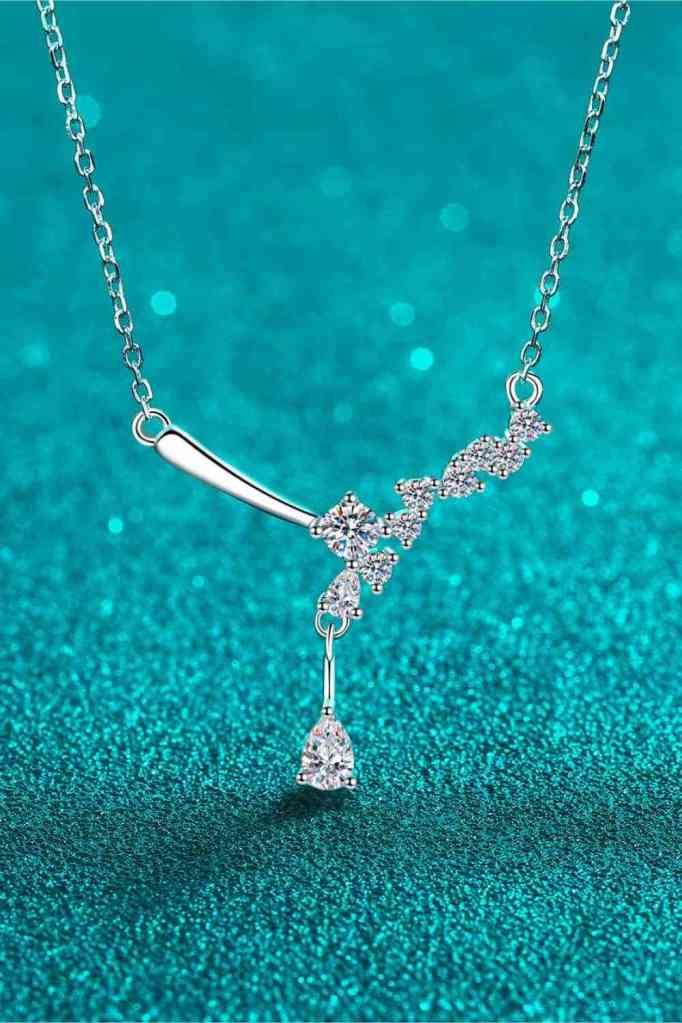
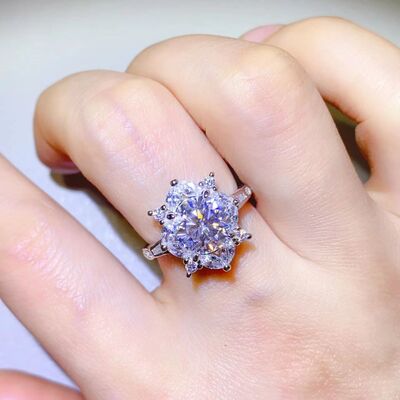
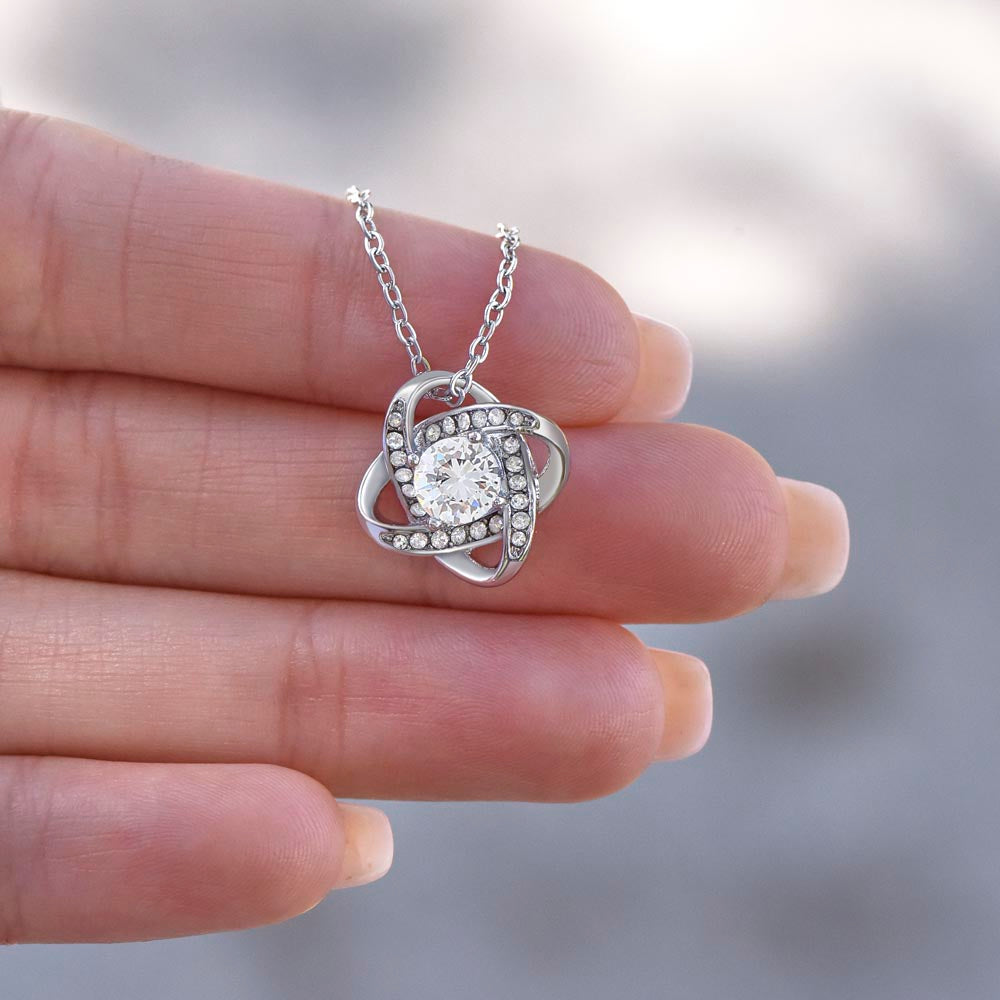
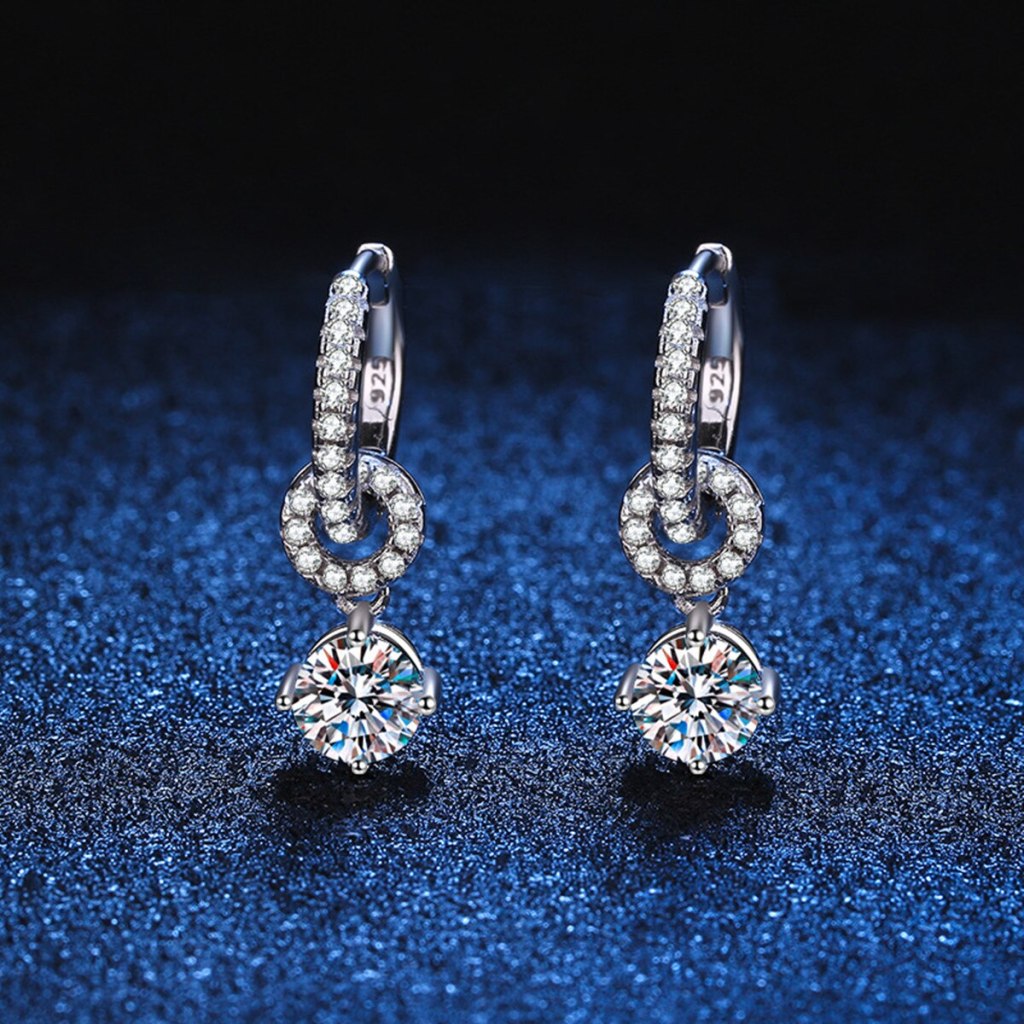
  • Healthy living can be found in your heart when you feel the love of family and friends, so this Valentine’s Day give a smile from BJ GRAHAMS with one of our Jewelry selections. You may be wondering if Moissanite is quality.

    When it comes to choosing a gemstone for an engagement ring or any other piece of jewelry, diamonds have always been the top choice. However, in recent years, moissanite has gained popularity as an alternative to diamonds. But what exactly is the difference between a real diamond and moissanite? Let’s explore.

    Composition and Origin

    Diamonds are natural gemstones formed deep within the Earth’s mantle over billions of years. They are composed of carbon atoms arranged in a crystal lattice structure. On the other hand, moissanite is a lab-created gemstone. It is made of silicon carbide and was first discovered in a meteorite crater. While diamonds are mined, moissanite is synthesized in a laboratory.

    Hardness and Durability

    Diamonds are known for their exceptional hardness. They are the hardest naturally occurring substances, scoring a perfect 10 on the Mohs scale of mineral hardness. Moissanite, although not as hard as diamonds, is still a very durable gemstone. It ranks 9.25 on the Mohs scale, making it suitable for everyday wear.

    Brilliance and Fire

    Both diamonds and moissanite exhibit exceptional brilliance and fire, but they differ in their optical properties. Diamonds have a higher refractive index, which means they bend light more than moissanite. This gives diamonds a unique sparkle and brilliance. Moissanite, on the other hand, has a slightly lower refractive index, resulting in a different kind of sparkle. Some people even prefer the fiery rainbow flashes of moissanite over the classic diamond sparkle.

    Color and Clarity

    Diamonds come in a range of colors, from colorless to various shades of yellow and brown. The most valuable diamonds are those that are colorless. Moissanite, on the other hand, is typically near-colorless and does not have the same range of color variations as diamonds. In terms of clarity, diamonds can have internal flaws or inclusions, while moissanite is generally more flawless.

    Price

    One of the most significant differences between diamonds and moissanite is the price. Diamonds are rare and highly sought after, making them more expensive. The price of a diamond is determined by the 4Cs: carat weight, color, clarity, and cut. Moissanite, being a lab-created gemstone, is more affordable and offers excellent value for money. It provides a similar look to diamonds at a fraction of the cost.

    Conclusion

    In summary, the main differences between a real diamond and moissanite lie in their composition, origin, hardness, brilliance, color, clarity, and price. While diamonds are natural and more expensive, moissanite is lab-created and more affordable. Both gemstones have their unique qualities and appeal, so the choice ultimately comes down to personal preference and budget. Whether you opt for the timeless elegance of a diamond or the affordable luxury of moissanite, both are beautiful choices for any piece of jewelry.

    Shop Now for the best selection BJ GRAHAMS where your satisfaction is our number one goal.

  • The use of cannabis for pain relief is a topic of ongoing research, and the scientific evidence suggests that it may be effective in managing chronic pain. However, it’s important to consult with a healthcare professional before using cannabis for pain relief, especially if you have any underlying medical conditions or are taking other medications. They can provide guidance and help you make an informed decision about whether cannabis is a suitable option for you.

    Discover the Science of Relaxation: Unwind and De-stress with our Expertly Crafted Products. Intended for ages 18 and Up 

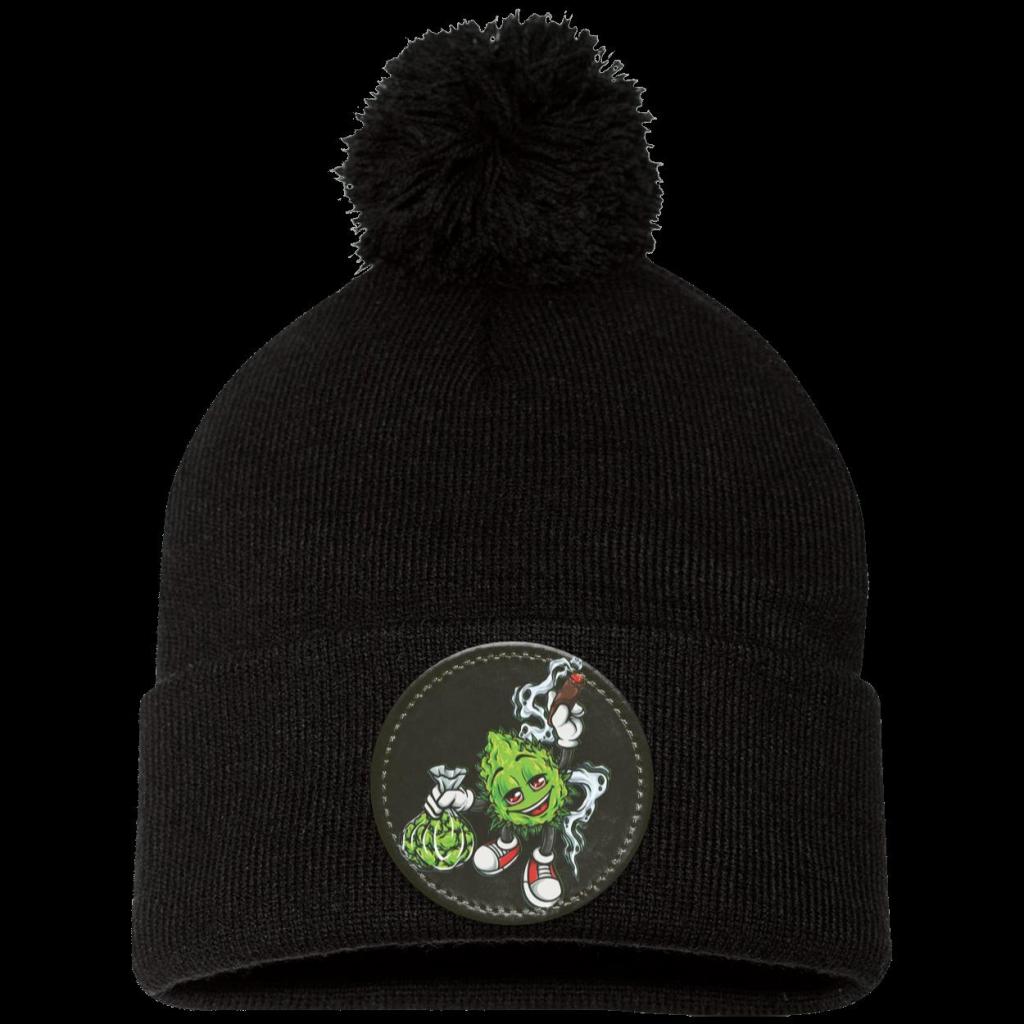
    WeedLax Because We’re All A Little Crazy

    You will love the low prices and selection of Hoodies and T-shirts for both men and women. These products are intended for ages 18 and up