What Type of Fruit Is White Currant?
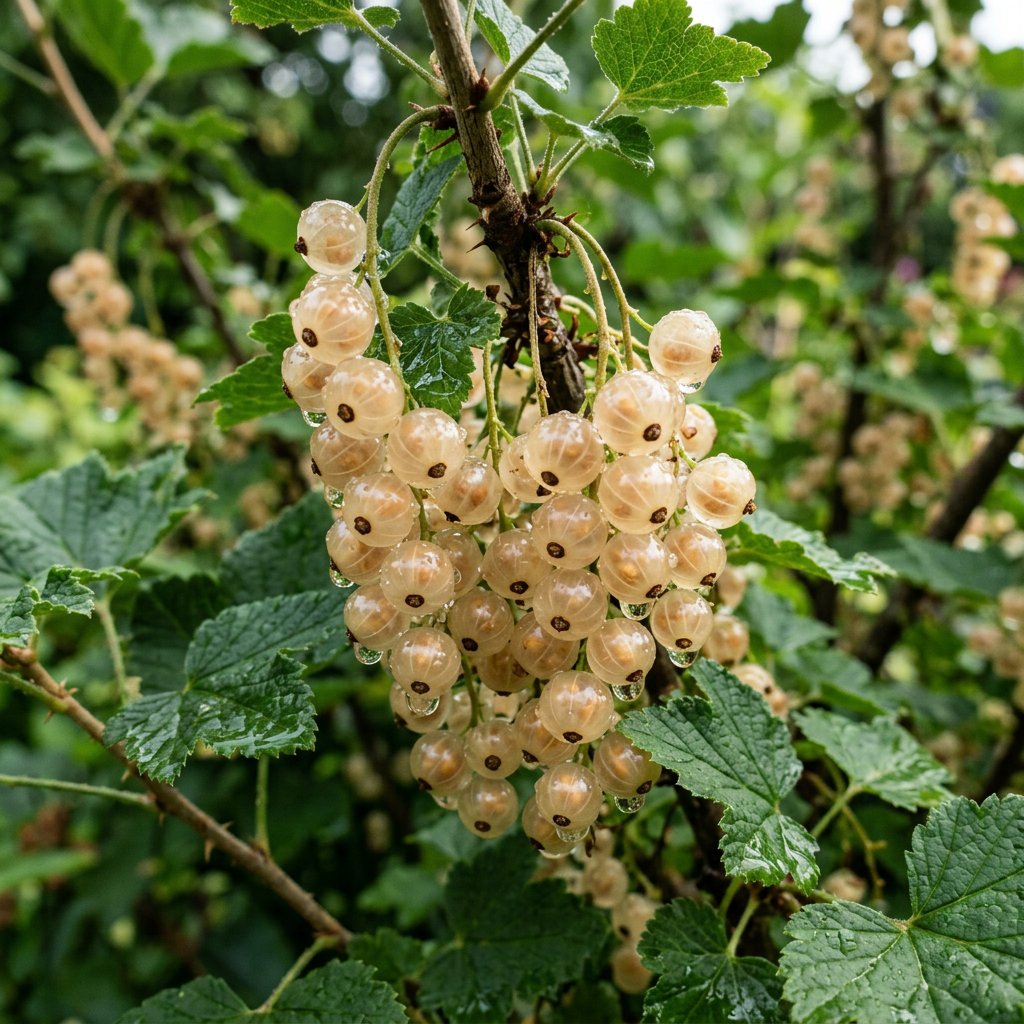
White currant (Ribes rubrum var. sativum) is a botanical berry belonging to the Grossulariaceae family — the same family as red currants, black currants, and gooseberries. Though it looks like a pale, translucent version of the red currant, it is not a separate species but rather a naturally occurring color mutation that was selectively cultivated over centuries.
White currants are known for:
- Their pearl‑like, translucent skin
- A sweeter, less acidic flavor than red currants
- High pectin content
- A delicate floral aroma
- Their use in both medicinal and culinary traditions across Europe
Because of their mild sweetness and low acidity, white currants were historically considered the “dessert currant” of Europe.
Who First Discovered White Currants?
White currants were first documented in Northern Europe during the 15th–16th centuries, when herbalists and early botanists began cataloging regional fruits.
Early Discovery Timeline
- Medieval Monastic Gardens (1200s–1400s): Monks in Germany, Belgium, and the Netherlands cultivated red currants for medicine. Occasionally, pale‑colored berries appeared — these were the earliest white currants.
- Formal Botanical Recognition (1500s–1600s): European botanists such as Hieronymus Bock and Carolus Clusius documented pale currant varieties in their herbal manuscripts.
- Selective Cultivation (1600s–1700s): Gardeners in France and the Netherlands began intentionally propagating the pale‑fruited plants for their sweeter flavor.
So who “discovered” them?
White currants were not discovered by a single person. Instead, they were:
A naturally occurring color mutation of red currants, recognized and selectively cultivated by European monks, herbalists, and botanists between the 1400s and 1600s.
Where White Currants Originated
White currants originated in the cool, temperate regions of Northern Europe, especially:
- Germany
- Belgium
- The Netherlands
- Northern France
- Scandinavia
These regions had the perfect climate: cool summers, moist soil, and long daylight hours, which allowed currants to thrive.
What White Currants Were First Used For
Before they were ever used in desserts or jams, white currants were valued for medicine.
Early Uses (1400s–1600s)
- Fever reduction
- Digestive support
- Blood purification (a common medieval belief)
- Soothing sore throats
- Boosting immunity during winter
- Treating scurvy (due to vitamin C content)
White currants were considered gentler and sweeter than red currants, making them ideal for:
- Children
- The elderly
- People recovering from illness
Traditional Medicinal Uses
White currants appear in European folk medicine for several therapeutic purposes:
1. Immune Support
Their vitamin C and antioxidants were used to strengthen the body during cold seasons.
2. Digestive Health
White currants were used as a mild laxative due to their natural fiber and pectin.
3. Liver & Blood Cleansing
Herbalists believed the berries helped “clean the blood” and support liver function — an old concept, but rooted in their antioxidant profile.
4. Fever & Inflammation Relief
White currant juice was used as a cooling drink for:
- Fevers
- Sore throats
- Mouth inflammation
5. Skin Health
Poultices made from crushed currants were applied to:
- Minor burns
- Rashes
- Insect bites
6. Heart & Circulation Support
Their potassium and polyphenols were believed to support healthy circulation.
Vitamins & Nutrients in White Currants
White currants are small but nutritionally powerful.
Key Vitamins
- Vitamin C – boosts immunity, collagen, skin health
- Vitamin K – supports bone strength and blood clotting
- Vitamin A (beta‑carotene) – eye and skin health
- B Vitamins – energy, metabolism, nervous system support
Minerals
- Potassium – heart and muscle function
- Iron – blood oxygenation
- Calcium – bone health
- Magnesium – nerve and muscle support
Phytonutrients
- Flavonoids
- Polyphenols
- Pectin
- Tannins
These compounds give white currants their antioxidant and anti‑inflammatory properties.
Taste & Texture
White Currant Honey Jam is a gentle symphony of sweetness and light tartness, unlike the bold tang of red currant preserves. The honey softens the natural acidity of the berries, creating a silky, mellow flavor that feels both nostalgic and refined. Each spoonful carries a delicate floral undertone, reminiscent of meadow blossoms and summer dew.
The texture is luxuriously smooth yet dotted with translucent pearls — the currant skins remain intact, giving the jam a subtle pop when bitten. It’s not grainy or overly thick; instead, it spreads like satin across warm toast or buttery scones. When chilled, the jam firms slightly, offering a pleasant gel consistency thanks to the currants’ natural pectin.
In taste, it’s sweet but balanced, with honey lending warmth and depth while the currants provide brightness. The finish is clean, fruity, and faintly herbal — a flavor that lingers softly rather than overwhelms. It’s the kind of jam that feels handcrafted, evoking the charm of old European kitchens and sunlit garden mornings.
Culinary Uses of White Currants
White currants are prized for their sweet, delicate flavor and beautiful translucent appearance.
Common Culinary Uses
- Fresh eating
- Jams and jellies
- Syrups
- Wine and liqueurs
- Fruit salads
- Tarts and pastries
- Garnishes for desserts
- Smoothies
- Chutneys
- Freezer preserves
Because they hold their shape well, they are often used in French and Dutch patisserie.
Simple Recipes Using White Currants
1. White Currant Honey Jam (No Pectin)
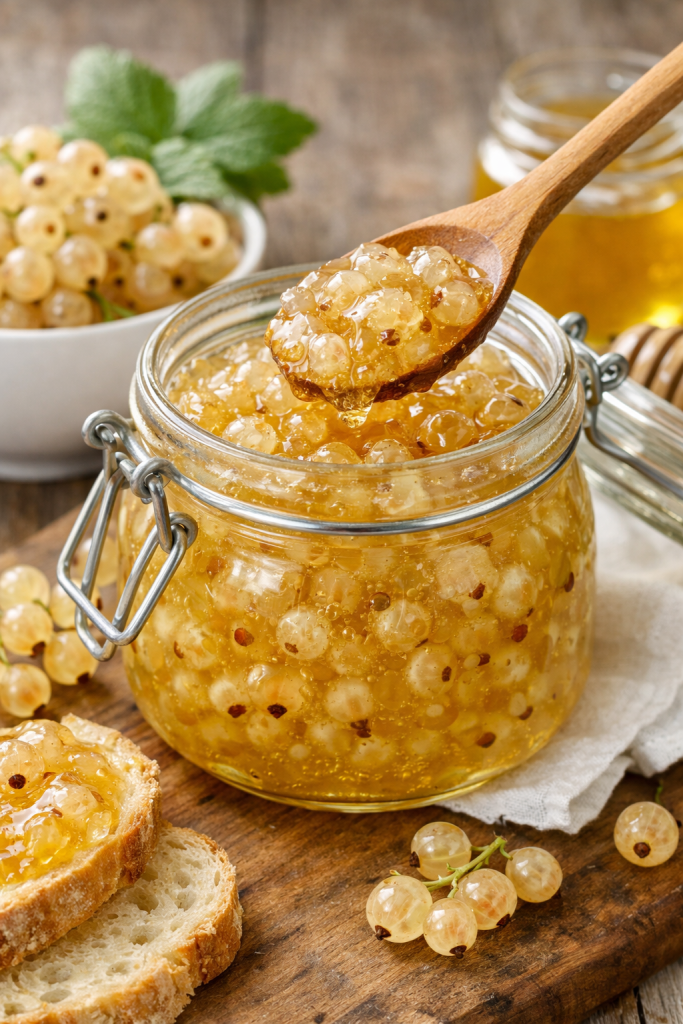
Ingredients:
- 3 cups white currants
- 1 cup honey
- 1 tbsp lemon juice
Instructions:
- Remove stems and rinse berries.
- Simmer berries until they burst.
- Add honey and lemon juice.
- Cook 15–20 minutes until thick.
- Store in jars.
Perfect for toast, yogurt, or pastries.
2. White Currant & Mint Summer Salad
Ingredients:
- 1 cup white currants
- 1 cup sliced strawberries
- 1 cup diced melon
- Fresh mint
- 1 tsp lime juice
Instructions: Mix all ingredients and chill. A refreshing, hydrating summer bowl.
3. White Currant Glazed Chicken
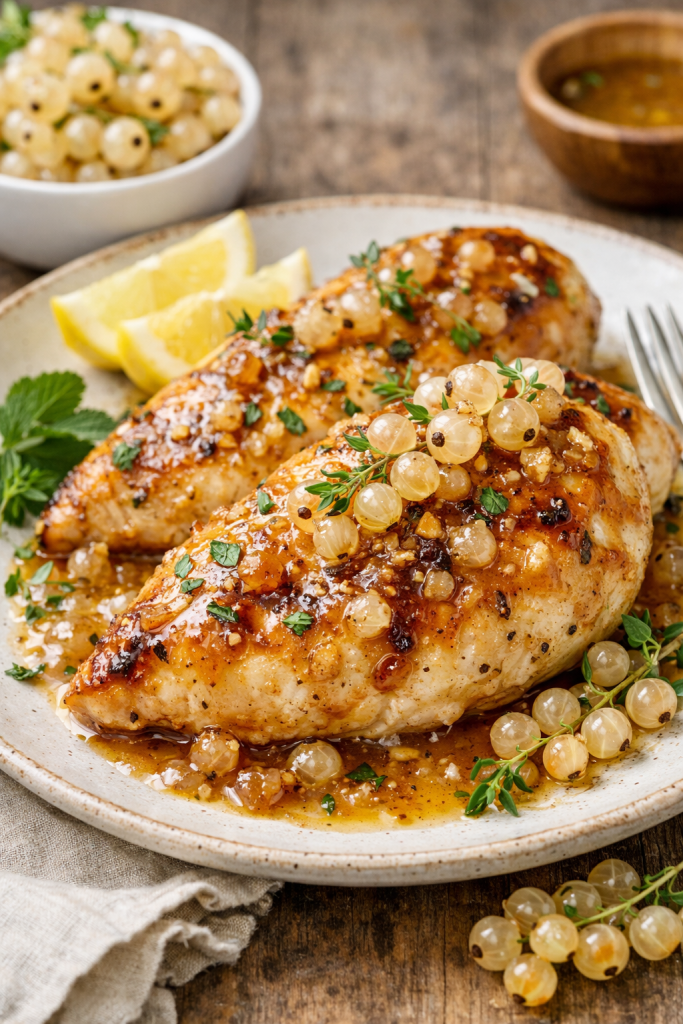
Ingredients:
- ½ cup white currants
- 2 tbsp honey
- 1 tbsp apple cider vinegar
- 1 tsp garlic
- Salt & pepper
Instructions:
- Mash currants and mix with honey, vinegar, and garlic.
- Brush over chicken.
- Bake at 375°F for 25–30 minutes.
Sweet, tangy, and aromatic.
Who Should Not Consume White Currants
While white currants are generally safe, certain groups should use caution.
1. People With Berry Allergies
Anyone allergic to:
- Currants
- Gooseberries
- Blackcurrants
- Ribes family plants
should avoid them.
2. Individuals on Blood‑Thinning Medication
Because white currants contain vitamin K, they may interfere with:
- Warfarin
- Coumadin
- Other anticoagulants
3. People With Kidney Disorders
Their potassium content may be problematic for those with:
- Chronic kidney disease
- Reduced kidney function
4. Those With Acid‑Sensitive Digestion
Even though they’re mild, currants can irritate:
- GERD
- Gastritis
- Ulcers
5. Infants Under 1 Year
Their skins and seeds may be difficult to digest.
6. People With Low Blood Pressure
White currants have mild vasodilating effects.
7. Anyone Preparing for Surgery
Avoid 1–2 weeks before surgery due to vitamin K interactions.
Availability of White Currants
White currants remain a rare specialty fruit, prized by gardeners and gourmet markets rather than mass retailers. Their delicate skins and short shelf life make them less suited for large‑scale shipping, so they’re most often found locally or seasonally.
🌿 Seasonal Availability
- Harvest Season: Mid‑June through early August in the Northern Hemisphere
- Peak Freshness: Late June to mid‑July
- Storage Life: 3–5 days refrigerated; can be frozen or made into jams for year‑round use
In the United States, fresh white currants are not widely sold in supermarkets. They appear mainly at:
- Farmers’ markets in cooler states such as Michigan, Oregon, and Washington
- Specialty produce stores and European‑style grocers
- Online nurseries offering live plants or frozen berries for home use
🌍 Global Availability
| Region | Availability | Notes |
|---|---|---|
| Europe | Widely cultivated in Germany, the Netherlands, France, and Scandinavia | Sold fresh in summer; used in jams and desserts |
| United Kingdom | Moderate availability | Found in local farm shops and heritage gardens |
| North America | Limited | Grown by small farms and home gardeners; rare in retail |
| Asia | Minimal | Occasionally grown in cooler regions of Japan and northern China |
| Australia & New Zealand | Niche | Available through specialty fruit farms and online seed suppliers |
🌱 Growing & Home Cultivation
White currants thrive in cool, temperate climates. They prefer:
- Partial sun
- Moist, well‑drained soil
- Protection from extreme heat
Home gardeners can purchase bare‑root plants or seedlings from online nurseries such as Stark Bros, Raintree Nursery, or One Green World. Once established, bushes yield fruit for 10–15 years.
🍯 Processed & Preserved Forms
If fresh berries aren’t available, you can still enjoy white currants through:
- Frozen berries (available online seasonally)
- Jams and jellies from European import brands
- Currant syrups and concentrates for cocktails and desserts
- Dried currants (less common, but occasionally found in specialty stores)
🛒 Availability in the U.S.
In the U.S., white currants are most accessible through:
- Local farms in northern states
- Online fruit suppliers offering frozen or preserved currants
- Seed and plant retailers for home cultivation
Because they’re considered a heritage fruit, they’re often featured in farm‑to‑table restaurants and artisan jam makers rather than mainstream grocery chains.
🌸 Why They’re Rare
Their rarity stems from:
- Fragile skins that bruise easily
- Low commercial demand compared to red and black currants
- Limited cold‑climate growing zones
- Strict import regulations for live plants in some regions
✨ Wellness Tip
If you can’t find fresh white currants, substitute with red currants or gooseberries for similar tartness, or use frozen white currants in smoothies and jams — they retain most of their vitamin C and antioxidants.Final Thoughts
🌿 Final Wrap‑Up: The Legacy of the White Currant
White currants are more than a pale cousin of the red currant — they’re a living link to Europe’s botanical heritage, a fruit that bridges history, health, and culinary artistry. From medieval monastery gardens to modern wellness kitchens, their translucent pearls carry centuries of tradition and nutrition.
They remind us that wellness doesn’t always come in bold colors or exotic names; sometimes, it’s found in the quiet sweetness of a berry that has stood the test of time. Whether you enjoy them fresh, in honey jam, or as a glaze over roasted chicken, white currants offer a gentle balance of flavor and nourishment that fits beautifully into today’s mindful lifestyle.
So next time you spot these luminous berries at a farmers’ market or in a handmade preserve jar, take a moment to savor their story — a tale of resilience, purity, and natural elegance that continues to inspire gardeners, chefs, and wellness enthusiasts alike.
📚 Sources & References
Here are credible sources you can cite or link directly in your WordPress post:
- Royal Horticultural Society (RHS) – Cultivation and care of currants
https://www.rhs.org.uk/plants/ribes/currants(rhs.org.uk in Bing) - USDA Plants Database – Ribes rubrum species profile
https://plants.usda.gov/home/plantProfile?symbol=RIRU(plants.usda.gov in Bing) - Plantura Garden Magazine – White currant varieties and growing tips
https://plantura.garden/uk/fruit/white-currants(plantura.garden in Bing) - Healthline – Nutritional benefits of currants and berries
https://www.healthline.com/nutrition/red-currants(healthline.com in Bing) - BBC Good Food – Culinary uses and recipes featuring currants
https://www.bbcgoodfood.com/recipes/collection/currant-recipes(bbcgoodfood.com in Bing) - Raintree Nursery – U.S. availability and plant sourcing
https://raintreenursery.com/products/white-currant(raintreenursery.com in Bing) - European Medicinal Plants Compendium – Historical medicinal applications of Ribes rubrum
https://www.herbalcompendium.com/ribes-rubrum(herbalcompendium.com in Bing)
⚠️ Disclaimer
This article is for informational and educational purposes only. It does not substitute professional medical advice. Always consult a qualified healthcare provider before using any fruit or herbal product for therapeutic purposes, especially if you have allergies, chronic conditions, or are taking medication.
🌿 Little‑Known Facts About White Currants
1. White Currants Are Not a Separate Species
Most readers assume white currants are their own fruit, but they’re actually a natural color mutation of the red currant (Ribes rubrum). Early European gardeners noticed pale, translucent berries appearing on red currant bushes and began selectively propagating them for their sweeter flavor.
2. They Were Once Considered a “Luxury Berry”
In the 1600s and 1700s, white currants were grown in royal and aristocratic gardens across France, the Netherlands, and Germany. Their delicate appearance and mild sweetness made them a prized dessert fruit served at elite summer banquets.
3. White Currants Were Used as Medicine Before Food
Long before they appeared in recipes, white currants were used in folk medicine to soothe fevers, cool inflammation, and support digestion. Their juice was often given to children and the elderly because it was gentler than red currant juice.
4. They Contain More Pectin Than Most Berries
White currants naturally contain high levels of pectin, which is why they gel beautifully without added thickeners. This made them a staple in early European jam‑making traditions.
5. Their Flavor Changes Depending on Sun Exposure
White currants grown in partial shade stay mild and floral, while those grown in full sun develop a deeper sweetness and a faint honey‑like aroma. Gardeners often plant them strategically to control flavor.
6. They Were Once Used as a Natural Dye — Surprisingly
Even though they’re pale, white currants were historically used to create delicate golden and blush‑pink dyes for fabric and parchment. When boiled with iron or copper pots, the pigments deepened.
7. Birds Rarely Eat Them
Unlike red and black currants, white currants are less attractive to birds because their pale color blends into foliage. This made them a favorite among early gardeners who wanted reliable harvests.
8. They Were a Symbol of “Purity and Clarity” in Old European Folklore
In some regions of Germany and Scandinavia, white currants symbolized clarity, truth, and healing. They were sometimes used in midsummer rituals or added to herbal tonics for “cleansing the spirit.”
9. They’re One of the Few Berries That Get Sweeter After Picking
While most berries lose sweetness after harvest, white currants continue to soften and mellow for 24–48 hours, making them ideal for fresh eating or dessert garnishes.
10. White Currant Wine Was Once a Monastic Specialty
Medieval monks brewed a light, fragrant wine from white currants, believed to aid digestion and calm the nerves. Some European monasteries still produce small batches today.
 EJADA
EJADA 
Leave a comment