
🥒✨ Wax Gourd: The Cooling, Cleansing Fruit Hiding in Plain Sight
If you’ve ever seen a giant, pale‑green melon coated in a soft white “wax,” you’ve already met the Wax Gourd — also known as Winter Melon, Ash Gourd, or Benincasa hispida. Even though most people treat it like a vegetable, it’s botanically a fruit, and one of the most ancient, versatile, and wellness‑packed fruits in Asian cultures.
Light, hydrating, and naturally cooling, Wax Gourd has been used for centuries in soups, teas, tonics, and even traditional medicine. It’s the kind of fruit that quietly supports your body from the inside out — cleansing, soothing, and refreshing without ever trying to steal the spotlight. 🌿💧
🌱 What Is a Wax Gourd?
The Wax Gourd is a large, oblong fruit with a smooth green skin that develops a powdery white coating as it matures — almost like it’s been dusted with frost. Inside, the flesh is pale, crisp, and incredibly hydrating, with a mild flavor that absorbs spices, herbs, and broths beautifully.
It’s a staple in Chinese, Indian, Southeast Asian, and Ayurvedic traditions, prized for its cooling energy and gentle detoxifying properties.
🌏 Origins & Cultural Roots
The Wax Gourd has one of the oldest cultural footprints in the fruit world, with roots stretching deep into South Asia, China, and Southeast Asia. Archaeological evidence and early agricultural writings suggest that humans have been cultivating this fruit for over 2,000 years, valuing it not only as food but as a symbol of balance, purity, and longevity.
In India, the Wax Gourd — known as Petha, Kumbalanga, or Ash Gourd — holds a sacred place in Ayurvedic tradition. Ancient healers praised it for its cooling, clarifying energy, often recommending it for meditation, digestive balance, and mental calm. Even today, it’s used in temple kitchens, wellness retreats, and traditional cleansing rituals.
In China, the fruit is called Dong Gua (冬瓜), meaning “winter melon,” a name inspired by its remarkable ability to store through the cold months. It became a staple in imperial kitchens and herbal medicine, appearing in soups, teas, and tonics designed to clear heat, soothe inflammation, and restore internal harmony. Its presence in festivals and family meals symbolizes prosperity, purity, and good health.
Across Thailand, Vietnam, Malaysia, and the Philippines, Wax Gourd became a beloved ingredient in everyday cooking — from broths and curries to sweetened teas and candies. Its mild flavor made it a natural companion to local herbs, spices, and aromatics, while its cooling nature made it essential in tropical climates.
Over time, the Wax Gourd evolved from a simple fruit into a cultural icon — a food, a medicine, a symbol, and even a vessel. In some regions, dried gourds were hollowed out and used as containers, echoing its role as a giver of nourishment and sustenance.
Today, it remains a quiet but powerful presence in Asian kitchens and wellness traditions, carrying forward a legacy of healing, balance, and cultural memory.
🍽️ Taste & Texture
Wax Gourd has a gentle, refreshing flavor that makes it one of the most versatile fruits in Asian cuisine. Its flesh is pale, crisp, and almost cucumber‑like when raw, offering a clean, hydrating bite. Once cooked, it transforms into a soft, silky texture that absorbs the flavors of broths, spices, and aromatics beautifully.
Because its natural taste is mild, it pairs effortlessly with ginger, garlic, scallions, herbs, and warming spices. Whether simmered in soups, brewed into tea, or blended into juice, Wax Gourd brings a quiet, cooling presence to every dish.
🥗 Nutrition & Vitamins
Wax Gourd is one of the most hydrating fruits in the world, composed of nearly 96% water, making it naturally refreshing and gentle on the body. Despite its mild flavor, it carries a surprisingly rich profile of vitamins, minerals, and plant compounds that support overall wellness.
Vitamin C
A natural antioxidant that helps protect cells from oxidative stress, supports immune function, and promotes healthy skin. Wax Gourd offers a light but steady source of this essential vitamin.
B‑Vitamins (B2, B3, B6)
These vitamins play a key role in energy metabolism, nervous system support, and maintaining healthy skin and tissues. They help convert food into usable energy while supporting cognitive clarity and mood balance.
Potassium
A vital mineral for heart health and fluid balance. Potassium helps regulate blood pressure, supports muscle function, and maintains electrolyte stability — especially important in warm climates or after sweating.
Calcium
Contributes to strong bones, teeth, and proper muscle function. While not as concentrated as dairy sources, Wax Gourd provides a gentle plant‑based boost.
Iron
Supports oxygen transport, energy levels, and overall vitality. Its presence in Wax Gourd makes it a supportive ingredient for those seeking plant‑based sources of minerals.
Dietary Fiber
The soft, soluble fiber in Wax Gourd helps soothe digestion, support regularity, and promote a healthy gut environment. It’s gentle enough for sensitive stomachs while still offering digestive benefits.
Antioxidants: Flavonoids & Phenolic Acids
These plant compounds help reduce inflammation, neutralize free radicals, and support long‑term cellular health. They contribute to Wax Gourd’s traditional use in cooling, cleansing, and restoring balance.
Cucurbitacins (in trace amounts)
Naturally occurring compounds found in the gourd family. In safe, non‑bitter fruit, they offer mild anti‑inflammatory and antioxidant benefits.
💚 Health Benefits
Wax Gourd offers a unique combination of hydration, cooling energy, and gentle nourishment that has made it a cornerstone of traditional wellness practices for centuries. Its benefits are subtle yet powerful, supporting the body in ways that promote balance, clarity, and long‑term vitality.
1. Deep Hydration & Electrolyte Balance
With nearly 96% water content, Wax Gourd replenishes fluids naturally and helps maintain electrolyte stability. Its potassium content supports healthy hydration, making it ideal for warm climates, post‑exercise recovery, or anyone prone to dehydration.
2. Naturally Cooling for Internal Heat
In both Ayurveda and Traditional Chinese Medicine, Wax Gourd is prized for its ability to reduce internal heat. It helps soothe inflammation, calm excess body warmth, and restore a sense of internal balance — especially during summer or after eating spicy foods.
3. Supports Healthy Digestion
The gentle fiber in Wax Gourd helps regulate bowel movements, soothe the digestive tract, and reduce bloating. Its cooling nature can calm acidity and irritation, making it a supportive food for sensitive stomachs.
4. Detoxifying & Cleansing Properties
Wax Gourd is traditionally used to support the kidneys and urinary system. Its natural diuretic effect helps flush out excess fluids, reduce puffiness, and support the body’s detox pathways without harshness.
5. Heart‑Friendly Mineral Profile
Low in sodium and rich in potassium, Wax Gourd supports healthy blood pressure levels. Its hydration and fiber content also contribute to overall cardiovascular wellness.
6. Anti‑Inflammatory & Antioxidant Support
Flavonoids, phenolic acids, and trace cucurbitacins help neutralize free radicals and reduce inflammation. These compounds support long‑term cellular health and may help protect against oxidative stress.
7. Weight‑Friendly & Satiating
Low in calories but high in volume, Wax Gourd helps create a sense of fullness without heaviness. It’s a popular ingredient in weight‑management diets across Asia due to its ability to nourish while remaining light.
8. Supports Mental Calm & Clarity
Ayurvedic tradition describes Wax Gourd juice as a “mind‑cooling” tonic. Its hydrating, cooling nature is believed to support mental clarity, reduce irritability, and promote a calm, grounded state.
9. Gentle on the Body During Illness or Recovery
Because it is soft, hydrating, and easy to digest, Wax Gourd is often used in soups and broths for individuals recovering from illness, digestive upset, or heat exhaustion.
⚠️ Who Should Not Consume Wax Gourd, or Use With Caution
Although Wax Gourd is gentle and well‑tolerated for most people, its strong cooling and diuretic nature means certain individuals should approach it with care. Traditional wellness systems have long emphasized that even beneficial foods must match a person’s constitution — and Wax Gourd is no exception.
1. Individuals With Very Low Blood Pressure
Wax Gourd encourages fluid release and cooling, which can gently lower blood pressure. For people who already experience dizziness, fatigue, or naturally low readings, frequent consumption may intensify these symptoms.
2. People Taking Diuretics or Blood Pressure Medication
Because it increases urination and reduces water retention, Wax Gourd can enhance the effects of medications such as:
- Diuretics
- ACE inhibitors
- Beta‑blockers
- Certain hypertension medications
This combination may lead to excessive fluid loss or electrolyte imbalance.
3. Individuals Who Tend to Feel Cold Easily
Wax Gourd is considered deeply cooling in both Ayurveda and Traditional Chinese Medicine. People who often feel cold, have low body heat, or experience sluggish digestion may feel more chilled or fatigued after eating it.
4. Those Recovering From Diarrhea or Weak Digestion
Its cooling nature can slow digestive fire. Individuals dealing with:
- Loose stools
- Bloating
- Gas
- Poor appetite
- Slow digestion
may find their symptoms worsen if they consume it during recovery.
5. People With Kidney Disorders (Consult First)
Wax Gourd’s natural diuretic effect supports healthy kidneys, but for those with kidney disease or those on fluid‑restricted diets, this effect may not be appropriate.
6. Pregnant Individuals (Moderation Recommended)
While not harmful, its strong cooling energy means it should be enjoyed in moderation during pregnancy — especially in colder seasons or for those who already run cold.
7. Anyone With Allergies to the Cucurbitaceae Family
Wax Gourd belongs to the same botanical family as cucumbers, melons, pumpkins, squash, and zucchini. Individuals with known sensitivities should use caution.
8. Avoid Bitter, Spoiled, or Fermented Wax Gourd
A properly ripened Wax Gourd should taste mild and neutral. If it tastes bitter, this may indicate elevated cucurbitacins, which can cause nausea or stomach discomfort. Always choose fresh, firm, mild‑tasting fruit.
🌍 Availability (U.S. + Global)
Global Availability
Wax Gourd is widely grown in:
- India
- China
- Thailand
- Vietnam
- Malaysia
- Sri Lanka
- The Philippines
It’s available year‑round in most Asian markets.
Availability in the United States
In the U.S., Wax Gourd is commonly found in:
- Asian grocery stores (H Mart, 99 Ranch, Patel Brothers)
- International produce markets
- Some farmers’ markets in warmer states
Peak season: Late summer to early winter Forms sold: Fresh whole gourds, cut pieces, dried winter melon candy, and tea blocks.
🌟 Little‑Known Facts
🧊 1. It’s one of the only fruits that can be stored for months.
The natural wax coating allows it to last up to 6 months in cool storage.
🌿 2. It has a long history in traditional medicine.
Used in Ayurveda and Chinese medicine for cooling, detoxifying, and calming the mind.
🍬 3. It’s the base of traditional Winter Melon Tea and Winter Melon Candy.
A beloved drink and dessert across Taiwan, China, and Malaysia.
🏺 4. Ancient cultures used it as a vessel.
Dried Wax Gourds were used as containers and storage jars.
🌿 Traditional & Ancient Uses: Medicine and Ritual
Wax Gourd has a long history of use in ancient medicine, spiritual practices, and cultural rituals across Asia. Its cooling, purifying nature made it more than just a food; it was considered a fruit with energetic, medicinal, and symbolic significance.
Ayurvedic Tradition (India)
In Ayurveda, Wax Gourd (Ash Gourd) has been used for centuries as a cooling, clarifying, and cleansing fruit. It was traditionally used for:
- Calming excess heat in the body
- Supporting meditation and mental clarity
- Soothing digestive inflammation
- Cleansing the system during seasonal detox rituals
- Preparing temple foods and offerings
Its juice was often consumed by yogis and monks for its ability to cool the mind and steady the nerves.
Traditional Chinese Medicine (China)
In TCM, Wax Gourd (Dong Gua) has been used for thousands of years as a medicinal food. It was believed to:
- Clear internal heat
- Reduce swelling and inflammation
- Support kidney and urinary health
- Detoxify the body
- Restore balance during hot seasons
It was also used in ritual foods during festivals symbolizing purity, longevity, and harmony.
Southeast Asian Cultural Practices
Across Thailand, Vietnam, Malaysia, and the Philippines, Wax Gourd appeared in:
- Cooling tonics used during hot seasons
- Post‑illness soups to restore strength
- Ceremonial dishes served during family gatherings
- Sweet teas and candies offered during celebrations
Its ability to store for months made it a symbol of abundance and preservation.
Symbolic & Ritual Uses
In some regions, dried Wax Gourds were hollowed out and used as:
- Vessels for storing grains, herbs, or sacred items
- Containers in ritual ceremonies
- Symbols of nourishment, longevity, and protection
This practice reflects the belief that the fruit carried life‑sustaining energy.
🍵 Recipes Using Wax Gourd
1. Winter Melon Tea (Cooling & Sweet)

- Wax gourd
- Brown sugar or rock sugar
- Water
- Optional: ginger, pandan
Simmer until the melon breaks down into a fragrant, caramel‑colored tea.
2. Winter Melon Soup (Classic Chinese Style)
- Wax gourd cubes
- Chicken or vegetable broth
- Ginger
- White pepper
- Scallions
- Optional: dried shrimp or mushrooms
Light, soothing, and perfect for digestion.
3. Stir‑Fried Wax Gourd

Quick, hydrating, and savory.
4. Wax Gourd Juice (Ayurvedic Cooling Drink)
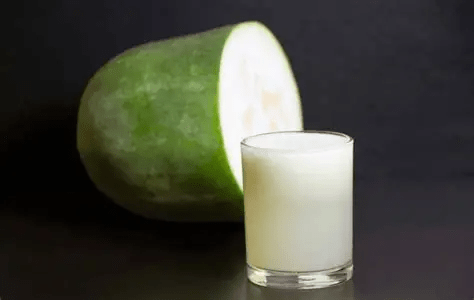
- Fresh wax gourd
- A squeeze of lime
- Pinch of black pepper
Blend and strain — a powerful cooling tonic.
🌈 Final Wrap‑Up
Wax Gourd may not be the loudest fruit in the produce aisle, but it’s definitely the quiet achiever — the kind of fruit that minds its business, hydrates your entire soul, cools your internal thermostat, and still shows up in soups, teas, and centuries‑old healing traditions.
From ancient Ayurvedic kitchens to modern wellness drinks, this humble green giant has earned its place as a soothing, balancing, deeply nourishing staple. Whether you sip it, simmer it, stir‑fry it, or sweeten it into tea, Wax Gourd brings a gentle kind of magic — the kind that supports your body without demanding attention.
So here’s to the fruit that keeps you cool, keeps you hydrated, and keeps your digestive system from filing complaints. Quiet power is still power.
📚 Sources & Links
Scientific & Nutritional References
- National Center for Biotechnology Information (NCBI) – Wax Gourd phytochemical and nutritional studies
https://www.ncbi.nlm.nih.gov(ncbi.nlm.nih.gov in Bing) - USDA FoodData Central – Nutrient profile for Wax Gourd
https://fdc.nal.usda.gov(fdc.nal.usda.gov in Bing) - Journal of Ethnopharmacology – Traditional medicinal uses of Benincasa hispida
https://www.sciencedirect.com/journal/journal-of-ethnopharmacology(sciencedirect.com in Bing) - Ayurveda Text References – Ash Gourd in traditional cleansing and cooling therapies https://www.ayurveda.com
- Traditional Chinese Medicine Materia Medica – Dong Gua (Winter Melon) https://www.shen-nong.com
Culinary & Cultural References
- Taiwan Food Culture – Winter Melon Tea history https://taiwan.net.tw
- Southeast Asian Culinary Archives – Wax Gourd in regional dishes https://asianfoodnetwork.com
⚠️ Disclaimer
This article is for informational and educational purposes only. It is not medical advice, diagnosis, or treatment. Always consult a qualified healthcare professional before making changes to your diet, especially if you are pregnant, taking medication, or managing a medical condition.
 EJADA
EJADA 
Leave a comment