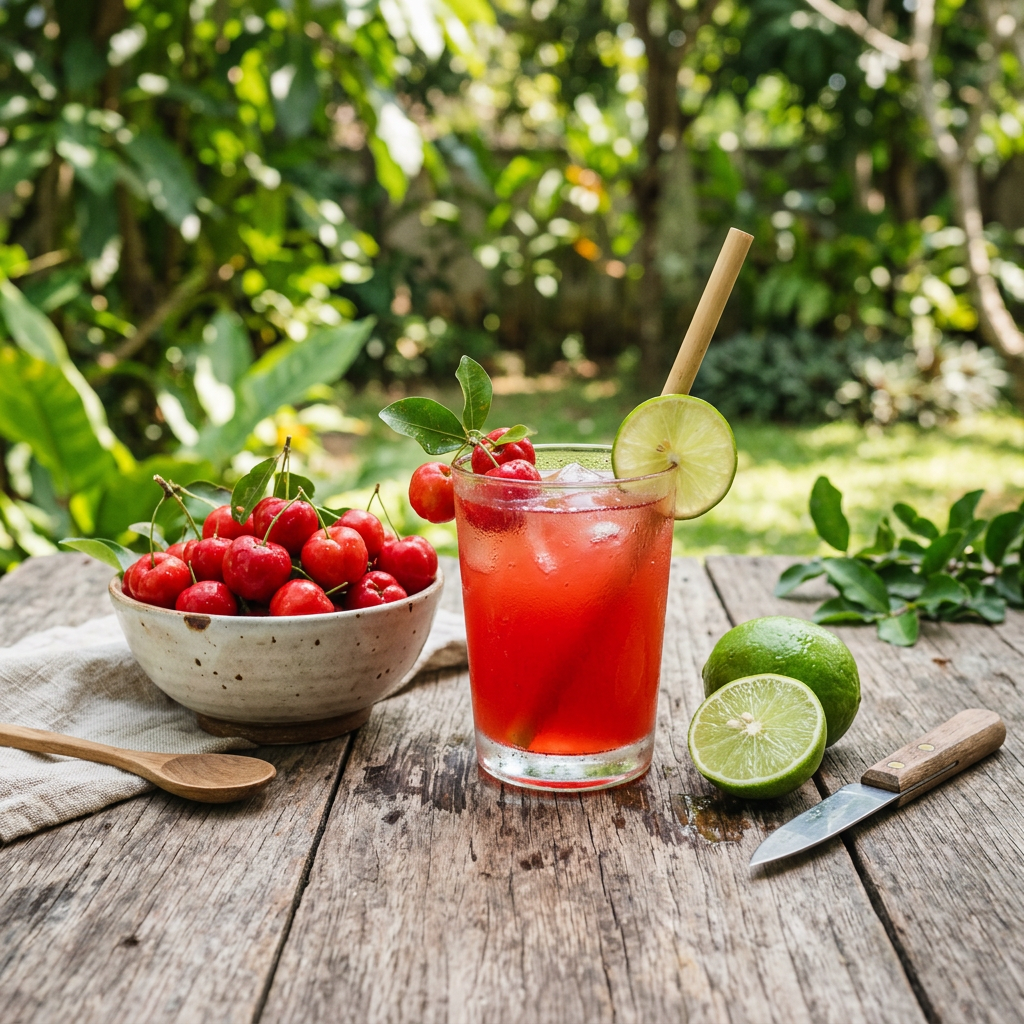
🍒 West Indian Cherry (Acerola): The Vitamin‑C Powerhouse of the Tropics
The West Indian Cherry — also known as Acerola, Barbados Cherry, or Malpighia emarginata — is one of the most nutrient‑dense fruits in the Caribbean and tropical Americas. Don’t let its small size fool you. This bright red berry is one of the richest natural sources of vitamin C on the planet, delivering more of the nutrient than oranges, lemons, and grapefruits combined.
Beloved in the Caribbean, Brazil, and Central America, the West Indian Cherry has been used for generations in juices, tonics, jams, and traditional wellness remedies. Its flavor is a lively mix of sweet and tart, with a refreshing brightness that instantly wakes up the palate.
This is a fruit with history, culture, and serious nutritional power — the kind of ingredient that deserves a spotlight in any wellness‑focused kitchen.
🌍 Origins & Cultural Significance
The West Indian Cherry is native to the Caribbean, northern South America, and parts of Central America, where it has been cultivated for centuries. Indigenous communities used the fruit not only as food but also as a natural remedy for fatigue, fever, and immune support.
As European explorers traveled through the Caribbean, they quickly recognized the fruit’s value and introduced it to tropical regions around the world, including:
- Brazil
- Puerto Rico
- Dominican Republic
- Jamaica
- Mexico
- Southeast Asia
In Caribbean households, Acerola juice is a staple — often served chilled on hot days or used as a natural immune booster during seasonal illnesses. In Brazil, it’s blended into smoothies, frozen into popsicles, and added to wellness shots.
Today, the West Indian Cherry is celebrated globally for its nutritional density, skin‑supporting antioxidants, and cultural roots that tie it to tropical heritage and traditional healing.
🥗 Nutritional Value
The West Indian Cherry is one of the most nutrient‑packed fruits in the world. Its standout nutrient is vitamin C, but it also contains a wide range of vitamins, minerals, and plant compounds.
Vitamin C (Extremely High Levels)
A single berry can contain 30–60 times more vitamin C than an orange. This supports:
- Immune strength
- Collagen production
- Skin elasticity
- Antioxidant protection
Vitamin A
Supports vision, skin health, and immune function.
B‑Complex Vitamins
Including B1, B2, B3, and folate — essential for energy, metabolism, and nervous system support.
Minerals
- Iron
- Calcium
- Magnesium
- Potassium
These help maintain bone health, muscle function, and hydration.
Antioxidants & Phytonutrients
Acerola contains anthocyanins, carotenoids, and flavonoids that help reduce inflammation and protect cells from oxidative stress.
Low Calories, High Hydration
Light, refreshing, and ideal for wellness‑focused diets.
💚 Health Benefits
The West Indian Cherry is more than a tropical treat — it’s a wellness powerhouse with benefits that support the entire body.
1. Immune System Support
Its extremely high vitamin C content strengthens immunity and helps the body fight infections.
2. Skin Health & Collagen Production
Vitamin C boosts collagen, helping improve:
- Skin firmness
- Elasticity
- Brightness
- Wound healing
Acerola is often used in natural beauty tonics for this reason.
3. Powerful Antioxidant Protection
The fruit’s antioxidants help neutralize free radicals, reducing inflammation and supporting long‑term cellular health.
4. Supports Healthy Digestion
Its fiber content helps regulate digestion and supports a healthy gut microbiome.
5. Natural Energy Booster
The combination of vitamin C, B vitamins, and minerals helps reduce fatigue and support steady energy.
6. Heart Health Support
Potassium and antioxidants help maintain healthy blood pressure and protect cardiovascular function.
7. Helps Maintain Healthy Blood Sugar Levels
Acerola’s fiber and phytonutrients help slow sugar absorption and support metabolic balance.
⚠️ Who Should Not Consume
While the West Indian Cherry is safe for most people, a few individuals should be cautious:
1. Those With Citrus or Vitamin C Sensitivities
High vitamin C levels may cause stomach discomfort in sensitive individuals.
2. People With Kidney Stones
Excess vitamin C can increase oxalate levels, which may worsen kidney stone risk.
3. Individuals With Acid Reflux
Its natural acidity may trigger symptoms in some people.
4. Those Taking Certain Medications
High vitamin C intake may interact with:
- Chemotherapy drugs
- Blood thinners
- Statins
Always consult a healthcare provider if on medication.
5. People With Allergies to Acerola or Related Fruits
Rare, but possible — watch for itching, swelling, or digestive discomfort.
🍽️ Recipe: Fresh West Indian Cherry Juice
A classic Caribbean recipe — bright, refreshing, and packed with vitamin C.
Ingredients
- 2 cups fresh or frozen West Indian cherries (Acerola)
- 2–3 cups cold water
- 1–2 tbsp honey or cane sugar (optional)
- Ice
- Lime slice (optional)
Instructions
- Rinse the cherries and remove stems.
- Blend cherries with water until smooth.
- Strain through a fine sieve to remove seeds and pulp.
- Sweeten to taste.
- Serve over ice with a squeeze of lime.
Variations
- Add ginger for a spicy wellness boost.
- Blend with pineapple for a tropical twist.
- Freeze into popsicles for a cooling treat.
🍒 West Indian Cherry Sorbet (Acerola Sorbet)
A bright, tangy, vitamin‑C–rich frozen treat that captures the tropical essence of the West Indian Cherry.
West Indian Cherry Sorbet
Prep 10 min
Cook 0 min
Serves 4
Ingredients
2 cups
fresh or frozen West Indian cherries (acerola)
1/2 cup
water
1/3–1/2 cup
honey or cane sugar (adjust to taste)
1 tbsp
fresh lime juice
1 pinch
sea salt
Instructions
1. Blend the baseCombine acerola, water, sweetener, lime juice, and salt in a blender. Blend until completely smooth.
2. Strain Pour the mixture through a fine sieve to remove seeds and pulp for a silky texture.
3. Chill Refrigerate the mixture for 1–2 hours to ensure it freezes evenly.
4. Freeze Pour into an ice cream maker and churn until thick and slushy. If you don’t have a machine, pour into a shallow dish and freeze, stirring every 30 minutes until firm.
5. Serve Scoop into bowls and enjoy immediately, or freeze for a firmer texture.
🌟 Little‑Known Facts About the West Indian Cherry (Acerola)
1. It Contains One of the Highest Vitamin C Levels in the Entire Plant Kingdom
Most people know Acerola is rich in vitamin C — but few realize it can contain up to 60 times more vitamin C than an orange. Just one single cherry can meet an adult’s daily requirement.
2. The Fruit Spoils Extremely Fast — Often Within 24 Hours
Fresh Acerola is so delicate that it begins losing vitamin C immediately after picking. This is why it’s rarely found fresh in grocery stores and is often sold frozen or as juice.
3. It Was Used as a Natural Fever Remedy in Indigenous Medicine
Caribbean and Amazonian communities traditionally used Acerola juice to help reduce fever, boost energy, and support recovery from illness long before modern supplements existed.
4. The Tree Can Produce Fruit Up to 3 Times a Year
Acerola trees are incredibly generous — in warm climates, they can flower and fruit multiple times annually, making them a staple in tropical home gardens.
5. It’s Not Actually a True Cherry
Despite its name and appearance, the West Indian Cherry is not botanically related to the cherries found in North America or Europe. It belongs to the Malpighiaceae family, not the Prunus family.
6. Acerola Was Once a Secret Ingredient in Beauty Rituals
In parts of Brazil and the Caribbean, women traditionally used Acerola pulp as a skin‑brightening mask because of its high vitamin C and antioxidant content.
7. The Fruit Was Nearly Lost to Commercial Agriculture
Before the wellness boom, Acerola was considered too fragile for large‑scale farming. It made a comeback thanks to research showing its exceptional nutritional value.
8. It Has a Natural Tartness That Changes With Ripeness
Unripe Acerola is sharply sour, while ripe fruit becomes sweet‑tart with tropical notes of apple, plum, and citrus. This flavor shift makes it versatile for both sweet and savory dishes.
9. The Leaves Are Also Used in Traditional Medicine
In some cultures, Acerola leaves are brewed into teas believed to support digestion and reduce inflammation.
10. It’s a Favorite of Tropical Wildlife
Birds, bats, and small mammals love Acerola — and they help spread its seeds, allowing the tree to thrive in the wild.
🌿 Final Thoughts
The West Indian Cherry is one of those rare fruits that carries both nutritional power and cultural soul. It’s bright, bold, and bursting with vitamin C, yet it remains deeply tied to the rhythms of tropical life — from backyard trees in Jamaica to morning juice rituals in Brazil. Every sip, every bite, feels like a small celebration of warmth, resilience, and heritage.
What makes Acerola special isn’t just its health benefits, though those are impressive. It’s the way this tiny fruit manages to hold so much history inside its glossy red skin. It’s a reminder of how traditional foods often carry the wisdom of generations — long before wellness trends and supplements existed.
Whether you enjoy it as a refreshing juice, blend it into a smoothie, or freeze it into a vibrant sorbet, the West Indian Cherry brings a sense of brightness to your day. It’s a fruit that wakes you up, nourishes you deeply, and connects you to the tropical landscapes where it has thrived for centuries.
Here’s to honoring the fruits that came before us, the cultures that preserved them, and the wellness journeys they continue to inspire. The West Indian Cherry may be small, but its impact — on health, tradition, and taste — is beautifully big.
Availability in the United States
The West Indian Cherry (Acerola) is not widely available fresh in most of the United States due to its extremely delicate nature. The fruit begins to spoil within 24–48 hours of being picked, which makes long‑distance shipping nearly impossible. However, it is available in several forms and in specific regions.
1. Fresh Acerola (Rare, Regional Availability)
Fresh West Indian Cherry is mostly found in:
- South Florida (Miami, Homestead, Fort Lauderdale)
- South Texas
- Southern California (limited)
- Hawaii
- Puerto Rico (U.S. territory, widely available)
You’ll typically find it at:
- Local Caribbean or Latin American markets
- Farmers’ markets in tropical regions
- Specialty fruit growers
Fresh availability is seasonal and inconsistent.
2. Frozen Acerola (Widely Available)
Frozen acerola pulp or whole frozen cherries are the most common form in the U.S. You can find them at:
- Latin grocery stores
- Brazilian markets
- Health food stores
- Some major supermarkets (depending on region)
Frozen pulp retains most of its vitamin C and is ideal for smoothies, juices, and wellness shots.
3. Acerola Juice & Concentrates
Available year‑round in:
- Caribbean markets
- Latin American grocery stores
- Health food stores
- Online retailers
These are popular for immune‑boosting drinks.
4. Acerola Powder (Very Common in Wellness Stores)
Acerola powder is widely sold in:
- Vitamin shops
- Natural food stores
- Online supplement retailers
It’s used for smoothies, wellness shots, and vitamin C supplementation.
5. Home Growing (Possible in Warm States)
Acerola trees can be grown in:
- Florida
- Texas
- Southern California
- Arizona (with care)
- Hawaii
- Puerto Rico
They require warm, frost‑free climates and produce fruit multiple times per year.
📚 Sources & Links
USDA FoodData Central – Acerola Nutritional Profile https://fdc.nal.usda.gov (fdc.nal.usda.gov in Bing)
National Center for Biotechnology Information (NCBI) – Vitamin C Content & Antioxidant Studies on Acerola https://www.ncbi.nlm.nih.gov (ncbi.nlm.nih.gov in Bing)
Journal of Food Science – Antioxidant Activity & Phytonutrient Research on Acerola https://onlinelibrary.wiley.com (onlinelibrary.wiley.com in Bing)
Brazilian Agricultural Research Corporation (EMBRAPA) – Acerola Cultivation, Harvesting, and Uses https://www.embrapa.br
Caribbean Food & Culture Archives – Traditional Uses of West Indian Cherry in Caribbean Households https://www.caribbeanfood.com
Food and Agriculture Organization (FAO) – Tropical Fruit Production & Acerola Distribution https://www.fao.org
University of Florida IFAS Extension – Growing Acerola in the U.S. (Florida) https://edis.ifas.ufl.edu (edis.ifas.ufl.edu in Bing)
National Library of Medicine – Acerola’s Role in Immune Function & Collagen Synthesis https://pubmed.ncbi.nlm.nih.gov (pubmed.ncbi.nlm.nih.gov in Bing)
ScienceDirect – Phytochemical Composition of Malpighia emarginata (Acerola) https://www.sciencedirect.com
⚠️ Disclaimer
This article is for informational and educational purposes only. It is not medical advice. Consult a healthcare professional before using Acerola for therapeutic purposes, especially if you have medical conditions, allergies, or are taking medication.
 EJADA
EJADA 
Leave a comment