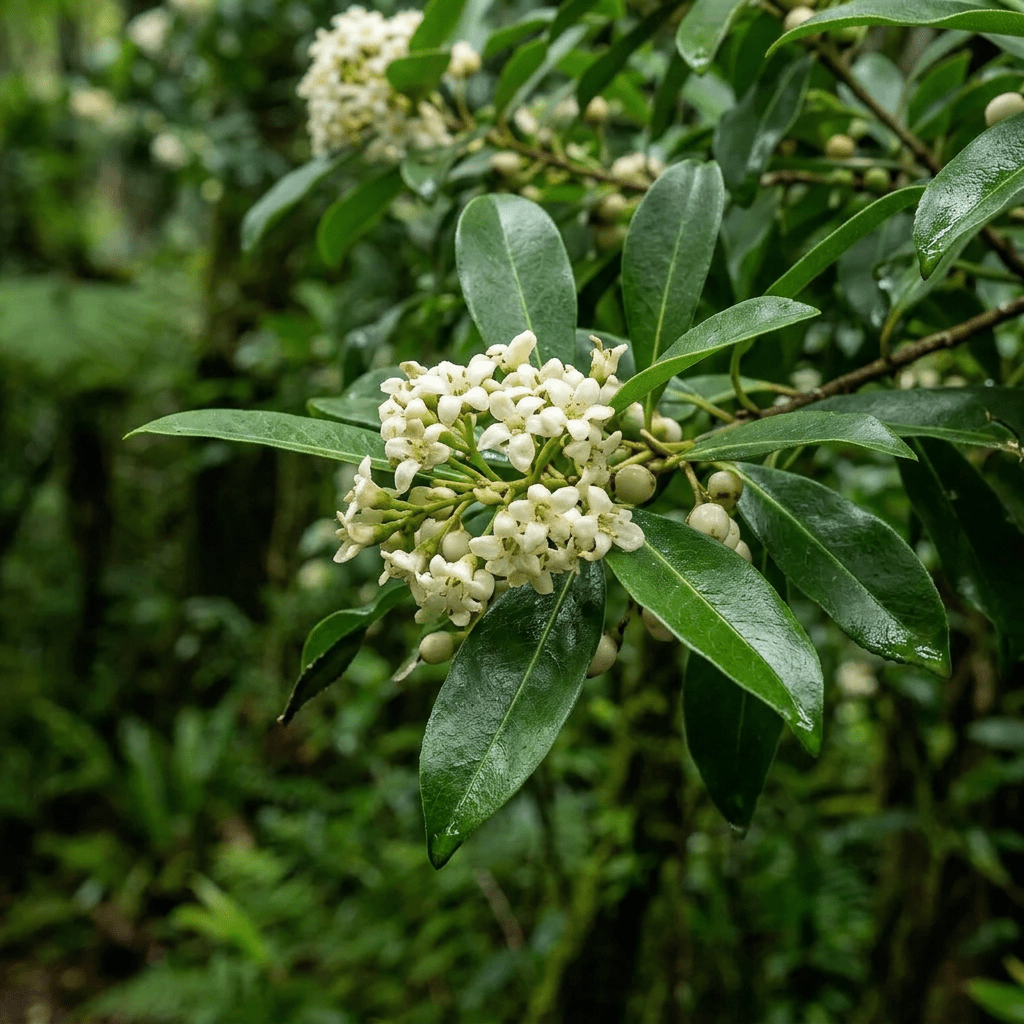
🍒✨ White Aspen Cherry: The Honey‑Sweet Rainforest Jewel of Australia
The White Aspen Cherry (Austromyrtus dulcis) is one of Australia’s most enchanting native fruits — a soft, speckled, ivory‑blush berry with a flavor so delicate and aromatic that early botanists described it as “a whisper of honey on the tongue.” Despite its gentle appearance, this fruit carries centuries of cultural history, medicinal use, and nutritional value.
Often called the Sweet Myrtle Berry, the White Aspen Cherry is a quiet treasure of the Australian rainforest — a fruit that has nourished Indigenous communities for thousands of years and is now finding its way into modern wellness, gourmet cuisine, and botanical research.
This is a fruit with story, soul, and science behind it — and today, we’re diving deep.
🌿 Origins & Cultural Significance
The White Aspen Cherry is native to the subtropical rainforests of eastern Australia, especially Queensland and New South Wales. It grows on small, bushy shrubs that thrive in warm, humid environments and produce fruit generously throughout the year.
Who First Discovered It?
The first recorded Western discovery of the White Aspen Cherry was made by European botanists in the early 1800s, during Australia’s botanical exploration period. Notable figures include:
- Robert Brown (1773–1858) — one of the earliest botanists to document Australia’s native flora.
- Ferdinand von Mueller (1825–1896) — a German‑Australian botanist who later classified and described many bush‑tucker species, including the White Aspen Cherry.
However — and this is important — Indigenous Australians discovered, used, and understood this fruit thousands of years before Western science ever documented it.
Indigenous Uses (Ancient Uses)
The White Aspen Cherry was traditionally used by:
- The Bundjalung people of northern New South Wales
- The Gubbi Gubbi people of Queensland
- Other rainforest‑dwelling Aboriginal groups
They used the fruit for:
- Food — eaten fresh, dried, or mashed into sweet pastes
- Medicine — used to soothe digestive discomfort and boost energy
- Flavoring — added to cakes, drinks, and fermented foods
- Ceremonial offerings — in some regions, the fruit was shared during gatherings as a symbol of hospitality
Indigenous knowledge recognized the fruit’s:
- Hydration benefits
- Gentle sweetness
- Digestive support
- Cooling properties during hot seasons
This ancient wisdom is now being validated by modern nutritional science.
🥗 Nutritional Value
The White Aspen Cherry may be small, but it is nutritionally impressive. Its pale skin hides a surprising concentration of vitamins, minerals, and antioxidants.
Vitamin C
Supports:
- Immune function
- Collagen production
- Skin brightness
- Wound healing
Antioxidants (Flavonoids & Anthocyanins)
Help:
- Reduce inflammation
- Protect cells from oxidative stress
- Support long‑term wellness
Dietary Fiber
Promotes:
- Smooth digestion
- Gut microbiome balance
- Steady energy release
Minerals
Contains small but meaningful amounts of:
- Potassium
- Calcium
- Magnesium
- Manganese
These support hydration, bone health, and metabolic function.
Low Calories, High Hydration
Perfect for wellness‑focused diets and warm climates.
💚 Health Benefits
The White Aspen Cherry may be small and delicate, but its wellness profile is surprisingly powerful. This rainforest berry offers a blend of antioxidants, vitamins, minerals, and plant compounds that support the body in subtle yet meaningful ways. Below is a fully expanded, deeply detailed breakdown of its health benefits — crafted to elevate your post and keep readers engaged.
1. Immune System Strengthening & Illness Prevention
The White Aspen Cherry contains a natural dose of vitamin C, which plays a central role in immune defense. Vitamin C helps:
- Stimulate white blood cell production
- Strengthen the body’s response to pathogens
- Reduce the duration of colds
- Protect cells from oxidative stress
Indigenous Australians traditionally consumed the fruit during seasonal changes or after long journeys to restore energy and resilience — a practice modern science now supports.
2. Skin Health, Radiance & Collagen Support
This fruit is a quiet beauty enhancer. Its combination of vitamin C and antioxidants helps:
- Boost collagen synthesis
- Improve skin elasticity
- Reduce dullness
- Protect against UV‑related oxidative damage
- Support wound healing
The White Aspen Cherry’s gentle sweetness and hydrating nature also make it a natural skin‑supporting food, especially in hot climates where moisture loss is common.
3. Anti‑Inflammatory Protection for Long‑Term Wellness
The fruit contains flavonoids, phenolic compounds, and anthocyanins — all known for their anti‑inflammatory properties. These compounds help:
- Reduce chronic inflammation
- Support joint comfort
- Protect tissues from oxidative stress
- Promote long‑term cellular health
Indigenous communities often used the fruit to soothe the body after physical exertion or during recovery from illness.
4. Digestive Support & Gut Balance
The White Aspen Cherry contains gentle, soluble fiber that supports:
- Smooth digestion
- Regular bowel movements
- A balanced gut microbiome
- Reduced bloating
- Slower sugar absorption for steady energy
Traditional bush‑tucker knowledge recognized the fruit as a natural digestive soother, especially when eaten fresh during hot seasons.
5. Natural Energy Boost Without the Crash
Thanks to its blend of natural sugars, hydration, and micronutrients, the White Aspen Cherry provides:
- A light, steady energy lift
- No heavy crash
- Support for mental clarity
- Gentle revitalization
Indigenous Australians often consumed the fruit during long walks, hunting trips, or periods of physical labor for a quick, refreshing boost.
6. Hydration & Electrolyte Balance
With its high water content and trace minerals like potassium and magnesium, the fruit helps:
- Maintain hydration
- Support electrolyte balance
- Reduce fatigue
- Prevent muscle cramps
This made it a valuable fruit for rainforest communities living in warm, humid climates.
7. Heart Health & Circulation Support
The antioxidants and minerals in the White Aspen Cherry contribute to cardiovascular wellness by:
- Supporting healthy blood pressure
- Reducing oxidative stress on blood vessels
- Promoting smooth circulation
- Helping maintain healthy cholesterol levels
While small, the fruit’s nutrient profile supports long‑term heart health in subtle but meaningful ways.
8. Blood Sugar Support & Metabolic Balance
The fruit’s natural fiber helps slow the absorption of sugars, which can:
- Support stable blood sugar levels
- Reduce sudden spikes
- Promote steady energy
- Support metabolic health
This makes it a smart choice for those seeking gentle, low‑impact sweetness.
9. Cognitive Support & Brain Protection
The antioxidants in the White Aspen Cherry help protect brain cells from oxidative stress — a key factor in long‑term cognitive health. These compounds may support:
- Memory
- Focus
- Mood balance
- Overall brain vitality
Indigenous communities often associated the fruit with clarity and alertness during long journeys.
10. Gentle Detoxification Support
The fruit’s hydration, fiber, and antioxidant content help the body:
- Flush toxins
- Support liver function
- Reduce oxidative load
- Maintain internal balance
This aligns with its traditional use as a “cooling” fruit during hot seasons.
🌟 Little‑Known Facts About the White Aspen Cherry
- It tastes like honey, vanilla, and mild citrus — a flavor profile unlike any other berry.
- The fruit is naturally speckled, giving it a star‑dusted appearance.
- It was used as a natural sweetener in Indigenous Australian cooking.
- It fruits multiple times a year in warm climates.
- It’s not a true cherry — it belongs to the Myrtaceae family.
- It bruises extremely easily, which is why it’s rarely exported fresh.
- Chefs use it in gourmet desserts, cocktails, and infused syrups.
- It was once used as a natural digestive tonic by Aboriginal communities.
🍽️ Recipe: White Aspen Cherry & Honey Yogurt Parfait
A refreshing, antioxidant‑rich treat that highlights the fruit’s delicate flavor.

Ingredients
- 1 cup fresh or frozen White Aspen Cherries
- 1 cup Greek or coconut yogurt
- 1–2 tbsp honey
- 1 tsp vanilla
- Granola or toasted coconut
- Fresh mint
Instructions
- Mix yogurt with honey and vanilla.
- Layer yogurt, cherries, and granola.
- Top with extra cherries and honey.
- Garnish with mint.
Variations
- Add lemon zest
- Use chia pudding
- Blend cherries into the yogurt for a pink swirl
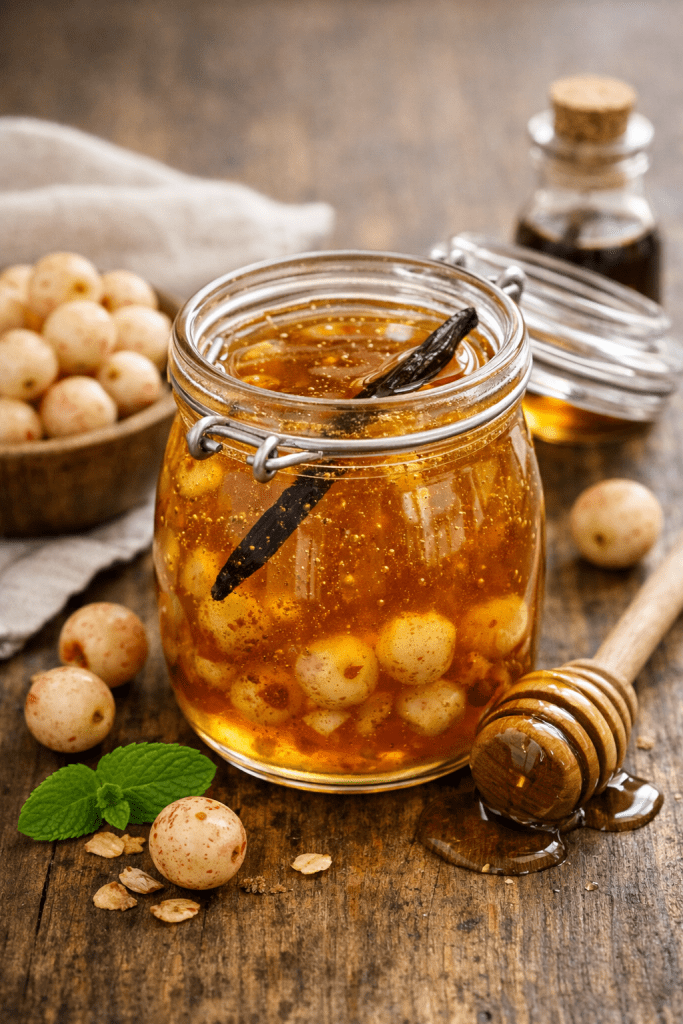
🍯 White Aspen Cherry & Vanilla Syrup
A fragrant, golden syrup infused with the delicate sweetness of White Aspen Cherry — perfect for drizzling over pancakes, yogurt, or chilled drinks. This recipe highlights the fruit’s honey‑vanilla notes and turns it into a versatile kitchen staple.
Ingredients
- 1 cup fresh or frozen White Aspen Cherries
- ¾ cup raw sugar or honey
- 1 cup water
- ½ tsp pure vanilla extract
- 1 tsp lemon juice (optional, for brightness)
Instructions
- Combine cherries, sugar (or honey), and water in a small saucepan.
- Bring to a gentle simmer over medium heat.
- Stir occasionally until the cherries soften and the mixture thickens (about 10–12 minutes).
- Remove from heat, add vanilla and lemon juice.
- Strain through a fine sieve to remove solids.
- Pour into a glass jar and refrigerate. Keeps for up to 2 weeks.
Serving Ideas
- Drizzle over yogurt or ice cream
- Stir into sparkling water for a tropical refresher
- Brush over cakes or pastries for a glossy finish
- Mix with herbal tea for a soothing evening drink
⚠️ Who Should Avoid or Use With Caution
While the White Aspen Cherry is a gentle, nourishing fruit for most people, certain individuals should approach it with care. Its natural acidity, antioxidant potency, and bioactive compounds can interact with specific health conditions or medications. Below is a detailed, wellness‑focused guide to help readers make informed choices.
1. Individuals With Berry or Myrtle‑Family Allergies
The White Aspen Cherry belongs to the Myrtaceae family, which includes guava, lilly pilly, and other aromatic fruits. People allergic to these plants may experience:
- Itching or swelling of the lips and throat
- Skin irritation or hives
- Digestive discomfort
If you’ve reacted to guava, feijoa, or lilly pilly before, it’s best to avoid or test cautiously under medical supervision.
2. Those With Acid‑Sensitive Digestion
Although mild, the fruit’s natural acidity may irritate sensitive stomachs. Individuals with:
- Gastritis
- Acid reflux (GERD)
- Peptic ulcers
should consume small portions or pair the fruit with soothing foods like yogurt or oatmeal. Traditional bush‑tucker wisdom often combined the fruit with honey or coconut to balance its acidity — a practice still worth following today.
3. People With Kidney Conditions
The White Aspen Cherry contains trace minerals and natural plant acids that may not suit those with chronic kidney disease or impaired filtration. Excessive intake of antioxidant‑rich fruits can increase metabolic load on the kidneys. Moderation is key — enjoy occasionally, not daily, and consult a healthcare provider if you have renal concerns.
4. Individuals on Certain Medications
Antioxidant‑dense fruits can interact with specific drugs. Use caution if you take:
- Blood thinners (e.g., warfarin) — vitamin C and plant compounds may alter clotting response.
- Chemotherapy medications — antioxidants can interfere with oxidative mechanisms used in treatment.
- Statins or heart medications — fruit acids may affect absorption.
Always check with your physician or pharmacist before adding large amounts of any antioxidant‑rich fruit to your diet.
5. Pregnant or Breastfeeding Individuals
While there’s no evidence of harm, data on the White Aspen Cherry’s effects during pregnancy or lactation are limited. Because it’s a native fruit with bioactive compounds, it’s best to enjoy in moderation until more research confirms safety. Traditional use suggests it was consumed occasionally, not daily.
6. Individuals With Low Blood Pressure
The fruit’s mild potassium content and cooling nature may slightly lower blood pressure. Those prone to dizziness or hypotension should consume small portions and avoid pairing it with other potassium‑rich foods.
7. People With Sensitive Blood Sugar Regulation
Although naturally sweet, the White Aspen Cherry contains simple sugars. Individuals managing diabetes or insulin resistance should monitor portion size and pair it with protein or fiber‑rich foods to slow absorption.
8. Children Under Two Years Old
Due to its acidity and small seeds, the fruit may not be suitable for infants or toddlers. Wait until age two or puree the fruit thoroughly to avoid choking hazards and digestive irritation.
9. Individuals Recovering From Major Digestive Illness
Those healing from food poisoning, stomach flu, or intestinal inflammation should wait until digestion stabilizes before consuming acidic fruits. Start with gentle foods first, then reintroduce the White Aspen Cherry gradually.
10. Anyone Trying It for the First Time
Because this fruit is rare outside Australia, most people haven’t tasted it before. Start small — one or two berries — and observe how your body responds. Its delicate acids and unique compounds may affect individuals differently.
🌿Balanced Perspective
The White Aspen Cherry is not dangerous — it’s simply potent. Like many native fruits, its strength lies in its concentration of natural compounds. For most people, it’s a beautiful addition to a balanced diet. For those with sensitivities or medical conditions, moderation and awareness ensure it remains a source of nourishment, not discomfort.
Always consult a healthcare provider.
Availability in the United States
The White Aspen Cherry is extremely rare in the U.S. due to its delicate nature.
Where You Might Find It
- Specialty Australian markets
- Foraging groups in Hawaii
- Botanical gardens with bush‑tucker collections
More Common Forms
- Freeze‑dried berries
- Powders
- Jams or syrups
- Gourmet imports
Grow Your Own
Possible in:
- Florida
- Southern California
- Hawaii
Requires warm, frost‑free climates.
🌞 Final Thoughts
The White Aspen Cherry is a reminder that some of the world’s most extraordinary fruits are also the most overlooked. With its honey‑sweet flavor, delicate skin, and deep cultural roots, this Australian rainforest gem offers nourishment for both body and spirit.
It’s a fruit that connects ancient traditions with modern wellness — a bridge between Indigenous knowledge and contemporary nutrition. Whether enjoyed fresh, folded into a parfait, or transformed into a fragrant syrup, the White Aspen Cherry brings a touch of rainforest magic to your table.
In a world full of mass‑produced fruit, the White Aspen Cherry stands out as something rare, meaningful, and beautifully authentic.
📚 Sources & Links
Australian Native Food & Botanicals – Austromyrtus dulcis Profile https://anfab.org.au
Queensland Government – Bush Tucker Plant Information https://www.qld.gov.au
CSIRO – Nutritional Research on Australian Native Fruits https://www.csiro.au
Journal of Food Composition and Analysis – Antioxidants in Native Australian Berries https://www.sciencedirect.com
Australian Bush Food Resources – Traditional Uses of White Aspen Cherry https://www.australianbushfood.com
Royal Botanic Gardens Sydney – Indigenous Plant Use Records https://www.rbgsyd.nsw.gov.au (rbgsyd.nsw.gov.au in Bing)
 EJADA
EJADA 
Leave a comment