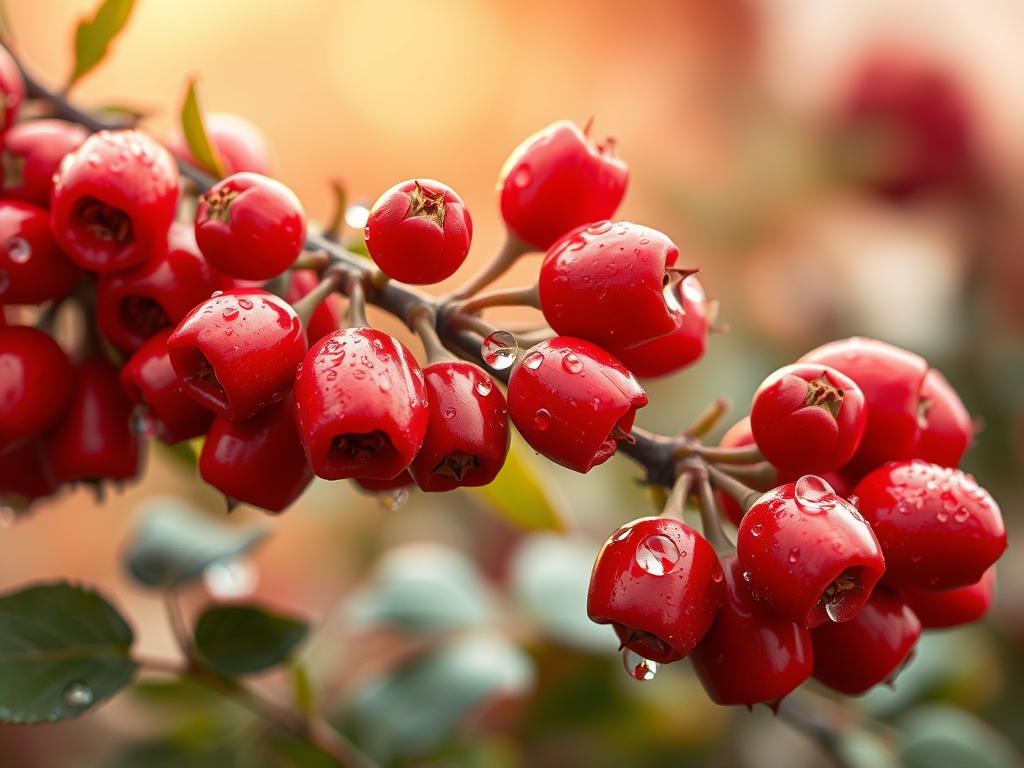
🌹 Origins & Early Discovery of the Rose Hip
A fruit older than history itself.
The rose hip — the small, bright fruit that forms after a rose has bloomed — is not a discovery credited to any single person or civilization. Instead, it belongs to the deep, ancient lineage of plants that humans have used since long before written memory.
🕰️ Prehistoric Beginnings
Archaeological evidence shows that prehistoric Swiss lake‑dwellers gathered and used rose hips thousands of years ago. This places the fruit firmly in the realm of prehistoric human diets, long before any written record or named discoverer existed.
🌍 Ancient Civilizations Who Used Rose Hips
As human cultures developed, rose hips appeared across continents:
- Ancient Egyptians valued them for healing and ritual
- Mayans used them for nourishment and medicine
- Chinese, Persian, Greek, and Roman traditions all documented rose‑based remedies
- Indigenous North American tribes relied on rose hips as a winter source of vitamin‑rich nourishment
These cultures did not “discover” rose hips — they inherited a fruit already woven into the natural world.
✍️ Earliest Written Mentions
While the fruit itself predates history, the earliest identifiable individuals to reference roses and their medicinal value include:
600 BC — Sappho
The Greek poet Sappho called the rose the “Queen of Flowers,” reflecting its cultural importance and the reverence surrounding the plant and its fruit.
1st Century AD — Pliny the Elder
The Roman naturalist Pliny the Elder documented medicinal uses of rose preparations, including the fruit, in his encyclopedic writings.
These early references mark the transition from oral tradition to written botanical knowledge.
🌸 In Essence
The rose hip was never “discovered” in the way we think of modern botanical findings. It is a prehistoric fruit, carried forward through generations by cultures who recognized its nourishment, healing properties, and quiet beauty.
Across continents and centuries, rose hips have been a fruit of healing, nourishment, and creativity. Whether brewed into a winter tea, simmered into a syrup, or folded into a festive dessert, they carry a long tradition of resilience and resourcefulness — a small fruit with a deep cultural story.
From ancient healers to modern herbalists, the rose hip has remained a small but powerful reminder of how deeply plants are woven into human history.
🌹 Health Benefits of Rose Hips: Then & Now
A fruit whose healing story stretches from prehistory to modern wellness.
Rose hips have been part of human health traditions for thousands of years. What began as ancient herbal wisdom has now been confirmed by modern nutritional science. Below is a clear, engaging comparison of how rose hips were used then and how they are understood now, supported by the sources you retrieved.
🌿 THEN: Traditional & Historical Benefits
Ancient cultures across Europe, Asia, and the Americas used rose hips as a medicinal and nutritional staple.
🍵 1. Immune Support & Cold Remedies
- Ancient Greeks, Romans, Persians, and Chinese used rose hips to treat colds, infections, and general weakness.
- During World War II, Britain used rose hip syrup to prevent scurvy when citrus was unavailable.
🌬️ 2. Respiratory Health
- Traditional healers used rose hip teas and syrups for coughs, sore throats, and chest complaints.
🩹 3. Wound Healing & Inflammation
- Rose hips were applied or consumed to reduce inflammation, soothe stomach issues, and support healing.
🍲 4. Nourishment in Scarcity
- Prehistoric Swiss lake‑dwellers and later medieval Europeans relied on rose hips as a nutritious winter food when other fruits were scarce.
⚔️ 5. Strength & Vitality
- Vikings were said to consume rose hips for strength and endurance before battle.
🌿 NOW: Modern, Science‑Supported Benefits
Today, rose hips are recognized as a nutritional powerhouse, with benefits confirmed by modern research.
🍊 1. Extremely High Vitamin C Content
- Rose hips are one of the richest plant sources of vitamin C, surpassing many citrus fruits.
- Supports immunity, collagen production, and antioxidant protection.
🧡 2. Anti‑Inflammatory & Joint Support
- Modern studies highlight rose hip’s anti‑inflammatory compounds, helpful for joint comfort and mobility.
🧽 3. Antioxidant Protection
- Rich in flavonoids, carotenoids, and polyphenols, which help reduce oxidative stress and support long‑term health.
🌱 4. Skin Health & Collagen Support
- Vitamin C + antioxidants support skin elasticity, healing, and radiance.
💖 5. Heart & Metabolic Health
- Contains essential fatty acids (omega‑3 and omega‑6) that support cardiovascular and metabolic wellness.
🌾 6. Digestive Support
- High in dietary fiber, helping regulate digestion, blood sugar, and cholesterol.
🫖 7. Daily Wellness Tonic
- Modern herbalists still use rose hip tea as a daily wellness booster, just as ancient cultures did.
Across centuries, rose hips have remained a symbol of nourishment, resilience, and healing. What ancient cultures understood through experience, modern science now confirms through research:
- Then: A trusted remedy for colds, wounds, strength, and survival.
- Now: A scientifically recognized source of vitamin C, antioxidants, anti‑inflammatory compounds, and whole‑body wellness.
A fruit with a past — and a future — rooted in human health.
🌹 Cultural & Culinary Uses of Rose Hips
A fruit shaped by tradition, survival, and seasonal creativity.
Rose hips have been part of human culture for thousands of years, woven into the foodways, healing practices, and seasonal rituals of communities across Europe, Asia, and the Americas. Their bright color, subtle sweetness, and exceptional nutrient density made them a cherished fruit long before modern nutrition science caught up.
🌍 Cultural Significance
Rose hips appear across many cultures as symbols of healing, protection, nourishment, and resilience.
🏺 Ancient Europe & Asia
Rose hips were valued in ancient Greek, Roman, Chinese, and Japanese traditions for their medicinal properties, especially for colds, skin health, and vitality.
🛡️ Medieval Europe
In medieval folklore, rose hips were believed to hold protective and magical powers, often used in amulets and charms to guard against illness or misfortune.
🍂 Indigenous North America
American Indian tribes relied on rose hips as a winter vitamin source, using them in teas, syrups, and salves for respiratory health and sore mouths.
🌾 Communities in Times of Scarcity
Throughout history, rose hips became a staple food during lean seasons, especially in Europe, because they were abundant, easy to gather, and rich in essential nutrients.
🍽️ Culinary Uses
Rose hips are remarkably versatile in the kitchen, offering both flavor and nourishment.
🍵 1. Teas & Infusions
The most common traditional use. Dried rose hips are steeped into a bright, tangy, vitamin‑rich tea enjoyed across cultures.
🍯 2. Syrups, Jams & Jellies
Rose hips can be boiled down into:
- Sweet syrups
- Thick jams
- Smooth jellies
These preparations were especially important in winter months for their vitamin content.
🥗 3. Fresh or Raw
Once the seeds and hairs are removed, rose hips can be eaten:
- Fresh
- Added to salads
- Mixed into fruit bowls
They offer a mild sweetness and a soft, berry‑like texture.
🍲 4. Soups & Traditional Dishes
In Scandinavian cuisine, rose hips appear in dishes like nyponsoppa, a silky rose hip soup enjoyed warm or chilled.
🧁 5. Baking & Desserts
Rose hip purée can be used in:
- Cakes
- Pastries
- Tarts
- Custards
Its floral tang pairs beautifully with honey, vanilla, and citrus.
🍹 6. Drinks & Ferments
Rose hips are used to make:
- Herbal tonics
- Fermented beverages
- Wines
- Cordials
Their natural acidity and aroma make them ideal for crafting refreshing drinks.
Recipes:
🍵 1. Rose Hip Tea (Traditional & Timeless)
A bright, tangy infusion enjoyed across Europe, Asia, and Indigenous North America.
Ingredients
- 2 tablespoons dried rose hips (or 4 tablespoons fresh, seeded)
- 2 cups hot water
- Honey or lemon (optional)
Instructions
- Rinse the rose hips to remove dust or debris.
- Add them to a heat‑safe cup or teapot.
- Pour hot (not boiling) water over the fruit.
- Steep for 10–15 minutes.
- Strain and sweeten if desired.
Flavor profile: tart, floral, slightly sweet — like a gentler hibiscus.
🍯 2. Rose Hip Syrup (Old‑World Winter Remedy)
Used for centuries as a vitamin‑rich tonic, especially in colder months.
Ingredients
- 2 cups fresh rose hips, cleaned and seeded
- 3 cups water
- 1 cup sugar or honey
- 1 strip lemon peel (optional)
Instructions
- Simmer rose hips in water for 20 minutes until soft.
- Mash gently to release flavor.
- Strain through a fine sieve or cheesecloth.
- Return the liquid to the pot and add sugar or honey.
- Simmer until slightly thickened.
- Cool and store in the refrigerator.
Uses: drizzle over yogurt, stir into tea, mix into sparkling water.
🍲 3. Scandinavian Rose Hip Soup (Nyponsoppa)
A silky, comforting dish enjoyed warm or chilled.
Ingredients
- 1 cup dried rose hips (or 2 cups fresh, seeded)
- 4 cups water
- 2 tablespoons sugar or honey
- 1 tablespoon cornstarch
- 1 tablespoon lemon juice
- Pinch of cinnamon (optional)
Instructions
- Simmer rose hips in water for 25 minutes until soft.
- Blend or mash, then strain to remove seeds and skins.
- Return the liquid to the pot.
- Whisk cornstarch with a little cold water and add to the pot.
- Add sweetener, lemon juice, and cinnamon.
- Simmer until slightly thickened.
Serve with: whipped cream, vanilla ice cream, or almond cookies.
🧁 4. Rose Hip Jam (Traditional European Style)
Bright, tangy, and perfect for toast, pastries, or spoon‑eating.
Ingredients
- 3 cups fresh rose hips, cleaned and seeded
- 2 cups water
- 1½ cups sugar
- 1 teaspoon lemon juice
Instructions
- Simmer rose hips in water until very soft.
- Blend into a smooth purée.
- Return to the pot and add sugar and lemon juice.
- Cook on low heat until thick and glossy.
- Cool and store in jars.
Flavor: like apricot jam with a floral twist.
🍪 5. Rose Hip & Honey Oat Bars
A modern recipe inspired by old‑world flavors.
Ingredients
- 1 cup rose hip jam or purée
- 2 cups rolled oats
- ½ cup honey
- ¼ cup melted butter or coconut oil
- Pinch of salt
Instructions
- Mix oats, honey, butter, and salt.
- Press half the mixture into a baking dish.
- Spread rose hip jam over the base.
- Top with remaining oat mixture.
- Bake at 350°F (175°C) for 20–25 minutes.
- Cool completely before slicing.
Perfect for: breakfast, snacks, or gifting.
🚫 Who Should Not Consume Rose Hips
Rose hips are nutritious, but they are not safe for everyone. Medical sources highlight several groups who should avoid them or use extreme caution.
❗ 1. People With Iron‑Related Disorders
Rose hips contain high vitamin C, which increases iron absorption. This can worsen conditions such as:
- Hemochromatosis
- Thalassemia
- Sickle cell disease
Why: Vitamin C boosts iron uptake to dangerous levels.
❗ 2. Individuals With a History of Kidney Stones
High vitamin C intake can convert to oxalate, increasing the risk of calcium oxalate kidney stones.
Who should avoid:
- Anyone with past kidney stones
- Anyone with kidney disease
Source: Excess vitamin C from rose hips raises stone risk.
❗ 3. People With Bleeding Disorders
Rose hips contain Rugosin E, a compound that may slow blood clotting.
Risks:
- Increased bruising
- Excessive bleeding
- Surgical complications
Source: Rose hips may impair clotting and increase bleeding risk.
❗ 4. Individuals With G6PD Deficiency
Large amounts of vitamin C can acidify the blood and may trigger a sickle‑cell‑like crisis in people with G6PD deficiency.
Source: High vitamin C intake poses risk for G6PD‑deficient individuals.
❗ 5. People Taking Certain Medications
Rose hips interact with several medications:
Blood thinners (Warfarin)
Vitamin C may reduce warfarin’s effectiveness, increasing clotting risk.
Lithium
Rose hips may interfere with lithium clearance, raising toxicity risk.
Estrogen medications
Vitamin C can increase estrogen absorption, intensifying side effects.
Aluminum‑containing antacids
Vitamin C increases aluminum absorption; spacing doses is required.
Tetracycline antibiotics
Rose hips may reduce antibiotic absorption.
❗ 6. Pregnant or Breastfeeding Individuals
There is not enough reliable safety data on medicinal‑level doses.
Guidance: Stick to food‑level amounts only until more research is available.
❗ 7. People With Rose or Rosaceae Allergies
Anyone allergic to:
- Roses
- Apples
- Strawberries
- Other Rosaceae plants
may experience reactions such as rashes, swelling, or breathing issues.
❗ 8. Individuals With Sensitive Digestion
High doses of rose hips may cause:
- Nausea
- Vomiting
- Constipation
- Diarrhea
Source: Gastrointestinal upset is a known side effect.
Rose hips are powerful — but not universally safe. Avoid or use caution if you have:
- Iron overload disorders
- Kidney stones or kidney disease
- Bleeding disorders
- G6PD deficiency
- Medication interactions (warfarin, lithium, estrogens, antacids, antibiotics)
- Pregnancy or breastfeeding concerns
- Rosaceae allergies
- Sensitive digestion
Sources:
1. Nutri.it — Who Should Avoid Rose Hips? Key Dangers and Interactions
2. Drugs.com — Rose Hips: Uses, Side Effects & Warnings
https://www.drugs.com/mtm/rose-hips.html?utm_source=copilot.com
3. WebMD — Rose Hip: Overview, Uses, Side Effects, Precautions, Interactions, Dosing and Reviews
https://www.webmd.com/vitamins/ai/ingredientmono-839/rose-hip?utm_source=copilot.com
 EJADA
EJADA 
Leave a comment