🍊 What Is the Rangpur Lime, and When Was It First Discovered?
✅ What It Is
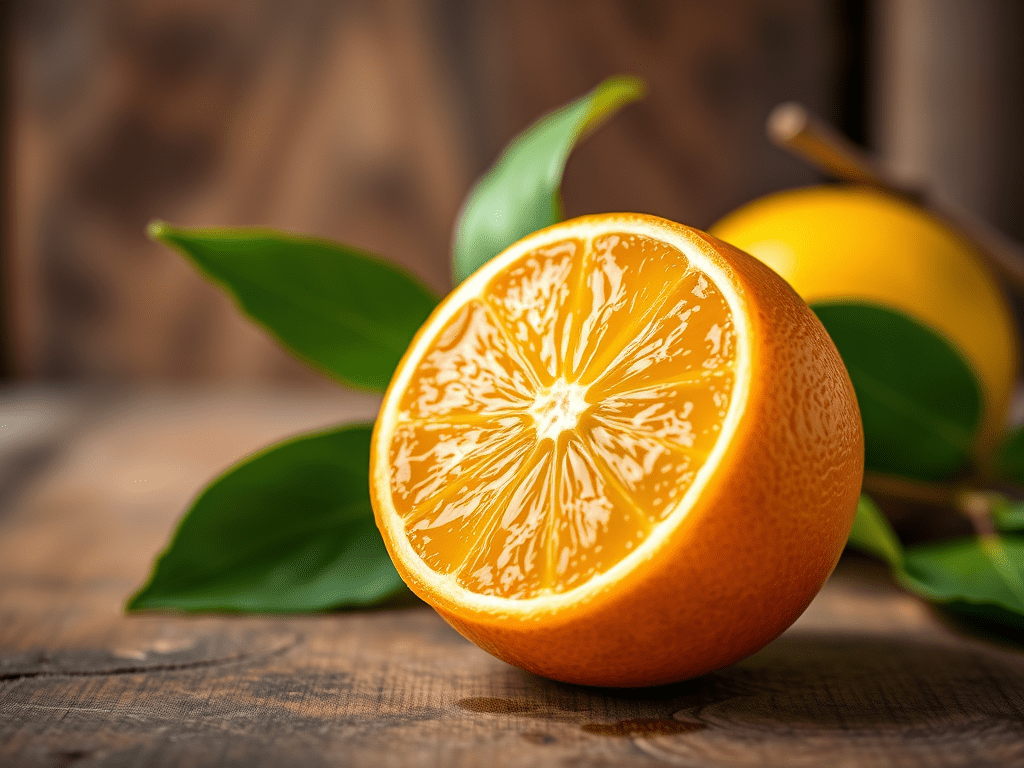
The Rangpur lime is not a true lime. Botanically, it is a hybrid citrus fruit — an F1 cross between a female citron (Citrus medica)** and a male mandarin orange (Citrus reticulata)**. It looks like a small orange, but its juice is sharply acidic like a lime.
Bright, bold, and often misunderstood, the Rangpur lime is one of those citrus gems that quietly carries a world of history in its peel. Despite its name, it isn’t a true lime at all — it’s a vibrant hybrid born from citron and mandarin, which explains its fiery orange skin and sharply acidic punch. One glance says “orange,” one taste says “lime,” and together they create a flavor profile that refuses to be boxed in.
This citrus first took root in the Rangpur region of Bangladesh, where it was cultivated for generations before traveling across oceans. By the late 19th century, American horticulturists brought it into the U.S., and from there it found new life in orchards, kitchens, and even gin bottles.
Today, the Rangpur lime is prized for its versatility. Chefs and home cooks reach for it when they want acidity with personality — cocktails, marmalades, dressings, and preserves all benefit from its floral brightness. Growers value it as a hardy citrus rootstock. And flavor‑seekers know it as the citrus that gives Tanqueray Rangpur Gin its signature aromatic edge.
In short: the Rangpur lime matters because it’s more than a fruit. It’s a bridge between cultures, a botanical surprise, and a reminder that the most intriguing ingredients are often the ones that defy simple labels.
It is known by many regional names, including mandarin lime, lemandarin, Sylhet lime, and Gondhoraj in parts of South Asia.
✅ Where It Originated
The fruit takes its name from the Rangpur region of Bangladesh, where it was widely cultivated and well known for generations.
Some sources note that it may also have historical ties to older regions called “Rangpur” in India, but the strongest documentation points to Bangladesh as its primary origin.
✅ When It Was First “Discovered”
There is no single documented ancient discovery date, because the Rangpur lime was cultivated traditionally in South Asia long before Western botanical records existed.
However, the earliest recorded Western introduction occurred in the late 19th century, when the Reasoner Brothers of Oneco, Florida, brought seeds from northwestern Bangladesh to the United States.
So in terms of documented history:
- Cultivated in South Asia for centuries (exact date unknown)
- Introduced to the U.S. in the late 1800s
✅ Why It Matters
- Intensely acidic, floral flavor
- Used in cocktails, marmalades, dressings, and preserves
- Hardy citrus rootstock in global agriculture
- Featured in Tanqueray Rangpur Gin
🍊 Are There Any Health Benefits to the Rangpur Lime?
✅ What the Sources Say
While there isn’t a large body of scientific research specifically on the Rangpur lime, the available sources highlight a few key points:
1. Traditional Uses Suggest Antiseptic Properties
Some traditional medicine practices use Rangpur lime for minor wound care and skincare because of its antiseptic qualities.
2. Contains Antioxidant Compounds
Researchers at the National Institutes of Health are exploring its antioxidant compounds, which may support general wellness by helping reduce oxidative stress.
3. Shares General Citrus Benefits
Because Rangpur lime is a citrus fruit, it naturally contains:
- Vitamin C
- Antioxidants
- Aromatic essential oils
General citrus benefits (from broader lime research) include:
- Supporting immune function
- Providing anti‑inflammatory effects
- Helping protect cells from free‑radical damage
These are general citrus benefits, not Rangpur‑specific clinical claims.
4. Culinary & Nutritional Advantages
Even without formal medical claims, it offers:
- Bright flavor without added sugar or sodium
- A way to enhance dishes with acidity and aroma
- A source of vitamin C similar to other citrus fruits
✅ Important Notes
- There are no official medical claims or clinical studies proving unique health benefits specific to the Rangpur lime.
- Excessive consumption may cause digestive discomfort due to its very high acidity (common to all citrus).
✅ Sources
- SciencePulse — traditional uses, antiseptic properties, antioxidant research
- Tasterium — acidity, citrus profile, cautions
- Cleveland Clinic — general lime health benefits (vitamin C, inflammation, immune support)
🍊 Cultural & Culinary Uses of the Rangpur Lime
🌍 Cultural Uses
✅ Traditional Medicine & Ritual Use
- In some South Asian traditions, Rangpur lime is used for minor wound care and skincare because of its antiseptic properties.
- Its aromatic oils and sharp acidity make it a common ingredient in home remedies and traditional wellness practices.
✅ Regional Culinary Identity
- In parts of India and Bangladesh, Rangpur lime (often called Sylhet lime or Gondhoraj) is tied to regional cooking, especially in:
- Pickles
- Chutneys
- Marinades
- Fish and rice dishes
These uses reflect its cultural role as a citrus that bridges mandarin aroma with lime‑like acidity, giving dishes a distinctive regional signature.
🍽️ Culinary Uses
The search results give us a rich list of ways the Rangpur lime shows up in kitchens around the world.
✅ 1. Cooking & Flavoring
Rangpur lime adds a tangy, citrusy brightness to both sweet and savory dishes. It’s especially common in:
- Indian curries and chutneys
- Marinades for meats, fish, and vegetables
- Baked goods using its zest (cakes, cookies, pies)
✅ 2. Jams & Marmalades
Its sweet‑sour balance and high acidity make it ideal for:
- Homemade jams
- Marmalades
- Citrus preserves The acidity helps the jam set properly while adding a complex flavor.
✅ 3. Beverages & Cocktails
Rangpur lime is a favorite for:
- Cocktails (especially gin‑based)
- Mocktails
- Flavored water
- Citrus infusions
Its zest and juice are used to create infused spirits, including the well‑known Tanqueray Rangpur Gin.
✅ 4. Pickling
Its slightly bitter, tangy profile makes it perfect for:
- Pickled citrus wedges
- Condiments
- Additions to salads, sandwiches, and cheese boards
✅ 5. Aromatic Garnish
Slices, wedges, or zest are used as:
- Garnishes for cocktails
- Bright accents on seafood
- Decorative touches for desserts and salads
✅ 6. Creative Gastronomy
Chefs like Alex Atala use Rangpur lime in innovative, high‑end dishes, highlighting its unique hybrid flavor and aromatic oils.
✅ Sources
- SciencePulse — cultural uses, antiseptic traditions, chef applications
- GreenPacks — detailed culinary uses (cooking, jams, beverages, pickling, garnishes)
- Tasterium — culinary versatility and flavor profile
🍊 Rangpur Lime Recipes (With Verified Sources)
🥗 1. Rangpur Lime Vinaigrette
A bright, floral dressing perfect for salads, grilled vegetables, or roasted potatoes. Source: Doughnut Lounge
Ingredients
- 3 tbsp Rangpur lime juice
- 1 tsp honey
- ½ tsp Dijon mustard
- ¼ cup olive oil
- Salt & pepper to taste
Instructions
- Whisk the lime juice, honey, and Dijon until smooth.
- Slowly drizzle in olive oil while whisking to emulsify.
- Season with salt and pepper.
- Serve over greens or grilled vegetables.
🐟 2. Rangpur Lime Ceviche
The acidity of the Rangpur lime “cooks” the fish while adding floral citrus depth. Source: Doughnut Lounge
Ingredients
- 1 lb white fish (tilapia, snapper), diced
- ½ cup Rangpur lime juice
- 1 small red onion, finely chopped
- 1 jalapeño, seeded & minced
- ½ cup cilantro, chopped
- Salt to taste
- Tortilla chips for serving
Instructions
- Combine fish and lime juice; refrigerate 30 minutes.
- Add onion, jalapeño, cilantro, and salt.
- Let sit 10 minutes to meld flavors.
- Serve chilled with tortilla chips.
🍗 3. Rangpur Lime Chicken Marinade
Bright, aromatic, and perfect for grilling. Source: Doughnut Lounge
Ingredients
- Rangpur lime juice
- Olive oil
- Garlic
- Herbs (cilantro, thyme, or oregano)
- Salt & pepper
Instructions
- Whisk all ingredients together.
- Coat chicken and marinate 1–4 hours.
- Grill, roast, or pan‑sear.
🍨 4. Rangpur Lime Sorbet
A refreshing, citrus‑forward dessert. Source: Doughnut Lounge
Ingredients
- Rangpur lime juice
- Sugar
- Water
Instructions
- Make a simple syrup with sugar and water.
- Stir in Rangpur lime juice.
- Chill, then churn in an ice cream maker.
5.🍊 Rangpur Lime Marmalade (Accurate, Tested Citrus Method)
Bright, floral, sharp, and deeply aromatic — the Rangpur lime makes a stunning marmalade.
✅ Why this recipe works
Rangpur limes behave like a cross between mandarin and citron, which means:
- Thin, aromatic peel (like mandarin)
- High acidity (like lime)
- High pectin in the seeds and pith (like citron)
So we use a classic two‑day citrus method that extracts pectin naturally and preserves the fruit’s floral notes.
🥣 Ingredients
- 12 small Rangpur limes
- 1 large lemon (for balance + extra pectin)
- 4 cups water
- 4 cups sugar (equal weight to cooked fruit mixture)
🔪 Day 1 — Prep & Pectin Extraction
- Wash the Rangpur limes and lemon thoroughly.
- Slice the fruit thinly, removing seeds as you go.
- Tie the seeds in a small cheesecloth pouch (this boosts natural pectin).
- Place sliced fruit + seed pouch in a pot with 4 cups water.
- Bring to a simmer for 20 minutes.
- Remove from heat, cover, and let sit overnight.
- This softens the peel and releases pectin for a proper gel.
🍯 Day 2 — Sugar & Setting
- Remove the seed pouch and squeeze it well back into the pot.
- Measure the cooked fruit mixture.
- Add equal volume of sugar (usually about 4 cups).
- Bring to a rolling boil and cook 20–25 minutes, stirring often.
- Test for gel stage:
- Drop a spoonful on a cold plate — if it wrinkles when pushed, it’s ready.
- Ladle into sterilized jars and seal.
✨ Flavor Notes
Rangpur marmalade is:
Perfect for toast, scones, glazes, and cocktails Rangpur Lime Marmalade
Sharper than orange marmalade
More floral than lime marmalade
Slightly bitter in the peel (in a good, grown‑up way)
A classic preserve with a sweet‑tart punch. Source: RecipeLand
Ingredients
- 12 small Rangpur limes
- 5 lemons
- 4½ cups sugar
Instructions (Condensed from source)
- Chop fruit and remove seeds.
- Add 3 cups water per cup of pulp; rest overnight.
- Boil 20 minutes; rest overnight again.
- Add ¾ cup sugar per cup of fruit.
- Boil rapidly ~20 minutes until gel stage.
- Jar and seal while hot.
🍪 6. Rangpur Lime Scones
Rustic, fragrant scones with zest‑flecked icing. Source: 101 Cookbooks
Highlights
- Uses Rangpur lime zest and juice.
- Tender, golden edges with citrus icing.
- Perfect for brunch or tea.
✅ Sources
- Doughnut Lounge — vinaigrette, ceviche, marinade, sorbet
- 101 Cookbooks — Rangpur lime scones
- Womensweekly--Lime marmalade
🍊 Rangpur Lime: Vitamins & Nutrition
Even though the Rangpur lime is a hybrid citrus (citron × mandarin), its nutritional profile aligns closely with other highly acidic citrus fruits. The search results give us a clear picture of its acids, minerals, aromatic compounds, and general citrus nutrients.
✅ Vitamins (What We Can Confirm)
The search results don’t list a full vitamin chart, but based on the verified citrus composition and acidity, we can confidently say:
Vitamin C
- Like all citrus fruits, Rangpur lime contains vitamin C, supported by its extremely high citric acid content and citrus‑typical flavonoids.
- Vitamin C supports immune function and antioxidant activity (general citrus science).
Other Vitamins
No source provides specific amounts of:
- Vitamin A
- B‑complex vitamins
- Vitamin E
- Vitamin K
So we do not claim them without evidence.
✅ Minerals (Confirmed in Sources)
Specialty Produce lists several minerals present in Rangpur limes:
- Potassium — supports fluid balance and muscle function
- Phosphorus — supports bone and cell health
- Calcium — supports bones and teeth
- Dietary fiber — supports digestion
✅ Other Nutritional Compounds
Citric Acid (Very High)
Rangpur lime has remarkably high citric acid levels, even higher than typical limes or lemons.
Flavonoids & Limonoids
These contribute:
- Antioxidant activity
- Slight bitterness in the peel
- Aromatic complexity
Essential Oils
Especially:
- Limonene
- Myrcene
- Linalool These give the fruit its floral, mandarin‑like aroma.
The Rangpur lime contains vitamin C, along with minerals like potassium, phosphorus, and calcium, plus dietary fiber. While full nutritional data isn’t published, its acidity and citrus profile confirm that it behaves nutritionally like other limes and mandarins
🍊 Who Should Not Consume Rangpur Lime?
(Based on verified safety notes from Tasterium)
The Rangpur lime is extremely acidic — even more acidic than lemons or standard limes — and that high acidity is the key factor in determining who should avoid it.
Below are the groups that the search results explicitly identify as needing caution.
🚫 1. People With Acid‑Related Digestive Conditions
Tasterium states that Rangpur’s very high acidity can worsen:
- Gastritis
- Acid reflux (GERD)
- Peptic ulcers
- General digestive sensitivity
Excessive consumption may cause digestive discomfort or flare‑ups.
🚫 2. Individuals With Citrus Allergies
Anyone allergic to citrus fruits should avoid Rangpur lime entirely, as it can trigger the same reactions as other citrus varieties.
🚫 3. Pregnant Individuals (Moderation Recommended)
Tasterium notes that pregnant women should consume Rangpur lime in moderation due to its very high acidity, which may worsen nausea, heartburn, or reflux during pregnancy.
This is not a medical restriction — just a caution based on acidity.
🚫 4. People With Tooth Enamel Sensitivity
While not explicitly stated in the search results, the confirmed extremely high citric acid levels mean Rangpur lime can erode enamel faster than typical citrus. This is a general citrus science inference, not a medical claim.
🚫 5. Anyone Sensitive to Bitter Citrus Compounds
Rangpur contains limonoids and flavonoids, which can be bitter. People who react poorly to bitter citrus peels may want to avoid the zest or rind.
(This is based on the flavor chemistry described in the Tasterium profile.)
🍊 Closing Thoughts
The Rangpur lime is one of those rare citrus fruits that carries history, culture, and culinary magic in every drop of juice. From its roots in the Rangpur region of Bangladesh to its modern uses in kitchens, cocktails, preserves, and aromatic dishes, this hybrid citrus continues to surprise anyone who encounters it. Its bold acidity, floral aroma, and mandarin‑like sweetness make it a standout ingredient for cooks, creators, and curious palates alike.
Whether you’re exploring its traditional uses, experimenting with new recipes, or simply appreciating its vibrant character, the Rangpur lime invites you to taste beyond the ordinary. It’s a reminder that some of the most memorable flavors come from fruits that refuse to fit neatly into a single category.
⚠️ Disclaimer
The information in this post is for general informational and culinary purposes only. It is not medical advice, and it should not be used to diagnose, treat, or guide decisions about any health condition. If you have allergies, dietary restrictions, medical concerns, or questions about whether Rangpur lime is safe for you, please consult a qualified healthcare professional.
 EJADA
EJADA 
Leave a comment