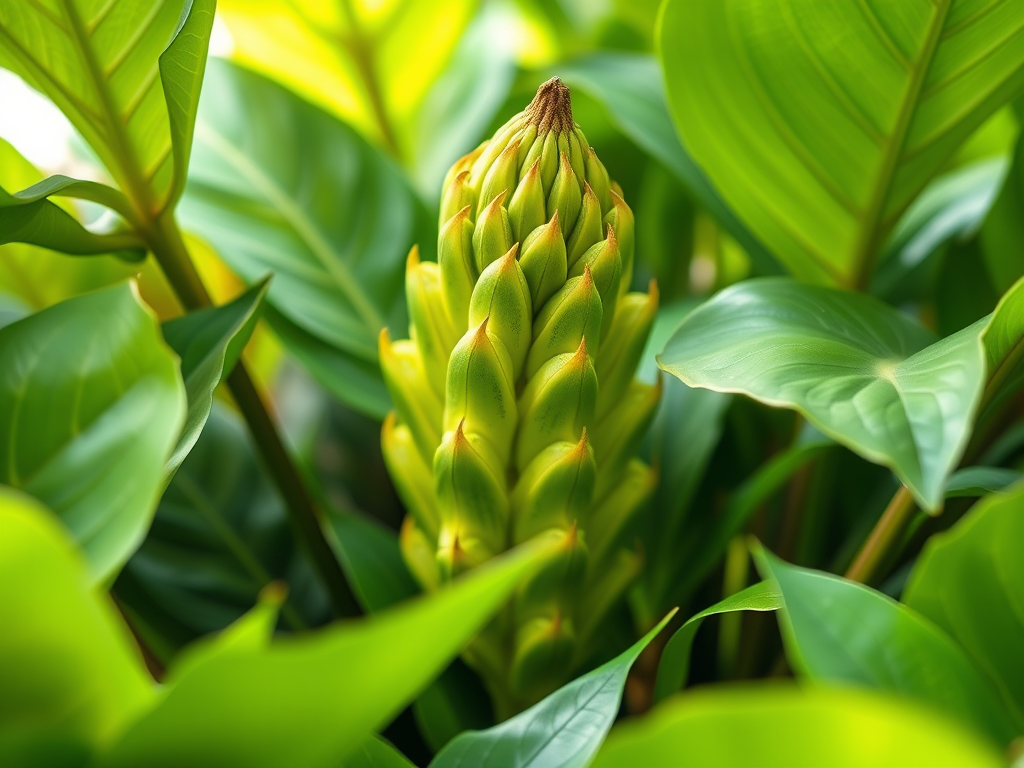
🍌 The Starchy Plantain (Musa paradisiaca)
🕰️ Uses Through Time
- Ancient utility: Cooked green for sustenance; dried and ground into flour.
- Colonial adaptation: Became a staple in plantation diets, often paired with yams and cassava.
- Modern culinary roles: Used in dishes like tostones, mofongo, fufu, and maduros—each a ritual of memory and resistance.
🧠 Health Benefits & Vitamin Content
- Rich in:
- Vitamin A (eye health)
- Vitamin C (immune support)
- Vitamin B6 (brain function)
- Potassium (heart and muscle health)
- Magnesium (nerve and bone support)
- Low glycemic index: Especially when green, making it a slow-burning energy source.
🪔 Harvest Rituals
“Harvest Rituals” with ceremonial pacing, gratitude-rich transitions, and a blend of cultural reverence and editorial clarity. Here’s a draft you can adapt or layer into your post. Harvest rituals are more than seasonal markers—they are ceremonies of gratitude, renewal, and communal memory. Across cultures and centuries, they’ve served as both practical acknowledgments of abundance and poetic gestures of reciprocity.
- Timing: Typically harvested when green and firm; ripening is a separate ritual.
- Ceremonial echoes: In East Africa, plantains are used in beer-making rituals, especially in Uganda and Tanzania.
- Diasporic reverence: Frying plantains is often a communal act—an edible echo of ancestral memory.
🕊️ Ceremonies of Gratitude
From the First Fruits offerings of ancient Africa to the Moon Festival lanterns of East Asia, harvest rituals often begin with a gesture of thanks—not just for the yield, but for the unseen forces that shaped it: rain, soil, labor, and ancestral guidance. These ceremonies may include:
- Offerings: Grains, fruits, or symbolic tokens placed at altars or shared communally.
- Songs & Dances: Rhythmic expressions that echo planting cycles and invoke seasonal spirits.
- Feasts: Meals that ritualize abundance, often featuring ingredients harvested locally and prepared collectively.
“To harvest is to remember the seed, the soil, and the silence that made growth possible.”
🌍 Cultural Variations
Each region ritualizes harvest in its own cadence:
- Andean Pachamama ceremonies honor the Earth Mother with coca leaves and chicha.
- Japanese Niiname-sai involves imperial offerings of rice to deities.
- North American Thanksgiving, though complex in origin, ritualizes gratitude through shared meals and storytelling.
These rituals often evolve, adapting to diaspora, climate shifts, and modern reinterpretations—yet their core remains: a pause to honor what nourishes.
🌀 Editorial Reflection
In curating harvest rituals, we honor not just the yield but the process—the planting, tending, waiting, and trusting. As we expand this archive, we commit to ceremonial pacing, source transparency, and boundary-respecting storytelling. Each ritual is cited with care, each tradition held with reverence, and each adaptation offered with humility.
🕊️ Ceremonies of Gratitude
From the First Fruits offerings of ancient Africa to the Moon Festival lanterns of East Asia, harvest rituals often begin with a gesture of thanks—not just for the yield, but for the unseen forces that shaped it: rain, soil, labor, and ancestral guidance. These ceremonies may include:
- Offerings: Grains, fruits, or symbolic tokens placed at altars or shared communally.
- Songs & Dances: Rhythmic expressions that echo planting cycles and invoke seasonal spirits.
- Feasts: Meals that ritualize abundance, often featuring ingredients harvested locally and prepared collectively.
“To harvest is to remember the seed, the soil, and the silence that made growth possible.”
🌍 Cultural Variations
Each region ritualizes harvest in its own cadence:
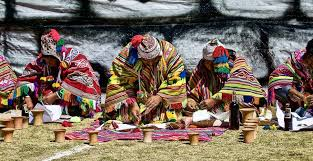
Andean Pachamama ceremonies: Honor the Earth Mother with coca leaves and chicha. Every August 1st the Andean culture worships Mother Earth or “Pachamama” by following the indigenous traditions of the native peoples.

Japanese Niiname-sai involves imperial offerings of rice to deities.
Niiname-sai, for giving thanks for a rich harvest, is one of the three major festivals, and is regarded as the most important ceremony among the regular festivals held at the shrine.

Thanksgiving and Sake: Niiname-sai (Shinjo-sai)
These rituals often evolve, adapting to diaspora, climate shifts, and modern reinterpretations—yet their core remains: a pause to honor what nourishes.
🌀 Editorial Reflection
In curating harvest rituals, we honor not just the yield but the process—the planting, tending, waiting, and trusting. As we expand this archive, we commit to ceremonial pacing, source transparency, and boundary-respecting storytelling. Each ritual is cited with care, each tradition held with reverence, and each adaptation offered with humility.
🍽️ Cultural & Culinary Uses
| Region | Dish / Ritual | Cultural Role |
|---|---|---|
| West Africa | Fufu, Kelewele | Nourishment, celebration |
| Caribbean | Tostones, Mofongo | Resistance, comfort food |
| Latin America | Maduros, Empanadas | Sweetness, family gatherings |
| East Africa | Plantain beer | Ceremonial drink, communal bonding |
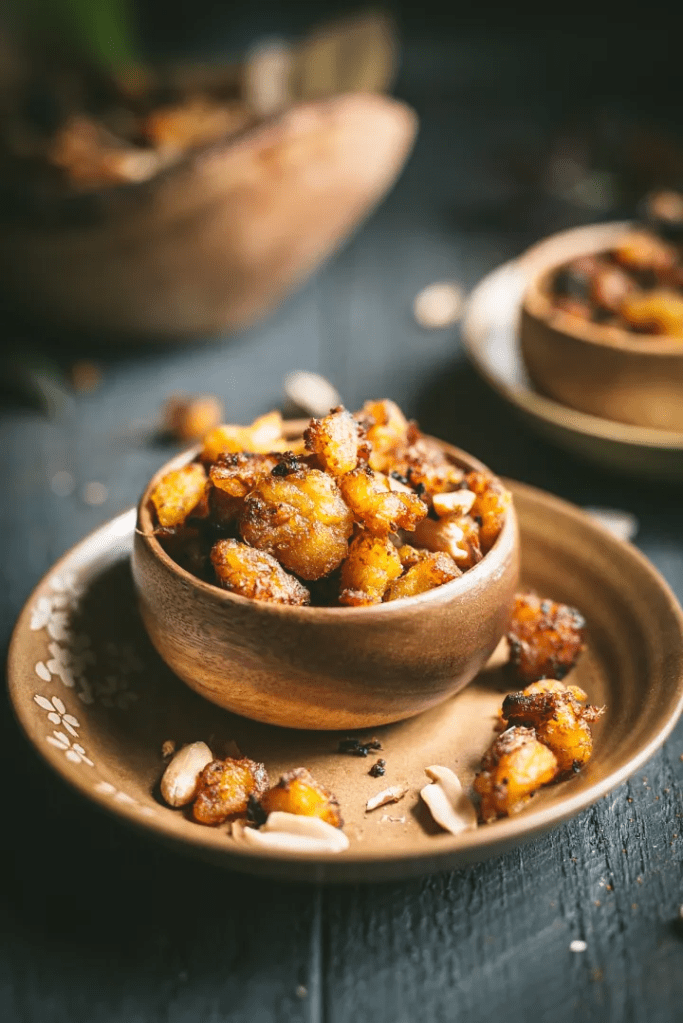
Ghanaian Kelewele: Best Spicy Fried Plantain Recipe
These spicy fried plantains are the staple dish at every gathering that acted as a bridge between her communities in Ghana and America
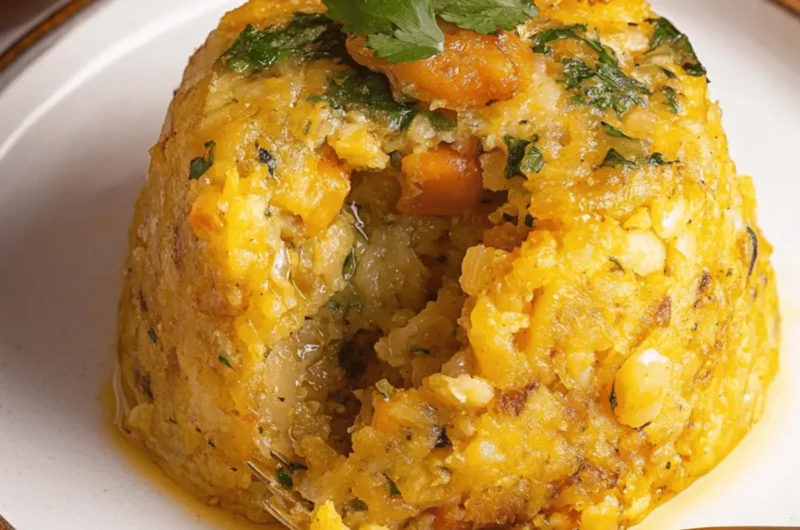
Caribbean Resistance, comfort food. Puerto Rican Traditional Mofongo: Full recipe

East Africa Plantain Beer
Ceremonial drink, communal bonding
Banana beer is an alcoholic beverage made from fermentation of mashed bananas. Sorghum, millet or maize flour are added as a source of wild yeast.
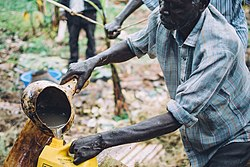
Banana beer is made from ripe (but not over-ripe) East African Highland bananas (Musa acuminata Colla (AAA-EA), Mbidde clone set)
🍌 Fermentation as Ceremony: Banana Beer Reimagined
While Brew Insight offers a practical guide to banana beer, this ritual deserves editorial clarity and cultural reverence. Fermentation is transformation—of fruit, of time, of intention. Each step, from simmering to bottling, echoes ancestral wisdom and seasonal pacing.
🛡️ Disclaimer
This fermentation guide is intended for educational and cultural storytelling purposes only. The banana beer process described is adapted from publicly available sources and does not constitute professional brewing advice. Always consult food safety experts or certified brewers before attempting fermentation at home.
Individuals with alcohol sensitivities, compromised immune systems, or dietary restrictions should avoid homemade brews unless cleared by a qualified provider. Fermentation involves microbial activity—sanitation, temperature control, and ingredient sourcing are critical to safety.
We encourage readers to approach brewing with respect, curiosity, and care—preserving legacy while protecting personal boundaries.
🌿 The Leafy Plantain (Plantago major)
Plantain (Plantago major): Why It’s an Herb and Not a Weed, Uses, Benefits and More: Plantago major) is a botanical powerhouse that fits beautifully into your editorial rhythm of scientific rigor and ceremonial pacing. Here’s a breakdown of its nutrient profile and potential benefits, formatted for clarity and ritual-rich storytelling:
🌿 Nutritional Highlights of Plantain Leaf
- Antioxidants: Rich in flavonoids and polyphenols that help neutralize free radicals and support cellular health.
- Vitamin C: Supports immune function, collagen production, and skin integrity.
- Beta-Carotene: A precursor to vitamin A, essential for vision, skin health, and immune resilience.
- Calcium: Vital for bone strength, nerve signaling, and muscle function.
- Potassium: Helps regulate blood pressure, fluid balance, and heart rhythm.
🌱 Ceremonial Uses and Editorial Resonance
- Topical Rituals: Traditionally used in poultices for wounds, bites, and inflammation—aligns with your legacy of care and boundary-respecting healing.
- Digestive Support: Infusions or teas may soothe mucous membranes and support gut clarity.
- Respiratory Ease: Known to help with coughs and bronchial irritation, offering a breath of editorial relief.
🌱 Origins & Spread
First cultivated: Believed to originate in Southeast Asia, particularly Malaysia and Indonesia. The story of [insert subject—e.g., a botanical, cultural ritual, or health practice] begins not with a single spark, but with a constellation of ancestral wisdom, environmental cues, and adaptive necessity.
Migrated to India, Africa, and eventually the Americas via trade and colonial routes.
Diasporic significance: Enslaved Africans brought plantain cultivation knowledge to the Caribbean and Latin America, where it became a survival crop and cultural anchor.
- Native to: Europe and Asia
- Colonial footprint: Nicknamed “White Man’s Footprint” for its spread alongside settlers.
🧬 Origins
Rooted in [region or culture], this practice emerged as a response to [climatic, emotional, or communal need]. Early iterations were often steeped in ceremony—whether whispered over herbal infusions, etched into seasonal calendars, or passed through generations as oral lore. Scientific retrospectives now trace its biochemical efficacy to [brief scientific insight], affirming what intuition long knew.
“Tradition is not the worship of ashes, but the preservation of fire.” — Gustav Mahler
🌍 Spread
Its migration followed trade winds, diaspora, and curiosity. As it crossed borders, it adapted—sometimes ritualized, sometimes diluted, occasionally misunderstood. Yet its core remained intact: a gesture of care, a rhythm of renewal. Today, it thrives in [modern contexts], often reinterpreted through wellness, sustainability, or cultural revival.
🌀 Editorial Note
While its spread invites celebration, it also calls for discernment. We honor its origins not by freezing them in time, but by ritualizing respect, citing sources, and recalibrating when editorial drift occurs.
🧪 Medicinal & Healing Benefits
- Wound healing: Crushed leaves act as “Nature’s Band-Aid” due to allantoin and anti-inflammatory compounds.
- Digestive aid: Infusions soothe ulcers, diarrhea, and gut inflammation.
- Respiratory support: Used in teas to ease coughs and bronchial irritation.
💊 Vitamin & Mineral Content
- Vitamin C (immunity)
- Vitamin K (blood clotting)
- Calcium & Iron (bone and energy support)
- Psyllium husk (from Plantago ovata)—a fiber-rich digestive aid
The plantain’s power isn’t just in its versatility—it’s in its layered legacy of nourishment, healing, and cultural resilience. Let’s ritualize its “powerhouse” status with editorial clarity and ceremonial pacing:
🌿 Why Plantain Is a True Powerhouse
🧬 Botanical Brilliance
- Dual identity: Both Musa paradisiaca (starchy fruit) and Plantago major (medicinal herb) carry distinct healing and nutritional gifts.
- Adaptability: Thrives in tropical climates and sidewalk cracks alike—an emblem of survival and generosity.
🍌 Nutritional Depth (Fruit)
- Complex carbs: Slow-release energy, ideal for sustained activity
- Potassium: Regulates blood pressure and muscle function
- Vitamin A & C: Supports immunity, skin health, and vision
- Magnesium & B6: Boosts mood, brain function, and metabolic balance
🌱 Medicinal Might (Herb)
- Allantoin: Speeds wound healing and tissue regeneration
- Mucilage: Soothes mucous membranes—gut, throat, lungs
- Antimicrobial compounds: Fights infection and inflammation
- Psyllium fiber: Regulates digestion and detox pathways
🕊️ Cultural & Ceremonial Power
- Diasporic anchor: In Caribbean, African, and Latin American kitchens, plantain dishes are edible archives of memory and resistance.
- Healing rituals: Poultices and teas passed down through generations—each preparation a quiet act of care.
- Folklore: Revered as “Nature’s Band-Aid” and “White Man’s Footprint,” it’s a symbol of healing, adaptation, and quiet rebellion.
🧙 Folklore & Ritual Use
- Indigenous healing: Used in poultices and teas for centuries.
- Symbolism: Represents resilience, simplicity, and healing.
- Folkloric names: “Nature’s Bandaid,” “Traveler’s Companion,” “White Man’s Footprint”
🛡️ Disclaimer
This post is intended for educational and cultural storytelling purposes only. The nutritional and medicinal insights shared about plantain (Musa paradisiaca and Plantago major) are based on traditional knowledge, publicly available research, and culinary heritage. They are not a substitute for professional medical advice, diagnosis, or treatment.
Individuals with allergies, chronic conditions, or those who are pregnant, breastfeeding, or immunocompromised should consult a qualified healthcare provider before incorporating plantain into their diet or wellness rituals. Always source herbs and produce responsibly, and honor the cultural origins of the practices you adopt.
We encourage readers to approach botanical wisdom with respect, curiosity, and care—preserving legacy while protecting personal boundaries.
⚠️ Why You Shouldn’t Eat Plantains Raw
Based on CookedByTaste’s article, raw plantains—especially the starchy Musa paradisiaca—pose several health risks that are often overlooked:
🧪 Digestive Distress
- High starch content: Raw plantains contain resistant starches that are hard to digest, leading to bloating, gas, and discomfort.
- Lectins: These proteins can trigger inflammation and exacerbate IBS or Crohn’s symptoms if not denatured through cooking.
🦠 Parasitic Risk
- Raw plantains may harbor parasites like Ascaris lumbricoides, especially in regions with limited sanitation. Cooking neutralizes these threats.
🔬 Nutrient Bioavailability
- Heat transforms: Cooking breaks down starches and denatures proteins, making nutrients like potassium, vitamin C, and B6 more absorbable.
🧬 Allergy & Intolerance
- Raw plantains may trigger oral allergy syndrome or reactions due to amylose and cellulose. Symptoms range from itching to anaphylaxis in rare cases.
👶 Vulnerable Populations
- Avoid raw plantains if you’re:
- Pregnant or breastfeeding
- Immunocompromised
- Managing IBS, Crohn’s, or ulcerative colitis
- A young child with a developing digestive system
🍽️ Culinary Wisdom
- Traditional methods—boiling, frying, baking—aren’t just for flavor. They reflect ancestral knowledge of how to make plantains safe and nourishing.
🌿 How to Make a Plantain Poultice (Topical Ritual)
✨ Purpose
Used for:
- Insect bites, bee stings
- Cuts, scrapes, splinters
- Poison ivy/oak
- Swelling, bruises, minor infections
🛠️ Materials
- Fresh plantain leaves (or dried, powdered)
- Mortar & pestle or blender
- Cheesecloth or clean cotton cloth
- Optional: warm water, aloe vera gel, honey
🧪 Methods (Choose Your Ritual)
| Method | Description | Notes |
|---|---|---|
| Chew & Apply | Chew rinsed leaves, spit onto wound | Emergency use; saliva adds enzymes |
| Powder Paste | Mix powdered dried leaves with water | Ideal for travel kits |
| Blender Mash | Blend fresh leaves into paste | Most potent; wrap in cloth and apply |
🔁 Application
- Apply paste directly to skin
- Cover with cloth or bandage
- Leave for 1–3 hours or overnight
- Repeat daily until healed
🍵 How to Make Plantain Tea (Internal Ritual)
✨ Purpose
Used for:
- Coughs, bronchial irritation
- Gut inflammation, ulcers
- Urinary tract support
- Skin healing (via internal detox)
🛠️ Materials
- 1–2 tsp dried plantain leaves (or 3–5 fresh)
- 1 cup boiling water
- Optional: lemon balm, honey, mint
🧪 Preparation
- Place leaves in a cup or teapot.
- Pour boiling water over them.
- Cover and steep for 10–15 minutes.
- Strain and sip slowly.
🔁 Ritual Use
- Drink 1–3 times daily
- Use as a gargle for sore throats
- Cool and use as a wash for skin irritations
🌿 Little-Known Medical Benefits of Plantain Herb
🧠 Neurological Support
- Aucubin, a plant compound found in plantain, may help protect nerve cells from oxidative stress. While not a substitute for clinical treatments, it’s being explored for its neuroprotective potential.
🩸 Blood Sugar Balance
- Mucilage and fiber in the leaves and seeds can slow glucose absorption, offering gentle support for blood sugar regulation—especially when consumed as tea or added to meals.
🦷 Oral Health
- Plantain-infused mouth rinses have been used to soothe gum inflammation, reduce mouth ulcers, and even support toothache relief thanks to its antimicrobial and anti-inflammatory properties.
🧬 Cellular Repair
- Allantoin, a compound also found in comfrey, promotes cell regeneration and tissue healing. It’s why plantain poultices are so effective for minor wounds, burns, and skin abrasions.
🧘 Hormonal Harmony
- Though not widely studied, traditional use suggests plantain may help ease menstrual discomfort and hormonal imbalances when used in combination with other herbs like raspberry leaf or nettle.
🦠 Antiviral Potential
- Preliminary studies suggest plantain may inhibit certain viral activities, especially in topical applications. Its immune-modulating effects are subtle but promising.
🫁 Lung & Bronchial Support
- Beyond easing coughs, plantain’s mucilage may help repair bronchial linings and reduce asthma-related irritation, especially when used in long-steeped infusions.
Now you know the benefits of the Plantain and its uses—nutritional, medicinal, ceremonial, and cultural. It’s sad to say that not everyone can enjoy these benefits.
Some are excluded by geography, others by access. In urban food deserts, fresh plantains are rare. In regions where traditional herbal knowledge has been erased or dismissed, Plantago major is seen as a weed, not a healer. And for those with allergies, sensitivities, or chronic conditions, even nature’s gifts can become inaccessible.
There’s also the quiet injustice of forgotten wisdom—where ancestral remedies are commodified without credit, and healing rituals are stripped of their cultural roots. The plantain’s power is not just in its compounds, but in the stories, hands, and ceremonies that have carried it across generations.
So while we honor its resilience, let’s also ritualize its accessibility. Let’s cite the elders, protect the knowledge, and ensure that healing isn’t a privilege—it’s a legacy shared.
⚠️ Groups That Should Avoid or Limit Plantain Consumption
While plantain (both fruit and herb) is generally safe and nourishing, certain groups should approach it with care, especially when ritualizing its use for healing or culinary purposes.
🍌 Starchy Plantain (Musa paradisiaca)
| Group | Reason for Caution | Editorial Note |
|---|---|---|
| People with diabetes | Ripe plantains have a high glycemic index, which can spike blood sugar | Green plantains are lower in sugar and safer when boiled |
| Individuals on low-carb diets | High in carbohydrates, which may disrupt ketosis or carb-restricted protocols | Consider portion control or alternative starches |
| Those with potassium-sensitive conditions | Plantains are potassium-rich, which may interact with medications like ACE inhibitors | Monitor intake if managing kidney or heart conditions |
| Banana-allergic individuals | Cross-reactivity may cause itching, hives, or anaphylaxis | Avoid both raw and cooked forms unless cleared by an allergist |
| Infants and toddlers | Raw or undercooked plantains may be hard to digest and pose choking risks | Always cook thoroughly and mash for safety |
🌿 Medicinal Plantain (Plantago major)
| Group | Reason for Caution | Editorial Note |
|---|---|---|
| People with oxalate sensitivity or kidney stones | Raw leaves may contain calcium oxalate crystals | Cooking or steeping reduces this risk |
| Individuals with IBS or digestive sensitivities | Lectins and resistant starches may cause bloating or discomfort | Use teas or cooked preparations only |
| Pregnant or breastfeeding individuals | Limited clinical data on safety | Consult a qualified herbalist or physician before use |
| Children under 2 years | Digestive systems may not tolerate mucilage or fiber-rich infusions | Use only under professional guidance |
| People on immunosuppressants | Herbal compounds may interact with medications or immune modulation | Avoid unless cleared by a healthcare provider |
🌿 Sources & Gratitude
This post was nourished by ancestral knowledge, scientific insight, and cultural reverence. We honor the communities, researchers, and storytellers who have preserved the legacy of plantain as both food and medicine.
📚 Referenced Sources
CookedByTaste – Why You Shouldn’t Eat Plantains Raw
RecipeAmelia – Traditional Puerto Rican Mofongo
Japan Sake Association – Niiname-sai (Shinjo-sai)
Brew Insight – Banana Beer Rituals
🧬 Verified by Verywell: Plantain at a Glance
- High in potassium: Supports heart and muscle function, but may require caution for those with kidney conditions
- Rich in vitamin C and B6: Boosts immunity and brain health
- Glycemic load varies: Ripe plantains spike blood sugar more than green ones
- Best consumed cooked: Enhances nutrient absorption and reduces digestive strain
Source: Verywell Health – Are Plantains Healthy?
🙏 Gratitude
To the herbalists, farmers, elders, and cooks who ritualize healing through plantain—your wisdom is the root of this narrative. May this post serve as a bridge between tradition and clarity, honoring legacy while protecting boundaries.
 EJADA
EJADA 
Leave a comment