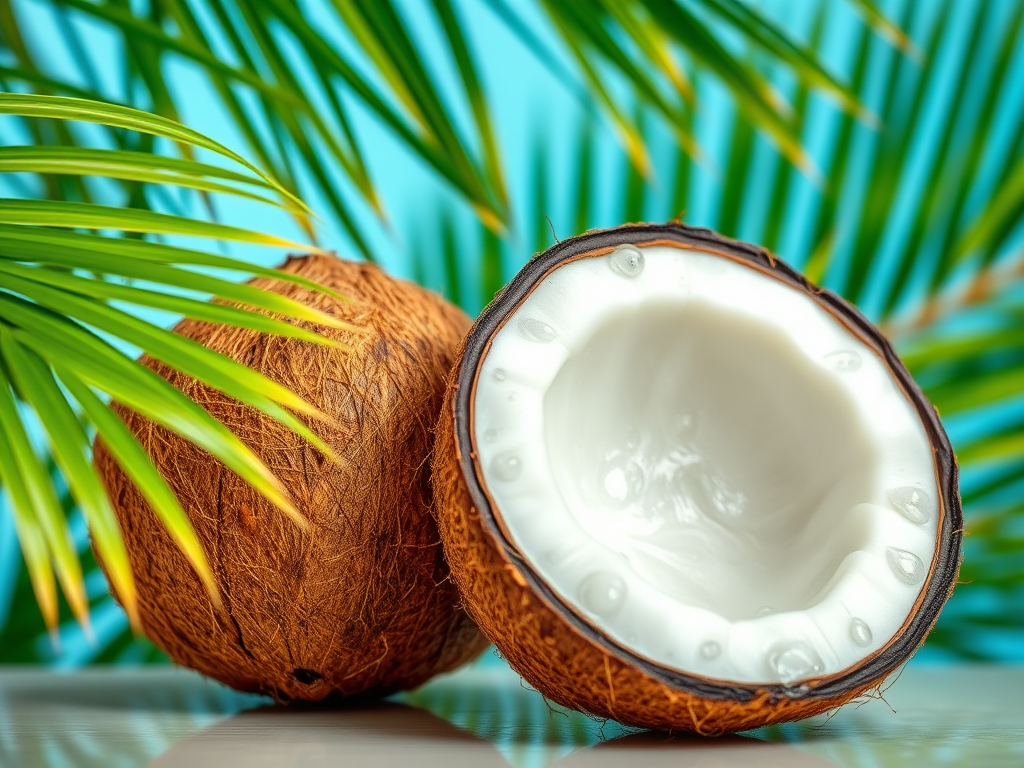
Almost everyone has heard of a coconut, but did you know that there’s so much more to this tropical wonder than its familiar shell? For starters, despite its name, the coconut isn’t actually a true nut—it’s classified botanically as a drupe, a fruit with a hard outer layer that encloses both a seed and a fibrous husk.
This unique classification is just one of many fascinating facets of the coconut. Its unparalleled versatility is evident in how every part of the coconut palm is utilized: from the water inside, which is naturally replete with electrolytes and has even been used in emergency medical contexts, to the creamy flesh that transforms into coconut milk and oil, each component plays a crucial role in culinary, medicinal, and even industrial applications.
Another striking aspect is the coconut’s remarkable ability to traverse the oceans. Coconuts can float for long periods, enabling them to travel vast distances and colonize distant shores—an evolutionary marvel that has contributed to the wide distribution of the coconut palm across tropical regions.
This trait, coupled with its myriad uses, has earned the coconut palm the title “Tree of Life” in many cultures. Its significance extends into traditional medicine, where coconut derivatives are valued for their antimicrobial properties, and into sustainable practices, where even the husk and shell are repurposed into eco-friendly materials and crafts.
Coconuts are a nutritional powerhouse, offering a wide range of health benefits through their various forms—from coconut water and meat to oil and milk. Here’s a detailed look at the benefits:
Nutrient-Dense Composition
Coconut meat is rich in dietary fiber, essential vitamins, and minerals like manganese, copper, and iron. One of the distinguishing features is its high fat content, primarily in the form of medium-chain triglycerides (MCTs).
Unlike long-chain fats, MCTs are rapidly absorbed and transported directly to the liver to be used as a quick energy source. This unique fat composition can aid in weight management, as these fats are less likely to be stored in the body compared to longer-chain fatty acids.
Coconut Water for Hydration and Electrolyte Balance
Coconut water is celebrated for its natural electrolyte content, particularly potassium, magnesium, and sodium. It serves as an excellent rehydration beverage—ideal for replacing lost fluids and electrolytes after exercise or on hot days. This hydrating property makes it popular among athletes and anyone looking for a natural alternative to commercial sports drinks.
Antimicrobial and Immune-Supporting Properties
Coconut oil contains lauric acid, a medium-chain saturated fat that the body converts into monolaurin. Monolaurin is known for its antimicrobial properties, which can help in fighting off certain bacteria, viruses, and fungi. This mechanism not only offers potential support for the immune system but also has led to the use of coconut oil in various topical applications for skin health.
Antioxidant Benefits
Coconuts—whether through their water, meat, or oil—provide antioxidants, including various phenolic compounds. These antioxidants help combat oxidative stress by neutralizing free radicals, which are implicated in cellular damage and chronic inflammation. Regular consumption of coconut products may, therefore, contribute to long-term cellular health and help reduce the risk of certain chronic diseases 3.
Considerations for Cardiovascular Health
It’s worth noting that coconut meat and oil are high in saturated fats. Though the MCTs within coconut oil are metabolized differently and might even help boost HDL (“good”) cholesterol, excessive intake of saturated fats may raise concerns for those with existing cardiovascular issues. Moderation is key; balancing coconut products within an overall heart-healthy diet is important, especially since research on the long-term impact of these fats remains dynamic 3.
In summary, coconuts offer a multifaceted range of benefits, from providing hydration and essential nutrients to offering antimicrobial and antioxidant protection. They can be a valuable addition to one’s diet, whether enjoyed as a refreshing drink, a culinary ingredient, or even applied for skin health.
What Is a Coconut?
Read More: WebMD A coconut is the fruit of the coconut tree. The coconut has three layers. The outermost layer, usually smooth and green in color, is called the exocarp. The next layer is a husk with fibers called the mesocarp. The inner layer, called the endocarp, is hard and brown with three spots or “eyes” on the shell. In the U.S., only the endocarp is sold in grocery stores. It takes 11-12 months for a coconut to fully mature into an endocarp.
Healthline: Low in carbs and high in fiber and fat, coconut is a great choice if you’re on a low-carb, paleo, or gluten-free diet. It may help promote blood sugar control, contains powerful antioxidants, and also has antibacterial effects. healthline.com
Coconuts are already celebrated for their hydration properties and nutritious profile, but beyond the well-known benefits lie several lesser-known advantages that might catch you by surprise:
- Oral Health and Oil Pulling While many enjoy coconut oil for cooking, a traditional Ayurvedic practice called oil pulling leverages its unique antimicrobial properties. Swishing a tablespoon of coconut oil in your mouth for about 10–15 minutes can help reduce harmful oral bacteria, decrease plaque accumulation, and may even improve gum health. This simple practice not only freshens breath but can also lead to reduced inflammation in the mouth—a benefit that isn’t as widely talked about as coconut’s culinary uses2.
- Enhanced Cognitive Function via MCTs The medium-chain triglycerides (MCTs) in coconut oil are rapidly metabolized by the liver into ketone bodies, an alternative energy source for your brain. Emerging research suggests that these ketones may help support cognitive functions and provide an energy boost during periods of low blood sugar. Although still under investigation, this mechanism is garnering attention for its potential to support brain health and possibly aid in managing neurodegenerative conditions3.
- Gut Microbiome Support Coconut oil contains lauric acid, which, when converted to monolaurin, exhibits antimicrobial properties that can help regulate the gut flora. By potentially reducing the overgrowth of harmful bacteria and pathogens, coconut oil may contribute to a healthier balance within the digestive system—a subtle benefit that extends beyond its role as a source of energy. This modulation of gut bacteria might lead to improved digestive health and even support the immune system.
- Skin and Wound-Healing Properties Applied topically, coconut oil isn’t just a moisturizer. Its blend of antioxidants and anti-inflammatory compounds can accelerate wound healing, soothe irritated or inflamed skin, and even help manage conditions like dermatitis. By creating a protective barrier, it retains moisture and shields the skin from environmental stressors, offering benefits that go far beyond traditional moisturizing effects.
- Improved Nutrient Absorption The healthy fats in coconut products, especially coconut oil, enhance the absorption of fat-soluble vitamins (A, D, E, and K) from other foods. This means that including a bit of coconut oil in your meals can indirectly boost your uptake of these essential nutrients, supporting overall nutritional balance in a subtle yet impactful way.
- Mitochondrial Support and Metabolic Boost There’s growing interest in how the rapid metabolism of MCTs can benefit cellular energy production. Some emerging studies suggest that these fats may enhance mitochondrial function, offering a quick energy source for cells. This could translate into improved overall energy levels and might even contribute to better metabolic health—a benefit that’s still not as widely advertised as, say, coconut water’s electrolytes.
While these benefits are promising, it’s important to remember that most of these effects can be subtle and might vary from person to person. Incorporating coconut products in moderation—as part of a balanced diet—can allow you to enjoy both the well-known and the lesser-known perks.
Coconuts are a versatile food, but like any dietary component, it’s important to be mindful of a few precautions to ensure you gain the benefits without any unintended side effects.
- Allergic Reactions. While coconut allergies are relatively uncommon, they can manifest in some individuals. Symptoms may include skin rashes, itching, or more severe reactions as difficulty breathing. If you’re prone to allergies—especially to tree nuts or related plant products—it’s best to introduce coconut slowly into your diet or consult with an allergist before consuming significant amounts. 2
- Saturated Fat Content and Cholesterol Concerns: Coconut meat and coconut oil are high in saturated fats. While the medium-chain triglycerides (MCTs) in coconut oil are metabolized differently than other saturated fats, they can still impact cholesterol levels. If you have existing heart conditions or concerns about cholesterol, moderation is key. For those particularly watching their lipid profile, forms like coconut flour, which has much of the fat removed, might be a more heart-friendly option. 3
- Digestive and Caloric Effects Due to its fiber and fat content, eating large quantities of coconut products can sometimes lead to digestive discomfort, such as bloating or diarrhea. Moreover, the calorie density of coconut meat and coconut oil means that excessive consumption might contribute to an unwanted caloric surplus, which is worth considering if you’re monitoring your weight and overall calorie intake.
- Medication Interactions and Blood Sugar Control Coconut products—particularly coconut water and meat—contain natural sugars and fats that can influence blood sugar levels. For individuals managing diabetes or those taking medications that affect glucose control, it’s important to monitor their blood sugar when incorporating coconut products into their meals. In some cases, coconut might enhance the effects of antidiabetic drugs, potentially leading to hypoglycemia if not balanced properly.
- Considerations for Pregnancy and Medical Conditions Although coconuts are widely consumed as food, there is limited evidence regarding the use of concentrated coconut products (like supplements) during pregnancy or breastfeeding. To stay on the safe side, many experts recommend sticking to typical food amounts rather than high medicinal doses, especially if you have underlying health conditions.
Enjoying coconuts as part of a balanced diet can be very beneficial, but keeping these precautions in mind helps ensure you reap the advantages safely.
 EJADA
EJADA 
Leave a comment