EJADA

Living Healthy, Natural Healing, Herbal Health, and nutritional

  • Healthy Living

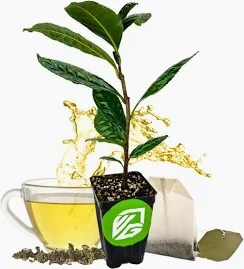
    Continuing with the ABC’s of herbs we now come to my favorite Green Tea but did you know that this popular beverage offers more than just a refreshing taste?

    Antioxidant Powerhouse

    Green tea is rich in antioxidants, particularly catechins, which help protect cells from damage and reduce inflammation in the body. Studies have shown that these antioxidants may help lower the risk of chronic diseases such as heart disease and cancer.

    Boosts Brain Function

    The caffeine and amino acid L-theanine in green tea can have synergistic effects on brain function. They can improve mood, reaction time, and memory, making green tea a great choice for a mid-afternoon pick-me-up.

    Supports Weight Loss

    Green tea has been shown to boost metabolism and increase fat burning, making it a popular choice for those looking to shed a few extra pounds. The combination of caffeine and antioxidants in green tea can help with weight management when combined with a healthy diet and exercise.

    Improves Heart Health

    Drinking green tea regularly has been linked to a lower risk of heart disease. The antioxidants in green tea can help lower cholesterol levels and improve blood flow, reducing the risk of heart attacks and strokes.

    Enhances Skin Health

    The antioxidants in green tea can also benefit your skin. They can help protect against sun damage, reduce inflammation, and improve the overall health and appearance of your skin. Some studies have even shown that green tea can help with acne and other skin conditions.

    Next time you reach for a cup of tea, consider choosing green tea for its numerous health benefits. Whether you enjoy it hot or iced, green tea is a delicious and nutritious addition to your daily routine.

    “Green tea comes from unoxidized leaves of the Camellia sinensis bush. It is one of the least processed types of tea, containing the most antioxidants and beneficial polyphenols.

    Some research suggests green tea may positively affect weight loss, liver disorders, type 2 diabetes, Alzheimer’s disease, and more” according to Medical News Today
    Green Tea Health Benefits

  • Healthy Living

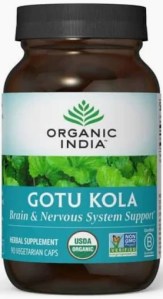
    Gotu Kola

    Gotu Kola, also known as Centella Asiatica, is a small herbaceous plant that has been used for centuries in traditional medicine. It is native to Asia and is commonly found in wetlands and marshy areas. The plant has several other names in different regions, reflecting its widespread use and popularity.

    What is Gotu Kola?

    Gotu Kola is a perennial plant that belongs to the Apiaceae family. It is characterized by its small, fan-shaped leaves and delicate pink or white flowers. The plant is rich in triterpenoids, which are believed to have various health benefits. Gotu Kola is commonly used in herbal remedies and dietary supplements.

    Other Names of Gotu Kola

    Gotu Kola is known by different names in various cultures. In India, it is called “Brahmi,” which is derived from the name of the Hindu god Brahma, the creator of the universe. In China, it is known as “Ji Xue Cao,” which translates to “herb of life.” In Sri Lanka, it is referred to as “Gotu Kola,” which means “conical leaf.”

    Other names for Gotu Kola include “Indian Pennywort,” “Tiger Grass,” and “Mandukaparni.” These names reflect the plant’s diverse uses and cultural significance across different regions.

    Uses of Gotu Kola

    Gotu Kola has been used in traditional medicine for a variety of purposes. It is believed to have anti-inflammatory, antioxidant, and neuroprotective properties. The plant is often used to improve cognitive function, reduce anxiety, and promote wound healing.

    Gotu Kola is also used in skincare products for its potential benefits in reducing the appearance of scars and promoting collagen production. Additionally, the plant is used in culinary dishes in some cultures for its nutritional value and unique flavor.

    In conclusion, Gotu Kola is a versatile plant with a long history of use in traditional medicine. Its various names and uses reflect its importance in different cultures around the world. Whether you know it as Brahmi, Ji Xue Cao, or Tiger Grass, Gotu Kola continues to be valued for its potential health benefits and therapeutic properties.

    According to WebMD , “A few studies have found that gotu kola creams or ointments might prevent scarring and help with wound healing and psoriasis. These creams may help reduce stretch marks during pregnancy. Again, more research is needed to know for sure.

    https://www.webmd.com/diet/health-benefits-gotu-kola

  • Goldenseal

    Goldenseal, a popular herbal supplement, has been used for centuries due to its potential health benefits. As a product expert, it’s important to understand both the side effects and lesser-known uses of this powerful plant.

    What are the Side Effects of Goldenseal?

    While Goldenseal is generally considered safe for most people when taken in appropriate doses, there are some potential side effects to be aware of. These can include digestive issues such as nausea, vomiting, and diarrhea. In some cases, allergic reactions may occur, leading to symptoms like itching, swelling, or difficulty breathing.

    Are There Any Lesser-Known Uses for Goldenseal?

    Aside from its more well-known uses, such as supporting immune health and promoting digestive wellness, Goldenseal has a variety of lesser-known applications. For example, some research suggests that Goldenseal may have antimicrobial properties, making it a potential natural remedy for certain infections. Additionally, it has been used topically to help with skin conditions like eczema and acne.

    Furthermore, Goldenseal may also have anti-inflammatory properties, which could make it beneficial for conditions involving inflammation, such as arthritis. As a product expert, it’s important to educate consumers on these potential uses to help them make informed decisions about incorporating Goldenseal into their wellness routine.

    How Can Consumers Safely Incorporate Goldenseal into Their Routine?

    For those interested in trying Goldenseal, it’s essential to do so safely and responsibly. Always follow the recommended dosage guidelines provided on the product packaging or by a healthcare professional. It’s also important to be aware of any potential interactions with medications or existing health conditions before starting a new supplement regimen.

    As a product expert, it’s crucial to provide accurate information about the side effects and lesser-known uses of Goldenseal to ensure that consumers can make informed choices about their health and wellness. By understanding the potential benefits and risks associated with this herbal supplement, individuals can incorporate it into their routine with confidence.

  • Healthy Living

    Hoelen

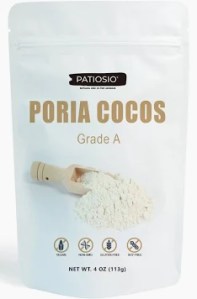
    Hoelen, also known as Poria Cocos, is a type of fungus that grows on the roots of old pine trees. It has been used for centuries in traditional Chinese medicine for its various health benefits.

    What is Hoelen used for?

    Hoelen is primarily used to promote diuresis, which means it helps the body get rid of excess fluids. This can be beneficial for conditions such as edema, bloating, and water retention. It is also believed to have calming properties and is often used to help with insomnia and anxiety.

    How long has Hoelen been used?

    Hoelen has a long history of use in traditional Chinese medicine, dating back over 2,000 years. It is considered a staple herb in many herbal formulas due to its versatile properties.

    What are the other lesser known names for Hoelen?

    Aside from being known as Hoelen or Poria Cocos, this fungus is also referred to as Fu Ling in Chinese medicine. In Japan, it is called Bukuryo, while in Korea, it is known as Bogamshin.

    In conclusion, Hoelen is a versatile herb with a long history of use in traditional medicine. Its diuretic and calming properties make it a valuable addition to herbal formulas aimed at promoting overall health and well-being.

    (Various studies of this fungus have demonstrated its marked anti-inflammatory activity in different experimental models of acute and chronic inflammation. It is widely used as a constituent of many preparations in Asian medicine, but the number of research papers on its clinical properties is insufficient for establishing its efficacy and safety from a scientific point of view.) READ MORE : https://pubmed

  • Healthy Living

    Gangula

    Have you noticed that most Herbs are used to reduce imflamation which has been reported as the number one reason for pain, well if that is the case there are a lot of choices and here is one more.

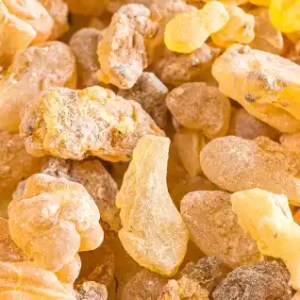
    Gangula, also known as Indian Frankincense, has been used for medicinal purposes for centuries. This resin is derived from the Boswellia tree and has a long history of being used in traditional medicine.

    What are the best uses of Gangula?

    Gangula is commonly used to reduce inflammation and pain in conditions such as arthritis. It has anti-inflammatory properties that can help alleviate joint pain and improve mobility. Additionally, Gangula is used to support respiratory health and may help with conditions like asthma and bronchitis.

    How long has Gangula been used for medicinal purposes?

    Gangula has been used for medicinal purposes for over 5,000 years. Ancient civilizations such as the Egyptians, Greeks, and Romans utilized Gangula for its healing properties. In traditional Ayurvedic medicine, Gangula has been a staple for treating various ailments for centuries.

    Today, modern research is starting to catch up with the traditional uses of Gangula. Studies have shown that the compounds found in Gangula have potent anti-inflammatory and antioxidant effects, making it a valuable natural remedy for a variety of health issues.

    This is a difficult one but I have found that Gangula is also use as part of Ayurveda or Ayurvedic medicine is a system of traditional medicine native to India. Treatment options are varied and can include yoga, acupuncture, herbal medicine, massage therapy and dietary changes. Cases of lead poisoning as a result of taking Ayurvedic treatments imported from India have been reported in Victoria. https://www.betterhealth.vic.gov

    For centuries, people have smelled the strong aroma of Indian frankincense at religious ceremonies and cultural events. Traditional healers also use it to treat health conditions like indigestioncoughing and other breathing problems, and even recovery from childbirth.

  • Ginkgo, also known as Ginkgo biloba, is a unique tree species that has been around for millions of years. This ancient tree is often referred to as a “living fossil” due to its resilience and longevity. But what makes Ginkgo so special?

    Rich in Antioxidants

    Ginkgo is packed with antioxidants, which are compounds that help protect the body from damage caused by harmful molecules known as free radicals. These antioxidants can help reduce inflammation and improve overall health.

    Enhances Cognitive Function

    Studies have shown that Ginkgo may improve cognitive function, including memory, focus, and attention span. It is believed that Ginkgo helps increase blood flow to the brain, which can enhance mental performance.

    Supports Cardiovascular Health

    Ginkgo has been found to have positive effects on cardiovascular health by improving circulation and reducing blood clotting. This can help lower the risk of heart disease and stroke.

    May Reduce Anxiety

    Some research suggests that Ginkgo may have anxiolytic properties, meaning it could help reduce symptoms of anxiety and stress. By promoting relaxation and reducing cortisol levels, Ginkgo may help improve overall well-being.

    Improves Eye Health

    Ginkgo is also known for its potential benefits for eye health. It may help protect the eyes from age-related macular degeneration and improve vision by increasing blood flow to the eyes.

    Overall, Ginkgo is a powerful natural supplement with a wide range of potential health benefits. Whether you’re looking to boost your brain function, support your heart health, or simply improve your overall well-being, Ginkgo may be a valuable addition to your daily routine

    Ginkgo Biloba

    What is Ginkgo Biloba?

    “Ginkgo biloba is an herbal supplement derived from the leaves of the Asian ginkgo tree. Although raw or dried ginkgo leaves have been used for centuries in Chinese herbal medicine, most modern ginkgo biloba supplements use ginkgo biloba extracts (GBE), a much more potent form of ginkgo. Ginkgo biloba has antioxidant, blood-thinning, and circulation-enhancing properties that account for its beneficial effects on cognitive function, mood, and whole-body circulation. Ginkgo extracts are usually standardized to have a consistent level of flavonoids and terpenoids, two key active ingredients with antioxidant properties. Ginkgo Biloba

  • Healthy Living

    Ginseng

    Ginseng, one of the most popular herbs, has been around since ancient times. This powerful herb has been used for centuries in traditional medicine for its numerous health benefits.

    What is Ginseng?

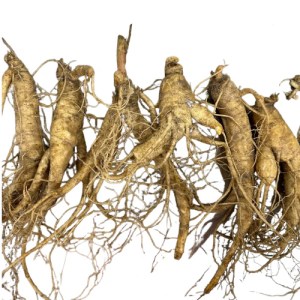
    Ginseng is a perennial plant with fleshy roots that belong to the Panax genus. There are several types of ginseng, including Asian ginseng (Panax ginseng) and American ginseng (Panax quinquefolius). The roots of the ginseng plant are the most commonly used part for medicinal purposes.

    Health Benefits of Ginseng

    Ginseng is known for its adaptogenic properties, which means it helps the body adapt to stress and maintain balance. Some of the potential health benefits of ginseng include:

    • Boosting the immune system
    • Improving cognitive function
    • Increasing energy levels
    • Reducing inflammation
    • Enhancing physical endurance

    Research on Ginseng

    Studies have shown that ginseng contains powerful compounds called ginsenosides, which have antioxidant and anti-inflammatory properties. These compounds are believed to be responsible for many of the health benefits associated with ginseng.

    Research has also suggested that ginseng may help improve mood, reduce stress, and support heart health. However, more studies are needed to fully understand the mechanisms behind these effects.

    How to Use Ginseng

    Ginseng can be consumed in various forms, including capsules, powders, teas, and extracts. It is important to follow the recommended dosage guidelines and consult with a healthcare provider before adding ginseng to your routine, especially if you have any underlying health conditions.

    Overall, ginseng is a versatile herb with a long history of use in traditional medicine. Whether you’re looking to boost your immune system, improve cognitive function, or increase energy levels, ginseng may be a beneficial addition to your wellness routine.

    Ginseng roots can be consumed in various ways, including brewing them into a tea, adding them to soups or stews, or taking them in capsule or tablet form. As with any natural remedy, it’s important to consult with a healthcare provider before using ginseng roots. Some people may experience side effects such as headaches, nausea, or sleep disturbances. Additionally, ginseng may interact with certain medications, so it’s important to disclose any prescription drugs or supplements you’re currently taking to your healthcare provider.”

    Ginsneg, also known as CheongKwanJang, also known as Korean red ginseng, is a powerful herbal supplement that has been used for centuries in traditional Korean medicine. This potent root has gained popularity worldwide for its numerous health benefits and unique properties.

    What makes CheongKwanJang special?

    CheongKwanJang is cultivated with great care and attention to detail, ensuring the highest quality product. The ginseng root is harvested after 6 years of growth, which allows it to develop a complex array of bioactive compounds that contribute to its health-promoting effects.

    What are the benefits of CheongKwanJang?

    Studies have shown that CheongKwanJang can help improve cognitive function, boost energy levels, and enhance overall well-being. It is also known for its antioxidant properties, which can help protect the body from oxidative stress and inflammation.

    How to incorporate CheongKwanJang into your routine?

    CheongKwanJang is available in various forms, including capsules, extracts, and teas. Incorporating this powerful herb into your daily routine can be as simple as taking a capsule with your morning vitamins or brewing a cup of ginseng tea in the afternoon.

    Whether you are looking to boost your energy, support your immune system, or improve your mental clarity, CheongKwanJang may be the perfect addition to your wellness routine. Consult with a healthcare professional before adding any new supplement to your regimen to ensure it is right for you.

  • Ginger

    Many people are familiar with ginger as a common ingredient in cooking and a popular remedy for nausea. But do you really know all the benefits that ginger has to offer? Let’s dive into the science behind this powerful root and explore its various uses.

    What is Ginger?

    Ginger, scientifically known as Zingiber officinale, is a flowering plant that originated in Southeast Asia. The root of the ginger plant is widely used in cooking, baking, and traditional medicine due to its unique flavor and potential health benefits.

    Health Benefits of Ginger

    Ginger contains bioactive compounds such as gingerol, which has powerful anti-inflammatory and antioxidant effects. Studies have shown that ginger may help reduce muscle pain, lower blood sugar levels, and improve digestion.

    Anti-Nausea Properties

    One of the most well-known benefits of ginger is its ability to alleviate nausea and vomiting. Whether you’re experiencing motion sickness, morning sickness, or chemotherapy-induced nausea, ginger has been shown to be an effective natural remedy.

    Digestive Aid

    Ginger is also known for its digestive properties. It can help stimulate saliva production, aid in the breakdown of food, and reduce bloating and gas. Incorporating ginger into your diet can promote better digestion and overall gut health.

    Immune-Boosting Effects

    With its potent antioxidant properties, ginger can help strengthen the immune system and protect the body against oxidative stress. Regular consumption of ginger may help reduce the risk of chronic diseases and support overall health and well-being.

    How to Incorporate Ginger Into Your Routine

    There are many ways to enjoy the benefits of ginger, from adding fresh ginger to your smoothies and stir-fries to brewing ginger tea or taking ginger supplements. Experiment with different recipes and forms of ginger to find what works best for you.

    Next time you reach for that ginger root in the grocery store, remember all the incredible benefits it has to offer. Whether you’re looking to soothe an upset stomach, boost your immune system, or simply add a burst of flavor to your meals, ginger is a versatile and powerful ingredient worth incorporating into your daily routine.

  • Father’s Day

    Customize

    Looking for a unique gift for Father’s Day? Instead of the traditional tie or socks, why not consider giving a personalized gift that your dad will cherish for years to come? Personalized gifts add a special touch and show that you put thought and effort into selecting the perfect present.

    Why Choose Personalized Gifts?

    Personalized gifts allow you to add a custom touch to your present, making it truly one-of-a-kind. Whether it’s a t-shirt with a funny quote, a bib apron for the master chef in your family, or a special mug with a heartfelt message, personalized gifts show that you went the extra mile to make Father’s Day memorable.

    Customize Your Gift

    When choosing a personalized gift, think about your dad’s interests and hobbies. Does he love to cook? Consider a bib apron with his name or a funny cooking-related quote. Is he a coffee lover? A personalized mug with a photo of the family or a special message will brighten his mornings.

    Memorable Keepsake

    Personalized gifts are not only thoughtful but also serve as a lasting keepsake. Every time your dad wears the custom t-shirt, cooks in the personalized apron, or sips coffee from the special mug, he will be reminded of the love and appreciation you have for him.

    Ordering Process

    Ordering personalized gifts is easier than ever. Simply choose the item you want to customize, select the design or message, and place your order. Many online retailers offer a wide range of customization options, allowing you to create a truly unique gift for your dad.

    So, this Father’s Day, skip the generic gifts and opt for something special. Give your dad a personalized gift that he will treasure and enjoy for years to come. Whether it’s a t-shirt, bib apron, or mug, a personalized gift is sure to make this Father’s Day one to remember.

    Customize at EJADA

  • Healthy Living

    Gentian

    Gentian liqueur origins are disputed, with the first mentions of production being from the 1600’s in Bavaria, Germany. In Germany, the liqueur is referred to as “Enzian” (the German word for “gentian”). Enzianbrennerei Grassl in Berchtesgaden, the gentian plant.” Gentian

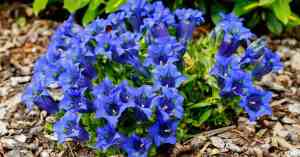
    Gentian is a flowering plant known for its vibrant blue or purple flowers. But did you know that this plant also has medicinal properties that have been used for centuries? In this blog post, we will explore what gentian is and how it is used in various applications.

    What is Gentian?

    Gentian, scientifically known as Gentiana, is a genus of flowering plants that belong to the Gentianaceae family. There are over 400 species of gentian, with the most common species being Gentiana lutea. The plant is native to Europe, Asia, and the Americas.

    How is Gentian Used?

    Gentian has a long history of being used in traditional medicine due to its bitter taste and potential health benefits. The roots of the gentian plant contain compounds known as gentiopicrin and amarogentin, which are believed to have digestive and appetite-stimulating properties.

    One of the most common uses of gentian is in herbal remedies and supplements. It is often used to improve digestion, stimulate appetite, and alleviate symptoms of indigestion. Gentian is also used in the production of bitters, which are alcoholic beverages infused with herbs and spices to aid digestion.

    Additionally, gentian is sometimes used in the production of alcoholic beverages, such as vermouth and gin, to add a bitter flavor profile. In the cosmetic industry, gentian extract is used in skincare products for its antioxidant properties.

    Conclusion

    In conclusion, gentian is a versatile plant with various uses in traditional medicine, herbal remedies, and the food and beverage industry. Its bitter compounds make it a valuable ingredient for promoting digestion and overall well-being. Whether you are looking to improve your digestive health or add a unique flavor to your cocktails, gentian may be worth exploring further.

  • Healthy Living

    Garlic


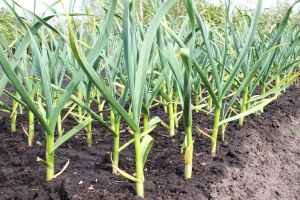
    Garlic, known scientifically as Allium sativum, is a popular ingredient in cooking due to its unique flavor profile. However, this versatile herb is not just limited to enhancing the taste of dishes. In fact, garlic has been used for its medicinal properties for centuries. Let’s delve into the various health benefits associated with this common kitchen staple.

    1. Immune System Support

    Garlic is rich in compounds like allicin, which have been shown to boost the immune system. By incorporating garlic into your diet, you may help your body fight off colds and other illnesses more effectively.

    2. Heart Health

    Studies have suggested that garlic may have a positive impact on heart health by helping to lower cholesterol levels and regulate blood pressure. These effects can contribute to a reduced risk of heart disease.

    3. Antioxidant Properties

    Garlic contains antioxidants that can help protect the body from oxidative damage caused by free radicals. This may play a role in reducing the risk of chronic diseases and slowing down the aging process.

    4. Anti-Inflammatory Effects

    Some research indicates that garlic has anti-inflammatory properties, which can be beneficial for conditions like arthritis and other inflammatory disorders. Including garlic in your diet may help alleviate inflammation in the body.

    5. Improved Digestion

    Garlic has been traditionally used to aid digestion and promote gut health. It can help stimulate the production of digestive enzymes and support the growth of beneficial gut bacteria, leading to better overall digestive function.

    Overall, garlic is a powerhouse of health benefits that can be easily incorporated into your daily meals. Whether consumed raw, cooked, or in supplement form, this humble herb has a lot to offer in terms of promoting wellness and vitality.

    According to WebMD “People commonly use garlic for high blood pressure, high levels of cholesterol or other fats in the blood, and hardening of the arteries. It is also used for the common cold, osteoarthritis, and many other conditions, but there is no good scientific evidence to support these uses. There is also no good evidence to support using garlic for COVID-19.” Garlic

  • Fritillaria

    Fritillaria is a genus of flowering plants that belong to the Liliaceae family. These plants are known for their unique bell-shaped flowers and are commonly found in temperate regions of the Northern Hemisphere. While many people may be familiar with Fritillaria by its common names, such as “Checkered Lily” or “Snake’s Head,” there are some lesser-known uses of this plant that are worth exploring.

    What are the common names of Fritillaria?

    Some of the common names of Fritillaria include:

    • Checkered Lily
    • Snake’s Head
    • Chess Flower
    • Guinea-Hen Flower

    What are the little known uses of Fritillaria?

    While Fritillaria is primarily grown for its ornamental value, it also has some interesting uses:

    • Medicinal Purposes: Some species of Fritillaria have been used in traditional Chinese medicine for centuries. They are believed to have anti-inflammatory and expectorant properties and are used to treat respiratory conditions like coughs and asthma.
    • Food: In some cultures, the bulbs of certain Fritillaria species are consumed as a vegetable. They are said to have a bitter taste and are often used in soups and stir-fries.
    • Repellent: The strong scent of Fritillaria bulbs is believed to repel rodents and pests from gardens. Planting Fritillaria around the perimeter of a garden can help keep unwanted visitors at bay.

    While Fritillaria is primarily known for its beauty, it is clear that this plant has a lot more to offer than meets the eye. From its medicinal properties to its culinary uses, Fritillaria is a versatile plant with a rich history and a promising future.