EJADA

Living Healthy, Natural Healing, Herbal Health, and nutritional

  • Healthy Living

    Gelsemium is an Asian and North American genus of flowering plants belonging to the family Gelsemiaceae. The genus contains three species of shrubs to straggling or twining climbers. Two species are native to North America, and one to China and Southeast Asia.

    In his classic early 20th century work on psychotropic drugs Phantastica, German pharmacologist Louis Lewin recounts the curious and tragic case – seemingly unique in the literature – of an individual who became addicted (in a manner far more often associated with opiates) to a Gelsemium preparation:

    during a severe attack of rheumatism a man took a large quantity of an alcoholic tincture of Gelsemium sempervirens a plant which is liable to act on the brain and the medulla oblongata. Noticing an appreciable result he continued to take it, and finally became a slave to the drug. He gradually augmented the quantity, and reached 30 gr. of the tincture in one dose. Slowly he became paleagitated, and discontented. He wasted away. Hallucination set in, and his state grew worse until disorders of the intelligence appeared. As he continued to increase the doses he fell into idiocy and died in a state of mental confusion

    Gelsemium Alleged Poisoning

    Could this be the mixture behind the Dr. Jekyll Mr Hyde transformaion?

    Got off track yet? Let’s get you back on track with the 21-Day Diet Smoothie

  • Living Healthy

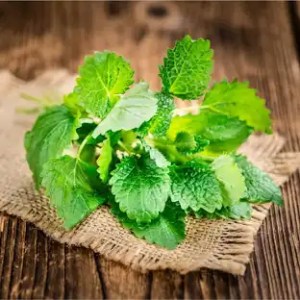
    Lemon Balm is another herb that starts with the letter L and can thrive in high altitudes. This herb is part of the mint family and is known for its lemony scent and flavor. Lemon balm is often used in teas, as well as in aromatherapy for its calming effects. Have you heard of lemon balm? Lemon Balm is a powerhouse when it comes to health benefits. Let’s dive into the world of lemon balm and discover why it’s a must-have in your herbal arsenal.

    Lemon balm, also known as Melissa officinalis, is a fragrant herb that is commonly used in cooking and herbal medicine. However, some lesser-known uses for lemon balm may surprise you. In this blog post, we will explore some of the rare known uses for lemon balm.

    What is Lemon Balm?

    Lemon Balm, also known as Melissa officinalis, is a perennial herb from the mint family. It has a mild lemon scent and is commonly used in culinary dishes, teas, and herbal remedies.

    Health Benefits of Lemon Balm

    1. Calming Effects: Lemon balm has been shown to have calming and stress-relieving properties, making it a popular choice for promoting relaxation and reducing anxiety.

    2. Digestive Aid: This herb can help soothe digestive issues such as bloating, gas, and indigestion, thanks to its carminative properties.

    3. Antioxidant Power: Lemon balm is rich in antioxidants, which can help protect cells from damage caused by free radicals and oxidative stress.

    1. Natural Insect Repellent

    Did you know that lemon balm can be used as a natural insect repellent? The strong lemon scent of the plant is effective at keeping mosquitoes, flies, and other insects at bay. Simply crush a few leaves and rub them on your skin to help ward off pesky bugs.

    2. Stress Relief

    Lemon balm has been traditionally used to help reduce stress and anxiety. The calming properties of the herb can help promote relaxation and improve mood. Consider brewing a cup of lemon balm tea or adding a few drops of lemon balm essential oil to a diffuser for a soothing effect.

    3. Digestive Aid

    Due to its carminative properties, lemon balm can help soothe digestive issues such as bloating, gas, and indigestion. Drinking lemon balm tea after a meal may help promote healthy digestion and alleviate discomfort.

    4. Skin Care

    Lemon balm contains antioxidants and anti-inflammatory compounds that can benefit the skin. Applying a cooled lemon balm tea compress to the skin may help reduce inflammation, redness, and irritation. It can also be used in homemade skincare products for a refreshing boost.

    5. Sleep Aid

    Lemon balm is known for its mild sedative properties, making it a popular choice for promoting restful sleep. Drinking a cup of lemon balm tea before bedtime may help calm the mind and body, leading to a more peaceful night’s rest.

    Next time you have a surplus of lemon balm in your garden, consider trying out some of these unique uses for this versatile herb. From natural insect repellent to stress relief, lemon balm has a wide range of benefits beyond its traditional culinary and medicinal uses.

    Final Thoughts

    Adding lemon balm to your daily routine can provide a range of health benefits, from promoting relaxation to supporting digestion. Consider incorporating this versatile herb into your wellness regimen and experience the wonders of lemon balm for yourself.

    Lemon Balm According to Webmd

  • Living Healthy

    When it comes to high-mountain herbs, the diversity of plant life can be truly fascinating. But are there any specific herbs that thrive in high altitudes and start with the letter L? Let’s delve into this botanical exploration. What are the benefits of high mountain tea?

    “Comparable to green teas, high mountain oolongs have high levels of polyphenols. Polyphenols protect the body from stressors and may help protect against various forms of cancer, heart disease, and inflammation. High mountain oolongs also contain L-theanine, an amino acid known to reduce anxiety and help you relax. HIgh Mountain Tea Sep 23, 2020″

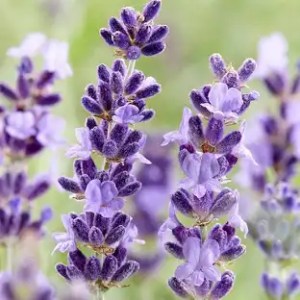
    1. Lavender

    Lavender, known for its calming aroma and beautiful purple flowers, is a versatile herb that can be found in high mountain regions. It is often used in aromatherapy, culinary dishes, and skincare products.1. Culinary Delight

    Did you know that lavender can be used in cooking? Its floral and slightly sweet flavor can add a unique twist to both savory and sweet dishes. From lavender-infused honey to lavender lemonade, the culinary possibilities are endless.

    2. Natural Insect Repellent

    Lavender’s strong scent is a natural deterrent for insects. By placing dried lavender sachets in your closet or drawers, you can keep moths and other pests at bay without the use of harsh chemicals.

    3. Sleep Aid

    Lavender has long been used for its relaxing properties, making it an ideal natural sleep aid. Try placing a few drops of lavender essential oil on your pillow or using a lavender-scented linen spray to promote a restful night’s sleep.

    4. Headache Relief

    For those prone to headaches, lavender may offer relief. Applying diluted lavender oil to the temples or inhaling its aroma can help alleviate tension and promote relaxation, potentially easing headache symptoms.

    5. Laundry Freshener

    Add a few drops of lavender essential oil to a damp washcloth and toss it in the dryer with your clothes for a natural and refreshing alternative to synthetic fabric softeners. Your laundry will come out smelling fresh and clean.

    These are just a few of the many little-known uses of lavender. Whether you’re looking to enhance your cooking, create a calming atmosphere, or repel insects naturally, lavender is a versatile herb with a wide range of benefits.

    The common name of Lavandula is Lavender is found on the Iberian Peninsula and around the entirety of the Mediterranean coastline (including the Adriatic coast, the Balkans, the Levant, and coastal North Africa), in parts of Eastern and Southern Africa and the Middle East, as well as in South Asia and on the Indian subcontinent.[3] read more Lavandula

  • Living Healthy

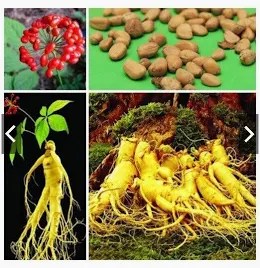
    With this post I am finished with the letter K of herbs and now will continue with the letter L in my next post, in this post you will learn about Korean Ginseng

    Ginseng, a popular herbal remedy, comes in various forms, each with its unique properties and benefits. Let’s delve into the different kinds of Ginseng and explore the wonders of Korean Ginseng.

    What are the types of Ginseng?

    There are several types of Ginseng, with the most common being American Ginseng (Panax quinquefolius) and Asian Ginseng (Panax ginseng). Within Asian Ginseng, there are further distinctions between Chinese Ginseng and Korean Ginseng.

    What are the benefits of Ginseng?

    Ginseng is known for its adaptogenic properties, which help the body cope with stress and promote overall well-being. Some potential benefits of Ginseng include:

    • Boosting energy levels
    • Improving cognitive function
    • Enhancing immune system
    • Reducing inflammation
    • Supporting heart health

    What makes Korean Ginseng special?

    Korean Ginseng, also known as Panax ginseng, is highly prized for its potent effects. It is believed to have a higher concentration of active compounds compared to other types of Ginseng. Korean Ginseng is often used to improve stamina, enhance mental clarity, and boost overall vitality.

    Whether you prefer American Ginseng, Chinese Ginseng, or the powerhouse Korean Ginseng, incorporating this herbal remedy into your routine may offer a myriad of health benefits.

    “Ginseng has been used for improving overall health. It has also been used to strengthen the immune system and help fight off stress and disease. There are different types of ginseng. Asian ginseng (from Chinese and Korean sources) has been used for unclear thinking, diabetes, and male erectile dysfunction. American ginseng has been used for diabetes and for reducing the risk of the common cold and flu.” Read More;” according to Webmd

  • Living Healthy

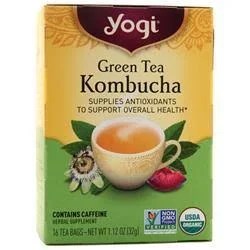
    Kombucha

    Kombucha is a fermented tea that has been used for centuries for its potential health benefits. But what exactly is it used to treat and where did it originate?

    What is Kombucha used to treat?

    Kombucha is often touted for its probiotic properties, which can help promote a healthy gut microbiome. This can lead to improved digestion, better immune function, and even potential weight loss. Some studies suggest that kombucha may also have antioxidant and antimicrobial properties, which could help protect against certain diseases.

    What are the health benefits of Kombucha?

    Some of the potential health benefits of kombucha include improved digestion, increased energy levels, and a strengthened immune system. The probiotics found in kombucha can help balance the gut microbiome, leading to better overall health. Additionally, the antioxidants in kombucha may help reduce inflammation and protect against chronic diseases.

    When was Kombucha first used and in what country?

    Kombucha is believed to have originated in China over 2,000 years ago. It was known as the “Tea of Immortality” and was prized for its health benefits. From China, kombucha spread to Japan, Russia, and eventually Europe and the United States. Today, kombucha is enjoyed worldwide for its unique taste and potential health benefits.

    (“Kombucha is a fizzy, fermented drink typically made with either green or black tea. Although it is sometimes referred to as kombucha mushroom tea, it is not made with fungi. The “mushroom” is something called a symbiotic colony of bacteria and yeast, or SCOBY. When added to sweet tea and fermented, it creates healthful bacteria and B vitamins.”)

    Kombucha: Read more WebMD

    Kombucha is a fermented, lightly effervescent, sweetened black tea drink. Sometimes the beverage is called kombucha tea to distinguish it from the culture of bacteria and yeast. Juice, spices, fruit, or other flavorings are often added. Kombucha is thought to have originated in China, where the drink is traditional.

    The Centers for Disease Control recommends that four ounces of kombucha can be safely consumed one to three times a day. Overconsumption can lead to headache, nausea, gastrointestinal distress, or ketoacidosis. Kombucha Do’s and Don’ts

  • Living Healthy

    Most everyone knows about Kiwifruit – that little green fruit with a fuzzy outside. But are you sure you really know the health benefits?

    What makes Kiwifruit so healthy?

    Kiwifruit is packed with essential nutrients like Vitamin C, Vitamin K, Vitamin E, and fiber. In fact, just one serving of kiwifruit provides over 100% of your daily Vitamin C needs!

    How does Kiwifruit benefit your health?

    Research has shown that consuming kiwifruit can help improve digestion, boost the immune system, and even support heart health. The fiber in kiwifruit can aid in digestion and promote gut health, while the high levels of Vitamin C can help strengthen the immune system.

    Are there any other benefits?

    Studies have also suggested that kiwifruit may have anti-inflammatory properties, which can help reduce the risk of chronic diseases. Additionally, the antioxidants found in kiwifruit can help protect against oxidative stress and cell damage.

    So, next time you’re looking for a healthy snack, consider reaching for a kiwifruit. Not only is it delicious, but it’s also packed with essential nutrients that can benefit your overall health.

    ( ‘Kiwi fruit is the source of serotonin that may help with better sleep. It may help with sleep disturbances, may help the onset of sleep, and may reduce waking time. Kiwifruit contains vitamin K, which plays a role in blood clotting and might also help in vitamin D absorption by the body.’ KIWIFRUIT read more)

  • KIMCHI

    Kimchi is a traditional Korean dish made from fermented vegetables, most commonly cabbage and radishes, seasoned with a variety of spices. But did you know that kimchi has uses beyond just being a delicious side dish? Let’s explore the various ways kimchi can be used for both culinary and medicinal purposes.

    What are the Culinary Uses of Kimchi?

    Kimchi is a staple in Korean cuisine, often served as a side dish to complement main meals. Its tangy, spicy flavor adds a unique kick to dishes and can be enjoyed on its own or mixed into various recipes. Kimchi can be used in stir-fries, soups, stews, and even as a topping for burgers or tacos. The possibilities are endless!

    What are the Medicinal Uses of Kimchi?

    Aside from its culinary uses, kimchi also offers various health benefits. Due to the fermentation process, kimchi is rich in probiotics, which are beneficial for gut health. Probiotics help maintain a healthy balance of gut bacteria, aiding in digestion and boosting the immune system. Additionally, kimchi is packed with vitamins A, B, and C, as well as antioxidants, making it a nutritious addition to your diet.

    Where was Kimchi First Used and for What Purpose?

    Kimchi has a long history in Korean culture, dating back thousands of years. It was originally created as a way to preserve vegetables during the harsh winter months when fresh produce was scarce. The fermentation process not only preserved the vegetables but also enhanced their flavor and nutritional value. Over time, kimchi became a beloved dish in Korean cuisine and is now enjoyed worldwide.

    Kimchi make your own

    Solar Safe

  • Have you ever considered the impact of the medications you take on your overall health? The side effects of prescriptions can sometimes outweigh the benefits, leading to a cycle of dependency on medication. That’s why the blog formerly known as [Previous Blog Name] has been rebranded to Living Healthy. This new name reflects a commitment to promoting a holistic approach to health and wellness.

    What is Living Healthy?

    Living Healthy is all about taking control of your health through lifestyle choices, nutrition, and natural remedies. By focusing on maintaining a healthy body and mind, you can potentially reduce the need for prescription medications that come with a host of side effects.

    Consult Your Physician

    Before making any changes to your medication regimen or incorporating new herbs into your routine, it’s essential to consult with your physician. Your doctor can provide guidance on how to safely transition to a more holistic approach to wellness.

    The Power of Herbs

    Herbs have been used for centuries to promote health and well-being. Incorporating herbs into your daily routine can help support your body’s natural functions and boost your overall health. From turmeric to ginger to garlic, there are a variety of herbs that can benefit your health.

    Living Healthy is not about abandoning modern medicine, but rather complementing it with natural remedies and lifestyle changes. By taking a proactive approach to your health, you can reduce your reliance on medications and improve your overall well-being.

  • Khella, also known as Ammi Visnaga, is a plant native to the Mediterranean region and has been used for centuries in traditional medicine. But what exactly is Khella and how is it used?

    What is Khella?

    Khella is a flowering plant that belongs to the Apiaceae family. It has been historically used in various cultures for its medicinal properties. The plant contains active compounds such as khellin and visnagin, which are believed to have therapeutic effects.

    How is Khella Used?

    Khella is commonly used to support respiratory health and improve conditions such as asthma and bronchitis. It is believed to help relax the smooth muscles in the airways, making it easier to breathe. Khella can be consumed in various forms, including as a tea, tincture, or supplement.

    When was Khella First Used?

    The use of Khella dates back to ancient Egypt, where it was used to treat various ailments. The plant has a long history of use in traditional medicine, with references to its medicinal properties found in ancient texts.

    Benefits of Khella

    Research has shown that Khella may have anti-inflammatory and bronchodilator effects, making it a potential natural remedy for respiratory conditions. Some studies suggest that Khella may help reduce asthma symptoms and improve lung function.

    Overall, Khella is a fascinating plant with a rich history of medicinal use. Whether you are looking to support your respiratory health or explore natural remedies, Khella may be worth considering.

    (“It is a major constituent of the plant Visnaga daucoides, also known as Ammi Visnaga and as bishop’s weed. Once purified, khellin exists as colorless, odorless, bitter-tasting needle-shaped crystals and is classified as a gamma-pyrone, a furanochromone derivative. In the early 20th century, researchers searched for khellin analogs with lower toxicity and better efficacy. Several drugs were discovered through this research, such as amiodarone and cromolyn sodium, which are used in current medical practice. Efloxate is also mentioned as an analog. READ MORE https://www.ebi.ac.uk/ “)

  • Healthy Living

    Kefir, a fermented milk drink, has been enjoyed for centuries for its unique taste and potential health benefits. But what are the different ways kefir has been used throughout history? Let’s explore the various uses of kefir and how it has evolved over time.

    Traditional Consumption

    Originally hailing from the Caucasus Mountains, kefir was traditionally consumed by the local tribes. They believed in its healing properties and used it as a staple in their diet. The tangy, slightly effervescent drink was enjoyed on its own or mixed with other ingredients for added flavor.

    Medicinal Purposes

    In addition to being a dietary staple, kefir was also used for its medicinal properties. It was believed to aid in digestion, boost the immune system, and promote overall well-being. Some cultures even used kefir as a natural remedy for various ailments.

    Culinary Applications

    As kefir gained popularity around the world, it found its way into various culinary creations. From smoothies and salad dressings to baked goods and marinades, kefir became a versatile ingredient in the kitchen. Its tangy flavor and creamy texture added a unique twist to traditional recipes.

    Modern Uses

    Today, kefir is enjoyed by people all over the world for its probiotic properties and potential health benefits. It is commonly used as a base for smoothies, a topping for granola, or even as a substitute for buttermilk in baking. With its growing popularity, kefir continues to be a staple in many households.

    Potential Lactose Intolerance

    While kefir is often touted as a dairy product that is easier to digest due to its probiotic content, individuals who are severely lactose intolerant may still experience discomfort or digestive issues when consuming kefir. It’s important to be aware of your own tolerance levels and consult with a healthcare provider if you have concerns.

    High-Calorie Content

    Depending on the type of kefir and any added ingredients, this fermented drink can be calorie-dense. For individuals watching their calorie intake, especially those on a weight loss journey, it’s essential to be mindful of the portion sizes and overall caloric impact of consuming kefir regularly.

    Potential Allergies

    Some individuals may have allergies to specific components of kefir, such as dairy proteins or other ingredients used in the fermentation process. If you have a known allergy or experience any adverse reactions after consuming kefir, it’s crucial to discontinue use and seek guidance from a healthcare professional.

    Interactions with Medications

    As with any food or supplement, kefir may interact with certain medications. If you are taking prescription medications, especially those that require specific dietary considerations, it’s advisable to consult with your healthcare provider before adding kefir to your daily routine to avoid any potential interactions.

    While kefir offers numerous health benefits, it’s essential to be aware of the potential disadvantages and consider your individual health needs and circumstances before incorporating it into your diet. By staying informed and making informed choices, you can enjoy the benefits of kefir while minimizing any potential drawbacks.

    From its humble beginnings in the Caucasus Mountains to its widespread use today, kefir has come a long way. Whether enjoyed for its taste, health benefits, or culinary versatility, kefir remains a beloved drink with a rich history. Kefir, a fermented milk drink known for its probiotic benefits, has gained popularity in recent years for its potential health advantages. However, are there any drawbacks to incorporating kefir into your diet? Let’s delve into the potential disadvantages of using kefir.

    Drink your way to good health. Kefir contains millions of probiotics, which are bacteria with potential health benefits. It’s also low in lactose and packed with vitamins and minerals that are good for your body. Scientists have found a range of possible health benefits of kefir, including improved cholesterol, blood sugar control, and gut health. READ MORE: Kefir also known as ZOE

  • Healthy Living KELP

    You may have seen this marine plant at the beach. Kelp is a type of large, brown seaweed that grows in shallow, nutrient-rich saltwater near coastal fronts around the world. It differs slightly in color, flavor, and nutrient profile from the type you may see in sushi rolls,

    read more HEALTHLINE.COM

    Kelp, a type of seaweed, is a nutrient-rich marine plant that offers a wide range of health benefits. From supporting thyroid function to providing essential vitamins and minerals, kelp is a versatile ingredient that can be easily incorporated into your diet.

    What health benefits does kelp offer?

    Kelp is a rich source of iodine, which is essential for thyroid health and hormone regulation. It also contains antioxidants, vitamins A, C, E, and K, as well as minerals like calcium, magnesium, and iron. These nutrients work together to support overall health and well-being.

    How can you best use kelp?

    One of the best ways to incorporate kelp into your diet is by adding it to soups, salads, or stir-fries. You can also use kelp flakes as a seasoning or sprinkle them over dishes for a boost of flavor and nutrition. Another popular option is to enjoy kelp in the form of snacks like kelp chips or seaweed salad. For those looking to reap the benefits of kelp without the taste, kelp supplements are available in the form of capsules or powders. These supplements offer a convenient way to ensure you are getting an adequate amount of iodine and other nutrients found in kelp.

    Overall, kelp is a versatile ingredient that can enhance the nutritional value of your meals while providing a range of health benefits. Whether you choose to cook with it or take it as a supplement, incorporating kelp into your diet is a simple and effective way to support your overall health.

  • Healthy Living

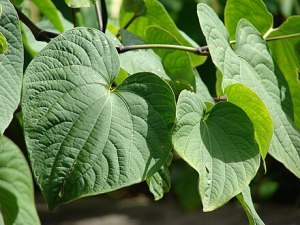
    Have you heard of Kava and wondered about its potential health benefits? Let’s dive into the world of this unique plant and explore the science behind its use.

    What is Kava?

    Kava, also known as Piper methysticum, is a plant native to the South Pacific islands. The root of the kava plant has been used for centuries by Pacific Island cultures for its sedative and anesthetic properties.

    How Does Kava Work?

    Kava contains compounds called kavalactones, which are believed to be responsible for its calming effects. These compounds interact with neurotransmitters in the brain, such as GABA and dopamine, to promote relaxation and reduce anxiety.

    What are the Health Benefits of Kava?

    Research has shown that kava may offer several health benefits, including:

    • Reducing anxiety: Kava has been used traditionally to help alleviate symptoms of anxiety and stress.
    • Improving sleep: The sedative properties of kava may help promote better sleep quality.
    • Relieving pain: In some cultures, Kava has been used as a natural pain reliever.
    • Supporting mental health: Some studies suggest that kava may have potential benefits for conditions like depression and PTSD.

    Are There Any Risks?

    While kava has been used safely for centuries in traditional medicine, there have been reports of liver toxicity associated with its use. It’s important to consult with a healthcare provider before using kava, especially if you have liver problems or are taking medications that affect the liver.

    Overall, kava is a fascinating plant with a long history of traditional use and potential health benefits. As with any herbal supplement, it’s essential to use caution and seek guidance from a healthcare professional before incorporating it into your wellness routine.

    (KAVA/Kava)

    Kava or kava kava (Piper methysticumLatin ‘pepper’ and Latinized Greek ‘intoxicating’) is a crop of the Pacific Islands.[1] The name kava is from Tongan and Marquesan, meaning ‘bitter’;[1] other names for kava include ʻawa (Hawaiʻi),[2] ʻava (Samoa), yaqona or yagona (Fiji),[3] sakau (Pohnpei),[4] Seka (Kosrae),[5] and malok or malogu (parts of Vanuatu).[6] Kava is consumed for its sedating effects throughout the Pacific Ocean cultures of Polynesia, including Hawaii and VanuatuMelanesia, some parts of Micronesia, such as Pohnpei and Kosrae, and the Philippines.

    The root of the plant is used to produce a drink with sedativeanesthetic, and euphoriant properties. Its active ingredients are called kavalactones.[7] A 2003 systematic review concluded it had a small effect for treating short-term anxiety.[8]