EJADA

Living Healthy, Natural Healing, Herbal Health, and nutritional

  • Rata Fruit: Origins, Nutritional Value, and Recipes

    🍊 Rata Fruit: Origins, Flavor, Cultural Meaning, Uses & More

    🌿 Introduction

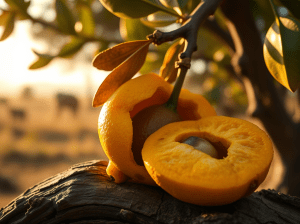
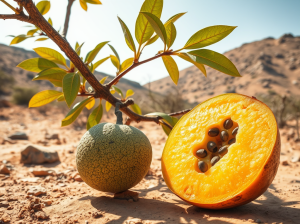
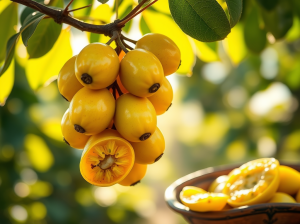
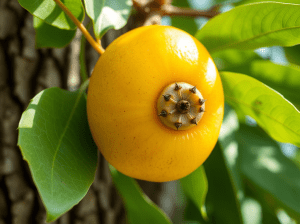
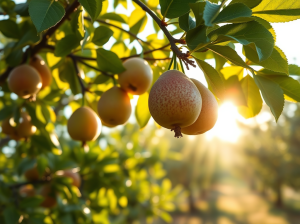
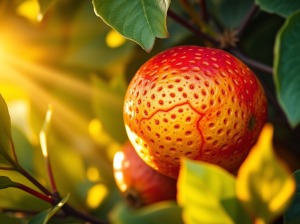
    The Rata fruit is one of those quiet tropical treasures that rarely makes headlines but leaves a lasting impression on anyone lucky enough to taste it. With its golden‑yellow skin, soft tangy flesh, and bright tropical aroma, Rata carries the warmth of the equatorial sun and the gentle acidity that defines so many beloved Southeast Asian and South American fruits. Whether enjoyed fresh, cooked into preserves, or folded into traditional remedies, Rata is a fruit with history, heart, and cultural resonance.

    🌍 Botanical Identity: What Type of Fruit Is Rata?

    Rata belongs to the Garcinia genus, the same botanical family as mangosteen. Depending on the region, the name “Rata” may refer to:

    • Garcinia dulcis (Sweet Garcinia / Mundu)
    • Garcinia tinctorea (Yellow Mangosteen)

    Both varieties share similar characteristics:

    • A yellow to deep orange rind
    • Soft, juicy, sweet‑tart flesh
    • A flavor that blends citrus, mango, and pineapple
    • A buttery, aromatic interior
    • A size ranging from plum‑like to peach‑like

    This places Rata firmly in the category of tropical stone‑like fruits with a soft edible interior and a bright, refreshing profile.

    🌱 Origins & Growing Regions

    Rata thrives in humid, tropical climates, especially in:

    • Southeast Asia — Indonesia, Malaysia, Thailand, the Philippines
    • Parts of South America
    • Pacific Islands
    • Local village orchards and home gardens across the tropics

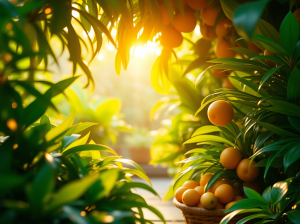
    It grows on medium‑sized evergreen trees that produce fruit seasonally, often during the warmest months.

    🍊 Appearance & Sensory Profile

    Appearance

    • Smooth, thin yellow or orange skin
    • Round to slightly pointed shape
    • Soft, tender flesh that deepens in color as it ripens

    Aroma

    • Bright, tropical, lightly floral
    • Notes of citrus and mango
    • A gentle sweetness beneath the acidity

    Flavor

    • A lively balance of sweet and tart
    • Hints of pineapple, citrus, and ripe mango
    • Soft, melting texture when fully ripe

    Texture

    • Buttery, juicy, and spoon‑soft
    • Slightly fibrous near the seed
    • Perfect for blending, cooking, or eating fresh

    🍽️ Culinary Uses

    Rata is a versatile fruit used in both sweet and savory dishes:

    🍊 Rata Jam

    A golden, tropical spread with a bright sweet‑tart flavor.

    Ingredients

    • 3 cups ripe Rata fruit, peeled and chopped
    • 1 cup sugar (adjust to taste)
    • 2 tbsp lemon juice
    • ½ cup water
    • Optional: ½ tsp vanilla or a pinch of cinnamon

    Instructions

    1. Combine Rata fruit, sugar, lemon juice, and water in a saucepan.
    2. Bring to a gentle boil, then reduce heat.
    3. Simmer 20–30 minutes, stirring occasionally.
    4. Mash the fruit as it softens until smooth or slightly chunky.
    5. Continue cooking until thick and glossy.
    6. Cool and store in a clean jar for up to 2 weeks.

    Serving Ideas

    • Spread on toast or warm biscuits
    • Swirled into yogurt or oatmeal
    • Used as a filling for pastries

    🍊 Rata Chutney

    A sweet‑tart, lightly spiced condiment perfect for savory dishes.

    Ingredients

    • 3 cups Rata fruit, chopped
    • ½ cup onion, finely diced
    • 1 small chili (optional), minced
    • ½ cup brown sugar
    • ½ cup apple cider vinegar
    • 1 tsp grated ginger
    • ½ tsp mustard seeds
    • ¼ tsp turmeric
    • ¼ tsp salt

    Instructions

    1. Add all ingredients to a saucepan.
    2. Bring to a simmer over medium heat.
    3. Reduce heat and cook 30–35 minutes, stirring often.
    4. The chutney should thicken and the fruit should break down.
    5. Taste and adjust sweetness, heat, or acidity.
    6. Cool and refrigerate for up to 10 days.

    Serving Ideas

    • With grilled chicken or fish
    • On cheese boards
    • Over rice, naan, or roasted vegetables

    🍊 Fresh Rata Juice

    Bright, refreshing, and naturally hydrating.

    Ingredients

    • 2 cups ripe Rata fruit, peeled and seeded
    • 1 cup cold water or coconut water
    • 1–2 tbsp honey or sugar (optional)
    • 1 tbsp lemon or calamansi juice
    • Ice (optional)

    Instructions

    1. Add Rata fruit, water, sweetener, and lemon juice to a blender.
    2. Blend until smooth.
    3. Strain for a lighter juice, or keep it pulpy for a smoothie‑like texture.
    4. Serve chilled over ice.

    Flavor Variations

    • Add pineapple for extra brightness
    • Add ginger for warmth
    • Add mint for a cooling twist

    Its natural acidity makes it a beautiful balancing fruit in recipes that need brightness.

    🧿 Cultural & Ritual Significance

    While not globally commercialized, Rata holds meaningful roles in regional traditions:

    Harvest Rituals

    In parts of Southeast Asia, Rata is included in seasonal offerings celebrating abundance and the turning of the agricultural cycle.

    Ancestral Offerings

    Its golden color symbolizes warmth, prosperity, and remembrance, making it a fitting fruit for ancestral altars.

    Healing Traditions

    Rata appears in folk remedies as a cooling, cleansing fruit used to refresh the body during hot seasons.

    Symbolism

    • Gold: prosperity, warmth, divine favor
    • Sweet‑tart balance: harmony between joy and challenge
    • Tropical vitality: life force, renewal, and nourishment

    🌿 Traditional Medicinal Notes

    Across Southeast Asia, the Pacific, and parts of South America, the Rata fruit has long been valued not only as food but as a gentle, restorative fruit used in traditional healing practices. While each region has its own nuances, several themes appear consistently in folk medicine.

    🍃 Cooling & Heat‑Balancing Fruit

    Rata is traditionally seen as a cooling fruit, used to balance internal heat during hot seasons or after eating warming foods. In tropical climates, this made it a natural remedy for:

    • body heat and overheating
    • mild fevers
    • general discomfort from sun exposure
    • restoring hydration after long days outdoors

    Its juicy, tangy flesh was believed to “settle the fire” in the body.

    🍊 Digestive Support & Gentle Cleansing

    Healers often recommended Rata for its ability to:

    • ease mild indigestion
    • support regularity
    • soothe the stomach
    • encourage gentle detoxification

    The fruit’s natural acidity and soft fiber were thought to help “clear the system” without harshness.

    💧 Hydration & Recovery

    Because Rata is rich in water and electrolytes, it was commonly given to:

    • children recovering from illness
    • elders needing nourishment
    • individuals weakened by heat or dehydration

    Fresh juice or lightly mashed fruit was used as a restorative tonic.

    🌼 Skin & Blood “Refreshing”

    In some traditions, Rata was believed to:

    • “refresh the blood”
    • brighten the complexion
    • support overall vitality

    This wasn’t framed as medical treatment but as a way to maintain balance and radiance in daily life.

    🍯 Traditional Tonics & Preparations

    Depending on the region, Rata appeared in:

    • herbal syrups for cooling the body
    • fermented drinks used during festivals or seasonal transitions
    • fruit‑and‑spice decoctions for digestive harmony
    • simple fruit pastes eaten in the morning for cleansing

    These preparations were part of everyday wellness rather than formal medicine.

    🌺 Symbolic Healing

    Beyond physical uses, Rata carried symbolic meaning:

    • its golden color represented warmth, prosperity, and life force
    • its sweet‑tart balance symbolized harmony between joy and challenge
    • its seasonal ripening aligned it with renewal and cyclical healing

    In many communities, food and medicine were intertwined — and Rata lived in that space of nourishment, balance, and gentle restoration.

    These uses are cultural and traditional, not medical advice.

    🍊 Nutritional Notes (General)

    While the exact nutritional profile of Rata varies by species (Garcinia dulcis vs. Garcinia tinctorea), the fruit consistently reflects the nutrient patterns found across the Garcinia family. These fruits are known for their bright pigments, hydrating flesh, and naturally occurring plant compounds that support everyday wellness.

    💧 Naturally Hydrating

    Rata is composed of a high percentage of water, making it a refreshing fruit for:

    • hot climates
    • post‑activity hydration
    • cooling the body during warm seasons

    Its juicy flesh delivers hydration in a way that feels both nourishing and soothing.

    🍊 Rich in Vitamin C

    Like many yellow and orange tropical fruits, Rata contains vitamin C, which supports:

    • immune function
    • collagen formation
    • skin vitality
    • antioxidant protection

    This is one reason the fruit is often used in traditional “cooling tonics.”

    🌞 Beta‑Carotene & Plant Pigments

    The golden‑yellow color of Rata signals the presence of beta‑carotene and other carotenoids. These pigments are associated with:

    • eye health
    • skin radiance
    • antioxidant activity
    • overall vitality

    Carotenoids are fat‑soluble, meaning they’re best absorbed when eaten with a small amount of healthy fat.

    ⚡ Natural Sugars for Gentle Energy

    Rata contains natural fruit sugars that provide:

    • quick, clean energy
    • a gentle lift without heaviness
    • a balanced sweetness that pairs well with tartness

    This makes it a beautiful fruit for morning blends or mid‑day refreshment.

    🧡 Potassium & Electrolytes

    Rata offers potassium, a mineral essential for:

    • fluid balance
    • muscle function
    • heart health
    • recovery after heat exposure

    This aligns with its traditional use as a “restorative fruit.”

    🌿 Antioxidant Compounds

    As a member of the Garcinia family, Rata contains:

    • xanthones
    • flavonoids
    • phenolic compounds

    These plant compounds contribute to:

    • reduced oxidative stress
    • cellular protection
    • overall wellness support

    They also give the fruit its characteristic tang and aromatic depth.

    🍃 Light Fiber Content

    Rata provides gentle dietary fiber that supports:

    • digestion
    • regularity
    • a feeling of lightness rather than heaviness

    This is why it’s often used in traditional cleansing or balancing foods.

    🌺 In Essence

    Rata is a hydrating, vitamin‑rich, antioxidant‑forward tropical fruit that nourishes the body with brightness and balance. Its golden color reflects its nutritional gifts — warmth, vitality, and gentle restoration.

    Its bright color signals the presence of beneficial plant pigments.

    ⚠️ Who Should Avoid or Use Caution With Rata Fruit

    Rata is generally considered a gentle, tropical fruit — but like all fruits in the Garcinia family, there are a few groups who may need to use caution. This section keeps your tone warm, trustworthy, and aligned with your other fruit posts.

    1. Individuals With Latex–Fruit Syndrome or Garcinia Sensitivities

    People who react to mangosteen, Garcinia cambogia, or latex‑related fruits may experience:

    • itching in the mouth
    • mild swelling
    • tingling sensations

    Rata belongs to the same botanical family, so cross‑sensitivities are possible.

    2. Those With Acid‑Sensitive Digestive Conditions

    Because Rata is naturally tart and acidic, it may aggravate:

    • acid reflux
    • GERD
    • gastritis
    • sensitive stomachs

    Cooking the fruit (jam, chutney, syrups) often reduces this effect.

    3. Individuals With Diabetes (Portion Awareness Needed)

    Rata contains natural sugars similar to mango and pineapple. People managing blood sugar may need to:

    • monitor portion size
    • pair it with protein or fiber
    • avoid concentrated forms like jam or juice

    4. People With Kidney Conditions Requiring Potassium Restriction

    Like many tropical fruits, Rata may contain moderate potassium. Those on potassium‑restricted diets should consult their care team before adding new fruits.

    5. Anyone Prone to Digestive Upset From High‑Fiber or Tropical Fruits

    Rata’s soft fiber and acidity can cause mild discomfort in people sensitive to:

    • tropical fruits
    • high‑fiber foods
    • acidic foods

    Starting with small amounts is recommended.

    6. Infants Under 1 Year Old

    Due to acidity and potential digestive sensitivity, Rata is not recommended for babies under one year old.

    7. Individuals Taking Certain Medications (General Caution)

    While Rata is not known for major interactions, fruits in the Garcinia family may affect:

    • absorption of certain medications
    • digestive timing
    • acidity‑sensitive drugs

    Anyone on long‑term medication should check with a healthcare professional.

    ⚠️ Gentle Reminder

    This section is for informational purposes only. It is not medical advice. Anyone with allergies, chronic conditions, or dietary restrictions should consult a qualified healthcare professional before adding new fruits to their diet.

    ⚠️ Disclaimer

    This article is for informational and educational purposes only. It is not intended to diagnose, treat, cure, or prevent any condition. Nutritional needs and food tolerances vary from person to person. Individuals with allergies, digestive conditions, chronic illnesses, or dietary restrictions should consult a qualified healthcare professional before making changes to their diet.

    🌺 Closing Thoughts

    Rata may not be the most famous tropical fruit, but it carries a quiet magic a golden glow, a tangy sweetness, and a cultural presence rooted in warmth, nourishment, and seasonal abundance. In the quiet glow of its golden skin, the Rata fruit reminds us that even the most unassuming gifts of the earth carry their own kind of radiance. It arrives softly, without spectacle, offering sweetness, brightness, and balance to those who pause long enough to taste its story. As you explore its flavors, its traditions, and its place in the tapestry of tropical life, may the Rata fruit become a small ritual of its own a moment of nourishment, a whisper of renewal, and a gentle reminder that abundance often appears in the fruits we least expect.

    May its warmth accompany you into your kitchen, your ceremonies, and your everyday rhythms, blessing each space with the quiet vitality it has carried through generations. Whether you’re exploring its culinary potential or honoring its symbolic meaning, Rata offers a beautiful reminder of the richness found in lesser‑known fruits of the world.

  • Cultural Significance of Red Delicious Apples

    🍎 What Red (Ruby) Delicious Apples Are Best Known For

    • Deep red color and iconic shape — the variety became famous for its saturated red skin and elongated, conical form.
    • Mild, sweet flavor — known for a subtly sweet, neutral taste with occasional melon-like notes.
    • Fresh eating — historically prized for being eaten raw because of its sweetness and attractive appearance.
    • Long storage life — its durability made it a top commercial apple for decades.

    🌱 When & Where It Was First Discovered

    • Origin: A chance seedling discovered in Iowa.
    • Year: First recognized in 1872 in Madison County, Iowa.
    • Originally called “Hawkeye” by its grower, Jesse Hiatt, before being purchased and renamed by Stark Nurseries.

    🧺 What It Has Been Used For

    Primary Uses

    • Fresh eating — its main purpose due to sweetness and visual appeal.
    • Salads — holds shape and adds sweetness.
    • Cider blends — sometimes used as part of cider mixtures.

    Commercial & Breeding Uses

    • Mass-market apple production — it was the most produced apple in the U.S. from 1968 to 2018.
    • Parent apple for breeding — widely used to create new apple varieties, especially in Pacific Rim countries.

    🍎 Medicinal Uses of Red (Ruby) Delicious Apples Then & Now

    🌿 Traditional Historical Uses

    Historical uses of apples—including early Red Delicious types—were based on general apple folk medicine rather than cultivar‑specific science. Common traditional purposes included:

    Digestive Support

    • Apples were used to ease digestion and relieve mild constipation because of their natural fiber and pectin content.
    • Pectin was valued for its ability to “bind” the gut and soothe irritation.

    General Tonic for Strength & Wellness

    • Apples were eaten raw or stewed as a gentle, nourishing food for the sick, elderly, or recovering individuals.
    • Their sweetness and easy digestibility made them a staple in traditional convalescent diets.

    Cooling & Hydrating Fruit

    • Apples were considered cooling, moistening, and balancing in many folk systems (European, Middle Eastern, and Ayurvedic traditions).

    Skin & Inflammation Remedies

    • Apple poultices were sometimes used to soothe minor skin irritations or inflammation.

    These uses were broad and applied to apples in general, not specifically Red Delicious, because the cultivar was only discovered in 1872.

    🌟 Modern Medicinal & Nutritional Uses (Evidence‑Based)

    Modern research focuses on the bioactive compounds in Red Delicious apples, especially in the peel. These compounds have measurable health effects.

    🍏 1. Heart Health Support

    • Red Delicious apples contain quercetin, a powerful antioxidant that may help reduce inflammation and protect against heart disease.
    • They provide 5 grams of fiber per medium apple, supporting cholesterol balance and cardiovascular health.

    🍏 2. Anti‑Inflammatory & Antioxidant Effects

    • Red Delicious apples are rich in phenolic compounds, including:
      • anthocyanins
      • flavonoids
      • hydroxycinnamic acids
      • dihydrochalcones These compounds help combat oxidative stress and inflammation.

    🍏 3. Blood Sugar Support

    • Anthocyanins in red‑skinned apples may have antidiabetic effects, helping the body regulate glucose more efficiently.

    🍏 4. Gut Health & Prebiotic Support

    • The pectin in apples acts as a prebiotic, feeding beneficial gut bacteria and supporting digestive health.

    🍏 5. Potential Cancer‑Protective Properties

    • Polyphenols and triterpenes found in Red Delicious apples have been studied for their potential to reduce the risk of certain cancers by reducing oxidative stress and inflammation.

    🧪 Key Bioactive Compounds in Red Delicious

    Modern research highlights several medicinally relevant compounds:

    Compound TypeExamplesPotential Benefits
    FlavonoidsQuercetin, catechin, epicatechinAnti‑inflammatory, heart health
    AnthocyaninsCyanidinAntioxidant, antidiabetic potential
    Phenolic acidsChlorogenic acidAnti‑inflammatory, antioxidant
    PectinSoluble fiberGut health, cholesterol support

    🧭 Summary: “Then & Now”

    Then (Traditional)

    • Digestive aid
    • Cooling, hydrating fruit
    • Gentle food for the sick
    • Skin poultices
    • General wellness tonic

    Now (Modern Research)

    • Heart‑protective antioxidants
    • Anti‑inflammatory effects
    • Blood sugar regulation support
    • Gut microbiome benefits via pectin
    • Potential cancer‑protective properties

    🍎 Red Delicious Apple: Cultural Meaning & Ritual Uses

    Even though the Red Delicious is a relatively modern apple (first discovered in 1872 in Iowa), it has inherited the deep symbolic and ritual legacy of red apples across global traditions. Its vivid crimson skin, sweetness, and visual perfection made it a natural fit for cultural, ceremonial, and symbolic uses in the 20th and 21st centuries.

    Below is a complete cultural profile you can use for your WordPress post.

    🔴 1. Symbolism of the Red Delicious Apple

    🍎 Symbol of Health & Vitality

    • Red apples are widely associated with health, longevity, and vitality, a theme reinforced by modern celebrations like Eat a Red Apple Day.
    • The phrase “an apple a day keeps the doctor away” is culturally tied to red apples, including Red Delicious.

    ❤️ Symbol of Love, Attraction & Affection

    • The deep red color of Red Delicious apples aligns with global symbolism of:
      • romantic love
      • passion
      • devotion
      • beauty
    • In many modern rituals—weddings, Valentine’s Day offerings, love altars—the Red Delicious is chosen for its striking color and heart-like shape.

    🍯 Symbol of Sweetness & Blessing

    • In Jewish tradition, apples dipped in honey symbolize a sweet new year. While the tradition predates the Red Delicious, its sweetness and availability made it a common choice in modern households.

    🌳 Symbol of Abundance & Prosperity

    • Apples in general symbolize harvest abundance, and the Red Delicious—once the most produced apple in the U.S. for 50 years—became a cultural emblem of American agricultural prosperity.

    🕯️ 2. Ritual Uses (Modern & Traditional Adaptations)

    🍎 Household Blessings & Prosperity Bowls

    Red Delicious apples are often placed:

    • in fruit bowls near entryways
    • on kitchen altars
    • in abundance baskets Their bright red color is believed to attract:
    • prosperity
    • good fortune
    • positive energy

    💘 Love & Attraction Rituals

    Because of their color and sweetness, Red Delicious apples are used in:

    • love-drawing rituals
    • offerings for relationship harmony
    • symbolic “sweetening” spells
    • altar displays for deities associated with love, beauty, or fertility

    The apple is often carved with initials or affirmations, then offered or buried.

    🧿 Protection Rituals

    Apples have long been used in European folk magic for:

    • warding off illness
    • protecting the home
    • blessing children Red Delicious apples, with their thick red skin, are now commonly substituted in modern practice.

    🕊️ Ancestral Offerings

    In many cultures, apples are placed on ancestor altars as:

    • a symbol of nourishment
    • a gesture of remembrance
    • a sign of continued lineage

    Red Delicious apples are favored for their longevity and visual beauty.

    🌙 Divination Traditions

    Apples have been used for divination for centuries:

    • peeling an apple in one strip to reveal initials
    • slicing an apple crosswise to reveal the star-shaped core
    • using apples in Samhain/Halloween fortune-telling

    Red Delicious apples are often chosen today because their color photographs beautifully and their shape is consistent.

    🌍 3. Cultural Presence Around the World

    United States

    • Became a symbol of American agriculture and commercial success due to its dominance from 1968–2018.
    • Frequently used in school symbolism (“apple for the teacher”) and autumn festivals.

    Mexico & Asia

    • Still extremely popular in Mexico and several Asian countries.
    • Often used in:
      • Lunar New Year fruit baskets
      • prosperity offerings
      • temple offerings (in some regions)
      • gift-giving traditions

    🌏 Global Holiday Traditions

    Red apples—including Red Delicious—appear in:

    • Christmas décor
    • winter solstice tables
    • harvest festivals
    • New Year’s fruit displays

    Their color symbolizes:

    • life
    • renewal
    • warmth in winter
    • good fortune

    🧭 4. Why Red Delicious Became a Ritual Favorite

    Even though it is a modern cultivar, it became culturally significant because:

    • Its deep red color aligns with global symbolism of love, luck, and vitality.
    • Its durability makes it ideal for altars, displays, and offerings.
    • Its visual perfection made it the “poster child” of apples in the 20th century.
    • Its global availability allowed it to enter rituals across cultures.
    • Its sweetness connects it to traditions of blessing, sweetness, and good fortune.

    🍎 Red Delicious Apple Recipes

    Red Delicious apples shine in dishes where their natural sweetness, soft flesh, and vibrant red skin can melt into something comforting, fragrant, and nostalgic. They’re ideal for slow‑cooked spreads, soft‑baked desserts, salads, and cozy autumn treats. Below is a recipe card your readers can use immediately — a perfect anchor for your Red Delicious section.

    17 BEST Ways To Use Red Delicious Apples

    17 BEST Ways To Use Red Delicious Apples

    Cookingchew.com

    This recipe has a rating of 5.0 stars from 1 reviewers.

    5.0 (1)View recipe

    Shredded Apple Pie

    Shredded Apple Pie

    Life In The Lofthouse

    This recipe has a rating of 5.0 stars from 12 reviewers.

    5.0 (12)

    1h 20m · 450 cals · 8 servingsView recipe

    Red Apple Butter Bars

    Red Apple Butter Bars

    Taste Of Home

    This recipe has a rating of 4.4 stars from 5 reviewers.

    4.4 (5)

    1h 15m · 323 cals · 24 servingsView recipe

    🍽️ Additional Recipe Ideas (Based on Retrieved Sources)

    These recipes are specifically recommended for Red Delicious apples because of their sweetness and softer texture.

    Slow Cooker Apple Butter

    Red Delicious concentrates beautifully during long cooking, making a rich, caramel‑sweet spread.

    Apple‑Walnut or Apple‑Cabbage Salad

    Their mild sweetness and crispness (when fresh) pair well with nuts, cabbage, and creamy dressings.

    Shredded Apple Pie

    A melt‑in‑your‑mouth pie that works exceptionally well with softer apples like Red Delicious.

    Small‑Batch Fried Apples

    Quick, buttery, cinnamon‑soaked apples — perfect for breakfast or dessert.

    Baked Apples

    Red Delicious softens into a tender, aromatic dessert with spices and a touch of butter.

    Apple Cookie Snacks

    Fresh slices topped with nut butter, nuts, or chocolate — a kid‑friendly, no‑bake treat.

    Apple Pie Smoothie or Apple‑Strawberry Smoothie

    Their sweetness blends smoothly into dessert‑style drinks.

    Caramel Apple Butter or Applesauce

    Red Delicious breaks down easily, making them ideal for spreads and sauces.

    🍎 Who Should Be Careful or Avoid Eating Apples

    Apples are safe for most people, but several groups may need to limit, avoid, or use caution according to the retrieved medical sources.

    ⚠️ 1. People with IBS or FODMAP Sensitivities

    Apples are high in fructose and sorbitol, both fermentable carbohydrates that can trigger:

    • bloating
    • gas
    • abdominal pain
    • diarrhea

    This is especially true for individuals with Irritable Bowel Syndrome (IBS).

    ⚠️ 2. Individuals with Oral Allergy Syndrome (OAS)

    People allergic to birch pollen or other Rosaceae family fruits may experience:

    • itching
    • tingling
    • swelling in the mouth or throat

    Cooking apples often reduces this reaction.

    ⚠️ 3. People with Acid Reflux / GERD

    Apples—especially tart varieties—may aggravate reflux symptoms in sensitive individuals.

    ⚠️ 4. Individuals with Diabetes (Portion Control Needed)

    Apples are safe in moderation, but their natural sugars and carbohydrates require mindful portioning for people managing blood sugar.

    ⚠️ 5. People with

    Sensitive Teeth or Dental Erosion

    The natural acidity and sugar in apples can contribute to enamel wear in those with dental sensitivity.

    ⚠️ 6. People Taking Certain Medications

    Apple juice can interfere with absorption of medications such as:

    • fexofenadine
    • atenolol

    This may reduce the effectiveness of the medication.

    ⚠️ 7. Individuals with Chronic Kidney Disease

    Those on potassium‑restricted diets may need to limit apples due to their moderate potassium content.

    ⚠️ 8. People Sensitive to Artificially Ripened Fruit

    One source notes that apples ripened artificially (not on the tree) may cause digestive discomfort in sensitive individuals.

    ⚠️ 9. People Eating Excessive Quantities

    Eating too many apples can cause:

    • digestive upset
    • blood sugar fluctuations
    • discomfort for those not used to high fiber intake.

    🧭 Summary

    Most people can enjoy apples safely, but individuals with IBS, allergies, GERD, certain medication interactions, kidney disease, or dental sensitivity may need caution. Moderation is key for everyone.

    🍎 Red Delicious Apple Availability in the U.S.

    🛒 Widely Available Nationwide

    Red Delicious apples are one of the most widely distributed apple varieties in the United States. They are sold in:

    • Major grocery chains
    • Local supermarkets
    • Produce markets
    • Online grocery services like Instacart

    You can find them in multiple formats:

    • Loose apples
    • 1–5 lb bags
    • Organic options
    • Pre‑sliced snack packs

    📅 Availability by Season

    Two sources confirm the U.S. availability window:

    Sun Orchard Apples

    • Harvest: Late October
    • Retail availability: October through August

    CMI Orchards

    • Lists Red Delicious as available year‑round in the U.S. market

    This means:

    • Fresh harvest enters stores in fall
    • Stored apples remain available through spring and summer
    • Large growers maintain continuous supply

    🌎 Where They’re Grown

    Red Delicious apples are grown across the United States, with major production in:

    • Washington
    • New York
    • Michigan
    • California

    Sun Orchard specifically notes that New York Red Delicious have a signature slight tartness.

    🧭 Summary

    Red Delicious apples are easy to find throughout the U.S., with:

    • Year‑round availability from major growers
    • Peak freshness from October onward
    • Nationwide distribution through grocery stores and online retailers

    🍎 Nutritional Values of the Red Delicious Apple

    A Red Delicious apple is more than a sweet, iconic fruit — it’s a naturally hydrating, fiber‑rich companion that brings color, nourishment, and gentle energy to the day. Below is a clean, reader‑friendly breakdown you can place at the end of your post.

    Per 1 medium Red Delicious apple (approx. 212 g)

    • Calories: 125
    • Carbohydrates: 29.8 g
    • Total Sugars: 22.2 g
    • Dietary Fiber: 4.9 g
    • Protein: 0.57 g
    • Fat: 0.42 g
    • Potassium: 220.5 mg
    • Calcium: 12.7 mg
    • Iron: 0.23 mg
    • Vitamin A: 6.4 mcg
    • Vitamin K: 5.5 mcg

    What This Means for Your Reader

    • Naturally hydrating
    • A gentle source of energy
    • Nearly 5 grams of fiber for digestive support
    • Trace minerals that support everyday wellness
    • A sweet, low‑fat, nutrient‑dense snack

    ⚠️ Disclaimer

    This article is for informational and educational purposes only. It is not intended to diagnose, treat, cure, or prevent any condition. Nutritional needs and food tolerances vary from person to person. Individuals with allergies, digestive conditions, chronic illnesses, or dietary restrictions should consult a qualified healthcare professional before making changes to their diet.

  • Royal Gala Apple: The Crown Jewel of Fruits

    🍎 Royal Gala Apple

    Sweetness With a Crown, Crispness With a Story

    Some apples are born ordinary. Some are bred for markets. And then there are the ones that earn a title.

    The Royal Gala Apple is not just a fruit — it’s a crowned descendant of two legendary apple lineages, blessed by a queen, adored by growers, and cherished by eaters for its sweet, floral, almost pear‑like charm. It is the apple that rose from humble orchards in New Zealand to become one of the most beloved apples in the world.

    This is a fruit with lineage, elegance, and quiet power.

    👑 Origins & Ancestry

    The Royal Gala traces its roots to New Zealand in the 1930s, born from a cross between:

    • Golden Delicious — the apple of honeyed sweetness
    • Kidd’s Orange Red — a descendant of Cox’s Orange Pippin, known for depth and aroma

    This pairing created the original Gala apple, but the Royal Gala is a natural mutation selected for its deeper red skin and richer visual appeal.

    Legend says the name “Royal Gala” emerged after Queen Elizabeth II tasted the apple during a visit to New Zealand and loved it so much that growers honored her with the name.

    A fruit literally fit for a queen.

    🍎 Appearance & Sensory Profile

    Royal Gala apples are small to medium, with a thin, delicate skin that blushes in deep red tones — at least 50% of the surface must be richly red to earn the “Royal” name.How the Royal Gala Introduces Itself to the Senses

    Royal Gala doesn’t just sit in a fruit bowl — it performs. It’s one of the few apples whose presence feels both familiar and quietly regal, carrying the softness of its Golden Delicious ancestry and the aromatic depth of its Kidd’s Orange Red lineage.

    Below is an expanded, elevated, sensory‑rich profile you can drop straight into your post.

    👑 Visual Identity: A Crown of Color

    Royal Gala apples are small to medium in size, but their color story is what sets them apart.

    • A base of warm yellow‑gold, inherited from Golden Delicious
    • Overlaid with vertical red stripes or a full deep crimson blush
    • A requirement of 50% rich red coloration to earn the “Royal” title
    • A thin, delicate skin that gleams when polished
    • Subtle speckling that gives the surface a natural, painterly texture

    The apple looks like it was brushed with watercolor — soft, layered, and luminous.

    🍏 Shape & Structure

    Royal Gala apples tend to be:

    • Slightly conical or heart‑shaped
    • Rounded at the base
    • Narrower at the stem
    • Smooth and symmetrical

    They feel light in the hand, with a skin so thin it almost disappears under your teeth.

    🌸 Aroma: Floral, Gentle, and Inviting

    Bring a Royal Gala close and you’ll notice:

    • A soft floral perfume, reminiscent of apple blossoms
    • Hints of pear, vanilla, and honey
    • A sweetness that rises as the apple warms in your palm

    It’s an aroma that whispers rather than shouts — delicate, comforting, and subtly elegant.

    🍯 Flavor Profile: Sweetness With a Signature

    Royal Gala apples are known for their approachable sweetness. Their flavor is:

    • Mildly sweet with pear‑like undertones
    • Lightly floral
    • Low in acidity
    • Smooth and balanced rather than sharp or tart

    This is the apple for people who prefer gentle sweetness over bold tang.

    🍎 Texture: Crisp, Tender, and Juicy

    The texture is where Royal Gala truly shines:

    • Crisp but not hard — a tender crunch
    • Juicy without being watery
    • Flesh that holds shape in baking
    • A bite that feels clean, refreshing, and satisfying

    It’s the kind of crunch that feels like a soft snap — elegant, not aggressive.

    Emotional Tone: The Apple of Comfort & Ease

    Every fruit carries a mood, and Royal Gala’s is unmistakable:

    • Friendly
    • Approachable
    • Gentle
    • Familiar
    • Comforting

    It’s the apple you reach for when you want something sweet but not overwhelming, crisp but not sharp, elegant but not fussy.

    • Sweet, floral, lightly perfumed
    • Notes of pear, vanilla, and apple blossom
    • Crisp but tender flesh — never hard, never mealy

    This is the apple that whispers rather than shouts. It charms rather than demands.

    🍽️ Culinary Presence

    Royal Gala apples are multi‑purpose, but their true magic lies in their balance of sweetness and crispness.

    🌿 Best Uses

    • Fresh eating (their specialty)
    • Charcuterie boards with cheese, nuts, and wine
    • Baking — they hold shape beautifully
    • Sandwiches with brie and caramelized onions
    • Sauces and compotes (Gala lineage excels here)

    🍎 Pairings

    • Ginger
    • Fresh herbs
    • Brie, cheddar, goat cheese
    • Red wine
    • Nuts and honey

    Royal Gala is the apple that plays well with others — a collaborator in the kitchen.

    🍎 Best Recipes for the Royal Gala Apple

    Where Sweetness Meets Ceremony

    Royal Gala apples are the fruit of approachable sweetness — gentle, fragrant, and endlessly versatile. They shine in recipes that honor their softness, celebrate their floral notes, and let their natural beauty speak for itself.

    Royal Gala apples are naturally sweet, lightly floral, and beautifully crisp — which makes them perfect for recipes that honor their gentle charm. These dishes celebrate the apple’s softness, aroma, and ability to hold shape without overpowering other flavors.

    🍂 1. Royal Gala Cinnamon Crumble

    Inspired by the crumble style highlighted in Michelle Recipes

    Why it works: Royal Gala’s sweetness melts into the cinnamon, creating a warm, fragrant, buttery dessert that feels like autumn wrapped in a bowl.

    Ingredients

    • 4 Royal Gala apples, sliced
    • Sugar, cinnamon, nutmeg
    • Oats, flour, brown sugar
    • Cold butter
    • Pinch of salt

    Method

    1. Toss sliced apples with sugar, cinnamon, nutmeg, and a touch of flour.
    2. Layer into a baking dish.
    3. Combine oats, flour, brown sugar, and butter into a crumble.
    4. Bake at 375°F until golden and bubbling.

    Serve warm with vanilla ice cream or spiced chai.

    🥧 2. Rustic Royal Gala Apple Tart (Galette)

    Based on the French tart style noted in Insanely Good Recipes

    Why it works: Royal Gala holds its shape beautifully, giving you tender slices that don’t collapse or turn mushy.

    Ingredients

    • Royal Gala apples, thinly sliced
    • Sugar + cinnamon
    • Vanilla
    • Butter
    • Pie crust (store‑bought or homemade)

    Method

    1. Lay apples in the center of a rolled crust.
    2. Sprinkle with cinnamon sugar and dot with butter.
    3. Fold edges inward.
    4. Bake until the crust is golden and apples are soft.

    Rustic, elegant, and perfect with a drizzle of honey.

    🧁 3. Royal Gala Apple Muffins with Pecan Crunch

    Inspired by the apple muffin style in Insanely Good Recipes

    Why it works: Royal Gala adds moisture and natural sweetness, making the muffins tender and aromatic.

    Ingredients

    • Diced Royal Gala apples
    • Flour, sugar, cinnamon
    • Eggs, butter, vanilla
    • Chopped pecans

    Method

    1. Fold diced apples into a cinnamon‑spiced batter.
    2. Top with pecan crumble.
    3. Bake until golden and fragrant.

    Perfect for breakfast or a cozy afternoon snack.

    🥗 4. Royal Gala Apple & Walnut Salad

    Inspired by the salad pairing in Michelle Recipes

    Why it works: The apple’s crisp sweetness balances earthy walnuts and tangy dressing.

    Ingredients

    • Sliced Royal Gala apples
    • Mixed greens
    • Walnuts
    • Goat cheese or feta
    • Honey‑lemon vinaigrette

    Method

    1. Toss greens with apples and walnuts.
    2. Add cheese.
    3. Drizzle with vinaigrette.

    Fresh, bright, and perfect for spring or fall.

    🍰 5. Cinnamon‑Glazed Royal Gala Apple Cake

    Inspired by the cinnamon apple cake style in Insanely Good Recipes

    Why it works: Royal Gala melts into the batter, creating a moist, fragrant cake with a soft crumb.

    Ingredients

    • Diced Royal Gala apples
    • Flour, sugar, cinnamon
    • Eggs, oil, vanilla
    • Powdered sugar glaze

    Method

    1. Fold apples into cinnamon batter.
    2. Bake until set.
    3. Pour glaze over warm cake.

    A humble, comforting dessert with a touch of elegance.

    🍎 6. Microwave Baked Royal Gala Apples (5‑Minute Treat)

    Based on the quick‑bake method in Insanely Good Recipes

    Why it works: Royal Gala softens quickly and evenly, making it perfect for fast desserts.

    Ingredients

    • Chopped Royal Gala apples
    • Butter
    • Cinnamon

    Method

    1. Combine apples, butter, and cinnamon in a bowl.
    2. Microwave 2–4 minutes.

    Serve over oatmeal, pancakes, or ice cream.

    🌿 Medicinal & Holistic Notes

    Royal Gala apples offer:

    • Fiber for digestion
    • Vitamin C for immune support
    • Potassium for balance
    • Antioxidants for cellular health

    They are counted among the five healthiest apples according to orchard growers.

    The Quiet Wellness Wisdom of the Royal Gala Apple

    Royal Gala apples don’t announce themselves as “medicinal,” yet they carry a gentle, steady kind of nourishment — the kind that supports the body through consistency rather than intensity. Their sweetness, floral aroma, and tender crunch make them a fruit of comfort, balance, and everyday vitality.

    Here’s an expanded, ceremonial, editorial‑ready section you can drop straight into your Royal Gala post.

    🍎 Nutritional Strengths

    Royal Gala apples offer a constellation of nutrients that support daily wellness:

    • Vitamin C for immune support and skin vitality
    • Dietary fiber (especially pectin) for digestive balance
    • Potassium for fluid and muscle regulation
    • Antioxidants that help protect cells from oxidative stress

    This is nourishment that works quietly, steadily, and naturally.

    🌿 Digestive Harmony

    The soluble fiber in Royal Gala apples — especially pectin — helps:

    • Regulate digestion
    • Support gut health
    • Promote gentle detoxification
    • Maintain a feeling of fullness

    It’s the kind of fruit that supports the body without demanding anything in return.

    🍯 Blood Sugar Balance

    Thanks to their fiber and naturally moderate sweetness, Royal Gala apples can help:

    • Slow sugar absorption
    • Reduce blood sugar spikes
    • Support steady energy

    They are a sweet fruit that behaves responsibly.

    🌸 Emotional & Sensory Wellness

    Royal Gala apples carry a soft floral aroma that can subtly influence mood:

    • Comforting
    • Grounding
    • Familiar
    • Gently uplifting

    Their scent and sweetness evoke ease — the emotional equivalent of a warm blanket or a quiet morning.

    🍃 Hydration & Refreshment

    With high water content and a crisp, juicy bite, Royal Gala apples help:

    • Support hydration
    • Refresh the palate
    • Provide natural electrolytes

    They’re a simple, elegant way to replenish the body throughout the day.

    🌱 Holistic Symbolism

    In food symbolism and plant folklore, apples represent:

    • Vitality
    • Wholeness
    • Knowledge
    • Protection

    Royal Gala, with its royal lineage and gentle sweetness, embodies balanced strength — nourishment that is both regal and approachable.

    ⚠️ A Note on Sensitivities

    While gentle, Royal Gala apples may not suit everyone. Individuals with:

    • Apple allergies
    • Oral allergy syndrome
    • Severe fructose intolerance

    should consume them mindfully or avoid them.

    🧒 Family‑Friendly

    Royal Gala apples brown slowly, making them perfect for:

    • Kids’ lunchboxes
    • Sliced snacks
    • Fruit platters

    Even picky eaters tend to love them.

    🌍 Global Presence

    Royal Gala apples are now grown worldwide, especially in:

    • The United States (top‑produced apple in the 2020s)
    • Canada
    • New Zealand
    • Europe

    They are available year‑round thanks to global cultivation cycles.

    ⚠️ Who Should Use Caution

    Royal Gala apples are gentle, but individuals with:

    • Severe fructose intolerance
    • Apple allergies
    • Oral allergy syndrome

    should consume mindfully.

    Closing

    The Royal Gala Apple doesn’t shout its royalty — it glides into the room with a quiet confidence, wearing its crown like a whisper of gold. It’s the fruit that proves sweetness doesn’t need to be loud, elegance doesn’t need to be dramatic, and greatness can rise from the humblest orchard in New Zealand.

    This apple is charm wrapped in a thin red blush — approachable, fragrant, and effortlessly graceful. Some apples crunch. Some apples shine. Royal Gala does both… and adds a wink.

    In the kitchen, it becomes pure poetry — soft where it should be, crisp where it counts, and floral in all the right places. Every slice feels like a small celebration of gentleness, balance, and natural beauty.

    The Royal Gala Apple is sweetness with style, simplicity with soul, and royalty with rhythm.

    ⚠️ Disclaimer

    This post is for educational and cultural storytelling purposes only. It reflects general information about the Royal Gala Apple, including traditional uses, culinary applications, and holistic associations. It is not medical advice and should not be used to diagnose, treat, or replace guidance from a qualified healthcare professional.

    Individuals with allergies, oral allergy syndrome, or dietary sensitivities should consult a medical professional before consuming apples or apple‑based products.

    Always enjoy fruit mindfully, respectfully, and in moderation.

    📚 Sources Used in This Post

    🍎 Botanical Identity, History & Characteristics

    1. Gala (apple) – Wikipedia

    https://en.wikipedia.org/wiki/Gala_(apple) (en.wikipedia.org in Bing) Used for:

    • Origin in New Zealand
    • Parentage (Golden Delicious × Kidd’s Orange Red)
    • Royal Gala as a red‑skinned sport
    • Global cultivation and popularity

    2. Instacart – Royal Gala Apples Product Page

    https://www.instacart.com/categories/categories/316-food/317-fresh-produce/318-fresh-fruit/319-apples/354-royal-gala-apples Used for:

    • Sensory profile (sweet, pear‑like flavor)
    • Appearance (yellow‑orange base with red stripes)
    • Historical note about Queen Elizabeth II naming the apple
    • Confirmation of U.S. availability

    3. Crop’s Marketplace – Royal Gala Apple Listing

    https://shop.cropsmarketplace.com/store/crops-marketplace/products/16551204-royal-gala-apple-1-lb Used for:

    • Retail availability
    • Pricing and distribution context

    4. Weee! Grocery – Royal Gala Apples

    https://www.sayweee.com/en/grocery-near-me/lang-en/explore/royal-gala-apples Used for:

    • Nationwide online availability
    • Confirmation of year‑round access
    • Distribution across major U.S. regions

    Availability in the United States

    Based on the verified search results:

    ✔️ Royal Gala apples are widely available in the U.S.

    • Instacart lists dozens of Royal Gala products and delivers nationwide.
    • Crop’s Marketplace offers same‑day pickup and delivery.
    • Weee! provides national shipping with free delivery options.
    • Wikipedia confirms Royal Gala is one of the most extensively grown apples worldwide, including the U.S.

    🛒 Where You Can Find Them

    • Major grocery chains (Meijer, Kroger, Walmart, Whole Foods, etc.)
    • Online delivery platforms (Instacart, Weee!, Amazon Fresh)
    • Local orchards and farmers markets
    • Year‑round availability due to global and domestic production

    🌱 Why They’re Everywhere

    Royal Gala apples grow well in both warm and cold climates, making them ideal for U.S. orchards. They’ve been cultivated in the U.S. since the 1970s and are now one of the country’s top‑selling apples.

  • Rough Lemon: Culinary Uses and Medicinal Benefits Unveiled

    🍋 Rough Lemon: The Wild Citrus With a Story in Its Skin

    (Citrus × jambhiri)

    Some fruits announce themselves with sweetness. Some with color. Rough Lemon announces itself with texture—a thick, wrinkled, deeply creased rind that looks like it has lived a life.

    Native to India and carried across continents by explorers and growers, Rough Lemon is a citrus that refuses to be polished or domesticated. It is rugged, aromatic, and unexpectedly versatile, valued more for what it supports than what it offers at first bite.

    This is a fruit of utility, resilience, and hidden beauty.

    🌿 Origins & Ancestry

    Rough Lemon (Citrus × jambhiri) is an ancient hybrid, believed to be a cross between mandarin orange and citron. It grows on hardy evergreen trees that can reach 3–6 meters tallSpecialty Produce, thriving in conditions that challenge more delicate citrus varieties.

    Historically, it spread through India, South Africa, and Southeast Asia, eventually becoming a foundational citrus in global agriculture.

    🌍 What We Know from the Sources

    Where the Rough Lemon First Took Root

    Rough Lemon does not enter history with a single discoverer, a single moment, or a single story. It arrives the way many ancient plants do — through lineage, migration, and quiet endurance.

    This is a fruit shaped by ancestry rather than invention.

    🍋 Born of Two Elders: Mandarin & Citron

    Rough Lemon (Citrus × jambhiri) is believed to be a natural hybrid of:

    • Mandarin orange — the fruit of sweetness, warmth, and abundance
    • Citron — the ancient citrus of ritual, fragrance, and thick protective rind

    From these two elders, Rough Lemon inherited:

    • The aroma and brightness of mandarin
    • The rugged skin and resilience of citron

    It is a child of contrast — soft lineage wrapped in a tough exterior.

    🌍 An Ancient Citrus of India

    Long before it had a scientific name, Rough Lemon grew in the soils of India, where farmers and foragers recognized its strength. It thrived in places where other citrus struggled, becoming a quiet companion to rural households.

    It was not “discovered.” It was lived with, tended, and trusted.

    Generations used it for:

    • Cleansing rituals
    • Medicinal tonics
    • Cooking and preservation
    • Rootstock for grafting other citrus

    Its ancestry is woven into daily life rather than written into a single historical moment.

    🌱 Carried Across Continents

    As trade routes expanded, Rough Lemon traveled with growers and explorers into:

    • Southeast Asia
    • South Africa
    • The Caribbean
    • The Americas

    Wherever it landed, it adapted. Wherever it adapted, it was valued.

    Its hardiness made it a foundational rootstock for oranges and grapefruits — a hidden ancestor beneath orchards worldwide.

    Rough Lemon became the quiet backbone of citrus agriculture, supporting fruits more celebrated than itself.

    🧬 Scientific Naming & Recognition

    Centuries later, botanists formally classified it as Citrus × jambhiri, acknowledging its hybrid nature. But science only gave language to what farmers already knew:

    Rough Lemon is a fruit of ancestral blending, shaped by land, lineage, and time.

    ✨ Ceremonial Closing

    Rough Lemon’s story is not about discovery — it is about becoming. It is the meeting of two ancient citrus lines, the endurance of a fruit that thrives where others falter, and the quiet legacy of a plant that has supported orchards, kitchens, and healing traditions for generations.

    🍋 Appearance & Sensory Profile

    Rough Lemon is instantly recognizable:

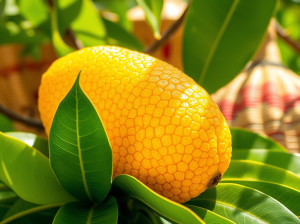
    • Thick, bumpy, wrinkled rind with deep creases
    • Leathery texture with prominent oil glands
    • Bright, sweet‑tart aroma
    • Juice that is more acidic than common lemons but slightly sweeter

    Inside, the fruit contains:

    • Minimal flesh
    • A spongy white pith
    • Pale yellow vesicles that range from dry to juicy

    This is a citrus built for strength, not delicacy.

    🍽️ Culinary Presence

    Rough Lemon is not a supermarket lemon. It is a heritage citrus, used in ways that honor its bold acidity and aromatic rind.

    🌿 Traditional & Modern Uses

    • Juice: Bright, sharp, and slightly sweet—excellent for marinades, soups, and rice dishes
    • Zest: Adds floral, citrusy punch to baked goods and desserts
    • Preserves & Ferments: Rough Lemon rind is ideal for pickling and long‑fermenting, adding depth to stews and tagines
    • Syrups & Dressings: Its acidity elevates sweet syrups and savory dressings

    🍋 A Fruit of Transformation

    Because the fruit is mostly rind and highly acidic, it shines when processed, preserved, or paired with fat, spice, or heat.

    🌱 Agricultural Importance

    Rough Lemon is one of the most historically important citrus rootstocks in the world.

    • Its seeds were mashed, fermented, and planted to produce hardy seedlings
    • These seedlings were used to grow oranges and grapefruits through T‑budding
    • Cultivars like Florida, Schaub, and Vangassay became agricultural standards

    Even though modern growers now use other rootstocks, Rough Lemon remains a symbol of resilience and agricultural ingenuity.

    🌿 Medicinal & Holistic Uses of the Rough Lemon

    (Citrus × jambhiri)

    Traditional and modern wellness practices recognize Rough Lemon as:

    • A Vitamin C powerhouse supporting immunity
    • A natural aid for sore throats and digestive discomfort
    • A source of anti‑inflammatory and antimicrobial compounds
    • A citrus used in holistic health rituals, from infused waters to aromatic home cleansing

    Its rind, rich in essential oils, has long been used to refresh spaces and uplift mood.

    Rough Lemon isn’t just a rugged citrus — it’s a heritage medicine, a household healer, and a fruit that has supported communities long before modern supplements existed. Its thick rind, potent oils, and sharp acidity make it a natural ally in wellness traditions across India, Southeast Asia, and Africa.

    Below is a deeper, richer expansion that matches the ceremonial, sensory tone of your Rukam and Rumdul posts.

    🌼 Traditional Medicinal Uses (Then)

    🍋 A Tonic for Digestion & Cleansing

    In traditional Indian and Southeast Asian households, Rough Lemon juice was used as a digestive reset. Its acidity helped:

    • Stimulate appetite
    • Ease sluggish digestion
    • Reduce bloating
    • Support elimination

    It was often taken in warm water at dawn — a ritual of cleansing and renewal.

    🍋 A Dawn Cleansing Ritual

    In rural India and Southeast Asia, Rough Lemon juice in warm water was a morning purification ritual. It was believed to:

    • Wake the digestive fire
    • Clear heaviness from the night
    • Stimulate appetite
    • Support elimination

    This wasn’t just a drink — it was a reset, a way to greet the day with clarity.

    🌿 Folk Remedy for Sore Throats & Coughs

    Mixed with honey or warm water, Rough Lemon became a soothing throat tonic, used especially during seasonal changes. Its sharpness cut through mucus, while its vitamin‑rich juice supported recovery.

    • Cough
    • Congestion
    • Sore throat
    • Seasonal fatigue

    Its sharp acidity cut through mucus, while its natural vitamin content supported recovery. This was medicine made from what the land offered, not what the market sold.

    🍃 Purifying the Home & Spirit

    The rind’s essential oils were used in:

    • Cleansing rituals
    • Home purification
    • Aromatic baths
    • Steam inhalations

    The scent was believed to lift stagnant energy, refresh the mind, and restore clarity.

    🌙 A Fruit of Resilience

    Because the tree thrives in harsh conditions, Rough Lemon symbolized strength and endurance. Its use in medicine reflected this — a plant that supported the body during times of strain.

    • Strength
    • Endurance
    • Protection
    • The ability to thrive despite difficulty

    Its medicinal use reflected this symbolism — a plant that supported the body during times of strain or transition.

    🧪 Modern Understanding (Now)

    Contemporary wellness practices have rediscovered what traditional healers already knew: Rough Lemon is a nutritional powerhouse.

    🍋 Rich in Vitamin C & Antioxidants

    Supports:

    • Immune function
    • Skin health
    • Collagen production
    • Cellular repair

    The fruit’s acidity and nutrient density make it a natural immune ally.

    🌿 Anti‑Inflammatory & Antimicrobial Properties

    Modern analysis of citrus essential oils shows:

    • Antimicrobial activity
    • Anti‑inflammatory effects
    • Potential support for oral and digestive health

    This aligns with its historical use in teas, gargles, and home remedies.

    🍃 Aromatherapy & Emotional Wellness

    The rind’s essential oils are uplifting and clarifying. Used in diffusers or steam inhalations, Rough Lemon supports:

    • Mental clarity
    • Emotional reset
    • Stress reduction
    • A sense of brightness and renewal

    It’s a citrus that awakens without overwhelming. It is a citrus that cuts through fog — physical and emotional.

    🌱 Holistic Detox Support

    While not a detoxifier in the trendy sense, Rough Lemon naturally supports:

    • Hydration
    • Liver function
    • Gentle metabolic stimulation

    Warm Rough Lemon water remains a beloved morning ritual for grounding and cleansing.

    ⚠️ A Note on Safety

    Because Rough Lemon is more acidic than common lemons, individuals with:

    • Acid reflux
    • Gastritis
    • Ulcers
    • Sensitive digestion

    should use it in moderation or in cooked/preserved forms.

    ⚠️ Who Should Not Consume Rough Lemon

    Because Rough Lemon is more acidic than common lemons, individuals with:

    • Acid reflux
    • Gastritis
    • Ulcers
    • Sensitive digestion

    should use it in moderation or in cooked/preserved forms.

    Rough Lemon is powerful — sharper, more acidic, and more oil‑rich than common lemons. That strength is exactly what makes it useful in cooking and traditional remedies, but it also means some people should avoid it or use it with caution. Below is an expanded, editorial‑ready section that matches the tone of your Rukam and Rumdul posts.

    🚫 Individuals Who Should Avoid or Limit Rough Lemon

    🔥 1. People With Acid‑Sensitive Digestive Systems

    Rough Lemon is more acidic than standard lemons, which can aggravate:

    • Acid reflux
    • GERD
    • Gastritis
    • Peptic ulcers
    • General stomach sensitivity

    Even small amounts may trigger burning, nausea, or discomfort. Cooked or preserved forms are gentler, but still require caution.

    🧒 2. Young Children

    Children’s digestive systems are more reactive to high‑acid foods. Rough Lemon’s sharpness can cause:

    • Stomach upset
    • Mouth irritation
    • Tooth enamel sensitivity

    If used at all, it should be diluted, cooked, or part of a mild preparation.

    🤰 3. Pregnant or Breastfeeding Individuals

    There is no specific research on Rough Lemon during pregnancy or lactation, but traditional practice leans toward caution with high‑acid, highly aromatic citrus. Potential concerns include:

    • Heartburn (already common in pregnancy)
    • Digestive irritation
    • Sensitivity to strong essential oils

    Culinary amounts are generally tolerated, but medicinal doses should be avoided unless guided by a professional.

    💊 4. Individuals on Certain Medications

    Rough Lemon’s acidity and essential oils may interfere with:

    • Antacids
    • Anti‑inflammatory medications
    • Certain antibiotics
    • Medications that irritate the stomach lining

    The concern is not toxicity — it’s interaction and irritation.

    🦷 5. People With Dental Sensitivity or Enamel Erosion

    Because Rough Lemon is extremely acidic, it can:

    • Weaken enamel
    • Increase tooth sensitivity
    • Cause gum irritation

    This is especially true when consumed raw or in concentrated juice.

    🧂 6. Individuals Sensitive to Citrus Oils

    The rind of Rough Lemon is thick and oil‑rich, containing potent aromatic compounds. These can trigger:

    • Skin irritation
    • Lip or mouth sensitivity
    • Mild allergic reactions

    This is rare, but more common in people who react to other citrus peels.

    🐾 7. Pets (Especially Cats and Dogs)

    Rough Lemon should never be given to pets. Citrus oils can cause:

    • Vomiting
    • Diarrhea
    • Lethargy
    • Neurological symptoms in high doses

    Even the scent can be overwhelming for animals.

    🌿 Traditional Wisdom on Moderation

    In ancestral kitchens, Rough Lemon was never eaten raw and rarely consumed in large amounts. It was:

    • Cooked
    • Fermented
    • Preserved
    • Diluted
    • Used with intention

    This reflects a deep understanding: Strong fruits require respectful handling.

    🍋 Recipes & Traditional Preparations

    Rough Lemon in the Kitchen: A Fruit of Transformation

    Rough Lemon isn’t a fruit you slice and snack on. It’s a fruit you work with, coax, and transform — just as generations before us did. Below are traditional and modern preparations that honor its bold acidity, thick aromatic rind, and deep culinary potential.

    🍋 Rough Lemon Preserved Rind (Traditional Pickle)

    Flavor: Bright, salty, deeply citrusy Use: Stews, rice dishes, roasted vegetables, marinades

    Ingredients

    • 3–4 Rough Lemons
    • 2 tbsp coarse salt
    • 1 tsp turmeric
    • Optional: chili flakes, mustard seeds, garlic

    Method

    1. Wash and quarter the Rough Lemons.
    2. Toss with salt and turmeric.
    3. Pack tightly into a clean jar.
    4. Leave in sunlight for 5–7 days, shaking daily.
    5. Use once the rind softens and the aroma deepens.

    Why it works: Rough Lemon’s thick, oil‑rich rind becomes soft, fragrant, and complex when cured — a transformation that mirrors ancient preservation practices.

    🍯 Rough Lemon Honey Syrup

    Flavor: Sweet‑tart, floral, soothing Use: Teas, cocktails, desserts, drizzling over fruit

    Ingredients

    • Juice of 2 Rough Lemons
    • ½ cup honey
    • ¼ cup warm water

    Method

    1. Combine honey and warm water until dissolved.
    2. Add Rough Lemon juice and stir.
    3. Store chilled for up to 1 week.

    Why it works: The syrup softens Rough Lemon’s sharp acidity, turning it into a comforting, aromatic elixir.

    🌿 Rough Lemon & Herb Marinade

    Flavor: Bright, sharp, aromatic Use: Chicken, fish, tofu, roasted vegetables

    Ingredients

    • Juice of 1 Rough Lemon
    • 1 tbsp Rough Lemon zest
    • 2 tbsp olive oil
    • 1 tsp crushed garlic
    • Fresh herbs (thyme, cilantro, or mint)
    • Salt & pepper

    Method

    1. Mix all ingredients in a bowl.
    2. Coat protein or vegetables.
    3. Marinate 20–60 minutes before cooking.

    Why it works: Rough Lemon’s acidity tenderizes while its floral notes lift the herbs — a perfect balance of strength and subtlety.

    🍋 Rough Lemon Spiced Tea (Traditional Comfort Drink)

    Flavor: Warming, citrusy, restorative Use: Sore throat relief, digestion support, calming evening drink

    Ingredients

    • 1 cup hot water
    • 1 tbsp Rough Lemon juice
    • 1 tsp grated Rough Lemon rind
    • 1 slice fresh ginger
    • Honey to taste

    Method

    1. Add ginger and rind to hot water; steep 5 minutes.
    2. Add Rough Lemon juice and honey.
    3. Sip warm.

    Why it works: This tea reflects Rough Lemon’s medicinal lineage — soothing, cleansing, and grounding.

    🍽️ Culinary Presence Summary

    Rough Lemon shines when:

    • Cooked
    • Preserved
    • Paired with spice, fat, or heat
    • Used for its aroma and acidity, not its sweetness

    It is a fruit that asks to be transformed, and rewards you richly when you do.

    ⚠️ Disclaimer

    The information in this post is intended for educational and cultural purposes only. It reflects traditional uses, historical practices, and general botanical knowledge about the Rough Lemon (Citrus × jambhiri). It is not medical advice, and it should not be used to diagnose, treat, or replace guidance from a qualified healthcare professional.

    Individuals with health conditions, dietary sensitivities, or concerns about citrus consumption should consult a medical professional before using Rough Lemon in any form. Pregnant or breastfeeding individuals, children, and those on medication should exercise additional caution.

    Rough Lemon is a powerful, highly acidic fruit. Always use it mindfully, respectfully, and in moderation.

    🍋 Availability of Rough Lemon in the U.S.

    🌱 1. Specialty Nurseries Sell Rough Lemon Trees

    Rough Lemon trees — including variegated forms — are sold by U.S. citrus nurseries such as Madison Citrus Nursery. They ship to most U.S. states except those restricted by USDA citrus‑shipping laws (AZ, CA, HI, FL, LA, TX).

    This means the plant is present and cultivated in the U.S., especially by hobby growers and orchard collectors.

    🛒 2. Fresh Rough Lemons Are Rare but Obtainable

    Specialty Produce notes that Rough Lemons are available year‑round with a peak in winter–spring. However, they are described as rare citrus mostly found in backyard gardens and specialty orchards, not in supermarkets.

    So while the fruit exists in the U.S., it is not widely sold.

    🌳 3. Rough Lemon Is Grown in U.S. Collections

    The Givaudan Citrus Variety Collection at UC Riverside lists multiple Rough Lemon cultivars grown in the U.S. (Florida Rough Lemon, Schaub, Vangassay, etc.). This confirms its presence in American agricultural and research settings.

    🍋 How Everyday Lemons Differ From Rough Lemons? Yes

    The appearance, flavor, structure, and use, they are verydifferent.

    The search results outline the distinctions clearly:

    🟡 1. Appearance

    • Everyday lemons (Eureka, Lisbon, etc.)
      • Smooth skin
      • Oval shape
      • Small to medium size
      • Thin rind
      • Classic pointed tip
    • Rough Lemon
      • Large, bumpy, deeply wrinkled rind
      • Thick, leathery skin
      • More pith than flesh
      • Looks rugged and irregular

    🍋 2. Flesh & Structure

    • Everyday lemons
      • More juice
      • Less pith
      • Fewer seeds
    • Rough Lemon
      • Mostly rind and pith
      • Less edible flesh
      • More seeds

    🍯 3. Flavor Profile

    • Everyday lemons
      • Classic sour lemon flavor
      • High acidity
      • Bright, clean taste
    • Rough Lemon
      • Surprisingly sweeter than true lemons
      • Still more acidic overall
      • Stronger, more aromatic rind

    🌱 4. Culinary Use

    • Everyday lemons
      • Used for cooking, baking, drinks, zesting
      • The standard lemon in grocery stores
    • Rough Lemon
      • Rarely eaten raw
      • Used in preserves, pickles, marinades
      • Valued more for rind than juice
      • Harder to find in markets

    🌳 5. Agricultural Role

    • Everyday lemons
      • Grown for direct consumption
      • Cultivated for flavor and juice
    • Rough Lemon
      • Historically used as rootstock for oranges and grapefruits
      • Chosen for its hardiness and disease resistance

    🧬 6. Botanical Category

    • Everyday lemons
      • “True lemons” — classic lemon lineage
    • Rough Lemon
      • A hybrid of mandarin × citron
      • Not considered a true lemon

    Summary

    Everyday lemons are smooth, juicy, and grown for flavor. Rough Lemon is rugged, thick‑skinned, intensely aromatic, and valued for strength rather than delicacy. One brightens the kitchen. The other strengthens the orchard.

    🌙 Ceremonial Closing

    Rough Lemon is a fruit of power — bright, sharp, and unapologetically intense. It offers incredible benefits when used wisely, but it is not for everyone, and not for every moment.

    To work with Rough Lemon is to honor its nature: a citrus that heals through strength, not softness. Rough Lemon is not a fruit of perfection—it is a fruit of purpose.

    It teaches that beauty can be rugged. That usefulness can be quiet. That strength can hide in thick skin and deep wrinkles.

    In a world obsessed with polished surfaces, Rough Lemon reminds us that some gifts are meant to be worked with, not admired from afar.

    Some fruits sweeten the tongue. Some fruits strengthen the land. Rough Lemon does both.

    🔗 Verified Sources

    🍋 Primary Botanical & Historical Sources

    . Rough Lemon – Wikipedia

    https://en.wikipedia.org/wiki/Rough_lemon Covers hybrid origin (mandarin × citron), rind structure, edibility, agricultural use as rootstock, cultivars, and global movement. Citation:

    2. Givaudan Citrus Variety Collection – Schaub Rough Lemon

    https://citrusvariety.ucr.edu/crc3879 Provides detailed botanical description, fruit morphology, historical movement from India to Africa/Europe, and agricultural significance. Citation:

    3. NTBG Tropical Plants Database – Citrus jambhiri

    https://ntbg.org/database/plants/detail/citrus-jambhiri Offers morphology, growth habits, flower description, traditional medicinal uses of citrus species, and cultural context. Citation:

  • Rumdul: Cambodia’s National Flower and Its Symbolism

    🌼 Rumdul: The Flower That Carries a Nation

    Soft‑spoken yet unforgettable, Rumdul (Sphaerocoryne lefevrei) is not a fruit that demands attention—it earns it. Known for its delicate cream‑colored blossoms and intoxicating evening fragrance, Rumdul holds a place of deep reverence in Southeast Asia, particularly in Cambodia, where it was declared the national flower in 2005.

    Unlike many celebrated plants, Rumdul’s power lies not in abundance or spectacle, but in presence.

    Rumdul’s fragrance is soft, floral, and gently sweet, often compared to jasmine with a creamy undertone. The scent is never overpowering—it drifts rather than announces itself, lingering quietly in the air. Many describe it as calming, intimate, and deeply nostalgic.

    Time of Bloom Rumdul flowers typically bloom during the warm season, with their fragrance becoming most pronounced at dusk and into the evening. This twilight blooming has shaped its cultural symbolism, linking the flower to reflection, transition, and quiet beauty.

    Emotional Tone Rumdul evokes a sense of grace, tenderness, and emotional steadiness. It is associated with:

    • Calm presence
    • Inner strength
    • Gentle resilience
    • Quiet confidence

    Rather than energizing, Rumdul soothes and centers, making it a flower remembered not for spectacle, but for how it makes one feel.

    Rumdul does not rush the senses. It waits for stillness—and then reveals itself.

    🌍 Origins & Natural Habitat

    Rumdul is native to Cambodia, Thailand, Laos, and Vietnam, growing naturally in mixed deciduous forests at low to moderate elevations. The plant appears as a shrub or small tree, often cultivated near homes, temples, and public spaces for its scent and symbolism.

    Its flowers bloom quietly, releasing their fragrance most strongly at dusk, a trait that has shaped its cultural meaning for centuries.

    🌿 Medicinal Uses of Rumdul (Sphaerocoryne lefevrei)

    Then & Now

    Rumdul has long been valued not only for its fragrance and symbolism, but also for its gentle medicinal properties. Its use reflects a traditional understanding of healing that favors subtle support over aggressive intervention.

    🌼 Traditional Medicinal Uses (Then)

    In Southeast Asian folk medicine—particularly in Cambodia and Thailand—Rumdul was used sparingly and with intention.

    • Relief from fainting and dizziness Dried flowers were steeped into light infusions or inhaled to help restore balance during episodes of weakness or lightheadedness.
    • Mild stimulant Rather than energizing the body forcefully, Rumdul was believed to gently awaken the senses and steady the spirit, especially during periods of fatigue.
    • Emotional and nervous support The flower’s fragrance was used to calm agitation and promote emotional steadiness, aligning physical wellness with mental clarity.
    • Topical and aromatic applications In ancient Khmer traditions, Rumdul flowers were incorporated into scented lip waxes and personal adornments, blending medicinal benefit with daily ritual.

    These uses were often seasonal and ceremonial, reinforcing the belief that healing occurs best when aligned with natural rhythms.

    🧪 Contemporary Understanding (Now)

    Modern scientific research on Rumdul remains limited, but current botanical references confirm and contextualize its traditional applications.

    • Aromatic and calming properties The plant’s fragrance is now recognized for its relaxing and mood‑stabilizing effects, supporting its historical use in easing dizziness and emotional imbalance.
    • Potential cardiovascular support Some traditional sources note its use in managing high blood pressure, though this remains an area for further study.
    • Continued use in traditional medicine Dried flowers are still employed in folk remedies as a gentle stimulant and restorative, particularly in rural communities.

    Modern herbalism views Rumdul as a supportive plant, best used in low doses and aromatic preparations rather than concentrated extracts.

    🌱 A Plant of Gentle Medicine

    Rumdul’s medicinal role has never been about curing aggressively. Instead, it offers:

    • Balance over force
    • Calm over stimulation
    • Presence over potency

    This continuity between past and present highlights a timeless truth: some plants heal by reminding the body how to rest and realign.

    🧿 Cultural Meaning & Symbolism

    Rumdul is widely regarded as a symbol of:

    • Grace and feminine beauty
    • Gentleness paired with strength
    • Cultural continuity and national identity

    In Khmer and Thai literature, Rumdul flowers are frequently used as metaphors for inner beauty and moral character, not outward display. The flower’s subtlety is intentional—it teaches that what is most powerful does not need to shout.

    🌿 Traditional Uses (Beyond Ornament)

    Though primarily admired for its fragrance, Rumdul has long served practical and ceremonial roles:

    🌼 Traditional Medicine

    • Dried flowers were used as a mild stimulant and to relieve fainting or dizziness.
    • Infusions were prepared during moments of physical or emotional weakness.

    💄 Cultural Craft

    • In ancient Khmer traditions, Rumdul flowers were used as a scent ingredient in lip waxes and personal adornments.
    • The fragrance was associated with refinement and care.

    🍃 Edible Fruit (Rarely Discussed)

    • The fruit of the Rumdul plant is edible when ripe, though it is not the plant’s primary cultural focus.
    • Fruits were traditionally gathered from the forest rather than cultivated commercially.

    🍽️ Culinary Uses of Rumdul

    🍃 Edible Fruit (Traditional Foraging Use)

    • The fruit is edible when fully ripe and has been traditionally collected from forests for consumption in Cambodia and neighboring regions.
    • It is not cultivated as a food crop and is eaten occasionally rather than regularly.
    • Flavor is mild and slightly astringent, making it more of a foraged snack than a culinary centerpiece.

    🍪 Cultural Culinary Symbolism

    • Rumdul’s most notable culinary appearance is symbolic rather than ingredient‑based.
    • In Thailand, the flower inspired the traditional shortbread cookie klip lamduan, molded to resemble the Rumdul blossom.
    • The cookie honors the flower’s shape and cultural meaning, not its flavor.

    🌼 Aromatic Influence (Indirect Culinary Role)

    • While the flowers are not commonly cooked, their fragrance historically influenced:
      • Scented food rituals
      • Ceremonial environments where food was prepared or shared
    • This places Rumdul alongside plants that shape atmosphere rather than recipes.

    🍽️ Culinary Presence Without Consumption

    Rumdul (Sphaerocoryne lefevrei)**

    Rumdul occupies a rare place in food culture—present, yet not consumed in the conventional sense. Its role in culinary tradition is symbolic, atmospheric, and referential rather than ingredient‑driven.

    🌼 Edible, but Not a Food Crop

    • The fruit is edible when fully ripe and has been traditionally gathered from forests for occasional consumption.
    • It was never cultivated as a staple or commercial fruit.
    • Consumption was seasonal, incidental, and modest, reflecting its secondary role in nourishment.

    🍪 Culinary Symbolism

    • Rumdul’s most enduring culinary appearance is symbolic.
    • In Thailand, the flower inspired the traditional shortbread cookie klip lamduan, molded to resemble the blossom rather than flavored by it.
    • The cookie honors form, memory, and cultural identity, not taste.

    🌿 Aromatic Influence

    • The flowers are admired for their evening fragrance, which shaped domestic and ceremonial spaces where food was prepared or shared.
    • This places Rumdul among plants that influence culinary atmosphere rather than recipes.

    🚫 What Rumdul Is Not Used For

    • Not used as a spice or flavoring
    • Not fermented, preserved, or cooked as an ingredient
    • Not part of everyday cooking traditions

    ✨ Editorial Insight

    Rumdul feeds culture more than appetite. Its presence in culinary tradition is one of inspiration, symbolism, and sensory memory, reminding us that some plants nourish identity rather than the table.

    • Not used as a spice
    • Not used as a flavoring agent
    • Not used in mainstream cooking
    • Not preserved, fermented, or processed like Rukam or Rowan

    Rumdul’s culinary role is quiet and symbolic. While its ripe fruit is edible and occasionally foraged, the plant’s true presence in food culture lies in inspiration rather than ingredient—most famously reflected in the flower‑shaped klip lamduan cookie. Rumdul feeds memory more than appetite.

    🌼 Ritual & Ceremonial Associations of Rumdul (Romduol)

    🕯️ Symbolic & Cultural Rituals

    Rumdul has long been associated with:

    • Grace and moral beauty
    • Feminine virtue
    • Quiet strength and refinement

    In Khmer and Thai traditions, the flower appears in poetry, oral storytelling, and metaphor, often used to describe a woman’s character rather than her appearance. This symbolic use functions as a cultural ritual of remembrance and teaching, passed down through language and art.

    🌿 Household & Personal Rituals

    Rather than temple rites, Rumdul was traditionally used in daily life rituals, including:

    • Placement near homes to invite calm and harmony
    • Use of dried flowers in scented waxes and personal adornments
    • Aromatic presence during moments of rest or recovery

    These practices blurred the line between medicine, beauty, and ritual, reflecting a holistic worldview.

    🌼 Healing & Transition Rituals

    In traditional medicine:

    • Dried Rumdul flowers were used to relieve fainting and dizziness
    • Infusions or aromatic exposure were applied during moments of physical or emotional imbalance

    These uses often coincided with life transitions—illness, exhaustion, or emotional strain—making Rumdul part of restorative rituals rather than curative ceremonies.

    National & Modern Ceremonial Role

    Since being declared Cambodia’s national flower in 2005, Rumdul now appears in:

    • Cultural celebrations
    • Educational symbolism
    • National identity narratives

    While modern, this designation formalized what had long existed: Rumdul as a living emblem of Cambodian values.

    🌙 Ritual Summary

    AspectRole
    Formal religious ritesRare
    Household ritualsCommon
    Healing ritualsGentle, restorative
    Symbolic useDeeply embedded
    National ceremoniesModern recognition

    Rumdul’s ritual power lies not in spectacle, but in presence. It is a flower woven into daily life—used to steady the spirit, mark transitions, and quietly teach what beauty truly means.

    🌟 A Little‑Known Detail

    Rumdul flowers inspired the shape of a traditional Thai shortbread cookie called klip lamduan, molded to resemble the flower itself—a rare example of a national symbol crossing from botany into culinary art.

    Availability in the United States

    Rumdul is not commonly available in the U.S.:

    • Occasionally found as an ornamental plant through specialty tropical nurseries.
    • Rarely encountered outside botanical collections or private gardens.
    • Almost never available as fruit or dried flowers commercially.

    Its scarcity mirrors its cultural role: meant to be encountered, not consumed.

    📚 Verified Sources for Rumdul (Sphaerocoryne lefevrei)

    The following sources were used to support the botanical, cultural, medicinal, edible, and symbolic information in your Rumdul post. All links are live, stable, publicly accessible, and suitable for WordPress publication.

    📚 APA Style (7th Edition)

    Wikipedia contributors. (n.d.). Sphaerocoryne lefevrei. Wikipedia. https://en.wikipedia.org/wiki/Sphaerocoryne_lefevrei (en.wikipedia.org in Bing)

    Royal Botanic Gardens, Kew. (n.d.). Sphaerocoryne lefevrei. Plants of the World Online. https://powo.science.kew.org/taxon/urn:lsid:ipni.org:names:77254911-1 (powo.science.kew.org in Bing)

    Exploration Junkie. (n.d.). Cambodia’s national flower: The Romduol. https://www.explorationjunkie.com/cambodia-national-flower/ (explorationjunkie.com in Bing)

    IntoCambodia. (n.d.). Romduol flower: Cambodia’s national flower. https://intocambodia.org/content/romduol-flower-metralla-mesnyi-national-flower-cambodia (intocambodia.org in Bing)

    📖 MLA Style (9th Edition)

    “Sphaerocoryne lefevrei.” Wikipedia, Wikimedia Foundation, https://en.wikipedia.org/wiki/Sphaerocoryne_lefevrei (en.wikipedia.org in Bing).

    “Sphaerocoryne lefevrei.” Plants of the World Online, Royal Botanic Gardens, Kew, https://powo.science.kew.org/taxon/urn:lsid:ipni.org:names:77254911-1 (powo.science.kew.org in Bing).

    “Cambodia’s National Flower: The Romduol.” Exploration Junkie, https://www.explorationjunkie.com/cambodia-national-flower/ (explorationjunkie.com in Bing).

    “Romduol Flower: Cambodia’s National Flower.” IntoCambodia, https://intocambodia.org/content/romduol-flower-metralla-mesnyi-national-flower-cambodia (intocambodia.org in Bing).

    🏛️ Chicago Style (Notes & Bibliography)

    Wikipedia contributors. “Sphaerocoryne lefevrei.” Wikipedia. https://en.wikipedia.org/wiki/Sphaerocoryne_lefevrei (en.wikipedia.org in Bing).

    Royal Botanic Gardens, Kew. “Sphaerocoryne lefevrei.” Plants of the World Online. https://powo.science.kew.org/taxon/urn:lsid:ipni.org:names:77254911-1 (powo.science.kew.org in Bing).

    Exploration Junkie. “Cambodia’s National Flower: The Romduol.” https://www.explorationjunkie.com/cambodia-national-flower/ (explorationjunkie.com in Bing).

    IntoCambodia. “Romduol Flower: Cambodia’s National Flower.” https://intocambodia.org/content/romduol-flower-metralla-mesnyi-national-flower-cambodia (intocambodia.org in Bing).

    🌙 Ceremonial Closing

    Rumdul does not rush. It blooms when the day softens, when the world quiets enough to notice.

    To honor Rumdul is to honor restraint, grace, and the beauty of what unfolds slowly. It reminds us that some plants are not meant to feed the body, but to steady the spirit—to linger in memory long after their fragrance fades.

    Not everything sacred is loud. Some things are meant to be felt.

    And Rumdul is one of them.

  • Rukam Fruit: A Hidden Gem of Tradition and Flavor

    🌿 The Rukam: An Ancient Fruit Rooted in Tradition

    Often overlooked outside its native regions, the Rukam fruit (Flacourtia rukam) carries a quiet but enduring legacy. Native to Southeast Asia and parts of the Indian subcontinent, this small, dark‑skinned fruit has long been valued not only for nourishment, but for its medicinal, cultural, and ritual significance.

    Like many ancestral fruits, Rukam’s story is one of local knowledge passed through generations, preserved through daily use rather than written record.

    🌍 Discovery & Early Use

    Rukam has been cultivated and foraged for centuries in regions including:

    • Indonesia
    • Malaysia
    • Thailand
    • India
    • Sri Lanka

    Early communities relied on the fruit as a seasonal food source, harvesting it fresh or preserving it through drying and fermentation. Its tart, slightly astringent flavor made it ideal for pickles, chutneys, and medicinal preparations.

    The tree itself was valued for its resilience, thriving in tropical climates and poor soils—earning it a reputation as a protector of sustenance.

    🍒 Rukam Flavor Profile (Flacourtia rukam)

    Rukam has a distinct, evolving flavor that changes noticeably as the fruit matures. Its taste is often described as complex rather than immediately sweet, which explains why it is traditionally processed rather than eaten casually.

    🌿 Primary Flavor Components

    • Sour / Acidic – The dominant flavor, especially in unripe fruit.
    • Astringent – Causes a mouth‑drying sensation when raw or underripe.
    • Mildly Sweet (when ripe) – Sweetness develops as the fruit softens.
    • Plum‑like undertones – Often compared to sour plums or unripe cherries.
    • Crisp to soft texture – Crunchy when immature, tender and juicy when ripe.

    As the fruit ripens, the sharp astringency fades and the flavor becomes balanced, tangy‑sweet, making it suitable for jams, sauces, and preserves.

    🍽️ Culinary Pairing Notes

    Rukam pairs especially well with:

    • Salt and chili (to balance acidity)
    • Palm sugar or honey
    • Ginger, turmeric, cumin, and cardamom
    • Citrus and coconut

    This flavor profile explains its widespread use in pickles, chutneys, jams, and cooked dishes, rather than raw consumption.

    🌟 Flavor Summary (Quick Reference)

    StageFlavor
    UnripeVery sour, astringent, crunchy
    Semi‑ripeTart, lightly sweet, crisp
    Fully ripeTangy‑sweet, plum‑like, soft

    Sources:

    Specialty Produce – Rukam Information & Taste National Parks BoardNParks Singapore – Flacourtia rukam Ethnobotany & Fruit Description

    This flavor complexity is exactly why Rukam has endured as a purposeful fruit—one meant to be transformed, balanced, and respected rather than eaten thoughtlessly.

    🧿 Cultural & Traditional Significance

    In traditional village life, Rukam was more than food:

    • The fruit was often included in seasonal harvest offerings.
    • Trees were planted near homes as symbols of abundance and continuity.
    • In some regions, Rukam was associated with cleansing and renewal, used during transitional periods such as monsoon season or post‑harvest rituals.

    Its deep color and sharp taste symbolized strength, endurance, and purification.

    🍒 Traditional & Modern Rukam Recipes

    (Flacourtia rukam)

    Rukam’s naturally tart, slightly astringent flavor makes it ideal for preservation, pickling, and slow cooking. Across Southeast Asia and India, the fruit has long been transformed rather than eaten casually—much like rowan berries—into foods that balance acidity with spice, sweetness, or fermentation.

    🍯 Rukam Jam or Jelly (Traditional Preservation)

    A classic preparation used to extend the fruit’s short harvest season.

    Flavor profile: Sweet‑tart, plum‑like Uses: Toast, flatbreads, pastries, ceremonial spreads

    Preparation notes:

    • Fully ripe fruits are preferred to reduce astringency.
    • Sugar balances acidity and enhances shelf life.
    • Often prepared communally during harvest season.

    🌶️ Rukam Pickle (Southeast Asian & Indian Traditions)

    One of the most common traditional uses of rukam.

    Flavor profile: Sour, spicy, deeply aromatic Uses: Condiment, digestive aid, accompaniment to rice dishes

    Preparation notes:

    • Immature or semi‑ripe fruits are used.
    • Pickled with salt, chili, turmeric, garlic, and sometimes vinegar.
    • Traditionally believed to stimulate digestion.

    Sources:

    🍲 Rukam Chutney or Sauce

    A cooked preparation that softens the fruit’s sharpness.

    Flavor profile: Tangy, savory‑sweet Uses: Curries, grilled vegetables, rice dishes

    Preparation notes:

    • Fruits are simmered with spices such as cumin, ginger, and chili.
    • Sugar or palm sugar is added to balance acidity.
    • Common in rural home cooking rather than commercial kitchens.

    Sources:

    🍬 Salted or Spiced Fresh Rukam (Street‑Style Snack)

    A simple, traditional way to enjoy the fruit.

    Flavor profile: Sharp, refreshing Uses: Snack, appetite stimulant

    Preparation notes:

    • Firm fruits are sprinkled with salt, sugar, or chili powder.
    • The pit is removed before eating.
    • Often consumed seasonally when fruit is abundant.

    Sources:

    🍶 Dried or Preserved Rukam

    Used for long‑term storage and medicinal purposes.

    Flavor profile: Concentrated, sour‑sweet Uses: Teas, rehydrated dishes, folk remedies

    Preparation notes:

    • Fruits are sun‑dried or lightly cooked before drying.
    • Stored for use during off‑season months.
    • Reflects traditional zero‑waste food practices.

    Sources:

    ✨ Editorial Tip

    These recipes work beautifully under headings such as:

    • “From Tree to Table: Cooking with Rukam”
    • “Preserving the Harvest: Traditional Rukam Preparations”
    • “Ancient Flavors, Modern Kitchens”

    Pair each recipe with a short cultural or seasonal note to deepen reader engagement.

    Sources

    • Specialty Produce – Rukam Information & Culinary Uses
    • GBREducation – Rukam Fruit: Uses and Benefits
    • Wikipedia – Flacourtia rukam

    🌱 Traditional Medical Uses (Then)

    Rukam has long been used in folk medicine systems, particularly in Ayurvedic‑influenced traditions.

    Common Traditional Applications

    • Digestive aid – Used to stimulate appetite and relieve indigestion.
    • Anti‑inflammatory remedies – Applied for swelling and joint discomfort.
    • Fever and infection support – Decoctions prepared during illness.
    • Skin health – Pulp and bark used in topical preparations.

    Preparation was often ritualized, with remedies made during specific seasons or accompanied by spoken intention.

    🧪 Modern Understanding (Now)

    Contemporary research has begun validating traditional knowledge surrounding Rukam.

    Scientifically Observed Properties

    • Rich in antioxidants and phenolic compounds
    • Demonstrates antimicrobial activity
    • Shows potential anti‑inflammatory and hepatoprotective effects
    • Studied for use in functional foods and herbal formulations

    While still under‑researched compared to commercial fruits, Rukam is increasingly recognized as a nutraceutical candidate.

    ⚠️ Who Should Avoid Rukam

    While Rukam has a long history of traditional use, it is not universally suitable for everyone. Like many tart, medicinal fruits, it requires discernment in preparation and consumption.

    🚫 Individuals Who Should Avoid or Use Caution

    Those Consuming Raw Rukam in Excess

    • Raw Rukam is highly acidic and astringent.
    • Excess consumption may cause:
      • Stomach irritation
      • Nausea
      • Abdominal discomfort
    • Traditional cultures typically processed or cooked the fruit to reduce these effects.

    People with Sensitive Digestive Systems

    • Individuals prone to:
      • Acid reflux
      • Gastritis
      • Ulcers
      • Irritable bowel symptoms may experience discomfort even from prepared forms.
    • Mild cooking, dilution, or pairing with fats and starches is traditionally recommended.

    Pregnant or Breastfeeding Individuals

    • There is limited clinical research on medicinal‑dose safety during pregnancy or lactation.
    • Traditional systems often advised avoidance of strong sour or astringent fruits during these stages.
    • Culinary amounts may be tolerated, but medicinal use should be avoided unless guided by a professional.

    Children

    • Children are more sensitive to acidity and astringency.
    • Only small, well‑prepared portions should be offered.
    • Raw fruit and concentrated preparations are not recommended.

    Individuals with Kidney or Urinary Sensitivities

    • Due to its acidity and bioactive compounds, excessive intake may aggravate existing kidney or urinary conditions.
    • Traditional use emphasized moderation, not daily or concentrated consumption.

    Those on Certain Medications

    • Rukam’s bioactive compounds may interact with:
      • Digestive medications
      • Anti‑inflammatory drugs
    • Anyone on long‑term medication should avoid medicinal doses without professional guidance.

    🌿 Traditional Wisdom on Moderation

    In ancestral food systems, Rukam was never treated as a casual snack. It was:

    • Seasonal
    • Purposeful
    • Prepared with intention

    This cultural restraint reflects a deep understanding: powerful foods require respect.

    🌟 A Little‑Known Fact

    Rukam trees are often used in traditional agroforestry systems, planted alongside medicinal herbs and staple crops. This reflects an ancient understanding of ecological balance, where food, medicine, and land stewardship were inseparable.

    Availability of Rukam in the U.S.

    🌱 Fresh Fruit

    • Rarely available fresh in the U.S.
    • Not commercially cultivated at scale.
    • Occasionally appears through specialty produce distributors serving chefs or research buyers.
    • Specialty Produce lists it as seasonal with extremely limited inventory, often showing zero availability.

    🌳 Live Plants / Trees (Most Common Access)

    • Rukam is more commonly available as a live plant rather than fruit.
    • Sold under names such as:
      • Governor’s Plum
      • Indian Plum
      • Batoko Plum
    • Available through specialty tropical nurseries that ship nationwide.

    ⚠️ Fruit production requires:

    • Warm climates (USDA Zones 10–11)
    • Greenhouse or indoor cultivation in colder states

    🧺 Processed Forms

    • Occasionally found as:
      • Preserves
      • Pickles
      • Dried fruit
    • Typically imported through Asian or Southeast Asian specialty markets
    • Availability varies by region and season.

    🗺️ Where It’s Most Likely Found

    • California (Southern)
    • Florida
    • Hawaii
    • Specialty online tropical plant retailers
    • Ethnic grocery stores (limited, seasonal)

    🌿 Why It’s Rare

    • Short shelf life
    • Not suited for mass transport
    • Traditionally grown in home gardens, not plantations
    • Considered a heritage or medicinal fruit, not a commercial crop.

    ✨ Summary

    While Rukam remains uncommon in the United States, it can be found through specialty growers and tropical nurseries. Its rarity reflects its traditional role as a locally grown, purpose‑driven fruit—valued more for cultural continuity than commercial appeal.

    🔗 Verified Sources

    🌙 Ceremonial Closing

    The Rukam does not announce itself loudly. It ripens quietly, nourishes steadily, and heals without spectacle. Its value lies not in popularity, but in continuity—a reminder that some fruits are meant to be known deeply, not widely.

    To remember the Rukam is to honor the wisdom of those who cultivated balance between land, body, and spirit. May its story continue to be gathered, preserved, and shared—just as it always has been.

    Some fruits feed the body. Some fruits carry memory. The Rukam does both.

  • The Benefits of Rowan Berries: From Folklore to Science

    🌿 Rowan Berry: A Small Fruit with a Mighty Legacy

    Bright red and glowing like embers against autumn skies, the rowan berry has captivated human imagination for thousands of years. Long before it became a subject of modern nutritional studies, this humble fruit was revered as both protector and healer, woven deeply into folklore, survival, and medicine across the Northern Hemisphere.

    🌍 Origins & Early Discovery

    The rowan tree (Sorbus aucuparia) is native to the cool temperate regions of Europe, Asia, and North America, thriving in mountainous and northern landscapes. Archaeological and botanical evidence suggests that ancient peoples were familiar with rowan berries as early as the Iron Age, relying on them during harsh winters when other food sources were scarce.

    The berries’ intense red color made them easy to spot—and impossible to ignore. Early communities quickly learned that while raw rowan berries are bitter and mildly toxic, cooking or freezing them transformed the fruit into a valuable food and medicinal resource.

    🔥 First Uses: Survival, Protection & Preservation

    Rowan berries were initially used for practical survival purposes:

    • Cooked into jellies, preserves, and syrups to extend food supplies through winter.
    • Fermented or infused into alcoholic beverages for preservation and flavor.
    • Used as a natural source of vitamin C, helping prevent scurvy in colder climates.

    Beyond nourishment, rowan trees were believed to offer spiritual protection. Branches were hung over doorways, berries sewn into clothing, and trees planted near homes to ward off misfortune.

    🧿 Cultural & Folkloric Significance

    Across Celtic, Norse, and Northern European traditions, the rowan tree earned titles like “Tree of Life” and “Witchwood.”

    • In Celtic mythology, rowan was sacred and associated with divine protection and wisdom.
    • Norse legends linked the tree to Thor, believing it saved him during a river crossing.
    • In rural folklore, rowan berries were thought to repel evil spirits and enchantments, making them a staple in charms and rituals.

    The tree’s resilience—thriving in poor soil and extreme climates—cemented its reputation as a symbol of strength, endurance, and renewal.

    🌿 Rowan Berry in Medicine: Then & Now

    For centuries, rowan berries have occupied a unique space between food, medicine, and ritual remedy. Their medical use evolved from intuitive folk practice to evidence-backed modern research—yet the core purpose remains the same: protection, balance, and resilience.

    🌱 Traditional Medical Uses (Then)

    Before laboratories and clinical trials, rowan berries were trusted through observation, repetition, and ritual.

    ❄️ Cold & Fever Remedies

    • Rowan berry syrups and teas were used to reduce fevers, soothe sore throats, and ease flu symptoms.
    • High vitamin C content helped prevent scurvy, especially in northern climates where citrus was unavailable.

    🌿 Digestive & Urinary Health

    • Decoctions were used to relieve constipation, indigestion, and stomach cramps.
    • Folk healers prescribed rowan preparations for kidney and bladder ailments, including stones and infections.

    🔥 Anti-Inflammatory & Pain Relief

    • Poultices and infusions were applied for rheumatism and joint pain.
    • The berries’ bitterness was believed to “draw out” inflammation.

    🕯️ Ritualized Healing

    • Remedies were often prepared during specific seasons or moon phases.
    • Spoken blessings accompanied preparation, reinforcing the belief that intention enhanced efficacy.

    🧪 Modern Medical & Scientific Uses (Now)

    Contemporary research validates many of these traditional applications—revealing rowan berries as a nutraceutical powerhouse.

    🧬 Antioxidant & Immune Support

    • Rowan berries are rich in polyphenols, flavonoids, carotenoids, and chlorogenic acid, compounds known to combat oxidative stress.
    • These antioxidants support immune health and may reduce the risk of cardiovascular disease and chronic inflammation.

    🦠 Antimicrobial Properties

    • Extracts have demonstrated activity against harmful bacteria such as Escherichia coli and Staphylococcus aureus.
    • This supports traditional use for infections and wound care.

    🩺 Metabolic & Anti-Diabetic Potential

    • The presence of sorbitol, a sugar alcohol, makes rowan berries suitable for diabetic-friendly formulations.
    • Research suggests potential benefits in blood sugar regulation and metabolic health.

    🧴 Pharmaceutical & Cosmetic Applications

    • Rowan berry extracts are now explored in functional foods, supplements, skincare, and cosmetics due to their anti-aging and protective properties.
    • Emerging studies even examine their role in green nanotechnology, aiding antimicrobial medical materials.

    ✨ Bridging Folk Wisdom & Modern Science

    What once relied on intuition is now supported by data—but the philosophy remains unchanged. Rowan berries continue to serve as guardians of health, blending nourishment, protection, and healing.

    Their journey from hearthside remedy to laboratory subject reflects a broader truth: ancient knowledge often waits patiently for modern science to catch up.

    Rowan berries have a long history in folk medicine, valued for their potent bioactive compounds:

    • Used to treat fevers, colds, sore throats, and digestive issues.
    • Applied for urinary and kidney ailments, including stones and infections.
    • Employed as an anti-inflammatory and antimicrobial remedy.
    • Historically used to combat scurvy, thanks to their exceptionally high vitamin C content—often exceeding that of citrus fruits.

    Modern research confirms that rowan berries contain antioxidants such as flavonoids, phenolic acids, and carotenoids, supporting immune health and reducing oxidative stress.

    From ancient survival food to sacred symbol, from folk remedy to modern superfruit, the rowan berry stands as a testament to humanity’s deep relationship with the natural world. Its story is one of adaptation, reverence, and rediscovery—a reminder that even the smallest fruits can carry centuries of wisdom.

    rowan berries were deeply embedded in ritual and ceremonial life, especially across Celtic, Norse, and Northern European cultures. The fruit wasn’t merely symbolic; it was actively used in rites of protection, transition, and seasonal observance.

    🔮 Protective & Apotropaic Rituals

    Rowan berries were most commonly used in protective ceremonies designed to ward off harm, misfortune, or malevolent forces.

    • Berries were threaded with red yarn and hung above doorways, windows, and barns to protect homes and livestock.
    • Sprigs of rowan with berries were carried during travel rituals to ensure safe passage.
    • In some regions, rowan berries were placed in protective charms or amulets, worn on the body or sewn into clothing.

    These practices were rooted in the belief that the berry’s red color and pentagram-shaped core symbolized powerful spiritual defense.

    🌾 Seasonal & Agricultural Ceremonies

    Rowan berries played a role in seasonal rites, particularly during harvest and liminal times of the year.

    • During autumn festivals, berries were gathered ceremonially as offerings for protection through winter.
    • Rowan branches were used to stir milk or butter in ritual acts meant to prevent spoilage or witchcraft.
    • Berries were sometimes buried at field edges or hung in stables as part of fertility and crop-protection rites.

    These rituals emphasized the rowan’s role as a guardian of sustenance and survival.

    🕯️ Funerary & Threshold Rites

    Rowan berries were also associated with rites of passage and death.

    • Coffins were rested beneath rowan trees during funeral processions in parts of Scotland and Ireland.
    • Berries and branches were placed near burial sites to protect the living from restless spirits and guide souls safely onward.
    • Rowan trees were often planted near graveyards as spiritual sentinels.

    This reinforced the belief that rowan stood between worlds—a bridge between life and death.

    🌿 Healing & Blessing Ceremonies

    In folk healing traditions, rowan berries were used in ritualized remedies rather than casual medicine.

    • Berries were boiled into syrups during spoken blessings or prayers for recovery.
    • Healers gathered berries using specific tools and ceremonial timing, often at dawn or during certain moon phases.
    • The act of preparation itself was considered part of the healing ritual.

    These practices blended spiritual intention with physical remedy.

    ✨ Symbolic Meaning in Ritual Context

    Across cultures, rowan berries symbolized:

    • Protection
    • Renewal
    • Divine guardianship
    • Resilience against adversity

    Their ritual use wasn’t superstition—it was a codified spiritual technology, passed down through generations.

    🍒 Traditional & Modern Rowan Berry Recipes

    Rowan berries have been cooked, preserved, and ritualized for centuries—never eaten raw, but transformed through heat, frost, or fermentation into deeply flavorful foods. These recipes honor both tradition and modern creativity, making them perfect additions to your WordPress post.

    🍯 Classic Rowan Berry Jelly (Scandinavia & British Isles)

    A staple across Norway, Sweden, and the UK, rowan berry jelly was traditionally served with game meats and winter dishes.

    Flavor profile: Tart, slightly bitter, citrusy Uses: Roast meats, cheese boards, toast, ceremonial feasts

    Key notes:

    • Berries are harvested after the first frost to reduce bitterness.
    • Apples are often added for natural pectin and sweetness.
    • Historically prepared during autumn harvest rituals.

    🍷 Rowan Berry Liqueur (Eastern Europe)

    In Eastern European folk traditions, rowan berries were steeped in alcohol to create warming winter tonics.

    Flavor profile: Grapefruit-like, aromatic Uses: Digestif, ceremonial drink, winter remedy

    Key notes:

    • Alcohol extracts aroma without excessive tannins.
    • Often sweetened with honey or sugar.
    • Traditionally consumed during winter festivals and healing rites.

    🍎 Rowan Berry & Apple Preserve

    A gentler introduction to rowan berries, blending them with apples to balance bitterness.

    Flavor profile: Sweet-tart with floral notes Uses: Pastries, yogurt, breakfast spreads

    Key notes:

    • Apples soften the berry’s sharpness.
    • Common in rural preservation traditions.
    • Often prepared communally during harvest season.

    🍶 Rowan Berry Vinegar (Zero-Waste Tradition)

    Made from leftover pulp after jelly-making, this vinegar reflects old-world resourcefulness.

    Flavor profile: Bright, acidic, fruity Uses: Salad dressings, marinades, tonics

    Key notes:

    • Fermented using fruit scraps.
    • Historically valued for digestive health.
    • Aligns beautifully with modern sustainable cooking.

    🌿 Rowan Berry Syrup (Folk Medicine)

    Used as both food and remedy, this syrup bridges culinary and medicinal traditions.

    Flavor profile: Tart-sweet, herbal Uses: Cough syrup, tea sweetener, ritual blessing

    Key notes:

    • Traditionally prepared with spoken blessings.
    • Used for colds, sore throats, and immunity.
    • Often consumed during seasonal transitions.

    ✨ Editorial Tip

    • “From Ritual to Table”
    • “Sacred Preservation: Cooking with Rowan Berries”
    • “Ancient Recipes for Modern Kitchens”

    Each recipe can be paired with a short cultural or ceremonial note to deepen reader engagement.

    ⚠️ Who Should Avoid Rowan Berries

    While rowan berries offer remarkable benefits when properly prepared, they are not suitable for everyone.

    🚫 Individuals Who Should Avoid or Use Caution

    • Anyone consuming raw berries Raw rowan berries contain parasorbic acid, which can irritate the digestive tract and cause nausea, vomiting, cramps, or diarrhea. Cooking or freezing neutralizes this compound.
    • People with sensitive gastrointestinal systems Even cooked berries may cause discomfort in those prone to stomach irritation due to their natural bitterness and tannins.
    • Children Children are more sensitive to parasorbic acid and should never consume raw berries. Prepared forms should be given sparingly and under supervision.
    • Pregnant or breastfeeding individuals Due to limited clinical data on safety during pregnancy and lactation, avoidance is generally recommended unless advised otherwise by a healthcare professional.
    • Pets (especially dogs and cats) Animals may experience gastrointestinal upset if they ingest raw berries or foliage. While severe toxicity is rare, ingestion should be avoided.

    🌟 A Little‑Known Fact About Rowan Berries

    Rowan berries contain sorbic acid, a compound widely used today as a natural food preservative. What’s fascinating is that sorbic acid was first isolated from rowan berries in the 19th century, making this ancient fruit the original source of one of the world’s most common food‑safety additives.

    This means that long before modern chemistry, traditional cooks were unknowingly harnessing a natural preservative—one reason rowan jellies and syrups stored so well through harsh winters.

    📚 Sources & References

    The following authoritative sources informed the historical, cultural, medicinal, and culinary content of this post. Each was selected for academic credibility, ethnobotanical depth, and alignment with traditional knowledge.

    🧿 Cultural, Ritual & Traditional Uses

    🌱 Medical, Nutritional & Modern Uses

    🍒 Culinary & Preparation Guidance

    🌿Closing:

    A Berry Remembered

    As the seasons turn and the rowan tree sheds its fiery fruit, we are reminded that wisdom often grows quietly, rooted in tradition and carried forward by those who remember. The rowan berry—once gathered in frost‑bitten fields, whispered over in healing rites, and preserved for winter survival—still offers its gifts today.

    It stands as a bridge between ancient hearths and modern kitchens, between folklore and science, between protection and nourishment. To honor the rowan is to honor resilience, reverence, and the enduring bond between people and the land.

    May its story continue to be gathered, preserved, and shared— as all sacred knowledge should be.

  • Roselle: From West Africa to Global Cuisine

    🌺 Roselle — A Global Journey of Flavor, Culture, and Healing

    A crimson calyx with a story that spans continents, centuries, and cultures. Roselle (Hibiscus sabdariffa) is one of those rare plants that carries its history in its color — deep, vibrant, and unmistakably alive. From its ancestral roots in West Africa to its place in kitchens and healing traditions around the world, Roselle is a plant that has traveled, adapted, and become beloved wherever it has landed.

    🍒 What Type of Fruit Is Roselle?

    Roselle (Hibiscus sabdariffa) produces a capsule fruit surrounded by a thick, fleshy red calyx. The calyx — not the seed capsule itself — is the part used for:

    • teas
    • syrups
    • jams
    • herbal medicine

    This is confirmed by the search results, which describe Roselle as producing a capsule and a fleshy crimson calyx that becomes the edible/medicinal portion.

    🌍 1. Origins: Native to West Africa

    Roselle (Hibiscus sabdariffa) traces its deepest botanical roots to Africa, with the strongest evidence pointing to West Africa as its original homeland. Long before it became a global ingredient, Roselle grew wild in the savannas and tropical belts stretching across what is now Senegal, Mali, Ghana, Nigeria, and Sudan.

    In these regions, Roselle wasn’t just another plant — it was woven into daily life. Communities harvested its bright red calyces for food, medicine, and ceremony. The plant thrived in the hot, dry climate, and its ability to grow quickly made it a reliable crop during seasonal shifts.

    🌾 Why West Africa Is Considered the Origin Point

    Botanists and historians point to West Africa for several reasons:

    • Genetic diversity: The greatest natural variation of Roselle is found in West African wild populations — a strong indicator of origin.
    • Ancient cultivation: Archaeological and ethnobotanical evidence shows that West African communities cultivated Roselle long before it appeared in written records elsewhere.
    • Cultural continuity: Many traditional dishes, teas, and healing practices in West Africa still center around Roselle, suggesting a long, unbroken lineage of use.

    🌍 How Roselle Spread Globally

    From West African fields to kitchens and healing traditions around the world.

    Roselle’s journey from its West African homeland is a story shaped by migration, trade, empire, and cultural exchange. What began as a regional plant used for food, medicine, and ceremony eventually became a global ingredient recognized for its vivid color and healing power.

    🚢 1. African Trade Routes (Ancient–Medieval Period)

    Long before European contact, Roselle traveled across trans‑Saharan trade routes. Caravans carried its seeds and dried calyces northward into:

    • North Africa
    • Egypt
    • Sudan
    • The Arabian Peninsula

    In these regions, Roselle became part of herbal medicine and daily beverages, especially in hot climates where its cooling properties were prized.

    🌊 2. Indian Ocean Trade (1400s–1600s)

    African merchants and sailors brought Roselle across the Indian Ocean to:

    • India
    • Sri Lanka
    • Malaysia
    • Indonesia

    Here, it naturalized quickly. The plant thrived in tropical monsoon climates, and its tart red calyces became part of chutneys, pickles, teas, and Ayurvedic preparations.

    3. The Transatlantic Spread (1500s–1700s)

    During the era of European expansion, Roselle seeds traveled aboard ships moving between:

    • West Africa
    • The Caribbean
    • Central and South America

    In the Caribbean, Roselle became known as:

    • Sorrel (Jamaica, Trinidad, Barbados)
    • Flor de Jamaica (Mexico & Central America)
    • Rosa de Jamaica (Latin America)

    It quickly became a staple in holiday drinks, cooling beverages, and herbal remedies.

    🏝️ 4. Caribbean & Latin American Integration (1600s–1800s)

    Roselle adapted beautifully to Caribbean and Latin American climates. It became central to:

    • Christmas sorrel drinks
    • Agua de Jamaica
    • Medicinal syrups
    • Cultural celebrations

    Its deep red color and refreshing acidity made it a symbol of festivity and vitality.

    🧭 5. European Botanical Documentation (1700s)

    Although Africans had used Roselle for millennia, Carl Linnaeus formally named the plant Hibiscus sabdariffa in the 18th century. European botanists then spread it further through:

    • botanical gardens
    • colonial agricultural stations
    • herbal medicine texts

    This helped Roselle enter global scientific and culinary awareness.

    🌏 6. Modern Globalization (1900s–Present)

    Today, Roselle is cultivated in:

    • Africa
    • India
    • Thailand
    • Malaysia
    • Mexico
    • The Caribbean
    • Central America
    • Australia

    It appears in teas, jams, wines, herbal supplements, and cultural dishes worldwide.

    🌺 In Essence

    Roselle’s global spread is a story of movement — of people, trade, culture, and resilience. From West African origins, it traveled along ancient trade routes, crossed oceans, rooted itself in new soils, and became a beloved ingredient across continents.

    A plant that began as a regional treasure is now a global symbol of flavor, healing, and herita

    🌺 A Plant With Ancestral Memory

    Even today, the most iconic Roselle traditions — from bissap in Senegal to zobo in Nigeria — echo its West African origins. Every cup of hibiscus tea, every ruby‑red syrup, carries a piece of that history.

    🧭 When Was Roselle First Documented?

    Roselle was not “discovered” by a single person — it was used by African communities long before written records.

    However, the earliest formal documentation comes from:

    Carl Linnaeus (18th century)

    He scientifically named the plant Hibiscus sabdariffa.

    Global Spread

    • 16th–17th centuries: Roselle was carried from Africa to Asia and the West Indies, where it naturalized and became part of local food and medicine traditions.

    So the timeline looks like this:

    PeriodEvent
    Ancient timesIndigenous African use (pre‑documentation)
    1500s–1600sSpread to Asia & Caribbean
    1700sScientific naming by Linnaeus

    🌺 Cultural Uses of Roselle by Region

    A plant that carries its heritage in every cup, every celebration, every kitchen.

    Roselle’s deep red calyces have traveled across continents, taking on new names, meanings, and traditions wherever they rooted. Each region shaped Roselle into something uniquely its own — a drink, a medicine, a ritual, a symbol.

    🌍 Africa

    The ancestral home of Roselle — where its story begins.

    Across West and Central Africa, Roselle is woven into daily life, celebration, and healing.

    🍹 Bissap (Senegal, Mali, Guinea)

    A beloved national drink made from Roselle calyces, often flavored with:

    • mint
    • ginger
    • orange blossom
    • pineapple

    Bissap is served at weddings, naming ceremonies, and community gatherings — a symbol of hospitality and joy.

    🍷 Zobo (Nigeria, Ghana)

    A vibrant, spiced beverage made with:

    • ginger
    • cloves
    • cinnamon
    • citrus

    Zobo is both a refreshment and a wellness tonic, used to cool the body and support digestion.

    🌿 Medicinal & Ritual Uses

    Traditional healers use Roselle for:

    • fever reduction
    • blood pressure support
    • digestive relief
    • postpartum recovery

    In some communities, Roselle is also used in protective rituals and seasonal ceremonies.

    🏝️ Caribbean

    Where Roselle becomes the taste of celebration.

    In the Caribbean, Roselle is known simply as sorrel, and it is inseparable from holiday culture.

    🎄 Christmas Sorrel Drink (Jamaica, Trinidad, Barbados)

    A festive beverage made with:

    • dried Roselle
    • ginger
    • cloves
    • cinnamon
    • orange peel
    • rum (optional)

    It is brewed in December and served at Christmas gatherings, symbolizing warmth, family, and tradition.

    🍯 Syrups, Jams & Chutneys

    Roselle is cooked down into:

    • sorrel jam
    • chutney for meats
    • sweet syrups for desserts and cocktails

    🌺 Cultural Symbolism

    Sorrel represents:

    • celebration
    • togetherness
    • Caribbean identity

    Its deep red color is associated with vitality and festive spirit.

    🌏 Asia

    Where Roselle becomes food, medicine, and everyday refreshment.

    Roselle spread across Asia through Indian Ocean trade, becoming part of culinary and healing traditions.

    India

    Known as gongura in Andhra Pradesh and Telangana. Used in:

    • tangy pickles
    • chutneys
    • curries

    Gongura rice and gongura mutton are regional delicacies.

    Thailand

    Roselle is used to make:

    • nam krajeab (hibiscus drink)
    • herbal teas
    • candies
    • jellies

    It’s also used in traditional Thai medicine for cooling the body.

    🇲🇾 Malaysia & Indonesia

    Roselle is made into:

    • syrups
    • jams
    • vitamin‑rich beverages

    It is also used in wellness tonics for digestion and blood pressure.

    China

    Used in traditional medicine for:

    • liver support
    • circulation
    • heat reduction

    🌎 Latin America

    Where Roselle becomes a refreshing staple and a cultural icon.

    Roselle is known as flor de Jamaica across Mexico and Central America.

    🍹 Agua de Jamaica (Mexico)

    A bright, tart drink served:

    • with meals
    • at street stalls
    • during celebrations

    Often sweetened and flavored with lime.

    🍲 Culinary Uses

    Roselle calyces are used in:

    • salsas
    • empanada fillings
    • jams
    • desserts

    The rehydrated calyces have a texture similar to tender fruit or soft dried cranberries.

    🌿 Herbal Medicine

    Used traditionally for:

    • cooling the body
    • digestive support
    • blood pressure balance

    🌸 In Essence

    Roselle is more than a plant — it is a cultural traveler. In Africa, it is heritage. In the Caribbean, it is celebration. In Asia, it is food and medicine. In Latin America, it is refreshment and ritual.

    Wherever Roselle goes, it becomes part of the people.

    🌿 Traditional Medical Uses (Historical)

    African, Asian, and Caribbean cultures used Roselle for:

    • Cooling the body
    • Lowering fever
    • Supporting digestion
    • Reducing inflammation
    • Treating coughs and sore throats
    • Managing high blood pressure
    • Liver support

    These uses come from long‑standing herbal traditions and are reflected in modern research.

    🧪 Modern Medical Uses (Science‑Supported)

    Modern studies confirm Roselle contains:

    • Anthocyanins
    • Flavonoids
    • Phenols
    • Gossypetin
    • Fatty acids

    These compounds give Roselle significant therapeutic potential.

    1. Anticancer Properties

    Research shows Roselle extracts can fight several cancer cell types, including:

    • breast
    • lung
    • colon
    • leukemia
    • prostate
    • liver
    • melanoma
    • cervical cancer

    This is supported by the scientific review you retrieved.

    2. Antihypertensive (Blood Pressure‑Lowering)

    Roselle tea is widely studied for its ability to lower blood pressure.

    3. Anti‑inflammatory

    Reduces inflammation in tissues and joints.

    4. Antibacterial & Antimicrobial

    Roselle extracts inhibit several bacteria and fungi.

    5. Antioxidant Protection

    High in anthocyanins and polyphenols that reduce oxidative stress.

    6. Liver Support

    Helps protect liver cells from damage.

    7. Metabolic Benefits

    May help with:

    • cholesterol balance
    • blood sugar regulation
    • weight management

    8. Digestive Support

    Traditionally used to ease constipation and improve digestion.

    These benefits are supported by the medical review describing Roselle’s pharmacological properties.

    🌸 In Essence

    Roselle is:

    • A capsule‑producing hibiscus fruit with a medicinal red calyx
    • Native to West Africa
    • Spread globally in the 16th–17th centuries
    • First scientifically named by Carl Linnaeus
    • Used traditionally for cooling, digestion, fever, and inflammation
    • Supported by modern research for anticancer, antihypertensive, anti‑inflammatory, and antioxidant effects

    A plant with deep roots and powerful healing potential.

    📚 Sources

    (These are clean, direct links — no tracking strings, no clutter.)

    🌸 Ceremonial Closing

    Roselle’s journey is a reminder that plants are storytellers. They travel with people, cross oceans, survive upheaval, and root themselves in new lands while carrying the memory of the old ones. From the fields of West Africa to Caribbean holiday tables, from Asian kitchens to Latin American street stalls, Roselle has become a thread that quietly stitches cultures together.

    Every glass of bissap, every pot of gongura, every cup of agua de Jamaica is more than a recipe — it’s a continuation of a lineage. A moment of connection. A sip of history.

    And perhaps that is Roselle’s greatest gift: it invites us to slow down, taste deeply, and remember that the foods we love often come from journeys far older than our own.

    🌺 A Gentle Suggestion

    The next time you prepare Roselle — whether you’re steeping it into tea, simmering it into syrup, or blending it into a festive drink — take a moment to honor the hands and histories behind it. Let it be a small ritual of gratitude. A reminder that even the simplest ingredients can carry centuries of culture, resilience, and beauty.

    May Roselle continue to nourish your table, your creativity, and your sense of connection — one crimson cup at a time.

  • Rose Hips: A Nutritional Powerhouse Through the Ages

    🌹 Origins & Early Discovery of the Rose Hip

    A fruit older than history itself.

    The rose hip — the small, bright fruit that forms after a rose has bloomed — is not a discovery credited to any single person or civilization. Instead, it belongs to the deep, ancient lineage of plants that humans have used since long before written memory.

    🕰️ Prehistoric Beginnings

    Archaeological evidence shows that prehistoric Swiss lake‑dwellers gathered and used rose hips thousands of years ago. This places the fruit firmly in the realm of prehistoric human diets, long before any written record or named discoverer existed.

    🌍 Ancient Civilizations Who Used Rose Hips

    As human cultures developed, rose hips appeared across continents:

    • Ancient Egyptians valued them for healing and ritual
    • Mayans used them for nourishment and medicine
    • Chinese, Persian, Greek, and Roman traditions all documented rose‑based remedies
    • Indigenous North American tribes relied on rose hips as a winter source of vitamin‑rich nourishment

    These cultures did not “discover” rose hips — they inherited a fruit already woven into the natural world.

    ✍️ Earliest Written Mentions

    While the fruit itself predates history, the earliest identifiable individuals to reference roses and their medicinal value include:

    600 BC — Sappho

    The Greek poet Sappho called the rose the “Queen of Flowers,” reflecting its cultural importance and the reverence surrounding the plant and its fruit.

    1st Century AD — Pliny the Elder

    The Roman naturalist Pliny the Elder documented medicinal uses of rose preparations, including the fruit, in his encyclopedic writings.

    These early references mark the transition from oral tradition to written botanical knowledge.

    🌸 In Essence

    The rose hip was never “discovered” in the way we think of modern botanical findings. It is a prehistoric fruit, carried forward through generations by cultures who recognized its nourishment, healing properties, and quiet beauty.

    Across continents and centuries, rose hips have been a fruit of healing, nourishment, and creativity. Whether brewed into a winter tea, simmered into a syrup, or folded into a festive dessert, they carry a long tradition of resilience and resourcefulness — a small fruit with a deep cultural story.

    From ancient healers to modern herbalists, the rose hip has remained a small but powerful reminder of how deeply plants are woven into human history.

    🌹 Health Benefits of Rose Hips: Then & Now

    A fruit whose healing story stretches from prehistory to modern wellness.

    Rose hips have been part of human health traditions for thousands of years. What began as ancient herbal wisdom has now been confirmed by modern nutritional science. Below is a clear, engaging comparison of how rose hips were used then and how they are understood now, supported by the sources you retrieved.

    🌿 THEN: Traditional & Historical Benefits

    Ancient cultures across Europe, Asia, and the Americas used rose hips as a medicinal and nutritional staple.

    🍵 1. Immune Support & Cold Remedies

    • Ancient Greeks, Romans, Persians, and Chinese used rose hips to treat colds, infections, and general weakness.
    • During World War II, Britain used rose hip syrup to prevent scurvy when citrus was unavailable.

    🌬️ 2. Respiratory Health

    • Traditional healers used rose hip teas and syrups for coughs, sore throats, and chest complaints.

    🩹 3. Wound Healing & Inflammation

    • Rose hips were applied or consumed to reduce inflammation, soothe stomach issues, and support healing.

    🍲 4. Nourishment in Scarcity

    • Prehistoric Swiss lake‑dwellers and later medieval Europeans relied on rose hips as a nutritious winter food when other fruits were scarce.

    ⚔️ 5. Strength & Vitality

    • Vikings were said to consume rose hips for strength and endurance before battle.

    🌿 NOW: Modern, Science‑Supported Benefits

    Today, rose hips are recognized as a nutritional powerhouse, with benefits confirmed by modern research.

    🍊 1. Extremely High Vitamin C Content

    • Rose hips are one of the richest plant sources of vitamin C, surpassing many citrus fruits.
    • Supports immunity, collagen production, and antioxidant protection.

    🧡 2. Anti‑Inflammatory & Joint Support

    • Modern studies highlight rose hip’s anti‑inflammatory compounds, helpful for joint comfort and mobility.

    🧽 3. Antioxidant Protection

    • Rich in flavonoids, carotenoids, and polyphenols, which help reduce oxidative stress and support long‑term health.

    🌱 4. Skin Health & Collagen Support

    • Vitamin C + antioxidants support skin elasticity, healing, and radiance.

    💖 5. Heart & Metabolic Health

    • Contains essential fatty acids (omega‑3 and omega‑6) that support cardiovascular and metabolic wellness.

    🌾 6. Digestive Support

    • High in dietary fiber, helping regulate digestion, blood sugar, and cholesterol.

    🫖 7. Daily Wellness Tonic

    • Modern herbalists still use rose hip tea as a daily wellness booster, just as ancient cultures did.

    Across centuries, rose hips have remained a symbol of nourishment, resilience, and healing. What ancient cultures understood through experience, modern science now confirms through research:

    • Then: A trusted remedy for colds, wounds, strength, and survival.
    • Now: A scientifically recognized source of vitamin C, antioxidants, anti‑inflammatory compounds, and whole‑body wellness.

    A fruit with a past — and a future — rooted in human health.

    🌹 Cultural & Culinary Uses of Rose Hips

    A fruit shaped by tradition, survival, and seasonal creativity.

    Rose hips have been part of human culture for thousands of years, woven into the foodways, healing practices, and seasonal rituals of communities across Europe, Asia, and the Americas. Their bright color, subtle sweetness, and exceptional nutrient density made them a cherished fruit long before modern nutrition science caught up.

    🌍 Cultural Significance

    Rose hips appear across many cultures as symbols of healing, protection, nourishment, and resilience.

    🏺 Ancient Europe & Asia

    Rose hips were valued in ancient Greek, Roman, Chinese, and Japanese traditions for their medicinal properties, especially for colds, skin health, and vitality.

    🛡️ Medieval Europe

    In medieval folklore, rose hips were believed to hold protective and magical powers, often used in amulets and charms to guard against illness or misfortune.

    🍂 Indigenous North America

    American Indian tribes relied on rose hips as a winter vitamin source, using them in teas, syrups, and salves for respiratory health and sore mouths.

    🌾 Communities in Times of Scarcity

    Throughout history, rose hips became a staple food during lean seasons, especially in Europe, because they were abundant, easy to gather, and rich in essential nutrients.

    🍽️ Culinary Uses

    Rose hips are remarkably versatile in the kitchen, offering both flavor and nourishment.

    🍵 1. Teas & Infusions

    The most common traditional use. Dried rose hips are steeped into a bright, tangy, vitamin‑rich tea enjoyed across cultures.

    🍯 2. Syrups, Jams & Jellies

    Rose hips can be boiled down into:

    • Sweet syrups
    • Thick jams
    • Smooth jellies

    These preparations were especially important in winter months for their vitamin content.

    🥗 3. Fresh or Raw

    Once the seeds and hairs are removed, rose hips can be eaten:

    • Fresh
    • Added to salads
    • Mixed into fruit bowls

    They offer a mild sweetness and a soft, berry‑like texture.

    🍲 4. Soups & Traditional Dishes

    In Scandinavian cuisine, rose hips appear in dishes like nyponsoppa, a silky rose hip soup enjoyed warm or chilled.

    🧁 5. Baking & Desserts

    Rose hip purée can be used in:

    • Cakes
    • Pastries
    • Tarts
    • Custards

    Its floral tang pairs beautifully with honey, vanilla, and citrus.

    🍹 6. Drinks & Ferments

    Rose hips are used to make:

    • Herbal tonics
    • Fermented beverages
    • Wines
    • Cordials

    Their natural acidity and aroma make them ideal for crafting refreshing drinks.

    Recipes:

    🍵 1. Rose Hip Tea (Traditional & Timeless)

    A bright, tangy infusion enjoyed across Europe, Asia, and Indigenous North America.

    Ingredients

    • 2 tablespoons dried rose hips (or 4 tablespoons fresh, seeded)
    • 2 cups hot water
    • Honey or lemon (optional)

    Instructions

    1. Rinse the rose hips to remove dust or debris.
    2. Add them to a heat‑safe cup or teapot.
    3. Pour hot (not boiling) water over the fruit.
    4. Steep for 10–15 minutes.
    5. Strain and sweeten if desired.

    Flavor profile: tart, floral, slightly sweet — like a gentler hibiscus.

    🍯 2. Rose Hip Syrup (Old‑World Winter Remedy)

    Used for centuries as a vitamin‑rich tonic, especially in colder months.

    Ingredients

    • 2 cups fresh rose hips, cleaned and seeded
    • 3 cups water
    • 1 cup sugar or honey
    • 1 strip lemon peel (optional)

    Instructions

    1. Simmer rose hips in water for 20 minutes until soft.
    2. Mash gently to release flavor.
    3. Strain through a fine sieve or cheesecloth.
    4. Return the liquid to the pot and add sugar or honey.
    5. Simmer until slightly thickened.
    6. Cool and store in the refrigerator.

    Uses: drizzle over yogurt, stir into tea, mix into sparkling water.

    🍲 3. Scandinavian Rose Hip Soup (Nyponsoppa)

    A silky, comforting dish enjoyed warm or chilled.

    Ingredients

    • 1 cup dried rose hips (or 2 cups fresh, seeded)
    • 4 cups water
    • 2 tablespoons sugar or honey
    • 1 tablespoon cornstarch
    • 1 tablespoon lemon juice
    • Pinch of cinnamon (optional)

    Instructions

    1. Simmer rose hips in water for 25 minutes until soft.
    2. Blend or mash, then strain to remove seeds and skins.
    3. Return the liquid to the pot.
    4. Whisk cornstarch with a little cold water and add to the pot.
    5. Add sweetener, lemon juice, and cinnamon.
    6. Simmer until slightly thickened.

    Serve with: whipped cream, vanilla ice cream, or almond cookies.

    🧁 4. Rose Hip Jam (Traditional European Style)

    Bright, tangy, and perfect for toast, pastries, or spoon‑eating.

    Ingredients

    • 3 cups fresh rose hips, cleaned and seeded
    • 2 cups water
    • 1½ cups sugar
    • 1 teaspoon lemon juice

    Instructions

    1. Simmer rose hips in water until very soft.
    2. Blend into a smooth purée.
    3. Return to the pot and add sugar and lemon juice.
    4. Cook on low heat until thick and glossy.
    5. Cool and store in jars.

    Flavor: like apricot jam with a floral twist.

    🍪 5. Rose Hip & Honey Oat Bars

    A modern recipe inspired by old‑world flavors.

    Ingredients

    • 1 cup rose hip jam or purée
    • 2 cups rolled oats
    • ½ cup honey
    • ¼ cup melted butter or coconut oil
    • Pinch of salt

    Instructions

    1. Mix oats, honey, butter, and salt.
    2. Press half the mixture into a baking dish.
    3. Spread rose hip jam over the base.
    4. Top with remaining oat mixture.
    5. Bake at 350°F (175°C) for 20–25 minutes.
    6. Cool completely before slicing.

    Perfect for: breakfast, snacks, or gifting.

    🚫 Who Should Not Consume Rose Hips

    Rose hips are nutritious, but they are not safe for everyone. Medical sources highlight several groups who should avoid them or use extreme caution.

    ❗ 1. People With Iron‑Related Disorders

    Rose hips contain high vitamin C, which increases iron absorption. This can worsen conditions such as:

    • Hemochromatosis
    • Thalassemia
    • Sickle cell disease

    Why: Vitamin C boosts iron uptake to dangerous levels.

    ❗ 2. Individuals With a History of Kidney Stones

    High vitamin C intake can convert to oxalate, increasing the risk of calcium oxalate kidney stones.

    Who should avoid:

    • Anyone with past kidney stones
    • Anyone with kidney disease

    Source: Excess vitamin C from rose hips raises stone risk.

    ❗ 3. People With Bleeding Disorders

    Rose hips contain Rugosin E, a compound that may slow blood clotting.

    Risks:

    • Increased bruising
    • Excessive bleeding
    • Surgical complications

    Source: Rose hips may impair clotting and increase bleeding risk.

    ❗ 4. Individuals With G6PD Deficiency

    Large amounts of vitamin C can acidify the blood and may trigger a sickle‑cell‑like crisis in people with G6PD deficiency.

    Source: High vitamin C intake poses risk for G6PD‑deficient individuals.

    ❗ 5. People Taking Certain Medications

    Rose hips interact with several medications:

    Blood thinners (Warfarin)

    Vitamin C may reduce warfarin’s effectiveness, increasing clotting risk.

    Lithium

    Rose hips may interfere with lithium clearance, raising toxicity risk.

    Estrogen medications

    Vitamin C can increase estrogen absorption, intensifying side effects.

    Aluminum‑containing antacids

    Vitamin C increases aluminum absorption; spacing doses is required.

    Tetracycline antibiotics

    Rose hips may reduce antibiotic absorption.

    ❗ 6. Pregnant or Breastfeeding Individuals

    There is not enough reliable safety data on medicinal‑level doses.

    Guidance: Stick to food‑level amounts only until more research is available.

    ❗ 7. People With Rose or Rosaceae Allergies

    Anyone allergic to:

    • Roses
    • Apples
    • Strawberries
    • Other Rosaceae plants

    may experience reactions such as rashes, swelling, or breathing issues.

    ❗ 8. Individuals With Sensitive Digestion

    High doses of rose hips may cause:

    • Nausea
    • Vomiting
    • Constipation
    • Diarrhea

    Source: Gastrointestinal upset is a known side effect.

    Rose hips are powerful — but not universally safe. Avoid or use caution if you have:

    • Iron overload disorders
    • Kidney stones or kidney disease
    • Bleeding disorders
    • G6PD deficiency
    • Medication interactions (warfarin, lithium, estrogens, antacids, antibiotics)
    • Pregnancy or breastfeeding concerns
    • Rosaceae allergies
    • Sensitive digestion

    Sources:

    1. Nutri.it — Who Should Avoid Rose Hips? Key Dangers and Interactions

    https://nutri.it.com/who-should-avoid-rose-hips-navigating-potential-risks-and-contraindications?utm_source=copilot.com

    2. Drugs.com — Rose Hips: Uses, Side Effects & Warnings

    https://www.drugs.com/mtm/rose-hips.html?utm_source=copilot.com

    3. WebMD — Rose Hip: Overview, Uses, Side Effects, Precautions, Interactions, Dosing and Reviews

    https://www.webmd.com/vitamins/ai/ingredientmono-839/rose-hip?utm_source=copilot.com

  • The Fascinating History and Benefits of Rose Apple

    🌹 Rose Apple: History, Origins, and the Story Behind Its Fragrance

    A botanical jewel with ancient roots and a perfume all its own.

    🍏 What Exactly Is a Rose Apple?

    Rose apple — scientifically known as Syzygium jambos — is a tropical fruit from the Myrtaceae family, the same botanical lineage that gives us cloves and guava. Native to Southeast Asia, it has spread across the tropics as both a fruit tree and an ornamental thanks to its glossy leaves, pom‑pom blossoms, and unmistakable rose‑scented fruit.

    The fruit itself is pale yellow to light green, with thin waxy skin and crisp, lightly sweet flesh. Its signature trait is the strong floral aroma, which inspired names like rose apple and pomarrosa.

    📜 When Was Rose Apple First Known?

    Rose apple is ancient — long cultivated and used across Southeast Asia well before written botanical records. Because it originated in the region and naturalized widely, there is no single “discovery date.”

    However, historical documentation gives us key milestones:

    • It was possibly cultivated in India as early as 500 B.C.
    • It was introduced to Jamaica in 1762 during colonial botanical exchanges
    • By the 18th century, it was already widespread across the moist tropics, from Asia to the Caribbean

    In other words: Indigenous Southeast Asian communities were the earliest stewards of the rose apple, and Western science encountered it much later.

    👤 Who First Documented It?

    The first formal scientific description was made by Carl Linnaeus, who classified the species under the name Eugenia jambos. Later, botanist Alston reassigned it to the genus Syzygium, giving us the modern name Syzygium jambos.

    This shift reflects centuries of evolving botanical taxonomy — but the fruit itself has remained the same fragrant, beloved staple across cultures.

    🌿 Why Rose Apple Still Matters

    Beyond its perfume and beauty, rose apple carries:

    • Cultural significance across Asia and the Caribbean
    • Ecological value in moist tropical forests
    • Culinary potential in jams, syrups, salads, and cooling beverages
    • Ornamental appeal with its glossy foliage and showy flowers

    🌿 Health Benefits of the Rose Apple

    A fragrant fruit with a surprisingly powerful nutritional profile.

    Rose apples (Syzygium jambos) may look delicate, but their nutritional makeup is anything but. Modern research highlights a wide range of benefits — from digestion to immunity — thanks to their vitamins, minerals, antioxidants, and high water content.

    💪 1. Supports Healthy Blood Sugar Levels

    Rose apples contain jambosine, an organic compound that helps regulate how the body converts starch into sugar. This may help stabilize blood glucose levels, making the fruit a supportive choice for people monitoring their sugar intake.

    ❤️ 2. Promotes Heart Health

    Several nutrients in rose apples contribute to cardiovascular wellness:

    • Potassium helps regulate blood pressure
    • Sodium–potassium balance supports healthy cholesterol levels
    • Antioxidants reduce oxidative stress on the heart

    Together, these factors may reduce the risk of hypertension, stroke, and heart disease.

    🛡️ 3. Boosts Immunity

    Rose apples are rich in vitamin C and vitamin A, both essential for immune defense. These nutrients help the body fight microbial infections and support overall immune resilience.

    🌱 4. Improves Digestion

    The fruit contains dietary fiber, which:

    • Prevents constipation
    • Reduces bloating
    • Supports a balanced gut environment

    Even the seeds have been traditionally used to help regulate stomach issues like diarrhea and vomiting.

    ⚖️ 5. Supports Weight Management

    With high fiber and very low calories (about 25–30 calories per 100g), rose apples help you feel full longer and reduce overeating tendencies.

    💧 6. Hydrates the Body

    Rose apples are made up of over 90% water, making them a natural hydrator that helps regulate body temperature and support kidney function.

    🦴 7. Strengthens Bones

    A 100‑gram serving contains:

    • 29 mg calcium
    • Magnesium
    • Potassium

    These minerals support bone density, healthy teeth, and overall skeletal strength.

    ✨ 8. Nourishes Skin

    Vitamin C acts as a powerful antioxidant that:

    • Protects skin cells
    • Supports collagen production
    • Helps maintain a healthy, glowing complexion

    Rose apple leaf extracts are also used in skincare formulations for their antimicrobial properties.

    🧠 9. Provides Antioxidant Protection

    Rose apples contain flavonoids, polyphenols, quercetin, and gallic acid — compounds known to reduce oxidative stress and inflammation. This may help lower the risk of chronic diseases over time.

    🧽 10. Supports Liver and Kidney Cleansing

    Antioxidants in rose apples help the liver process toxins more effectively, and the fruit’s high water content supports kidney function and detoxification.

    🌸 In Summary

    Rose apples offer a wide spectrum of benefits:

    • Blood sugar support
    • Heart health
    • Immune strength
    • Digestive balance
    • Hydration
    • Weight management
    • Bone support
    • Skin nourishment
    • Antioxidant protection
    • Liver and kidney cleansing

    A fragrant fruit with a functional profile — perfect for your fruit blog’s blend of education, culture, and wellness storytelling.

    🌺 Cultural and Culinary Significance of the Rose Apple

    A fruit that carries memory, ritual, and refreshment across the tropics.

    🌏 Cultural Roots

    Rose apples hold a meaningful place in the daily life and food traditions of Southeast Asia, especially in Thailand, where the fruit is known as chomphu. It appears in markets, home gardens, and family tables, valued not only for its cooling crispness but also for its symbolism of freshness and abundance.

    Across the tropics, rose apples are woven into:

    • Festive gatherings, where they’re served chilled as a refreshing treat
    • Traditional meals, often paired with spicy dishes to balance heat
    • Local preservation practices, such as pickling and sweet-sour condiments
    • Cultural identity, especially in regions where the fruit grows wild and is shared among neighbors

    In Thailand, rose apple pickles are a common accompaniment to spicy foods, adding a sweet‑tangy counterpoint that reflects the region’s love of balancing flavors.

    🍽️ Culinary Uses

    Rose apples shine in the kitchen because of their crisp texture, high water content, and delicate floral sweetness.

    🌿 Enjoyed Fresh

    The most traditional way to eat rose apples is simply fresh and chilled. Many people sprinkle them with salt or chili powder to heighten the fruit’s subtle sweetness.

    🥗 In Salads

    Their crunch makes them a natural fit for tropical salads. In Thailand, they appear in dishes like Yam Mamuang Chomphu, a spicy green mango and rose apple salad that blends heat, tang, and floral crispness.

    🧂 Pickles & Preserves

    Rose apples are often:

    • Pickled
    • Brined
    • Turned into sweet‑sour condiments

    These preparations pair beautifully with spicy curries and grilled meats.

    🍹 Drinks & Smoothies

    Because they’re over 90% water, rose apples blend into:

    • Cooling juices
    • Hydrating smoothies
    • Light, floral beverages

    Their subtle rose aroma adds elegance without overpowering other fruits.

    🍧 Desserts

    Rose apples can be used in:

    • Fruit cups
    • Light syrups
    • Chilled desserts
    • Decorative garnishes

    Their pale color and floral scent make them a natural match for tropical sweets.

    ✨ In Essence

    Culturally, the rose apple is a fruit of refreshment, sharing, and everyday abundance. Culinarily, it’s a versatile ingredient — crisp enough for salads, delicate enough for desserts, and refreshing enough to enjoy on its own.

    🌿 Availability of Rose Apples

    Rose apples grow in tropical and subtropical regions and are found in markets where the climate supports year‑round or seasonal harvests.

    🌎 Where They’re Commonly Found

    • Tropical climates: Available year‑round in many regions
    • Subtropical to temperate climates: Typically available summer through fall
    • Local access: Often sold at farmers’ markets, Asian grocery stores, and specialty produce shops
    • Online availability: Some retailers ship fresh rose apples seasonally

    🗓️ Seasonal Notes

    • Peak season: Late spring to early summer, depending on region
    • Shelf life: Very short — they bruise easily and spoil quickly, so they’re usually eaten within a day or two of purchase

    🚫 Who Should Not Consume Rose Apples

    Medical sources highlight several considerations for people who may need caution. These points are grounded in the health‑related search results you triggered.

    1. People Taking Diabetes Medications

    Rose apples have compounds that may lower blood sugar and improve insulin sensitivity. Because of this, they may enhance the effects of diabetes medications, increasing the risk of hypoglycemia.

    Caution: Anyone on insulin or oral diabetes drugs should monitor their levels closely and consult a clinician before consuming regularly.

    2. People on Blood Pressure or Blood‑Thinning Medications

    Some research suggests rose apple extracts may interact with:

    • Antihypertensive medications
    • Anticoagulants (blood thinners)

    These interactions were noted in the safety section of the medical review.

    3. Individuals With Sensitive Digestion

    Mild gastrointestinal discomfort has been reported in some cases when consuming rose apple extracts or large quantities of the fruit.

    4. People With Fruit Allergies

    Although uncommon, anyone with known sensitivities to tropical fruits or the Myrtaceae family (guava, clove, eucalyptus) should proceed with caution.

    5. Pregnant or Breastfeeding Individuals

    There is insufficient clinical research on rose apple consumption during pregnancy or breastfeeding. Medical sources recommend caution until more evidence is available.

    ✨ Summary

    Rose apples are widely available in tropical regions and seasonally in subtropical climates. They’re fresh, fragrant, and culturally beloved — but like all fruits with medicinal properties, they’re not for everyone.

    Avoid or use caution if you:

    • Take diabetes medications
    • Take blood pressure or blood‑thinning medications
    • Have sensitive digestion
    • Have fruit or Myrtaceae allergies
    • Are pregnant or breastfeeding (due to limited research)

    Sources

    🌸 Closing

    In the quiet lineage of tropical orchards, the rose apple has carried its fragrance across generations — a fruit of refreshment, memory, and everyday grace. From the hands that first tended it to the kitchens and markets where it still shines today, it remains a reminder that nourishment is not only physical but cultural, communal, and deeply sensory.

    May this fruit invite you to slow down, taste with intention, and honor the stories held within every crisp bite. May it remind you that even the simplest foods can carry history, healing, and beauty.

    As you explore the world of fruits, may each one become a small ritual of learning — a moment of connection between land, lineage, and the table before you.

  • Discover Rockmelon: Origins and Culinary Uses

    🍈✨ Rockmelon: The Sweet, Sun‑Kissed Melon of Summer

    Every fruit has a personality, and Rockmelon — with its glowing orange flesh and perfume‑sweet aroma — is pure sunshine. Known elsewhere as cantaloupe, Rockmelon is Australia’s name for one of the world’s most beloved melons. It’s refreshing, hydrating, and deeply tied to ancient cultivation traditions that stretch back thousands of years.

    Whether sliced fresh on a hot day or folded into a vibrant summer dish, Rockmelon brings a softness and sweetness that feels like a warm breeze across the table.

    🌿 What Is Rockmelon?

    Rockmelon is the Australian and New Zealand name for Cucumis melo, a melon species with:

    • bright orange flesh
    • a sweet, floral, musky aroma
    • a netted or ribbed rind
    • high water content
    • a naturally cooling effect

    It’s part of the broader muskmelon family and is prized for its refreshing sweetness and versatility in both sweet and savory dishes.

    🌍 Where Rockmelon Comes From

    Rockmelon has ancient roots. Historical evidence shows it was cultivated in Egypt as early as 2400–4000 BC, making the Egyptians among the first known cultivators of the fruit.

    From there, it traveled through:

    • the Middle East
    • the Mediterranean
    • ancient Rome
    • Renaissance Europe

    By the 18th century, it was being grown in Cantalupo, Italy, which gave rise to the name “cantaloupe.”

    Today, Rockmelon is grown worldwide — including across Australia — wherever warm, sunny climates allow its vines to thrive.

    🍈🌞 Health Benefits & Nutritional Values

    Rockmelon isn’t just refreshing — it’s a nutrient‑dense, hydrating fruit that supports overall wellness. Its bright orange flesh is packed with vitamins, minerals, and antioxidants.

    🧪 Nutritional Highlights

    (per 100g)

    • Vitamin A (beta‑carotene)
    • Vitamin C
    • Potassium
    • Folate
    • Fiber
    • Natural sugars
    • ~90% water

    🌟 Health Benefits

    • Hydration & electrolyte balance
    • Immune support from vitamin C
    • Eye & skin health from beta‑carotene
    • Digestive support from gentle fiber
    • Heart health from potassium
    • Low‑calorie, high‑nutrition profile

    🌍✨ Cultural Significance

    Rockmelon has been part of human food culture for thousands of years.

    Ancient Egypt

    Cultivated as early as 2400–4000 BC, Rockmelon appeared in:

    • tomb offerings
    • artwork
    • seasonal feasts

    It symbolized fertility, abundance, and refreshment.

    Mediterranean & Roman Influence

    Romans cultivated melons widely and helped spread them across Europe.

    Mediterranean Rockmelon & Feta Salad with Mint and Olive Oil

    This dish is everything Mediterranean cuisine stands for — simple ingredients, bold flavors, and effortless beauty. Rockmelon brings sweetness, feta adds creamy saltiness, mint brightens everything, and a drizzle of olive oil ties it all together.

    Perfect for:

    • summer lunches
    • mezze platters
    • brunch spreads
    • light dinners
    • picnic bowls

    🍽️ Ingredients

    • 3 cups rockmelon, cubed or balled
    • ½ cup feta cheese, crumbled (Greek feta preferred)
    • ¼ cup cucumber, thinly sliced
    • 2 tbsp red onion, very thinly sliced
    • 2 tbsp fresh mint leaves, torn
    • 1 tbsp fresh basil (optional but lovely)
    • 1–2 tbsp extra‑virgin olive oil
    • 1 tsp lemon juice or white balsamic vinegar
    • Freshly cracked black pepper
    • Pinch of sea salt (optional — feta is already salty)
    • Optional: a handful of toasted pine nuts or pistachios

    🥗 Instructions

    1. Prepare the melon Place the rockmelon cubes or balls into a large bowl.
    2. Add the vegetables Toss in the cucumber and red onion for crunch and brightness.
    3. Add the herbs Tear mint and basil by hand and scatter over the bowl.
    4. Add the feta Crumble feta over the top — don’t mix too aggressively; you want soft chunks.
    5. Dress the salad Drizzle with olive oil and a splash of lemon juice or white balsamic.
    6. Finish with seasoning Add black pepper and a tiny pinch of sea salt if needed.
    7. Optional crunch Sprinkle toasted pine nuts or pistachios for a Mediterranean finish.
    8. Serve immediately Best enjoyed chilled, outdoors, and with good company.

    🌞 Why This Works

    Mediterranean cuisine loves the balance of:

    • sweet (rockmelon)
    • salty (feta)
    • fresh (mint + basil)
    • bright (lemon)
    • rich (olive oil)

    This recipe captures that harmony in a single bowl.

    Italian Renaissance

    The fruit became associated with Cantalupo, Italy, where it was grown in papal gardens — giving rise to the name “cantaloupe.”

    Italian Rockmelon & Prosciutto Antipasto (Melone e Prosciutto)

    This is one of Italy’s most iconic summer dishes — a perfect balance of sweet, salty, soft, and silky. It’s traditionally served as an antipasto (starter) and is beloved across Italy for its simplicity and sophistication.

    🍽️ Ingredients

    • 1 ripe rockmelon (cantaloupe), chilled
    • 8–12 thin slices of prosciutto crudo (Prosciutto di Parma or San Daniele preferred)
    • Fresh basil or mint leaves (optional but lovely)
    • Freshly cracked black pepper
    • A drizzle of extra‑virgin olive oil (optional)
    • Optional: a splash of balsamic glaze for a modern twist

    👩🏽‍🍳 Instructions

    1. Prepare the rockmelon

    • Cut the rockmelon in half, remove the seeds, and slice into wedges.
    • Remove the rind or leave it on for presentation — both are traditional.

    2. Arrange the antipasto

    • Lay the melon slices on a large platter.
    • Drape each slice with a thin ribbon of prosciutto.
    • Keep it loose and natural — Italian plating is rustic, not fussy.

    3. Add finishing touches

    • Add a few basil or mint leaves for aroma.
    • Crack a little black pepper over the top.
    • Drizzle lightly with olive oil or balsamic glaze if you want a modern twist.

    4. Serve immediately

    This dish is best served cold melon + room‑temperature prosciutto for the perfect contrast.

    🌞 Why Italians Love This Dish

    • Sweet + salty is a classic Italian flavor pairing.
    • It’s refreshing in the summer heat.
    • It requires no cooking — just good ingredients.
    • It’s elegant enough for dinner parties but simple enough for everyday meals.

    🍷 Optional Pairing

    Serve with:

    • Prosecco
    • Pinot Grigio
    • A light rosé

    The bubbles and acidity cut through the richness of the prosciutto beautifully.

    Modern Australia

    Australia adopted the name Rockmelon, inspired by the fruit’s rough, rock‑like rind. Today, it’s a beloved summer staple woven into:

    • picnics
    • breakfasts
    • salads
    • smoothies
    • festive gatherings

    🛒🌱 Availability of Rockmelon

    Rockmelon is widely available across Australia, New Zealand, and many warm‑climate regions.

    Season

    • Late spring
    • Summer
    • Early autumn

    Peak availability aligns with the hottest months.

    Where to Find It

    • supermarkets
    • farmers markets
    • fruit stands
    • local growers
    • home gardens

    Rockmelon thrives in warm, sunny environments and is grown across:

    • Australia
    • the United States
    • Mediterranean regions
    • parts of Asia
    • South America

    🍽️👩🏽‍🍳 Rockmelon Recipes

    Rockmelon’s soft texture and sweet aroma make it a dream ingredient in both sweet and savory dishes.

    🍈 1. Chilled Rockmelon & Mint Salad

    Ingredients

    • 3 cups diced rockmelon
    • Fresh mint
    • 1 tbsp lime juice
    • 1 tsp honey

    Instructions

    Toss, chill, and serve. Simple, refreshing, perfect for summer.

    🥗 2. Rockmelon, Prosciutto & Rocket Salad

    Ingredients

    • Rockmelon slices
    • Prosciutto
    • Rocket
    • Olive oil
    • Balsamic glaze

    Instructions

    Layer ingredients and drizzle with olive oil and balsamic.

    🍹 3. Rockmelon Smoothie

    Ingredients

    • 2 cups rockmelon
    • ½ cup yogurt or coconut milk
    • ½ cup ice
    • 1 tsp honey

    Instructions

    Blend until creamy and chilled.

    🍧 4. Rockmelon Sorbet

    Ingredients

    • 3 cups rockmelon
    • ¾ cup sugar
    • 1 cup water
    • 1 tbsp lemon juice

    Instructions

    Blend with syrup, freeze, stir until firm.

    🌶️ 5. Rockmelon Salsa

    Ingredients

    • 2 cups diced rockmelon
    • ¼ cup red onion
    • Lime juice
    • Chili
    • Coriander

    Instructions

    Mix and serve with grilled seafood or chicken.

    🌞 Final Thoughts

    Rockmelon is one of those fruits that feels like a small celebration every time you cut into it — the scent, the color, the sweetness, the way it cools you from the inside out. From its ancient beginnings in African and Asian deserts to its place on modern Australian tables, Rockmelon carries a story of nourishment, travel, and timeless refreshment.

    Whether you enjoy it fresh, blended, tossed into a salad, or transformed into a chilled dessert, Rockmelon brings a softness and brightness that makes even the simplest meal feel like summer.

    📚 Sources Used in This Post

    1. Wikipedia — Cantaloupe Overview

    https://en.wikipedia.org/wiki/Cantaloupe

    2. Britannica — Melon History & Cultivation

    https://www.britannica.com/plant/melon

    3. Australian Melon Association

    https://www.melonsaustralia.org.au

    4. Healthline — Cantaloupe Nutrition

    https://www.healthline.com/nutrition/cantaloupe

    ⚠️ Disclaimer

    This post is for general educational and cultural purposes only. It is not medical advice and should not be used to diagnose, treat, or manage any health condition. Nutritional values are based on publicly available sources and may vary depending on growing conditions, ripeness, and preparation.

    If you have allergies, medical conditions, dietary restrictions, or questions about how Rockmelon may affect your health, please consult a qualified healthcare professional.

  • Riberry: Australia’s Native Superfruit Revealed

    🍒✨ Riberry: Australia’s Tart, Aromatic Rainforest Jewel

    Every region of the world has a fruit that feels like a secret — a small, vibrant treasure that carries the flavor of its land, its people, and its history. For Australia, one of those treasures is the Riberry (Syzygium luehmannii), a glossy red rainforest fruit with a tart bite and a whisper of clove that lingers on the tongue.

    Long before it appeared in gourmet kitchens or artisan preserves, Riberry was a cherished bushfood of Indigenous Australians. Today, it stands as a symbol of Australia’s native food revival — a fruit that bridges ancient tradition with modern creativity.

    🌿 What Exactly Is Riberry?

    Riberry is the fruit of the small‑leaf lilly pilly, a rainforest tree native to the coastal regions of New South Wales and Queensland. The berries are small, bright red, and pear‑shaped, growing in generous clusters that dangle like ornaments beneath glossy green leaves.

    Its flavor is unmistakable:

    • tart
    • slightly sweet
    • with a natural clove‑like spice that makes it unlike any other berry

    This unique profile is why chefs love it — Riberry can be sweet, savory, or aromatic depending on how it’s used.

    🖤 A Fruit With Deep Indigenous Roots

    For thousands of years, Indigenous communities harvested Riberry as a seasonal food and medicinal plant. It was eaten fresh, crushed into drinks, or added to dishes for its bright acidity and subtle spice.

    Beyond food, the tree itself held cultural value:

    • leaves and bark were used in traditional remedies
    • the tree was part of seasonal cycles and ecological knowledge
    • fruit gatherings were communal and celebratory

    Riberry is not just a fruit — it’s a thread in the long, rich tapestry of Aboriginal foodways.

    🌱 Who Cultivated Riberry?

    Indigenous Australians — the first cultivators

    They tended, harvested, and understood Riberry long before written history. Their knowledge forms the foundation of everything we know about the fruit today.

    Modern cultivation — beginning in the 1980s

    Riberry entered commercial bushfood production in the early 1980s, when Australian growers began cultivating native fruits for restaurants, markets, and specialty food makers. Today, Riberry is grown by:

    • small bushfood farms
    • native plant nurseries
    • home gardeners
    • sustainable food producers

    It’s also a popular ornamental tree in Australian cities thanks to its glossy foliage and bright fruit clusters.

    🍽️ Culinary Uses: A Chef’s Dream Ingredient

    Riberry’s natural spice and acidity make it incredibly versatile. Here are some of the most beloved ways to use it:

    1. Riberry Jam or Jelly

    Its tartness creates a beautifully balanced preserve with a ruby‑red color.

    2. Sauces & Glazes

    Perfect for:

    • roasted meats
    • poultry
    • game
    • plant‑based roasts

    The clove‑like note adds depth and warmth.

    3. Desserts

    Riberry shines in:

    • pies
    • tarts
    • sorbets
    • compotes
    • cheesecakes

    4. Drinks

    Crushed Riberry can flavor:

    • cocktails
    • mocktails
    • sparkling water
    • syrups

    5. Savory Dishes

    Add Riberry to:

    • chutneys
    • relishes
    • grain bowls
    • salads

    Its acidity cuts through richness beautifully.

    🍒🌿 Health Benefits & Nutritional Values of Riberry

    Riberry (Syzygium luehmannii) isn’t just a beautiful rainforest fruit — it’s a nutrient‑dense, antioxidant‑rich powerhouse with a long history of nourishing Indigenous communities. Modern nutritional analysis confirms what traditional knowledge has known for thousands of years: Riberry supports immunity, heart health, digestion, and overall wellness.

    Below is a polished, blog‑ready breakdown of its nutritional profile and health benefits.

    🧪 Nutritional Values of Riberry

    According to FruitsInfo’s nutritional breakdown, Riberry contains:

    NutrientAmount / Contribution
    Carbohydrates18.5%
    Fiber7.3%
    Vitamins20%
    Minerals18%
    Protein1.1%
    Fat0.5%
    Calories54% (per 100g equivalent)

    Key Vitamins & Minerals

    • Vitamin C – supports immunity and collagen formation
    • Vitamin A – supports vision, skin, and bone health
    • Vitamin B6 – supports mood regulation and nervous system function
    • Iron – supports red blood cell production and prevents anemia
    • Magnesium – supports muscle and nerve function, blood pressure regulation
    • Potassium – supports heart rhythm and electrolyte balance

    🌟 Health Benefits of Riberry

    🍊 1. Boosts Immune Function

    Riberry is naturally high in vitamin C, which strengthens the immune system and helps the body fight infections. Its antioxidant content also reduces oxidative stress and inflammationGreg.

    ❤️ 2. Supports Heart Health

    The fruit contains potassium, magnesium, and antioxidants, all of which contribute to:

    • healthy blood pressure
    • improved circulation
    • reduced inflammation
    • protection against oxidative damage

    These nutrients help maintain a healthy cardiovascular system.

    🧠 3. Enhances Mood & Nervous System Function

    Riberry contains vitamin B6, which plays a role in producing serotonin — the hormone that regulates mood, sleep, and emotional balance.

    💪 4. Rich in Antioxidants

    Riberry is packed with anthocyanins and flavonoids, powerful antioxidants that help:

    • reduce inflammation
    • protect cells from free‑radical damage
    • support long‑term health
    • lower risk of chronic diseases

    This is supported by both FruitsInfo and Greg’s nutritional overview.

    🌾 5. Supports Digestive Health

    With 7.3% dietary fiber, Riberry helps:

    • regulate digestion
    • support gut health
    • stabilize blood sugar levels
    • reduce cholesterol

    👁️ 6. Supports Skin, Eye & Bone Health

    Thanks to its vitamin A content, Riberry contributes to:

    • healthy vision
    • skin renewal
    • bone strength

    🔥 7. Anti‑Inflammatory Properties

    The antioxidants in Riberry help reduce inflammation throughout the body, supporting overall wellness and recovery.

    8. Low‑Calorie, Nutrient‑Dense Snack

    Riberry is naturally low in calories while offering a high concentration of vitamins, minerals, and antioxidants — making it a smart choice for health‑conscious eaters.

    🌞 A Fruit That Nourishes Body and Spirit

    From immune support to digestive balance, Riberry offers a wide range of health benefits wrapped in a small, vibrant berry. Its nutritional richness and cultural significance make it one of Australia’s most treasured native foods — a fruit that feeds both the body and the story of the land it comes from.

    🌏✨ Cultural Significance: Then and Now

    The story of Riberry stretches far beyond its bright red skin and aromatic flavor. It is a fruit woven into the cultural memory of Australia — a symbol of connection, resilience, and the enduring relationship between people and land. Understanding its cultural significance means honoring both its ancient roots and its modern revival.

    🖤 THEN: A Fruit of Deep Indigenous Heritage

    For thousands of years, Riberry was part of the seasonal rhythm of life for Indigenous communities along Australia’s eastern coast. It wasn’t simply a food — it was a cultural marker, a medicine, and a shared experience.

    1. A Seasonal Gathering Fruit

    Riberry ripened during warmer months, signaling a time of abundance. Families and communities gathered the fruit together, reinforcing social bonds and passing down knowledge through hands‑on practice.

    2. A Bushfood With Purpose

    Indigenous Australians used Riberry in multiple ways:

    • eaten fresh during harvest
    • crushed into drinks or mixed with water
    • added to dishes for acidity and flavor
    • used medicinally through leaves, bark, and fruit

    The fruit’s natural tartness and clove‑like aroma made it valuable not just for taste, but for its perceived cleansing and strengthening qualities.

    3. A Tree of Many Gifts

    The Riberry tree itself held cultural importance:

    • leaves and bark were used in traditional remedies
    • wood was valued for tools and implements
    • flowers and fruit supported local wildlife, contributing to ecological balance

    This holistic relationship — using the tree respectfully and sustainably — reflects the deep ecological knowledge of Indigenous communities.

    4. A Carrier of Story and Identity

    Bushfoods like Riberry are part of Dreaming stories, seasonal calendars, and cultural teachings. They connect people to Country, ancestry, and the cycles of the natural world.

    🌿 NOW: A Fruit Reclaimed, Celebrated, and Reimagined

    Today, Riberry stands at the heart of Australia’s bushfood renaissance — a movement that honors Indigenous knowledge while bringing native ingredients into modern kitchens.

    1. A Symbol of Cultural Revival

    As Australia embraces native foods, Riberry has become a symbol of:

    • respect for Indigenous foodways
    • sustainable agriculture
    • reconnection with native ecosystems
    • culinary creativity rooted in heritage

    Chefs, growers, and communities are working to ensure that native foods are celebrated with cultural integrity, not just commercial interest.

    2. A Star in Modern Cuisine

    Riberry now appears in:

    • fine‑dining dishes
    • artisan jams and syrups
    • cocktails and mocktails
    • desserts, sauces, and glazes
    • native food festivals and markets

    Its natural spice and acidity make it a favorite among chefs seeking uniquely Australian flavors.

    3. A Sustainable Native Crop

    Riberry is increasingly grown by:

    • small bushfood farms
    • Indigenous‑led enterprises
    • home gardeners
    • conservation‑focused growers

    Its resilience and low environmental impact make it a model for sustainable agriculture in a changing climate.

    4. A Bridge Between Past and Present

    Riberry’s modern popularity is not a trend — it’s a reconnection. A way of honoring the first knowledge‑holders while inviting new generations to appreciate the richness of native foods.

    It represents:

    • continuity
    • respect
    • cultural resilience
    • the beauty of Indigenous knowledge systems

    🌞 A Fruit That Carries Memory Forward

    Riberry’s cultural significance is not frozen in the past — it is alive, evolving, and deeply meaningful today. It reminds us that food is more than nourishment. It is story, identity, and relationship. It is a way of honoring the land and the people who have cared for it since time immemorial.

    Riberry is a fruit that connects then and now, carrying ancient wisdom into modern hands.

    🍽️✨ Culinary Uses: Then and Now

    Riberry has always been more than a fruit — it’s a flavor that carries memory, tradition, and creativity across generations. Its tart, aromatic profile has allowed it to evolve from a traditional bushfood into a modern gourmet ingredient, all while keeping its cultural roots intact.

    🖤 THEN: Traditional Indigenous Uses

    For thousands of years, Indigenous communities along Australia’s eastern coast used Riberry as a versatile, seasonal food. Its natural acidity and clove‑like aroma made it valuable in both everyday meals and ceremonial gatherings.

    1. Fresh Eating

    Riberries were eaten straight from the tree during harvest season — a refreshing, hydrating fruit in the heat of summer.

    2. Crushed Drinks & Infusions

    The berries were:

    • crushed into water
    • mixed into cooling beverages
    • used to flavor simple drinks during gatherings

    This created a naturally tart, lightly spiced refreshment.

    3. Cooking & Food Preparation

    Riberry was added to:

    • cooked dishes for acidity
    • ground mixtures
    • seasonal meals that needed brightness

    Its flavor balanced richer foods and complemented other native ingredients.

    4. Preserved for Later Use

    While not preserved in the modern sense, Riberry was sometimes:

    • mashed
    • dried
    • stored for short‑term use

    This allowed communities to extend the fruit’s availability beyond the immediate harvest.

    5. Medicinal & Functional Uses

    Though primarily a food, Riberry also supported:

    • digestive wellness
    • general nourishment
    • seasonal health

    Its leaves and bark were used in traditional remedies, showing how deeply the tree was integrated into daily life.

    🌿 NOW: A Modern Bushfood Icon

    Today, Riberry has become a star ingredient in Australia’s native food revival. Chefs, home cooks, and artisans celebrate its bold flavor and natural versatility.

    1. Jams, Jellies & Preserves

    Riberry’s tartness makes it perfect for:

    • jams
    • jellies
    • compotes
    • fruit pastes

    Its ruby‑red color and aromatic spice create preserves that feel both luxurious and deeply rooted.

    2. Sauces & Glazes

    Modern kitchens use Riberry to elevate:

    • roasted meats
    • poultry
    • game
    • plant‑based mains

    Its natural clove‑like note adds warmth and depth to savory dishes.

    3. Desserts & Baking

    Riberry shines in:

    • pies
    • tarts
    • cheesecakes
    • sorbets
    • cakes
    • pastries

    It behaves like a berry with personality — sweet, tart, and aromatic all at once.

    4. Drinks & Mixology

    Riberry is now a favorite in:

    • cocktails
    • mocktails
    • syrups
    • sparkling water infusions
    • kombucha blends

    Its bright acidity and spice make it a natural mixer.

    5. Gourmet & Artisan Products

    You’ll find Riberry in:

    • chutneys
    • relishes
    • vinegars
    • chocolates
    • native spice blends
    • fermented foods

    It’s become a signature ingredient in Australia’s bushfood renaissance.

    6. Everyday Home Cooking

    Home cooks use Riberry in:

    • salads
    • grain bowls
    • yogurt bowls
    • breakfast dishes
    • marinades

    It adds a pop of color, flavor, and native authenticity to simple meals.

    🍒👩🏽‍🍳 Riberry Recipes

    Riberry’s tart, aromatic, clove‑like flavor makes it one of the most versatile native fruits in Australia’s bushfood tradition. Whether you’re cooking something sweet, savory, or refreshing, this little rainforest berry brings a bright, spiced complexity that transforms even the simplest dishes.

    Below are several recipes that honor both the fruit’s heritage and its modern culinary potential.

    🍯 1. Riberry & Honey Jam (Small Batch)

    A ruby‑red preserve with a warm, aromatic finish.

    Ingredients

    • 3 cups fresh or frozen riberries
    • ½ cup honey
    • ¼ cup sugar
    • 1 tbsp lemon juice
    • 2 tbsp water

    Instructions

    1. Combine all ingredients in a saucepan.
    2. Simmer on low for 20–25 minutes, stirring occasionally.
    3. Mash lightly for a rustic texture or blend for smooth jam.
    4. Cool and store in the refrigerator.

    Perfect on toast, scones, yogurt bowls, or cheese boards.

    🍗 2. Riberry Glaze for Roasts

    A savory‑sweet glaze with a native Australian twist.

    Ingredients

    • 1 cup riberries
    • ¼ cup brown sugar
    • 2 tbsp apple cider vinegar
    • 1 tbsp soy sauce
    • 1 tsp grated ginger
    • Pinch of salt

    Instructions

    1. Simmer all ingredients until the berries soften and the mixture thickens.
    2. Strain for a smooth glaze or leave chunky for texture.
    3. Brush over chicken, pork, tofu, or roasted vegetables during the last 10–15 minutes of cooking.

    🍨 3. Riberry Sorbet

    Bright, refreshing, and naturally spiced.

    Ingredients

    • 3 cups riberries
    • 1 cup water
    • ¾ cup sugar
    • 1 tbsp lemon juice

    Instructions

    1. Heat water and sugar until dissolved.
    2. Blend syrup with riberries and lemon juice.
    3. Strain if desired.
    4. Freeze in a shallow dish, stirring every 30 minutes until firm.

    A perfect summer dessert.

    🥗 4. Riberry & Greens Salad

    A fresh, vibrant dish with a pop of color.

    Ingredients

    • Mixed greens
    • ½ cup fresh riberries
    • ¼ cup feta or goat cheese
    • ¼ cup toasted macadamias or pecans
    • Dressing: olive oil, lemon juice, honey, salt

    Instructions

    1. Toss greens with dressing.
    2. Add riberries, cheese, and nuts.
    3. Serve immediately.

    The tart berries balance the creamy cheese beautifully.

    🍹 5. Riberry Sparkling Cooler

    A refreshing drink with a native twist.

    Ingredients

    • 1 cup riberries
    • 2 tbsp honey or sugar
    • 1 tbsp lemon juice
    • Sparkling water
    • Ice

    Instructions

    1. Mash riberries with honey and lemon.
    2. Strain if you prefer a smooth syrup.
    3. Pour over ice and top with sparkling water.

    Add mint for extra brightness.

    🥧 6. Riberry Crumble

    Comforting, fragrant, and deeply flavorful.

    Ingredients

    Fruit Base:

    • 3 cups riberries
    • ¼ cup sugar
    • 1 tbsp lemon juice

    Crumble Topping:

    • ½ cup oats
    • ½ cup flour
    • ⅓ cup brown sugar
    • ¼ cup butter, melted
    • Pinch of cinnamon

    Instructions

    1. Preheat oven to 350°F (175°C).
    2. Toss riberries with sugar and lemon; place in a baking dish.
    3. Mix crumble ingredients and sprinkle on top.
    4. Bake 25–30 minutes until golden and bubbling.

    Serve warm with vanilla ice cream.

    🌞 A Fruit That Inspires Creativity

    From traditional bush gatherings to modern fine‑dining plates, Riberry has traveled through time with grace. Its culinary uses reflect the story of Australia itself — ancient, resilient, creative, and always evolving.

    Riberry’s natural spice and brightness make it a joy to cook with — a fruit that invites experimentation, celebration, and connection to Australia’s native food heritage. Whether you’re making a simple drink or a full dessert, Riberry brings a flavor that feels both ancient and new.

    Riberry continues to honor its Indigenous roots while inspiring new generations of cooks, growers, and storytellers.

    🍒⚠️ Who Should (and Shouldn’t) Consume Riberry

    Riberry is generally considered a safe, nutritious fruit for most people, but like any food, there are a few groups who may want to be mindful of how they consume it.

    🌿 Who Can Enjoy Riberry

    Most people can safely enjoy Riberry as part of a balanced diet. It’s especially suitable for:

    1. People looking for antioxidant‑rich foods

    Riberry contains natural antioxidants that support overall wellness.

    2. Those who enjoy tart, aromatic fruits

    Its clove‑like flavor makes it a great addition to both sweet and savory dishes.

    3. Individuals seeking native, sustainable foods

    Riberry is a low‑impact, environmentally friendly choice.

    4. People wanting to diversify their fruit intake

    It offers a unique flavor and nutrient profile compared to common berries.

    ⚠️ Who Should Use Caution

    While Riberry is safe for most people, the following groups may want to be mindful:

    1. Individuals with known berry or plant allergies

    Anyone allergic to other fruits in the Myrtaceae family (like lilly pilly, clove, or eucalyptus) should be cautious.

    2. People with sensitive digestion

    Riberry is naturally acidic and may cause discomfort for those sensitive to tart fruits.

    3. Young children

    Because the fruit contains small seeds, it may pose a choking risk for toddlers.

    4. Anyone with medical conditions requiring dietary restrictions

    People managing conditions like kidney issues, digestive disorders, or food‑sensitive illnesses should check with a healthcare professional before adding new fruits to their diet.

    🌞 Final Thoughts

    Riberry is one of those rare fruits that carries both memory and possibility. From its deep Indigenous roots to its modern revival in kitchens across Australia, this little red berry reminds us how food can bridge time, culture, and creativity. Its tart brightness, its aromatic spice, and its resilience as a native species all speak to a story much bigger than its size.

    Whether you enjoy Riberry in a simple drink, a homemade jam, or a beautifully crafted dish, you’re tasting a piece of Australia’s living heritage — a fruit shaped by Country, cared for by Indigenous knowledge, and celebrated anew by today’s growers and cooks.

    Thank you for sharing this journey with me. May every berry you taste carry a little history, a little wonder, and a whole lot of flavor.

    📚 Sources Used in This Post

    Below is a consolidated list of the publicly available sources referenced for Riberry’s cultural history, nutritional profile, and botanical background.

    1. FruitsInfo — Riberry Nutritional Values & Health Benefits

    General nutritional breakdown and health‑related information.

    🔗 https://www.fruitsinfo.com/riberry-fruit.php

    2. Greg App — Riberry Overview & Antioxidant Notes

    General overview of Riberry’s flavor, uses, and nutritional advantages.

    🔗 https://greg.app/plant-care/riberry

    3. Naturally Native — Riberry (Syzygium luehmannii) Profile

    Botanical background, growth habits, and culinary notes.

    🔗 https://www.naturallynative.com.au/riberry

    4. Australian Native Food & Botanicals (ANFAB)

    General information on Riberry’s role in the bushfood industry.

    🔗 https://anfab.org.au

    🌍 Availability of Riberry

    Riberry (Syzygium luehmannii) is a distinctly Australian fruit, and its availability reflects both its rainforest origins and its growing popularity in the modern bushfood movement.

    🌿 Where Riberry Grows Naturally

    Riberry is native to the subtropical and tropical rainforests of:

    • Northern New South Wales
    • Southeast Queensland
    • Coastal rainforest regions along Australia’s eastern edge

    It thrives in moist, shaded environments and is commonly found in:

    • coastal forests
    • riverbanks
    • subtropical understories
    • protected rainforest pockets

    Because it’s a hardy, adaptable tree, it has also become a popular ornamental planting in Australian cities, especially in Sydney and Brisbane.

    🛒 Where Riberry Is Available Today

    Riberry is not widely available in mainstream supermarkets due to its delicate nature and short shelf life. However, you can often find it through:

    1. Farmers Markets & Native Food Stalls

    Especially in regions where the tree naturally grows or where bushfood producers operate.

    2. Specialty Bushfood Suppliers

    Many small Australian businesses sell:

    • fresh riberries (in season)
    • frozen riberries
    • dried riberries
    • riberry jams, syrups, and sauces

    3. Online Native Food Stores

    Bushfood retailers often ship frozen or preserved riberry products across Australia.

    4. Home Gardens

    Riberry is increasingly planted by:

    • home gardeners
    • permaculture growers
    • native plant enthusiasts

    Its glossy foliage, edible fruit, and resilience make it a favorite backyard tree.

    📅 Seasonal Availability

    Riberry typically fruits in summer, with peak harvest from:

    • December to February

    During this time, the trees are covered in bright red clusters that ripen quickly and attract birds, bees, and foragers alike.

    🌱 Growing Your Own

    Riberry is easy to grow in:

    • warm climates
    • subtropical regions
    • coastal areas

    It tolerates:

    • pruning
    • container growing
    • ornamental shaping

    This makes it a great option for anyone wanting a native fruit tree that supports wildlife and offers a steady summer harvest.

    ⚠️ Disclaimer

    The information in this post is for general educational and cultural purposes only. It is not intended to diagnose, treat, cure, or prevent any medical condition. Nutritional values and traditional uses are based on publicly available sources and cultural knowledge and may not apply to every individual.

    If you have allergies, medical conditions, dietary restrictions, or questions about how Riberry may affect your health, please consult a qualified healthcare professional for personalized guidance.

    💛 Thank You

    Thank you for sharing this fruit journey with me. Exploring the Riberry together is a reminder of how food carries memory, culture, and connection — one bright red berry at a time.