EJADA
Living Healthy, Natural Healing, Herbal Health, and nutritional
Category: Healthy Living
-
🍃 Husk Tomato: Ancient Flavor, Timeless Innovation 🌿 What Is a Husk Tomato? Often wrapped in a paper-like husk, the husk tomato—known as ground cherry (Physalis pruinosa) or tomatillo (Physalis ixocarpa)—is a fruit in disguise. It belongs to the Solanaceae family, sitting alongside tomatoes, peppers, and eggplants. 🔍 Botanical Insight: Though often cooked like vegetables,…
-
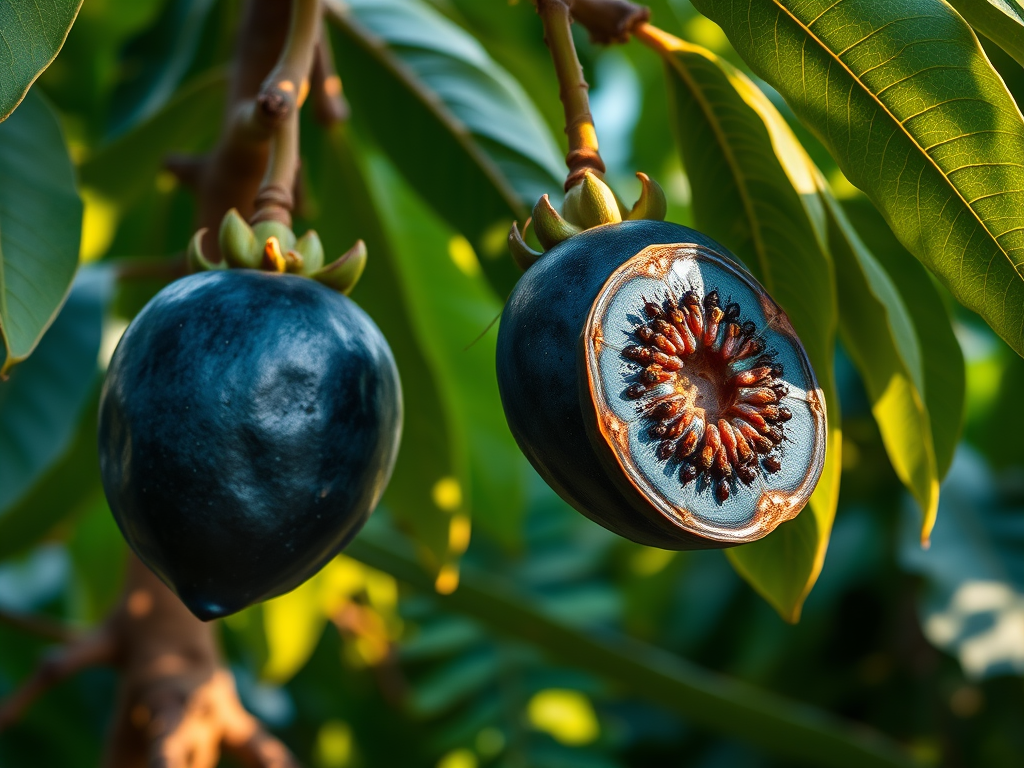
🌌 Huito: A True “Strange Fruit” In the spirit of Billie Holiday’s haunting metaphor, Huito (Genipa americana) stands as a botanical “strange fruit”—not for sorrow, but for its mystical transformation, cultural symbolism, and medicinal depth. 🌀 Why Huito Is Strange—in the Best Way Color Alchemy: Its white pulp turns deep blue-black when exposed to air,…
-
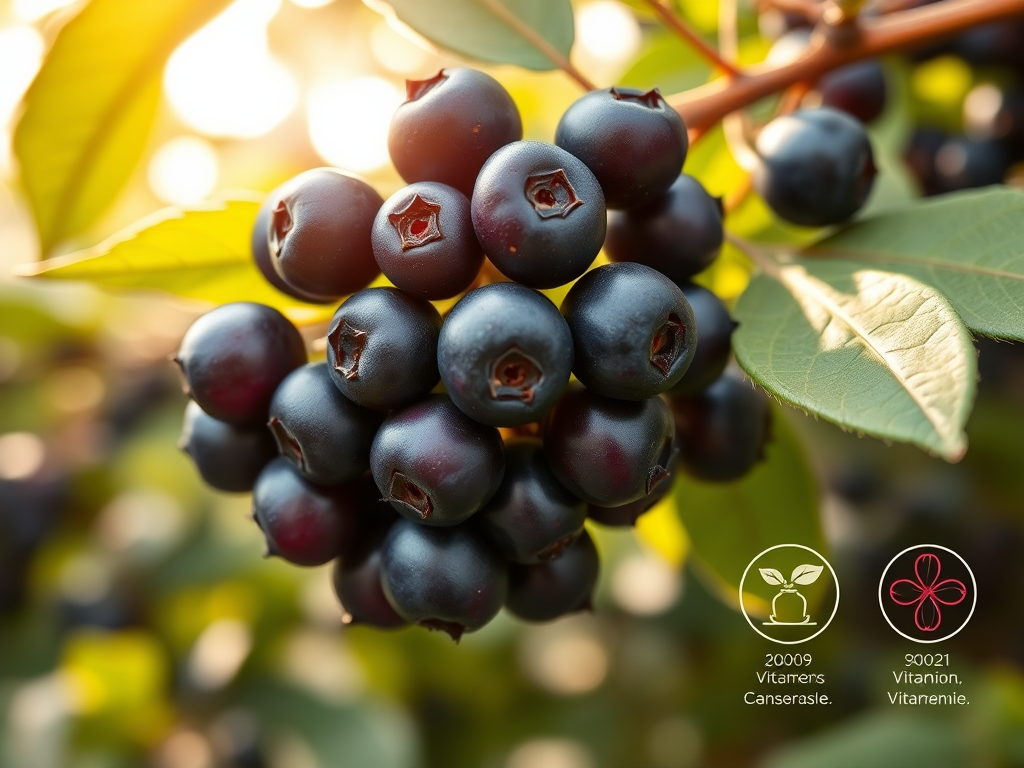
Honeyberry, also known as haskap or blue honeysuckle, is a fascinating fruit with deep cultural roots, impressive hardiness, and growing popularity in modern gardens and kitchens. The name “haskap” comes from the Ainu word haskapupu, meaning “many fruits on branches,” symbolizing abundance and vitality. 🌿Origins & Identity of The Honeyberry Scientific Name: Lonicera caerulea Common…
-

Honeyberry—also known as haskap or blue honeysuckle—is more than just a cold-hardy fruit. With deep Indigenous roots, remarkable resilience, and growing popularity in gardens and gourmet kitchens, this berry bridges ancient wisdom and modern science. 🌍 Origins & Identity The name “haskap” comes from the Ainu word haskapupu, meaning “little present at the end of…
-
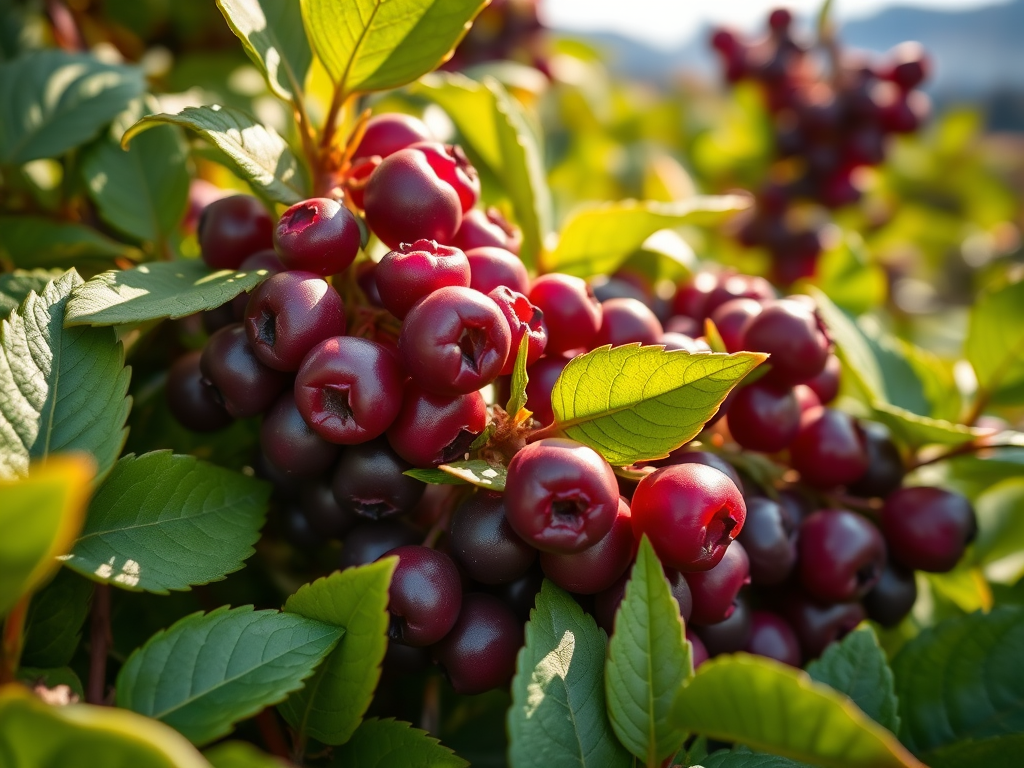
🍇 Huckleberry: A Wild Jewel of Culture and Healing Huckleberries are more than just a wild berry—they’re a cultural icon and a medicinal powerhouse. Revered by Indigenous communities and celebrated in modern wellness circles, these vibrant berries offer a rich tapestry of tradition, nutrition, and healing. Cultural Significance Huckleberries are honored in seasonal rituals in…
-
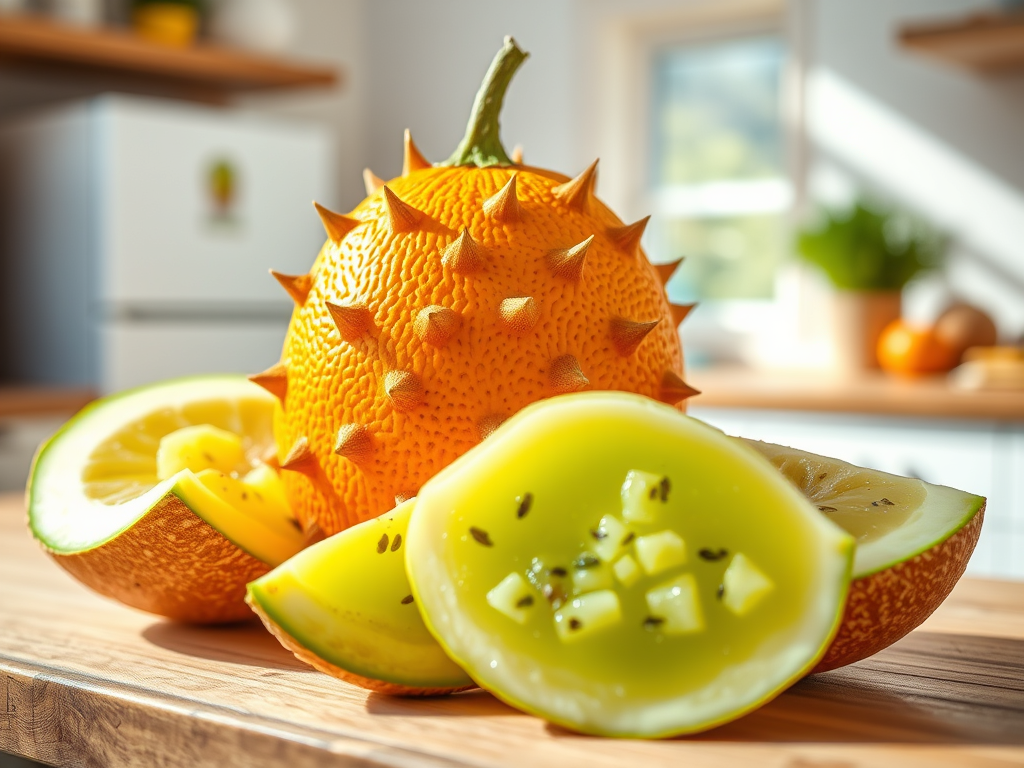
The horned melon, also known as kiwano or Cucumis metuliferus, is a striking fruit with deep cultural roots and impressive nutritional value. Here’s a comprehensive look at this spiky wonder. 🥒 What Is Horned Melon? Scientific Name: Cucumis metuliferus Common Names: Horned melon, kiwano, African horned cucumber, jelly melon, blowfish fruit Origin: Native to Southern…
-

The honeydew melon has a rich and somewhat mysterious past, with roots stretching across continents and centuries: 🌍 Ancient Cultivation 🧿 Cultural & Ceremonial Significance of Honeydew Melon From sacred tombs to symbolic rituals, honeydew melon has long been more than just a fruit—it’s a vessel of meaning across civilizations. 🏺 Ancient Egypt 🌍 Cross-Cultural…
-
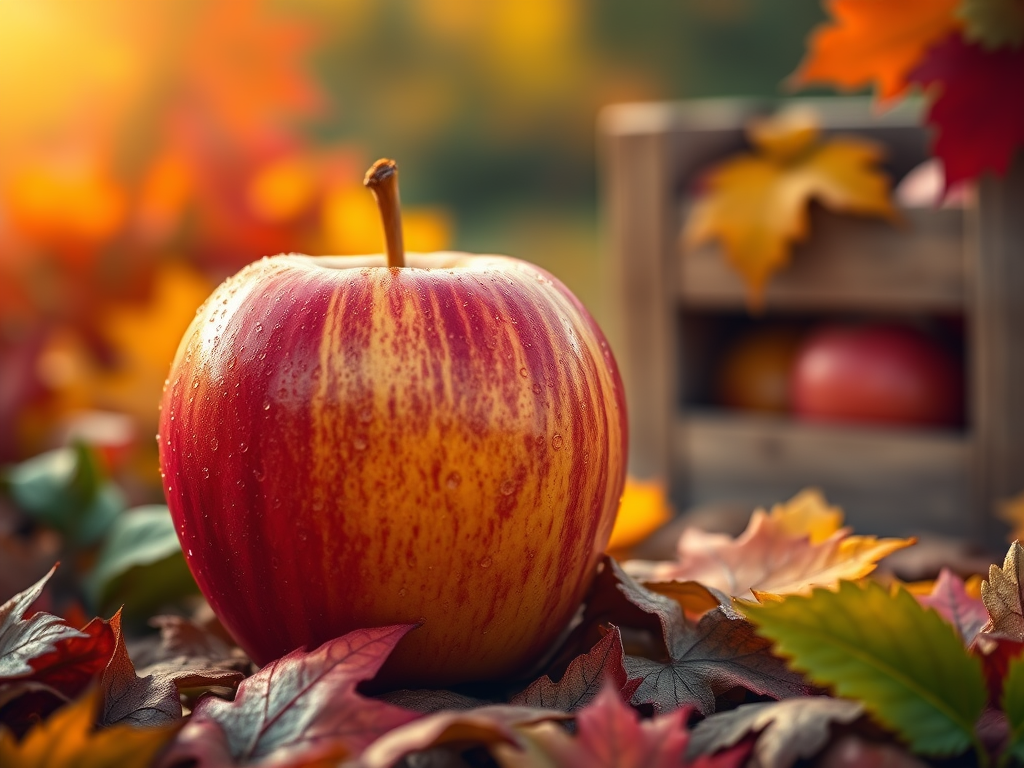
🍎 The Honeycrisp Apple: Cultivation Origins and Creators The Honeycrisp apple, now a beloved staple in grocery stores, has a fascinating backstory rooted in scientific innovation and a bit of serendipity: 🌱 Origin & Development Developed by: The University of Minnesota’s Horticultural Research Center, part of the Minnesota Agricultural Experiment Station. Initial crossbreeding: Began in…
-

Historical Origins of the Himsagar Mango The Himsagar mango traces its roots to the Murshidabad district of West Bengal, where it has been cultivated for centuries. Its original name, Khirsapati, is still used in parts of Bangladesh to refer to this fiberless, aromatic variety. Over time, cultivation spread to adjacent districts such as Malda, Nadia,…
-
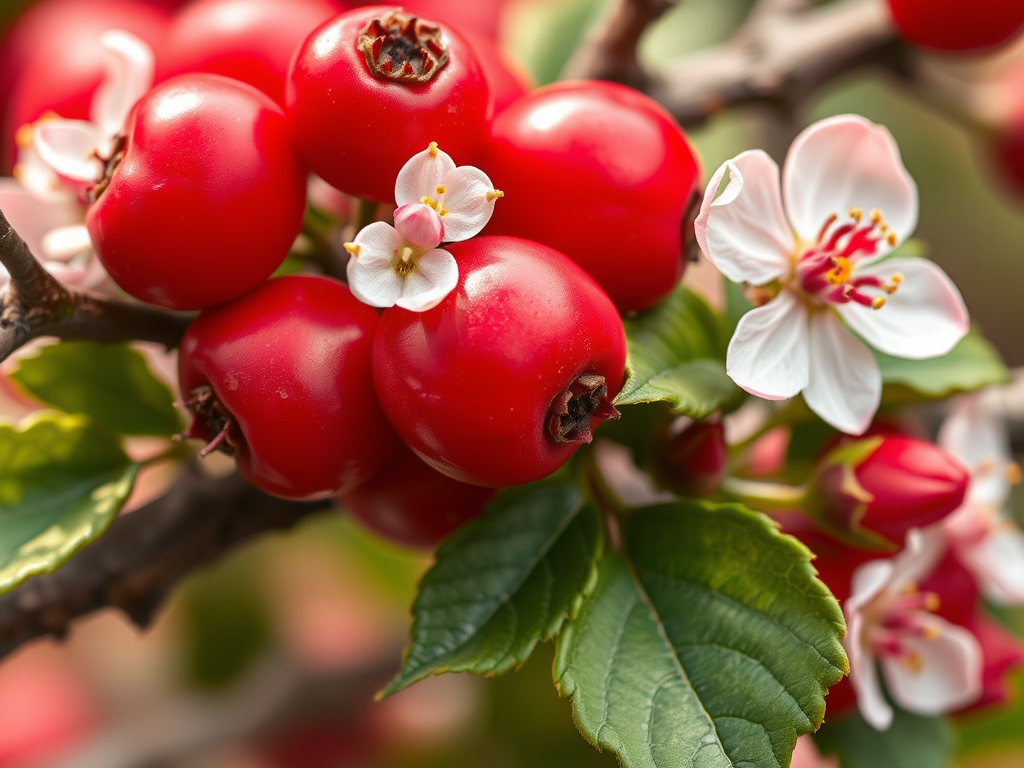
Here’s a comprehensive overview of the Hawthorn berry, blending its botanical background, medicinal uses, and cultural relevance: 🌿 Hawthorn Berry (Crataegus spp.) 🌍 Botanical & Geographic Origins Genus: Crataegus, part of the rose family (Rosaceae) Native Range: Europe, North America, and Asia Common Names: May-tree, thornapple, quickthorn Appearance: Small red (sometimes black or yellow) berries…
-
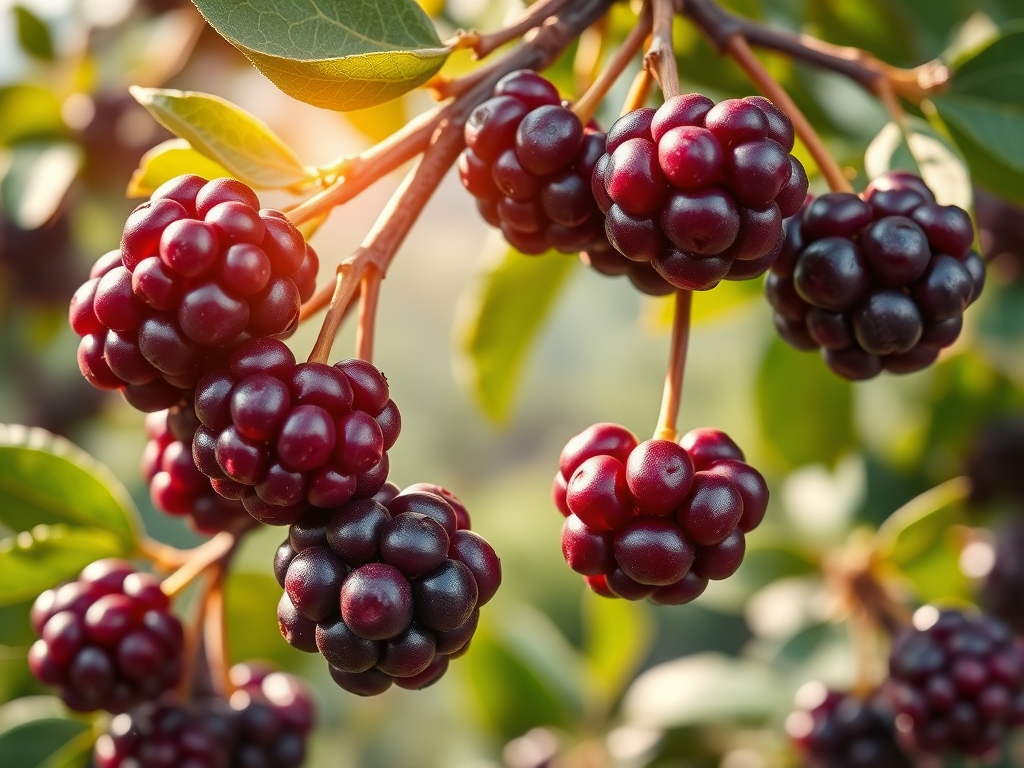
🌄 Himalayan Mulberries: Nature’s Mountain Jewel Himalayan mulberries, scientifically known as Morus serrata, are a rare and nutrient-rich fruit native to the lofty terrains of the Himalayas. With their deep purple hue and lusciously sweet flavor, these berries are more than just a treat—they’re a powerhouse of wellness. 🧬 Nutritional Highlights Rich in antioxidants like…
-

🌿Hog Plum: A Tangy Treasure Rooted in Tradition Before it became a hidden gem in tropical kitchens and herbal remedies, the Hog Plum—also known as Spondias mombin—was already cherished by ancient civilizations for its vibrant flavor and healing power. 📜 First Use: When: As early as 1,000 BCE Where: Indigenous communities across Central and South…
 EJADA
EJADA 