EJADA

Living Healthy, Natural Healing, Herbal Health, and nutritional

  • Exploring Damson Plums: Nutritional Value and Uses

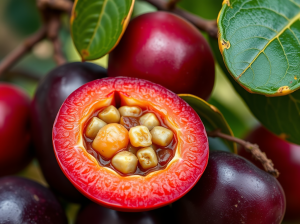
    Damsons are small, ovoid, plum-like fruit with a distinctive, somewhat astringent taste, and are widely used for culinary purposes, particularly in fruit preserves and jams. In South and Southeast Asia, the term damson plum sometimes refers to jamblang, the fruit from a tree in the family Myrtaceae.

    The Damson plum—often associated with ancient Damascus—has been valued for its health benefits for centuries, although not always in the scientific sense we use today. Historical records suggest that damsons were cultivated in Britain as early as Roman times for their culinary and medicinal uses.

    The earliest medicinal uses of Damson plums were rooted in traditional herbal practices, especially during Roman and medieval times. People prized them primarily for their digestive benefits—the fruit’s natural sorbitol and fiber content made it a gentle remedy for constipation and sluggish digestion. It was often stewed or made into syrups to soothe the stomach and promote regularity.

    Damsons were also used to reduce inflammation and treat fevers. Their tartness, rich in tannins and anthocyanins, was believed to help “cool the blood,” a concept in humoral medicine. In some folk traditions, the bark and leaves were even used in poultices for minor wounds or skin irritations.

    It’s fascinating how these early observations align with what we now know scientifically—Damsons are packed with antioxidants, vitamin C, and polyphenols that support immune health and reduce oxidative stress.

    Modern recognition of their health benefits, like being rich in fiber, vitamins A and C, and antioxidants such as anthocyanins, gained traction in the 20th century as nutritional science evolved, while people have been using Damsons for wellness for over 2,000 years, the formal acknowledgment of their nutritional value is a more recent development.

    Damson plums are more than just a tart treat.

    One standout study comes from the Riddet Institute in New Zealand, where researchers are exploring the bioactive compounds in Damson plums. Their findings show that these plums are rich in antioxidants, particularly anthocyanins, which are linked to anti-inflammatory, antidiabetic, and even anticancer properties. The study also highlights Damsons’ high levels of vitamins A, C, and E, and their potential to neutralize free radicals that contribute to cellular damage.

    Another comprehensive review outlines Damson plums’ nutritional profile, emphasizing their soluble fiber, natural sorbitol, and polyphenols—all of which support digestion, blood sugar balance, and immune health. These compounds also contribute to the fruit’s mild laxative effect and its ability to reduce oxidative stress.

    Damson plums are available in the United States, though they’re not as common as other plum varieties.

    They were actually one of the earliest European plums cultivated by American colonists and have naturalized in some regions, especially in the Northeast and parts of the Midwest like Michigan and Pennsylvania.

    Since Damson plums are both flavorful and functional, you can sneak them into your life in surprisingly simple ways—whether you’re going for wellness, indulgence, or somewhere deliciously in between. Here are a few standout methods:

    1. Morning Boost

    Start your day with a spoonful of damson plum jam on whole-grain toast or stirred into Greek yogurt. The fiber and antioxidants give your gut and immune system a gentle nudge awake.

    2. Soothing Syrup

    Simmer dried or fresh Damsons with a bit of honey, lemon zest, and water to create a digestive syrup—it’s traditional, tasty, and soothing after meals.

    3. Spice It Up in Savory Dishes

    Tart Damsons are brilliant in rich meat dishes. Try a damson plum glaze for roasted duck or pork; the fruit’s acidity cuts through the richness while adding complexity.

    4. Sip for Wellness

    If you come across damson-infused gin or want to try making your own, a small pour with sparkling water can double as a social sipper and a nod to your DIY side.

    5. Freeze for Smoothies

    Flash-freeze fresh Damsons (pitted, of course!) and toss them into smoothies with greens, banana, and chia seeds. Their tart bite adds brightness without overpowering.

    6. Bake with Purpose

    Use Damsons in a rustic tart or crisp alongside apples or pears. You’ll get a satisfying dessert with a boost of anthocyanins—much more than your typical pie.

    Fresh fruit: Usually available in late summer to early fall at farmers’ markets or specialty orchards. They’re small, oval, and deep purple with tart, golden flesh.

    In most U.S. supermarkets, Damson plums can be a bit elusive, but you’ll typically find them in a few key forms, especially during late summer and early fall:

    Preserves and jams: Their high pectin content and rich flavor make them ideal for traditional jams, jellies, and fruit butters.

    Frozen or dried: Some specialty food stores and online retailers offer frozen Damsons or dried versions for baking and snacking.

    Baked goods and sauces: You might spot them in pies, tarts, or chutneys at local bakeries or gourmet shops.

    Damson gin or liqueur: A popular use in the UK that’s catching on in the U.S.—infusing Damsons in alcohol for a rich, fruity spirit.

    If you’re interested in growing your own, nurseries like Gurney’s and Cummins Nursery offer Damson plum trees suited for USDA zones.

    Read More: Damson Plums bloom in the late spring and offer not only a delicious fruit but also beautiful, showy white clusters that cover the tree. Because they bloom in late spring, they are less likely to be damaged by frost. Also, once you plant a Damson Plum tree, you can expect a fruitful harvest in 2-4 years. Damson Plums

    Did you know that the Damson plum has the Benefits-of-plums-prunes, Healthline.com

    Both fresh and dried plums contain fiber and antioxidants. They may help reduce constipation and benefit your overall health. Plums contain many vitamins and minerals, in addition to fiber and antioxidants that may help reduce your risk of several chronic diseases.

    Precautions:

    Damson plums are generally safe and nutritious, but there are a few precautions worth keeping in mind, especially if you’re using them regularly or in larger quantities:

    1. Pits Can Be Harmful

    Like all stone fruits, Damson plums contain a hard pit with amygdalin, a compound that can release cyanide when crushed or chewed. Accidentally swallowing a whole pit isn’t usually dangerous, but avoid cracking them open or using them in recipes where they might be ground.

    2. Mild Laxative Effect

    Thanks to their natural sorbitol and fiber, Damsons can act as a gentle laxative. That’s great for digestion, but too many at once (especially dried or in syrup) might cause bloating or loose stools, particularly for those with sensitive stomachs or IBS.

    3. Allergic Reactions (Rare)

    Though uncommon, some people with stone fruit allergies (like cherries, peaches, or apricots) may react to Damsons. Symptoms might include itching, swelling, or digestive upset. If you’re unsure, start with a small amount.

    4. Watch the Sugar in Preserves

    Damson jams and syrups are delicious but often high in added sugar. If you’re watching your blood sugar or managing diabetes, opt for low-sugar versions or use the fruit in savory dishes instead.

    5. Pets and Pits

    If you have pets, especially dogs, keep Damson pits out of reach. They can be a choking hazard and contain compounds toxic to animals.

    Damson plums, get the goodness without the gotchas. Here’s how you can incorporate them safely and effectively

    1. Use Whole Fruit Mindfully

    If working with fresh Damsons, always remove the pits before stewing, baking, or preserving. Never crush or grind the pits—this avoids any exposure to amygdalin. For recipes like syrups or jams, strain the mixture well if you simmer the whole fruit.

    2. Portion with Purpose

    Because Damsons contain natural sorbitol and fiber, start small—especially if you’re prone to digestive sensitivity. A tablespoon of jam or a few slices of stewed fruit is a gentle intro. You can scale up once you know how your system reacts.

    3. Pair with Soothing Foods

    Blend Damsons with gut-friendly options—like oats, yogurt, or herbal teas—to support digestion and ease any potential laxative effect. For instance, a warm Damson compote over oatmeal is both comforting and balanced.

    4. Limit Sugar in Preparations

    When making syrups, opt for raw honey or reduce added sweeteners. You can boost flavor with spices like cinnamon or star anise instead of relying on sugar alone. This keeps your blood sugar levels steady while still celebrating the fruit’s rich taste.

    5. Seasonal Savory Use

    Cooking Damsons into chutneys or glazes with herbs (like rosemary or thyme) gives you the health perks without the sugar spikes—plus it adds complexity to meats or roasted vegetables.

    6. Watch for Allergy Crossovers

    If you have a history of stone fruit sensitivities, try a small test portion first. Heating Damsons (e.g., in a compote or bake) can reduce allergenic proteins, making them gentler for some people.

    Would you like a recipe that puts all this into practice, like a digestive-friendly Damson & oat breakfast parfait or a low-sugar Damson shrub you can sip on?

    In summary, even with a few cautions that must be observed, Damson has a vibrant, tangy, rich nutritional profile and historical charm that make it a fruit well worth celebrating.

    It’s not just food—it’s tradition, wellness, and flavor all rolled into one small, dark-purple gem.

  • Discover the Unique Dalice Apple: A Hidden Gem

    The Dalice apple is a lesser-known variety with a quiet charm. It was developed in the 1930s by A.C. Nash at Scutes Farm in Hastings, Sussex (UK), as an open-pollinated seedling of the famous Cox’s Orange Pippin.

    The Cox’s Orange Pippin apple, first cultivated around 1825 by Richard Cox in England, is celebrated more for its exquisite flavor than for any formal medicinal use. Unlike traditional medicinal apples like crabapples or cider-specific varieties used in tonics, Cox’s wasn’t historically documented as a healing fruit in herbal medicine.

    That said, apples in general—including Cox’s—have long been associated with health benefits. In the 19th century, when Cox’s Orange Pippin rose to popularity, apples were often recommended for digestion, hydration, and even as a gentle laxative. So while it may not have had a starring role in apothecaries, it likely contributed to the “an apple a day keeps the doctor away” ethos that emerged during that era.

    Here’s what makes it stand out:

    • Appearance: Medium-sized, round-conic shape with a greenish-yellow base, overlaid with a brownish wash and darker stripes. It’s often russeted, giving it a rustic look.
    • Texture & Flavor: The flesh is white, coarse-grained, soft, and a bit dry. It’s sweet but considered somewhat bland—more of a gentle dessert apple than a flavor bomb.
    • Harvest & Growth: It’s ready for picking in the early part of the fifth harvest period (typically late autumn), and the tree is moderately vigorous with a spreading habit. It’s diploid and self-sterile, so it needs a pollination partner.

    It’s not a supermarket star like Honeycrisp or Fuji, but it has that old-world orchard appeal.

    The Dalice apple can be considered healthy; like most apples, it offers a modest but meaningful nutritional profile. While specific lab analyses of the Dalice variety are limited, we can infer its general health benefits based on its lineage and characteristics.

    Since it descends from Cox’s Orange Pippin, it likely shares some of the same traits:

    • Dietary fiber, especially in the skin, supports digestion and helps regulate blood sugar
    • Vitamin C, an antioxidant that supports immune function and skin health
    • Polyphenols, plant compounds that may reduce inflammation and support heart health

    That said, the Dalice apple is described as soft, slightly dry, and mildly sweet, so it might not be as juicy or nutrient-dense as some modern varieties like Honeycrisp or Fuji. Still, it’s a wholesome snack, especially when eaten with the skin on.

    The Dalice Apple shares many core health benefits with other apples—like fiber, vitamin C, and polyphenols—but its unique traits give it a slightly different nutritional and culinary profile.

    Here’s how it stands out:

    Texture & Water Content

    Dalice apples are known for being soft and slightly dry, which suggests they may have lower water content than juicier varieties like Fuji or Honeycrisp. This could mean a slightly higher concentration of sugars and fiber per bite, though the difference is modest.

    Flavor & Sugar Profile

    Its mild sweetness and lack of tartness suggest lower acidity, which may make it gentler on sensitive stomachs compared to tangier apples like Granny Smith. That makes it a good option for people seeking a softer, less acidic fruit.

    Polyphenol Content

    While detailed lab data on Dalice is scarce, its russeted skin and Cox’s Orange Pippin lineage hint at a respectable polyphenol profile, especially in the peel. These antioxidants support heart health and reduce inflammation, though likely not at the same levels as darker-skinned apples like Red Delicious.

    Digestive Support

    Like all apples, Dalice provides soluble fiber (pectin), which supports gut health and helps regulate blood sugar. Its softer texture may make it easier to digest for some people, especially when cooked.

    In short, Dalice may not be the flashiest apple nutritionally, but it offers a gentle, heritage-style option that’s easy on the palate and still delivers the classic apple health perks.

    Read more @ What-is-the-healthiest-apple

    Although the saying “an apple a day keeps the doctor away” may not be medically accurate, there are still plenty of reasons to enjoy apples regularly.

    Apples are among the most popular and widely consumed fruits in the world. Besides being easily accessible and boasting a shelf life of up to a year, they’re also highly nutritious.

    They’re rich in fiber, vitamins, minerals, and polyphenols. Polyphenols are a group of antioxidants, molecules that fight free radicals in your body. Among their many health benefits, antioxidants may help prevent cancer, inflammation, heart disease, and weight gain.

    The Dalice apple is a rare heritage variety from the 1930s in Sussex, England. It’s not commercially available in the U.S., but you might spot it through heritage orchards or specialty fruit growers. Known for its rustic look and mild, sweet flavor, it’s a gentle nod to old-world dessert apples rather than a supermarket staple.

    What are good substitutes for Dalice apples?

    Egremont Russet

    This is probably the closest match. It shares the russeted skin, subtle sweetness, and slightly dry, crumbly texture. It’s also a heritage British variety, so it carries that same orchard nostalgia.

    Ashmead’s Kernel

    A bit more tangy than Dalice, but it has a complex flavor and firm texture that mellows with storage. It’s a favorite among heirloom apple lovers.

    Cox’s Orange Pippin

    Since Dalice is a seedling of this variety, going back to the source makes sense. It’s more aromatic and flavorful, but still has that soft, dessert-apple feel.

    Golden Russet

    If you’re after that dry, sweet bite with a rustic look, this American heirloom is a lovely stand-in. It’s also prized for cider, just like some of the old English varieties.

    Liberty or Macoun

    These are more widely available in the U.S. and offer a soft texture with balanced sweetness. They’re not russeted, but they work well in recipes or fresh eating where Dalice might be used.

    In summary, all the apple varieties we talked about—Egremont Russet, Ashmead’s Kernel, Cox’s Orange Pippin, Golden Russet, Liberty, and Macoun—are available in the United States, though their availability varies by region and season.

  • Versatile Dabinett Apples: Health and Cooking Tips

    The Dabinett apple—often celebrated among cider makers for its distinctive full-bodied flavor, balanced acidity, and high sugar content—is much more than just a fermentation workhorse. As a variety of apple, it carries many of the celebrated nutritional benefits inherent to all apples, while also opening doors to some lesser-known uses that go beyond just eating or making cider.

    Dabinett apples pack most of the well-known benefits you’d expect from an apple, but with a unique twist that highlights their robust, tangy flavor.

    Here are the nutritional highlights

    1. Dietary Fiber: Dabinett apples contain a good amount of fiber, which helps support healthy digestion, regulate blood sugar levels, and promote a prolonged sense of fullness. This can be especially beneficial for weight management and overall gut health.
    2. Antioxidants and Polyphenols: These apples are rich in antioxidant compounds such as polyphenols and flavonoids. These molecules help combat oxidative stress and may lower the risk of chronic conditions like heart disease, type 2 diabetes, and even certain cancers by reducing inflammation and cellular damage.
    3. Vitamins and Minerals: Like other apples, the Dabinett variety is a source of essential nutrients, notably vitamin C, which supports immune function and skin health, as well as a variety of minerals that contribute to overall cellular well-being.

    Although the Dabinett apple is often celebrated for its role in cider making, thanks to its high sugar content and balanced acidity, its nutritional profile makes it a versatile fruit for both raw consumption and in various cooked dishes. Enjoying these apples can provide you with a burst of nutrition that aligns well with a balanced diet, whether you incorporate them into fresh salads or transform them through cooking techniques that soften their tannic edge.

    Beyond their direct nutritional benefits, the fiber and antioxidants found in Dabinett apples also contribute indirectly to better overall health by supporting cardiovascular health and a healthy gut microbiome. This comprehensive nutrient package solidifies their role as not just a flavorful ingredient but also as a functional component of a healthful diet [1].

    Health Benefits

    Like other apples, the Dabinett apple is nutrient-dense. It is an excellent source of:

    Although the Dabinett variety is traditionally prized for cider production due to its robust flavor profile, it shares these intrinsic health benefits with more commonly consumed apples. For those who choose to eat them fresh or incorporate them into recipes, they offer a burst of nutrition that can easily complement a balanced diet.

    Little-Known Uses

    Beyond its established role in crafting ciders, the Dabinett apple offers several innovative and lesser-known applications:

    Culinary Adventures Beyond Cider: While its astringency and tannic qualities make it ideal for fermentation, some adventurous cooks use Dabinett apples in:

    Apple Sauces or Butters: Slow-cooked into spreads that retain a hint of tartness.

    Jams and Preserves: Where the natural sugars balance out the inherent acidity, creating unique flavor profiles.

    Baking Projects: Especially in recipes where an intense apple flavor paired with a balancing spice mix is desired.

    Natural Ripening Agent: Apples naturally emit ethylene gas—a plant hormone that hastens the ripening process of nearby fruits. Storing Dabinett apples with less ripe fruits (like pears or bananas) can speed up ripening, a subtle trick that isn’t widely publicized outside of food science circles.

    Artisanal Apple Cider Vinegar and Fermented Condiments: Fermentation isn’t limited to making alcoholic cider. Dabinett apples can be used to craft high-quality apple cider vinegar and other fermented condiments. These products, rich in probiotics, can support digestion and add a complex tang to dressings and marinades.

    Sustainable Uses in Waste Valorization: The byproducts of cider production—apple pomace and pulp—are increasingly recognized as valuable resources.

    They can be:

    Converted into Compost: Enhancing soil fertility naturally. Utilized in Biogas Production: Contributing to renewable energy efforts in sustainable agriculture.

    Home Remedies and Natural Care: Historically, apples (and by extension, their extracts) have featured in traditional remedies. While modern science is still unpacking these benefits, the antioxidant and anti-inflammatory properties of apple compounds have spurred interest in using apple-based extracts for skin care and minor inflammation relief.

      Considerations

      Even though Dabinett apples share the positive health attributes of most apple varieties, it’s wise to keep in mind general advice when it comes to apples:

      • Seed Caution: Apple seeds (including those from Dabinett apples) contain a compound called amygdalin. In very large amounts, this can release cyanide. Enjoy the fruit, but avoid consuming large quantities of seeds.
      • Intended Use: Their robust flavor profile means that while they can be consumed fresh, many find that their best expression is when transformed through fermentation or cooking, to showcase the complex interplay of sweetness, acidity, and tannin.

      In Summary

      The Dabinett apple stands as a testament to the diversity hidden within a single fruit. Its nutritional benefits make it a healthy choice, while its versatility inspires innovative culinary, agricultural, and even home care applications. Whether you’re a cider enthusiast, a home cook looking to experiment, or someone interested in sustainable practices, the Dabinett apple offers a rich palette of possibilities waiting to be explored.

      Dabinett apples have a robust, tangy profile that lends itself to a variety of cooking techniques. Their astringency and deep flavor mean you can use them to create dishes where the apple’s natural tartness adds complexity. Here are several creative ways to cook them:

      1. Stewed or Compote Apples

      Method:

      • Preparation: Peel, core, and dice the Dabinett apples into uniform pieces.
      • Cooking: Place them in a saucepan with a splash of water or apple juice, add a bit of brown sugar (or a natural sweetener like honey), and sprinkle in your favorite spices—cinnamon and a pinch of nutmeg work wonderfully.
      • Finishing Touch: Simmer over medium heat for 15–25 minutes until the apples break down into a luscious compote. This textured, tangy mixture makes a fantastic topping for oatmeal, pancakes, or even a savory pork dish.

      This method mellows the apple’s tannic bite while retaining its distinct flavor, making it a versatile base for both sweet and savory presentations.

      2. Sautéed Apples

      Method:

      • Preparation: Core and slice the apples into thin wedges or rounds.
      • Cooking: Heat a skillet with a small knob of butter. Once melted, add the apple slices along with a sprinkle of brown sugar and cinnamon. Sauté them over medium heat for about 5–10 minutes until they are tender yet retain a slightly crisp texture.
      • Finishing Touch: A squeeze of lemon or a dash of apple cider vinegar at the end can brighten the caramelized flavor.

      Sautéed apples are an ideal accompaniment for breakfast dishes like pancakes, or even as a topping for pork cuts, adding a sweet yet tart contrast [3].

      3. Baked Apples

      Method:

      • Preparation: Leave the apples whole (after washing) or slice them thickly. If using the whole fruit, core out the center to create a cavity for fillings.
      • Filling Options: Stuff with chopped nuts, raisins, a dash of cinnamon, and a drizzle of maple syrup or honey.
      • Cooking: Place them in a baking dish with a small amount of water or apple juice, and bake at 350°F (175°C) for 25–35 minutes until the apples are tender and the filling is bubbling.

      The baking process concentrates the apple’s natural sugars and softens their tartness, making them a warm, comforting treat ideal for autumn evenings.

      4. Apple Chutney

      Method:

      • Preparation: Dice the apples and combine them with ingredients like onions, vinegar, ginger, and a mix of spices such as mustard seeds, cinnamon, and cloves.
      • Cooking: Simmer the mixture slowly until the apples and onions break down into a thick, tangy relish. Adjust the sweetness with a bit of brown sugar.

      This savory approach transforms the Dabinett apple into a versatile condiment that pairs excellently with roasted meats or cheeses, offering a delightful balance between tart, sweet, and spicy notes.

      5. Incorporation into Savory Dishes

      Because of their pronounced flavor, Dabinett apples can elevate savory recipes, too. For example:

      • Roasted Pork or Chicken: Add apple slices or a spoonful of apple compote to the roasting pan or serve alongside the meat.
      • Salads: Dice the apple and toss it with earthy elements like walnuts, blue cheese, and a light vinaigrette.
      • Sauces: Blend cooked-down apples with herbs to create a unique sauce for grilled vegetables or as a spread on crusty bread.

      Dabinett apples are generally safe and nutritious for most people. There are a few groups who might want to be cautious or avoid them in certain contexts:

      1. People with Apple Allergies

      Some individuals have oral allergy syndrome (OAS), where proteins in apples cross-react with pollen allergens (like birch). This can cause itching or swelling in the mouth and throat. If someone has a known apple allergy, Dabinett apples should be avoided just like any other variety.

      2. Those Sensitive to Tannins

      Dabinett apples are known for their high tannin content, which gives them their signature astringency. While tannins have antioxidant properties, they can also cause digestive discomfort in sensitive individuals, especially if consumed in large amounts or on an empty stomach.

      3. People with IBS or FODMAP Sensitivities

      Apples, including Dabinett, are high in fructose and sorbitol, both of which are FODMAPs. These can trigger bloating, gas, or discomfort in people with irritable bowel syndrome (IBS) or other digestive sensitivities.

      4. Infants and Toddlers

      Due to their firm texture and potential choking hazard, raw apples (especially tart or astringent varieties like Dabinett) should be cooked or finely grated before being offered to young children.

      5. Individuals on Low-Sugar Diets

      While Dabinett apples are not overly sweet when eaten raw, they are prized for their high sugar content in cider production. If you’re managing blood sugar levels or following a low-sugar diet, portion control is key—even with fruit.

      6. Anyone Avoiding Apple Seeds

      This applies to all apples: the seeds contain amygdalin, which can release cyanide when metabolized. While you’d need to consume a large number of seeds for it to be harmful, it’s best to avoid eating them altogether.

      If you’re exploring Dabinett apples for their health benefits or culinary uses, these considerations are just part of making informed choices.

      The apple’s natural acidity cuts through rich flavors and adds a refreshing dimension to many dishes.

      Final Thoughts

      Each of these methods leverages the unique taste profile of the Dabinett apple. Whether you’re looking for a warm, hearty dessert or a tangy accent to a savory dish, experimenting with these techniques can bring new layers of flavor to your kitchen repertoire. If you’re interested in more detailed recipes or innovative pairing ideas, there’s a rich world of apple-based creations waiting to be explored—from classic apple pies to inventive chutneys and sauces.

      Exploring these methods not only celebrates the versatility of the Dabinett apple but also opens up creative avenues for blending tradition with new culinary twists.

    1. Dabai: The Nutrient-Rich Sarawak Olive

      Dabai, also known as Canarium odontophyllum or the “Sarawak olive,” is a nutrient-rich fruit native to Borneo with a surprisingly impressive health profile.

      Dabai, or Canarium odontophyllum, is gaining attention not only for its bold flavor and culinary versatility but also for its promising vitamin profile. Although research is still unfolding, here’s what we know about its vitamin content and how it may support health:

      Vitamin E: The Antioxidant Champion

      One of the most celebrated features of dabai is its high vitamin E content. This isn’t just any vitamin E—it comes largely in the form of tocotrienols and tocopherols. These compounds are potent antioxidants, combatting oxidative stress at the cellular level, supporting skin health, and contributing to cardiovascular well-being. The presence of these antioxidants is one of the reasons why dabai is often likened to the “Sarawak olive,” echoing the beneficial attributes seen in traditional olive fruits.

      Vitamin C: Boosting Immunity and Collagen Synthesis

      Dabai also offers vitamin C, a water-soluble nutrient known for its immune-boosting properties. Vitamin C plays a crucial role in collagen synthesis, which helps maintain skin integrity and promotes wound healing. Its antioxidant effects further complement the actions of vitamin E, creating a synergistic effect that helps protect cells from damage induced by free radicals.

      Contribution to the B Vitamin Complex

      Emerging studies suggest that dabai may provide a supportive range of B vitamins—including thiamine (B1), riboflavin (B2), niacin (B3), and folate (B9). These vitamins are crucial for energy metabolism, nervous system functioning, and the synthesis of DNA and red blood cells. Although specific quantitative data vary based on fruit maturity, processing methods (such as the soaking technique used to soften its tough skin), and cultivation conditions, the consistent presence of these micronutrients further enhances dabai’s nutritional appeal.

      Variability and Future Research

      It’s important to note that the exact vitamin composition in dabai can fluctuate with various factors, such as:

      • Maturity of the Fruit: Different stages of ripeness might yield differing vitamin concentrations.
      • Processing Techniques: The traditional soaking process used to soften the fruit may influence its vitamin retention.
      • Agricultural Practices: Soil quality and cultivation methods could also impact nutrient synthesis in the fruit.

      A peer-reviewed study published in a prominent journal discussed dabai’s overall nutritional and antioxidant properties, highlighting its potential in reducing oxidative stress and even suggesting roles in cholesterol management and the prevention of type 2 diabetes [3][4]. While the study provided a broad overview of dabai’s bioactive compounds, detailed vitamin quantification remains an active area of research.

      In Summary

      Dabai’s promising vitamin profile—marked by its robust vitamin E and supportive vitamin C levels along with a suite of B vitamins—underscores its potential as a natural food source that supports:

      • Skin Health: Through antioxidants that combat cellular aging.
      • Immune Function: Via vitamin C’s role in immune defense and collagen formation.
      • Energy Metabolism: With contributions from B vitamins, essential for energy production.

      Integrating dabai into one’s diet might, therefore, serve as a flavorful way to harness natural vitamins known throughout dietary traditions, especially for those interested in holistic nutrition and natural strategies to counteract oxidative stress.

      Dabai is a versatile, nutrient-rich fruit that can elevate both savory and sweet dishes. Here are several creative ways you can include it in your diet:

      • Soaked Snack or Appetizer: Traditionally, dabai is soaked in warm water (around 60°C) for 10 to 15 minutes, which softens its flesh and transforms its texture. Once softened, enjoy it on its own with a sprinkle of salt, a drizzle of soy sauce, or even a dusting of sugar. This simple preparation lets you appreciate its natural creaminess and flavor.
      • Stir-Fries and Fried Rice: Dice the pre-soaked Dabai to incorporate into stir-fries or fried rice. Its soft, creamy consistency pairs well with vegetables, herbs, and proteins, adding a unique, nutty twist. The fruit’s subtle tang makes it an exciting, unexpected ingredient in traditional Asian-inspired dishes.
      • Salads and Dressings: Thinly sliced Dabai can serve as an inventive topping to brighten up your salads. For an even more creative approach, blend dabai with a splash of citrus, olive oil, and herbs to develop a rich, creamy dressing or dip that marries well with both leafy greens and mixed veggie salads.
      • Desserts and Frozen Treats: Dabai’s rich texture lends itself beautifully to sweet preparations. Consider blending it into a smooth purée for ice cream or sorbet. Its natural balance of creaminess and mild sweetness can add an exotic twist to your dessert repertoire, making for an indulgent yet nutritious treat.
      • Fusion Dishes: Experiment further by incorporating dabai into recipes like pizza toppings or even in a light, fruity chutney. Its unique flavor profile can offer a delightful counterbalance to spicier or more pungent ingredients, opening up creative avenues in fusion cuisine.

      Each of these methods leverages dabai’s nutritional benefits, such as its antioxidant properties, while allowing for a range of textures and flavors across meals. Its flexibility makes dabai a great addition whether you’re planning a healthy snack, adding depth to a main course, or innovating in dessert recipes.

      READ MORE: Dabai To prepare for eating, dabai is steeped in warm water (about 60°C) for 10-15 minutes. This softens the flesh, giving it a smooth avocado-like texture. Dabao can be seasoned with salt, sugar, or soy sauce to enhance the taste.

      Dabai is relatively free from pests and diseases, which scientists attribute to its geographical isolation. Therefore, it can easily be produced and marketed as an organic product that commands a higher premium.

      Explore More: Exotic-Fruits-Buah-Dabai

       In Sarawakian Hokkien Chinese, it is called Or Kanna.

      Many tend to get confused by the appearance of Dabai. Some call it a type of vegetation, and some will look at it as a fruit and wonder if it is edible. Some even think that it is a type of avocado. Then again, it is none of the above.

      Buah Dabai is a type of exotic fruit that grows in certain parts of the region and consists of 75 types of species.

      The fruit tree itself is so large and grows on thick green trees up to 40-50 meters high, with alternate, pinnate leaves.

      Its furry leaves are thin, and the twigs are covered with golden brown.

      When enjoying dabai, a few precautions can help you make the most of its nutritional benefits while avoiding any potential issues:

      1. Proper Preparation Is Key: Raw dabai is notably hard and astringent, making it unpalatable and potentially harsh on your digestive system. Traditional preparation involves soaking the fruit in moderately warm water (around 60°C) for 10–15 minutes. This process softens the flesh, reduces bitterness, and brings out its subtle, nutty flavor. Be careful not to overheat the fruit during soaking, as excessive temperature can negatively affect texture and nutrient content.
      2. Mind the Hard Seed: Dabai comes with an elongated, hard seed encased in a woody shell. If you plan to consume the seed, ensure you crack it carefully to avoid any accidental biting into a tough, unyielding piece, which could be a choking hazard. Although the seed is edible and offers additional nutritional benefits, proper handling is essential.
      3. Start Small, Especially If New to Dabai: Since dabai is an uncommon fruit outside its native regions, it’s wise to introduce it gradually into your diet. This cautious approach helps you gauge how your body responds, particularly if you have a sensitive digestive system or any known food sensitivities.
      4. Sourcing and Storage: Opt for reputable sources to ensure the fruit has been handled and stored properly. Like many tropical fruits, dabai is prone to over-ripening or spoilage if not stored in a cool, dry place, so proper storage is another important precaution.
      5. Dietary Considerations: Although dabai is rich in healthy monounsaturated fats and essential vitamins, moderation is still important, especially if you’re monitoring your fat intake or following a specific dietary regimen. As with any ingredient, balance is key.

      These guidelines ensure that you enjoy dabai safely while maximizing its nutritional benefits.

      Dabai is quite rare in the United States and not commonly found in mainstream grocery stores or even most specialty markets. It’s native to Borneo and surrounding regions, and its highly perishable nature makes large-scale export challenging.

      However, there are a few niche avenues you might explore:

      • Specialty importers or online exotic fruit retailers: Some companies that specialize in Southeast Asian produce may occasionally carry frozen or vacuum-packed dabai during its harvest seasons (typically May–June and December–January).
      • Cultural festivals or Southeast Asian markets: In areas with a strong Malaysian or Indonesian community, you might stumble upon dabai at cultural events or small ethnic grocery stores, though this is still quite rare.
      • Grow-your-own (with caution): A few tropical plant enthusiasts have experimented with growing dabai in greenhouses or controlled environments, but it requires a very specific climate and is not suited to most U.S. growing zones.

      If you’re curious to try it, I can help you track down potential sources or even suggest similar fruits with comparable textures and nutritional profiles

      In the U.S., dabai is still a rare gem, but it’s beginning to make quiet appearances in a few niche forms:

      • Frozen or vacuum-packed fruit: Some specialty importers occasionally offer dabai in frozen or vacuum-sealed form to preserve its delicate texture and flavor. These are typically available during their harvest seasons (May–June and December–January).
      • Dried or powdered dabai: In limited cases, dabai pulp is dried and milled into powder, which can be used in smoothies, baked goods, or even savory sauces. This form is more shelf-stable and easier to ship internationally.
      • Dabai oil: Though not widely distributed, dabai oil, rich in vitamin E and monounsaturated fats, has been explored for culinary and cosmetic uses. It may occasionally be found through online Southeast Asian wellness retailers.
      • Seed snacks: The edible seed inside the hard shell is sometimes roasted and consumed like a nut. While extremely rare in the U.S., some tropical food enthusiasts or online marketplaces may carry small batches.

    2. D’Anjou Pears: History, Health Benefits, and Culinary Uses

      I was once just complacent with what the doctors told me was necessary, never thinking of the side effects and the precautions, and I decided two years ago I wanted a better quality of life. I started searching for alternatives to the drugs being prescribed.

      Many of us go to the doctor for pain, swelling, mental clarity, and heart health, so we take it for granted that he doctor is doing what’s best for us. I am not knocking the knowledge of doctors, but I am knocking the long-term effects of some medications and believe that some medications have a long list of warnings, leaving me to debate the odds, pain, or side effects.

      I choose a healthier way to manage my pain and mental clarity. That’s why I am continuing my healthy living style with herbs, vitamins, greens, and fruits, and I am on fruits that begin with the letter D. Let’s continue this journey together.

      Starting with D’Anjou pear, a well-known European pear cultivar celebrated for its buttery, subtly sweet flavor.

      Early History and Origins

      The D’Anjou pear, also known as the Beurré d’Anjou, is believed to have emerged in the mid‑19th century from European orchards—primarily in regions of France and Belgium. Although there isn’t a precise “first recorded use” date in the way we might document the debut of a modern commercial product, historical horticultural records indicate that this cultivar began to gain prominence during that period. Its distinctively buttery texture and subtly sweet flavor made it instantly attractive to growers and consumers alike.

      First Uses and Culinary Adoption

      In its early days, the D’Anjou pear was predominantly valued as a fresh, table fruit. Farmers and early adopters likely enjoyed it for its natural taste and versatility in the kitchen—even before detailed culinary recipes were widely circulated. Early European culinary traditions embraced the fruit not only for eating fresh but also for integrating it into desserts and preserves. Its firm flesh, which softens gradually as it ripens, also lent itself well to simple poaching or baking methods, offering both flavor and ease of storage during off-seasons.

      Enduring Appeal

      Over time, the D’Anjou pear’s reputation grew as its ease of storage and multifaceted culinary potential were recognized. While the exact “first use” remains a conjectural moment in the gradual evolution of the cultivar, it’s clear that from its earliest days in the 1800s, the D’Anjou pear captured imaginations in both rural markets and sophisticated kitchens. Today, its legacy continues not just due to its history but also because it remains a popular, nutrient-rich choice for modern diets and creative recipes around the world.

      The story of the D’Anjou pear is one of gradual adoption and enduring culinary charm—a journey that mirrors many traditional fruits that have transitioned from local specialties to internationally appreciated delights.

      Culinary Versatility and Storage

      D’Anjou pears are prized in the kitchen for their versatility. They work wonderfully in a variety of preparations—from fresh eating and salads to baking, poaching, grilling, and even juicing. One reason for their popularity is their impressive storage life; when ripened correctly and kept at room temperature (or later refrigerated), they can maintain their freshness for several months, making them a dependable ingredient year-round.

      While the fresh fruit is the standard offering, you might also encounter D’Anjou pears in processed forms such as canned slices, purees, or incorporated into preserves and dessert fillings. Their firm texture and balanced flavor make them excellent candidates for these culinary adaptations.

      D’Anjou pears offer several health benefits that make them a smart addition to a balanced diet.

      Dietary Fiber and Digestive Health

      D’Anjou pears are rich in dietary fiber, particularly soluble fiber like pectin. This fiber not only supports healthy digestion by encouraging regular bowel movements, but it can also help lower cholesterol levels by binding to bile acids and removing them from the body. Improved fiber intake is associated with better blood sugar control and a reduced risk of developing type 2 diabetes, making these pears a heart-healthy and metabolism-friendly food.

      • Soluble Fiber: This type of fiber dissolves into a gel-like substance during digestion. It helps slow down the absorption of sugars, which can aid in blood sugar control and may contribute to lowering LDL cholesterol. This gel-like consistency also helps to keep your digestive process steady and manageable.
      • Insoluble Fiber: This fiber doesn’t dissolve but instead adds bulk to your stool, making it easier to pass and thereby helping to prevent constipation. The increased bulk can also stimulate the digestive tract, promoting regular bowel movements.

      When you eat a pear—especially with the skin on—you’re getting a balanced mix of these fibers. This balance works together to ensure regularity, support overall digestive health, and even contribute to a healthy gut microbiome by offering nourishment to beneficial bacteria.

      Antioxidants and Immune Support

      These pears provide beneficial antioxidants, including vitamin C and various polyphenols. Antioxidants help neutralize free radicals in the body, reducing oxidative stress and inflammation. Over time, a diet rich in antioxidants may lower the risk of chronic diseases and bolster the immune system, ensuring your body stays resilient against infections and environmental stressors.

      These compounds work together in several health-promoting ways:

      1. Vitamin C: This water-soluble antioxidant is key for collagen production and maintaining skin integrity, while also boosting immune function. Its role in neutralizing free radicals means it helps protect cells from oxidative damage, which is linked to aging and a range of chronic illnesses.
      2. Polyphenols: Polyphenols, including flavonoids, phenolic acids, and other bioactive compounds, work to reduce inflammation and combat oxidative stress. These molecules not only support cardiovascular health but may also contribute to lowering the risk of certain cancers and other chronic conditions. Their synergistic action with vitamin C enhances overall antioxidant protection.

      Eating pears with the skin on is particularly beneficial because the skin often contains a higher concentration of these antioxidants and dietary fiber. This allows you to maximize the nutritional punch of the fruit, supporting everything from a robust immune system to better cardiovascular health.

      Essential Vitamins and Minerals

      D’Anjou pears are naturally low in calories but pack a nutritional punch. They offer vitamin C, which is crucial for collagen production, skin health, and immune function. Additionally, they supply potassium—a key mineral that helps maintain proper fluid balance, supports healthy muscle and nerve function, and plays a role in regulating blood pressure.

      vitamin C and potassium are two standout nutrients in D’Anjou pears that contribute significantly to their health benefits.

      • Vitamin C: This essential vitamin is crucial for collagen production, which is important for maintaining skin elasticity and overall skin health. It also supports immune function by helping white blood cells work effectively and acts as a powerful antioxidant to protect your cells from free radical damage.
      • Potassium: This mineral plays a vital role in regulating blood pressure, maintaining fluid and electrolyte balance, and supporting proper muscle and nerve function. Adequate potassium intake is linked to better cardiovascular health and helps counteract the effects of sodium in your diet.

      Together, these nutrients enhance the overall nutritional profile of D’Anjou pears, making them a valuable addition to a balanced, health-conscious diet.

      Versatility in the Diet

      Because of their pleasant flavor, crisp texture, and nutritional benefits, D’Anjou pears are a versatile fruit. They can be enjoyed fresh on their own, tossed into salads, baked into desserts, or even poached for a sophisticated treat. Their ease of storage also means you can enjoy them throughout the season, reaping their nutritional rewards day after day.

      ts naturally pleasant flavor, crisp texture, and impressive nutritional profile open countless culinary avenues:

      • Fresh Enjoyment: Eat it whole or sliced as a snack to appreciate its juicy sweetness and nutritional boost. Keeping the skin on maximizes fiber, antioxidants, and vitamins.
      • Salads and Starters: Its crisp texture makes it an ideal addition to salads or cheese platters. Pair it with leafy greens, a handful of walnuts, or a smooth blue cheese to create a balanced dish.
      • Baking and Poaching: D’Anjou pears hold their shape nicely. They’re perfect for poaching with a hint of cinnamon and vanilla, or for baking into tarts or crisps, turning a simple dessert into a nutrient-rich treat.
      • Savory Dishes: They also have their place in savory recipes—a lightly caramelized pear can complement pork or chicken dishes beautifully, adding a subtle sweetness that enhances the overall flavor profile.

      Their high fiber, vitamin C, potassium, and antioxidant content not only support digestion and immune function but also promote heart health and skin integrity. This blend of taste, texture, and nutritional benefits makes the D’Anjou pear a standout, adaptable fruit in any diet.

      D’Anjou pear is widely available in the United States. They are one of the most recognized and popular pear varieties across the country and can be found in most grocery stores, supermarkets, specialty produce markets, and even big chains like Whole Foods Market.

      While their peak season typically falls in the late fall through winter (often around November to January), modern storage and distribution methods ensure that D’Anjou pears are available year-round.

      A medium-sized pear provides the following nutrientsTrusted Source:

      Copper: 16% of DV

      Calories: 101

      Protein: 1 gram (g)

      Carbs: 27 g

      Fiber: 6 g

      Vitamin C: 9% of the Daily Value (DV)

      Vitamin K: 7% of DV

      Potassium: 4% of the DV

      Read More: 9 Health Benefits @ Healthline.com

      D’Anjou pears (often just called Anjou) are wonderfully versatile—smooth, juicy, and subtly sweet, making them perfect for both sweet and savory dishes. Here are some popular recipes that highlight their flavor and texture:

      🍐 Sweet Recipes

      1. Anjou Pear Cake A moist, buttery cake made with ripe pears, lemon juice, and a touch of Poire William liqueur. It’s finished with an apricot glaze and a dusting of powdered sugar—perfect with crème fraîche or tea.
      2. Baked Pears (No Added Sugar) Halved and cored pears brushed with a cinnamon-vanilla butter glaze, then roasted until tender. A simple, elegant dessert that lets the pear’s natural sweetness shine.
      3. Fresh Pear Bread A warmly spiced quick bread with chopped pears, cinnamon, and walnuts. It’s a cozy, autumnal treat that works beautifully for breakfast or dessert.

      🧀 Savory & Creative Twists

      • Pear and Blue Cheese Soufflé – A sophisticated dish where the sweetness of the pear balances the tang of the cheese.
      • Pear and Potato Breakfast Hash – A hearty, plant-based option with sautéed pears, potatoes, and sausage alternatives.
      • Pear Pizza – Yes, really! Thin slices of Anjou pear on a flatbread with goat cheese, arugula, and a drizzle of balsamic glaze.

      If you’re in the mood to experiment, D’Anjou pears also pair beautifully with ginger, cardamom, or rosemary. Go To Healthy Receipes @ healthyrecipesblogs

      Their consistent availability, coupled with their long shelf life and versatile culinary uses, makes the D’Anjou pear a staple choice for consumers looking for a nutritious and delicious fruit.

      In summary, incorporating D’Anjou pears into your diet can support digestive health, cardiovascular function, and overall nutrient intake while offering antioxidant protection and immune support. They are not just a delicious snack but also a functional food that contributes to long-term health.

    3. Custard Apple: A Sweet Treat with Medicinal Value

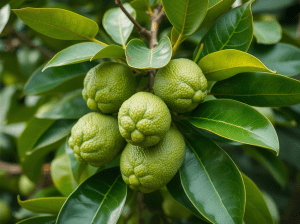
      The custard apple is a tropical fruit from trees in the genus Annona (family Annonaceae). Unlike apples from the temperate Malus species, custard apples have a soft, sweet, and creamy pulp that resembles a rich, smooth custard, which is where the name comes from.

      There are several species in the genus, with common ones being Annona squamosa (often called sugar apple or sweetsop) and Annona reticulata (sometimes known as bullock’s heart). These trees are typically small and thrive in warm, tropical climates, and the fruit has been valued not only for its unique flavor and texture but also for its use in traditional medicinal practices in tropical regions.

      The history of the custard apple is not marked by a single recorded “first use.” The fruit is native to the tropical Americas (including regions of the Caribbean, Central America, and parts of South America), and indigenous peoples likely began cultivating and enjoying it long before European contact. Written records by European chroniclers only emerged during and after the 16th century when explorers documented the wonders of the New World.

      However, archaeological and ethnobotanical evidence suggests that custard apples—and other Annona species—were part of local diets and traditional medicine for thousands of years, making their “first use” likely a matter of pre-Columbian history rather than a precisely documented event

      Indigenous peoples in the tropical Americas recognized and utilized their healthful qualities—both as food and in folk remedies—for countless generations, well before any written records existed. When European explorers arrived in the New World during the 16th century, they began documenting the local plants and their uses, including the custard apple’s application in traditional medicine. This European chronicling marks the earliest written record of its medicinal use, even though the practice itself dates back much further in pre-Columbian times.

      Modern science has continued to explore and validate these traditional uses through pharmacological studies over the past century, revealing that the fruit contains bioactive compounds like flavonoids, alkaloids, and acetogenins that contribute to its antioxidant, anti-inflammatory, and other therapeutic effects. This convergence of ancient wisdom and modern research underscores the custard apple’s longstanding role in natural medicine.

      Custard apple is more than just a tropical treat; it’s a nutrient-rich powerhouse that offers several health benefits:

      Abundant Antioxidants: Custard apple is loaded with antioxidants like vitamin C, carotenoids, and flavonoids. These compounds help neutralize free radicals in the body, which can reduce oxidative stress and help protect against chronic diseases. This antioxidant profile also supports immune function and may play a role in preserving skin health.

      Digestive Support: Thanks to its significant fiber content, custard apple aids digestion. Fiber helps regulate bowel movements, supports a healthy gut microbiome, and may contribute to lower cholesterol levels by binding to and removing excess fats from the digestive tract.

      Heart Health: The fruit is a good source of potassium and magnesium, minerals that are essential for maintaining proper blood pressure and overall cardiovascular health. Adequate potassium intake, for instance, can help counteract the negative effects of sodium and reduce the risk of hypertension.

      Energy and Neurotransmitter Support: Custard apple provides B vitamins, particularly vitamin B6. This vitamin is crucial for energy metabolism and plays a role in the synthesis of neurotransmitters such as dopamine and serotonin, which are important for mood regulation and nerve function.

      Anti-inflammatory Properties: Some research suggests that bioactive compounds present in custard apple may have anti-inflammatory effects. Traditional uses of the fruit and other parts of the tree in folk medicine hint at its potential in alleviating inflammation-related issues, though modern studies are still uncovering these benefits. Overall, incorporating custard apple into your diet not only delights your palate with its creamy texture and subtle sweetness but also contributes to a range of wellness benefits, from enhanced digestion and stronger immunity to a healthier heart and skin. It’s a fine example of how traditional wisdom intertwines with modern nutritional insights to support long-term health.

        Here are some lesser-known, fascinating facts about custard apples that might pique your interest:

        Unique Appearance & Texture: Custard apples derive their name from their sweet, creamy, almost custard-like pulp. Yet what truly sets them apart is their exterior—a green, scaly skin that often resembles a pinecone or quilted pattern. This distinctive look isn’t just eye-catching; it’s a natural marker of a well-ripened fruit with a unique texture that differentiates it from the more familiar apples of temperate climates.

        Specialized Pollination Needs: Unlike many commonly cultivated fruits, some custard apple varieties require very specific pollinators or even manual (hand) pollination. The unusual architecture of their flowers doesn’t always attract the usual array of natural pollinators, making careful cultivation practices essential. This intricacy in their reproductive process not only adds an interesting twist to their agricultural story but also helps explain why they’re more readily found as local treasures rather than widespread commercial products

        Short Shelf Life & Ripening Sensitivity: Custard apples are best enjoyed at the peak of ripeness; however, they have a notably short shelf life once fully mature. Their delicate, creamy flesh can quickly become overripe, which means they’re often consumed locally rather than exported widely. This brief window of optimal flavor contributes to the fruit’s aura as a seasonal and somewhat exclusive tropical indulgence.

        Diverse Names & Cultural Significance: Depending on the region, custard apples are known by multiple names, including sugar apple, sweetsop, cherimoya, and even bullock’s heart. This variety in nomenclature reflects both the diverse species within the Annona genus and the rich cultural histories associated with the fruit. Indigenous communities across the tropical Americas not only valued the fruit for its taste but also revered its medicinal properties, integrating it into various healing and culinary traditions.

        Intriguing Traditional Uses: Beyond its role as a delicious snack, almost every part of the custard apple tree has played a part in traditional medicine. While the creamy pulp is enjoyed as a nutrient-rich food, the leaves, bark, and even the seeds (which are toxic and must not be consumed) have been employed in folk remedies. Some cultures have used these parts to address digestive issues and inflammation, highlighting an age-old trust in the natural benefits this plant offers.

        Eco-friendly Farming Potential: Custard apples are relatively hardy and adaptable to organic farming practices. They tend to need fewer pesticides and can thrive in less-than-perfect soil conditions, which positions them as an attractive option in sustainable agriculture. This eco-friendly aspect, while not always spotlighted in mainstream discussions, makes the custard apple a fruit worth exploring for both health and environmental benefits.

          Custard apples carry a rich tapestry of cultural meanings that span continents and centuries. Here are some of the key aspects of their cultural significance:

          1. Symbol of Prosperity and Fertility: In regions like India, custard apples are often seen as emblems of good fortune and fertility. They are traditionally offered during weddings, birthdays, and religious festivals, symbolizing abundance and the promise of prosperity. This association with well-being and fruitful beginnings is woven into many local customs and celebratory practices.
          2. Ritualistic and Ceremonial Uses: In parts of Asia, for instance, in Taiwan, the custard apple is sometimes placed on altars as an offering to ancestors and deities. This ritualistic use underscores a reverence for nature and the ancestral traditions that honor the cycle of life and renewal. Such practices highlight the fruit’s role as not just a food item but also as a sacred connector between the earthly and the spiritual.
          3. Cultural Heritage in Traditional Medicine: Across Latin America and the Caribbean—its native regions—the custard apple has been cherished not only for its delightful flavor but also for its medicinal properties. Passed down through generations, the traditional use of custard apple in healing practices is a vital part of local folklore and cultural identity. This melding of culinary enjoyment and health wisdom speaks to a community’s longstanding relationship with the natural world 1.
          4. Integration into Culinary Identity: Beyond ritual and remedy, the custard apple’s unique taste and texture have cemented its place in local cuisines. In tropical regions, it often features in both desserts and savory dishes, reinforcing its role as a culturally significant ingredient and a symbol of regional identity. Its widespread culinary use helps maintain and celebrate cultural traditions surrounding food and shared heritage.

          Custard apples thus serve as a living symbol of cultural continuity—a natural resource that connects ancient practices with modern culinary and medicinal applications.

          Custard apples, also known as sugar apples or sweetsops, are available in the United States, though they aren’t as common as many other fruits. Due to their tropical nature and specific climate requirements, they’re primarily grown and sold in warmer U.S. regions—southern Florida, parts of California, and Hawaii—as well as being stocked by specialty markets and ethnic grocers in metropolitan areas such as New York. You might also find them offered online by niche fruit distributors during their peak seasons.

          There are plenty of creative ways to use custard apples in your kitchen:

          • Fresh Enjoyment: The simplest method is to cut the fruit in half and scoop out its sweet, creamy pulp—enjoy it as a fresh, stand-alone snack.
          • Smoothies and Beverages: Blend custard apple pulp with ingredients like coconut water, lime juice, or even ice for a refreshing tropical smoothie.
          • Desserts: Use the creamy flesh as an ingredient in puddings, ice creams, or custard-flavored fillings. Many chefs incorporate it into tarts, parfaits, or even as a unique twist in fruit salads.
          • Fusion Dishes: Some innovative recipes even pair the custard apple with spices or savory elements to create fusion dishes that balance its natural sweetness with unexpected flavors.

          These versatile uses complement its delicate, custard-like texture, encouraging a range of creative culinary experiments.

          Here are some important precautions and safety tips to consider when handling and enjoying custard apples:

          1. Proper Fruit Selection & Washing:
            • Choose Wisely: Pick fruits that yield slightly under gentle pressure, which indicates ripeness. Overripe fruits can become mushy and may spoil quickly, while unripe ones may be less flavorful.
            • Clean Thoroughly: Since custard apples are often grown in tropical regions where pesticide use can be common, wash the fruit thoroughly with clean water to remove any residual chemicals on the skin before cutting it open.
          2. Seed Caution:
            • Toxic Seeds: The custard apple’s interior contains numerous large seeds, which are not edible and can be toxic if ingested. Always remove and discard these seeds carefully, using a spoon or knife to scoop out only the smooth, custard-like pulp.
            • Prevent Cross-Contamination: While processing the fruit for recipes, ensure that the seeds do not mix with the edible portions.
          3. Allergy Awareness:
            • Test in Small Quantities: If you are trying custard apple for the first time or have food sensitivities/allergies, consume a small amount initially to check for any adverse reactions. Although allergic reactions to custard apple are rare, caution is always wise when introducing new foods into your diet.
          4. Storage and Shelf Life:
            • Refrigeration: Once ripe, custard apples have a relatively short shelf life. Storing them in the refrigerator can help slow down the ripening process and prevent spoilage.
            • Watch for Signs of Spoilage: Discard any fruit that shows signs of mold, an off smell, or an overly mushy texture to avoid consuming spoiled produce.
          5. Handling and Preparation Tips:
            • Work on a Clean Surface: Use clean utensils and cutting boards when preparing custard apples to maintain food safety standards.
            • Mind the Mess Factor: Be prepared for a bit of a mess—the flesh is soft, and the texture can be sticky, so consider using a spoon to extract the pulp rather than cutting it too roughly.

          Taking these precautions can help you safely enjoy custard apples while maximizing their nutritional benefits and unique flavor.

          Many fruits that start with the letter “C” do offer health benefits, thanks to their vitamins, antioxidants, and fiber. Time to explore more fruits and what benefits they offer to our daily healthy lifestyle.

        1. Explore the Antioxidant Richness of Black and Red Currants

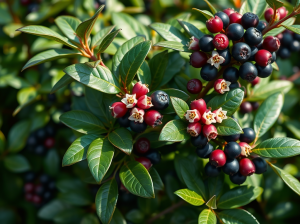
          Currants are small, tart berries that belong to the Ribes genus. They come in several varieties, including black, red, and white currants. Black currants (Ribes nigrum) are rich in antioxidants, vitamin C, and anthocyanins, making them highly valued for their health benefits. Red and white currants (Ribes rubrum) have a slightly milder flavor and are often used in jams, jellies, and desserts.

          Currants are distinct from dried currants found in baking, which are actually dried Corinth grapes, similar to raisins but much smaller.

          Given your interest in fruits and their historical significance, currants have a fascinating past in both medicine and culinary traditions.

          Black currants, for instance, were widely used in European herbal remedies for centuries, prized for their high vitamin C content and antioxidant properties. During World War II, black currant syrup was even distributed in the UK to prevent scurvy, as citrus fruits became scarce.

          Red currants were similarly used in folk medicine for their supposed benefits in digestion and skin health. Their tartness comes from natural acids, which were believed to aid in stimulating appetite and metabolism.

          Anthocyanins are a group of antioxidants responsible for the red, purple, and blue hues in many fruits and vegetables. They belong to the flavonoid family, which includes compounds found in tea, wine, and dark chocolate. These pigments not only contribute to vibrant colors but also offer potential health benefits, such as reducing inflammation and protecting against conditions like heart disease, cancer, and cognitive decline.

          Some of the richest sources of anthocyanins include:

          • Black currants (which you might find particularly interesting!)
          • Blueberries
          • Blackberries
          • Chokeberries
          • Red cabbage
          • Purple corn
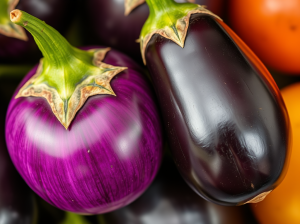
          • Eggplant skin
          • Black beans

          Anthocyanins also play a role in plant physiology, helping protect against environmental stressors like UV light and extreme temperatures. Their presence in autumn leaves contributes to the striking red and purple colors seen in fall foliage.

          Many fruits share a common set of benefits: antioxidants, anti-inflammatory properties, cardiovascular support, and digestive aids. This overlap largely stems from the shared evolutionary challenges that fruits have adapted to overcome. For example, antioxidants protect plant tissues from oxidative damage caused by sunlight and other environmental stressors. When we consume these compounds, they help counteract oxidative stress in our own cells, reducing the risk of chronic inflammation and heart disease.

          The anti-inflammatory benefits you notice are also common among fruits because many of the bioactive compounds, such as flavonoids and polyphenols, play dual roles. In the plant, they defend against pathogens and environmental stress; in our bodies, they help modulate inflammation pathways. Similarly, the fiber that many fruits provide supports digestive health, stabilizes blood sugar levels, and even contributes indirectly to cardiovascular well-being by helping to manage cholesterol levels.

          While the overall themes may be similar, each fruit brings a unique chemical signature to the table. For instance, black currants are particularly rich in vitamin C and specific anthocyanins, making them exceptional antioxidants that not only help with immune support but also provide a robust anti-inflammatory effect. In contrast, citrus fruits offer high vitamin C levels alongside other unique flavonoids that can promote cardiovascular health. This diversity emphasizes the importance of a varied diet when it comes to reaping all the different micronutrients and phytonutrients available in nature.

          These overlapping benefits illustrate why nutritionists often recommend a diet rich in a wide assortment of fruits. By doing so, you can experience a synergistic effect where each fruit’s unique set of compounds complements the others, enhancing overall health.

          When we talk about precautions with fruits, we’re really looking at practices that ensure you’re benefiting from their nutrients without exposing yourself to potential hazards. Here are several key precautions to consider:

          1. Proper Cleaning: Always wash fruits under running water before eating them, even if you’re planning to peel them. Washing removes surface dirt, bacteria, and pesticide residues that might cling to the skin. For fruits with firmer skins, a gentle brush can help remove any stubborn particles. Avoid using soap or chemical washes, as these are not designed for consumption.
          2. Safe Handling and Storage: Fruits should be inspected for signs of spoilage, such as bruises, mold, or soft spots that could harbor harmful microbes. When purchasing, select produce that appears fresh and store it according to its needs—many perishable fruits should be refrigerated promptly to prevent bacterial growth and preserve quality.
          3. Cross-Contamination Prevention: Keep fruits separate from raw meats, seafood, or other potentially contaminated foods during transport and storage. When preparing fruits for consumption, use clean utensils and cutting boards, and wash your hands thoroughly before and after handling them. This practice minimizes the risk of transferring pathogens from one food to another.
          4. Attention to Allergies and Sensitivities: While fruits are healthy for most people, some individuals might experience allergic reactions. Additionally, certain fruits have high acid content that can sometimes irritate sensitive digestive systems if consumed in very large amounts. It’s always a good idea to introduce new fruits gradually and monitor your body’s response.

          These precautionary steps help ensure that you enjoy the nutritional and health benefits of fruits, rich in antioxidants, vitamins, and fiber, while minimizing the risk of foodborne illness or adverse reactions.

        2. Cupuacu: The Amazonian Superfruit for Health and Beauty

          Cupuacu (Theobroma Grandiflorum) is native to the Amazon basin and has a long history of use by indigenous peoples.

          While the fruit as a wild species undoubtedly predates human intervention by millions of years, recent research indicates that the domestication process, when local communities began to selectively cultivate and value the fruit, may have started around 8,000 years ago. In some accounts, different phases of domestication even span from about 8,000 to 5,000 years ago, marking its importance in ancient South American cultures as both a nourishing food source and a plant with medicinal properties.

          Although cupuaçu is less known outside of its native region, within the Amazon, its unique flavor and nutritious profile (often described as a mix of chocolate, pineapple, and banana) made it a revered “food of the gods.” Indigenous traditions celebrated it not only for its culinary delights but also as a symbol of fertility and well-being. This rich historical background, combined with its status as a relative of the cacao tree, underscores the fruit’s deep-rooted cultural and nutritional significance.

          Building on this, modern research and culinary experimentation continue to unlock cupuaçu’s potential, for instance, in desserts, beverages, and cosmetic products due to its hydrating qualities. Its ancient domestication story highlights a remarkable example of long-term, sustainable interaction between humans and their environment, showing how a wild resource was transformed into a culturally important and versatile fruit.

          Cupuacu is available in the United States and appears in several forms, depending on what you’re looking for:

          Fresh or Processed Fruit Pulp: Some specialty distributors import Cupuacu as either fresh or frozen pulp. This form is ideal for use in smoothies, desserts, or for creating your own juices. The pulp captures the fruit’s unique taste—a blend of chocolate, pineapple, and banana notes—and is popular among culinary enthusiasts who experiment with exotic flavors.

          Supplement Capsules: There are products on the market that offer Cupuacu in capsule form, where the extract is concentrated for its nutritional benefits. These capsules are typically marketed for skin nourishment, heart health support, and energy boosts. This form offers a convenient way to incorporate the benefits of Cupuacu into your daily routine without having to source the raw fruit.

          Cosmetic and Processed Food Ingredients: Beyond direct consumption, Cupuacu is also used in the cosmetic industry. The seeds can be processed to extract Cupuacu butter, which is valued for its hydrating and emollient qualities, similar to cocoa butter. In the culinary world, the edible beans (or seeds) can be made into a sort of chocolate, providing a healthy twist on more traditional confections.

          Cupuacu is celebrated not only for its exotic, chocolate-pineapple flavor but also for its impressive nutritional profile and associated health benefits. Here are some key benefits drawn from both traditional uses and modern research:

          Powerful Antioxidant Support and Cardiovascular Health: Cupuacu is rich in antioxidants such as epicatechin and quercetin. These compounds help neutralize free radicals produced by environmental pollutants, cigarette smoke, and other stressors. Epicatechin, in particular, may improve blood flow, especially around the brain, which supports cognitive function, while quercetin is linked to improved heart and blood vessel health by aiding in the regulation of fat accumulation and glucose absorption. Additionally, the fiber in cupuacu might contribute to satiety, potentially supporting weight management strategies. These properties collectively suggest that cupuacu can be a beneficial component of a balanced diet focused on reducing oxidative stress and promoting cardiovascular well-being.

          There is a growing body of research that supports several of cupuacu’s health benefits, though it’s important to note that many of the claims come from early studies, traditional use, and laboratory research rather than large-scale human clinical trials. Here’s a closer look at some of the benefits that have received the most attention:

          Antioxidant and Cellular Protection: Cupuacu is rich in antioxidants—compounds like epicatechin and quercetin—that help neutralize free radicals. Laboratory studies have suggested that these antioxidants can reduce oxidative stress, which is linked to aging and a variety of chronic conditions. While these cellular-level effects are promising, the direct impact on long-term health in humans needs further clinical validation.

          Cardiovascular Support: Some preliminary research indicates that the polyphenols in cupuacu may support cardiovascular health by improving blood flow and potentially reducing LDL (bad) cholesterol levels. Compounds similar to those found in cocoa (a close relative of cupuacu) have been linked to benefits such as improved vascular function.

          However, while there is supportive in vitro and animal research, more definitive human studies are required to officially confirm these benefits as “proven”.

          Skin and Hair Health: One of the most extensively utilized forms of cupuacu is its extracted butter, which is highly valued in the cosmetic industry. Its fatty acid profile gives cupuacu butter superior moisturizing properties, helping to restore skin hydration and protect against environmental stressors. Some controlled studies suggest that it can improve skin elasticity and serve as an effective emollient, which is one of the more established benefits in both traditional use and clinical settings.

          Digestive and Nutritional Benefits: Cupuacu also contains dietary fiber, vitamins, and minerals that can contribute to overall nutritional health and help promote a feeling of fullness. These benefits, while common to many nutrient-dense fruits, add to their appeal as a healthful supplement to a balanced diet. Nonetheless, these effects are generally considered supportive rather than groundbreaking on their own.

            In summary, while the antioxidant properties and topical benefits of cupuacu are among its most compelling attributes, supported by both traditional usage and emerging research, the term “proven” is still cautiously applied because large-scale, rigorous human trials are limited

            Anti-Inflammatory and Immune System Benefits: The naturally occurring quercetin in cupuacu exhibits antibacterial and antiviral properties. These effects can help bolster the immune system and reduce inflammation, a key factor in many chronic diseases. The anti-inflammatory characteristics also make cupuacu a potential ally in maintaining overall health and guarding against conditions associated with systemic inflammation.

            Cosmetic and Topical Advantages: One of the most celebrated applications of cupuacu is in the form of cupuacu butter, which is extracted from its seeds. This butter is prized in the cosmetic industry for its exceptional moisturizing properties. Due to its unique composition comprising both saturated and unsaturated fatty acids, it helps lock in moisture, restore skin elasticity, and protect the skin from the damaging effects of ultraviolet radiation and environmental pollutants.

            Studies and traditional use have shown that cupuacu butter can be highly effective as a natural skin moisturizer and hair conditioner, making it a popular ingredient in creams, lipsticks, conditioners, and other beauty products.

              Cupuacu’s blend of internal and external benefits—from aiding brain and heart health to enhancing skincare regimes—illustrates its versatility as a superfruit. If you’re experimenting with new culinary ingredients or exploring natural skincare alternatives, cupuacu is a fascinating option to consider.

              Read More @ Webmd health-benefits-cupuacu

              Brain health. Cupuaçu has epicatechin, an antioxidant that’s also in cocoa and berries. Studies have found that epicatechin can improve blood flow, especially around the brain. Though more research is needed, this may have a number of benefits for cognitive health, especially in terms of memory and processing speed. 

                These varied forms make it easier for different consumers, whether you lean toward culinary experimentation, nutritional supplements, or natural skincare, to enjoy the benefits of this Amazonian superfruit.

                Cupuacu is related to cacao. Its fruit has a fleshy, white pulp with a chocolatey, fruity flavor, and is popular throughout Brazil. The seeds produce a rich fat used in cooking and cosmetic products.

                11 Incredible Cupuacu Butter Benefits read more@ @ cupuacu

                Cupuacu Butter benefits are a natural emollient and contains natural fatty acids, so it is a very effective moisturizer for dry and sensitive skin. It might be difficult to pronounce (for the record, it’s coo-pwah-soo), but it’s easy to see why cupuaçu butter is pretty much taking over the beauty world.

                While Cupuacu is celebrated for its nutritional and cosmetic benefits, there are still some important precautions and potential risks to keep in mind, as with any fruit:

                1. Digestive Discomfort from Overconsumption: Although cupuacu is generally well tolerated, eating it in large quantities may lead to mild digestive discomfort. This is largely due to its high fiber and natural sugar content, which can overwhelm your system if introduced too rapidly. Starting with small, moderate servings can help your body adjust and minimize any gastrointestinal upset.
                2. Potential Skin Sensitivity: Natural products like cupuacu—especially when used in their less-refined forms, such as raw fruit or cupuacu butter—can sometimes cause mild skin irritation in individuals with particularly sensitive skin. A simple precaution is to perform a patch test before using new cosmetic or topical products containing cupuacu extracts. This simple test can help you avoid unexpected irritation or allergic reactions 2.
                3. Allergic Reactions and Cross-Reactivity: While cupuacu is considered non-toxic, there’s always a small risk for others who have sensitivities or allergies to similar fruits or cacao (its close botanical relative). If you have known sensitivities or allergies in this fruit family, consulting with a healthcare provider before integrating cupuacu into your diet or skincare routine is a wise step.
                4. Quality and Source Considerations: As with any food or cosmetic ingredient, ensuring that you purchase cupuacu from reputable suppliers is essential. Proper processing, such as flash freezing or using high-quality extraction methods for cupuacu butter, helps maintain its beneficial properties while reducing risks of contamination or degradation. Relying on trusted sources can safeguard both your health and the integrity of any product you’re using.

                Overall, cupuacu is generally safe and non-toxic. However, these precautions highlight the importance of moderation and mindful use, whether you’re consuming it as part of your diet or applying it topically as a natural cosmetic. Being aware of your body’s reactions and starting slow when introducing any new food or skincare ingredient is a sensible approach.

                Cupuaçu butter can often serve as a substitute for cocoa butter, especially in cosmetic and skincare formulations.

                Both are derived from tropical trees with similar origins, but their fatty acid profiles differ, which in turn affects texture, absorption, and melting behavior. Here are a few points to consider:

                Fatty Acid Profile and Texture: Cocoa butter is higher in stearic acid, giving it a firmer consistency and a distinct, rich chocolate aroma. In contrast, Cupuaçu butter contains a higher proportion of oleic acid, which results in a lighter, more easily absorbed texture. This often makes Cupuaçu butter attractive for formulations where a non-greasy, fast-absorbing emollient is desired 2.

                Cosmetic Applications: In skincare, Cupuaçu butter’s lighter feel can be an advantage over cocoa butter, especially in products like moisturizers, creams, and lotions aiming for quick penetration and less residue. Its unique properties also lend themselves well to anti-inflammatory and hydrating benefits, making it a strong contender as an alternative to cocoa butter in many cosmetic recipes.

                Culinary Uses: In culinary applications, cocoa butter is prized not only for its texture but also for its ability to provide a stable fat with a consistent melting profile, particularly in chocolate production and confectionery. When substituting with Cupuaçu butter, you might notice subtle changes in flavor, melting point, and texture. It can offer a slightly different taste profile—sometimes described as having hints of fruitiness—that may complement certain recipes, though adjustments might be necessary to achieve the desired consistency in sweets or baking applications.

                  Overall, Cupuaçu butter works well as a substitute in many cases, but it’s important to consider the specific requirements of your formulation, whether for skin applications or culinary delights, and run small test batches to ensure the final product meets your expectations.

                  If you’re thinking about incorporating cupuacu into new recipes or experimenting with homemade skincare formulations, exploring further details on dosage, processing, and blends with other complementary ingredients could be really exciting.

                1. Kumquats: The Tiny Citrus Packed with Health Benefits

                  A cumquat, more commonly spelled kumquat, is a small, citrus fruit that resembles an orange but is much smaller, about the size of an olive.

                  The kumquat is believed to have originated in China, where it was known as “金橘” (gam gwat)—literally translating to “golden orange” because of its vibrant hue. European traders and missionaries encountered this intriguing fruit during their journeys to China, and they borrowed its Cantonese name into their own languages.

                  In fact, the term “kumquat” first appeared in English texts around the 1690s, marking its introduction into Western culinary and botanical lexicons as these explorers documented their exotic finds.

                  This early adoption not only highlighted the fruit’s unique appeal, stemming partly from its sweet, edible peel, as opposed to the tart flesh, but also set the stage for its gradual integration into diverse cuisines worldwide. The historical journey of the kumquat underscores a remarkable cultural exchange, blending Eastern traditions with Western curiosity.

                  The fact that the kumquat’s peel is sweet and entirely edible is one of the unique attributes that distinguishes it from other citrus fruits. In most citrus varieties, the peel is often either discarded or used just for zest because of its bitterness.

                  With kumquats, however, you get an added layer of flavor and nutrition by eating the whole fruit, combining the bright, floral sweetness of the peel with the tart, juicy flesh inside.

                  At the heart of their antioxidant prowess is vitamin C, a potent compound that helps neutralize free radicals, supports immune function, and assists in collagen production for healthy skin. Additionally, the kumquat’s edible peel is especially noteworthy for its high levels of flavonoids. These plant compounds work powerfully to scavenge reactive oxygen species, reducing oxidative stress and inflammation in the body.

                  What sets kumquats apart from other citrus fruits is that you actually consume the peel, which is a treasure trove of antioxidants such as flavonoids, phytosterols, and essential oils like limonene. While the juicy pulp delivers vitamin C, the sweet yet tart peel enriches the fruit with additional antioxidant compounds.

                  The synergistic effect of these nutrients not only contributes to cell protection but may also support cardiovascular health by helping to balance cholesterol levels. These combined actions can reduce the risk of chronic conditions and promote overall well-being by mitigating oxidative cellular damage.

                  Integrating kumquats into your diet means you’re harnessing a dual-action antioxidant defense: the vitamin C in the pulp and the rich flavonoid content in the peel work together to fight free radicals. This results in a dynamic, health-boosting effect from a fruit that packs a lot of power despite its small size. Whether you enjoy them raw, in marmalades and chutneys, or as part of a creative salad, kumquats offer not only a unique flavor profile but also an impressive health benefit that supports your body’s natural defenses.

                  High in Vitamin C: Kumquats are especially renowned for their high vitamin C content. This essential nutrient plays a crucial role in immune function, supports skin health by aiding collagen production, and acts as an antioxidant to protect your cells from free radical damage.

                  Rich in Dietary Fiber: The edible peel, coupled with the flesh, makes kumquats an excellent source of dietary fiber. Fiber not only aids digestion by promoting regular bowel movements but also helps manage cholesterol levels and contributes to maintaining steady blood sugar levels. This added fiber can make you feel full longer, which is a benefit for weight management.

                  Antioxidant Powerhouse: Beyond vitamin C, kumquats contain a variety of antioxidants, including flavonoids, phytosterols, and essential oils. These compounds help reduce inflammation, protect cells from oxidative stress, and may even lower the risk of chronic conditions such as heart disease and certain cancers.

                  Low in Calories and High in Hydration: Because about 80% of a kumquat’s weight is water, it’s a hydrating, low-calorie snack. This high water content, combined with fiber, can promote satiety, making kumquats an ideal option for those looking to manage their calorie intake or lose weight.

                  Additional Vitamins and Minerals: Kumquats contribute small but beneficial amounts of vitamin A, which supports vision and immune health, along with essential minerals like calcium and manganese. These nutrients work together to support overall well-being.

                    Incorporating kumquats into your daily diet can be as simple as enjoying them raw, tossing them into salads, or even using them in creative recipes like tangy marmalades or savory chutneys. Their unique blend of a sweet edible peel and tart flesh provides a dynamic flavor profile along with these potent health benefits.

                    Most people can safely enjoy kumquats, but there are a few situations where caution is advised.

                    Individuals with Sensitive Stomachs or GERD: Kumquats have a high acid content, which might aggravate conditions like acid reflux or gastroesophageal reflux disease (GERD). If you’re prone to heartburn or have a sensitive digestive system, the acidity could potentially cause discomfort.

                    Those with Citrus Allergies: Since kumquats belong to the citrus family, those who are allergic to other citrus fruits, such as oranges, lemons, or limes, might also react to kumquats. This can sometimes manifest in symptoms like oral allergy syndrome or more severe allergic reactions in sensitive individuals.

                    Individuals on Certain Medications: Some medications can interact with compounds found in citrus fruits. Although kumquats are not as notorious as grapefruit for this, if you are taking medications that have known interactions with citrus, it’s wise to consult with your healthcare provider before incorporating kumquats regularly into your diet.

                    People with Diabetes or Blood Sugar Concerns: While kumquats are nutritious and high in fiber, they do contain natural sugars. Those who need to regulate their blood sugar levels should take care to monitor their intake and consider portion sizes.

                      Understanding these cautions can help you or others determine whether kumquats are a good fit for your diet. Have you or someone you know experienced discomfort with acidic foods before, or are you curious about using kumquats in a way that minimizes these concerns?

                      Health Benefits:webmd.com

                      Vitamin CSince your body doesn’t make it naturally, you have to get vitamin C from food — like kumquats — or tablets. It’s important for:

                      • Blood vessels, which carry blood to your tissues and organs
                      • Cartilage, a tough but flexible tissue in your body
                      • Muscle
                      • Collagen, a protein in bones that plays a role in bone health
                      • Healing

                      Read More @ Healthline.com

                      You get more fiber in a serving of them than in most other fresh fruits Kumquat nutrition

                      A 100-gram serving (about 5 whole kumquats) contains (2):

                      • Calories: 71
                      • Carbs: 16 grams
                      • Protein: 2 grams
                      • Fat: 1 gram
                      • Fiber: 6.5 grams
                      • Vitamin A: 6% of the RDI
                      • Vitamin C: 73% of the RDI
                      • Calcium: 6% of the RDI
                      • Manganese: 7% of the RDI

                      Kumquats also supply smaller amounts of several B vitamins, vitamin E, iron, magnesium, potassium, copper, and zinc.

                      This blend of culinary, historical, and ornamental qualities makes the cumquat a fascinating little citrus with more surprises than meets the eye.

                    1. The Health Benefits of Crab Apples You Didn’t Know

                      Crab apples are a fascinating and often misunderstood fruit. They’re essentially smaller varieties of apples—typically those with fruits less than 2 inches in diameter—which many people regard more as ornamental because of their beautiful blossoms and striking autumn hues. However, despite their tart flavor that might seem off-putting at first, they are completely edible and offer a surprising range of nutritional benefits.

                      From a health perspective, crab apples are an excellent source of vitamin C. For instance, even a small serving contributes to the immune system, aids in collagen production, and assists in iron absorption.

                      Beyond vitamin C, they contain a rich array of antioxidants, including quercetin, catechin, and chlorogenic acid. These antioxidants help neutralize free radicals in the body, potentially reducing inflammation and lowering the risk of chronic diseases like heart disease and diabetes.

                      Some interesting early research even indicates that the polyphenols in crab apples may help protect heart health by reducing blood pressure and LDL (“bad”) cholesterol levels.

                      Another notable aspect is that crab apples are naturally high in pectin—a type of soluble fiber that not only helps maintain healthy cholesterol levels but also acts as a prebiotic, feeding the friendly bacteria in your gut.

                      The fruit’s tart taste means it’s less commonly eaten raw. Still, many creative cooks transform it into jellies, sauces, and even ciders, thereby harnessing these nutritional benefits while balancing its sharp flavor.

                      In essence, crab apples are much more than an ornamental tree’s showpiece. They embody a blend of beauty and utility, offering both visual delight and tangible health benefits that, if incorporated appropriately, can enrich your diet.

                      Next time you pass by a crab apple tree in bloom, consider it not just for its aesthetic appeal but for its potential to add a nutritious punch to your culinary endeavors.

                      Crab Apples are high in pectin, which is a natural water-soluble fiber found in the cell walls of many plants, particularly abundant in fruits like apples, citrus, and even crab apples. Chemically, it is a complex polysaccharide, which means it’s composed of long chains of sugar molecules. One of pectin’s remarkable qualities is its ability to form a gel when heated with water in the presence of sugar and acid. This gelling action is why pectin is such a popular ingredient in making jams, jellies, and other fruit preserves—it helps set these mixtures into a firm, spreadable consistency.

                      Beyond its culinary uses, pectin offers several potential health benefits. As a form of soluble fiber, it can aid in digestion by promoting regular bowel movements and supporting gut health, largely because it acts as a prebiotic, feeding beneficial gut bacteria. Additionally, pectin may help lower LDL (‘bad’) cholesterol by binding with cholesterol in the digestive tract and preventing its absorption. Its ability to slow down the absorption of sugars can also contribute to improved blood sugar control, making it a useful component in a balanced diet.

                      Historically, the name “pectin” comes from the Ancient Greek word pēktikos, meaning “congealed” or “curdled”, which perfectly captures its gelling properties. Today, pectin is commercially extracted—mostly from citrus peels and apples—and is available as both a powder and a liquid, ensuring that it’s accessible for both industrial and home culinary applications.

                      Another great thing about the crab apple chlorogenic acid is one of the standout compounds that makes crab apples not just a pretty sight but also a functional food. In essence, chlorogenic acid is a natural antioxidant polyphenol found in many fruits (and, famously, in coffee), and it plays a key role in neutralizing free radicals that can otherwise contribute to inflammation and oxidative stress.

                      This antioxidant capacity supports overall cellular health, which can help reduce the risk of chronic issues like cardiovascular disease and type 2 diabetes.

                      But that’s not all. Chlorogenic acid also appears to influence carbohydrate metabolism by slowing the breakdown of complex carbohydrates, potentially moderating blood sugar levels post-meal. This property is one of the reasons why research has explored its potential for aiding in weight management and improving glycemic control. Additionally, its anti-inflammatory actions may further support heart health by helping to regulate blood pressure and reduce LDL cholesterol levels.

                      When you consider that crab apples already offer a mix of vitamin C, pectin, and other antioxidants like quercetin and catechin, the presence of chlorogenic acid adds yet another layer of nutritional and functional value. Although crab apples can be quite tart when eaten raw, many innovative recipes transform them into jellies, sauces, or even ciders, making it easier to enjoy their unique flavor and health perks without the sharp tang.

                      Read more on pectin @ healthline.com

                      Special Precautions and Warnings WebMD

                      When taken by mouth, Pectin is commonly consumed in food amounts. It is possibly safe when used in larger amounts for up to one year. It’s usually well-tolerated. Side effects might include diarrhea, gas, and stomach cramps.


                      Pregnancy and breastfeeding: Pectin is commonly consumed in foods. It is possibly safe when taken by mouth in larger amounts.

                      Children: Pectin is commonly consumed in foods. It is possibly safe when taken by mouth in larger amounts, short-term.

                      Allergy to cashew: Pectin might cause allergic reactions in people who are allergic to cashew.

                      Read more: Webmd

                    2. Coconuts: Nature’s Nutritional Powerhouse

                      Almost everyone has heard of a coconut, but did you know that there’s so much more to this tropical wonder than its familiar shell? For starters, despite its name, the coconut isn’t actually a true nut—it’s classified botanically as a drupe, a fruit with a hard outer layer that encloses both a seed and a fibrous husk.

                      This unique classification is just one of many fascinating facets of the coconut. Its unparalleled versatility is evident in how every part of the coconut palm is utilized: from the water inside, which is naturally replete with electrolytes and has even been used in emergency medical contexts, to the creamy flesh that transforms into coconut milk and oil, each component plays a crucial role in culinary, medicinal, and even industrial applications.

                      Another striking aspect is the coconut’s remarkable ability to traverse the oceans. Coconuts can float for long periods, enabling them to travel vast distances and colonize distant shores—an evolutionary marvel that has contributed to the wide distribution of the coconut palm across tropical regions.

                      This trait, coupled with its myriad uses, has earned the coconut palm the title “Tree of Life” in many cultures. Its significance extends into traditional medicine, where coconut derivatives are valued for their antimicrobial properties, and into sustainable practices, where even the husk and shell are repurposed into eco-friendly materials and crafts.

                      Coconuts are a nutritional powerhouse, offering a wide range of health benefits through their various forms—from coconut water and meat to oil and milk. Here’s a detailed look at the benefits:

                      Nutrient-Dense Composition

                      Coconut meat is rich in dietary fiber, essential vitamins, and minerals like manganese, copper, and iron. One of the distinguishing features is its high fat content, primarily in the form of medium-chain triglycerides (MCTs).

                      Unlike long-chain fats, MCTs are rapidly absorbed and transported directly to the liver to be used as a quick energy source. This unique fat composition can aid in weight management, as these fats are less likely to be stored in the body compared to longer-chain fatty acids.

                      Coconut Water for Hydration and Electrolyte Balance

                      Coconut water is celebrated for its natural electrolyte content, particularly potassium, magnesium, and sodium. It serves as an excellent rehydration beverage—ideal for replacing lost fluids and electrolytes after exercise or on hot days. This hydrating property makes it popular among athletes and anyone looking for a natural alternative to commercial sports drinks.

                      Antimicrobial and Immune-Supporting Properties

                      Coconut oil contains lauric acid, a medium-chain saturated fat that the body converts into monolaurin. Monolaurin is known for its antimicrobial properties, which can help in fighting off certain bacteria, viruses, and fungi. This mechanism not only offers potential support for the immune system but also has led to the use of coconut oil in various topical applications for skin health.

                      Antioxidant Benefits

                      Coconuts—whether through their water, meat, or oil—provide antioxidants, including various phenolic compounds. These antioxidants help combat oxidative stress by neutralizing free radicals, which are implicated in cellular damage and chronic inflammation. Regular consumption of coconut products may, therefore, contribute to long-term cellular health and help reduce the risk of certain chronic diseases 3.

                      Considerations for Cardiovascular Health

                      It’s worth noting that coconut meat and oil are high in saturated fats. Though the MCTs within coconut oil are metabolized differently and might even help boost HDL (“good”) cholesterol, excessive intake of saturated fats may raise concerns for those with existing cardiovascular issues. Moderation is key; balancing coconut products within an overall heart-healthy diet is important, especially since research on the long-term impact of these fats remains dynamic 3.

                      In summary, coconuts offer a multifaceted range of benefits, from providing hydration and essential nutrients to offering antimicrobial and antioxidant protection. They can be a valuable addition to one’s diet, whether enjoyed as a refreshing drink, a culinary ingredient, or even applied for skin health.

                      What Is a Coconut?

                      Read More: WebMD A coconut is the fruit of the coconut tree. The coconut has three layers. The outermost layer, usually smooth and green in color, is called the exocarp. The next layer is a husk with fibers called the mesocarp. The inner layer, called the endocarp, is hard and brown with three spots or “eyes” on the shell. In the U.S., only the endocarp is sold in grocery stores. It takes 11-12 months for a coconut to fully mature into an endocarp.

                      Healthline: Low in carbs and high in fiber and fat, coconut is a great choice if you’re on a low-carb, paleo, or gluten-free diet. It may help promote blood sugar control, contains powerful antioxidants, and also has antibacterial effects. healthline.com

                      Coconuts are already celebrated for their hydration properties and nutritious profile, but beyond the well-known benefits lie several lesser-known advantages that might catch you by surprise:

                      1. Oral Health and Oil Pulling While many enjoy coconut oil for cooking, a traditional Ayurvedic practice called oil pulling leverages its unique antimicrobial properties. Swishing a tablespoon of coconut oil in your mouth for about 10–15 minutes can help reduce harmful oral bacteria, decrease plaque accumulation, and may even improve gum health. This simple practice not only freshens breath but can also lead to reduced inflammation in the mouth—a benefit that isn’t as widely talked about as coconut’s culinary uses2.
                      2. Enhanced Cognitive Function via MCTs The medium-chain triglycerides (MCTs) in coconut oil are rapidly metabolized by the liver into ketone bodies, an alternative energy source for your brain. Emerging research suggests that these ketones may help support cognitive functions and provide an energy boost during periods of low blood sugar. Although still under investigation, this mechanism is garnering attention for its potential to support brain health and possibly aid in managing neurodegenerative conditions3.
                      3. Gut Microbiome Support Coconut oil contains lauric acid, which, when converted to monolaurin, exhibits antimicrobial properties that can help regulate the gut flora. By potentially reducing the overgrowth of harmful bacteria and pathogens, coconut oil may contribute to a healthier balance within the digestive system—a subtle benefit that extends beyond its role as a source of energy. This modulation of gut bacteria might lead to improved digestive health and even support the immune system.
                      4. Skin and Wound-Healing Properties Applied topically, coconut oil isn’t just a moisturizer. Its blend of antioxidants and anti-inflammatory compounds can accelerate wound healing, soothe irritated or inflamed skin, and even help manage conditions like dermatitis. By creating a protective barrier, it retains moisture and shields the skin from environmental stressors, offering benefits that go far beyond traditional moisturizing effects.
                      5. Improved Nutrient Absorption The healthy fats in coconut products, especially coconut oil, enhance the absorption of fat-soluble vitamins (A, D, E, and K) from other foods. This means that including a bit of coconut oil in your meals can indirectly boost your uptake of these essential nutrients, supporting overall nutritional balance in a subtle yet impactful way.
                      6. Mitochondrial Support and Metabolic Boost There’s growing interest in how the rapid metabolism of MCTs can benefit cellular energy production. Some emerging studies suggest that these fats may enhance mitochondrial function, offering a quick energy source for cells. This could translate into improved overall energy levels and might even contribute to better metabolic health—a benefit that’s still not as widely advertised as, say, coconut water’s electrolytes.

                      While these benefits are promising, it’s important to remember that most of these effects can be subtle and might vary from person to person. Incorporating coconut products in moderation—as part of a balanced diet—can allow you to enjoy both the well-known and the lesser-known perks.

                      Coconuts are a versatile food, but like any dietary component, it’s important to be mindful of a few precautions to ensure you gain the benefits without any unintended side effects.

                      1. Allergic Reactions. While coconut allergies are relatively uncommon, they can manifest in some individuals. Symptoms may include skin rashes, itching, or more severe reactions as difficulty breathing. If you’re prone to allergies—especially to tree nuts or related plant products—it’s best to introduce coconut slowly into your diet or consult with an allergist before consuming significant amounts. 2
                      2. Saturated Fat Content and Cholesterol Concerns: Coconut meat and coconut oil are high in saturated fats. While the medium-chain triglycerides (MCTs) in coconut oil are metabolized differently than other saturated fats, they can still impact cholesterol levels. If you have existing heart conditions or concerns about cholesterol, moderation is key. For those particularly watching their lipid profile, forms like coconut flour, which has much of the fat removed, might be a more heart-friendly option. 3
                      3. Digestive and Caloric Effects Due to its fiber and fat content, eating large quantities of coconut products can sometimes lead to digestive discomfort, such as bloating or diarrhea. Moreover, the calorie density of coconut meat and coconut oil means that excessive consumption might contribute to an unwanted caloric surplus, which is worth considering if you’re monitoring your weight and overall calorie intake.
                      4. Medication Interactions and Blood Sugar Control Coconut products—particularly coconut water and meat—contain natural sugars and fats that can influence blood sugar levels. For individuals managing diabetes or those taking medications that affect glucose control, it’s important to monitor their blood sugar when incorporating coconut products into their meals. In some cases, coconut might enhance the effects of antidiabetic drugs, potentially leading to hypoglycemia if not balanced properly.
                      5. Considerations for Pregnancy and Medical Conditions Although coconuts are widely consumed as food, there is limited evidence regarding the use of concentrated coconut products (like supplements) during pregnancy or breastfeeding. To stay on the safe side, many experts recommend sticking to typical food amounts rather than high medicinal doses, especially if you have underlying health conditions.

                      Enjoying coconuts as part of a balanced diet can be very beneficial, but keeping these precautions in mind helps ensure you reap the advantages safely.

                    3. Cloudberries: A Nutritional Treasure from the Arctic

                      Cloudberry is a delightful wild berry prized for its unique, tangy-sweet flavor and vibrant golden-orange color. Grown in cold, northern regions like Scandinavia, Canada, and Alaska, these berries thrive in arctic and subarctic environments where they’re handpicked from the wild. Their flavor—a blend of sweet, tart, and honeyed notes, reminiscent of raspberries and apples—makes them a culinary treasure, particularly because they aren’t widely cultivated commercially due to the strict conditions they require. Their unique taste and nutritional benefits make them more than just a food item—they’re a gateway to experiencing the interplay between nature, culture, and cuisine.

                      Cloudberries are incredibly versatile. They’re most famously transformed into exquisite jams and preserves, thanks to their high nutritional profile that includes an impressively high amount of vitamin C. Beyond jams, they’re used in creating marmalades, sauces, teas, crumbles, muffins, parfaits, and other innovative desserts. These preparations not only extend the shelf life of the delicate berries but also highlight their distinctive flavor, making them a prized ingredient in both sweet and savory dishes—an appreciation that’s especially prominent in Scandinavian culinary traditions where a bountiful cloudberry harvest is celebrated as a “golden year.”

                      Cloudberries are not only a culinary delight but also a nutritional powerhouse with several impressive health benefits:

                      1. Rich in Antioxidants and Vitamin C Cloudberries boast an outstanding amount of antioxidants, including high levels of vitamin C, ellagic acid, and anthocyanins. Vitamin C is vital for strengthening the immune system, supporting collagen production (thereby contributing to healthy skin), and aiding in the absorption of iron. In fact, cloudberries have been noted to contain even more vitamin C than some well-known citrus fruits, making them a potent natural remedy for combating oxidative stress and maintaining cellular integrity.
                      2. Excellent Source of Dietary Fiber The berries are packed with both soluble and insoluble fiber. This dual fiber profile helps promote a healthy digestive system by regulating bowel movements and enhancing gut health. The soluble fiber component supports steady blood sugar levels and prolonged fullness, which can be beneficial for weight management and cholesterol regulation. Incorporating cloudberries into your diet can be a delicious way to support overall digestive well-being 2.
                      3. Loaded with Essential Vitamins and Minerals. Beyond vitamin C, cloudberries provide other essential nutrients, including vitamin A and vitamin E. Vitamin A is crucial for maintaining proper vision and supporting immune function, while vitamin E works as an antioxidant, protecting cells from damage. Additionally, minerals like potassium and magnesium present in cloudberries play key roles in supporting heart health, muscle function, and overall electrolyte balance.
                      4. Potential Benefits for Cognitive Function and Bone Health Preliminary insights and traditional use suggest that the unique combination of antioxidants, fiber, vitamins, and minerals in cloudberries may also support cognitive function and promote bone health. Although more definitive research is warranted in these areas, the overall nutrient-rich profile of cloudberries makes them a valuable addition to a balanced, health-conscious diet.

                      In summary, savoring cloudberries—whether fresh, as part of a smoothie, or in a variety of jams and sauces—offers not just a burst of unique, tangy flavor but also a host of health benefits that bolster your immune system, support healthy digestion, and contribute to overall well-being.

                      Cloudberries, scientifically known as Rubus chamaemorus, are exquisite and unique berries that thrive in the cold and damp regions of the Northern Hemisphere. These delectable orange-hued gems are renowned for their distinctive taste, combining the sweetness of raspberries with a hint of tartness. As a rich source of essential nutrients, cloudberries contribute not only to culinary delights but also to the promotion of overall health. READ MORE: Cloudberries

                      Cloudberries offer a fascinating antioxidant profile—a veritable arsenal of bioactive compounds that work synergistically to protect your cells from oxidative stress. Let’s break down the key antioxidants found in these wild berries and what they mean for your health: Ellagitannins and Ellagic Acid: Natural Protectors

                      Beyond vitamin C, cloudberries contain complex polyphenolic compounds like ellagitannins. When digested, these ellagitannins metabolize into ellagic acid, a compound that has shown promise in protecting against cellular damage, reducing inflammation, and even helping to mitigate the risk of cancer by interfering with free radical-induced DNA damage. The robust presence of these compounds in cloudberries can be partly attributed to the harsh, high-stress Arctic environments in which they grow—conditions that encourage the synthesis of potent protective chemicals2.

                      Carotenoids and Other Polyphenols: The Colorful Defenders

                      The vibrant, golden-orange hue of cloudberries isn’t just for show; it hints at the presence of carotenoids, which are fat-soluble antioxidants that can be converted in the body to vitamin A. Carotenoids help protect cells from light-induced damage and support overall eye and immune health. Additionally, cloudberries contain other polyphenols like flavonoids and quercetin, which help further neutralize free radicals and reduce chronic inflammation—a key factor in many degenerative diseases2.

                      How These Antioxidants Work Together

                      The beauty of the antioxidant profile in cloudberries lies in the synergistic effect of these compounds. While vitamin C works rapidly to neutralize free radicals in your bloodstream, ellagitannins and carotenoids offer longer-term cellular protection. This combination not only helps reduce immediate oxidative damage but also supports long-term health by preventing the chronic low-level inflammation that can lead to conditions like heart disease and age-related cognitive decline.

                      Why It Matters

                      Regular consumption of cloudberries, even in modest amounts, can be an enjoyable way to harness these benefits. The antioxidants in cloudberries help reduce oxidative stress and inflammation. This natural defense supports everything from skin health to improved immune responses and even a lower risk of chronic diseases. Given that oxidative damage is a common pathway for many age-related conditions, including these potent natural compounds in your diet, can be a proactive step toward longevity and overall vitality.

                      Precautions with cloudberries

                      While cloudberries are celebrated as a nutritious and safe wild fruit, it’s wise to be mindful of a few precautions when handling and consuming them:

                      1. Mild Skin Irritation: When foraging or handling cloudberries, some individuals may experience mild skin irritation, likely due to contact with the plant’s stems or leaves. Using gloves while picking or handling them can minimize this risk, especially if you have sensitive skin.
                      2. Digestive Discomfort from Overconsumption: Although cloudberries provide an excellent source of vitamin C, antioxidants, and fiber, consuming them in excessive quantities might lead to minor digestive disturbances. Their high fiber content, in particular, means that moderation is key to avoiding potential stomach upset.
                      3. Proper Identification: If you’re foraging, ensure that you learn to correctly identify cloudberries. Wild foraging can pose a risk if mistaken for other similar-looking berries that might not be safe to eat. Familiarize yourself with the plant’s distinctive features and, if possible, forage with someone knowledgeable.
                      4. Allergy Considerations: While rare, it’s conceivable that some people might have sensitivities or allergies to cloudberries or related species. If you’re trying them for the first time, consuming a small amount initially can help you gauge your body’s reaction.

                      Overall, cloudberries are safe for most people when handled and consumed mindfully. These precautions are standard for many wild fruits and simply help ensure that you can enjoy their unique taste and health benefits without any unwanted side effects.

                      Read More: nutritionadvance.com

                      Cloudberries are a little-known berry with a unique appearance and an amber salmon-like color.

                      These berries also taste delicious and offer a reasonably impressive nutrition profile.