I’m Brinder, a visionary curator and founder of EJADA Specialty Merchandise, ZAREL, and BJG DESIGNS. My entrepreneurial journey began in March 1996, starting with catalog sales and evolving into dropshipping, e-commerce, and creative direction. Through every chapter—whether facing health challenges, competing against larger companies, or refining my craft—I’ve carried forward the wisdom my father shared before he passed: “Everything is just a dream away.”
✨ EJADA Specialty Merchandise
Founded in honor of my father, EJADA represents resilience and legacy. It’s a testament to never giving up, even when life placed obstacles in my path.
🌱 ZAREL
ZAREL continues that legacy with renewal and growth. It embodies creativity, fair pricing, and quality products designed to stand out in a world of mass production. ZAREL is proof that persistence and vision can transform challenges into opportunities.
🎨 BJG DESIGNS
BJG DESIGNS is the creative force behind bold typography, motivational one-liners, and signature motifs. Available on t-shirts, hoodies, sweatshirts, color-changing mugs, accent mugs, hats, and cinch backpacks, BJG DESIGNS gives customers a wide choice of selection while staying true to uniqueness and style.
💡 My Philosophy
I believe in quality, uniqueness, and fair pricing. I believe in building products that carry meaning. Most importantly, I believe with Family and Friend Support, this year could be the turning point—a year where resilience becomes renewal, and where every dream moves closer to reality.
Together, EJADA, ZAREL, and BJG DESIGNS show that with resilience, vision, and community, everything truly is just a dream away
Hackberry: The Forgotten Superfruit with Ancient Roots
Move over, goji and acai—there’s a wild fruit that’s been quietly thriving across continents for millennia, and it’s time we gave it the spotlight it deserves. Meet the hackberry: a rugged, resilient tree whose sweet, crunchy fruits were once a staple in Indigenous diets and survival strategies.
🍇 What Is Hackberry?
Hackberries (genus Celtis) are small, dark-purple drupes that grow on hardy trees found across North America, Europe, and Asia. Though often overlooked today, these fruits were revered by Native American tribes like the Apache, Sioux, and Comanche—not just for their taste, but for their incredible nutritional and medicinal value.
🧬 Nutritional Powerhouse
Don’t let their size fool you. Hackberries pack a punch:
High in fat and protein—rare for a fruit!
Rich in calcium, phosphorus, and iron
Loaded with antioxidants and fiber
Naturally sweet with a nutty, date-like flavor
Indigenous peoples often ground them into energy-rich pastes or mixed them with meat and fat to create pemmican—a high-calorie survival food that could last for months.
🌿 Medicinal & Cultural Significance
Medicinal Uses of Hackberry: Ancient Remedies, Modern Relevance
Cited Health Benefits of Hackberry
Hackberry (Celtis occidentalis and related species) has long been valued for its medicinal properties, and modern research is beginning to validate what Indigenous healers knew all along.
🏹 Traditional Uses (Indigenous Knowledge)
Native American tribes used hackberry to treat:
Colds, sore throats, and coughs
Digestive issues like diarrhea, dysentery, and colic
Wounds and inflammation using bark infusions
Menstrual irregularities with inner bark preparations
These remedies were often combined with other herbs or animal fats to enhance their potency and shelf life.
🧪 Modern Scientific Insights
Contemporary studies and herbalists have identified several key health benefits:
Benefit
Mechanism
Antioxidant activity
Rich in polyphenols that neutralize free radicals, reducing aging and cancer risk.
Anti-inflammatory effects
Bark and fruit extracts reduce inflammation and support immune function
Digestive support
Helps regulate gut motility and soothe gastrointestinal discomfort4
Cardiovascular health
It may help lower cholesterol and support blood pressure regulation
Cytotoxic properties
Potential to inhibit abnormal cell growth, under study for cancer applications
Menstrual regulation
Traditional use for balancing female reproductive health
Hackberry wasn’t just survival food—it was a functional medicine cabinet in the wild. Native American tribes like the Houma, Apache, and Sioux used various parts of the tree for healing:
Bark decoctions: Used to treat sore throats, venereal diseases, and respiratory infections
Fruit pulp: Consumed to relieve digestive issues, including colic, diarrhea, and dysentery
Inner bark: Applied as an astringent for wounds and used to regulate menstrual flow
Infused leaves: Taken as a tea for indigestion and fever
These remedies were often combined with other natural ingredients like powdered shells or herbs, showcasing a deep understanding of synergistic healing.
🧪 Modern Herbal and Nutritional Insights
Today, herbalists and foragers are rediscovering hackberry’s therapeutic potential:
Antimicrobial & Astringent: Supports gut health, skin healing, and immune defense
Cardiovascular support: May help lower cholesterol and regulate blood pressure
Skin health: Topical applications of hackberry extract are used for eczema, rashes, and inflammation
Rich in calcium: With up to 160x more calcium than the average wild fruit, it supports bone health and muscle function
⚖️ Bridging Tradition and Science
Hackberry’s medicinal legacy is a powerful example of how Indigenous ecological knowledge aligns with modern science. Its resilience, nutritional density, and healing properties make it a wild superfruit worth reclaiming—not just for nostalgia, but for future-forward wellness.
Its ability to thrive in poor soil and harsh climates made it a metaphor for endurance—something we could all use a little more of.
🌍 Why Hackberry Matters Today
In an age of climate change and food insecurity, hackberry is a beacon of hope:
Drought-tolerant and low-maintenance
Supports pollinators and wildlife
Offers a sustainable, wild-harvested food source
It’s time to reclaim this ancestral fruit, not just as a curiosity, but as a living link to traditional ecological knowledge and a bold step toward food sovereignty.
💥 Hackberry Vitamins: Small Fruit, Big Impact
Hackberries may be tiny, but they’re loaded with essential vitamins that fuel the body and fortify the spirit. Here’s what makes them a nutritional powerhouse:
🧬 Key Vitamins in Hackberry
Vitamin
Function
Why It Matters
Vitamin C
Antioxidant, immune booster, collagen synthesis
Fights infections, supports skin health, and helps absorb iron
Vitamin K
Blood clotting, bone metabolism
Essential for wound healing and maintaining strong bones
B Vitamins
Energy production, brain function, red blood cell formation
Keeps your metabolism humming and your mind sharp
Vitamin A (beta-carotene)
Energy production, brain function, and red blood cell formation
Protects eyesight and supports mucosal barriers against pathogens
🌿 Why These Vitamins Count—Then and Now
Indigenous Use: Native peoples didn’t need a lab to know hackberries were healing. These vitamins helped them fight infections, recover from wounds, and survive harsh winters.
Modern Relevance: In today’s world of processed foods and nutrient depletion, hackberries offer a wild, whole-food source of vitamins that support:
Immunity and inflammation control
Skin and gut health
Bone strength and cardiovascular wellness
⚡ Bonus: Mineral Synergy
Hackberries also contain calcium, potassium, phosphorus, and iron, which work in tandem with these vitamins to:
Strengthen bones and teeth
Regulate blood pressure
Boost oxygen transport and energy levels
at all—hackberries are far from exclusive to the U.S. 🌍 These resilient trees grow across multiple continents and climates, making them a truly global species with deep cultural roots.
🌱 Where Hackberries Grow
🌎 North America
United States & Canada: Celtis occidentalis (Common Hackberry) is native to much of the U.S. and southern Canada. It thrives in prairies, woodlands, and urban landscapes.
Mexico: Several species, including Celtis pallida (Spiny Hackberry), are native to arid and semi-arid regions.
🌍 Europe & Asia
Europe: Celtis australis (European Hackberry or Nettle Tree) is native to the Mediterranean and Balkan regions. It’s found in countries like Italy, Serbia, Slovakia, France, and Germany.
Asia: Species like Celtis sinensis (Chinese Hackberry) are native to China, Korea, and Japan, often used in traditional medicine and urban greening.
How to Spot Hackberries: A Forager’s Field Guide
Hackberry trees (Celtis spp.) are surprisingly easy to identify once you know what to look for. Here are the key features:
🍂 Leaves
Shape: Ovate (egg-shaped) with a pointed tip
Edges: Finely toothed (serrated)
Base: Asymmetrical—one side of the leaf base is lower than the other
Arrangement: Alternating along the twig
Texture: Slightly rough or sandpapery to the touch
🌳 Bark
Color: Light gray to brown
Texture: Distinctive warty or corky ridges—often described as “warty bark” or “terraced”
Young trees: Smooth bark that becomes knobby with age
🍇 Fruit
Appearance: Small, round drupes (like tiny cherries), about the size of a pea
Color: Reddish-purple to dark purple or black when ripe
Taste: Sweet outer pulp with a hard seed inside
Season: Ripens in late summer to early fall and often stays on the tree through winter
🌿 Bonus Clues
Hackberry nipple galls: Small bumps on leaves caused by insects—harmless but distinctive
Twigs and buds: Small, closely attached buds with zigzagging twigs
Want a Visual Guide?
Check out these excellent videos for hands-on ID tips:
Resistant to urban pollution, making them ideal for city planting
Culturally significant in many regions, from Native American pemmican to Mediterranean folklore
✅ Generally Safe for Most People
Ripe hackberries are safe to eat for most individuals when properly identified and consumed in moderation. The fruit is non-toxic and has been consumed for centuries by Indigenous peoples and foragers alike.
🍇 Safety Guidelines for Consumption
To ensure a safe experience:
Correct identification is crucial: Hackberries can resemble other berries that may be toxic. Always confirm the species (Celtis occidentalis, Celtis australis, etc.) before eating.
Harvest only ripe fruit: Look for dark purple to black berries that are slightly soft.
Wash thoroughly: Especially if harvested near roadsides or urban areas where pesticides or pollutants may be present.
Eat in moderation: Due to their high fiber content, overconsumption may cause mild digestive discomfort.
⚠️ Who Should Be Cautious?
Allergy-prone individuals: Those with known sensitivities to tree fruits or nuts should try a small amount first.
Pregnant or nursing women: While no specific risks are documented, it’s best to consult a healthcare provider before consuming wild fruits.
Children and immunocompromised individuals: Should consume only under supervision and with proper preparation.
🐾 Note on Animals
While hackberries are generally safe for humans, livestock and pets may experience adverse effects if they consume large amounts of leaves or bark due to compounds like triterpenoid saponins.
🌟 Final Bite: Reclaiming the Wild Wisdom of Hackberry
Hackberry isn’t just a fruit—it’s a story of survival, resilience, and ancestral knowledge. From Indigenous pemmican to modern permaculture, this humble drupe bridges the wisdom of the past with the needs of the future.
In a world hungry for sustainability, food sovereignty, and healing, hackberry reminds us that sometimes the most powerful remedies are the ones growing quietly in our own backyards.
So the next time you pass a gnarled tree with tiny purple fruit, pause. Taste. Remember. And reclaim the wild.
Meet the Hardy Kiwi: The Tiny Powerhouse That Laughs at Winter
Think kiwis are just tropical treats? Think again. The Hardy Kiwi (Actinidia arguta), also known as Arctic Kiwi or Kiwi Berry, is a cold-defying, grape-sized fruit that thrives in climates as frigid as -40°F. Native to Japan, Korea, and parts of Siberia, this vine is a botanical rebel—bringing tropical flavor to northern gardens.Historical Use of Hardy Kiwi
Modern Cultivation: While its commercial cultivation is relatively recent (20th century), its use as a wild edible fruit dates back much further in East Asian folk practices.
Cultural Origins: Native to Japan, Korea, Northern China, and the Russian Far East, hardy kiwi has been consumed for centuries in these regions. It was traditionally foraged in the wild and valued for its sweet, grape-like flavor and compact size.
Botanical Recognition: The species was first described in 1843 by botanists Philipp Franz von Siebold and Joseph Gerhard Zuccarini, and later classified under the genus Actinidia in 1867.
🌿 Why It’s a Game-Changer:
No fuzz, no fuss: Unlike its fuzzy cousin, you can pop these smooth-skinned berries straight into your mouth.
Nutrient-dense: Packed with vitamin C, B-complex, fiber, and antioxidants, it’s a superfruit in miniature form.
Vigorous & productive: Once established, a single vine can yield hundreds of berries each season.
Cultural roots: Revered in East Asian herbal traditions, hardy kiwi has been used to support digestion and vitality.Medicinal Use Through the Ages
Though most modern studies focus on the fuzzy kiwi (Actinidia deliciosa), hardy kiwi shares many of the same bioactive compounds and traditional uses:
Traditional Medicine: In East Asian herbal traditions, hardy kiwi and its relatives were used to:
Aid digestion and relieve gastrointestinal discomfort
Support liver function and detoxification
Alleviate inflammation and joint pain (e.g., in rheumatoid arthritis)
Treat hypertension and improve cardiovascular health3
Modern Insights: Research confirms hardy kiwi is rich in:Hardy Kiwi is gaining traction in the U.S. for its medicinal and nutritional potential, though it’s still considered a niche or novelty fruit in most markets.
Hardy Kiwi in U.S. Medicinal and Wellness Use
🧪 Nutritional & Medicinal Recognition
In the U.S., hardy kiwi (Actinidia arguta) is increasingly recognized for its health-promoting properties, particularly in natural health and permaculture circles:
Nutrient Density: Rich in vitamin C, folate, potassium, fiber, and antioxidants, it’s valued for supporting:
Immune health
Cardiovascular function
Digestive wellness
Anti-inflammatory effects
Bioactive Compounds: Like its fuzzy cousin (Actinidia deliciosa), hardy kiwi contains polyphenols, flavonoids, and pectin, which contribute to:
Gut health
Blood sugar regulation
Anti-aging and anti-cancer potential2
🌿 Functional Food & Herbal Interest
Natural health practitioners and functional medicine advocates in the U.S. are beginning to explore hardy kiwi as a functional food—a fruit that offers therapeutic benefits beyond basic nutrition.
It’s also being studied for its anti-inflammatory and antioxidant properties, especially about gut health and cardiovascular support.
🤯 Hardy Kiwi May Help Keep Your Blood Flowing Smoothly
Did you know that hardy kiwi contains natural compounds that may help reduce platelet aggregation, which is your body’s natural way of stopping bleeding. When a blood vessel is injured, platelets rush to the site and clump together to form a plug.
⚖️ Why It Matters:
✅ Normal aggregation = healthy healing
❌ Too much = risk of blood clots, heart attack, or stroke
🥝 Hardy Kiwi’s Hidden Talent:
Hardy kiwi contains enzymes like actinidin that may help reduce excessive platelet clumping, supporting healthy blood flow—a heart-smart benefit few people know about! The clumping of blood cells that can lead to clots?
This means it could support healthy circulation and reduce the risk of cardiovascular issues, much like aspirin—but in a juicy, bite-sized form!
🧬 Researchers have found that kiwi species, including Actinidia arguta, contain actinidin and other enzymes with anti-thrombotic properties, making this fruit a heart-smart snack.
⚠️ Disclaimer: While hardy kiwi may support cardiovascular health, always consult your healthcare provider before adding new foods to your diet—especially if you’re taking blood thinners or other medications.
📚 Research Spotlight: Hardy Kiwi in U.S. Studies
🧪 Nutritional & Medicinal Potential
Ohio State University conducted a cultivar trial from 2018–2020 to evaluate hardy kiwi as a viable specialty crop in Ohio. The study highlighted its high vitamin C content, antioxidant levels, and potential as a functional food.
Penn State University maintains a research plot of hardy kiwi at the Lake Erie Regional Grape Research and Extension Center. Their work focuses on cold-hardiness, sugar content (18–25% Brix), and varietal performance, especially the popular Annasara cultivar.
University of Minnesotahas been evaluating hardy kiwi for over 30 years, exploring its flavor profile, growing practices, and even its invasiveness potential in forested areas. Their research supports its use as a diversifying perennial crop with environmental and economic benefits.
🩸 Medicinal Insight (Emerging)
While most U.S. research focuses on cultivation, international studies (especially from Korea and China) have identified:
“While still emerging in mainstream U.S. wellness circles, hardy kiwi is quietly making its mark as a functional fruit, valued for its immune-boosting, gut-supportive, and anti-inflammatory properties. As interest in natural remedies and climate-resilient crops grows, this ancient East Asian vine is finding new life in American soil.”
🧑🌾 Permaculture & Regenerative Farming
Hardy kiwi is promoted in permaculture systems for its low maintenance, perennial growth, and high yield of nutrient-rich fruit.
Its cold-hardiness makes it a promising crop for climate-resilient agriculture in northern U.S. states like Michigan, Vermont, and Oregon.
🛠️ Grow It Like a Pro:
Zones: 3–8—yes, even Vermont winters can’t stop it.
Support: Needs a strong trellis or arbor—these vines are serious climbers.
Pollination: Plant both male and female vines for fruiting.
Harvest: Late summer to early fall—just when you need a burst of green energy.
🌱 Final Thought: A Fruit for the Future
From ancient forest floors in East Asia to modern regenerative farms in the U.S., the Hardy Kiwi is more than a novelty—it’s a symbol of resilience, adaptability, and untapped potential. Whether you’re a gardener, a wellness seeker, or a cultural explorer, this grape-sized powerhouse offers a delicious way to connect tradition with innovation.
As climate challenges grow and the search for functional foods intensifies, the hardy kiwi reminds us that sometimes the most powerful remedies come in the smallest, greenest packages.
Tucked deep in Hawaii’s misty upland forests grows a berry as bold as the land itself—ʻākala, the Hawaiian raspberry. More than just a fruit, it’s a living thread in the islands’ ecological and cultural fabric.
The Hawaiian Raspberry (ʻĀkala, Rubus hawaiensis) is not a cultivated species in the traditional agricultural sense. Instead, it is a wild, endemic plant that evolved naturally in the Hawaiian Islands. Here’s a deep dive into its history, uses, and cultural relevance.
🌿 ʻĀkala (Hawaiian Raspberry): History & Uses
🌺 Botanical & Cultural Identity
Scientific Name: Rubus hawaiensis
Common Names: ʻĀkala, Hawaiian raspberry, Hawaiian blackberry
Endemic to: Kauaʻi, Molokaʻi, Maui, Oʻahu, and Hawaiʻi Island
Habitat: Mesic to wet forests at elevations of 600–3,070 m (1,970–10,070 ft)2
📜 Historical & Mythological Significance
The name ʻākala means “pink” in Hawaiian, referring to the color of its juice.
In Hawaiian mythology, ʻākala is considered the land counterpart to limu kala, a sacred seaweed. Both are mentioned in the Kumulipo, the Hawaiian creation chant.
Early Hawaiians used berry juice as a natural dye for kapa (barkcloth), producing hues from pink to rose.
🧪 Medicinal & Practical Uses
Traditional Medicine: Used for its cooling and cleansing properties, though specific remedies are less documented than other native plants.
The Hawaiian Raspberry (ʻĀkala, Rubus hawaiensis) has a modest but meaningful history in traditional Hawaiian medicine.
🩺 Health Benefits
May reduce the risk of chronic diseases like cancer, diabetes, and Alzheimer’s (antioxidants)
Supports immune health and skin repair (Vitamin C)
Promotes heart health (Potassium, fiber, omega-3s)
Aids in blood sugar control (Low sugar + high fiber)
While it’s not as extensively documented as other native plants, its cooling and cleansing properties were recognized by early Hawaiians. Here’s a deeper look at its medicinal uses, along with insights from related wild raspberry species that share similar phytochemical profiles:
🌿 Medicinal Uses of Hawaiian Raspberry (ʻĀkala)
🧉 Traditional Hawaiian Uses
Cooling & Cleansing: ʻĀkala was used in traditional Hawaiian healing practices for its cooling effect, likely to soothe inflammation or heat-related conditions.
Natural Dye with Ritual Use: The juice was used to dye kapa (barkcloth), which had ceremonial and medicinal applications, suggesting a symbolic or energetic healing role.
🌍 Medicinal Insights from Wild Raspberry Relatives
Because ʻākala is a native raspberry, its phytochemical properties are likely similar to other Rubus species, especially wild raspberries like Rubus idaeus. These offer a broader understanding of its potential benefits:
Medicinal Property
Description
Anti-inflammatory
Contains anthocyanins and ellagic acid, which reduce inflammation and may help with arthritis, heart disease, and gut issues.
Astringent
Raspberry leaf tea is rich in tannins, and used to treat diarrhea, sore throats, and mouth ulcers.
Eye & Skin Health
Decoctions of raspberry leaves have been used as eye drops for conjunctivitis and wound washes.
Women’s Health
Raspberry leaf tea is traditionally used to tone the uterus and support menstrual and reproductive health. While this is more documented for Rubus idaeus, it may apply to ʻākala as well.
Antioxidant-Rich
High in vitamin C, phenolic acids, and flavonoids, which support immune health and may protect against cancer3.
🍵 How It Might Be Used
Infusion (Tea): Dried leaves steeped in hot water for 10–15 minutes. Used for:
Digestive issues
Menstrual support
Sore throats or mouth rinses
Topical Wash: Cooled tea is used for skin irritations or eye inflammation.
Juice: While tart, the juice may have been consumed or applied topically for its cooling and astringent effects.
🛠️ Practical Uses of Hawaiian Raspberry (ʻĀkala)
🎨 1. Natural Dye for Kapa (Barkcloth)
Traditional Use: Early Hawaiians used the juice of ʻākala to dye kapa, a barkcloth made from wauke (paper mulberry).
Color: Produced hues ranging from pink to rose, symbolically linked to the Hawaiian word ʻākala, meaning “pink.”
Cultural Role: These dyed cloths were used in ceremonial garments, offerings, and storytelling textiles.
🌿 2. Ecological Restoration
Forest Regeneration: ʻĀkala is being used to repopulate native forests, especially in areas like Poli Poli on Maui, after wildfires.
Soil Stabilization: Its root system helps prevent erosion in high-elevation, wet forest ecosystems.
Pollinator Support: Its flowers attract native Hawaiian pollinators, contributing to biodiversity.
🍓 3. Culinary Use (Limited but Notable)
Edibility: The fruit is large (up to 2 inches) and edible, though tart to mildly sweet.
Traditional Foraging: Historically foraged by Hawaiians, especially in upland regions.
Modern Use:
Occasionally made into jams, syrups, or desserts.
Used in native plant gardens for educational and culinary exploration.
🍵 4. Medicinal & Herbal Applications
Cooling & Cleansing: Traditionally used for cooling the body and possibly treating inflammation or heat-related ailments.
Leaf Tea: Like other Rubus species, the leaves may be brewed into a mild astringent tea for sore throats or digestive issues.
🏡 5. Native Landscaping & Education
Landscape Use: Grown in native gardens and restoration nurseries, especially on Hawaiʻi Island.
Educational Value: Used in cultural education programs to teach about native plants, sustainability, and traditional Hawaiian practices.
The Hawaiian Raspberry (ʻĀkala, Rubus hawaiensis) shares many of the same nutritional benefits as its more widely studied relatives like the red raspberry (Rubus idaeus). While specific lab analyses of ʻākala are limited, we can confidently infer its vitamin and nutrient profile based on its genus and structure.
🧬 Nutritional Profile of Hawaiian Raspberry (ʻĀkala)
🍓 Key Vitamins & Minerals (per 1 cup of red raspberries, approximate)🌱 Summary
ʻĀkala is a nutrient-dense, low-calorie fruit rich in vitamin C, fiber, manganese, and antioxidants. While not commonly cultivated, it holds significant potential as a functional food in both traditional and modern wellness contexts.
Nutrient
Amount (% Daily Value)
Benefits
Vitamin C
54% DV
Boosts immunity, supports collagen production, and acts as an antioxidant.
Manganese
41% DV
Supports bone health and helps regulate blood sugar.
Vitamin K
12% DV
Essential for blood clotting and bone metabolism.
Magnesium
7% DV
Supports muscle and nerve function.
Potassium
5% DV
Helps regulate blood pressure and heart function.
Fiber
8g (32% DV)
Boosts immunity, supports collagen production and acts as an antioxidant.
B Vitamins
4–6% DV
Includes folate, thiamine, and riboflavin—important for energy metabolism.
Antioxidants
High
Includes ellagic acid, quercetin, and anthocyanins, which protect against oxidative stress and inflammation.
🌿 Phytochemicals & Functional Compounds
Ellagic Acid: This may help prevent oxidative damage and support DNA repair.
Anthocyanins: Give the berry its pink to red-color and offer anti-inflammatory benefits.
Quercetin: A flavonoid with antihistamine and anti-inflammatory properties.
⚠️ Conservation Note
Feral ungulates (goats, pigs) that trample native populations🍓 Culinary Notes
ʻĀkala is considered imperiled (G2) due to:
Habitat loss
Invasive species like Rubus ellipticus (yellow Himalayan raspberry)
The fruit is large (up to 2 inches), making it one of the largest raspberries in the world.
Flavor: Ranges from tart to mildly sweet; not commonly eaten today due to its sourness, but was likely foraged historically.
Modern Use: Occasionally used in jams, syrups, or native plant gardens, though it’s rare in commercial markets.
🌱 Conservation & Threats
Status: Considered imperiled (G2) due to habitat loss and competition from invasive species like Rubus ellipticus (yellow Himalayan raspberry)2.
Threats:
Invasive Rubus species
Trampling by feral ungulates (goats, pigs)
Habitat degradation
🌸 Visual & Botanical Features
Growth: Deciduous shrub with arching canes 1.5–3 m long
Flowers: Pink to rose-colored, blooming April–July
Fruits: Red to dark purple, sometimes yellow or white; fuzzy leaves and lightly prickled stems
✅ Proven Health Benefits of Hawaiian Raspberry (ʻĀkala)
While specific clinical studies on Rubus hawaiensis are limited, its close relatives like Rubus idaeus (red raspberry) have been extensively studied. Given their shared phytochemical makeup, we can confidently highlight the following benefits:
✅ Antioxidant Power
ʻĀkala contains ellagic acid, quercetin, and anthocyanins, which help neutralize free radicals and reduce oxidative stress, supporting heart, brain, and cellular health. Source: Nutrition and Mac
❤️ Cardiovascular Support
High in soluble fiber and potassium, ʻākala may help lower LDL cholesterol and regulate blood pressure. Source: Senior Fitness
🧠 Anti-Inflammatory Effects
Flavonoids in ʻākala reduce inflammation, potentially easing symptoms of arthritis and chronic pain. Source:Natural Food Series
💩 Digestive Health
A cup of raspberries provides up to 8g of fiber, promoting gut health and regularity. Source: How to Ripe
🧬 Cancer-Fighting Potential
Ellagic acid has been shown to inhibit cancer cell growth and support DNA repair.
🧖♀️ Skin & Immune Support
Rich in vitamin C, ʻākala supports collagen production, skin repair, and immune defense.
Ākala (Hawaiian Raspberry) is available in the U.S., but it is extremely rare and not widely cultivated or sold in mainstream markets. Here’s what I found about its availability. Native Plant Nurseries in Hawaii
Hawaiʻi Island Seed Co. offers ʻākala seeds for sale, primarily for native plant restoration and education.
ʻĀkala at Hawaiʻi Island Seed Co.
These seeds are intended for high-elevation, wet forest environments and may not thrive in lowland or continental U.S. climates.
🛒 2. Online Marketplaces
Etsy occasionally lists ʻākala plants or seeds, though availability is inconsistent and often mislabeled or confused with other raspberry varieties.
Fantastic Gardens Hawaii lists a plant called “Vriesea Hawaiian Raspberry,” but this is a bromeliad hybrid, not the actual Rubus hawaiensis.
🧪 3. Not Commercially Farmed
ʻĀkala is not grown commercially for fruit production due to:
It is primarily found in wild or conservation areas in Hawaii.
🌱 Summary
⚠️ Note: If you’re interested in growing it, it requires cool, moist, high-elevation conditions and may need special permits due to its conservation status.
✅ Available: In Hawaii through native plant nurseries and limited online sources.
❌ Not available: In grocery stores or large-scale farms in the continental U.S.
Why ʻĀkala Resists Commercialization — and Why That Matters
Unlike mass-produced berries, ʻākala (Hawaiian Raspberry) remains largely uncultivated and wild, thriving only in specific high-elevation, wet forest ecosystems across the Hawaiian Islands. Its sour flavor, limited yield, and ecological sensitivity make it unsuitable for large-scale farming.
But this rarity is not a flaw—it’s a lesson in biodiversity.
🌿 What ʻĀkala Teaches Us:
Ecological Integrity: ʻĀkala plays a vital role in native forest regeneration and supports endemic pollinators. Its survival is tied to the health of entire ecosystems.
Cultural Resilience: Used traditionally for dyeing kapa and in ceremonial contexts, ʻākala reflects the deep relationship between Indigenous knowledge and native plants.
Sustainability Insight: Its resistance to commercialization reminds us that not all foods are meant to be commodified. Some are meant to be protected, respected, and preserved.
In a world of monoculture farming and global supply chains, ʻākala stands as a symbol of place-based sustainability—a fruit that thrives not in profit-driven fields, but in the heart of a living forest.
While not a traditional staple, you could create a modern Hawaiian twist by using ʻākala in:
A syrup for pancakes or shaved ice
A jam to pair with taro bread or coconut scones
A vinaigrette for tropical salads
Closing Reflections
ʻĀkala is more than a wild berry—it’s a living symbol of Hawaii’s ecological wisdom, cultural resilience, and the beauty of plants that resist domestication. In a world that often values abundance over authenticity, ʻākala reminds us that some of the most meaningful nourishment comes not from mass production but from deep-rooted connection. Whether used in kapa dye, forest restoration, or a modern haupia parfait, this native raspberry invites us to honor the land, the stories, and the flavors that make Hawaii unique.
The Hawaiian Mountain Apple—ʻŌhiʻa ʻai in Hawaiian, Syzygium malaccense in science—is a stunning tropical fruit with deep cultural roots and a flavor as unique as its bloom.”
🌺 Charged by Canoes, Rooted in Rainforests: The Hawaiian Mountain Apple’s Journey 🌺
Before it ever graced backyard gardens in Hilo or burst into magenta fireworks on Big Island trunks, the Hawaiian Mountain Apple—ʻŌhiʻa ʻai—was a voyager’s treasure. Carried across the Pacific in double-hulled canoes, this bell-shaped beauty isn’t just a fruit; it’s a living legacy of Polynesian ingenuity, resilience, and reverence for the land.
Origins of the Name
Scientific Name – Syzygium malaccense: This reflects its Southeast Asian origin, particularly the Malay Peninsula, where it’s also known as Malay apple or rose apple.
“Mountain Apple”: This name likely comes from the tree’s preferred habitat—humid, elevated rainforest regions in places like Hilo, Waipiʻo Valley, and Puna on the Big Island. The fruit thrives in these lush, mountainous areas, hence the descriptor “mountain.”
“Apple”: Though not botanically related to apples, early Western settlers often used familiar European terms to describe unfamiliar tropical fruits. The crisp texture and mildly sweet flavor of the fruit may have reminded them of apples, leading to the name.
Hawaiian Name – ʻŌhiʻa ʻai:
ʻŌhiʻa refers to the tree, which is distinct from the native ʻōhiʻa lehua but shares a similar growth habit.
ʻAi means “to eat” in Hawaiian, so ʻŌhiʻa ʻai roughly translates to “edible ʻōhiʻa.”
🌺 Cultural and Historical Significance
Polynesian Canoe Crop: Brought by early settlers for food and wood, making it a part of the “canoe plants” that shaped Hawaiian agriculture
Traditional Uses: The wood was used for tools and construction; the fruit was eaten fresh or used in dyes
🌳 Tree Characteristics
Growth: Fast-growing, reaching up to 60 feet tall
Habitat: Thrives in humid, rainy areas like Hilo, Waipiʻo Valley, and Puna on the Big Island
Flowers: Deep magenta blossoms that resemble fireworks and bloom directly from the trunk and branches—a phenomenon called cauliflory
🍐 Fruit Description
Feature
Description
Shape
Bell-shaped or heart-shaped
Skin
Glossy, waxy, and vibrant red (sometimes white)
Flesh
Creamy-white, soft yet crisp—similar to a ripe pear
Flavor
Mildly sweet, floral, and refreshing—often compared to a Comice pear
Seed
Large, dark, and inedible—similar to a date pit
🍽️ Culinary Delights with Hawaiian Mountain Apple
🥗 Fresh & Simple
Eaten raw: Crisp and juicy, it’s often enjoyed straight from the tree, especially during summer harvests.
Salads: Sliced into tropical fruit salads with pineapple, papaya, and lime juice for a refreshing crunch.
Yogurt bowls & granola: Adds a floral sweetness and pear-like texture.
🍰 Sweet Treats
Mountain Apple Pie: A tropical twist on the classic, often paired with cinnamon and ginger.
Cakes & Tarts: Baked into spiced cakes or layered into fruit tarts for a light, fragrant flavor.
Jams & Jellies: A traditional way to preserve the fruit’s delicate sweetness.
Candy Apples: Coated in syrup for a Hawaiian take on a fairground favorite.
🍹 Beverages & Ferments
Smoothies: Blended with coconut milk, banana, and ginger for a hydrating tropical drink.
Juice & Cocktails: The juice adds a pear-like twist to sangria, apple martinis, or mocktails.
Fermented drinks: Used in traditional Hawaiian preparations for mildly alcoholic or probiotic beverages.
🍖 Savory Surprises
Sautéed with pork: Adds a sweet contrast to savory dishes, especially in island-style stir-fries.
Sandwiches & wraps: Thinly sliced for a crisp, fruity layer in vegetarian or grilled meat wraps.
🌺 Hawaiian Mountain Apple: A Tropical Healer Then and Now
Say aloha to the Hawaiian Mountain Apple—ʻŌhiʻa ʻai—a fruit that’s more than just a pretty face! With its glossy crimson skin and delicate floral crunch, this tropical gem has been nourishing bodies and spirits across centuries. But did you know it also carries a legacy of healing?
🌿 Traditional Healing: Wisdom of the Ancestors
Long before it became a backyard treat in Hilo, the Mountain Apple was cherished by Polynesian voyagers for its soothing and restorative properties:
Bark decoctions were brewed into teas to treat sore throats and respiratory ailments.
Leaves and bark were used in poultices to reduce swelling and skin irritations.
The fruit’s cooling nature made it a go-to for quenching thirst and easing fevers in tropical heat.
In Hawaiian tradition, healing wasn’t just physical—it was spiritual. Consuming ʻŌhiʻa ʻai was a way to connect with the land and honor the plants that sustained life.
🧪 Modern Insights: Nature Meets Science
Today, researchers are rediscovering what Indigenous knowledge has long known:
Antioxidant-rich: The vibrant red skin is packed with anthocyanins, which help fight inflammation and oxidative stress.
Hydrating and low-calorie: Perfect for heart health and weight-conscious diets.
Mild antimicrobial properties: Studies suggest extracts from the bark and leaves may inhibit certain bacteria.
And let’s not forget—it’s high water content and gentle sweetness make it a natural electrolyte booster after a long hike or beach day. 🏄♀️
🍃 From Canoe Crop to Superfruit
Whether it’s steeped in a healing tea or sliced into a fruit salad, the Hawaiian Mountain Apple continues to bridge tradition and innovation. It’s a reminder that the best medicine often grows quietly in our own backyards.
🧡 Nutritional Powerhouse: What’s Inside the ʻŌhiʻa ʻai?
The Hawaiian Mountain Apple isn’t just a tropical beauty—it’s a nutrient-rich gem that supports health from the inside out. Whether you’re sipping it in a smoothie or savoring it fresh, here’s what your body gets in every juicy bite:
🌿 Key Vitamins
Vitamin C – Boosts immunity, supports collagen production, and helps fight oxidative stress
Vitamin A – Supports eye health and skin regeneration
🧂 Essential Minerals
Potassium – Helps regulate blood pressure and supports heart health
Calcium – Strengthens bones and teeth
Magnesium – Supports muscle function and energy production
💧 Bonus Benefits
High water content – Naturally hydrating and refreshing, especially in tropical climates
Low in fat and calories – A guilt-free snack that satisfies without weighing you down
Rich in antioxidants – Especially anthocyanins in the red skin, which help reduce inflammation and protect cells
This fruit’s nutritional profile makes it a natural ally for modern wellness, echoing its traditional role as a healing food in Hawaiian and Polynesian culture
So next time you spot those magenta blossoms bursting from a tree trunk, smile—you’re looking at a living pharmacy wrapped in aloha. 🌸
Several credible research sources document the traditional and potential medicinal uses of the Hawaiian Mountain Apple (Syzygium malaccense). Here are some highlights from both ethnobotanical and scientific perspectives:
📚 Cited Research on Medicinal Uses
1. Ethnobotanical and Archaeological Evidence
A study published in Economic Botany and archived on JSTORdocuments the use of mountain apple bark, flowers, and leaves in traditional Hawaiian medicine. It notes:
Bark teas were used for sore throats.
Leaves and flowers had topical applications for inflammation and skin issues.
The fruit was considered both nutritive and cooling, ideal for tropical fevers.
2. Prehistoric Use in Hawaiian Domestic Structures
A 1991 paper by Marshall Weisler, available on Academia.edu, explores archaeological finds of S. malaccense wood in ancient Hawaiian homes. It reinforces the plant’s cultural and medicinal significance, including its use in dyes and healing rituals.
3. Botanical and Forestry Documentation
The University of Hawaiʻi’s College of Tropical Agriculture and Human Resources (CTAHR)notes in its forestry guide that:
A tea brewed from the bark was used for sore throats.
The bark, flowers, and leaves were used in folk remedies across the tropics.
The fruit is nutrient-rich, with hydrating and mildly astringent properties.
🧪 Modern Scientific Interest
While more clinical studies are needed, researchers have begun exploring:
Antioxidant activity due to anthocyanins in the red skin
Antimicrobial potential of bark and leaf extracts
Hydration and electrolyte balance from the fruit’s high water and potassium content
Yes, Hawaiian Mountain Apples (Syzygium malaccense) are available in the U.S.—but mostly in Hawaii, and only seasonally in select mainland specialty markets. Here’s a breakdown of where and how you might find them:
🌴 Availability in the U.S. 36eddddddddddddddddddddf
🚚 On the U.S. Mainland
Very limited availability
Occasionally found at specialty tropical fruit markets or Hawaiian cultural festivals
Some small farms or nurseries may ship live trees or seeds, but not fresh fruit, due to perishability
Online nurseries may offer saplings for home growers in warm, humid climates (e.g., Florida and parts of California)
🏝️ In Hawaii
Widely available during the peak season (late summer through fall)
Found at farmers’ markets, and roadside stands, and sometimes shared between neighbors due to their abundance
Rarely sold in supermarkets because the fruit bruises easily and has a short shelf life
📦 Why It’s Hard to Find Elsewhere
The fruit’s thin, delicate skin makes it unsuitable for long-distance shipping
It ripens quickly and is best eaten within a few days of harvest
Most of the supply is consumed locally in Hawaii, where it’s considered a nostalgic favorite
Final Thought: Aloha from Afar
The Hawaiian Mountain Apple is more than just a fruit—it’s a story of voyaging, healing, and community wrapped in a glossy red glow. While it may not be readily available across the mainland U.S. (sorry, fruit lovers!), its spirit of aloha still travels far.
Whether you’re lucky enough to taste it fresh in Hilo or simply savor its story from afar, ʻŌhiʻa ʻai reminds us that some of the sweetest things in life are worth the journey. 🌺
Halawi dates trace their roots to the sunbaked deserts of southern Iraq—once part of the Ottoman Empire—where they’ve been cherished for centuries for their rich, caramel-like sweetness and cultural significance. Their name—Halawi (حلاوي)—means “sweet” in Arabic, reflecting their rich, caramel-like flavor.
🏺 Medicinal Uses of Halawi Dates in the Ottoman Context
1. Digestive Health
Dates were commonly prescribed to soothe the digestive tract, relieve constipation, and support gut health due to their high fiber content.
Halawi dates, being semi-soft and rich in soluble fiber, were likely used in laxative preparations or eaten whole to regulate digestion.
2. Energy Restoration
Physicians in the Ottoman Empire often recommended dates to restore vitality in the sick or fasting, especially during Ramadan.
Halawi’s natural sugars (glucose, fructose, sucrose) made them ideal for quick energy recovery without causing a sugar spike.
3. Wound Healing & Immune Support
Dates were believed to support wound healing and boost immunity, possibly due to their antioxidant and anti-inflammatory properties.
The zinc, iron, and flavonoids in Halawi dates would have contributed to these effects.
4. Reproductive and Hormonal Health
In traditional medicine, dates were used to support fertility and hormonal balance, especially in women.
Halawi dates contain phytoestrogens, which may have been used to ease symptoms of menopause or regulate menstrual cycles.
🧪 Ottoman Medical Practice & Date Integration
The Ottoman medical system blended Greco-Arabic (Unani) traditions with local herbal knowledge. Dates were often included in syrups, tonics, and electuaries (medicinal pastes).
Medicines like Tiryak al-Faruq and Tiryak al-Arbaa—complex antidotes and tonics—were prepared with dozens of ingredients, and dates may have served as a base or binder due to their sticky texture and preservative qualities.
Dates were also used in convalescent diets—soft, nourishing foods given to the ill or elderly to rebuild strength.
Origin: Southern Iraq, likely cultivated for centuries as part of the region’s deep-rooted date palm agriculture
Halawi dates are celebrated not only for their rich, buttery flavor but also for their impressive medicinal and nutritional benefits. Their therapeutic uses align with both traditional wisdom and modern nutritional science.
First Global Expansion: Introduced to California in 1913, where they adapted well to the arid climate and became part of the U.S. date industry
Adaptability: Thrives in both humid and dry climates, now also grown in Egypt, Israel, India, and Arizona
🌴 Key Characteristics of Halawi Dates
Color & Texture: Honey-amber hue with a thin skin and chewy, sticky flesh
Flavor Profile: Rich, buttery, and caramel-like—often compared to pecan pie without the added sugar
Size & Shape: Medium-sized with an elongated oval shape
Moisture Level: Semi-dry, making them less sticky than Medjool dates but softer than Deglet Noor.
🥗 Culinary Uses
Snacking: Delicious on their own or dipped in yogurt
Charcuterie Boards: Pair beautifully with salty cheeses and cured meats
Desserts: Can be chopped into fruit salads, stuffed with cream cheese and pistachios, or made into date syrup as a natural sweetener
Baking: Their caramel notes make them ideal for sweet breads, energy bites, or even as a sugar substitute
💪🌿 Halawi Dates: A Sweet Path to Wellness
🧘♀️ Modern Medicinal Benefits
Introduce this section after your “Nutritional Benefits” block to deepen the health narrative.
Halawi dates aren’t just delicious—they’re functional foods. Rich in fiber, antioxidants, and essential minerals, they support:
Digestive health: Natural fiber eases digestion and promotes gut balance
Heart health: Potassium and flavonoids help regulate blood pressure and reduce inflammation
Hormonal balance: Phytoestrogens may ease menopausal symptoms and support reproductive health
Bone strength: Calcium and magnesium contribute to bone density
Cognitive clarity: B vitamins and antioxidants nourish the brain
🧪 Proven Medical Benefits of Halawi Dates
Health Benefit
Scientific Basis
Digestive Health
High in dietary fiber, which promotes regular bowel movements and prevents constipation.
Heart Health
Contain catechins and antiatherogenic compounds that help lower cholesterol and reduce cardiovascular risk.
Hormonal Balance
Rich in phytoestrogens, which may help regulate estrogen levels and ease menopausal symptoms.
Bone Strength
Provide calcium, magnesium, and phosphorus, essential for bone density and preventing osteoporosis.
Energy Boost
Natural sugars (glucose, fructose, sucrose) offer both immediate and sustained energy, ideal for workouts or fatigue.
Cognitive Support
Contain vitamin B6, which supports neurotransmitter function and brain health.
Anti-aging & Longevity
High in antioxidants like catechins, which combat oxidative stress and may slow cellular aging.
🧘♀️ Wellness Insight:
Regular consumption of Halawi dates—about 2–3 per day—can support a balanced lifestyle, especially when paired with protein or healthy fats.
“Let food be thy medicine,” as the ancients said—Halawi dates embody that wisdom.
🌙 Spiritual Nourishment & Ritual Use
This section can follow the medicinal one to bridge physical and spiritual wellness.
In Islamic tradition, dates are more than sustenance—they’re sacred.
Breaking the fast: Following the Sunnah, Muslims break their fast with dates, symbolizing purity and renewal
Symbol of barakah: Shared during Eid, weddings, and funerals as a gesture of divine blessing
Spiritual protection: Eaten with intention, dates are believed to bring balance and healing
Charitable giving: Dates are often given as sadaqah, embodying compassion and community care
“Whoever has dates, let him break his fast with them.” — Prophet Muhammad ﷺ
✨ Wellness Tip: Mindful Snacking
Encourage readers to incorporate Halawi dates into their daily rituals:
Try eating 3 Halawi dates in the morning with warm water and a moment of gratitude. It’s a nourishing way to start your day, physically and spiritually
Halawi dates are more than just sweet treats—they’re packed with:
Dietary Fiber: Supports digestion
Potassium: Helps regulate blood pressure
Iron & B-Vitamins: Boost energy and red blood cell production
Antioxidants & Flavonoids: Combat oxidative stress and inflammation
Halawi dates—like other varieties of dates—carry spiritual significance, particularly within the Islamic tradition, where dates are revered not only for their nourishment but also for their symbolic and ritual value.
The vitamins found in Halawi dates, based on both your EJADA post and external nutritional sources:
🍊 Vitamin Profile of Halawi Dates
Vitamin
Function
Vitamin A
Supports eye health, immune function, and skin regeneration
Vitamin B6
Aids in brain development, hormone production, and energy metabolism
Vitamin K
Essential for blood clotting and maintaining bone density
Folate (B9)
Supports cell division and is especially important during pregnancy
Niacin (B3)
Helps convert food into energy and supports nervous system health
Riboflavin (B2)
Supports cellular function and antioxidant activity
🧠 Why These Vitamins Matter in Wellness
Vitamin A and B6 contribute to cognitive clarity and emotional balance—perfect for a wellness-focused lifestyle.
Vitamin K and magnesium (also present in Halawi dates) support bone strength, especially important for aging populations.
B-complex vitamins help regulate mood, energy, and stress response, making Halawi dates a natural ally for mental wellness.
🌙 Spiritual Uses of Halawi Dates (and Dates in General)
1. Breaking the Fast (Iftar)
Dates are traditionally used to break the fast during Ramadan, following the Sunnah (practice) of the Prophet Muhammad ﷺ.
The Prophet said: “When one of you is fasting, let him break his fast with dates; but if he cannot get any, then with water, for water is purifying.” — Sunan al-Tirmidhi, Book 25, Hadith 696
While Ajwa dates are most often mentioned in hadith, Halawi dates are also used for this purpose due to their natural sweetness and gentle digestion.
2. Symbol of Barakah (Blessing)
Dates are considered a food of barakah (divine blessing). Sharing them during religious gatherings or as gifts is seen as a way to spread goodwill and spiritual reward.
In many Muslim cultures, Halawi dates are offered at weddings, funerals, and religious holidays like Eid.
3. Spiritual Protection
Though Ajwa dates are specifically mentioned in hadith for protection against harm, all dates—including Halawi—are consumed with the intention of healing and spiritual strength.
Some traditions hold that eating an odd number of dates (e.g., 3, 5, or 7) brings balance and harmony to the body and soul.
4. Sadaqah (Charitable Giving)
Dates are often given as sadaqah (charity), especially during Ramadan or to those in need. Their portability, shelf life, and energy density make them ideal for this purpose.
🕊️ Cultural-Spiritual Practices
Palm branches and dates are used in various Middle Eastern and North African rituals to symbolize peace, prosperity, and divine favor.
In Sufi traditions, dates may be shared during dhikr (remembrance) gatherings as a symbol of unity and spiritual nourishment.
⚠️ Can Everyone Eat Halawi Dates?
Most people can safely enjoy Halawi dates, but there are a few important considerations for specific groups.
✅ Generally Safe For:
Most healthy adults and children
Vegetarians and vegans (they’re plant-based and unprocessed)
People with gluten intolerance (naturally gluten-free)
Those seeking natural sweeteners (lower glycemic impact than refined sugar)
⚠️ Use With Caution If You Have:
Condition
Why to Be Cautious
Diabetes or insulin resistance
While Halawi dates have a lower glycemic index than some varieties, they still contain natural sugars. Stick to 2–3 dates per serving and pair with protein or fiber to reduce sugar spikes.
IBS or sensitive digestion
High fiber and natural sugars (like fructose) may cause bloating or discomfort in some individuals. Start with small amounts.
Allergies to date palm pollen
Why Be Cautious
Chronic kidney disease
Dates are high in potassium, which may need to be limited in advanced kidney conditions. Consult a healthcare provider.
🧘♀️ Wellness Tip:
For mindful eating, enjoy 3 Halawi dates with a handful of nuts—this balances blood sugar and enhances satiety.
🌴 U.S. Growing Regions
California’s Coachella Valley and Arizona’s Dateland are the primary regions where Halawi dates are cultivated in the U.S.
These areas replicate the hot, arid climate of southern Iraq, where Halawi dates originated.
Halawi dates are available in the United States, and you have several great options for sourcing them:
🛒 Where to Buy Halawi Dates in the U.S.
Retailer
Details
Link
Dateland Date Gardens (Arizona)
Grows Halawi dates domestically and ships fresh to customers. Known for quality and authenticity.
From the sun-soaked groves of southern Iraq to modern wellness kitchens across the globe, Halawi dates offer more than sweetness—they carry stories of tradition, healing, and spiritual nourishment. Whether you’re savoring them during Ramadan, blending them into energy bites, or embracing their medicinal benefits, Halawi dates invite us to reconnect with nature’s wisdom.
“In every bite, a memory of the desert. In every tradition, a seed of wellness.”
So next time you reach for something sweet, let it be a Halawi date—where flavor meets function, and heritage meets health.
Have you heard of this one? The “Hairless Ramitar,” known scientifically as Nephelium xerospermoides, is commonly called the hairless rambutan.
🌱 What is Hairless Ramitar?
Scientific Name: Nephelium xerospermoides
Common Name: Hairless rambutan
Family: Sapindaceae (same as lychee and longan)
Distinct Feature: Unlike the traditional rambutan (Nephelium lappaceum), this species lacks the characteristic hairy spines on its skin, hence the name “hairless”
🌍 Origin and Cultivation
Native Region: Southeast Asia, like its more famous cousin, the traditional rambutan.
Cultivation Status:
It is not widely cultivated or commercialized.
Typically found in home gardens or wild groves.
The fruit is edible and similar in flavor to rambutan but is less well-known in global markets.
Development and Breeding
While there’s no specific record of who exactly cultivated the first Hairless Ramitar, it is likely a naturally occurring species or a result of selective breeding aimed at reducing the hairy exterior for easier consumption.
In contrast, seedless rambutan varieties (sometimes confused with hairless types) are developed through grafting, air layering, and genetic modification, often in agricultural research centers in Southeast Asia
he Hairless Ramitar (Nephelium xerospermoides), while not widely commercialized, has seen some modest and localized use in Southeast Asia, primarily in ways similar to its more famous cousin, the traditional rambutan (Nephelium lappaceum). Here’s a breakdown of its most common uses:
🍽️ Culinary Uses
Eaten Fresh: Like traditional rambutan, the Hairless Ramitar is typically consumed fresh. Its translucent, juicy flesh is sweet and mildly acidic, making it a refreshing snack.
Home Gardens: It is often grown in home gardens or wild groves rather than commercial orchards.
Occasional Ingredient: In rural or indigenous communities, it may be used in fruit salads, desserts, or local preserves, though this is anecdotal and not widely documented.
🌿 Medicinal and Folk Uses (Inferred from Related Species)
While there are no specific records of Hairless Ramitar being used medicinally, its close relative, the traditional rambutan, has been used in folk medicine:
Leaves: Used in decoctions for treating fever and headaches.
Seeds: Sometimes roasted and consumed for their supposed aphrodisiac or medicinal properties (though they can be mildly toxic if not prepared properly).
Rind: Occasionally used in traditional remedies for dysentery or as an astringent.
Given the botanical similarity, it’s plausible that Hairless Ramitar may have been used in similar ways on a local, informal scale.
🌱 Agricultural and Botanical Interest
Botanical Curiosity: The hairless variety is of interest to horticulturists and plant collectors due to its unusual appearance.
Not Commercially Cultivated: Unlike the traditional rambutan, it has not been adopted for large-scale farming, likely due to lower yield or market unfamiliarity
The Hairless Ramitar (Nephelium xerospermoides), while not widely studied on its own, is closely related to the traditional rambutan (Nephelium lappaceum), and likely shares a very similar nutritional profile. Based on this, we can confidently say:
🥗 Is Hairless Ramitar Healthy?
Nutritional Highlights (per 100g, based on rambutan data):
Boosts Immunity: High in vitamin C and antioxidants
Supports Digestion: Thanks to its fiber content
Hydrating: High water content helps maintain hydration
Weight-Friendly: Low in fat and calories, helps with satiety
Heart Health: Potassium and copper support cardiovascular function
Skin & Tissue Repair: Vitamin C aids collagen production
⚠️ Cautions
Seeds and Peel: Not recommended for consumption unless properly prepared. They may contain compounds that are mildly toxic if eaten raw.
Sugar Content: While natural, it’s still relatively high in sugar—best enjoyed in moderation for those managing blood sugar levels.
Availability in the U.S.
❌ Not Commercially Available, but we did learn about another fruit that begins with the ” H”
There are no known distributors, nurseries, or grocery chains in the U.S. that offer Hairless Ramitar fruit or saplings.
It is not listed in specialty fruit catalogs, tropical fruit nurseries, or online seed banks that typically carry rare fruits like pulasan or langsat.
🌱 Possible Exceptions
Private collectors or botanical gardens may have specimens for research or conservation purposes.
Ethnobotanical networks or Southeast Asian diaspora communities might grow it in home gardens, but this is anecdotal and not documented for public access.
It is very interesting to learn about both known and little-known fruits. I hope you enjoy knowledge as much as I do. Now let’s see what we can learn about fruits that begin with the letter H.
🌴 What Is the Hala Fruit?
Scientific Name: Pandanus tectorius
Common Names: Hala fruit, Tahitian screwpine, beach pandan, seashore screw-pine
Appearance: Large, segmented fruit resembling a pineapple or exploding planet. Each segment (called a “key” or “cone”) is fibrous and can be chewed like sugarcane.
Flavor: Mildly sweet with hints of mango, sugarcane, and banana.
Texture: Fibrous, chewy, and juicy—often compared to sugarcane pulp.
🕰️ Origins and Discovery
The Hala fruit (Pandanus tectorius) was not named by a single individual, but rather acquired its name through centuries of Indigenous use and linguistic evolution across the Pacific and Southeast Asia.
🌺 Who First Named the Hala Fruit?
Indigenous Naming: The name “Hala” comes from the Hawaiian language, where the tree is called “pū hala” and the fruit is simply “hala.” It reflects the deep cultural and ecological relationship Native Hawaiians have with the plant.
Scientific Classification: The species was formally named Pandanus tectorius by Sydney Parkinson, a botanical illustrator who accompanied Captain James Cook on his first voyage to the Pacific in the 18th century. The Latin name “tectorius” means “used for thatching,” referencing the traditional use of its leaves for roofing.
🧭 Why Was It Named “Hala”?
Cultural Significance: In Hawaiian culture, “hala” also means “to pass” or “to forgive,” and the fruit is symbolically associated with remembrance, transition, and spiritual cleansing.
Visual and Practical Identity: The name likely emerged from the plant’s distinctive appearance—its segmented, pineapple-like fruit—and its practical uses in weaving, medicine, and food.
Color Variants: Hawaiians used binomial naming for different types, such as:
Hala ‘ula – red fruit
Hala melemele – yellow fruit
🌿 Summary
Name
Origin
Meaning/Reason
Hala (common)
Hawaiian language
Symbolic of transition, remembrance, and forgiveness
Pū hala (tree)
Hawaiian
“Pū” means base or source; “hala” is the fruit
Pandanus tectorius
Sydney Parkinson (18th century)
Latin for “used for thatching,” referencing the leaves’ use in roofing materials
Native Range: Indigenous to South and Southeast Asia, Papua New Guinea, Northern Australia, and widely across the Pacific Islands, including Hawaii.
Discovery: There is no single recorded “discovery” by a specific individual. The fruit has been known and used for centuries by Indigenous peoples of Oceania and Southeast Asia.
Cultural Roots: The name “Pandanus” is derived from the Malay word pandan. The tree and fruit have been integral to Pacific Islander life for generations.
🧺 Traditional and Modern Uses
🍽️ Culinary Uses
Raw Consumption: Chewed for its juice; the fibrous pulp is often discarded.
Cooked: Boiled with coconut, ground into paste, or used in jams and syrups.
Seeds: Sometimes roasted and eaten.
Juice: Extracted and consumed fresh or used in beverages.
🌿 First Health Uses of the Hala Fruit: A Cultural and Medicinal Legacy
Long before modern science caught up, the Hala fruit (Pandanus tectorius) was revered by Indigenous communities across the Pacific for its healing properties. Passed down through oral traditions and daily practice, its earliest uses were deeply rooted in holistic wellness:
🧬 Traditional Medicinal Benefits
Health Area
Traditional Use
Nutritional/Functional Basis
Digestive Health
Chewed raw to relieve constipation and cleanse the gut
High dietary fiber
Eye Health
Used to treat night blindness and improve vision
Rich in beta-carotene (Vitamin A)
Immune Support
Consumed to fight infections and boost resilience
Contains Vitamin C and antioxidants
Urinary Health
Used as a mild diuretic to flush toxins and support kidney function
Natural diuretic compounds
Skin & Hair Care
Applied topically to moisturize skin and treat dandruff
Vitamins A, C, and B-complex
Energy & Vitality
Chewed during long workdays to combat fatigue and restore stamina
Nutrient-dense juice and natural sugars
he Hala fruit (Pandanus tectorius) is not only visually stunning but also nutritionally rich, offering a variety of essential vitamins and minerals that support overall health.
🧪 Vitamin Content of Hala Fruit
Nutrient
Function
Vitamin A
Supports eye health, immune function, and skin regeneration
Vitamin C
Boosts immunity, aids in collagen production, and acts as an antioxidant
Vitamin B6
Helps with brain development, mood regulation, and metabolism
🧲 Mineral Content
Mineral
Function
Potassium
Regulates blood pressure, heart rhythm, and muscle function
Calcium
Supports bone health and nerve signaling
Magnesium
Aids in muscle relaxation, energy production, and enzyme function
Iron
Essential for oxygen transport and preventing anemia
🌿 Nutritional Highlights
Beta-Carotene: A precursor to vitamin A, giving the fruit its orange hue and antioxidant power.
Dietary Fiber: Promotes digestive health and satiety, making it a good choice for weight management.
These uses reflect a deep understanding of the fruit’s nutritional profile and its role in sustaining health in coastal environments where resources were often limited but wisdom was abundant.
🧶 Cultural and Practical Uses
Weaving: Leaves are used to make mats, baskets, ropes, and even sails.
Symbolism: In Hawaiian culture, the fruit symbolizes prosperity and hospitality.
Leis: Dried fruit segments are used in traditional garlands, though fresh fruit ferments quickly and is avoided for this purpose.
🌿 Ecological and Botanical Notes
Tree Type: Dioecious (separate male and female trees); only females bear fruit.
Growth Time: Takes over 20 years to mature and produce fruit.
Habitat: Thrives in coastal, saline, and sandy environments; helps prevent erosion.
Availability of Hala Fruit in the U.S.
💬 “If you can find one, the benefits of trying a new fruit will be worth it.”
✅ Where You Might Find It:
Hawaii: Naturally grows in coastal areas and is part of traditional Hawaiian culture.
Florida: Some enthusiasts have successfully grown it in backyard gardens.
California & Pacific Northwest: Occasionally found at specialty farmers’ markets or ethnic grocery stores with Pacific Islander or Southeast Asian communities.
Online Retailers: Rarely available through exotic fruit suppliers or seasonal online markets, though freshness and shipping are major challenges.
🚫 Why It’s Hard to Find:
Not commercially cultivated: Most hala trees are wild or grown by hobbyists.
Takes 20+ years to mature: Only female trees bear fruit, and they take decades to produce.
Short shelf life: The fruit ferments quickly and doesn’t transport well.
Specific climate needs: Thrives only in tropical to subtropical coastal zones with well-drained, salty soil.
Factor
Details
Availability
Rare; mostly in Hawaii, parts of Florida, and specialty markets
Commercial Cultivation
Very limited; not grown at scale
Shelf Life
Short; ferments quickly, limiting transport
Online Purchase
Occasionally available via exotic fruit suppliers (seasonal and limited)
⚠️ Who Should Avoid or Limit Hala Fruit?
Group
Reason for Caution
People with digestive issues
The fruit is extremely fibrous, which may cause discomfort or blockage in those with IBS, diverticulitis, or slow digestion.
Young children
The tough, stringy texture can pose a choking hazard or be difficult to chew and digest.
Individuals with allergies
Though rare, some may experience allergic reactions to pandanus species or related tropical fruits.
People with kidney issues
The fruit contains potassium, which should be monitored in those with chronic kidney disease.
Those on low-fiber diets
Due to its high insoluble fiber, it may not be suitable for people recovering from certain surgeries or gastrointestinal conditions.
🧬 Additional Considerations
Fermentation risk: Overripe Hala fruit ferments quickly, which can cause digestive upset or alcohol-like effects if consumed in large quantities.
Not widely studied: Because it’s not commercially cultivated or widely consumed, clinical data is limited, so caution is advised for people with complex health conditions.
📚 Cited Reports on Hala Fruit
1. NetMeds Health Library (2025)
Title: Hala: Health Benefits, Skin Care Uses, And Delicious Recipes From This Tropical Superfruit
Highlights:
Discusses Hala’s use in traditional medicine for digestive health.
Notes its role in skin care, fiber content, and cultural symbolism.
Emphasizes its ecological role in coastal stabilization.
2. Healthy Focus (2018)
Title: 10 Great Benefits of Hala Fruit
Highlights:
Details anecdotal and traditional uses for digestive health, vitamin A deficiency, and stress relief.
Notes that while scientific research is limited, centuries of Indigenous use support its benefits.
The Hala fruit is more than just a tropical curiosity — it’s a vibrant symbol of cultural resilience, ecological harmony, and nutritional wisdom. From its ancient medicinal uses to its modern-day rarity, Hala invites us to reconnect with the land, listen to Indigenous knowledge, and embrace the unfamiliar.
“If you can find one, the benefits of trying a new fruit will be worth it.”
EJADA Reflections: Whether you’re exploring it for its health benefits, culinary intrigue, or cultural richness, Hala fruit reminds us that nature’s most extraordinary gifts often grow quietly along the edges of the world.
The name guava has rich linguistic and cultural roots that trace back to the Indigenous peoples of the Caribbean:
🌿 Etymology of “Guava”
Origin: The word guava comes from the Spanish word “guayaba”, which itself was derived from the Taíno word “guayaba”, meaning “guava tree.”
Language Lineage:
Taíno (Arawakan language) → guayaba (tree)
Spanish → guayaba (fruit)
English → guava
This linguistic journey reflects the fruit’s early significance in the Caribbean and tropical Americas, where it was cultivated and revered long before European contact.
🍈 What Does the Name Symbolize?
Warmth & Nature: The name evokes imagery of sunshine, lush landscapes, and tropical life.
Literal Meaning: Refers to the tropical fruit of the Psidium guajava tree.
Symbolic Associations:
Fertility & Abundance: In many Indigenous and tropical cultures, guava symbolizes prosperity, sweetness, and vitality.
🌍 Where Was Guava Discovered?
Native Region: Guava (Psidium guajava) is native to the tropical Americas, specifically:
Southern Mexico
Central America
Northern South America
Cultural Roots: It was highly valued by Mayan, Aztec, and Incan civilizations, who used not only the fruit but also the leaves and bark for medicinal and spiritual purposes.
🕰️ When Was Guava First Cultivated?
Earliest Evidence: Archaeological findings in Peru suggest guava cultivation as early as 2500 BCE.
Historical Mentions:
A Spanish chronicler recorded the first European encounter with guava in 1526 on the island of Hispaniola (modern-day Haiti).
Guava was introduced to the Philippines and India by Spanish and Portuguese explorers in the 16th century and later spread to Africa and Southeast Asia.
🍈 What Is Guava?
Botanical Identity: Guava belongs to the Myrtaceae family and is scientifically known as Psidium guajava.
Fruit Characteristics:
Typically round or oval, with green to yellow skin and pink or white flesh.
Rich in vitamin C, fiber, and antioxidants.
Cultural Significance:
Used in rituals, folk medicine, and culinary traditions across Latin America, Asia, and Africa.
Symbolized fertility, abundance, and protection in ancient cultures
🌟 Little-Known Facts About Guava
🍃 Botanical & Cultural Curiosities
Guava leaves were used by ancient civilizations to treat wounds and infections. Today, they’re still brewed into teas for diabetes, weight loss, and immunity.
In Philippine mythology, guava was once considered forbidden—until a child prayed to the gods to make it edible to help a beggar.
Guava is the national fruit of Pakistan, symbolizing health and prosperity.
In Colombia, guava paste (bocadillo) is traditionally paired with cheese and bread—a sweet-savory combo beloved for centuries.
Ritual and Spiritual Uses of Guava
🌿 1. Cleansing & Protection
Guava leaves are widely used in spiritual baths, smudging, and infusions to:
Cleanse the aura
Remove spiritual impurities
Ward off evil spirits and negative energy
In Afro-Caribbean and African spiritual practices, guava leaves are placed in homes or carried as protection charms.
🛐 2. Offerings & Devotion
In Hinduism, guava is associated with Lord Ganesha, the remover of obstacles. Offering guava is believed to bring wisdom and clarity.
In Latin American traditions, guava fruit and leaves are used in gratitude rituals and offerings to deities, symbolizing abundance and fertility.
🌙 3. Dreamwork & Divination
In Caribbean folklore, placing guava leaves under one’s pillow is believed to induce prophetic dreams or spiritual messages.
💰 4. Prosperity & Fertility Rituals
Guava’s many seeds symbolize fertility, prosperity, and new beginnings.
In Chinese culture, guava represents longevity and good health, and is sometimes used in rituals for family well-being.
🧘♀️ 5. Meditation & Energy Work
Practitioners use guava fruit or leaves during meditation to attract abundance, emotional healing, and spiritual clarity.
The fragrance of guava is believed to uplift energy and promote inner peace.
Guava trees can live up to 40 years and grow as tall as 20 feet, bearing fruit in just 2–4 years.
The leaves produce a black pigment used in traditional textile dyeing.
There are over 150 varieties of guava, with skin colors ranging from green to yellow to pink, and flesh that can be white, pink, or red.
🧪 Nutritional Superpowers
Guava contains 4x more vitamin C than an orange and 4x more fiber than a pineapple.
The seeds—often swallowed whole—can number between 100 to 500 per fruit.
Guava is sometimes called the “poor man’s apple” due to its affordability and dense nutritional value.
🔥 Culinary & Crafty Uses
Guava wood is prized for smoking meats, imparting a sweet, aromatic flavor.
In El Salvador, guava wood is used to make hair combs.
Guava is used to make natural dyes, producing hues from yellow to pink.
🌍 Global Footprint
The largest guava plantation is in Dom Eliseu, Brazil.
In India, over 27,000 tons of pink guava are harvested annually.
In Mexico, guava is a key ingredient in punch, a traditional Christmas punch
Guava’s medicinal use dates back thousands of years and is deeply embedded in the traditional healing systems of Indigenous cultures across the Americas. Here’s a detailed look at when and how guava was first used medicinally:
🕰️ When Was Guava First Used Medicinally?
Earliest Use: Guava’s medicinal use likely began around 2500 BCE, coinciding with its early cultivation in Peru and Central America.
Indigenous Traditions:
Aztecs, Mayans, and other Native American groups used guava leaves, bark, and fruit to treat wounds, digestive issues, and respiratory ailments.
In Peru, guava leaf decoctions were used for gastroenteritis, dysentery, and throat inflammation.
Global Spread:
By the 16th century, Spanish and Portuguese explorers had adopted guava for its medicinal properties and introduced it to India, the Philippines, and Africa, where it was quickly integrated into Ayurvedic and Traditional Chinese Medicine3.
Anti-diarrheal, anti-inflammatory, antimicrobial, and diabetes management
Bark & Roots
Astringent for wounds, ulcers, and skin infections
Tea (Leaves)
Used in Latin America, India, and Southeast Asia for treating colds, diarrhea, and menstrual pain
Ayurveda: Guava is used to balance Pitta and Kapha, improve digestion, and treat skin disorders.
Traditional Chinese Medicine: Guava is used to clear heat, stop diarrhea, and balance Qi.
🧪 Modern Validation
Scientific studies have confirmed many of these traditional uses:
Antidiarrheal: Flavonoids like quercetin in guava leaves inhibit intestinal pathogens.
Antidiabetic: Leaf extracts reduce blood sugar and improve insulin sensitivity.
Antimicrobial: Effective against bacteria like E. coli, Staphylococcus, and Salmonella
Some well-documented sources support the historical and medicinal origins of guava:
📚 Citations for Guava’s Discovery and Medicinal Use
🧭 Discovery & Domestication
Origin: Genetic and archaeological evidence suggests guava (Psidium guajava) was first domesticated in the Brazilian Amazon, spreading to the Peruvian Andes, Central America, and Mexico.
Earliest Cultivation: Archaeological remains place guava in Peru by 2500 BCE, and in Mexico by 200 BCE.
European Encounter: The first recorded European encounter with guava was in 1526 on the island of Hispaniola (modern-day Haiti).
🌿 Medicinal Use
Indigenous Use: Guava was traditionally used by Indigenous peoples of the Americas to treat diarrhea, infections, dental issues, and heart problems.
Global Spread: After its introduction to Asia and Africa in the 16th century, guava was incorporated into Ayurvedic, Traditional Chinese, and African traditional medicine systems.
Modern Validation: Scientific studies confirm guava’s antidiarrheal, antimicrobial, and antidiabetic properties, especially from its leaves and bark
🔗 Sources
The Taming of Psidium guajava: Natural and Cultural History of a Neotropical Fruit –Frontiers in Plant Science
(“Guava is loaded with nutrients. Not only does it have more vitamin C than oranges, but guava is also rich in other antioxidants and has been shown to have a number of health benefits. Here are just a few of the benefits of eating this tropical fruit.
Improve digestion
One of the key nutrients found in guava is fiber. Fiber has been shown to help with digestion by both solidifying and softening stool. This can ease the symptoms of both diarrhea and constipation.
Studies also show that guava leaf extract can help reduce the intensity and duration of diarrhea. People with certain digestive disorders, including irritable bowel syndrome, may benefit from adding guava to their diet.” )
Guava is a powerhouse of essential vitamins and minerals, each contributing uniquely to your health. Here’s a breakdown of the key vitamins found in guava and how they benefit the body:
🍊 Vitamin C (Ascorbic Acid)
Amount: One guava contains up to 228 mg, over 380% of the daily value.
Benefits:
Boosts immune function by enhancing white blood cell activity.
Acts as a powerful antioxidant, protecting cells from oxidative stress.
Enhances iron absorption from plant-based foods.
Promotes collagen synthesis for healthy skin and wound healing.
🧠 Vitamin A (Retinol)
Amount: ~624 IU per 100g.
Benefits:
Supports eye health and night vision.
Maintains healthy skin and mucous membranes.
Plays a role in immune defense.
💊 B Vitamins
Vitamin
Role in the Body
Amount (per 100g)
B1 (Thiamine)
Energy metabolism, nerve function
0.04 mg
B2 (Riboflavin)
Cellular energy production
0.02 mg
B3 (Niacin)
DNA repair, skin health
0.59 mg
B5 (Pantothenic Acid)
Hormone and neurotransmitter synthesis
0.25 mg
B6 (Pyridoxine)
Brain development, mood regulation
0.06 mg
Folate (B9)
Red blood cell formation, fetal development
49 mcg
🧬 Vitamin E
Amount: ~0.4 mg per 100g.
Benefits:
Antioxidant that protects cell membranes.
Supports skin health and immune function.
🩸 Vitamin K
Amount: ~1.4 mcg per 100g.
Benefits:
Essential for blood clotting.
Supports bone health.
🧪 Summary Table
Vitamin
Key Benefits
C
Immunity, antioxidant, iron absorption, skin health
A
Immunity, antioxidant, iron absorption, and skin health
B1–B6, B9
Vision, skin, and immune support
E
Antioxidant, skin protection
K
Blood clotting, bone metabolism
📦 Forms of Guava Available
Type
Description
Fresh
Whole fruit, often pink or white-fleshed
Dried
Sliced or whole, great for snacking
Juice/Nectar
Found in cans or bottles (e.g., Goya, Jumex)
Paste/Jelly
Used in baking, desserts, and Latin American cuisine
Frozen or Pureed
Ideal for smoothies and sauces
🌿 Bonus: U.S.-grown guava
Some local orchards even offer pick-your-own guava experiences during harvest season.
Guava is cultivated in Florida, California, Hawaii, and parts of Texas.
Here’s a vibrant collection of ways to incorporate guava into your daily routine, whether you’re using the fruit, the leaves, or both. These ideas blend health, culinary creativity, and even beauty and wellness applications:
🍽️ Culinary Uses: Fresh & Flavorful
Method
How to Use
Benefits
Eat Fresh
Slice and eat like an apple—skin and seeds included
High in fiber, vitamin C, and antioxidants
Smoothies
Blend guava with banana, yogurt, and citrus juice
Boosts immunity and digestion
Salads
Add guava chunks to green or fruit salads
Adds tropical sweetness and texture
Salsas & Chutneys
Mix with lime, chili, and onion for savory dishes
Great with grilled meats or tacos
Juices & Teas
Juice guava or steep leaves for tea
Hydrating and detoxifying
Desserts
Use in jams, jellies, guava cheesecake, or guava-glazed pastries
Natural sweetness with fewer calories than refined sugar
🍵 Guava Leaf Wellness Rituals
Use
How to Prepare
Benefits
Guava Leaf Tea
Boil fresh or dried leaves for 10 minutes
Aids digestion, regulates blood sugar, boosts immunity
Hair Rinse
Boil leaves, cool, and use after shampooing
Strengthens hair, reduces dandruff
Skin Toner
Blend leaves into a paste and apply to the face
Fights acne, soothes inflammation
Mouthwash
Boil leaves and use cooled water to rinse
Reduces gum inflammation, freshens breath
Bath Soak
Add boiled leaves to bathwater
Relieves skin irritation, promotes relaxation
🧪 Functional & Medicinal Uses
Daily Immune Boost: One guava provides over 2x the daily vitamin C requirement.
Weight Management: Guava leaf tea before meals may reduce sugar absorption.
Blood Sugar Control: Especially helpful for people with diabetes.
Heart Health: Guava leaves help lower LDL cholesterol and improve circulation.
🌿 Creative & Eco-Friendly Uses
Natural Deodorizer: Boil leaves, add essential oils, and spray around the home.
Insect Bite Relief: Rub crushed leaves on bites to reduce swelling.
Garden Pest Spray: Use boiled leaf water to deter pests on plants.
Guava is generally safe and nutritious for most people, but like any powerful natural food or supplement, it’s not universally suitable. Here’s a breakdown of who can enjoy it freely and who should proceed with caution:
✅ Safe for Most People
General Population: Guava fruit and guava leaf tea are safe when consumed in moderate amounts as part of a balanced diet.
Children & Adults: Can be eaten raw, juiced, or brewed into tea.
People with Digestive Issues: Guava fiber helps with both constipation and diarrhea, and guava leaf extract has been shown to reduce symptoms of IBS.
⚠️ Use with Caution or Avoid
Group
Reason
Notes
Pregnant or Breastfeeding Women
Limited safety data on guava leaf extract
Fruit is generally safe; consult a doctor before using supplements
People with Allergies
Rare, but possible cross-reactivity with other tropical fruits
Symptoms may include itching, swelling, or digestive upset
Those with Eczema or Sensitive Skin
Guava leaf extract may cause irritation when applied topically
Patch test recommended
People on Diabetes Medications
Guava leaf lowers blood sugar
Monitor levels closely to avoid hypoglycemia
People on Blood Thinners (e.g., Warfarin)
High vitamin K content may interfere with medication
Consult a healthcare provider
Before Surgery
Guava may affect blood sugar and clotting
Avoid guava supplements at least 2 weeks before surgery
Elderly or Cold-Sensitive Individuals
Guava has a “cooling” effect in traditional medicine
May exacerbate colds or respiratory issues
🧪 Side Effects (Rare but Possible)
Mild: Nausea, bloating, or stomach cramps (especially from guava leaf tea)
Topical Use: Skin irritation or rash in sensitive individuals
Excessive Intake: Too much fiber or vitamin C can cause digestive discomfort or interact with medications
📝 Summary
Safe For
Use Caution
Avoid
Most healthy adults
Pregnant/lactating women, people on meds
Those with allergies, eczema, or undergoing surgery
🌿 Guava: A Fruit of Ancient Roots and Modern Power
From its sacred role in the rituals of the Maya and Aztecs to its global journey through colonial trade routes, guava (Psidium guajava)** is more than just a tropical treat—it’s a botanical bridge between tradition and science.
Discovered in the tropical Americas and cultivated as early as 2500 BCE, guava was revered for its medicinal, spiritual, and culinary value.
The name “guava” stems from the Taíno word “guayabo”, reflecting its Caribbean heritage and linguistic journey through Spanish colonization.
Rich in vitamin C, A, B-complex, and antioxidants, guava supports immunity, digestion, skin health, and blood sugar regulation.
Its leaves, bark, and fruit have been used across cultures to treat diarrhea, infections, menstrual pain, and metabolic disorders, with many of these uses now backed by modern science.
Widely available in the U.S.—from grocery stores to farmers’ markets—guava can be enjoyed fresh, juiced, dried, or brewed into tea, making it easy to incorporate into daily wellness routines.
Whether you’re sipping guava leaf tea for balance or savoring its sweet flesh in a smoothie, guava offers a vibrant fusion of heritage and health—a fruit that continues to nourish body and story alike.
🌿 Guava: A Fruit of Ancient Wisdom and Global Healing
From the sacred groves of the Maya to the spice markets of India, guava (Psidium guajava) has journeyed across continents and centuries—carrying with it stories of healing, protection, and abundance.
Discovered in the tropical Americas and cultivated as early as 2500 BCE, guava was revered by Indigenous civilizations for its medicinal and spiritual power2.
Its name, rooted in the Taíno word “guayabo”, reflects its Caribbean heritage and the cultural exchange that followed European contact.
Rich in vitamins C, A, B-complex, and antioxidants, guava supports immunity, digestion, skin health, and blood sugar regulation.
Used in rituals across Latin America, Africa, and Asia, guava leaves are still burned, brewed, or bathed with to cleanse energy, attract prosperity, and protect the spirit.
Today, guava is widely available in the U.S., from farmers’ markets to grocery chains, and can be enjoyed fresh, dried, juiced, or steeped into tea.
Whether you’re savoring its sweetness or steeping its leaves for clarity, guava is more than a fruit—it’s a living link between tradition and transformation, nourishing both body and soul.
Origin: Endemic to southern Brazil, but also cultivated in tropical/subtropical regions like Florida and Hawaii.
Grumichama (Eugenia brasiliensis) is native to southern Brazil, where it has been part of local ecosystems and home gardens for centuries. While exact records of its first cultivation are scarce—likely due to its long-standing presence in Indigenous and rural communities—it is believed to have been cultivated in Brazil well before European colonization, primarily for its edible fruit and ornamental value.
📜 Historical Cultivation Timeline
20th Century: It gained popularity in Florida and Hawaii as a backyard fruit tree and ornamental hedge, especially in tropical and subtropical climates
Pre-Colonial Brazil: Indigenous peoples likely used and cultivated Grumichama for its fruit and medicinal properties, although formal documentation is lacking.
1791: The earliest known introduction outside Brazil may have occurred around this time, possibly to regions like Puerto Rico or Hawaii, where it was observed growing in experimental gardens.
🍒 Fruit Characteristics
Appearance: Small, round fruits that ripen to a deep purple or black
Flavor: A delightful cross between guava and grape, with a sweet, juicy pulp
Texture: Soft flesh with one or two small seeds; skin is edible and rich in antioxidants
Uses: Eaten fresh, or made into jams, jellies, pies, and even wine
🌳 Tree Features
Size: Can grow up to 35 feet tall, but often pruned to 9–10 feet for easier harvesting
Growth Habit: Slow-growing, evergreen, and highly ornamental with glossy leaves
Flowers: White with four petals and about 100 stamens—very showy and fragrant
Landscape Use: Ideal for hedges or urban gardens due to its compact form
🌱 Cultivation Tips
Climate: Thrives in USDA Zones 9b–10; prefers tropical to subtropical climates
Soil: Slightly acidic (pH 5.5–6.5), loamy, and well-drained
Sunlight: Full to partial sun
Propagation: By seed (germinates in ~1 month), cuttings, or grafting
Time to Fruit: 4–5 years from seed
🌍 Cultivation Regions Today
Brazil: Still primarily grown in home gardens and small farms, especially in the south.
Florida & Hawaii: Cultivated as a niche fruit tree and ornamental shrub.
Puerto Rico & Caribbean: Occasionally found in botanical gardens or permaculture projects.
Australia & Southeast Asia: Gaining interest among tropical fruit enthusiasts and permaculturists.
🌿 Grumichama in Indigenous and Cultural Context
🏞️ Indigenous Roots
Traditional Use: While specific tribal documentation is limited, Indigenous peoples of southern Brazil likely valued Grumichama for its:
Nutritional fruit: A seasonal source of hydration and vitamins
Medicinal bark and leaves: Used in infusions for digestive and anti-inflammatory purposes
Agroforestry Role: Often integrated into forest garden systems, where it coexisted with cassava, guava, and medicinal herbs
🌱 Cultural Continuity
Portuguese Colonial Era: Grumichama was preserved in mission gardens and fazendas (plantations), often grown near homes for its ornamental and edible value
Modern Permaculture: Today, it’s embraced by agroecologists and urban gardeners in Brazil and abroad for its biodiversity value and low-maintenance appeal
🍒 Comparison with Other Eugenia Species
Feature
Grumichama (E. brasiliensis)
Surinam Cherry (E. uniflora)
Pitanga (E. pitanga)
Origin
Southern Brazil
Tropical South America
Brazil, Uruguay
Fruit Flavor
Sweet, grape-like
Tart to sweet, resinous
Sweet-tart, aromatic
Fruit Color
Deep purple to black
Red, orange, or black
Red to dark purple
Tree Size
Up to 35 ft
6–20 ft
10–20 ft
Growth Rate
Slow
Fast
Moderate
Cultural Use
Home gardens, rare species
Widely used in hedges
Popular in folk medicine
Medicinal Uses
Digestive aid, antioxidant
Antiviral, anti-inflammatory
Antiseptic, digestive
🌍 Cultural and Ecological Notes
Endangered Status: Due to its slow growth and limited natural dispersal, it’s considered rare and endangered in the wild
Cultural Value: While not widely commercialized, it’s cherished in home gardens across Brazil and increasingly in permaculture circles
Indigenous agricultural traditions and comparing them to other Eugenia species like Surinam cherry (Eugenia uniflora) and pitanga:
Grumichama (Eugenia brasiliensis) isn’t just a treat for the taste buds—it’s also a powerhouse of nutrients and bioactive compounds. Here’s a comprehensive breakdown of its health benefits, backed by both traditional uses and modern nutritional insights:
Here are the cited health benefits of Grumichama (Eugenia brasiliensis), supported by reputable sources:
🌿 Scientifically Supported Health Benefits of Grumichama
🛡️ 1. Rich in Antioxidants
Contains anthocyanins, flavonoids, and polyphenols that help neutralize free radicals and reduce oxidative stress, potentially lowering the risk of chronic diseases like cancer and cardiovascular conditions.
💪 2. High in Vitamin C
Boosts immune function supports collagen production, and aids in wound healing and iron absorption2.
May help lower blood sugar levels and improve HbA1c in diabetics.
🧠 3. Supports Brain and Nervous System Health
Rich in B vitamins (B1, B2, B3, B6, B12), which:
Help relieve symptoms of carpal tunnel syndrome
Support nerve function and mental clarity
May prevent optic nerve damage and glaucoma
🦴 4. Bone and Dental Health
Calcium and phosphorus in Grumichama strengthen bones, teeth, and gums, helping to prevent tooth decay, bleeding gums, and osteoporosis.
🧬 5. Skin Health and Anti-Aging
Riboflavin, niacin, and vitamin C help rejuvenate skin, reduce acne, and protect against UV damage.
Used in cosmetics for its exfoliating and moisture-retaining properties.
🩺 6. Digestive and Renal Support
Traditionally used to treat gastrointestinal disorders and rheumatism.
Contains fiber that promotes gut health and regular bowel movements.
Renal-supporting vitamins (B-complex and folic acid) may aid in managing kidney disorders.
❤️ 7. Cardiovascular Health
Tannins in the fruit may help relax blood vessels, improve circulation, and support heart tissue integrity.
Here are the key precautions and considerations to keep in mind when consuming or cultivating Grumichama (Eugenia brasiliensis)**, based on both traditional knowledge and modern horticultural insights:
⚠️ Grumichama: Precautions & Considerations
🍽️ 1. Moderation in Consumption
Seeds: Like many fruits in the Eugenia genus, Grumichama seeds contain small amounts of cyanogenic compounds, which can release cyanide when metabolized. While accidental poisoning is rare, avoid chewing or consuming the seeds, especially in large quantities.
Overconsumption: Eating excessive amounts of the fruit may cause digestive discomfort (e.g., bloating or mild diarrhea), particularly in individuals with sensitive stomachs.
🧪 2. Allergic Reactions
Though rare, some individuals may experience allergic reactions such as itching, swelling, or mild rashes after consuming Grumichama. If you’re trying it for the first time, start with a small amount.
🐛 3. Pest Susceptibility
Fruit Fly Infestation: Grumichama is highly susceptible to fruit fly attacks, especially in warm, humid climates. Infested fruit may appear normal on the outside but contain larvae inside.
Precaution: Use fruit netting, organic traps, or early harvesting to minimize damage.
❄️ 4. Cold Sensitivity
Grumichama is sensitive to frost and should be protected or brought indoors in cooler climates (below 41°F / 5°C).
Tip: In USDA Zones 9b–10, consider growing it in containers for mobility during cold snaps.
🦠 5. Fungal and Bacterial Risks
The plant may be affected by leaf spot, brown rot, or aphids, especially in humid conditions.
Precaution: Ensure good air circulation, avoid overhead watering, and use organic fungicides or copper-based sprays if needed.
🧒 6. Child Safety
Due to the small size and dark color of the fruit, it may pose a choking hazard for young children. Always supervise toddlers when eating the fruit.
There are currently no known direct interactions between Grumichama (Eugenia brasiliensis)** and prescription medications documented in clinical literature or major drug interaction databases. However, that doesn’t mean interactions are impossible, especially given its bioactive compounds like anthocyanins, tannins, and essential oils.
Here are some precautionary guidelines if you’re taking prescription medications:
⚠️ Grumichama & Prescription Medication: What to Know
🧪 1. Potential for Drug Interactions (Theoretical)
Tannins and polyphenols in Grumichama may:
Interfere with iron absorption or reduce the bioavailability of certain medications
Alter gut microbiota, which can affect how drugs are metabolized
Essential oils in the bark and leaves (used in traditional medicine) may interact with liver enzymes (CYP450), potentially affecting drug metabolism
💊 2. Caution with Specific Drug Classes
Drug Class
Potential Concern
Anticoagulants
Polyphenols may have mild blood-thinning effects—monitor for bruising or bleeding
Diabetes Medications
May enhance blood sugar-lowering effects—risk of hypoglycemia
Diuretics
Traditional use as a diuretic may amplify effects—monitor hydration and electrolytes
Antihypertensives
Mild vasodilatory effects could enhance blood pressure-lowering medications
Iron Supplements
Tannins may reduce iron absorption—take separately
🩺 3. Best Practices
Consult your healthcare provider before adding Grumichama to your diet if you’re on prescription meds
Avoid combining with herbal supplements that also affect blood sugar, blood pressure, or clotting
Use a drug interaction checker like Drugs.com’s tool to cross-reference your medications
Grumichama contains anthocyanins, tannins, and essential oils that may influence how your body metabolizes certain drugs, especially those processed by the liver (CYP450 enzymes).
✅ Best Practices
Consult your healthcare provider before adding Grumichama to your diet
Avoid combining with other herbal supplements that affect blood sugar or clotting.
Forms of Grumichama Available in the U.S.
🌳 1. Live Trees (Nursery Stock)
Available from: Specialty nurseries like Pepe’s Plants, Fruitscapes LLC, and Natureworks Nursery3
Types Offered:
Seedlings (1–2 years old)
Grafted trees (faster fruiting, more uniform)
Potted trees for container gardening
Color Varieties:
Dark burgundy (most common)
Red
Yellow (rare, sometimes found in Hawaii or Puerto Rico)
🍒 2. Fresh Fruit (Seasonal)
Where: Farmers’ markets in Hawaii, South Florida, and occasionally California
Season:
Hawaii: March–May and again in September–November
Florida: May–July
Uses: Eaten fresh, added to fruit salads, or used as a garnish
🧃 3. Processed Products
Forms:
Jelly and syrup (available at Hawaiian farmers’ markets)
Frozen puree (used by chefs for sauces, desserts, and jams)
Culinary Uses:
Pie fillings, glazes, wine, hot sauces, and reductions for fish dishes
🧪 4. Seeds and Cuttings (For Growers)
Available from: Online tropical fruit forums, seed exchanges, and specialty growers
Note: Seeds are viable for only about 6 weeks and should be planted fresh
🌟 Final Thoughts: Grumichama’s Quiet Brilliance
Grumichama (Eugenia brasiliensis) may not be a household name, but it embodies the kind of botanical brilliance that deserves a spotlight. From its antioxidant-rich fruit and immune-boosting nutrients to its deep roots in Brazilian home gardens and Indigenous traditions, this “Brazilian cherry” is more than just a pretty tree—it’s a living link between culture, health, and sustainability.
Whether you’re a gardener, a health enthusiast, or a cultural storyteller, Grumichama offers a unique opportunity to explore the intersection of nutrition, tradition, and biodiversity. Just remember: as with any powerful plant, enjoy it mindfully—especially if you’re on prescription medications or exploring it for the first time.
Ground cherries are a fascinating and underappreciated fruit with a rich cultural history and a flavor profile that bridges the familiar and the exotic. Here’s a detailed look at what makes them so special:
🍒 What Are Ground Cherries?
Botanical Name: Physalis pruinosa (part of the nightshade family, Solanaceae)
Common Names: Ground cherry, husk tomato, cape gooseberry, strawberry tomato
Appearance: Small, yellow-orange berries encased in a papery husk, resembling a miniature tomatillo
Flavor: Sweet tart, often compared to pineapple, apricot, or cherry tomato.
Ground cherries have a deep-rooted history that spans continents and cultures, with their first known use dating back centuries:
🌍 Origins & First Use of Ground Cherries
Region
Historical Use
Mesoamerica (Aztecs)
First cultivated in Mexico by the Aztecs, who valued them for both food and medicine
Central & South America
Used by Indigenous peoples to treat stomach aches, sore throats, and respiratory issues1
Caribbean
Spread through trade and cultivation; used in teas and traditional remedies
Europe (16th century)
Introduced by Spanish explorers during the Columbian Exchange1
North America (1800s)
Gained popularity among settlers and Indigenous tribes for their sweet flavor and versatility
🧪 Traditional Medicinal Uses
Husk teas: Brewed for digestive relief
Fruit pulp: Used to soothe inflammation and respiratory discomfort
Topical applications: In some cultures, mashed fruit was applied to skin irritations
🧭 Timeline Snapshot
Period
Event
Pre-Columbian era
Spread to North America and became a garden staple
1500s
Introduced to Europe by Spanish explorers
1800s
Spread to North America and became garden staple
20th century
Cultivated by the Aztecs in Mexico
Historical Uses:
Used by Indigenous peoples for treating stomach aches, sore throats, and respiratory issues
Husks were brewed into teas for digestive relief
European Introduction: Brought to Europe by Spanish explorers in the 16th century
🍽️ Culinary & Medicinal Uses
Eaten Raw: As a snack or salad topping
Cooked: Used in jams, pies, sauces, chutneys, and salsas
Medicinal: Traditionally used for anti-inflammatory and digestive benefits
🌿 Growing Ground Cherries
Feature
Details
🌞 Sunlight
Full sun
🌱 Soil
Well-drained, loamy, or sandy
🌡️ Hardiness Zones
USDA Zones 4–8 (annual); perennial in Zone 8+
🌼 Bloom Time
Summer
🍒 Harvest Time
Late summer to early fall; fruits drop to the ground when ripe
⚠️ Toxicity
All parts except the ripe fruit are toxic to humans and pets
🌟 Popular Varieties
Aunt Molly’s: Polish heirloom, high in pectin—great for preserves
Strawberry Husk Tomato: Known for large yields and sweet flavor
Goldie: Sweet berries on compact bushes
Nutrient Spotlight: What Makes Ground Cherries a Superfruit?
Ground cherries aren’t just delicious—they’re packed with essential vitamins and minerals that support whole-body wellness. Here’s what makes them nutritionally powerful:
🌟 Key Vitamins
Vitamin
Amount (per 100g)
Health Benefits
Vitamin C
11 mg
Boosts immunity, supports collagen production, and acts as a powerful antioxidant
Vitamin A
Present
Supports vision, skin health, and immune function
Vitamin E
Present
Protects cells from oxidative stress and supports skin and heart health
Vitamin B1 (Thiamin)
0.110 mg
Converts food into energy and supports nerve function
Vitamin B2 (Riboflavin)
0.04 mg
Aids in energy production and cellular function
Vitamin B3 (Niacin)
2.8 mg
Supports metabolism, skin health, and nervous system function
🧬 Bonus Nutrients
Phosphorus: Strengthens bones and supports energy metabolism
Iron: Vital for red blood cell production
Calcium: Essential for bone and muscle health
Potassium: Helps regulate blood pressure and fluid balance
💡 Did You Know?
Ground cherries contain withanolides, natural compounds with anti-inflammatory and antioxidant properties—similar to those found in ashwagandha. This makes them not only a culinary gem but also a functional food with adaptogenic potential.
Ground cherries (Physalis pruinosa) offer a surprising array of medicinal and nutritional benefits, many of which have been recognized by Indigenous cultures and are now supported by modern research. Here’s a breakdown of their key health-promoting properties:
🌿 Medicinal Benefits of Ground Cherries
Benefit
Description
🛡️ Immune Support
High in vitamin C, which boosts white blood cell production and helps fight infections.
💪 Anti-inflammatory
Contains withanolides and polyphenols that reduce inflammation, potentially aiding in conditions like arthritis.
❤️ Cardiovascular Health
Helps lower LDL (bad) cholesterol and blood pressure while supporting heart function.
🦴 Bone Strength
Rich in calcium, phosphorus, and vitamin K—key nutrients for bone density and mineralization.
👁️ Vision Protection
Vitamin A and carotenoids support eye health and may reduce the risk of macular degeneration.
🌱 Antioxidant Power
Vitamins C and E protect cells from oxidative stress, reducing the risk of chronic diseases.
💧 Digestive Aid
High fiber content promotes regular bowel movements and prevents bloating and cramping.
🧴 Skin Health
Vitamin C supports collagen production, improving skin elasticity and reducing wrinkles.
🧬 Cancer Prevention
Antioxidants and vitamin C may help reduce the risk of cancers like lung, colon, and oral cancer.
🧽 Detoxification
Supports liver function and helps flush toxins from the body.
There are proven scientific studies that support the medicinal and therapeutic benefits of ground cherries (Physalis species), particularly Physalis pruinosa and Physalis alkekengi. Here’s a summary of the most compelling findings:
🧪 Proven Studies on Ground Cherries
1. Anti-Diabetic Effects
Study Focus: Physalis pruinosa was tested in diabetic rat models.
Findings: Bioactive compounds, like withanolides and flavonoids, improved glucose and lipid metabolism and enhanced insulin signaling pathways.
Implication: Potential for managing type 2 diabetes mellitus (T2DM).
📚 Nature Research Intelligence – Physalis Therapeutic Applications
2. Anti-Inflammatory and Antioxidant Properties
Compounds Identified: Steroids, flavonoids, alkaloids, and physalins.
Effects:
Reduced inflammation markers
Neutralized oxidative stress
Supported immune modulation
Traditional Use: Treating throat infections, hepatitis, and inflammatory conditions in Chinese and Indigenous medicine.
📚 Nature Research Intelligence – Physalis Bioactive Compounds
Note: Still in preclinical stages, but promising for future cancer therapies
4. Nutritional & Functional Food Potential
Seeds: Rich in unsaturated fatty acids and tocopherols (vitamin E)
Pulp & Peel: Contain antioxidants and micronutrients
Conclusion: All parts of the plant offer functional health benefits, not just the fruit
Ground Cherries: Backed by Science
Tiny fruit. Powerful medicine.
🌿 Proven Health Benefits
Benefit
Scientific Insight
Anti-Diabetic
Withanolides and flavonoids improve insulin sensitivity and glucose metabolism
Antioxidant Power
Rich in polyphenols and vitamin C, which neutralize oxidative stress
Anti-Inflammatory
Compounds like physalins reduce inflammation markers and support immune health
Cancer-Fighting
Withanolides and physalins show potential to inhibit tumor growth and induce apoptosis
Nutrient-Dense
High in vitamin C, niacin, thiamin, iron, and phosphorus—supports immunity and energy
🧬 Key Compounds Identified
Withanolides – Adaptogenic and anti-inflammatory
Physalins – Antitumor and immunomodulatory
Flavonoids – Antioxidant and anti-diabetic
Carotenoids – Vision and skin health.
ground cherries (Physalis species) have been extensively studied for their bioactive compounds and therapeutic applications. Here’s a curated list of proven scientific studies and sources you can cite in your EJADA post:
Supports heart health, bone density, and cholesterol regulation
Prevents scurvy and oxidative stress-related conditions
⚠️ Who Should Avoid Ground Cherries?
Important Safety Note: While ground cherries are nutritious and medicinal, they belong to the nightshade family and contain compounds that may be harmful to some individuals.
🚫 Avoid or Use Caution If You Are:
Pregnant or Breastfeeding – Limited safety data on withanolides and physalins
Sensitive to Nightshades – May trigger inflammation or allergic reactions
Living with Kidney Disorders – High potassium content may affect kidney function
Taking Diuretics or Blood Pressure Meds – Can interfere with potassium balance
Children or Pets – Unripe fruit and plant parts contain solanine, a toxic compound
☠️ Toxicity Warning:
Only eat fully ripe fruit (golden-yellow, husk dry and papery)
Avoid leaves, stems, and unripe berries—they can cause nausea, cramps, or worse
Farmers Markets: Most common source during summer and early fall. Local growers often sell fresh, ripe ground cherries in husks.
Specialty Grocery Stores: Organic markets and health food stores like Whole Foods, Sprouts, or local co-ops may carry them in season.
Large Retailers: Some Walmart locations stock ground cherries in their produce section, especially in regions where they are locally grown.
Online: You can buy seeds or dried/frozen ground cherries from specialty food retailers and seed catalogs.
📅 Seasonality
Peak Season: Mid-summer to early fall (July–October)
Off-Season: Rarely available fresh; may be found frozen or dried
Ground cherries are increasingly available in the U.S., especially during the summer and fall months. While they’re still considered a niche fruit, their popularity is growing thanks to their unique flavor and health benefits. For year-round access, consider growing them at home or sourcing them from online specialty retailers.
🌱 Grow Your Own
Ground cherries are easy to grow in home gardens across USDA Zones 4–8. They thrive in full sun and well-drained soil, and the fruits drop to the ground when ripe.
🧠 Summary
Ground cherries are more than a folk remedy—they’re backed by emerging science. Their anti-diabetic, anti-inflammatory, and antioxidant properties are supported by studies on their bioactive compounds, especially withanolides and physalins. These findings position ground cherries as a functional food with real therapeutic potential.
Grapefruit has a fascinating and somewhat serendipitous history:
🌍 Where It Was First Used
Barbados, 1700s: Grapefruit originated in Barbados during the 18th century as a natural hybrid between the sweet orange (Citrus sinensis) and the pomelo (Citrus maxima). This hybridization occurred without human intervention and was initially referred to as the “forbidden fruit.”
1814: The term “grapefruit” was first used by botanist John Lunan in a book, noting its grape-like cluster growth pattern, not its flavor.
1823: Grapefruit made its way to the United States, specifically Florida, but it wasn’t widely cultivated until the late 1800s
1870: Florida farmer John A. MacDonald established the first grapefruit nursery in Orange County, helping to popularize the fruit in the U.S.
1885: The first commercial shipments of Florida grapefruit were sent to New York and Philadelphia, marking the beginning of the grapefruit industry.
Grapefruit is a nutrient-dense citrus fruit with a vibrant flavor and a complex health profile. Here’s a comprehensive look at its health benefits and drawbacks, so you can decide how it fits into your lifestyle or content strategy
✅ Health Benefits of Grapefruit
Benefit
Details
🛡️ Immune Support
High in vitamin C and vitamin A, which help protect against infections and support skin and mucosal defenses2.
❤️ Heart Health
May lower LDL cholesterol, raise HDL cholesterol, and reduce blood pressure thanks to potassium, fiber, and flavonoids2.
⚖️ Weight Management
Low in calories, high in water and fiber—promotes satiety and may aid in weight loss.
🧬 Antioxidant Power
Contains lycopene, beta-carotene, and flavanones, which help fight oxidative stress and inflammation.
🩸 Blood Sugar Control
Low glycemic index and compounds like naringin may improve insulin sensitivity and reduce diabetes risk3.
🧠 Hydration & Brain Health
Composed of ~88% water, helping with hydration and cognitive function.
👁️ Eye Health
Rich in beta-carotene (vitamin A precursor), which supports vision and may reduce risk of macular degeneration.
🧵 Wound Healing & Skin
Vitamin C boosts collagen production, aiding in tissue repair and skin elasticity2.
⚠️ Drawbacks and Risks of Grapefruit
Drawback
Details
💊 Medication Interactions
Grapefruit inhibits CYP3A4 enzymes, affecting how drugs are metabolized. This can lead to dangerously high or low drug levels3.
🦷 Tooth Enamel Erosion
Its high acidity can erode enamel, especially with frequent or prolonged exposure.
🔥 Heartburn & GERD
The acidity may worsen symptoms in people with acid reflux or GERD5.
🧪 Kidney Concerns
High in potassium, which may be problematic for people with kidney disease.
🤧 Allergies (Rare)
Citrus allergies are uncommon but possible. Symptoms may include itching, swelling, or digestive upset.
🧠 Summary
Grapefruit is a nutritional powerhouse with benefits ranging from immune support to heart health and weight management. However, it’s not for everyone, especially those on certain medications or with acid sensitivity.🍊 Health Benefits of Grapefruit
Grapefruit is a tropical citrus fruit known for its sweet yet tart taste. It is rich in nutrients, antioxidants, and fiber. This makes it one of the healthiest citrus fruits you can eat.
Plus, research shows that grapefruit may have some powerful health benefits. These include weight loss and a reduced risk of heart disease.
Based on half of a medium-sized fruit (about 123g):
🍊 Vitamin Content of Grapefruit (per half fruit)
Vitamin
Amount
% Daily Value (DV)
Vitamin C
38–43 mg
43–64%2
Vitamin A
71–90 mcg (as beta-carotene)
8–28%2
Thiamine (B1)
~0.05 mg
4%
Folate (B9)
~13 mcg
4%
Vitamin B6
Trace amounts
<2%
Vitamin E
Trace amounts
<2%
Grapefruit also contains small amounts of B vitamins, magnesium, potassium, calcium, and iron, which contribute to its overall nutritional value.
🍊 Top Health Benefits of Vitamin C
🛡️ 1. Strengthens the Immune System
Stimulates the production and function of white blood cells.
Enhances skin’s defense system by supporting the epithelial barrier and promoting wound healing.
Helps prevent chronic diseases like heart disease, arthritis, and certain cancers1.
❤️ 3. Supports Heart Health
May lower blood pressure by relaxing blood vessels.
Reduces risk factors like LDL cholesterol and triglycerides, potentially lowering the risk of heart disease.
🩸 4. Enhances Iron Absorption
Converts plant-based (non-heme) iron into a form that’s easier to absorb.
Helps prevent iron-deficiency anemia, especially in vegetarians and vegans3.
🧠 5. Protects Brain Function
May help prevent memory decline and cognitive aging by reducing oxidative damage in the brain.
Supports the production of neurotransmitters that aid nerve communication.
👁️ 6. Promotes Eye Health
May reduce the risk of cataracts and slow progression of age-related macular degeneration (AMD).
🧵 7. Boosts Collagen Production
Essential for synthesizing collagen, a protein vital for healthy skin, joints, blood vessels, and wound healing.
⚠️ Recommended Daily Intake
Group
Daily Requirement
Adult Women
75 mg
Adult Men
90 mg
Smokers
+35 mg extra
“What is vitamin C? Vitamin C, also known as ascorbic acid, is a water-soluble vitamin that plays a critical role in your health. “It’s what’s known as an essential nutrient, meaning that your body doesn’t make it,” Peart says, “so you have to get it from your diet.“
Lycopene (especially in pink/red varieties): Linked to reduced cancer risk.
Beta-carotene: Converted to vitamin A in the body.
Flavanones: Anti-inflammatory and heart-protective.
”Excess intake (over 2,000 mg/day) may cause nausea, diarrhea, or kidney stones in sensitive individuals
READ MORE: “Many people eat halved grapefruit raw and dusted with sugar or honey. But it can also be grilled, broiled, or served as a dessert in various recipes. Grapefruit can be added to salads, salsas, or sliced and used to top fish. Because it is low in calories and a good source of fiber and vitamin C, grapefruit can be a brilliant addition to your diet. @The power of grapefruits“
Caution: Medication Interactions
Grapefruit can interfere with enzymes that metabolize certain medications, especially:
Statins (cholesterol drugs)
Calcium channel blockers (for blood pressure)
Immunosuppressants
⚠️ Who Should Avoid Grapefruit
💊 1. People Taking Certain Medications
Grapefruit can interfere with enzymes in the small intestine (especially CYP3A4) that metabolize many drugs. This can cause too much or too little of the drug to enter your bloodstream, leading to serious side effects.
🚫 Common Drug Categories Affected:
Drug Type
Examples
Statins (cholesterol)
Atorvastatin, Simvastatin, Lovastatin
Blood pressure meds
Nifedipine, Felodipine (calcium channel blockers)
Immunosuppressants
Cyclosporine, Tacrolimus, Sirolimus
Anti-anxiety/psychiatric
Buspirone, Quetiapine, Lurasidone
Heart rhythm meds
Amiodarone, Dronedarone
Antihistamines
Fexofenadine (Allegra)
Hormonal therapies
Estrogen-containing contraceptives, Estradiol
Pain medications
Oxycodone, Fentanyl, Triazolam
Even small amounts of grapefruit or grapefruit juice can cause interactions. Always check with a healthcare provider if you’re on prescription meds.
👵 2. Older Adults
Older adults are more likely to be on multiple medications, increasing the risk of dangerous interactions.
🧬 3. People with Liver or Kidney Conditions
Grapefruit can alter how the liver processes medications, which may be risky for those with compromised liver or kidney function.
✅ What to Do Instead
Check your medication labels: Look for grapefruit warnings.
Ask your doctor or pharmacist: They may suggest alternative drugs that don’t interact with grapefruit.
Avoid Seville oranges, pomelos, and tangelos too—they can cause similar interactions.
“Grapefruit can get in the way of several kinds of prescription medicines. So can other citrus fruits, such as pomelos, tangelos, and Seville oranges, which are often used in marmalade.
“Mixing grapefruit with some medicines can cause serious health problems. If you take prescription medicines, ask a health care professional, such as a doctor or pharmacist, whether it’s OK to eat grapefruit or other citrus products while taking the medicines. Read More: @https://www.mayoclinic.org“
🧠 Final Thoughts
Grapefruit is a nutritional powerhouse—rich in vitamins, antioxidants, and fiber. But it’s not universally safe. If you’re on medications or have specific health conditions, consult your healthcare provider before adding it to your diet.
🍽️ Want to enjoy grapefruit safely? Try pairing it with yogurt, nuts, or greens for a balanced, refreshing meal.
Grapes are not only a beloved fruit but also one of the earliest cultivated by humans, making them a cornerstone of agricultural history and civilization itself.
Grapes First Cultivated
Around 11,000 years ago, shortly after the last Ice Age, Neolithic farmers began domesticating wild grapevines (Vitis vinifera spp. sylvestris).
This domestication occurred simultaneously in two regions:
The South Caucasus (modern-day Georgia, Armenia, Azerbaijan)
The Levant (modern-day Israel, Palestine, Lebanon, Jordan)
Why Grapes Were So Important
Grapes were likely the first fruit crop ever domesticated.
Their cultivation coincided with the rise of agriculture and fermentation, suggesting that wine may have been a key motivator for early farming societies.
By 6000 BCE, grape cultivation had spread to regions like southeastern Armenia and northern Greece, and by 4000 BCE, it reached Asia Minor and Egypt.
🍷 Cultural and Historical Significance
Grapes were central to ancient mythologies (think Dionysus and Bacchus), religious rituals, and early trade routes.
The Romans, Greeks, and Phoenicians helped spread grape cultivation across Europe, embedding it in the fabric of Mediterranean culture.
Grapes in Ancient Mythologies
Grapes and wine were deeply embedded in the mythological frameworks of many early civilizations:
Greek Mythology: Dionysus, the god of wine, fertility, and ecstasy, was born from divine chaos and celebrated through wild, ecstatic rituals (Dionysian Mysteries). Grapes symbolized transformation, divine madness, and the cycle of life and death.
Roman Mythology: Bacchus, the Roman counterpart of Dionysus, was honored in Bacchanalia—festivals that used wine and grape imagery to dissolve social boundaries and invoke divine presence.
Egyptian Mythology: Grapes were associated with Hathor, goddess of joy and fertility. Wine was used in temple rituals and funerary rites, symbolizing rebirth and divine favor.
Mesopotamian Lore: In the Epic of Gilgamesh, Siduri, a divine tavern keeper, offers wine as a symbol of wisdom and the pleasures of mortal life.
🕊️ Grapes in Religious Rituals
Grapes and their fermented form—wine—played a central role in sacred ceremonies:
Judaism: Wine is used in the Kiddush blessing to sanctify the Sabbath and festivals. Grapes are also one of the Seven Species mentioned in the Torah, symbolizing divine abundance.
Kiddush (Judaism): A blessing recited over wine each Sabbath and holiday, marking sacred time and communal identity
Christianity: Wine represents the blood of Christ in the Eucharist, a ritual that commemorates the Last Supper and symbolizes spiritual unity and redemption.
Ancient Pagan Rites: Grapes were crushed in communal rituals to honor fertility deities, often accompanied by music, dance, and offerings to the earth.
Zoroastrianism: Wine was used in some early rituals before later reforms discouraged its use, reflecting a shift in religious attitudes toward intoxication.
✨ Grapes in Religion and Sacred Symbolism
Symbol of Resurrection and Immortality: In many cultures, the grapevine’s seasonal cycle mirrored human life and death, making it a metaphor for resurrection and eternal life.
Divine Offering: Grapes and wine were offered to the gods in temples across the ancient world—from Mesopotamia to Mesoamerica—as a sign of reverence and gratitude.
Paradise Imagery: In the Quran, grapes are described as one of the fruits of Paradise, symbolizing divine reward and spiritual nourishment.
Spiritual Transformation: The fermentation of grapes into wine was seen as a sacred alchemy, transforming the mundane into the divine.
Bacchanalia (Rome) and Dionysian Mysteries (Greece): Festivals with music, dance, and wine-drinking to honor Bacchus/Dionysus, celebrating agricultural bounty and social cohesion
Harvest Ceremonies: From Egyptian temple offerings of first-press wine to Slavic grape-vine blessings in Balkan field rituals, communities gave thanks and invoked fertility for future harvests
Eucharist (Christianity): Wine symbolizes Christ’s sacrificial blood, consumed in Communion to unite believers with his life and teachings
Libations and Offerings: Wine poured at altars, sacred springs, or tombs forged a link between mortals and the divine, blessing lands, temples, and departed souls.
In other spiritual traditions, such as Hinduism and Buddhism, grapes are associated with fertility, rejuvenation, and spiritual awakening. The grapevine’s ability to regenerate and produce fruit year after year is seen as a symbol of the cyclical nature of life and the potential for spiritual growth and transformation.
“Throughout history, the spiritual meaning of grapes has been a source of inspiration and guidance for many. By exploring the rich symbolism and cultural significance of these humble fruits, we can gain a deeper understanding of the human experience and our connection to the divine. More: “https://spiritual-meaning-of.com dated 12/2024
Grapes and Early Trade Routes
The value of grapes and wine propelled their spread along burgeoning trade networks, turning local crops into international commodities.
Trade Corridor
Approximate Period
Details
Citation
South Caucasus → Levant → Egypt
6000–4000 BCE
Domestication in Georgia/Armenia; spread to Egypt via Neolithic exchanges
Levant → Phoenician Mediterranean network
1200–500 BCE
Phoenician mariners exported wine amphorae from ports like Tyre and Sidon
Aegean coasts → Black Sea colonies → Italy
1000–300 BCE
Greek settlers traded high-quality wine across the Mediterranean littoral
Roman road and sea routes across Europe
100 BCE–300 CE
Standardized amphora production and state sponsorship spread viticulture
These networks not only fueled economic exchange but also carried grape-derived religious and cultural practices across continents, embedding wine and vine symbolism into the fabric of Mediterranean and European societies.
Grapes continue to play a meaningful role in modern religious practices, symbolizing abundance, spiritual transformation, and divine connection.
Here’s a breakdown of how grapes are used today across various faiths and spiritual traditions:
🍷 Christianity: Eucharist and Sacramental Wine
Holy Communion (Eucharist): Wine made from grapes represents the blood of Christ, consumed during Mass or Communion to commemorate the Last Supper. This ritual is central to Catholic, Orthodox, and many Protestant traditions.
Symbolism: Grapes and the vine symbolize spiritual nourishment, unity with Christ, and the promise of eternal life. Jesus’ metaphor in John 15:5—“I am the vine, you are the branches”—underscores this connection.
✡️ Judaism: Sanctification and Celebration
Kiddush Blessing: Wine is used to sanctify the Sabbath and Jewish holidays. The blessing over wine (Borei Pri Hagafen) acknowledges grapes as a divine gift.
Passover Seder: Four cups of wine are consumed to represent the four expressions of redemption in Exodus. Grape juice is often used as a non-alcoholic alternative.
Sukkot and Tu B’Shevat: Grapes are among the Seven Species of Israel and are featured in harvest and ecological celebrations.
☪️ Islam: Symbol of Paradise
Quranic Imagery: Grapes are mentioned as one of the fruits of Paradise, symbolizing divine reward and spiritual abundance (Quran 36:34).
Cultural Use: While alcohol is prohibited, grapes themselves are revered for their beauty and bounty, often featured in Islamic art and poetry.
🕉️ Hinduism and Other Eastern Traditions
Offerings to Deities: Grapes are sometimes offered to gods like Krishna, symbolizing sweetness, fertility, and divine love.
Ayurvedic and Spiritual Symbolism: Grapes are associated with rejuvenation and spiritual vitality, often used in rituals for health and prosperity.
🌿 Contemporary Spiritual Practices
Mindful Eating and Meditation: Grapes are used in spiritual retreats and mindfulness exercises to ground practitioners in the present moment.
Harvest Festivals and Wine Blessings: In both religious and secular settings, grape harvests are celebrated with rituals that honor nature’s cycles and communal abundance3.
Symbol of Transformation: The fermentation of grapes into wine is seen as a metaphor for personal growth and spiritual evolution.
✨ Summary Table: Grapes in Modern Religious Practice
Religion/Tradition
Ritual Use of Grapes/Wine
Symbolism
Christianity
Eucharist (Communion)
Blood of Christ, unity, sacrifice
Judaism
Kiddush, Passover Seder
Joy, sanctification, divine blessing
Islam
Mindful eating, harvest festivals, and wine blessings
Reward, abundance, purity
Hinduism
Offerings to Krishna, Ayurvedic rituals
Fertility, sweetness, divine love
Contemporary Spiritual
Mentioned in the Quran as the fruit of Paradise
Mentioned in the Quran as fruit of Paradise
Medicinal Uses of Grapes
Grapes have been valued in traditional and modern medicine for their rich array of bioactive compounds. Regular consumption supports multiple aspects of health:
Cardiovascular Health: Potassium in grapes helps lower blood pressure by dilating blood vessels and promoting sodium excretion. Resveratrol and other polyphenols may reduce LDL (“bad”) cholesterol and improve arterial function.
Antioxidant Protection: Grape skins and seeds are packed with flavonoids (anthocyanins, quercetin), resveratrol, vitamin C, and vitamin E, which neutralize free radicals linked to aging, cancer, and chronic diseases.
Anticancer Effects: Resveratrol and related antioxidants can inhibit cancer-cell growth and induce apoptosis. In one small trial, eating 150–450 g of grapes daily lowered biomarkers associated with colon cancer risk.
Blood Sugar Regulation: Despite natural sugars, grapes score low to medium on the glycemic index (49–59). Grape extracts and supplements have been shown to improve insulin sensitivity and lower insulin resistance (HOMA-IR) in clinical studies.
Eye Health: Resveratrol protects retinal cells from UV damage, while lutein and zeaxanthin help prevent age-related macular degeneration, cataracts, and glaucoma.
Cognitive and Mood Support: In older adults, grape supplements (250 mg/day) enhanced attention and memory. Grape juice improved mood and processing speed twenty minutes post-consumption. Resveratrol may also counter Alzheimer’s pathology by reducing inflammation and clearing amyloid-β.
Bone Strength: Grapes supply minerals (potassium, manganese) and vitamins (B, C, K) essential for bone metabolism. A two-year resveratrol regimen improved bone mineral density in postmenopausal women.
Antimicrobial Action: Resveratrol and anthocyanins exhibit antibacterial and antifungal properties against pathogens like Campylobacter jejuni, Candida albicans, and E. coli, potentially aiding food safety and gut health.
Anti-Inflammatory & Longevity: Chronic inflammation underlies many diseases. Resveratrol mimics calorie restriction by activating sirtuin pathways (SirT1), mitigating oxidative stress, and promoting cellular longevity in animal models.
Sleep Facilitation: Grapes contain natural melatonin in their skins, which may help regulate the sleep–wake cycle when eaten in the evening.
Earliest Medicinal Uses of Grapes
Hippocratic Medicine (5th Century BCE)
Hippocrates, the “father of medicine,” was the first to document grape-based remedies in his clinical writings. He prescribed:
Unripe grapes to soothe sore throats and relieve pharyngeal inflammation.
Dried grapes (raisins) are a gentle laxative to treat constipation and quench excessive thirst.
Folk Remedies in Ancient Greece and Rome
Building on Hippocratic approaches, Greek and Roman physicians and herbalists used grapes and wine as:
Antiseptic washes for wounds and ulcers—wine’s alcohol content helped cleanse and deter infection.
Digestive tonics—diluted wine was taken before meals to stimulate appetite and aid digestion.
Purgatives—overripe grapes or concentrated must (grape must boiled down) induced bowel movements.
Indigenous North American Traditions
Long before European contact, tribes such as the Cherokee and Seminole harnessed native grape species (Vitis aestivalis) for:
Gastrointestinal relief—grape decoctions treated diarrhea and stomach cramps.
Fever reduction and analgesia—warm grape infusions eased body aches and fevers.
Infant health—weak grape teas were given to chronically ill babies as a nutritive tonic.
Timeline of First Uses
Approximate Date
Culture/Region
Medicinal Application
Preparation
5th c. BCE
Ancient Greece (Hippocrates)
Sore throats, constipation
Unripe grapes; dried grapes (raisins)
1st c. CE
Roman Empire
Wound antisepsis; digestive tonics
Wine-based rinses; diluted wine
Pre–16th c. CE
Cherokee & Seminole tribes
Unripe grapes, dried grapes (raisins)
GI relief, fever reduction; infant tonic
Key Antioxidant Compounds
Grapes are rich in diverse polyphenols that act as potent antioxidants:
These compounds neutralize free radicals, chelate metal ions, and support the body’s endogenous antioxidant enzymes.
Distribution in Grape Parts
Seeds: Highest total phenolic content, dominated by proanthocyanidins.
Skins: Abundant in anthocyanins and resveratrol, especially in red/purple varieties.
Flesh: Contains trace polyphenols—about 1/20th to 1/100th of seed or skin levels.
The skin and seeds together account for the bulk of the grape’s antioxidant power, while flesh contributes minimally by comparison.
Mechanisms of Antioxidant Action
Free Radical Scavenging: Polyphenols donate electrons to stabilize reactive oxygen and nitrogen species.
Metal Chelation: Compounds like quercetin bind transition metals (iron, copper), preventing radical generation.
Upregulation of Endogenous Defenses: Resveratrol and flavonoids activate antioxidant enzymes (superoxide dismutase, glutathione peroxidase) and modulate Nrf2 signaling pathways
Vitamins and Minerals in Grapes
One cup (151 g) of red or green grapes provides a nutrient-dense profile that supports daily requirements:
Nutrient
Amount per 1 cup (151 g)
% Daily Value
Key Function
Vitamin K
22 µg
18%
Blood clotting; bone mineralization
Copper
0.19 mg
21%
Energy production; iron metabolism
Thiamine (B1)
0.11 mg
9%
Blood clotting, bone mineralization
Riboflavin (B2)
0.10 mg
8%
Carbohydrate metabolism, nerve function
Vitamin B6
0.14 mg
8%
Protein metabolism; neurotransmitter synthesis
Potassium
282 mg
6%
Energy production, antioxidant enzyme support
Vitamin C
4.5 mg
5%
Immune support; collagen synthesis
Manganese
0.11 mg
5%
Fluid balance, muscle, and nerve function
Vitamin E
0.3 mg
2%
Antioxidant enzyme cofactor, bone health
“Vineland” and the Abundance of Grapes in North America
When Norse explorers like Leif Erikson reached the northeastern coasts of North America around 1000 CE, they encountered wild grapevines growing in such profusion that they named the region “Vinland” (or “Vineland”)—literally, “land of wine.” This term appears in the Saga of the Greenlanders and Saga of Erik the Red, two medieval Icelandic texts that describe Norse voyages to North America.
Why It Mattered:
Symbol of Fertility and Promise: For early European explorers, the presence of wild grapes signaled a fertile, temperate land suitable for settlement and agriculture.
Cultural Reference Point: Grapes were already deeply embedded in European religious and mythological traditions, so finding them in the New World reinforced the idea of divine providence or destiny.
Economic Potential: The abundance of grapes hinted at the possibility of wine production, a valuable commodity in Europe.
Native Grapevines:
The species they encountered was likely Vitis labrusca, the fox grape, native to eastern North America. Unlike the Eurasian Vitis vinifera, these grapes had a more musky, “foxy” flavor and were later used to develop cultivars like Concord grapes.
Not all grape varieties offer the same health benefits—though all are nutritious, their antioxidant profiles and vitamin content vary depending on color, skin thickness, and polyphenol concentration. Here’s a breakdown of how different types compare:
🍇 Comparison of Grape Varieties and Their Health Benefits
Grape Type
Key Nutrients & Compounds
Unique Health Benefits
Notable Varieties
Red Grapes
Cardiovascular health, anti-aging, and cancer prevention2
Cardiovascular health, anti-aging, and cancer prevention.
Crimson Seedless, Flame Seedless
Green Grapes
High in resveratrol, flavonoids, and vitamin C
Bone health, immune support, anti-inflammatory, skin health2
Thompson Seedless, Sugraone
Black Grapes
Cancer prevention, cardiovascular support, and digestive health
Color = Antioxidant Clues: Darker grapes (red, black, purple) contain more anthocyanins and resveratrol, which are linked to heart health, anti-aging, and anti-cancer effects.
Green Grapes: While lower in resveratrol, they’re still rich in vitamins K and C, making them excellent for bone and immune health.
Muscadine Grapes: Native to the southeastern U.S., they have thicker skins and exceptionally high antioxidant levels, including ellagic acid—a compound with strong anti-cancer potential.
🥗 How to Maximize Health Benefits
Eat the skins: Most antioxidants are concentrated in the skin, especially in darker grapes.
Include seeds: Grape seeds contain proanthocyanidins, powerful antioxidants not found in seedless varieties.
Mix varieties: Combining red, green, and black grapes can offer a broader spectrum of nutrients and polyphenols.
Grape Seed Extract (GSE)
What it is: A concentrated supplement made by drying and pulverizing grape seeds.
Antioxidant protection: Rich in oligomeric proanthocyanidins (OPCs), which combat oxidative stress.
Anti-inflammatory: Reduces swelling, supports wound healing, and may help with arthritis.
Brain and cognitive support: May protect against neurodegenerative diseases like Alzheimer’s.
Cancer prevention: Shown to inhibit the growth of various cancer cells in lab studies.
Diabetes support: Improves insulin sensitivity and reduces complications when combined with exercise.
Grape Seed Oil
Culinary use: Light, nutty oil ideal for salad dressings and sautéing.
Flavor: Light, clean, and slightly nutty.
Smoke Point: ~420°F (215°C), making it ideal for sautéing, roasting, and salad dressings.
Nutrition: Rich in vitamin E and omega-6 fatty acids—supports skin, heart, and hormonal health.
Cosmetic use: Moisturizer for skin and hair; used in massage oils and serums for its vitamin E and linoleic acid content.
Grape Seed Tea
Preparation: Steep crushed grape seeds in hot water for 10–15 minutes.
Flavor: Mildly earthy and astringent.
Benefits: Supports detoxification, reduces inflammation, and may aid digestion.How to use: Steep crushed seeds in hot water.
Smoothie Booster
How to use: Blend whole or ground grape seeds into smoothies or protein shakes.
Why: Adds texture, fiber, and a dose of proanthocyanidins—powerful antioxidants that support circulation and skin health.
Grape Seed Flour
What it is: A gluten-free flour made by grinding defatted grape seeds after oil extraction.
How to use: Add 1–2 tablespoons to baked goods like muffins, pancakes, or energy bars for a nutty flavor and antioxidant boost.
Benefits: High in fiber, polyphenols, and iron—supports digestion and heart health.
Grapeseed flour is readily available in the United States, both online and through specialty retailers. Here are some great options:
🛒 Where to Buy Grapeseed Flour in the U.S.
Retailer / Brand
Product Description
Link
Amazon – Salute Santé!
Merlot Grapeseed Flour (1 lb), gluten-free, high in fiber and antioxidants
View on Amazon
Grapeseedoil.com
Chardonnay Grapeseed Flour from Napa Valley, available in multiple sizes
Buy from Grapeseedoil.com
Walmart
Pure Grape Seed Powder Flour (8 oz), gluten-free, antioxidant-rich
View on Walmart
eBay – Morel Distribution
Bulk options from 2 oz to 10 lbs, great for baking or smoothies
View on eBay
RoyalGrapeSeed.com
B2B and bulk grapeseed flour from New York’s Finger Lakes region
Visit Royal Grapeseed
🌾 Product Highlights
Gluten-Free & High Fiber: Ideal for clean eating, vegan, and gluten-sensitive diets.
Zero Waste: Made from the press cake left after grapeseed oil extraction—sustainable and nutrient-dense.
Versatile: Use in baking, smoothies, yogurt, or as a fiber supplement.
Who Should Avoid Grapes?
While grapes offer many health benefits, certain individuals should limit or avoid their consumption to prevent adverse effects.
Individuals with grape allergies may experience hives, swelling, respiratory distress, or anaphylaxis after exposure.
People with diabetes or blood sugar concerns should monitor portions, as grapes can raise glucose levels due to their natural sugars.
Those on blood thinners (e.g., warfarin) or certain blood pressure medications should consult a physician, since vitamin K and other grape compounds can alter drug efficacy.
Patients with kidney disease need to watch their potassium intake; grapes’ potassium content may contribute to hyperkalemia when kidney function is impaired.
Individuals with irritable bowel syndrome or sensitive gastrointestinal tracts may experience bloating, gas, or diarrhea from grapes’ fiber and fructose.
Young children under four face a choking hazard from whole grapes; always cut them into small pieces.
Pets, especially dogs and cats, should never eat grapes or raisins due to the risk of acute kidney failure.
Summary Table
Group
Concern
Recommendation
Allergy sufferers
Hives, anaphylaxis
Complete avoidance; seek medical diagnosis
Diabetics and blood sugar concerns
Blood glucose spikes
Portion control; pair with protein or healthy fats
Patients on blood thinners or BP drugs
Drug interactions
Discuss grape intake with a healthcare provider
Kidney disease patients
Hyperkalemia
Limit high-potassium foods; follow medical advice
IBS or sensitive GI
Bloating, gas, diarrhea
Start with small servings; monitor symptoms
Young children (< 4 years)
Choking hazard
Serve grapes halved or quartered
Dogs and cats
Kidney toxicity
Do not feed grapes or raisins
Veterinarians Discover that Tartaric Acid is the Culprit
ASPCA Poison Control Center (APCC) veterinarians solved the 20-year mystery of why grapes, raisins, and sultanas are poisonous to dogs. It turns out that the tartaric acid in grapes causes these symptoms:
Vomiting
Diarrhea
Excessive thirst
Kidney damage or failure
Grape toxicity has previously been difficult to assess. After ingesting grapes, some dogs suffered mildly, while others had acute renal failure. Knowing that tartaric acid is the culprit explains much.
Grapes, raisins, and sultanas contain different levels of tartaric acid based on the type of grape, where it was grown, and ripeness.
Now you know that grapes are not only steeped in history and mythology—they’re also a powerhouse of nutrition. Whether red, green, or black, grapes are rich in antioxidants, fiber, and essential vitamins like C, K, and B6. Their skins and seeds contain compounds like resveratrol and proanthocyanidins, which support heart health, reduce inflammation, and may even slow aging. From ancient temples to modern kitchens, grapes continue to nourish both body and spirit.
Always consult a healthcare professional before making dietary changes, especially if you fall into any of the groups above.
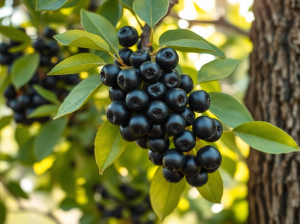
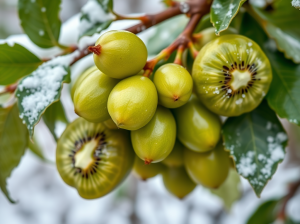
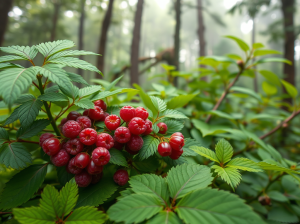
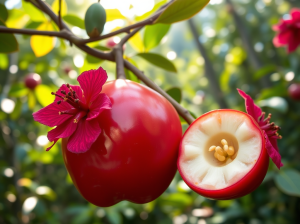
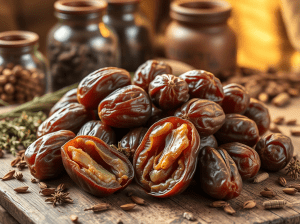
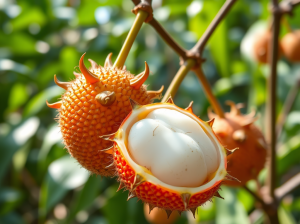
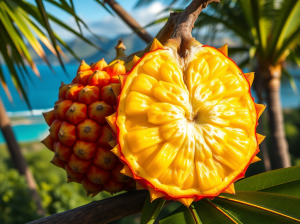
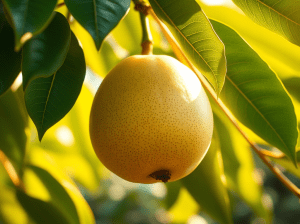
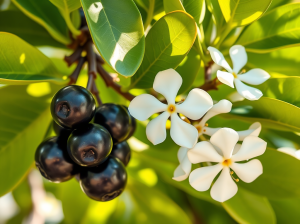
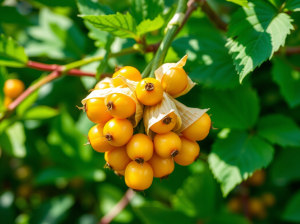
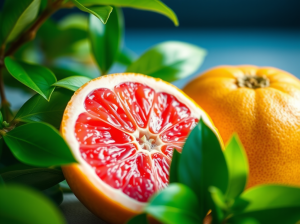
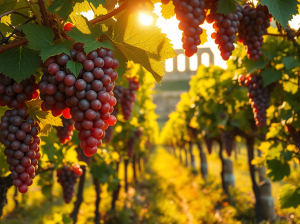
 EJADA
EJADA 