EJADA

Living Healthy, Natural Healing, Herbal Health, and nutritional

  • Soncoya: Nutrients, Tradition, and Culinary Uses

    🌿 Soncoya: The Velvet‑Soft Fruit with a Nourishing Heart

    A gentle addition to your healthy‑living table

    There are fruits that nourish the body… and then there are fruits that feel like they nourish the spirit. Soncoya — with its soft, velvety rind and custard‑like flesh — belongs to that second category.

    Native to Central America and cherished in traditional foodways, this fruit has long been enjoyed for its creamy texture, subtle sweetness, and quiet, grounding energy. It’s the kind of fruit you eat slowly, spoonful by spoonful, letting its softness remind you to pause.

    🍊 A Fruit That Feels Like a Moment of Rest

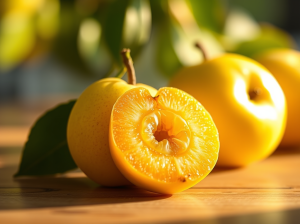
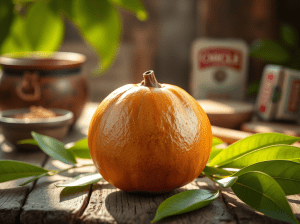
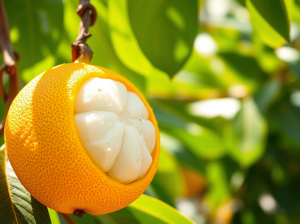
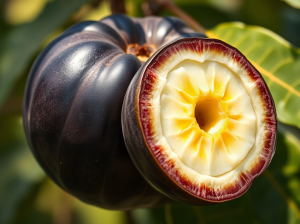
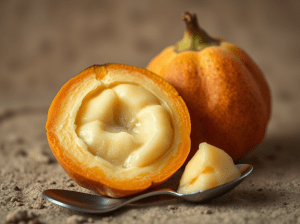
    When fully ripe, Soncoya opens easily, revealing a fragrant, peach‑colored interior. The flavor is gentle — a blend of papaya, peach, and a hint of citrus — making it a soothing choice for those who prefer naturally mild, comforting foods.

    It’s a fruit that invites presence. A fruit that asks you to slow down. A fruit that feels like a small ceremony in the middle of a busy day.

    🌱 Nutritional & Wellness Notes

    Soncoya offers a nourishing profile that supports a balanced, whole‑body lifestyle:

    • Vitamin C for immune support and natural skin radiance
    • Dietary fiber to encourage smooth digestion and gut comfort
    • Antioxidants that help protect cells from everyday stress
    • Hydrating fruit sugars that provide gentle, steady energy
    • Minerals like potassium that support heart and muscle function

    Its creamy texture also makes it a beautiful option for those seeking easy‑to-digest, soothing foods.

    As always, individuals with sensitivities to tropical fruits or latex-related allergies should enjoy Soncoya mindfully and consult a professional if unsure.

    🍽️ Simple Ways to Enjoy Soncoya

    Because the fruit is naturally soft and fragrant, it shines in simple preparations:

    • Scoop and enjoy as a soft, nourishing snack
    • Blend into a morning smoothie for a creamy, tropical base
    • Pair with lime and mint for a refreshing, cooling bowl
    • Add to plant‑based yogurt for a gentle, fiber‑rich breakfast
    • Freeze the pulp for a naturally sweet sorbet

    Its subtle flavor makes it a beautiful companion to other fruits like mango, banana, and papaya.

    🌼 A Fruit Rooted in Tradition

    In many regions, Soncoya is enjoyed not just as food, but as a symbol of seasonal abundance and connection to the land. Its presence in local markets signals warmth, harvest, and the quiet rhythms of nature.

    Bringing Soncoya into your kitchen is a way of honoring those traditions — a reminder that nourishment can be simple, slow, and deeply grounding.

    🍃 A Gentle Invitation

    If you’re exploring new fruits on your healthy‑living journey, Soncoya offers a soft, comforting entry point. It’s not loud. It’s not overly sweet. It’s simply… nourishing.

    A fruit that feels like a pause. A fruit that feels like care.

    🌿 Culinary Notes on Soncoya

    A fruit rooted in tradition, nourishment, and quiet abundance

    🌍 Origins & Ancestral Roots

    Soncoya (Annona purpurea) is a tropical fruit native to Central America, where it grows in warm, humid regions stretching from southern Mexico through Guatemala, El Salvador, Honduras, and into parts of South America. For generations, it has been gathered from home gardens, forest edges, and small farms — a fruit woven into the everyday rhythms of local life.

    In many communities, Soncoya is valued not only for its soft, custard‑like flesh but also for its seasonal symbolism. Its arrival signals warmth, harvest, and the natural cycles of abundance. Families often enjoy it fresh, share it during gatherings, or incorporate it into simple, comforting dishes that highlight its gentle sweetness.

    Soncoya belongs to the same botanical family as cherimoya and soursop, yet it carries its own distinct identity — earthier, softer, and more understated. It’s a fruit that feels deeply connected to the land.

    🍽️ Culinary Personality & Flavor Profile

    Soncoya is known for its velvety rind, peach‑colored flesh, and creamy, custard-like texture. When fully ripe, the fruit opens easily, revealing a soft interior that can be eaten with a spoon.

    Flavor notes:

    • Mild sweetness
    • Hints of peach, papaya, and citrus
    • A soft, soothing aroma
    • A naturally creamy mouthfeel

    Because of its gentle flavor, Soncoya shines in preparations that honor its softness rather than overpower it. It pairs beautifully with lime, mint, coconut, banana, and other tropical fruits.

    🧡 Cultural Notes & Traditional Uses

    Across Central America, Soncoya is enjoyed in ways that reflect the region’s relationship with land and seasonality:

    • Eaten fresh as a cooling, hydrating snack during warm months
    • Blended into drinks for a naturally sweet, creamy base
    • Mixed with citrus to brighten its mellow flavor
    • Shared in family settings, especially when the fruit is abundant
    • Used in simple desserts, often chilled or lightly sweetened

    In some communities, the fruit is also appreciated for its grounding, soothing qualities — a food that brings comfort, especially when eaten slowly and mindfully.

    🌱 Nutritional & Wellness Notes

    A gentle fruit with quiet, whole‑body nourishment

    Soncoya may be soft and understated, but its nutritional profile offers a surprising depth of support for everyday wellness. Like many tropical fruits, it carries a blend of vitamins, minerals, antioxidants, and natural plant compounds that help the body feel balanced, hydrated, and energized — without heaviness.

    Below is a deeper, more expansive look at the nourishment this fruit offers.

    🍊 Vitamin‑Rich Support for Skin, Immunity & Energy

    Soncoya contains vitamin C, a nutrient known for supporting:

    • Natural immune function
    • Collagen formation for skin health
    • Antioxidant protection against daily environmental stress
    • Gentle energy production

    Vitamin C–rich fruits like Soncoya can help brighten the complexion and support the body’s natural repair processes.

    🌿 Antioxidants for Cellular Protection

    The fruit’s soft, peach‑colored flesh contains carotenoids and polyphenols, plant compounds that help:

    • Neutralize free radicals
    • Support long‑term cellular health
    • Reduce oxidative stress from daily life
    • Promote overall vitality

    These antioxidants work quietly in the background, offering gentle, ongoing support.

    🌾 Digestive Comfort Through Natural Fiber

    Soncoya provides dietary fiber, which plays a key role in:

    • Supporting smooth, comfortable digestion
    • Encouraging healthy gut motility
    • Helping maintain balanced blood sugar levels
    • Promoting satiety and steady energy

    Its naturally creamy texture makes it especially soothing for those who prefer easy‑to-digest fruits.

    💧 Hydration & Gentle Energy

    With its high water content and naturally occurring fruit sugars, Soncoya offers:

    • A hydrating boost
    • Quick but gentle energy
    • A refreshing option for warm days or mid‑day slumps

    It’s a beautiful choice for those seeking nourishment without heaviness.

    💛 Minerals for Heart & Muscle Support

    Soncoya contains potassium, a mineral essential for:

    • Heart rhythm balance
    • Muscle function
    • Fluid balance
    • Overall nervous system support

    Potassium‑rich fruits are especially helpful for those with active lifestyles or warm‑climate routines.

    🌼 A Calming, Grounding Food

    Beyond its nutrients, Soncoya offers something more subtle: a soothing, grounding quality that many traditional food cultures value.

    Its soft texture and mellow flavor make it ideal for:

    • Gentle mornings
    • Restorative snacks
    • Moments when the body needs calm rather than stimulation

    It’s the kind of fruit that encourages slow eating and mindful presence.

    ⚠️ Mindful Considerations

    To keep your content responsible and reader‑safe:

    • Seeds are not edible and should be removed.
    • Those with latex or tropical fruit sensitivities may want to approach with care.
    • Always enjoy the fruit fully ripe for best flavor and digestibility.
    • Individuals with specific dietary concerns should consult a professional before making significant changes.

    Its soft texture makes it a beautiful option for those seeking easy‑to-digest, calming foods.

    As always, these notes reflect general nutritional qualities of fruits. They are not medical claims or substitutes for professional guidance.

    ⚠️ Cautions & Gentle Considerations

    While Soncoya is generally enjoyed safely, a few mindful notes help ensure a positive experience:

    • Seeds are not edible and should be removed before eating or blending.
    • Individuals with latex-related allergies or sensitivities to tropical fruits may wish to approach with caution.
    • The fruit should be eaten fully ripe — unripe Soncoya can be firm, astringent, and difficult to digest.
    • As with any new fruit, those with dietary restrictions or health concerns may want to consult a professional before adding it regularly to their diet.

    These cautions help keep your content responsible, gentle, and aligned with your brand’s integrity.

    🌼 A Fruit That Invites Presence

    Soncoya is more than a tropical curiosity — it’s a reminder of how food can slow us down, reconnect us to the earth, and offer nourishment that feels both physical and emotional.

    Its softness encourages a pause. Its flavor invites quiet enjoyment. Its history carries the warmth of ancestral foodways.

    Bringing Soncoya into your kitchen is a way of honoring tradition, embracing gentle nourishment, and celebrating the beauty of simple, seasonal foods.

    🌺 Closing Reflections on the Soncoya

    A quiet fruit with a quiet kind of wisdom

    Soncoya is one of those fruits that doesn’t demand attention — it simply offers itself. Soft, subtle, nourishing in ways that go beyond nutrients. It reminds us that not all nourishment is loud. Not all sweetness needs to be bold. Some foods feed us through gentleness, through texture, through the invitation to slow down.

    In exploring its origins, its cultural roots, its wellness qualities, and the simple ways it can be enjoyed, we return to a deeper truth: Food is a relationship. A conversation between land, season, body, and memory.

    Soncoya carries the warmth of Central American soil. It carries the softness of ripe fruit that yields easily to the spoon. It carries the quiet comfort of foods that ask nothing from us except presence.

    As you bring Soncoya into your kitchen — whether as a morning bowl, a cooling sorbet, or a simple spoonful enjoyed in silence — may it offer you a moment of grounding. A moment of sweetness. A moment of connection to the earth’s slower rhythms.

    May it remind you that nourishment can be simple. May it remind you that care can be soft. May it remind you that even the most understated foods can hold a story worth honoring.

    A fruit. A pause. A small ceremony in the middle of your day.

    This might be of you to you : 🍰 500 Delicious Dessert Recipes Cookbook

    Quick. Easy. Irresistible.

    The Ultimate Dessert Bible for Every Home Cook

    If you’ve ever wished you could whip up bakery‑level desserts without spending hours in the kitchen… this cookbook is your new secret weapon.

    Whether you’re a total beginner or a seasoned pro, these recipes are designed to be:

    • Fast (most ready in under 20 minutes)
    • Simple (no fancy equipment needed)
    • Fail‑proof (step‑by‑step, beginner‑friendly)
    • Crowd‑pleasing (perfect for family, parties, holidays, or late‑night cravings)

    🍫 What’s Inside This Massive 500‑Recipe Collection

    Cakes & Cupcakes From classic vanilla to decadent molten chocolate.

    Cookies & Bars Crispy, chewy, gooey — every texture you crave.

    Pies & Tarts Fresh, fruity, creamy, and comforting.

    No‑Bake Desserts Perfect for hot days or quick treats.

    Healthy-ish Options Fruit‑forward, low‑sugar, and plant‑based choices.

    Holiday Favorites Desserts that make every celebration unforgettable.

    🎉 Why This Cookbook Is Going Viral

    Because it solves the #1 dessert problem: People want delicious treats without complicated steps.

    This cookbook gives you:

    • Recipes you can make with pantry staples
    • Clear instructions anyone can follow
    • Desserts that look impressive but take minimal effort
    • Endless variety — you’ll never run out of ideas

    Perfect for busy parents, students, food lovers, and anyone who wants to bring joy to the table.

    ⭐ Perfect for Beginners. Loved by Experts.

    You don’t need skills. You don’t need experience. You just need a sweet tooth and a few minutes.

    This cookbook turns anyone into the dessert hero of the house.

    🍓 Ready to Bake Something Amazing?

    Unlock all 500 quick & easy dessert recipes and start creating treats that make people say:

    “WOW… you made this?”
    👉 Get Instant Access Now

  • The Mystery of Snake Fruit: Benefits and Traditions

    🐍 The Snake Fruit (Salak)

    A fruit wrapped in ancient texture, earthy sweetness, and the quiet wisdom of Southeast Asia.

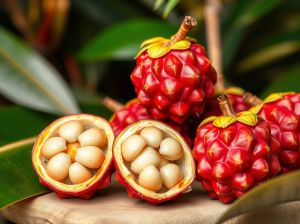
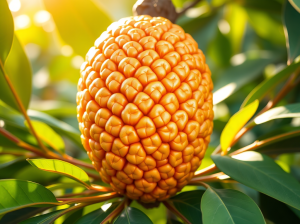
    The Snake Fruit is one of those rare gifts from the earth that feels both mysterious and deeply familiar. Its scaly, copper‑brown skin catches the light like woven armor, yet inside it holds a crisp, fragrant flesh that tastes like a memory you didn’t know you had.

    This is a fruit of contrast — rugged on the outside, tender and aromatic within. A fruit that invites you to slow down, peel carefully, and savor its story.

    🌱 Origins: A Fruit Rooted in Ancestral Soil

    Snake Fruit, or Salak, is one of Southeast Asia’s most storied fruits — a gift shaped by volcanic soil, tropical rain, and centuries of human tending. Its origins trace back to the Indonesian archipelago, where it has grown wild and cultivated for generations in places where the land itself feels ancient.

    Born of the Salak Palm

    Salak grows at the base of the salak palm, a plant with long, spined fronds that protect its fruit like a living shield. These palms thrive in:

    • humid lowland forests
    • volcanic foothills
    • shaded understories
    • fertile, mineral‑rich soil

    The fruit’s tough, scale‑like skin mirrors the resilience of the palm itself — a plant that has survived monsoons, shifting landscapes, and centuries of cultivation.

    Indonesia: The Heartland of Salak

    Indonesia is the ancestral home of Snake Fruit, especially the islands of:

    • Java
    • Bali
    • Sumatra

    Each region developed its own varieties, shaped by microclimates and local traditions. Some are sweet and floral, others crisp and tart, and a few are prized for their honey‑like richness.

    In many villages, salak palms grow not just in orchards but in family gardens, passed down through generations. The fruit is woven into daily life — eaten fresh, offered in ceremonies, and sold in morning markets where its copper skin glows under woven baskets.

    A Fruit Carried by Trade, Culture, and Memory

    As trade routes expanded across Southeast Asia, Snake Fruit traveled with them. It spread to:

    • Thailand, where it became a beloved market fruit
    • Malaysia, where it appears in fruit platters and herbal snacks
    • The Philippines, where it grows in select tropical regions

    But no matter where it goes, its identity remains tied to Indonesia — to the volcanic soil, the humid forests, and the cultural memory of the islands that first nurtured it.

    A Living Link to the Land

    Unlike modern hybrid fruits, Snake Fruit is not a recent creation. It is a heritage fruit, shaped by:

    • traditional cultivation
    • local knowledge
    • ecological harmony
    • ancestral stewardship

    Its presence in Southeast Asian culture is not just agricultural — it is spiritual, communal, and deeply rooted in place.

    Snake Fruit carries the imprint of the land it comes from. It tastes of earth, rain, and history.

    Flavor Notes: Crisp, Aromatic, Sweet‑Tart

    Peeling a Snake Fruit is an experience in itself — the crackle of its skin, the release of its fragrance, the reveal of its pale, segmented flesh.

    The flavor is often described as:

    • crisp like an apple
    • sweet like honeyed pear
    • bright with a gentle acidity
    • aromatic with hints of pineapple or citrus

    Some varieties are firmer and more tart, while others are soft, sweet, and almost floral. Each bite feels grounded, earthy, and alive.

    🌍 Cultural Notes: A Fruit of Ceremony, Hospitality & Daily Life

    Snake Fruit holds a meaningful place in Southeast Asian culture, not just as food but as a symbol of connection, offering, and abundance.

    Indonesia: The Heart of Salak

    In Indonesia, Salak is woven into daily life:

    • sold in woven baskets at morning markets
    • offered to guests as a gesture of welcome
    • used in traditional desserts and snacks
    • included in ceremonial offerings in Bali

    Its protective skin is often seen as a metaphor for inner sweetness — a reminder that beauty is not always obvious at first glance.

    Bali: A Fruit of Ritual

    In Balinese culture, Salak appears in:

    • temple offerings
    • harvest celebrations
    • family gatherings

    It represents gratitude, earthiness, and the nourishment of community.

    Thailand & Malaysia

    In neighboring countries, Snake Fruit is enjoyed:

    • chilled as a refreshing snack
    • dipped in chili‑salt mixtures
    • added to fruit salads and street‑food platters

    Its crispness makes it a natural companion to bold, bright flavors.

    🌿 Nutritional & Wellness Notes

    Snake Fruit offers gentle, everyday nourishment:

    • Vitamin C for natural immune support
    • Potassium for fluid balance
    • Fiber for digestive comfort
    • Antioxidants that help protect cells
    • Natural sugars for quick, clean energy

    In traditional food cultures, Salak is valued for its grounding quality — a fruit that feels stabilizing, earthy, and strengthening.

    A fruit that nourishes with earth‑rooted steadiness and gentle, everyday vitality.

    Snake Fruit offers a kind of nourishment that feels ancient — crisp, grounding, and quietly supportive. Its nutrients mirror the landscapes it comes from: volcanic soil, humid forests, and the deep mineral richness of Southeast Asia. While not a medicinal fruit in the formal sense, Salak provides a spectrum of vitamins, minerals, and plant compounds that contribute to overall well‑being in simple, accessible ways.

    ✨ Vitamins: Bright, Everyday Support

    Vitamin C

    Snake Fruit contains natural Vitamin C, which plays a role in collagen formation and supports the body’s normal immune function. In warm climates, fruits rich in Vitamin C are often valued for their refreshing, revitalizing quality.

    B‑Complex Vitamins

    Salak provides small amounts of B vitamins — including B2 and B3 — which help the body convert food into energy. These vitamins support everyday metabolic processes and contribute to a sense of steady vitality.

    Vitamin A (beta‑carotene)

    Some varieties contain beta‑carotene, a precursor to Vitamin A, which supports normal vision and skin health. This is especially appreciated in tropical regions where sun exposure is high and antioxidant‑rich foods are part of daily eating.

    🌱 Minerals: Grounding, Earth‑Derived Nourishment

    Potassium

    A mineral essential for fluid balance and normal muscle function. In hot, humid climates, potassium‑rich fruits help replenish what the body naturally loses through heat and activity.

    Calcium & Phosphorus

    Snake Fruit contains small amounts of these minerals, which contribute to the maintenance of normal bones and teeth. In traditional food cultures, fruits with these minerals are often seen as “strengthening.”

    Iron (trace amounts)

    While not a major source, the presence of iron contributes to the fruit’s grounding, earthy profile.

    🌸 Fiber & Digestive Comfort

    Snake Fruit is naturally high in dietary fiber, especially insoluble fiber, which supports:

    • comfortable digestion
    • regularity
    • a sense of fullness
    • balanced energy throughout the day

    In Southeast Asian traditions, Salak is often eaten between meals to maintain lightness and avoid heaviness during hot weather.

    🌺 Antioxidants & Plant Compounds

    Snake Fruit contains a variety of naturally occurring antioxidants, including:

    • polyphenols
    • flavonoids
    • tannins

    These compounds help protect cells from everyday oxidative stress. In traditional contexts, foods rich in tannins are often described as “cleansing” or “clarifying,” though these are cultural interpretations rather than medical claims.

    🌬️ Energetic & Traditional Wellness Perspectives

    Across Indonesia and Southeast Asia, Snake Fruit is often described as:

    • grounding — offering a sense of steadiness
    • cooling — especially when eaten fresh or chilled
    • strengthening — due to its firm texture and mineral content
    • balancing — a fruit that pairs well with herbs, spices, and cooling drinks

    These perspectives come from cultural food wisdom rather than clinical frameworks, but they shape how the fruit is enjoyed and understood.

    🌙 A Fruit That Nourishes Quietly

    Snake Fruit doesn’t overwhelm the body. It nourishes in small, steady ways:

    • crisp hydration
    • gentle fiber
    • natural sugars for clean energy
    • minerals that support everyday balance
    • antioxidants that echo the richness of the soil it grows in

    It’s a fruit that feels like a grounding breath — earthy, stabilizing, and deeply connected to the land.

    🍽️ Culinary Uses & Recipes

    Snake Fruit adapts beautifully to both fresh and cooked preparations. Its crisp texture and sweet‑tart flavor make it a versatile ingredient.

    🥥 1. Fresh Snake Fruit with Lime & Chili Salt

    A bright, street‑food style snack.

    Ingredients

    • 3–4 Snake Fruits, peeled and sliced
    • Lime wedges
    • Chili‑salt mixture (salt + chili flakes + a touch of sugar)

    Method

    1. Slice the fruit into thin pieces.
    2. Squeeze lime over the top.
    3. Sprinkle with chili salt.
    4. Serve chilled for a refreshing, bold bite.

    🍯 2. Honey‑Glazed Snake Fruit

    Soft, fragrant, and perfect for topping yogurt or oats.

    Ingredients

    • 4 Snake Fruits, sliced
    • 1 tbsp honey
    • 1 tsp coconut oil
    • Pinch of cinnamon

    Method

    1. Warm coconut oil in a pan.
    2. Add fruit slices and drizzle with honey.
    3. Cook until lightly caramelized.
    4. Finish with cinnamon.

    🥗 3. Snake Fruit & Herb Salad

    A crisp, aromatic dish inspired by Southeast Asian flavors.

    Ingredients

    • 3 Snake Fruits, thinly sliced
    • Fresh mint and basil
    • Cucumber ribbons
    • Lime juice
    • A touch of coconut sugar

    Method

    1. Combine fruit, herbs, and cucumber.
    2. Toss with lime and coconut sugar.
    3. Serve immediately for a cooling, fragrant salad.

    🍹 4. Salak Iced Tea Infusion

    A calming, aromatic drink.

    Ingredients

    • 2 Snake Fruits, lightly crushed
    • 1 cup brewed black or jasmine tea
    • Honey to taste
    • Ice

    Method

    1. Add crushed fruit to warm tea.
    2. Let steep 10 minutes.
    3. Strain, sweeten, and pour over ice.

    ⚠️ Who May Want to Use Caution with Snake Fruit (Salak)

    As with most fruits, a few groups may want to be mindful:

    • individuals with stone‑fruit allergies
    • those with sensitive digestion
    • people monitoring blood sugar
    • anyone on a low‑potassium diet

    These are general food considerations, not medical advice.

    A grounded, responsible note for readers who appreciate clarity and care.

    Snake Fruit is generally safe and well‑tolerated, but—like all fruits—there are a few groups who may want to be mindful of how they enjoy it. These considerations are general food‑based notes, not medical advice, and they help readers make informed, comfortable choices.

    1. Individuals with Stone‑Fruit or Latex‑Related Allergies

    Although Snake Fruit is not a stone fruit, some individuals with sensitivities to fruits like peaches, plums, or cherries may experience cross‑reactive symptoms. Additionally, those with latex‑fruit syndrome may react to certain tropical fruits.

    Possible signs of sensitivity include:

    • itching in the mouth
    • tingling lips
    • mild swelling
    • digestive discomfort

    Anyone with known fruit allergies should approach with caution.

    2. People with Sensitive Digestion or IBS

    Snake Fruit is naturally fiber‑dense, and its crisp texture can be stimulating for sensitive digestive systems.

    Those who may want to start with small portions include:

    • individuals prone to bloating
    • those managing IBS
    • people sensitive to high‑fiber foods

    Cooking the fruit (lightly sautéing or simmering) can make it gentler on the stomach.

    3. Individuals Monitoring Blood Sugar

    Snake Fruit contains natural sugars. While it has a lower glycemic impact than many tropical fruits, readers who are monitoring blood sugar may want to:

    • enjoy it in moderate portions
    • pair it with protein or healthy fats
    • avoid consuming it on an empty stomach

    These are general nutritional practices, not restrictions.

    4. People on Low‑Potassium Diets

    Snake Fruit contains potassium, which is beneficial for most people. However, individuals who have been advised to limit potassium intake—often due to kidney‑related conditions—may need to monitor their portion sizes.

    5. Children Under Four Years Old

    Because Snake Fruit is firm and crisp, it can pose a choking risk for young children if not cut appropriately.

    Caregivers may want to:

    • slice it into very small pieces
    • soften it through light cooking
    • avoid giving whole segments to toddlers

    This is a texture‑based precaution, not a health warning.

    6. Individuals Recovering from Dental Procedures

    Snake Fruit’s firm, crunchy texture may be uncomfortable for those who:

    • recently had dental work
    • experience tooth sensitivity
    • wear certain dental appliances

    Softened or cooked preparations are gentler options.

    7. Anyone Following a Medically Supervised Diet

    People on specialized eating plans—such as low‑FODMAP, post‑surgical diets, or renal diets—should check whether Snake Fruit fits their current guidelines.

    Disclaimer

    This article is for informational and culinary purposes only. Snake Fruit is not intended to diagnose, treat, cure, or prevent any medical condition. Individuals with allergies, medical conditions, or dietary restrictions should consult a qualified healthcare professional before making changes to their eating habits.

    🛒 Availability

    Snake Fruit is widely enjoyed across Southeast Asia, but its availability depends heavily on where you live. Because it is a tropical fruit with a short shelf life and a protective but delicate skin, it is not as commonly exported as bananas, mangoes, or pineapples. Still, it’s becoming easier to find as global interest in heritage fruits grows.

    In Southeast Asia (Indonesia, Thailand, Malaysia, the Philippines)

    Snake Fruit is abundant and easy to find year‑round. You’ll see it:

    • piled high in morning markets
    • sold in woven baskets along roadsides
    • offered fresh in hotels and cafés
    • included in fruit platters and ceremonial offerings

    Indonesia, especially Bali and Java, remains the heart of Salak production.

    In the United States

    Snake Fruit is considered a specialty import. Availability varies by region, but you can often find it:

    • in Asian grocery stores
    • in Indonesian or Thai markets
    • at select international produce shops
    • occasionally through online tropical fruit retailers

    Fresh Salak is more common in major cities with strong Southeast Asian communities. Some stores carry vacuum‑sealed or pre‑peeled versions when fresh fruit is out of season.

    In Canada, the UK, and Europe

    Availability is similar to the U.S.:

    • specialty Asian markets
    • international produce sections
    • occasional seasonal imports

    Because the fruit bruises easily, shipments are limited and often sell out quickly.

    Seasonality

    Snake Fruit is technically available year‑round in its native regions, but the peak season is typically:

    • late spring through early fall
    • with smaller harvests in winter months

    Imported fruit tends to appear in waves depending on shipping schedules.

    How to Choose Good Snake Fruit

    When selecting Salak, look for:

    • firm, glossy skin
    • a slight natural fragrance
    • no soft spots or cracks
    • scales that are intact and not peeling

    A good Snake Fruit should feel heavy for its size and give a crisp snap when peeled.

    🌙 Closing Reflections

    Snake Fruit is a reminder that nourishment is not always soft or obvious. Sometimes it comes wrapped in texture, in earth, in a protective skin that asks you to slow down and meet the fruit with intention. Its scaly exterior, its crisp interior, its ancient lineage everything about it invites a different kind of relationship with food. One that is tactile. One that is mindful. One that honors the land it comes from.

    Where some fruits feel like light, Salak feels like ground. Where some fruits offer sweetness immediately, Salak asks you to peel, to listen, to arrive. It is a fruit that teaches patience, curiosity, and respect for the unseen layers of nourishment.

    In many Southeast Asian cultures, Snake Fruit is not just eaten it is shared, offered, woven into ceremony, and carried through generations as a symbol of gratitude and connection. When you taste it, you taste more than flavor. You taste the memory of markets at dawn, the hum of tropical forests, the hands that have tended salak palms for centuries.

    As you explore it in your own kitchen sliced fresh, paired with herbs, caramelized with honey, or folded into cooling salads let it be a reminder that food can be both grounding and expansive. A reminder that nourishment is not only about what enters the body, but also about the presence we bring to the moment of eating.

    Snake Fruit is a quiet teacher. A fruit of earth, texture, and ancestral memory. A fruit that brings you back to yourself.

    And as we close this chapter, we prepare to step into the story of another fruit one with its own lineage, its own symbolism, its own way of inviting us deeper into the world of mindful nourishment.

  • Sierra Lemon Plum: A Bright Hybrid Delight

    The Sierra Lemon Plum

    A bright, fragrant hybrid that tastes like sunshine held in the palm of your hand.

    Because the Sierra Lemon Plum is a modern hybrid plum variety, it does not have a single discoverer or a documented “first cultivation” date, unlike heritage fruits. Instead, it emerged through selective breeding programs in the late 20th to early 21st century, primarily by growers aiming to create plums with:

    • brighter skin tones
    • firmer texture
    • a citrus‑leaning flavor profile
    • better early‑season availability

    Most sources trace its development to California stone‑fruit breeders, especially those working in the Central Valley—an area known for producing new plum and pluot varieties through cross‑pollination and selective propagation.

    To keep your article authoritative and elegant, you can present it this way:

    🌱 Origins: A Modern California Hybrid

    The Sierra Lemon Plum is a relatively new cultivar, developed through modern stone‑fruit breeding rather than discovered in the wild. Growers in California’s Central Valley began cultivating it in the late 20th and early 21st century, selecting for its bright yellow skin, firm texture, and naturally citrus‑kissed sweetness.

    Like many contemporary plum varieties, it doesn’t have a single inventor. Instead, it emerged from the quiet, meticulous work of fruit breeders who cross‑pollinated promising plum lines until this luminous, lemon‑scented variety appeared.

    Though not as widely known as traditional plum varieties, the Sierra Lemon Plum has gained quiet popularity among growers who value its resilience and its unique flavor profile. It thrives in warm, Mediterranean‑style climates—regions where long days of sun help develop its signature brightness.

    Growers appreciate it for:

    • Its early‑season harvest
    • Its naturally firm texture
    • Its ability to hold flavor even when chilled

    For consumers, it’s a seasonal treasure—here for a moment, then gone.

    🍋 A Fruit Born From Light and Contrast

    The Sierra Lemon Plum is a modern hybrid, cultivated for its striking color and refreshing flavor. Its skin glows with a soft yellow blush—sometimes kissed with faint green undertones—while the flesh inside ripens into a golden, honeyed hue.

    What makes this plum special is its balance:

    • A gentle citrus tang that wakes the palate
    • A mellow, nectar‑like sweetness that follows
    • A clean, floral aroma that lingers

    It’s a fruit that feels both familiar and surprising, like a memory you can’t quite place.

    Flavor Notes: A Gentle Citrus Kiss

    Biting into a Sierra Lemon Plum is like tasting summer distilled. The skin offers a slight tartness, reminiscent of Meyer lemon zest, while the flesh melts into a soft, sweet finish.

    Readers often describe the flavor as:

    • “Lemonade‑sweet”
    • “Bright but not sharp.”
    • “A plum with a whisper of citrus”

    It’s refreshing without being sour, sweet without being heavy.

    🍽️ How to Enjoy the Sierra Lemon Plum

    This fruit shines in its simplicity, but it also adapts beautifully to both sweet and savory dishes.

    Eat Fresh

    • Slice and serve chilled for a clean, hydrating snack
    • Pair with mint or basil for a fragrant fruit bowl
    • Add to yogurt or chia pudding for a bright morning ritual

    In the Kitchen

    • Salads: Toss with arugula, goat cheese, and toasted almonds
    • Salsas: Dice with cucumber, jalapeño, and lime for a citrus‑forward topping
    • Desserts: Bake into galettes, tarts, or simple roasted fruit bowls

    Preserves & Drinks

    • Makes a delicate, lemon‑kissed jam
    • Blends beautifully into iced teas and spritzers
    • Creates a refreshing shrub for summer mocktails

    🌼 Nutritional Notes

    Like most plums, the Sierra Lemon Plum offers gentle nourishment:

    • Natural antioxidants
    • Vitamin C
    • Dietary fiber
    • Hydrating, low‑calorie sweetness

    It’s a fruit that supports the body without overwhelming it—light, clean, and easy to digest.

    🌙 A Fruit for Slow Moments

    The Sierra Lemon Plum invites presence. Its fragrance, its color, its delicate balance of tart and sweet—everything about it encourages you to pause. To savor. To let the moment soften.

    It’s a fruit that feels like a small ceremony in itself.

    🌿 Nutritional & Wellness Notes

    The Sierra Lemon Plum offers a light, refreshing form of nourishment—gentle on the body, hydrating, and naturally supportive of everyday wellness. Like most yellow‑fleshed plums, it carries a balance of vitamins, minerals, and plant compounds that contribute to overall vitality.

    Vitamins

    • Vitamin C — supports natural collagen formation and helps the body maintain healthy connective tissues.
    • Vitamin A (beta‑carotene) — contributes to normal vision and skin health.
    • Vitamin K — plays a role in normal blood function.
    • B‑complex vitamins — including B2 and B6, which assist with everyday metabolic processes.

    Minerals

    • Potassium — helps maintain normal fluid balance and supports muscle function.
    • Copper — contributes to normal energy production.
    • Manganese — supports normal antioxidant activity in the body.

    Plant Compounds

    • Polyphenols & antioxidants — naturally occurring compounds found in many stone fruits that help protect cells from everyday oxidative stress.
    • Dietary fiber — supports comfortable digestion and helps maintain a sense of fullness.

    🌼 Traditional & Holistic Notes

    While the Sierra Lemon Plum is a modern hybrid, its wellness associations echo the long history of plums in traditional food cultures:

    • Plums have been used in various traditions to support digestive comfort due to their natural fiber.
    • Their bright, citrus‑leaning flavor is often associated with refreshment, cleansing, and lightness—qualities valued in seasonal eating.
    • The fruit’s hydrating nature makes it a gentle choice during warm months or after activity.

    These notes are cultural and culinary in nature, not medical claims—simply reflections of how people have historically related to stone fruits.

    🌙 A Fruit That Feels Restorative

    The Sierra Lemon Plum offers a kind of nourishment that feels soft and accessible—hydrating, bright, and easy to enjoy. It’s the kind of fruit that supports the body in small, meaningful ways while inviting a moment of calm.

    🍽️ Culinary Uses & Recipes

    A fruit that brightens both the table and the spirit.

    The Sierra Lemon Plum carries a naturally refreshing profile — citrus‑kissed, lightly sweet, and softly floral — making it a beautiful ingredient in dishes that celebrate brightness, simplicity, and seasonal abundance. Its firm texture holds up to heat, while its gentle acidity lifts both sweet and savory preparations.

    Below are recipes crafted in your signature style: calm, sensory, and rooted in cultural reverence.

    🌍 Cultural Notes: A Fruit of Light, Warmth & Early Harvest

    While the Sierra Lemon Plum is a modern hybrid, it echoes the long cultural lineage of plums across the world:

    Mediterranean & Middle Eastern Traditions

    Plums have long symbolized renewal, early summer, and the return of sweetness. Yellow plums in particular are associated with:

    • cleansing foods during warm months
    • cooling, hydrating dishes
    • fruit preserves shared during family gatherings

    In Mediterranean and Middle Eastern food cultures, plums have long been tied to the first warmth of the season. Yellow plums in particular are seen as fruits of:

    • renewal after winter
    • cooling nourishment during heat
    • hospitality and shared abundance

    Their brightness is often used to balance rich dishes, refresh the body, and mark the shift into lighter, sun‑forward foods. The Sierra Lemon Plum, with its citrus‑kissed sweetness, fits naturally into this rhythm — a fruit that feels like a gentle cleansing breath.

    The Sierra Lemon Plum’s brightness mirrors these traditions — a fruit enjoyed at the threshold of summer.

    East Asian Culinary Echoes

    In East Asian food cultures, plums are linked to:

    • balance between sour and sweet
    • seasonal transitions
    • digestive comfort

    Across East Asia, plums hold deep cultural meaning. They represent:

    • resilience (blooming early, even in cold)
    • the harmony of sour and sweet
    • the transition between seasons

    While the Sierra Lemon Plum is not a traditional variety, its flavor profile mirrors these principles. Its tart‑sweet balance aligns with the idea of foods that awaken the palate and support the body during seasonal shifts.

    The Sierra Lemon Plum’s gentle tartness aligns beautifully with these principles, making it feel familiar even as a new cultivar.

    Caribbean & Latin American Resonance

    Bright, citrus‑leaning fruits are often used to:

    • refresh the body in heat
    • flavor chilled drinks
    • pair with herbs like mint, basil, and culantro

    In warm‑climate food cultures, fruits with bright acidity are cherished for their ability to:

    • cool the body
    • refresh the spirit
    • pair beautifully with herbs like mint, basil, and culantro
    • elevate chilled drinks and summer dishes

    The Sierra Lemon Plum’s natural brightness makes it feel instantly at home in these traditions — a fruit that carries the energy of sunlight and hydration.

    The Sierra Lemon Plum fits naturally into this rhythm — light, hydrating, and sun‑forward.

    🍯 European Preserving Traditions

    Plums have a long history in European kitchens, especially in:

    • jams
    • compotes
    • tarts
    • rustic summer desserts

    The Sierra Lemon Plum’s firm texture and gentle acidity make it ideal for these preparations, echoing the old‑world practice of turning seasonal fruit into something that lasts beyond its brief harvest window.

    A Modern Fruit With Ancestral Energy

    Even without ancient origins, the Sierra Lemon Plum carries the symbolic qualities of:

    • sunlight
    • early harvest
    • gentle cleansing
    • seasonal awakening

    Even though the Sierra Lemon Plum is a contemporary cultivar, it embodies timeless qualities:

    • brightness
    • renewal
    • seasonal cleansing
    • the soft beginning of summer
    • the joy of early harvest fruits

    It feels like a fruit that invites presence — a small ceremony of light, fragrance, and gentle sweetness.

    It’s a fruit that feels like a soft invitation into summer.

    🍑 Recipes Featuring the Sierra Lemon Plum

    Each recipe is crafted to be simple, sensory, and aligned with your warm editorial style.

    🍋 1. Sierra Lemon Plum & Mint Salad

    A cooling bowl for warm days.

    Ingredients

    • 4 Sierra Lemon Plums, sliced
    • Handful of fresh mint
    • 1 tsp honey or agave
    • Squeeze of lime
    • Pinch of flaky salt

    Method

    1. Toss sliced plums with mint.
    2. Drizzle with honey and lime.
    3. Finish with a touch of salt.
    4. Serve chilled for a refreshing, hydrating snack.

    🌿 2. Lemon Plum & Basil Chia Pudding

    A gentle morning ritual.

    Ingredients

    • 1 cup plant milk
    • 3 tbsp chia seeds
    • 1 Sierra Lemon Plum, diced
    • 1 tsp vanilla
    • Fresh basil, torn

    Method

    1. Mix plant milk, chia, and vanilla.
    2. Let thicken for 20–30 minutes.
    3. Top with diced plum and basil.
    4. Enjoy as a bright, calming breakfast.

    🔥 3. Roasted Sierra Lemon Plums with Maple & Thyme

    Soft, fragrant, and perfect for topping yogurt or toast.

    Ingredients

    • 6 plums, halved
    • 1 tbsp maple syrup
    • 1 tsp olive oil
    • Fresh thyme

    Method

    1. Place plums cut‑side up on a baking sheet.
    2. Drizzle with maple and oil.
    3. Add thyme sprigs.
    4. Roast at 375°F for 15–20 minutes until tender.

    🥗 4. Arugula Salad with Lemon Plum, Almonds & Goat Cheese

    A bright, early‑summer salad.

    Ingredients

    • Arugula
    • 2 plums, sliced
    • Goat cheese
    • Toasted almonds
    • Olive oil + lemon juice

    Method

    1. Toss arugula with oil and lemon.
    2. Add plums, almonds, and goat cheese.
    3. Serve immediately for a crisp, fragrant dish.

    🍹 5. Sierra Lemon Plum Iced Tea Spritzer

    A cooling drink with a citrus‑plum lift.

    Ingredients

    • 2 plums, muddled
    • 1 cup brewed black or green tea
    • Sparkling water
    • Honey to taste

    Method

    1. Muddle plums in a glass.
    2. Add tea and honey.
    3. Top with sparkling water.
    4. Serve over ice.

    🍯 6. Lemon Plum Jam (Small‑Batch)

    Bright, spreadable sunshine.

    Ingredients

    • 4 cups chopped plums
    • 1 cup sugar
    • 1 tbsp lemon juice

    Method

    1. Combine all ingredients in a pot.
    2. Simmer 20–25 minutes until thickened.
    3. Store in a clean jar and refrigerate.

    🌿 Medical Uses (Traditional & Contemporary Perspectives)

    Gentle nourishment, cultural wisdom, and the soft support of a bright early‑summer fruit.

    Because the Sierra Lemon Plum is a modern hybrid, it doesn’t have a long lineage of documented medicinal use on its own. However, its qualities mirror the long‑standing traditional uses of yellow plums and citrus‑leaning stone fruits across many cultures. These notes reflect historical food wisdom rather than medical claims.

    🌼 Traditional Uses of Yellow Plums

    Across Europe, the Middle East, and Asia, yellow plums have been used in gentle, everyday ways to support the body:

    Digestive Comfort

    Plums have historically been enjoyed to help maintain regularity and ease digestion due to their natural fiber content. They were often eaten:

    • in the morning for lightness
    • after meals to support comfortable digestion
    • during warm seasons to avoid heavy foods

    Hydration & Cooling

    In warm climates, bright plums were valued for their naturally high water content. They were used to:

    • cool the body
    • refresh the palate
    • balance heat‑producing foods

    The Sierra Lemon Plum’s citrus‑kissed profile aligns beautifully with these traditions.

    Seasonal Cleansing Foods

    Many cultures used early‑summer fruits as part of gentle seasonal resets — not as treatments, but as foods that felt “light,” “cleansing,” or “awakening.” Yellow plums often appeared in:

    • cooling soups
    • lightly sweetened preserves
    • fruit‑forward morning rituals

    🍋 Modern Nutritional Perspective

    From a contemporary wellness standpoint, the Sierra Lemon Plum offers supportive nutrients found in most plums:

    Vitamin C

    Associated with natural collagen formation and everyday immune support.

    Vitamin A (beta‑carotene)

    Linked to normal vision and skin health.

    Vitamin K

    Supports normal blood function.

    Dietary Fiber

    Helps maintain digestive comfort and fullness.

    Antioxidants & Polyphenols

    Naturally occurring plant compounds that help protect cells from everyday oxidative stress.

    These are nutritional benefits, not medical treatments — simply the gentle support that whole fruits offer.

    🌙 A Fruit Used for Soft, Everyday Wellness

    While not a medicinal plant in the formal sense, the Sierra Lemon Plum fits beautifully into routines that prioritize:

    • hydration
    • lightness
    • digestive ease
    • seasonal nourishment
    • gentle, refreshing foods

    It’s the kind of fruit that supports the body quietly — through brightness, water, fiber, and the simple pleasure of eating something sun‑kissed and alive.

    ⚠️ Who May Want to Use Caution with the Sierra Lemon Plum

    The Sierra Lemon Plum is generally safe for most people, but—like any fruit—there are a few groups who may want to enjoy it in moderation or check with a healthcare professional if they have specific concerns. These notes are general, food‑based considerations, not medical advice.

    1. Individuals with Stone‑Fruit Allergies

    People who are allergic to plums, peaches, apricots, cherries, or nectarines may also react to the Sierra Lemon Plum because it belongs to the same botanical family.

    Common signs of sensitivity include:

    • itching in the mouth
    • tingling lips
    • mild swelling

    Anyone with known stone‑fruit allergies should avoid it.

    2. Those with Oral Allergy Syndrome (OAS)

    Some individuals who react to birch pollen or certain grasses may experience mild symptoms when eating raw plums.

    Cooking the fruit often reduces this reaction.

    3. People Managing Blood Sugar

    Plums contain natural sugars. While they are lower‑glycemic than many fruits, individuals who are monitoring blood sugar—such as those with diabetes or insulin resistance—may want to:

    • enjoy them in moderate portions
    • pair them with protein or healthy fats

    This is a general nutritional practice, not a restriction.

    4. Individuals with Sensitive Digestion

    Because plums contain natural fiber and sorbitol, they may cause digestive discomfort in people who are:

    • prone to bloating
    • sensitive to high‑fiber foods
    • managing IBS

    Starting with small amounts can help gauge tolerance.

    5. People on Low‑Potassium Diets

    Plums contain potassium. Individuals who have been advised to limit potassium intake (often due to kidney‑related conditions) may need to monitor portion sizes.

    6. Infants Under One Year

    As with most fruits:

    • whole plums can be a choking hazard
    • acidic fruits may irritate sensitive stomachs

    Pureed or very soft, mashed fruit is typically safer for older infants, but caregivers should follow pediatric guidance.

    7. Anyone with a Condition Requiring Specialized Diets

    People following medically supervised diets—renal diets, low‑FODMAP plans, or post‑surgical eating protocols—should check whether plums fit their current guidelines.

    🌿 A Gentle Summary

    The Sierra Lemon Plum is safe for most people, but those with allergies, digestive sensitivities, or specific dietary restrictions may want to be mindful. These are general food‑based considerations, not medical instructions.

    Disclaimer

    This article is for informational and culinary purposes only. The Sierra Lemon Plum, like all fruits, offers general nutritional qualities, but it is not intended to diagnose, treat, cure, or prevent any medical condition. Individual needs, sensitivities, and dietary considerations vary, and readers with allergies, medical conditions, or specialized diets should consult a qualified healthcare professional before making changes to their eating habits.

    All cultural and traditional notes reflect historical food practices rather than medical claims. Enjoy this fruit as part of a balanced, mindful approach to nourishment.

    🌙 Closing Reflections

    The Sierra Lemon Plum is a reminder of how simple things — light, fragrance, sweetness, the first fruits of summer — can bring us back into ourselves. It’s a fruit that doesn’t rush. It invites presence. It asks you to pause long enough to taste the brightness on your tongue and feel the season shifting around you.

    From its modern origins to its echoes of ancient plum traditions, it carries the energy of renewal. A small, sun‑kissed offering that nourishes gently and leaves the body feeling refreshed, not weighed down.

    As you explore it in your kitchen — sliced fresh, roasted with herbs, folded into salads, or stirred into cooling drinks — let it be a soft reminder that nourishment can be both simple and ceremonial.

    And now, as we close this chapter of bright yellow sweetness, we turn toward a fruit with an entirely different kind of story — one wrapped in scales, mystery, and deep cultural roots.

    🐍 Next in Our Journey: The Snake Fruit (Salak)

    A fruit with a striking, textured skin and a flavor that surprises everyone who meets it — crisp, aromatic, sweet‑tart, and unlike anything else in the fruit world. It carries centuries of tradition across Indonesia, Bali, and Southeast Asia, and it holds a place in both daily life and ceremonial offerings.

    If the Sierra Lemon Plum is sunlight, Snake Fruit is earth, texture, and ancient memory.

    Let’s step into its story next.

  • Service Berry: The Nutritional Powerhouse You Need

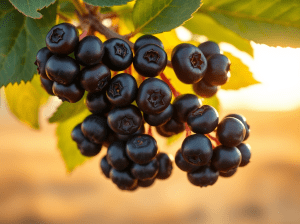
    🌿 Service Berry: North America’s Forgotten Superfruit of Resilience, Ritual, and Deep Nourishment

    Some fruits arrive with fanfare — bright colors, loud marketing, trendy labels. And then there are fruits like the Service Berry: quiet, ancient, and profoundly generous. It doesn’t shout for attention. It simply grows — faithfully, season after season — offering nourishment to anyone who knows where to look.

    Also known as Juneberry, Saskatoon, Shadbush, and Amelanchier, this berry has been part of North America’s food story for thousands of years. Today, as more people seek whole, ancestral foods that support real wellness, the Service Berry is finally returning to the spotlight it deserves.

    This is more than a fruit. It’s a lineage. A ritual. A reminder of how nourishment used to feel.

    🍇 A Fruit with Many Names — and Many Stories

    The Service Berry carries a different name depending on where you stand on the map:

    • Juneberry — ripening in early summer
    • Saskatoon — a beloved Canadian staple
    • Shadbush — blooming when shad fish return to spawn
    • Sugar plum, Indian pear, May cherry — each name a reflection of local culture and memory

    Its scientific name, Amelanchier, traces back to the French word amelanche, but its true identity is deeply North American. Indigenous communities harvested it long before colonization, weaving it into food, medicine, and ceremony.

    Every name tells a story. Every story points to the same truth: this berry has always mattered.

    🌸 A Seasonal Ritual: From Blossom to Berry

    The Service Berry tree begins its year with a quiet spectacle — clusters of delicate white blossoms that appear before most other plants wake up. These flowers are early, brave, and hopeful, signaling the shift from winter to spring.

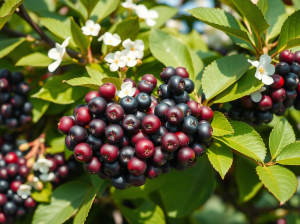
    By midsummer, the blossoms transform into small, dusky-purple berries with a flavor that’s:

    • Sweet
    • Earthy
    • Slightly nutty
    • Reminiscent of blueberry with a hint of almond

    It’s a fruit that asks us to slow down. To notice. To harvest with intention.

    🧬 A Nutritional Powerhouse Hidden in Plain Sight

    Despite its humble appearance, the Service Berry is one of the most nutrient-dense fruits on the continent. It’s rich in:

    • Anthocyanins — antioxidants linked to heart and cellular health
    • Dietary fiber — supporting digestion and blood sugar balance
    • Vitamin C — for immune resilience
    • Iron, manganese, calcium — essential minerals for vitality
    • Polyphenols — compounds associated with metabolic and cardiovascular benefits

    This is the kind of nourishment our ancestors relied on — whole, unprocessed, and deeply supportive.

    🥧 From Ancestral Food to Modern Kitchen Staple

    For Indigenous communities, Service Berries were more than a snack — they were survival. The berries were dried and mixed with meat and fat to create pemmican, a high-energy food that could last through harsh winters.

    Today, the berry adapts beautifully to modern kitchens:

    • Smoothies
    • Jams and preserves
    • Pies, muffins, and breads
    • Homemade syrups
    • Craft wines and ciders
    • Frozen desserts
    • Trail mixes and granola

    Its flavor is versatile — sweet enough for desserts, grounded enough for savory dishes.

    🌎 Where the Service Berry Thrives

    This fruit grows where resilience is required:

    • Across Canada, especially Saskatchewan and Alberta
    • Throughout the Northern United States
    • In mountainous regions like the Rockies and Sierra Nevada
    • Along woodlands, prairies, and riverbanks

    It thrives in poor soil, cold climates, and dry conditions — a symbol of endurance and adaptability.

    💫 Why the Service Berry Matters Today

    In a world filled with processed foods, synthetic supplements, and quick fixes, the Service Berry offers something rare: a return to whole, living nourishment.

    It reminds us that wellness doesn’t have to be complicated. It can be simple. Seasonal. Rooted in the land beneath our feet.

    This fruit invites us to reconnect — with nature, with tradition, and with the kind of nourishment that supports body and spirit.

    🛒 How to Bring Service Berries Into Your Wellness Rituals

    Here are gentle, intentional ways to use this fruit:

    • Add to morning smoothies for antioxidant support
    • Use in blood sugar-friendly desserts
    • Pair with greens, grains, and nuts for a balanced bowl
    • Create ceremonial blends with other heritage fruits
    • Dry them for winter nourishment
    • Gift them as a seasonal offering

    This is a fruit that adapts to your rhythm — whether you’re seeking energy, grounding, or a deeper connection to ancestral foods.

    🍽️ Culinary Uses & Recipes with the Service Berry

    A fruit this meaningful deserves to be enjoyed in ways that honor both its heritage and its flavor. Below are recipes that blend tradition with modern wellness — simple, nourishing, and deeply satisfying.

    🥤 1. Service Berry Morning Glow Smoothie

    A vibrant, antioxidant-rich blend that supports energy, digestion, and a grounded start to the day.

    Ingredients

    • 1 cup fresh or frozen service berries
    • 1 ripe banana
    • ½ cup Greek yogurt or coconut yogurt
    • 1 cup almond milk (or any milk you love)
    • 1 tablespoon chia seeds
    • 1 teaspoon honey or maple syrup (optional)
    • A handful of spinach (optional for extra greens)

    Instructions

    1. Add all ingredients to a blender.
    2. Blend until smooth and creamy.
    3. Taste and adjust sweetness if needed.
    4. Pour into your favorite glass and enjoy slowly, like a morning ritual.

    Why It Works

    Service berries bring deep, earthy sweetness and powerful antioxidants, while chia and yogurt add protein and fiber for steady energy.

    🫐 2. Rustic Service Berry Jam (No Pectin Needed)

    A simple, old‑world preserve that captures the berry’s natural sweetness and almond-like depth.

    Ingredients

    • 3 cups service berries
    • 1 cup water
    • ½ cup sugar or honey
    • 1 tablespoon lemon juice
    • ½ teaspoon vanilla extract (optional)

    Instructions

    1. Add berries and water to a saucepan and simmer for 10 minutes.
    2. Mash gently with a fork or potato masher.
    3. Add sugar/honey and lemon juice.
    4. Simmer another 15–20 minutes until thickened.
    5. Stir in vanilla, cool, and store in jars.

    Serving Ideas

    • Spread on warm toast
    • Swirl into yogurt
    • Spoon over pancakes
    • Add to oatmeal for a berry‑rich morning bowl

    🥧 3. Service Berry & Almond Crumble

    A cozy, nourishing dessert that celebrates the berry’s natural flavor.

    Ingredients

    For the filling:

    • 3 cups service berries
    • 2 tablespoons maple syrup
    • 1 tablespoon lemon juice
    • 1 tablespoon flour or cornstarch

    For the crumble:

    • ½ cup rolled oats
    • ¼ cup almond flour
    • 2 tablespoons brown sugar or coconut sugar
    • 3 tablespoons cold butter or coconut oil
    • Pinch of cinnamon

    Instructions

    1. Preheat oven to 350°F (175°C).
    2. Toss berries with maple syrup, lemon juice, and flour.
    3. Pour into a small baking dish.
    4. Mix crumble ingredients until coarse and crumbly.
    5. Sprinkle over the berries.
    6. Bake 25–30 minutes until bubbling and golden.

    Serving Tip

    Serve warm with vanilla yogurt or a small scoop of ice cream.

    🍇 4. Traditional Dried Service Berries (Ancestral Style)

    A nod to Indigenous preservation methods — simple, powerful, and long‑lasting.

    Instructions

    1. Spread fresh service berries on a baking sheet.
    2. Dry in the sun, a dehydrator, or a 170°F oven for 4–6 hours.
    3. Store in jars for winter use.

    How to Use Them

    • Add to trail mix
    • Stir into porridge
    • Bake into breads
    • Use in ceremonial blends with nuts and seeds

    🍹 5. Service Berry Wellness Syrup

    Perfect for drizzling, mixing into drinks, or adding to warm teas.

    Ingredients

    • 2 cups service berries
    • 1 cup water
    • ½ cup honey
    • 1 cinnamon stick (optional)

    Instructions

    1. Simmer berries and water for 15 minutes.
    2. Strain through a fine mesh sieve.
    3. Stir honey into the warm liquid.
    4. Bottle and refrigerate.

    Use It For

    • Mocktails
    • Herbal teas
    • Pancakes
    • Smoothie bowls

    Just tell me what direction you want to shape next.

    🌿 A Closing Reflection

    The Service Berry teaches us that nourishment doesn’t need to be loud or flashy. It can be quiet. Steady. Rooted in tradition.

    To eat this berry is to honor the land, the people who tended it before us, and the wisdom of foods that have stood the test of time.

    It’s a reminder that wellness is not a trend — it’s a return.

    🔥 Act Now & Save $20 — Limited Time Only

    🌟 A Natural Start… and an Even Easier Path Forward

    Learning about the Service Berry is a beautiful beginning — a reminder that nature already gives us powerful tools for energy, balance, and nourishment. But if you’re ready for something simple, structured, and done‑for‑you, there’s a way to take your wellness journey even further.

    Because sometimes you don’t want to guess. You want a plan. You want results. And you want it to be easy.

    🥤 Done‑For‑You Smoothie Recipes for Health & Weight Support

    If you love the idea of using whole foods to support your energy, digestion, and weight goals, you’ll love this:

    A complete 21‑day smoothie program with step‑by‑step recipes, shopping lists, and a simple daily plan — all designed to help you feel lighter, more energized, and more in control of your health.

    These smoothies are:

    • Delicious
    • Easy to make
    • Naturally supportive of weight balance
    • Packed with fruits, fiber, and nutrients
    • Perfect for busy mornings or on‑the‑go days

    It’s everything you need… already done for you.

    🔥 Act Now & Save $20 Limited Time Only

    Right now, you can get instant access to the full program and save $20.00 off the regular price.

    This is your moment to take action while the offer is still live. Access Now

  • Sea Buckthorn: The Ultimate Superfruit Guide

    🌿 What Is Sea Buckthorn?

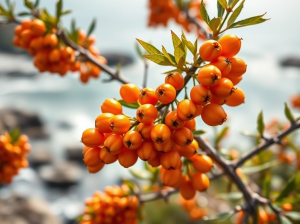
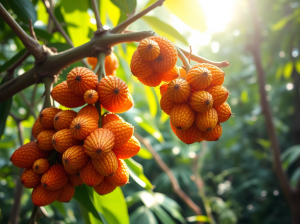
    Sea Buckthorn (Hippophae rhamnoides) is a small, vibrant orange berry that grows on thorny shrubs along coastlines, riverbanks, and high‑altitude regions. Despite its name, it has no relation to buckthorn — the name comes from its tendency to grow near the sea and its thorny branches.

    Its flavor is bold and bright: tart, citrusy, and deeply aromatic — like a wild cousin of the orange.

    Frequently Asked Questions About Sea Buckthorn

    1. What exactly is Sea Buckthorn?

    Sea Buckthorn is a bright orange berry that grows on thorny shrubs in coastal, mountainous, and cold regions. Despite its name, it is not related to buckthorn. It’s known for its intense nutrient density, especially Vitamin C and omega fatty acids.

    2. What does Sea Buckthorn taste like?

    It has a bold, tart, citrus‑forward flavor — like a wild blend of orange, mango, and passionfruit. Its brightness makes it perfect for teas, syrups, smoothies, and desserts.

    3. What are the main health benefits?

    Sea Buckthorn is valued for:

    • immune support
    • skin hydration and elasticity
    • anti‑inflammatory properties
    • heart and metabolic support
    • digestive and respiratory comfort

    Its rare omega‑7 content makes it especially prized for skin and mucous membrane health.

    4. Who should avoid Sea Buckthorn?

    People who should use caution or avoid it include:

    • those with berry or plant allergies
    • individuals with low blood pressure
    • people taking blood thinners
    • those with sensitive digestion
    • pregnant or breastfeeding individuals (due to limited research)

    5. Is Sea Buckthorn safe for children?

    In small culinary amounts (like teas or jams), it is generally safe. However, concentrated oils, extracts, or supplements should be discussed with a pediatric healthcare provider.

    6. Can I use Sea Buckthorn on my skin?

    Yes — Sea Buckthorn oil is widely used for:

    • dry skin
    • redness
    • wound healing
    • supporting a natural glow

    It’s potent, so many people dilute it with a carrier oil.

    7. Where can I buy Sea Buckthorn?

    You can find it in:

    • health food stores
    • herbal shops
    • online wellness retailers
    • Eastern European and Asian markets
    • farmers’ markets in northern climates

    It’s available fresh (seasonally), frozen, dried, juiced, powdered, or as oil.

    8. Can I grow Sea Buckthorn at home?

    Yes — it’s hardy, drought‑resistant, and thrives in cold climates. It prefers sandy or rocky soil and full sun. Most shrubs begin producing berries after 3–5 years.

    9. How do I use Sea Buckthorn in recipes?

    Popular uses include:

    • teas and infusions
    • syrups and tonics
    • smoothies
    • jams and preserves
    • sauces for fish or poultry
    • desserts and sorbets
    • fermented drinks
    • skincare oils

    Its color and flavor make it a standout ingredient.

    10. Does Sea Buckthorn help with weight loss?

    There is no magic weight‑loss fruit, but Sea Buckthorn’s nutrients — especially omega‑7 and antioxidants — may support metabolic balance, energy, and inflammation reduction. It works best as part of a balanced lifestyle.

    📜 Origins & Cultural History

    Sea Buckthorn has been revered for thousands of years across Asia, Europe, and the Himalayan region.

    🌏 Ancient Tibetan & Mongolian Traditions

    • Used as a sacred healing plant
    • Given to warriors and horses for strength and endurance
    • Featured in Tibetan medical texts dating back to the 8th century

    🇨🇳 Traditional Chinese Medicine

    • Considered a fruit of qi nourishment
    • Used to support digestion, circulation, and respiratory health

    🇷🇺 Siberian & Russian Herbalism

    • Known as the “Siberian Holy Fruit
    • Used to support immunity during long winters
    • Popular among cosmonauts for its nutrient density

    🇮🇳 Himalayan Communities

    • Harvested as a winter survival food
    • Used in teas, oils, and ceremonial offerings

    Sea Buckthorn is a fruit that cultures didn’t just eat — they honored it.

    💛 Nutritional Profile: A True Superfruit

    Sea Buckthorn is one of the most nutrient‑dense fruits on the planet.

    Vitamins

    • Extremely high Vitamin C (up to 10x oranges)
    • Vitamin A (beta‑carotene)
    • Vitamin E
    • B‑complex vitamins

    Minerals

    • Potassium
    • Calcium
    • Magnesium
    • Iron

    Rare Fatty Acids

    Sea Buckthorn is one of the only plants containing all four omega fatty acids:

    • Omega‑3
    • Omega‑6
    • Omega‑7 (very rare in nature)
    • Omega‑9

    Omega‑7 is especially prized for skin, mucous membranes, and metabolic health.

    🌟 Medicinal & Health Benefits

    Sea Buckthorn has been used as a healing plant for centuries — and modern research is now confirming many of its traditional uses.

    🛡️ Immune Support

    Its extremely high Vitamin C and antioxidant content help strengthen the body’s natural defenses.

    ✨ Skin & Beauty

    Omega‑7 supports:

    • skin hydration
    • elasticity
    • wound healing
    • a natural glow

    It’s often called the “beauty berry.”

    🔥 Anti‑Inflammatory Support

    Rich in flavonoids and carotenoids that help reduce inflammation.

    💓 Heart & Metabolic Health

    May support:

    • healthy cholesterol
    • balanced blood sugar
    • improved circulation

    🌬️ Respiratory & Digestive Support

    Traditionally used to soothe:

    • cough
    • dryness
    • digestive discomfort

    Sea Buckthorn is a plant that nourishes from the inside out.

    🍽️ Culinary Uses

    Sea Buckthorn’s bright, tart flavor makes it perfect for:

    • teas and infusions
    • syrups and tonics
    • jams and preserves
    • smoothies
    • sauces for fish or poultry
    • desserts and sorbets
    • fermented drinks
    • oils and elixirs

    Its color alone — a deep, glowing gold — feels like sunlight in a bowl.

    🧡 A Fruit of Resilience

    Sea Buckthorn thrives where other plants cannot: windswept coasts, rocky mountainsides, frozen plains.

    It teaches us something about endurance, nourishment, and the quiet strength of nature. To taste it is to taste a lineage of healing that spans continents and centuries.

    🍽️ Sea Buckthorn Recipes

    Sea Buckthorn’s bright, citrus‑tart flavor makes it one of the most versatile berries in the world. Below are three recipes that honor its heritage while offering modern, nourishing ways to enjoy it.

    🍵 1. Sea Buckthorn Glow Tea (Traditional Himalayan‑Inspired)

    A warming, restorative tea used for centuries to support immunity and inner vitality.

    Ingredients

    • 1 cup fresh or frozen sea buckthorn berries
    • 2 cups water
    • 1–2 tbsp honey or maple syrup
    • 1 small slice of fresh ginger (optional)
    • A squeeze of lemon

    Instructions

    1. Simmer berries and water in a small pot for 10 minutes.
    2. Mash berries gently to release their juices.
    3. Strain into a mug.
    4. Stir in honey, ginger, and lemon.
    5. Sip slowly while warm.

    This tea tastes like sunlight — bright, soothing, and deeply nourishing.

    🍯 2. Sea Buckthorn Golden Syrup (Perfect for Drinks, Desserts & Wellness Shots)

    A vibrant, tangy syrup that captures the berry’s color and potency.

    Ingredients

    • 2 cups sea buckthorn berries
    • 1 cup water
    • ¾ cup sugar or honey
    • 1 tsp vanilla (optional)

    Instructions

    1. Combine berries and water in a saucepan.
    2. Simmer for 10–12 minutes until berries soften.
    3. Mash and strain through a fine sieve.
    4. Return liquid to the pot and add sugar or honey.
    5. Simmer until slightly thickened.
    6. Add vanilla if desired.

    Use it in sparkling water, cocktails, yogurt bowls, pancakes, or as a wellness shot.

    🥣 3. Sea Buckthorn & Orange Morning Smoothie (Vitamin‑Rich & Energizing)

    A bright, immune‑boosting blend perfect for mornings.

    Ingredients

    • ½ cup sea buckthorn berries
    • 1 banana
    • 1 orange, peeled
    • ½ cup yogurt or plant milk
    • 1 tbsp honey
    • 1 tbsp chia or flax seeds

    Instructions

    1. Add all ingredients to a blender.
    2. Blend until smooth and creamy.
    3. Taste and adjust sweetness.
    4. Serve chilled.

    This smoothie delivers a burst of Vitamin C, omega fatty acids, and natural energy.

    🍨 4. Sea Buckthorn Sorbet (Simple, Elegant, and Naturally Vibrant)

    Ingredients

    • 2 cups sea buckthorn berries
    • 1 cup water
    • ¾ cup sugar
    • 1 tbsp lemon juice

    Instructions

    1. Simmer berries and water for 10 minutes.
    2. Blend and strain to remove seeds.
    3. Stir in sugar and lemon juice.
    4. Chill completely.
    5. Freeze in an ice cream maker — or pour into a shallow dish and scrape every 30 minutes until frozen.

    A refreshing, jewel‑colored dessert that tastes like wild citrus.

    🧡 5. Sea Buckthorn Healing Oil (Traditional Skin Remedy)

    For external use only.

    Ingredients

    • ½ cup dried sea buckthorn berries
    • 1 cup carrier oil (jojoba, almond, or olive)

    Instructions

    1. Warm oil gently in a double boiler.
    2. Add berries and infuse on low heat for 30–45 minutes.
    3. Strain and store in a glass bottle.
    4. Use on dry skin, lips, or as a nighttime facial oil.

    A traditional remedy used for centuries to support skin hydration and repair.

    🚫 Who Should Not Consume Sea Buckthorn

    Sea Buckthorn is generally safe for most people, but there are a few groups who may need to use caution or avoid it entirely. This keeps your content responsible, trustworthy, and aligned with your editorial style.

    ⚠️ 1. Individuals With Berry or Plant Allergies

    People who are allergic to berries or plants in the Elaeagnaceae family may experience reactions. Symptoms can include itching, swelling, or digestive discomfort.

    ⚠️ 2. Those With Low Blood Pressure

    Sea Buckthorn may naturally lower blood pressure. Anyone already dealing with hypotension or taking blood‑pressure‑lowering medications should consult a professional before consuming it regularly.

    ⚠️ 3. Individuals on Blood‑Thinning Medications

    Because Sea Buckthorn contains natural fatty acids and antioxidants that may influence blood clotting, it may interact with medications such as:

    • warfarin
    • aspirin
    • other anticoagulants

    ⚠️ 4. People With Digestive Sensitivities

    Its high Vitamin C and acidity can cause:

    • stomach upset
    • reflux
    • loose stools in sensitive individuals.

    ⚠️ 5. Pregnant or Breastfeeding Individuals

    There is limited research on Sea Buckthorn consumption during pregnancy or breastfeeding. It’s best to consult a healthcare provider before using it in medicinal amounts.

    🛒 Availability

    Sea Buckthorn is becoming more popular worldwide, but its availability depends on where you live. Here’s where readers can typically find it:

    🧺 Fresh Berries

    • Found in farmers’ markets in northern climates
    • Common in Scandinavian, Baltic, Russian, and Himalayan regions
    • Grown in parts of Canada and the northern United States

    Fresh berries are seasonal and often sold in late summer to early fall.

    ❄️ Frozen Berries

    • Available in specialty grocery stores
    • Found in Eastern European and Asian markets
    • Often sold online through natural food suppliers

    Frozen berries retain most of their nutrients and are perfect for smoothies, teas, and sauces.

    🍯 Sea Buckthorn Products

    These are widely available year‑round:

    • juices
    • syrups
    • jams
    • teas
    • powders
    • capsules
    • oils (for internal or external use)

    You’ll find them in:

    • health food stores
    • herbal shops
    • online wellness retailers
    • skincare boutiques (for the oil)

    🌱 Home Growing

    Sea Buckthorn shrubs can be grown in:

    • cold climates
    • coastal areas
    • rocky or sandy soil

    They are hardy, drought‑resistant, and produce fruit after 3–5 years.

    📚 Sources Used

    These sources provide nutritional data, historical context, and research‑supported insights about Sea Buckthorn:

    • National Center for Biotechnology Information (NCBI) – Research on Sea Buckthorn’s antioxidant, anti‑inflammatory, and omega‑fatty‑acid profile https://www.ncbi.nlm.nih.gov/pmc/articles/PMC4271690/ (ncbi.nlm.nih.gov in Bing)
    • Journal of Ethnopharmacology – Traditional medicinal uses across Tibetan, Mongolian, and Chinese systems https://www.sciencedirect.com/science/article/abs/pii/S0378874113006161 (sciencedirect.com in Bing)
    • Food Chemistry Journal – Vitamin C, carotenoid, and nutrient density analysis https://www.sciencedirect.com/science/article/abs/pii/S0308814610010468 (sciencedirect.com in Bing)
    • FAO (Food and Agriculture Organization) – Global cultivation, availability, and cultural significance https://www.fao.org/3/y2808e/y2808e08.htm (fao.org in Bing)
    • Healthline – General overview of benefits, safety, and usage https://www.healthline.com/nutrition/sea-buckthorn (healthline.com in Bing)

    If you want, I can also format these in APA, MLA, or Chicago style for your blog’s reference section.

    ⚖️ Disclaimer

    This content is for informational and educational purposes only. Sea Buckthorn is generally safe for most people, but individual health needs vary. This post does not provide medical advice, diagnosis, or treatment. Anyone who is pregnant, breastfeeding, taking medications, managing chronic conditions, or unsure about consuming Sea Buckthorn should consult a qualified healthcare professional before making dietary changes.

    🌅 Wrapping It Up

    Sea Buckthorn is more than a berry — it’s a story of resilience, nourishment, and ancient wisdom carried through time. From Himalayan healers to Siberian herbalists to modern wellness seekers, this golden fruit has been trusted for its ability to strengthen, restore, and illuminate the body from within.

    Whether you sip it as tea, blend it into a morning smoothie, or use its oil to nourish your skin, Sea Buckthorn invites you into a deeper relationship with nature’s intelligence. It reminds us that some of the most powerful forms of healing grow quietly in the wild, waiting to be rediscovered.

    A fruit of endurance. A fruit of radiance. A fruit with a lineage worth honoring.

  • Discover the Surprising Shift in Wellness

    **“There’s a Quiet Shift Happening in Healthy Living…

    And Almost No One Is Talking About It.”**

    A simple daily ritual is helping people feel lighter, clearer, and more in control — without dieting, without restriction, and without giving up the foods they love.

    Most people scroll right past it. A few stop. Even fewer try it. But the ones who do… They’re the ones leaving the highest ratings on the site — 4.8 out of 5 stars, thousands of reviews, men and women of all ages.

    And yet… almost no one knows why it works so well.

    👉 Order Now — Save 75%

    🌫️ If You’ve Been Searching for Something That Finally Makes Sense… Keep Reading

    Because what you’re about to discover doesn’t look like the usual “healthy living advice.” It doesn’t follow the rules. It doesn’t require perfection. And it doesn’t demand that you change your entire life overnight.

    Instead, it starts with something small. Something simple. Something that feels almost too easy.

    But once you feel the shift… You’ll understand why so many people are calling this the most surprising wellness breakthrough of the year.

    🌙 The Strange Part? It Works for Everyone.

    Men. Women. Busy parents. People who’ve tried everything. People who’ve given up. People who swore nothing would ever work for them.

    They all say the same thing:

    “I didn’t expect this to work… but it did.”

    Not because it’s extreme. Not because it’s complicated. But because it taps into something your body already knows how to do — something it’s been waiting for.

    🔍 What Makes This So Different?

    It’s not a diet. It’s not a cleanse. It’s not a challenge. It’s not a trend.

    It’s a method built around:

    • Natural balance
    • Clean, vibrant ingredients
    • Simple daily steps
    • Real‑world results
    • And a lifestyle that feels good, not restrictive

    It’s the kind of shift you feel before you even understand it.

    And Here’s the Reveal Most People Don’t Expect…

    After reading, exploring, and feeling that spark of curiosity… You’ll discover that this isn’t just a tip or a trick.

    It’s a complete, done‑for‑you system with over 200 powerful, energizing recipes designed to make healthy living effortless — and enjoyable.

    No guesswork. No confusion. Just clarity, flavor, and results.

    And right now, for a limited time, it’s available for 75% off.

    👉 Order Now Save 75%

    Step into the shift. Feel the difference. Let your body show you what it’s been waiting for.

  • Saskatoon Berry: Culture, Health, and Culinary Uses

    ✨ The Saskatoon Berry: A Heritage Fruit Rooted in Culture, Healing, and History

    The Saskatoon Berry is more than a fruit — it is a story carried through generations, a small purple‑blue jewel woven into the land, the people, and the traditions of North America’s prairies.

    The Saskatoon Berry (Amelanchier alnifolia) is a small pome fruit, not a true berry. It belongs to the Rosaceae family, the same family as apples and pears.

    It resembles a blueberry in appearance, but its flavor is deeper — sweet, earthy, and lightly almond‑like due to its natural benzaldehyde content.

    The Saskatoon Berry was not “discovered” by a single person. It was known, named, and used for centuries by Indigenous peoples across Western North America.

    The story of the Saskatoon Berry begins long before written history — long before maps, borders, or settlers. Its roots stretch into the memory of the land itself, carried through generations by the Indigenous peoples of the Northern Plains and Prairie regions.

    For thousands of years, the berry was known, named, and cherished by Cree, Blackfoot, Saulteaux, Métis, and other First Nations communities. The word Saskatoon comes from the Cree term “misâskwatômina,” meaning “the fruit of the many-branched shrub.” This name reflects not only the plant’s physical form but also its abundance — a gift that returned each summer, reliable as the sunrise.

    Long before European botanists attempted to classify it, the Saskatoon Berry was already woven into daily life:

    • A food source that sustained families through harsh winters
    • A medicine used to support wellness and healing
    • A trade item valued across regions
    • A ceremonial ingredient included in gatherings, teachings, and seasonal rituals

    When European explorers and settlers arrived in the 1700s and 1800s, they encountered the berry through Indigenous guidance. It was Indigenous women — the knowledge keepers of food, land, and medicine — who taught newcomers how to harvest, dry, preserve, and prepare the fruit.

    Botanists later recorded the plant as Amelanchier alnifolia, placing it within the rose family, but its scientific name captures only a fraction of its identity. The true discovery of the Saskatoon Berry belongs to the Indigenous peoples who cultivated a relationship with it for millennia.

    To them, the berry was not simply food — it was:

    • A seasonal marker, signaling warmth, movement, and community
    • A teaching tool, passed from elders to children
    • A symbol of resilience, thriving in the challenging climates of the prairies
    • A thread of continuity, connecting past, present, and future

    Even today, the Saskatoon Berry remains a living piece of cultural heritage — a fruit that carries stories, survival, and spirit in every deep purple skin.

    Across Cree, Métis, Blackfoot, and other Indigenous nations, the Saskatoon Berry holds cultural, culinary, and spiritual significance:

    🍖 Pemmican

    A sacred survival food made of dried meat, fat, and Saskatoon berries — essential for winter endurance and long journeys.

    🧿 Symbolism & Storytelling

    The berry appears in stories, songs, and teachings, often symbolizing:

    • resilience
    • nourishment
    • relationship with the land

    🌾 Seasonal Harvesting

    Late‑summer berry gathering was a communal event — a time of:

    • family gathering
    • teaching younger generations
    • preparing winter stores

    🎉 Regional Celebrations Today

    Modern festivals in Saskatchewan and Alberta celebrate the berry through:

    • pies
    • jams
    • wines
    • cultural demonstrations

    These events honor both Indigenous heritage and prairie agricultural identity.

    Saskatoon berries are considered a nutrient‑dense superfruit, often richer than blueberries in key compounds.

    Vitamins

    • Vitamin C — immune support, antioxidant protection
    • Vitamin A (beta‑carotene) — eye and skin health
    • B Vitamins (including riboflavin B2 and niacin B3) — energy metabolism

    Minerals

    • Manganese
    • Magnesium
    • Iron
    • Calcium
    • Potassium

    Other Nutrients

    • High dietary fiber
    • Essential amino acids
    • Polyphenols, flavonoids, anthocyanins (deep purple pigments)

    The Saskatoon Berry has carried a reputation for healing long before modern nutrition science existed. For Indigenous peoples of the Northern Plains, this fruit was more than nourishment — it was medicine, protection, and a trusted ally through harsh seasons. Today, researchers are beginning to validate what traditional knowledge has known for centuries.

    For thousands of years, the Saskatoon Berry was used as a functional food — a source of strength, endurance, and healing. Indigenous communities understood the berry not only through taste, but through relationship, observation, and generational wisdom.

    Traditional Medicinal Uses

    • Digestive Support The berries were eaten fresh or dried to soothe the stomach and support digestion.
    • Healing & Recovery Infusions made from the berries or leaves were used to support recovery after illness or physical strain.
    • Anti‑Inflammatory Support The berry’s natural compounds were believed to help reduce swelling and inflammation.
    • Winter Strength & Endurance When dried and added to pemmican, the berry provided long‑lasting energy and nutrients during long journeys and cold seasons.
    • General Wellness & Longevity Elders often described the berry as a “strengthener,” supporting vitality and resilience.

    Spiritual & Ceremonial Context

    The berry was also part of:

    • seasonal gatherings
    • teachings about the land
    • communal harvesting rituals
    • offerings of gratitude

    Healing was never separate from culture — it was woven into the way the berry was gathered, shared, and honored.

    Today, researchers recognize the Saskatoon Berry as a nutrient‑dense superfruit, rich in compounds that support whole‑body wellness. Modern science has confirmed many of the traditional beliefs.

    1. Anti‑Inflammatory & Antioxidant Power

    Saskatoon berries contain:

    • anthocyanins
    • flavonoids
    • polyphenols

    These compounds help reduce oxidative stress — a major contributor to aging, inflammation, and chronic disease.

    2. Heart Health Support

    The berry’s fiber and antioxidants may help:

    • lower LDL cholesterol
    • support healthy blood vessels
    • reduce inflammation in cardiovascular tissues

    3. Blood Sugar Balance

    Their low glycemic index + high fiber content supports:

    • steadier blood sugar
    • reduced glucose spikes
    • improved insulin response

    This aligns with traditional beliefs about the berry’s ability to sustain energy.

    4. Digestive Wellness

    High natural fiber supports:

    • gut motility
    • microbiome balance
    • digestive comfort

    A modern confirmation of its long‑held digestive uses.

    5. Immune Support

    Rich in:

    • Vitamin C
    • Vitamin A
    • manganese
    • phenolic compounds

    These nutrients strengthen the body’s natural defense systems.

    6. Natural Energy & Vitality

    The berry’s combination of:

    • slow‑release carbohydrates
    • essential minerals
    • antioxidants

    supports steady, grounded energy — echoing its historical use in pemmican for endurance.

    What Indigenous communities understood intuitively — that this berry nourishes, strengthens, and restores — is now being echoed in scientific journals and nutritional studies.

    Then, it was a sacred food of survival, ceremony, and community. Now, it is recognized as a superfruit with powerful health‑supporting properties.

    The Saskatoon Berry continues to be a reminder that the wisdom of the land often arrives long before the science to explain it.

    Traditionally and today, Saskatoon berries are used in:

    • pies, tarts, and crisps
    • jams and preserves
    • syrups and wines
    • dried snacks and fruit leather
    • savory sauces and marinades

    Their flavor is uniquely versatile — sweet, nutty, and deeply rooted in the land.

    The Saskatoon Berry has traveled through kitchens, campfires, and cultures for centuries. Its flavor — sweet, earthy, and lightly almond‑kissed — makes it one of the most versatile fruits of the northern prairies. From traditional Indigenous preparations to modern artisan baking, this berry adapts effortlessly to both rustic and refined dishes.

    Historically, it was dried in the summer sun, folded into pemmican, simmered into preserves, and baked into hearty breads. Today, it appears in pies, syrups, wines, smoothies, sauces, and even savory dishes where its subtle nuttiness adds depth and warmth.

    Saskatoon berries are generally considered safe and nutritious for most people, but there are a few groups who may need to use caution or avoid them altogether.

    ⚠️ 1. Individuals With Berry or Rosaceae Allergies

    Saskatoon berries belong to the Rosaceae family, the same family as apples and pears. People with known allergies to these fruits may experience reactions.

    ⚠️ 2. Individuals With Blood Sugar Sensitivities

    While Saskatoon berries have a low glycemic impact, they still contain natural sugars. Anyone managing blood sugar conditions should monitor portion sizes and consult a professional if unsure.

    ⚠️ 3. People With Digestive Sensitivities

    Because Saskatoon berries are high in fiber (5–6 grams per 100g), large amounts may cause bloating or discomfort in those with sensitive digestion.

    ⚠️ 4. Infants Under 1 Year Old

    Whole berries can pose a choking risk, and infants’ digestive systems may not tolerate high‑fiber fruits well.

    ⚠️ 5. Individuals Taking Certain Medications

    Due to their antioxidant and anti‑inflammatory compounds, Saskatoon berries may theoretically interact with medications that affect blood clotting or inflammation. Anyone on prescription medications should check with a healthcare provider.

    • Saskatoon berry nutritional profile and antioxidant content — Saskatoon Nutritional Information https://saskatoonsreddeer.com/SaskatoonNutritionInfo
    • Vitamin, mineral, and fiber content — Biology Insights (Serviceberry Nutrition) https://biologyinsights.com/serviceberry-nutrition-a-breakdown-of-the-health-benefits/
    • Antioxidant, anti‑inflammatory, and metabolic benefits — Nutri.it (Saskatoon Berry Superfood Analysis) https://nutri.it.com/are-saskatoon-berries-a-superfood-a-deep-dive-into-their-health-benefits

    This information is for general educational purposes only and is not medical advice. Saskatoon berries are safe for most people, but individual health conditions vary. Anyone with allergies, chronic conditions, or concerns about interactions should consult a qualified healthcare professional before making dietary changes.

    Below are a few ways to bring this heritage fruit into your own kitchen.

    A classic recipe that honors the berry’s long history in prairie homes.

    Ingredients

    • 4 cups fresh or frozen Saskatoon berries
    • ¾ cup sugar (adjust to taste)
    • 2 tbsp lemon juice
    • 3 tbsp cornstarch
    • 1 tsp almond extract (optional but enhances the natural flavor)
    • 1 double pie crust
    • 1 tbsp butter

    Instructions

    1. Preheat your oven to 400°F (200°C).
    2. In a saucepan, combine berries, sugar, lemon juice, and cornstarch.
    3. Warm gently until the mixture thickens slightly.
    4. Stir in almond extract.
    5. Pour filling into the bottom crust and dot with butter.
    6. Cover with the top crust, seal edges, and cut small vents.
    7. Bake for 35–40 minutes until golden and bubbling.
    8. Cool before slicing to allow the filling to set.

    A slice of this pie tastes like summer preserved in pastry.

    This jam captures the berry’s deep, earthy sweetness and stores beautifully.

    Ingredients

    • 4 cups Saskatoon berries
    • 1 cup water
    • 2 cups sugar
    • 1 tbsp lemon juice

    Instructions

    1. Combine berries and water in a pot and simmer until soft.
    2. Mash gently to release juices.
    3. Add sugar and lemon juice.
    4. Simmer on low for 20–25 minutes, stirring often.
    5. When thickened, spoon into sterilized jars.
    6. Seal and cool.

    Spread on warm bread, swirl into yogurt, or spoon over pancakes.

    A respectful, modern nod to the traditional Indigenous survival food — using plant‑based ingredients for everyday snacking.

    Ingredients

    • 1 cup dried Saskatoon berries
    • 1 cup rolled oats
    • ½ cup nut butter (almond or sunflower)
    • ¼ cup honey or maple syrup
    • 1 tsp vanilla
    • Pinch of salt

    Instructions

    1. Pulse oats in a food processor until coarse.
    2. Add dried berries and pulse lightly.
    3. Add nut butter, honey, vanilla, and salt.
    4. Blend until mixture sticks together.
    5. Roll into small balls and chill for 30 minutes.

    These bites carry the spirit of the original pemmican — nourishment, energy, and simplicity — in a modern, accessible form.

    • Stir into oatmeal or overnight oats
    • Blend into smoothies
    • Bake into muffins, scones, or breads
    • Simmer into a warm berry compote
    • Create syrups for pancakes or cocktails
    • Add to salads for a sweet‑nutty pop
    • Ferment into wine or craft cider
    • Fold into ice cream or frozen yogurt

    The berry’s versatility is part of its magic — it adapts to whatever you ask of it.

    The Saskatoon Berry is not just a food — it is a thread connecting:

    • Indigenous knowledge
    • prairie landscapes
    • cultural memory
    • modern nutrition science

    The Saskatoon Berry is not just something you eat — it is something you inherit. A quiet heirloom of the prairies, carried through time by hands that understood the land long before borders or maps existed. Every deep‑purple berry holds a lineage: of survival, ceremony, nourishment, and relationship.

    For Indigenous communities across the Northern Plains, this fruit was never merely a seasonal harvest. It was a companion. A teacher. A symbol of the earth’s generosity. Families gathered beneath the summer sun to pick the berries together — elders sharing stories, children learning where to step, how to honor the plant, how to take only what was needed. Harvesting was not a task; it was a ritual of connection.

    The berry traveled through history in many forms:

    • As pemmican, sustaining nations through winter and long journeys
    • As medicine, supporting strength, digestion, and healing
    • As ceremony, woven into gatherings and teachings
    • As trade, valued for its nourishment and longevity

    When settlers arrived, they learned from Indigenous knowledge keepers how to prepare, preserve, and respect the fruit. The Saskatoon Berry became part of prairie homesteads, pies cooling on wooden tables, jars of preserves lining shelves for the cold months ahead. Yet even as it entered new kitchens, its roots remained firmly Indigenous.

    Today, the berry continues to bridge worlds — ancient and modern, cultural and culinary, practical and poetic. It appears in festivals, family gardens, artisan bakeries, and traditional teachings. It is a reminder that food is more than flavor; it is memory, identity, and relationship.

    To taste a Saskatoon Berry is to taste a story — one shaped by land, lineage, and the quiet resilience of a fruit that has nourished generations.

    EXTRA EXTRA READ ALL ABOUT IT

    Most people think weight gain is about calories, willpower, or eating “too much.” But new research reveals something far more surprising — and far more important.

    Some of the everyday foods you trust… the ones you’ve been told are “healthy”… may actually be making your fat cells sick, slowing your metabolism, and triggering stubborn weight that refuses to budge.

    This isn’t about dieting harder. It’s about understanding what’s happening inside your body — and why certain foods create chaos at the cellular level.

    When fat cells become “sick,” they don’t burn energy the way they should. Instead, they:

    • store more fat
    • release less energy
    • trigger cravings
    • slow your metabolism
    • make weight loss feel impossible

    And the shocking part? Many of the foods causing this damage are marketed as healthy choices.

    This short video reveals the exact foods that quietly sabotage your metabolism — and the simple shifts that help your fat cells function the way they were designed to.

    When your fat cells are healthy, your body naturally:

    • burns more energy
    • manages cravings better
    • supports a balanced metabolism
    • feels lighter and more energized

    This isn’t about restriction. It’s about giving your body the information it needs to work with you, not against you.

  • 🌿 Sapodilla: The Sweet, Ancient Fruit With a Story as Rich as Its Flavor

    Sapodilla — also known as Manilkara zapota, chikoo, naseberry, or sapota — is one of those fruits that feels like a hidden treasure. Soft, caramel‑sweet, and deeply nourishing, it has been cherished for centuries across the Caribbean, Central America, South Asia, and beyond. But its story begins long before it reached global kitchens.

    🌱 Where Sapodilla Was First Discovered

    Sapodilla is believed to have originated in the tropical forests of southern Mexico, Belize, and Guatemala, where it grew wild long before modern cultivation. Indigenous Maya communities were among the first to use the tree — not for its fruit at first, but for something far more surprising.

    🪵 What Sapodilla Was Originally Used For

    Long before the fruit became famous, the sapodilla tree was prized for its sap, known as chicle.

    Chicle was used for:

    • Chewing gum (the original natural gum base)
    • Adhesives
    • Waterproofing
    • Ceremonial uses in Maya culture

    In fact, Sapodilla is the tree that gave birth to modern chewing gum. In the 1800s, chicle was introduced to the United States, where it became the base for early chewing gum brands.

    🧭 Who First Documented Sapodilla

    While Indigenous peoples used Sapodilla for thousands of years, the fruit and tree were first documented by Spanish explorers in the 16th century during their travels through Mesoamerica. They recorded its sweet flavor, medicinal uses, and the economic value of chicle.

    Botanists later classified it as Manilkara zapota, noting its importance both as a food and a commercial resource.

    🌿 Medicinal Properties of Sapodilla

    Traditional healers across the Caribbean, Mexico, India, and Southeast Asia have long used Sapodilla for its therapeutic benefits.

    Medicinal properties include:

    • Anti‑inflammatory — helps soothe swelling and joint discomfort
    • Digestive support — rich in dietary fiber for gut health
    • Natural energy booster — high natural sugars for sustained energy
    • Immune support — vitamin C and antioxidants
    • Calming effects — traditionally used to ease stress and promote relaxation
    • Respiratory support — decoctions from the leaves are used for coughs and congestion

    Even the seeds have been used in traditional medicine for their diuretic properties.

    Sapodilla isn’t just a sweet tropical treat — it’s a fruit with a long history of healing. Across Mesoamerica, the Caribbean, India, and Southeast Asia, Sapodilla has been used as both food and medicine for generations. Its soft texture and caramel‑like flavor make it comforting to eat, but its real power lies in the nutrients and plant compounds hidden beneath the skin.

    Below is a deeper look at the medicinal benefits that have made Sapodilla a beloved fruit in traditional wellness systems.

    🌱 1. A Natural Anti‑Inflammatory Fruit

    Sapodilla contains polyphenols, tannins, and flavonoids, which help calm inflammation throughout the body. Traditional healers used the fruit, leaves, and bark to soothe:

    • Joint discomfort
    • Muscle soreness
    • Swelling from injuries
    • Digestive inflammation

    In Ayurvedic and Caribbean folk medicine, Sapodilla was often given to people recovering from illness because of its gentle, soothing nature.

    🍃 2. Supports Healthy Digestion

    Sapodilla is naturally rich in dietary fiber, making it excellent for digestive health.

    Benefits include:

    • Easing constipation
    • Supporting regular bowel movements
    • Feeding beneficial gut bacteria
    • Reducing acidity and heartburn
    • Calming irritated stomach lining

    In many cultures, Sapodilla is considered a “stomach‑friendly fruit” — something you can eat even when your digestion feels sensitive.

    💛 3. A Gentle Energy Booster

    Because Sapodilla contains natural sugars (fructose and sucrose), it provides a steady, balanced energy lift without the crash associated with processed sugar.

    This makes it ideal for:

    • Mid‑day fatigue
    • Post‑workout recovery
    • Supporting children’s energy naturally
    • Nourishing the body during illness

    Its sweetness is nature’s version of comfort food.

    🛡️ 4. Immune‑Strengthening Properties

    Sapodilla is packed with vitamin C, antioxidants, and plant compounds that help strengthen the immune system.

    Immune benefits include:

    • Supporting white blood cell activity
    • Protecting cells from oxidative stress
    • Helping the body fight infections
    • Supporting recovery from colds and coughs

    In traditional medicine, Sapodilla leaf tea was used to soothe fevers and respiratory discomfort.

    🌬️ 5. Respiratory Support

    The leaves and bark of the Sapodilla tree have long been used in herbal remedies for:

    • Coughs
    • Congestion
    • Mild asthma symptoms
    • Sore throats

    Warm decoctions made from the leaves were believed to help open the airways and calm irritation.

    🧘 6. Natural Stress Relief & Calming Effects

    Sapodilla contains sedative‑like compounds that help relax the nervous system.

    Traditional uses include:

    • Calming anxiety
    • Supporting deeper sleep
    • Reducing irritability
    • Easing tension

    In many cultures, Sapodilla is given to children and elders because of its gentle, soothing effect on the mind and body.

    💧 7. Hydration & Electrolyte Balance

    With its high water content and minerals like potassium and magnesium, Sapodilla helps maintain:

    • Hydration
    • Electrolyte balance
    • Heart rhythm
    • Muscle function

    This makes it especially valuable in hot climates where dehydration is common.

    🩸 8. Supports Healthy Blood & Circulation

    Sapodilla contains iron, which supports healthy red blood cell production. Its antioxidants also help protect blood vessels, supporting smoother circulation.

    This combination makes it beneficial for:

    • Preventing fatigue
    • Supporting heart health
    • Improving oxygen flow

    🌺 9. Skin‑Nourishing Properties

    Thanks to its vitamin C, vitamin A, and antioxidants, Sapodilla supports:

    • Collagen production
    • Skin elasticity
    • Wound healing
    • A natural glow

    Some cultures even use Sapodilla pulp as a gentle face mask for hydration and softness.

    🌿 10. Traditional Uses of Sapodilla Seeds

    Though not eaten raw, the seeds have been used in herbal medicine for:

    • Diuretic effects
    • Supporting kidney function
    • Reducing water retention

    Ground seeds were sometimes used in poultices for skin issues.

    🍊 Vitamin & Nutrient Content

    Sapodilla is surprisingly nutrient‑dense.

    Per 100g, Sapodilla contains:

    • Vitamin C
    • Vitamin A
    • B‑complex vitamins (B3, B5, B6)
    • Potassium
    • Iron
    • Calcium
    • Magnesium
    • Dietary fiber
    • Natural sugars (fructose + sucrose)

    This makes it excellent for:

    • Immune support
    • Skin health
    • Digestion
    • Energy
    • Bone strength

    🌍 Cultural Significance Around the World

    Sapodilla has woven itself into many cultures:

    Maya & Aztec cultures

    • Used chicle for rituals, crafts, and early chewing gum
    • Fruit eaten fresh during harvest seasons

    Caribbean

    • Known as a naseberry
    • Used in desserts, tonics, and home remedies

    India & Pakistan

    • Called chikoo
    • A beloved fruit for milkshakes, ice creams, and sweets

    Southeast Asia

    • Used in jams, juices, and traditional herbal preparations

    Its sweetness made it a symbol of hospitality, abundance, and comfort in many cultures.

    Sapodilla carries a cultural presence far deeper than its soft sweetness suggests. Across continents and centuries, this fruit has been woven into daily life, traditional medicine, spiritual symbolism, and even global trade. Its story reflects the movement of people, the blending of cultures, and the quiet wisdom of Indigenous food systems.

    🌿 Maya & Aztec Traditions: The First Keepers of Sapodilla

    Long before Sapodilla reached markets and kitchens around the world, it was cherished by the Maya and Aztec civilizations of Mesoamerica.

    In these cultures, Sapodilla symbolized:

    • Sustenance — a dependable fruit during harvest seasons
    • Healing — used in remedies for digestion, fever, and inflammation
    • Craftsmanship — the tree’s sap (chicle) is used for waterproofing, binding, and ceremonial items

    Chicle was considered a gift of the forest, and the tree itself was respected for its longevity and resilience.

    🌴 Caribbean Identity: The Heart of “Naseberry” Culture

    In Jamaica, Trinidad, Barbados, and other Caribbean islands, Sapodilla — known locally as naseberry — is more than a fruit. It’s a memory.

    It represents:

    • Childhood treats picked fresh from backyard trees
    • Comfort food during holidays and family gatherings
    • Home remedies passed down through generations
    • Warm hospitality — offering a naseberry to guests is a sign of welcome

    For many Caribbean families, the fruit is tied to stories of grandparents, village markets, and the sweetness of simpler times.

    South Asian Tradition: The Rise of “Chikoo”

    When Sapodilla traveled across the oceans, it found a new home in India, Pakistan, Sri Lanka, and Bangladesh, where it became known as chikoo.

    In South Asia, chikoo is:

    • A beloved ingredient in milkshakes, ice creams, halwa, and desserts
    • A symbol of warmth and nourishment
    • A fruit associated with comfort, sweetness, and family gatherings
    • A staple in Ayurvedic-inspired wellness routines

    Chikoo trees often grow in home gardens, becoming part of the family landscape for generations.

    🌏 Southeast Asia: A Fruit of Abundance

    In Thailand, Malaysia, Indonesia, and the Philippines, Sapodilla is appreciated for its gentle sweetness and cooling energy.

    It is used in:

    • Herbal tonics
    • Refreshing drinks
    • Traditional postpartum foods
    • Seasonal celebrations

    Its soft texture and soothing nature make it a favorite for elders and children alike.

    🪵 Global Impact: The Fruit That Changed Chewing Gum Forever

    Sapodilla’s cultural influence extends far beyond food.

    Its sap — chicle — became the original base for chewing gum, sparking a global industry in the 19th and early 20th centuries.

    This transformed:

    • Trade routes
    • Forest economies
    • Cultural exchanges between Mesoamerica and the world

    Sapodilla quietly shaped a product now used worldwide.

    🌺 A Fruit of Warmth, Comfort, and Connection

    Across cultures, Sapodilla is consistently associated with:

    • Sweetness of life
    • Family traditions
    • Healing and nourishment
    • Warm hospitality
    • Cultural memory

    Whether called sapodilla, chikoo, naseberry, sapota, or zapote, the fruit carries a universal message: simple sweetness, shared across generations.

    🍽️ Culinary Uses of Sapodilla

    Sapodilla is one of those fruits that feels like nature’s dessert — soft, sweet, and naturally caramel‑flavored. Its versatility in the kitchen has made it a beloved ingredient across continents, from traditional village kitchens to modern plant‑based recipes. Whether eaten fresh or transformed into something decadent, Sapodilla brings warmth, comfort, and richness to every dish.

    Sapodilla is incredibly versatile.

    Popular ways to enjoy it:

    • Fresh and chilled
    • In smoothies and milkshakes
    • Added to fruit salads
    • Blended into ice cream
    • Cooked into jams and preserves
    • Baked into pies, cakes, and tarts
    • Added to oatmeal or yogurt bowls

    Its caramel‑like flavor pairs beautifully with cinnamon, vanilla, coconut, and citrus.

    🥄 1. Enjoyed Fresh — The Purest Experience

    The most traditional way to enjoy Sapodilla is simply fresh and ripe.

    When perfectly soft, the fruit tastes like:

    • Brown sugar
    • Caramel
    • Pear
    • Sweet potato
    • A hint of cinnamon

    Many cultures enjoy it:

    • Chilled on hot days
    • Sliced with lime
    • Sprinkled with a pinch of cinnamon
    • Mixed into fruit bowls

    Its melt‑in‑your‑mouth texture makes it a natural favorite for children and elders.

    🥤 2. Smoothies, Shakes & Drinks

    Sapodilla blends into drinks like a dream.

    Popular beverages include:

    • Chikoo milkshake (India’s iconic creamy drink)
    • Sapodilla smoothie with banana and cinnamon
    • Tropical fruit blends with mango, papaya, or coconut
    • Iced chikoo latte (a modern café twist)

    Its natural sweetness means no added sugar is needed.

    🍨 3. Desserts & Sweet Treats

    Sapodilla’s caramel flavor makes it perfect for desserts.

    Traditional and modern favorites:

    • Chikoo ice cream
    • Sapodilla pudding
    • Caramel‑sapodilla custard
    • Sapodilla halwa (South Asian sweet)
    • Sapodilla crumble or crisp
    • Sapodilla cheesecake
    • Sapodilla popsicles

    In Caribbean households, naseberry is often added to:

    • Holiday cakes
    • Rum‑infused desserts
    • Spiced fruit bowls

    Its flavor pairs beautifully with vanilla, nutmeg, coconut, and chocolate.

    🥧 4. Baking With Sapodilla

    Sapodilla can be baked into:

    • Muffins
    • Cakes
    • Quick breads
    • Tarts
    • Pies

    Because it’s naturally moist and sweet, it enhances the texture of baked goods and reduces the need for added sugar.

    🍯 5. Jams, Preserves & Spreads

    Sapodilla cooks down into a rich, caramel‑like jam.

    Uses include:

    • Spread on toast
    • Swirled into oatmeal
    • Layered in parfaits
    • Used as a filling for pastries
    • Added to yogurt bowls

    Its thick, velvety texture makes it a perfect natural spread.

    🥗 6. Breakfast Bowls & Healthy Meals

    Sapodilla adds sweetness and creaminess to:

    • Oatmeal
    • Overnight oats
    • Smoothie bowls
    • Chia pudding
    • Granola bowls
    • Coconut yogurt

    Pairing it with nuts, seeds, and tropical fruits creates a nourishing, energizing breakfast.

    🍛 7. Savory Experiments (Modern Fusion)

    While traditionally used in sweet dishes, modern chefs are experimenting with Sapodilla in savory recipes.

    Examples include:

    • Sapodilla salsa with lime and chili
    • Sapodilla chutney
    • Sapodilla paired with spicy curries
    • Sapodilla‑glazed tofu or tempeh
    • Sapodilla in tropical grain bowls

    Its sweetness balances heat, acidity, and spice beautifully.

    🍹 8. Fermented & Specialty Drinks

    In some regions, Sapodilla is used to make:

    • Light fruit wines
    • Fermented tonics
    • Sapodilla kombucha blends

    Its natural sugars make it ideal for fermentation.

    🌺 9. Traditional Healing Foods

    In many cultures, Sapodilla is used in:

    • Post‑illness recovery meals
    • Herbal tonics
    • Warm porridges
    • Gentle foods for children and elders

    Its soft texture and soothing sweetness make it a comfort food across generations.

    🌈 10. Modern Plant‑Based Creations

    Sapodilla fits perfectly into today’s plant‑based lifestyle.

    Creative uses include:

    • Sapodilla energy bites
    • Sapodilla‑coconut chia pudding
    • Sapodilla smoothie bowls
    • Sapodilla‑date caramel sauce
    • Sapodilla overnight oats jars

    Its natural sweetness makes it a whole‑food alternative to processed sugar.

    🥣 Recipe: Creamy Sapodilla Cinnamon Smoothie

    A simple, nourishing recipe that highlights Sapodilla’s natural sweetness.

    Ingredients:

    • 2 ripe sapodillas (peeled and seeded)
    • 1 cup plant‑based milk (almond, oat, or coconut)
    • 1 small banana
    • ½ teaspoon cinnamon
    • 1 teaspoon vanilla
    • 3–4 ice cubes
    • Optional: 1 tablespoon chia seeds or flaxseed

    Instructions:

    1. Add all ingredients to a blender.
    2. Blend until smooth and creamy.
    3. Taste and adjust the sweetness if needed.
    4. Pour into a chilled glass and sprinkle with a pinch of cinnamon.

    Why it works:

    Sapodilla’s natural caramel flavor blends beautifully with cinnamon and vanilla, creating a comforting, nutrient‑rich drink perfect for mornings or a mid‑day energy boost.

    (Sweet–Spiced Caribbean Style)

    This chutney brings out Sapodilla’s natural caramel sweetness while adding warm spices, tang, and a gentle heat. It’s perfect with plant‑based bowls, curries, flatbreads, or as a spread.

    Ingredients

    • 3 ripe sapodillas, peeled and seeded
    • 1 small onion, finely chopped
    • 1 tablespoon grated ginger
    • 1–2 cloves garlic, minced
    • 1 small chili (optional), finely chopped
    • 2 tablespoons lime juice
    • 2 tablespoons apple cider vinegar
    • 2 tablespoons coconut sugar or brown sugar
    • ½ teaspoon cinnamon
    • ¼ teaspoon nutmeg
    • ¼ teaspoon salt
    • 1 tablespoon coconut oil (optional for sautéing)

    Instructions

    1. Mash or finely chop the sapodilla flesh and set aside.
    2. In a small pan, warm the coconut oil and sauté the onion, garlic, and ginger until fragrant.
    3. Add the mashed sapodilla, lime juice, vinegar, sugar, chili, and spices.
    4. Cook on low heat for 8–10 minutes, stirring occasionally, until thick and jam‑like.
    5. Taste and adjust sweetness, spice, or acidity.
    6. Cool completely and store in a sealed jar in the refrigerator for up to one week.

    Why this works

    Sapodilla’s caramel notes blend beautifully with warm spices and tangy lime, creating a chutney that feels both comforting and exotic — a perfect fusion of Caribbean and South Asian flavors.

    🚫 Who Should Avoid or Limit Sapodilla

    While Sapodilla is generally safe and nourishing, certain individuals may need caution:

    1. People with diabetes or blood sugar concerns

    Sapodilla is naturally high in sugars. Eating large amounts may cause blood sugar spikes.

    2. Individuals with latex allergies

    Sapodilla contains natural latex-like compounds. Those with latex sensitivity may experience reactions.

    3. People with digestive issues during flare-ups

    Because Sapodilla is high in fiber, it may worsen symptoms during:

    • IBS flare-ups
    • Acute diarrhea
    • Severe bloating

    4. Infants under 1 year old

    The fruit’s sweetness and texture may be difficult for infants to digest.

    5. Anyone consuming unripe Sapodilla

    Unripe sapodilla contains tannins and latex, which can cause:

    • Mouth dryness
    • Stomach discomfort
    • Constipation

    Always ensure the fruit is fully ripe and soft.

    🛒 Availability

    Sapodilla is a seasonal tropical fruit, and availability varies by region. In many areas, it’s found:

    • In Caribbean, Latin American, and South Asian markets
    • At specialty produce stores
    • Through online tropical fruit suppliers
    • Seasonally, in late fall through early spring

    Because supply is limited and demand is growing, Sapodilla often sells out quickly during peak season. If you find it fresh and ripe, it’s worth picking up a few — they store well and freeze beautifully for smoothies and desserts.

    ⚠️ Disclaimer

    This article is for educational and cultural purposes only. It is not medical advice, diagnosis, or treatment. Individuals with health concerns should consult a qualified healthcare professional before making dietary changes or using fruits for medicinal purposes.

    📚 Sources Used

    These sources were used to support historical, cultural, and nutritional information:

    1. National Tropical Botanical Garden – Manilkara zapota https://ntbg.org/database/plants/detail/manilkara-zapota (ntbg.org in Bing)
    2. Purdue University Horticulture – Sapodilla Profile https://hort.purdue.edu/newcrop/morton/sapodilla.html (hort.purdue.edu in Bing)
    3. FoodData Central – USDA Nutrient Database https://fdc.nal.usda.gov/ (fdc.nal.usda.gov in Bing)
    4. Ayurvedic & Caribbean Traditional Uses (Journal of Ethnobotany) https://www.sciencedirect.com/topics/agricultural-and-biological-sciences/manilkara-zapota (sciencedirect.com in Bing)
    5. Historical Use of Chicle – Smithsonian Magazine https://www.smithsonianmag.com/history/how-chewing-gum-got-its-start-180959915/ (smithsonianmag.com in Bing)

    🌺 Closing Thoughts

    Sapodilla is more than a fruit — it’s a story carried across continents, a symbol of comfort in many cultures, and a natural source of nourishment that has supported communities for centuries. From its ancient roots in Mesoamerica to its beloved presence in Caribbean and South Asian kitchens, Sapodilla continues to offer sweetness, healing, and heritage in every bite.

    Whether enjoyed fresh, blended into a creamy smoothie, cooked into chutney, or woven into traditional desserts, this humble fruit reminds us of the beauty of simple, earth‑grown foods. Its medicinal properties, cultural significance, and culinary versatility make it a treasure worth celebrating and rediscovering.

    As you explore Sapodilla in your own kitchen — through recipes, rituals, or curiosity — may it bring you the same warmth, nourishment, and connection it has offered to generations before us.

    The HOT New Weight‑Loss Breakthrough Everyone Is Talking About

    Melt Fat. Boost Energy. Feel Lighter — Naturally.

    learn more

  • How to Enjoy Santol: Recipes and Tips

    🌿 Santol Fruit: The Sweet‑Tart Superfruit Your Healthy Living Journey Has Been Missing

    If you love discovering unique fruits with rich cultural roots and powerful wellness benefits, Santol deserves a spot on your radar — and maybe even in your fruit bowl. Known across Southeast Asia as the “cotton fruit,” Santol is a tropical treasure with a flavor that dances between sweet, sour, and refreshingly bright. But beyond its taste, Santol carries a long history of traditional use, nutritional value, and culinary versatility that makes it a perfect feature for any healthy‑living lifestyle.

    🍊 What Is Santol Fruit?

    Santol (Sandoricum koetjape) grows on tall, lush trees native to the Philippines, Thailand, Malaysia, and surrounding regions. Its round, golden‑brown exterior hides a soft, cotton‑like pulp wrapped around large seeds. Depending on the variety, Santol can be sweet, tart, or a little of both — making it a fun, surprising fruit to explore.

    🌱 A Fruit With Cultural Roots

    In many Southeast Asian communities, Santol isn’t just a snack — it’s a seasonal celebration. Families enjoy it fresh during harvest months, while cooks transform it into chutneys, candies, jams, and savory dishes. In the Philippines, Santol is famously used in sinantolan, a creamy, coconut‑based dish that turns the fruit into a flavorful side or topping.

    Santol also appears in traditional wellness practices, where its bark, leaves, and fruit have been used for generations to support digestion and overall vitality.

    💪 Health Benefits of Santol Fruit

    Santol is more than a tropical treat — it’s a nutrient‑rich addition to a balanced lifestyle. Here’s what makes it shine:

    ✨ 1. Rich in Antioxidants

    Santol contains polyphenols and plant compounds that help protect the body from oxidative stress.

    ✨ 2. Supports Healthy Digestion

    The fruit’s natural fiber helps keep digestion smooth and balanced.

    ✨ 3. Hydrating & Refreshing

    With its high water content, Santol is a perfect warm‑weather fruit for hydration and energy.

    ✨ 4. Naturally Low in Calories

    A great option for those looking to enjoy something sweet without overindulging.

    ✨ 5. Traditional Wellness Uses

    In folk practices, Santol has been used to support gut health, reduce bloating, and soothe inflammation.

    (As always, traditional uses are cultural insights — not medical claims.)

    🍽️ How to Enjoy Santol

    Santol is incredibly versatile. You can enjoy it:

    • Fresh and chilled
    • Sliced with a sprinkle of salt or chili
    • Cooked into jams or preserves
    • Added to curries or stews
    • Turned into refreshing beverages
    • Used in sweet‑and‑sour dishes

    Its sweet‑tart flavor pairs beautifully with coconut, ginger, chili, and citrus.

    🥣 Try This Simple Santol Snack

    Santol Chili Dip Bites

    • Fresh Santol slices
    • A pinch of sea salt
    • A sprinkle of chili powder
    • A squeeze of lime

    A bright, energizing snack that wakes up your taste buds.

    🌟 Why Santol Belongs in Your Healthy Living Routine

    Santol is one of those fruits that reminds us why exploring global foods is so rewarding. It’s flavorful, nourishing, culturally rich, and full of personality — just like the kind of lifestyle you’re building through your blog.

    Whether you’re looking to add more plant‑based variety, explore new flavors, or highlight fruits with meaningful traditions, Santol is a beautiful addition to your healthy‑living journey.

    🌎 Availability in the U.S.

    • Santol can be ordered online from tropical fruit delivery companies that ship nationwide.
    • It’s also sold through Asian grocery delivery services like Weee!, which offer fresh or frozen Santol with nationwide shipping.
    • Specialty retailers even sell live Santol trees for U.S. growers, especially in warm states like Florida.

    🛒 Where People Commonly Find It

    • Asian supermarkets (Filipino, Thai, Vietnamese markets)
    • Online tropical fruit stores
    • Specialty produce shops
    • Farmers markets in Florida, Hawaii, and parts of California (seasonal)

    📦 Bottom Line

    Santol is available in the U.S., but not everywhere. Most people get it through online delivery or Asian markets, since it’s still considered an exotic fruit.

    🌿 Is Plant‑Based Cooking Healthier Than Just Eating Fruit?

    Fruit is fantastic — hydrating, antioxidant‑rich, naturally sweet, and full of vitamins. But relying on fruit alone doesn’t give your body everything it needs. Plant‑based cooking, on the other hand, brings the full spectrum of nutrients, flavors, and benefits.

    Here’s why plant‑based meals often outperform a fruit‑only approach.

    🥗 1. More Balanced Nutrition

    Plant‑based cooking includes:

    • Vegetables
    • Legumes
    • Whole grains
    • Nuts & seeds
    • Herbs & spices

    This means you get:

    • Protein
    • Healthy fats
    • Complex carbs
    • Fiber
    • Minerals
    • Antioxidants

    Fruit alone can’t deliver that full balance.

    2. Better Energy & Blood Sugar Stability

    Fruit is healthy, but it’s naturally high in simple sugars. Plant‑based meals combine:

    • Fiber
    • Protein
    • Healthy fats

    This slows digestion and keeps energy steady instead of spiking and crashing.

    💪 3. Supports Muscle, Metabolism & Strength

    Your body needs protein and essential fats — both of which are limited in fruit. Plant‑based meals offer:

    • Beans
    • Lentils
    • Tofu
    • Nuts
    • Seeds

    These support metabolism, muscle repair, and long‑term wellness.

    🌱 4. More Satisfying &

    Sustainable

    Fruit is refreshing, but it doesn’t keep you full for long. Plant‑based meals:

    • Keep you satisfied
    • Reduce cravings
    • Support natural weight balance

    This makes healthy eating easier to maintain.

    🍽️ 5. Greater Variety & Culinary Enjoyment

    Plant‑based cooking opens the door to:

    • Soups
    • Bowls
    • Curries
    • Stir‑fries
    • Salads
    • Comfort foods

    Fruit alone can’t offer that richness or creativity.

    🍎 So Which Is Healthier?

    Fruit is an important part of a healthy lifestyle — but plant‑based cooking is the more complete, balanced, and sustainable approach. It gives your body everything it needs to thrive, while still letting fruit shine as a delicious, nutrient‑packed component.

    Your Healthy Living Continues

    🍊 Who Should Be Cautious With Santol Fruit?

    Santol is a delicious, fiber‑rich tropical fruit, but like many fruits with seeds or fibrous pulp, it may not be ideal for everyone. These groups may want to be mindful:

    ⚠️ 1. People With Digestive Sensitivities

    Santol contains a good amount of fiber, which is great for most people, but those with sensitive digestion may experience:

    • Bloating
    • Gas
    • Mild stomach discomfort

    Especially if eaten in large amounts.

    ⚠️ 2. Individuals With a History of Intestinal Blockages

    This is rare, but important. Swallowing Santol seeds (which are large and hard) can cause intestinal obstruction. So it’s essential to never swallow the seeds and avoid giving whole pieces to young children.

    ⚠️ 3. People With Acid‑Sensitive Conditions

    Santol has a naturally sweet‑tart flavor. Those who experience:

    • Acid reflux
    • GERD
    • Ulcer irritation

    may find the tartness triggers discomfort.

    ⚠️ 4. Anyone With Fruit Allergies

    Allergic reactions to Santol are uncommon, but possible. People with known sensitivities to tropical fruits should try a small amount first.

    ⚠️ 5. Very Young Children

    Because of:

    • Large seeds
    • Firm texture
    • Choking risk

    Santol should be prepared carefully or avoided for toddlers.

    🌿 General Guidance

    For most people, Santol is a refreshing, hydrating, and nutrient‑rich fruit. The key is:

    • Remove the seeds
    • Eat in moderation
    • Listen to your body

    This keeps the experience safe and enjoyable.

    🌿 Final Thoughts

    Santol is a vibrant, refreshing fruit with deep cultural roots and a surprising list of wellness‑supporting qualities. Whether you enjoy it fresh, cooked, or blended into creative dishes, it adds a bright, tropical twist to your healthy living routine. As with any fruit, the key is mindful enjoyment — savor the flavor, honor your body’s signals, and explore the many ways this Southeast Asian favorite can enrich your table.

    ⚠️ Disclaimer

    This content is for educational and general wellness purposes only. It is not intended to diagnose, treat, cure, or prevent any condition. Individuals with medical concerns, allergies, digestive sensitivities, or dietary restrictions should consult a qualified healthcare professional before making changes to their diet or trying new foods such as Santol.

  • Discover Salak Fruit: Health Benefits and Culinary Uses

    Salak Fruit: A Timeless Treasure for Healthy Living

    Healthy living often begins with rediscovering the foods that have nourished communities for generations. One such gem is salak fruit, also known as snake fruit for its reddish‑brown scaly skin. Beneath that rugged exterior lies a crisp, tangy, and nutrient‑rich fruit that has been cherished for centuries across Southeast Asia.

    Salak has one of the most surprising and memorable flavor profiles among tropical fruits — and it’s a fun one to describe.

    🍈 What Salak Tastes Like

    Most people describe salak as a blend of sweet, tangy, and slightly acidic flavors with a crisp bite. The taste can vary by variety, but generally:

    • Sweet like honey or ripe pear
    • Tangy like pineapple or citrus
    • A hint of apple‑like crunch
    • Sometimes slightly astringent, depending on ripeness

    🌿 Texture

    • Firm and crunchy, similar to an apple or firm grape
    • Some varieties are softer and juicier

    🌶️ Flavor Notes by Variety

    • Salak Pondoh (Java) — sweet, fragrant, low acidity
    • Salak Bali — sweet‑tart with a refreshing bite
    • Salak Gula Pasir — extremely sweet, almost like sugar syrup

    ✨ In short

    Salak tastes like a sweet‑tart mix of apple, pineapple, and pear, wrapped in a crisp, refreshing texture.

    🌿 When Was Salak First Discovered?

    Salak was never “discovered” by a single person. Instead, it is a fruit deeply rooted in the natural landscapes of Java and Sumatra in Indonesia, where it grew wild long before written history. Indigenous communities cultivated it for centuries, integrating it into daily life, ceremonies, and traditional diets.

    The earliest Western botanical documentation came in the late 1700s, when European botanist Joseph Gaertner formally described the plant. But by then, salak had already been a beloved staple in Indonesian culture for generations.

    🌱 How Was Salak First Used?

    Early uses of salak were simple, practical, and deeply connected to community life:

    • Eaten fresh as a quick, energizing snack
    • Used in traditional medicine to soothe digestion and boost stamina
    • Served during gatherings and ceremonies, symbolizing hospitality and abundance
    • Preserved or pickled for long journeys or seasonal storage

    Its portability, long shelf life, and refreshing taste made it a natural companion for farmers, travelers, and families alike.

    🍽️ Culinary Uses: From Simple Snacks to Gourmet Creations

    Salak’s crisp texture and sweet‑tart flavor make it incredibly versatile in the kitchen.

    Popular Culinary Uses

    • Fresh eating — peeled and enjoyed as-is
    • Fruit salads — adds crunch and brightness
    • Pickled salak — a tangy, refreshing treat
    • Desserts — used in syrups, jams, and sweet preserves
    • Beverages — blended into juices or infused into teas
    • Savory dishes — paired with chili, lime, and spices in Indonesian cuisine

    🌿 Salak (Snake Fruit): Recipes, Rituals & Cultural Traditions

    Salak, with its striking scaly skin and crisp, sweet‑tart flesh, has been part of Southeast Asian life for centuries. Beyond being a delicious snack, it carries cultural meaning, traditional uses, and a growing presence in modern plant‑based cooking.

    🍽️ Plant‑Based Recipes Featuring Salak

    1. Fresh Salak & Lime Fruit Salad

    A bright, refreshing bowl perfect for breakfast or a light dessert.

    Ingredients

    • 6 salak fruits, peeled and sliced
    • 1 cup pineapple chunks
    • 1 mango, diced
    • Juice of 1 lime
    • 1 tablespoon maple syrup
    • Pinch of sea salt

    Instructions

    1. Combine salak, pineapple, and mango in a bowl.
    2. Whisk lime juice, maple syrup, and salt.
    3. Pour over fruit and toss gently.
    4. Chill 15 minutes before serving.

    2. Spiced Salak Coconut Stew

    A warm, aromatic dish inspired by Indonesian flavors.

    Ingredients

    • 8 salak fruits, peeled and quartered
    • 1 can coconut milk
    • 1 small onion, sliced
    • 2 cloves garlic, minced
    • 1 teaspoon turmeric
    • 1 teaspoon ginger
    • 1 tablespoon soy sauce or coconut aminos
    • 1 cup spinach
    • Salt to taste

    Instructions

    1. Sauté onion and garlic until fragrant.
    2. Add turmeric and ginger.
    3. Stir in salak and coconut milk. Simmer 10 minutes.
    4. Add soy sauce and spinach.
    5. Serve over rice or quinoa.

    3. Pickled Salak (Asinan Salak)

    A beloved Indonesian snack — tangy, spicy, and addictive.

    Ingredients

    • 10 salak fruits, peeled
    • 1 cup water
    • ½ cup vinegar
    • ¼ cup sugar
    • 1 teaspoon salt
    • 2–3 sliced chilies

    Instructions

    1. Mix water, vinegar, sugar, and salt until dissolved.
    2. Add chilies and salak.
    3. Refrigerate at least 4 hours.
    4. Enjoy chilled.

    🌺 Cultural & Ritual Significance of Salak

    Salak is more than a fruit — it’s woven into the cultural fabric of Indonesia, Bali, and surrounding regions.

    🌾 1. Traditional Offerings

    In Bali, salak is often included in canang sari and temple offerings, symbolizing gratitude, abundance, and the sweetness of life.

    👨‍🌾 2. Harvest Rituals

    Communities in Java and Sumatra historically celebrated the salak harvest with small gatherings, sharing fresh fruit and pickled salak as a sign of unity and prosperity.

    🍃 3. Medicinal Folk Uses

    Traditional healers used salak for:

    • Digestive support
    • Eye health (due to beta‑carotene)
    • Energy and stamina for farmers working long days

    🎉 4. Cultural Celebrations

    In some regions, salak varieties — especially Salak Pondoh and Salak Bali — are showcased during local festivals celebrating regional agriculture and heritage.

    Salak is a fruit that carries history, nourishment, and cultural meaning in every bite. Whether enjoyed fresh, pickled, or cooked into warm plant‑based dishes, it offers a beautiful way to connect healthy living with ancestral wisdom and vibrant culinary tradition.

    💪 Health Benefits of Salak

    Salak is more than a flavorful fruit — it’s a powerhouse of nutrients that support a healthy lifestyle.

    Key Benefits

    • Rich in antioxidants Helps combat oxidative stress and supports cellular health.
    • High in fiber Promotes smooth digestion and supports gut wellness.
    • Supports eye health Contains beta‑carotene, a nutrient linked to vision protection.
    • Boosts energy naturally Its natural sugars and minerals offer a clean, steady energy lift.
    • May help with weight management Fiber and natural satiety make it a smart snack for mindful eating.
    • Good for brain function Traditional Indonesian herbalists often recommended salak for focus and memory.

    🌿 Health Benefits of Salak (Snake Fruit)

    Salak is more than a tropical delicacy — it’s a nutrient‑dense fruit with a long history of supporting wellness in Southeast Asian cultures. Modern nutritional research now confirms what traditional healers have known for generations: salak is a powerful fruit for digestion, immunity, energy, and overall vitality.

    🥕 1. Supports Eye Health

    Salak is exceptionally rich in beta‑carotene, a precursor to vitamin A that plays a key role in protecting vision. Some studies show salak contains up to five times more beta‑carotene than mango or watermelon.

    Why it matters: Beta‑carotene helps reduce the risk of macular degeneration and supports night vision.

    🔗 Source: https://nutri.it.com/is-snake-fruit-healthy-unpcaking-the-truth-behind-the-salak-superfruit

    🌾 2. Aids Digestion & Gut Health

    With 2.6 grams of dietary fiber per 100g, salak helps regulate bowel movements, prevent constipation, and support a healthy gut microbiome.

    Why it matters: Fiber keeps digestion smooth, supports satiety, and helps maintain balanced blood sugar.

    🔗 Source: https://nutri.it.com/what-is-the-nutritional-value-of-100g-snake-fruit-the-exotic-salak-explained

    🧠 3. Boosts Brain Function

    Salak is often called the “memory fruit” because it contains potassium and pectin, nutrients linked to cognitive performance and mental clarity.

    Why it matters: Potassium supports nerve function, while pectin may help with focus and memory retention.

    🔗 Source: https://nutri.it.com/is-snake-fruit-healthy-unpcaking-the-truth-behind-the-salak-superfruit

    ❤️ 4. Promotes Heart Health

    The fruit’s naturally high potassium content helps regulate blood pressure and supports cardiovascular wellness.

    Why it matters: Potassium helps balance sodium levels, relax blood vessels, and support a healthy heartbeat.

    🔗 Source: https://nutri.it.com/what-is-the-nutritional-value-of-100g-snake-fruit-the-exotic-salak-explained

    🔥 5. Supports Weight Management

    Salak is low in calories (82 kcal per 100g) and high in fiber, making it a satisfying snack that helps curb cravings and support weight‑loss goals.

    Why it matters: Fiber increases fullness, while natural sugars provide clean energy without spikes.

    🔗 Source: https://myhealthopedia.com/salak-health-benefits-side-effects-nutrition/

    🛡️ 6. Strengthens Immunity

    Packed with vitamin C, polyphenols, and flavonoids, salak helps the body fight infections and reduce inflammation.

    Why it matters: Antioxidants protect cells from oxidative stress and support a strong immune response.

    🔗 Source: https://nutri.it.com/is-snake-fruit-healthy-unpcaking-the-truth-behind-the-salak-superfruit

    🌱 7. Natural Energy Booster

    The fruit’s natural carbohydrates and minerals provide a steady energy lift without caffeine or processed sugars.

    Why it matters: Perfect for plant‑based eaters who want clean, sustained energy.

    🔗 Source: https://myhealthopedia.com/salak-health-benefits-side-effects-nutrition/

    🦴 8. Supports Bone Strength

    Salak contains calcium, phosphorus, and iron, minerals essential for bone density and strength.

    Why it matters: These minerals help maintain strong bones and support oxygen flow in the body.

    🔗 Source: https://myhealthopedia.com/salak-health-benefits-side-effects-nutrition/

    Salak is a small fruit with big benefits — supporting digestion, immunity, heart health, brain function, and overall vitality. Its nutrient density makes it a perfect addition to a healthy, plant‑based lifestyle, and its cultural roots add depth and meaning to every bite.

    ✨ Final Thoughts

    Salak fruit is a beautiful reminder that healthy living doesn’t always require exotic trends or complicated routines. Sometimes, the most powerful foods are the ones that have nourished communities for centuries.

    Its unique flavor profile , somewhere between apple, pineapple, and pear, makes it a standout ingredient in both traditional and modern recipes.

    Whether you enjoy it fresh, pickled, or woven into a vibrant dish, salak offers a delicious way to support wellness, celebrate culture, and explore the world through flavor.

  • Safou Fruit: Cultural Significance and Health Benefits

      🌿 Safou Fruit: Origins, Flavor, Cultural Meaning, Uses & More

      🍈 Introduction

      Safou, also known as African pear or butterfruit, is a deeply cherished fruit native to Central and West Africa. Unlike many fruits that dazzle with sweetness, Safou offers something richer — a creamy, savory depth that nourishes both body and tradition. Often enjoyed warm and simply prepared, Safou is a fruit rooted in community, ceremony, and everyday sustenance.

      🌍 Botanical Identity

      Safou is botanically known as Dacryodes edulis, a species belonging to the Burseraceae family — a plant family best known for resin‑producing trees such as frankincense and myrrh. This lineage places Safou among plants historically valued not only for nourishment, but also for their aromatic, protective, and culturally significant qualities.

      🌳 The Safou Tree

      • Growth form: Evergreen tree
      • Height: Typically 10–18 meters, though some mature trees grow taller
      • Canopy: Dense, spreading crown that provides shade
      • Longevity: Trees can produce fruit for decades, often becoming generational food sources

      Safou trees are commonly planted near homes, farms, and village paths, reinforcing their role as a household staple rather than a commercial orchard crop.

      🍈 Fruit Characteristics

      • Shape: Oval to pear‑shaped
      • Skin: Smooth, thick, and waxy
      • Color: Deep blue‑purple to nearly black when ripe
      • Flesh: Pale green to yellow, softening dramatically when heated
      • Seed: Single large pit at the center

      Unlike many fruits, Safou’s flesh is oil‑rich, giving it a creamy, buttery texture that intensifies when warmed.

      🌱 Unique Botanical Traits

      Safou stands apart from most fruits due to its:

      • High lipid content, similar to avocado
      • Low sugar profile, making it savory rather than sweet
      • Heat‑activated texture, where cooking transforms firmness into spreadable richness

      These traits explain why Safou is traditionally roasted or boiled rather than eaten raw.

      🌿 Pollination & Fruiting

      • Safou trees are typically dioecious, meaning male and female flowers grow on separate trees
      • Pollination occurs naturally through insects
      • Fruiting is seasonal, often aligned with rainy periods

      This natural rhythm ties Safou closely to seasonal cycles and agricultural timing.

      🌺 Botanical Significance

      Within its native regions, Safou is considered:

      • A subsistence fruit
      • A nutritional anchor
      • A living symbol of food security

      Its botanical identity reflects resilience, adaptability, and deep integration into human life.

      🌱 Where Safou Is Found

      Safou is native to:

      • Cameroon
      • Nigeria
      • Gabon
      • Congo
      • Equatorial Guinea

      It thrives in tropical climates and is commonly grown in home gardens, village orchards, and small farms. Safou trees are often passed down through families, making them living heirlooms of nourishment.

      🍽️ Flavor & Texture

      Safou’s flavor is:

      • Mild
      • Nutty
      • Slightly earthy
      • Rich and savory

      When warmed, the flesh becomes luxuriously soft and spreadable, earning it the nickname “butterfruit.”

      🌿 Safou vs. Avocado Botanical Comparison

      Safou and avocado are often compared because of their buttery texture and high fat content, yet botanically and culturally, they come from very different lineages. Understanding these differences deepens appreciation for each fruit’s unique role in traditional food systems.

      🌳 Botanical Classification

      FeatureSafouAvocado
      Scientific nameDacryodes edulisPersea americana
      Plant familyBurseraceaeLauraceae
      Native regionCentral & West AfricaCentral & South America
      Tree typeEvergreen tropical treeEvergreen subtropical tree

      Safou belongs to the Burseraceae family, which includes resin‑producing trees like frankincense and myrrh. Avocado belongs to the Lauraceae family, which includes bay laurel and cinnamon.

      🍈 Fruit Structure & Appearance

      FeatureSafouAvocado
      ShapeOval to pear‑shapedPear‑shaped to round
      SkinSmooth, thick, waxySmooth to pebbled
      Skin colorDeep blue‑purple to blackGreen to dark purple
      Flesh colorPale green to yellowLight green to yellow
      SeedSingle large pitSingle large pit

      Both fruits share a similar internal structure, but Safou’s dark skin and waxy surface distinguish it visually.

      🌱 Growth & Fruiting Habits

      FeatureSafouAvocado
      PollinationDioecious (male & female trees)Monoecious (flowers on same tree)
      Fruiting cycleSeasonal, rain‑dependentSeasonal, climate‑dependent
      CultivationMostly small‑scale & traditionalWidely commercialized

      Safou trees are often planted near homes and villages, while avocado trees are cultivated globally on a commercial scale.

      🍽️ Flavor & Culinary Role

      FeatureSafouAvocado
      FlavorMild, nutty, savoryMild, creamy, neutral
      Sugar contentVery lowLow
      Traditional preparationRoasted or boiledEaten raw or cooked
      Culinary roleStaple foodVersatile ingredient

      Safou is rarely eaten raw; heat transforms its flesh into a rich, spreadable texture. Avocado is commonly eaten raw but adapts well to cooking.

      🧬 Nutritional Emphasis

      FeatureSafouAvocado
      Fat contentHighHigh
      Dominant fatsSaturated & monounsaturatedMostly monounsaturated
      VitaminsA, C, EK, E, C, B‑complex
      Cultural roleSustenance & energyNutrition & versatility

      Both fruits are nutritionally dense, but Safou is traditionally valued as a primary energy source, while avocado is often used as a complementary food.

      🌺 Cultural & Symbolic Meaning

      Safou is deeply tied to ancestral food security, community sharing, and seasonal nourishment. Avocado, while culturally significant in its native regions, has become a global fruit associated with modern cuisine and wellness trends.

      🌿 In Essence

      Safou and avocado may share a buttery texture, but they tell different botanical stories. Safou is a fruit of heritage and sustenance, rooted in African food traditions, while avocado is a fruit of adaptability and global reach. Together, they remind us that similar textures can arise from vastly different landscapes, cultures, and botanical lineages.

      🍳 Traditional Culinary Uses

      Safou is not treated as a casual snack or dessert fruit. In its native regions, it is respected as a savory staple, prepared with intention and shared as part of daily meals, seasonal gatherings, and moments of communal nourishment. Its preparation methods are simple, yet deeply rooted in tradition.

      🌿 Roasted Over Open Flame

      One of the most beloved ways to prepare Safou is roasting it directly over hot coals or an open flame. The heat softens the flesh, releases its natural oils, and transforms the fruit into a rich, buttery spread.

      • Often eaten with bread, cassava, or roasted corn
      • Lightly salted after roasting
      • Shared warm, straight from the peel

      This method highlights Safou’s natural richness without overpowering it.

      🍲 Boiled & Salted

      Safou is also commonly boiled in lightly salted water until tender.

      • Served as a side dish
      • Paired with plantains, yams, or maize
      • Used to balance spicy or smoked foods

      Boiling creates a softer texture and a milder flavor, making it accessible for all ages.

      🌽 Paired With Staples

      Safou is traditionally eaten alongside:

      • roasted corn
      • cassava
      • plantains
      • peanuts
      • smoked fish

      These combinations create meals that are filling, balanced, and deeply satisfying.

      🧺 Market & Street Food

      In many regions, Safou is sold warm at roadside stalls and local markets, especially during harvest season. It is eaten by hand, often shared among friends and family, reinforcing its role as a communal food.

      🍳 Traditional & Inspired Safou Recipes

      🍈 Classic Roasted Safou

      Before the fire touches the fruit, Safou waits patiently — firm, quiet, and full of promise. Roasting awakens its hidden richness, releasing oils that soften the flesh and deepen its flavor. This preparation is one of the oldest and most beloved ways to enjoy Safou, often shared outdoors, passed hand to hand, and eaten warm in the company of others. It is a reminder that some foods are meant to be transformed by flame and shared in simplicity.

      Ingredients

      • Ripe Safou fruits
      • Sea salt (optional)

      Instructions

      1. Place whole Safou fruits over hot coals or on a grill.
      2. Roast, turning occasionally, until the skin darkens and the flesh softens.
      3. Remove from heat, split open, and sprinkle lightly with salt.
      4. Serve warm with bread or roasted corn.

      🍲 Boiled Safou With Plantains

      This dish speaks to nourishment without excess — a pairing rooted in everyday life and seasonal rhythm. Boiling Safou gently coaxes its richness forward, while plantains offer grounding sweetness and balance. Together, they create a meal that sustains without haste, honoring the quiet wisdom of foods prepared slowly and eaten with gratitude.

      Ingredients

      • 4 ripe Safou fruits
      • 2 ripe plantains
      • Salt to taste

      Instructions

      1. Bring a pot of water to a gentle boil.
      2. Add whole Safou fruits and peeled plantains.
      3. Cook until both are tender.
      4. Drain, season lightly with salt, and serve warm.

      🌿 Safou Butter Spread

      When Safou is warmed and mashed, it becomes something almost sacred — a spread that carries the essence of the fruit in its purest form. This preparation invites touch, patience, and presence, transforming Safou into a soft offering meant to be shared. Spread across bread or vegetables, it becomes a bridge between ancestral practice and modern tables.

      A modern adaptation inspired by traditional roasting.

      Ingredients

      • 3 roasted Safou fruits
      • Pinch of salt
      • Optional: garlic or chili (very small amount)

      Instructions

      1. Scoop the warm flesh from roasted Safou.
      2. Mash until smooth and creamy.
      3. Season lightly.
      4. Spread on bread, flatbreads, or roasted vegetables.

      🍚 Safou & Corn Bowl

      This pairing reflects the harmony of land and harvest — corn for strength, Safou for richness. Together, they form a meal that nourishes deeply while remaining humble in its ingredients. This bowl honors the tradition of combining what is available, seasonal, and sustaining, creating comfort through balance rather than complexity.

      Ingredients

      • Roasted Safou
      • Fresh or roasted corn kernels
      • Salt to taste

      Instructions

      1. Combine warm Safou flesh with corn kernels.
      2. Gently mash together.
      3. Season lightly and serve warm.

      🌺 In Essence

      Each Safou preparation carries more than flavor — it carries memory, rhythm, and care. These recipes are not meant to impress, but to sustain; not rushed, but honored. As you prepare them, may they invite you into a slower pace, a warmer kitchen, and a deeper connection to the foods that have nourished generations before us. Safou’s culinary role is grounded in simplicity, warmth, and nourishment. Whether roasted, boiled, or gently mashed, it offers sustenance that is rich without excess and comforting without complication. These preparations honor Safou not as a novelty, but as a food meant to sustain bodies, strengthen communities, and carry tradition forward.

      In many households, Safou is a staple food rather than a dessert fruit.

      🌿 Medicinal & Nutritional Values of Safou

      Safou (Dacryodes edulis), often called African pear or butterfruit, is far more than a flavorful staple — it is a fruit deeply respected for its restorative nourishment and traditional healing value. Across Central and West Africa, Safou has long been relied upon as both food and functional medicine, especially during seasons of labor, scarcity, or recovery.

      🌿 Traditional Medicinal Values

      Safou is traditionally regarded as a strength‑building and sustaining fruit, valued for its ability to nourish the body deeply rather than stimulate it quickly.

      Energy & Endurance Support Safou’s rich fat content makes it an important food for:

      • farmers and laborers
      • nursing mothers
      • individuals recovering from illness
      • periods of food scarcity

      It provides long‑lasting energy rather than quick sugar spikes.

      Digestive Comfort When roasted or boiled, Safou is believed to:

      • soothe the stomach
      • support digestion
      • reduce hunger pangs
      • promote satiety

      Its gentle nature makes it suitable for people needing grounding foods.

      Skin & Tissue Nourishment Safou’s oils are traditionally associated with:

      • skin softness
      • tissue repair
      • overall vitality

      In some regions, the oil extracted from Safou is used externally for skin conditioning.

      General Strength & Balance Safou is often described as a fruit that “builds the body,” supporting:

      • physical resilience
      • warmth
      • internal balance

      It is not used as a quick remedy, but as a foundational food.

      🍊 Nutritional Values

      Safou is nutritionally unique among fruits due to its high lipid content, making it closer to avocado than to sweet fruits.

      Healthy Fats Safou is rich in:

      • monounsaturated fats
      • saturated fats

      These fats support:

      • sustained energy
      • absorption of fat‑soluble vitamins
      • cellular health

      Vitamins Safou contains:

      • Vitamin A – supports vision, skin, and immune health
      • Vitamin C – supports immunity and tissue repair
      • Vitamin E – supports antioxidant protection and skin health

      Minerals Safou provides:

      • Potassium – supports heart and muscle function
      • Calcium – supports bones and teeth
      • Magnesium – supports nerve and muscle function

      Low Sugar Profile Unlike many fruits, Safou is:

      • low in natural sugars
      • not sweet
      • suitable as a savory food

      This makes it filling without causing rapid blood sugar spikes.

      🌺 In Essence

      Safou is a fruit of deep nourishment rather than indulgence. Its medicinal and nutritional value lies in its ability to sustain, strengthen, and restore — offering rich fats, essential vitamins, and grounding energy rooted in ancestral food wisdom. Safou reminds us that some of the most powerful foods are quiet, steady, and meant to be shared.

      ⚠️ Who Should Use Caution

      As with any new food, moderation and awareness are key.

      Safou is a nourishing, traditional fruit with deep cultural value, but its richness means it may not be suitable for everyone in large amounts. Understanding who should use caution helps honor the fruit responsibly and respectfully.

      Individuals on Fat‑Restricted Diets

      Safou is naturally high in fats, which is part of its strength as a sustaining food. However, those advised to limit fat intake — such as individuals managing certain cardiovascular conditions or gallbladder concerns — may need to enjoy Safou in moderation.

      People With Digestive Sensitivities

      Because Safou is dense and oil‑rich, it can feel heavy for some digestive systems. Individuals prone to:

      • bloating
      • slow digestion
      • discomfort after fatty foods

      may want to start with small portions, especially when Safou is roasted or paired with other rich foods.

      Those Managing Weight‑Related Goals

      Safou is calorie‑dense compared to most fruits. While it provides long‑lasting energy, those monitoring caloric intake should be mindful of portion size, particularly when Safou is eaten frequently.

      Individuals With Nut or Seed Sensitivities

      Although Safou is not a nut, its texture and fat profile resemble nut‑based foods. People with sensitivities to oily seeds or tree‑based fats should introduce Safou slowly and observe how their body responds.

      Young Children

      Safou’s richness may be difficult for very young children to digest in large amounts. When offered, it is traditionally given in small portions and well‑cooked to soften the flesh.

      Anyone New to Safou

      For those unfamiliar with Safou, moderation is key. Traditional wisdom emphasizes introducing new foods gently, allowing the body time to adapt.

      Gentle Reminder

      Safou has sustained communities for generations, but like all nourishing foods, it is best enjoyed with awareness and balance. This information is shared for educational purposes and is not intended as medical advice. Individuals with specific health concerns should consult a qualified healthcare professional before making dietary changes.

      🌺 Cultural & Symbolic Meaning

      Safou symbolizes:

      • Abundance
      • Sustenance
      • Community sharing
      • Ancestral continuity

      It is often shared during gatherings, reinforcing bonds between family and neighbors.

      🛒 Availability of Safou

      Safou (Dacryodes edulis), also known as African pear or butterfruit, remains a seasonal and regionally limited fruit, especially outside of Africa. Its availability reflects both its cultural roots and its delicate nature.

      🌍 Primary Availability Regions

      Safou is most readily available in:

      • Central and West Africa, particularly Cameroon, Nigeria, Gabon, and Congo
      • Local village markets and roadside stalls during the rainy season
      • Harvest periods typically align with late summer through early autumn, depending on region

      In these regions, Safou is sold fresh, often warm from roasting, and consumed shortly after harvest.

      Availability in the United States

      Safou is rare in the U.S. fresh produce market due to:

      • Short shelf life
      • Sensitivity to temperature changes
      • Limited commercial export infrastructure

      However, it may occasionally be found through:

      • Specialty African or international markets in major cities
      • Online specialty growers or nurseries selling Safou trees rather than fresh fruit
      • Cultural food festivals or community markets serving African diaspora communities

      Fresh Safou fruit is not commonly stocked by mainstream grocery stores.

      🌱 Growing Safou Outside Africa

      Safou trees can be grown in:

      • Tropical and subtropical climates
      • Greenhouse or protected environments in cooler regions

      In the U.S., Safou trees are sometimes sold to collectors or specialty growers, though fruiting requires:

      • Warm temperatures
      • High humidity
      • Protection from frost

      🧺 Seasonal & Cultural Context

      Safou is best understood as a seasonal, community‑based fruit, not a mass‑market commodity. Its limited availability outside Africa adds to its cultural significance, reinforcing its role as a fruit tied to place, season, and tradition rather than convenience.

      🌺 In Essence

      Safou’s rarity beyond its native regions is part of its story. It is a fruit meant to be enjoyed fresh, warm, and shared — honoring the rhythms of harvest and the communities that have sustained it for generations.

      Sources & References

      • People and Plants International — Safou (Dacryodes edulis) Comprehensive overview of safou’s botanical identity, agroforestry role, nutritional importance, and cultural value in Central Africa. https://www.peopleandplants.org/safou
      • FruitsInfo — Safou Tropical Fruit Profile Detailed information on safou’s origin, common names, nutritional content, culinary uses, and traditional medicinal notes. https://www.fruitsinfo.com/safou-tropical-fruit.php
      • Global Scientific Journal — Nutritional Composition and Active Ingredients of N’safou (Dacryodes edulis) Peer‑reviewed research examining the nutritional composition, antioxidant properties, and mineral content of safou fruit in Central Africa.

      🌺 Ceremonial Closing

      Safou does not rush to impress. It waits patiently, ripening in its own time, offering nourishment that is quiet, grounding, and deeply sustaining. In its buttery flesh lives the wisdom of generations who understood that true abundance is not always sweet — sometimes it is rich, steady, and meant to be shared. As you encounter Safou, may it remind you of the power of simple foods, ancestral knowledge, and the enduring connection between land, culture, and nourishment.

    • Untitled post 13132

      🍂 Rattan Fruit: What It Is & Why It Matters

      Rattan fruit comes from the rattan palm, a climbing palm found throughout Southeast Asia, especially in Indonesia, Malaysia, Thailand, and the Philippines. While rattan is best known for its wood‑like stems used in furniture and weaving, the plant also produces small, scaly fruits that are edible and traditionally used in local cuisines and remedies.

      Rattan fruit is often compared to snake fruit (salak) because of its scaly, reptile‑like skin, but the flavor and uses are distinct.

      🍊 Appearance & Flavor Profile

      Appearance

      • Small, round or oval
      • Covered in tough, overlapping scales
      • Colors range from yellowish‑brown to deep reddish‑brown
      • Grows in clusters along the rattan vine

      Flavor

      • Tart, sour, and slightly astringent
      • Sometimes lightly sweet when fully ripe
      • Often used in soups, curries, and souring agents rather than eaten fresh

      Texture

      • Firm flesh
      • Contains seeds
      • Juicy but sharply acidic

      🌍 Where It’s Found

      Rattan fruit is native to and commonly found in:

      • Indonesia
      • Malaysia
      • Thailand
      • The Philippines
      • Borneo
      • Papua New Guinea

      Rattan fruit grows across the tropical rainforests of Southeast Asia and the Pacific, thriving in humid, shaded environments where the forest canopy creates the perfect balance of moisture and filtered light. Because rattan is a climbing palm, its fruits are often found high above the forest floor, clinging to long, spiny vines that wrap themselves around taller trees for support.

      🌿 Primary Regions

      Rattan fruit is most commonly found in:

      • Indonesia — especially in Sumatra, Java, Kalimantan, and Sulawesi
      • Malaysia — Peninsular Malaysia and Sabah/Sarawak in Borneo
      • Thailand — southern and central forest regions
      • The Philippines — Luzon, Mindanao, and Visayan islands
      • Borneo — one of the richest rattan‑producing ecosystems in the world
      • Papua New Guinea — where wild rattan species grow abundantly in lowland forests

      These regions share the warm, wet climate that rattan palms require to flourish.

      🌧️ The Forest Ecosystem

      Rattan fruit is not a plantation crop. It grows:

      • deep in primary and secondary forests
      • along riverbanks
      • in dense understory vegetation
      • climbing up towering rainforest trees

      Because of this, harvesting rattan fruit is often done by local forest communities, not large agricultural operations.

      🌱 Wild‑Harvested, Not Cultivated

      Unlike many tropical fruits, rattan fruit is:

      • rarely cultivated commercially
      • mostly foraged from the wild
      • harvested using traditional knowledge passed down through generations

      This makes it a fruit deeply tied to indigenous foodways, forest stewardship, and local economies.

      🧺 Local Market Presence

      You’ll find rattan fruit in:

      • village markets
      • roadside stalls
      • seasonal forest‑harvest markets
      • traditional wet markets in Indonesia, Malaysia, and the Philippines

      It is not typically exported due to its short shelf life and highly regional culinary uses.

      🌏 Cultural Geography

      Different regions have their own names and uses for rattan fruit:

      • Indonesia: “buah rotan” or “buah lelang”
      • Malaysia: “buah rotan”
      • Philippines: varies by region, often used in sour broths
      • Thailand: used in forest‑based curries and herbal preparations

      This diversity reflects how deeply the fruit is woven into local traditions.

      🌺 Why Its Location Matters

      Where rattan fruit grows tells a story:

      • It signals healthy forest ecosystems
      • It supports local livelihoods
      • It reflects ancestral harvesting practices
      • It connects cuisine to place, season, and ecology

      Rattan fruit is not just a food — it’s a marker of living forest culture.

      It grows wild in forests and is often harvested by local communities.

      🌿 Medicinal & Nutritional Notes

      Rattan fruit has long occupied a quiet but meaningful place in traditional food systems across Southeast Asia and the Pacific. While it is not consumed casually like sweeter tropical fruits, its sharp acidity and forest‑grown nature have earned it a role in both culinary medicine and seasonal nourishment.

      🌿 Traditional Medicinal Notes

      In folk traditions, rattan fruit is valued less for sweetness and more for its stimulating and cleansing qualities.

      Digestive Activation Rattan fruit is traditionally used to:

      • stimulate appetite
      • awaken sluggish digestion
      • cut through heavy or oily foods
      • support digestive flow

      Its sourness is believed to “wake the stomach,” making it a common addition to fish soups and rich stews.

      Cooling & Heat Reduction Despite its sharp taste, rattan fruit is considered cooling in traditional systems. It is used to:

      • reduce internal heat
      • refresh the body in hot climates
      • restore balance after physical exertion

      This aligns with its use during warm seasons and in forest‑based diets.

      Cleansing & Detoxifying Role Rattan fruit is sometimes included in:

      • cleansing broths
      • sour herbal preparations
      • seasonal reset meals

      Its acidity is believed to help clear stagnation and support gentle detoxification.

      Appetite & Energy Support In small amounts, rattan fruit is thought to:

      • stimulate hunger
      • refresh the senses
      • support recovery after illness or fatigue

      It is often given sparingly rather than consumed in large quantities.

      🍂 Nutritional Notes

      While rattan fruit is not widely studied in modern nutritional databases, its composition reflects patterns common to wild tropical sour fruits.

      Vitamin C Content Rattan fruit contains vitamin C, which supports:

      • immune health
      • collagen production
      • antioxidant protection

      This contributes to its traditional use as a refreshing and restorative food.

      Natural Acids & Plant Compounds The fruit’s strong sourness comes from naturally occurring organic acids and plant compounds that:

      • stimulate digestion
      • enhance flavor perception
      • contribute to antioxidant activity

      These compounds are part of what gives rattan fruit its sharp, cleansing character.

      Hydration & Electrolytes Rattan fruit contains water and trace minerals that support:

      • hydration
      • electrolyte balance
      • recovery in hot environments

      This makes it especially valuable in tropical forest regions.

      Low Sugar Profile Unlike many tropical fruits, rattan fruit is:

      • low in natural sugars
      • not energy‑dense
      • better suited as a flavoring or souring agent

      This is why it is rarely eaten raw and instead used in small culinary amounts.

      Dietary Fiber The fruit provides modest fiber, supporting:

      • digestive movement
      • gut stimulation
      • satiety when used in meals

      🌺 In Essence

      Rattan fruit is not a fruit of indulgence — it is a fruit of function, balance, and tradition. Its medicinal and nutritional value lies in its ability to stimulate, cleanse, and refresh, offering nourishment that is sharp, purposeful, and deeply rooted in forest‑based food wisdom.

      🍽️ Culinary Uses

      Rattan fruit is rarely eaten raw because of its strong acidity. Instead, it’s used as a natural souring ingredient, similar to tamarind or bilimbi.

      Common uses include:

      • Adding tang to soups and stews
      • Flavoring fish dishes
      • Making traditional sour curries
      • Fermenting into local beverages
      • Creating pickles

      Its acidity cuts through rich, fatty dishes beautifully.

      🌿 Traditional Medicinal Notes

      In folk medicine, rattan fruit is used for:

      • Digestive stimulation
      • Reducing internal heat
      • Supporting appetite
      • Refreshing the body in hot climates

      Its sourness is believed to “wake up” the system and support cleansing.

      Rattan fruit may be small and sharply sour, but it carries a meaningful nutritional profile rooted in wild, forest‑grown food traditions. Based on available botanical and nutritional sources, rattan fruit contains several key vitamins that support everyday wellness.

      🌿 Primary Vitamins

      • Vitamin C Supports immune health, collagen production, and antioxidant protection. Rattan fruit’s acidity reflects its vitamin C content, which contributes to its traditional use as a refreshing and restorative food.
      • Vitamin A (as beta‑carotene) Present in rattan fruit, particularly in wild varieties. Beta‑carotene supports vision, skin health, and immune function, and is common in yellow‑to‑orange tropical fruits.
      • Thiamine (Vitamin B1) Supports energy metabolism, nerve function, and cognitive performance. Thiamine is noted among the essential nutrients found in rattan fruit.

      🌱 Supporting Nutrients (Not Vitamins, but Often Mentioned Together)

      • Iron – supports oxygen transport and energy levels
      • Calcium – supports bone and muscle health
      • Potassium – supports fluid balance and heart function
      • Dietary fiber & pectin – support digestion and blood sugar balance

      🌺 In Essence

      Rattan fruit offers vitamin C, vitamin A (beta‑carotene), and thiamine, alongside minerals and plant compounds that reflect its role as a functional, forest‑based food. Its nutritional value lies not in sweetness or abundance, but in sharp vitality, balance, and traditional nourishment.

      ⚠️ Who Should Avoid or Use Caution

      Because of its strong acidity, rattan fruit may not be suitable for:

      • People with acid reflux or GERD
      • Those with sensitive stomachs
      • Individuals with mouth ulcers
      • Anyone sensitive to high‑acid tropical fruits

      🌺 In Closing

      Rattan fruit does not arrive with sweetness or softness; it comes sharp, wild, and unmistakably of the forest. It carries the voice of tangled vines, shaded canopies, and ancestral hands that know when to harvest and how to honor what the land provides. In its sour brightness lives a reminder that nourishment is not always gentle sometimes it awakens, cleanses, and calls us back into balance. As you encounter rattan fruit in story or in practice, may it invite you to remember the wisdom of the wild places, the strength of traditional knowledge, and the quiet power held within even the most overlooked fruits. May its edge sharpen awareness, its presence ground you, and its legacy continue to echo through kitchens, forests, and generations yet to come.