EJADA
Living Healthy, Natural Healing, Herbal Health, and nutritional
Category: Healthy Living
-
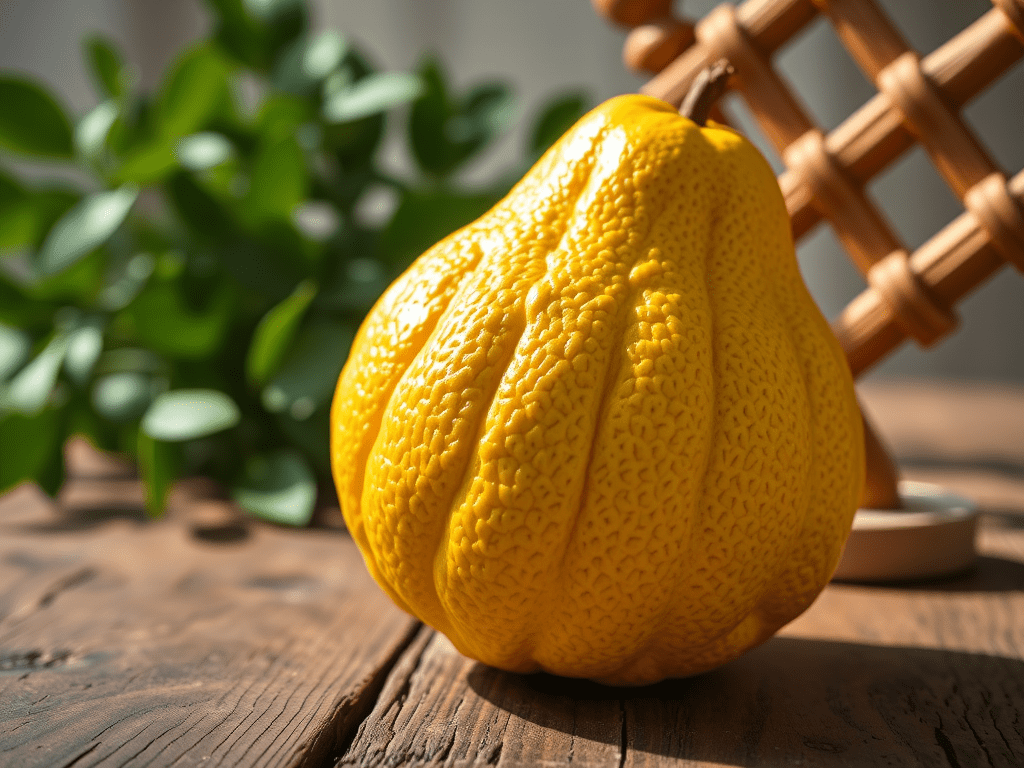
The etrog is a cultivated variety of the citron (Citrus medica), a large, fragrant citrus fruit distinguished by its thick, bumpy rind and minimal pulp. Its first recorded use comes from biblical times (6th–5th century BCE), where Leviticus 23:40 names the etrog as one of the “Four Species” waved during the festival of Sukkot to…
-
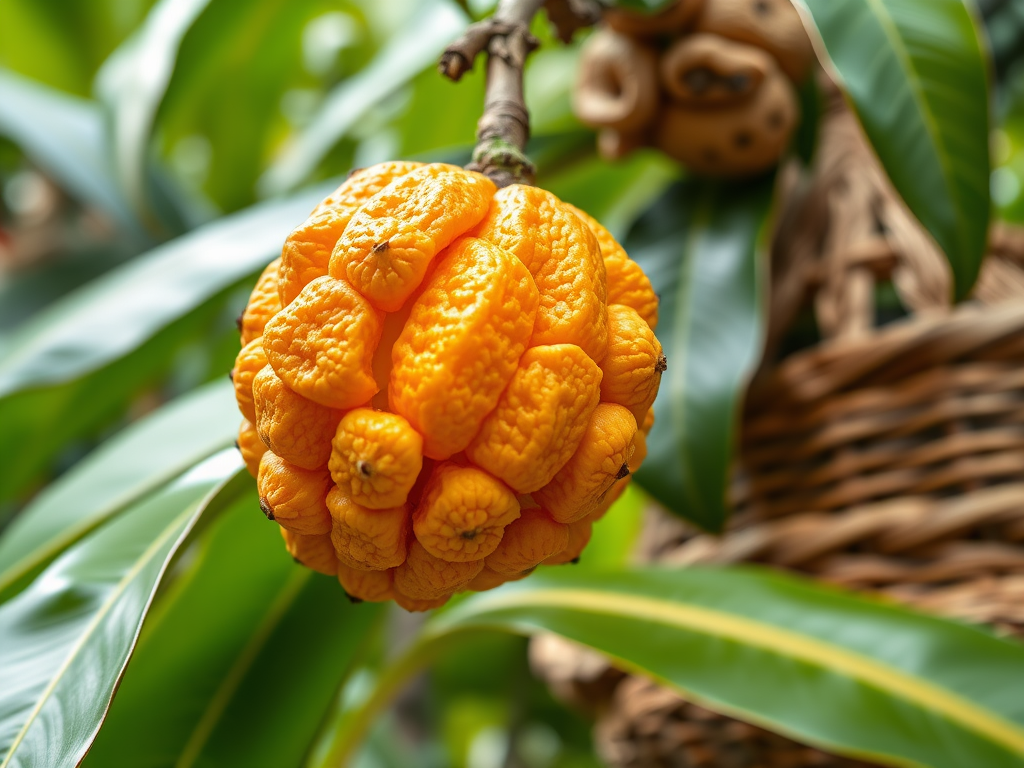
Entawak—also known as Artocarpus anisophyllus or Mentawa—is a tropical fruit native to Southeast Asia, especially Malaysia and Indonesia. It’s a lesser-known cousin of jackfruit and breadfruit, and it’s got some fascinating qualities that make it both a culinary treat and a natural health ally. Entawak has been part of Austronesian agriculture for generations, especially in…
-
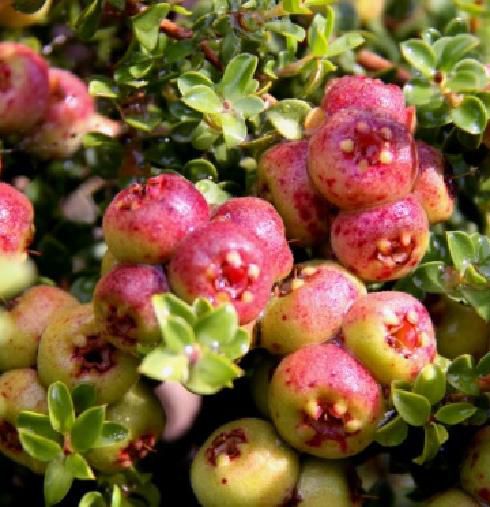
The emu apple (Owenia acidula) has a long history of use by Aboriginal Australians, likely dating back thousands of years. It was traditionally consumed as a bushfood, with the fruit pulp eaten fresh or after ripening on the ground. Some accounts even mention its use in ceremonies due to its mildly hallucinogenic properties. The earliest…
-

The elephant apple (Dillenia indica) was first formally described by Carl Linnaeus in the 10th edition of his Systema Naturae in 1759. That’s its botanical debut in Western science, but its cultural and culinary use stretches back much further in Southeast Asia. In regions like India, Sri Lanka, and Bangladesh, elephant apple has long been…
-
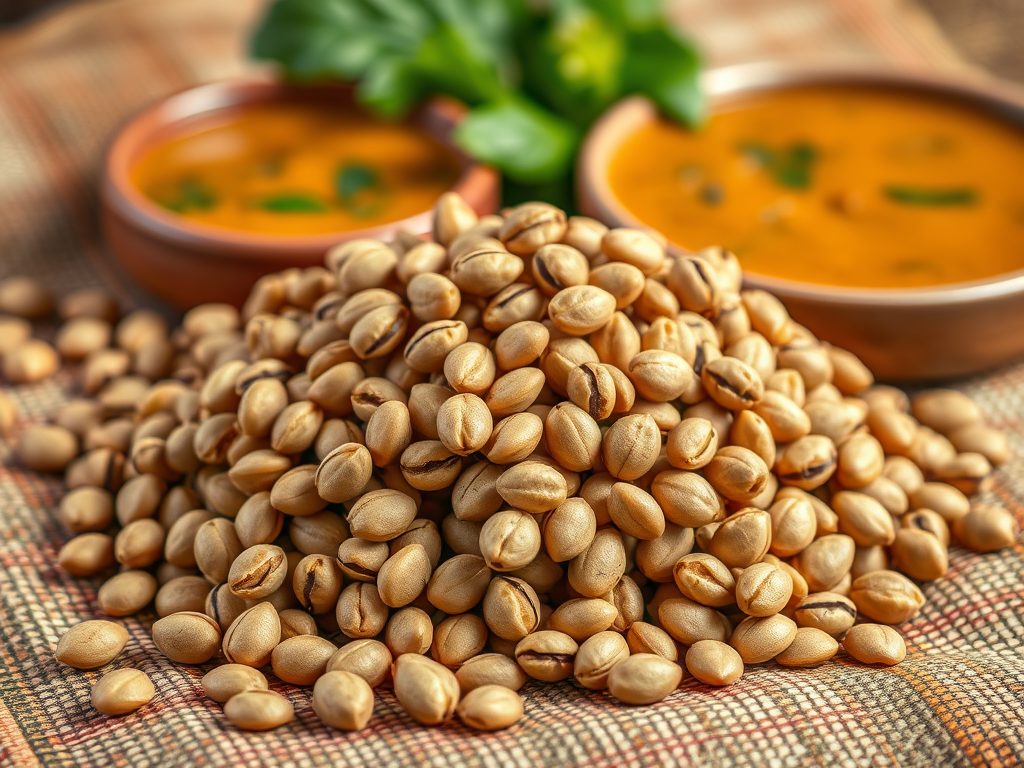
Egusi has deep roots in West and Central Africa, where it’s been cultivated for centuries, especially in Nigeria, Ghana, Cameroon, and Sierra Leone. While the exact date of its discovery isn’t documented, its use is ancient and culturally significant, particularly among the Yoruba people, where the name “egusi” originates. Traditional Uses of Egusi Culinary Staple:…
-
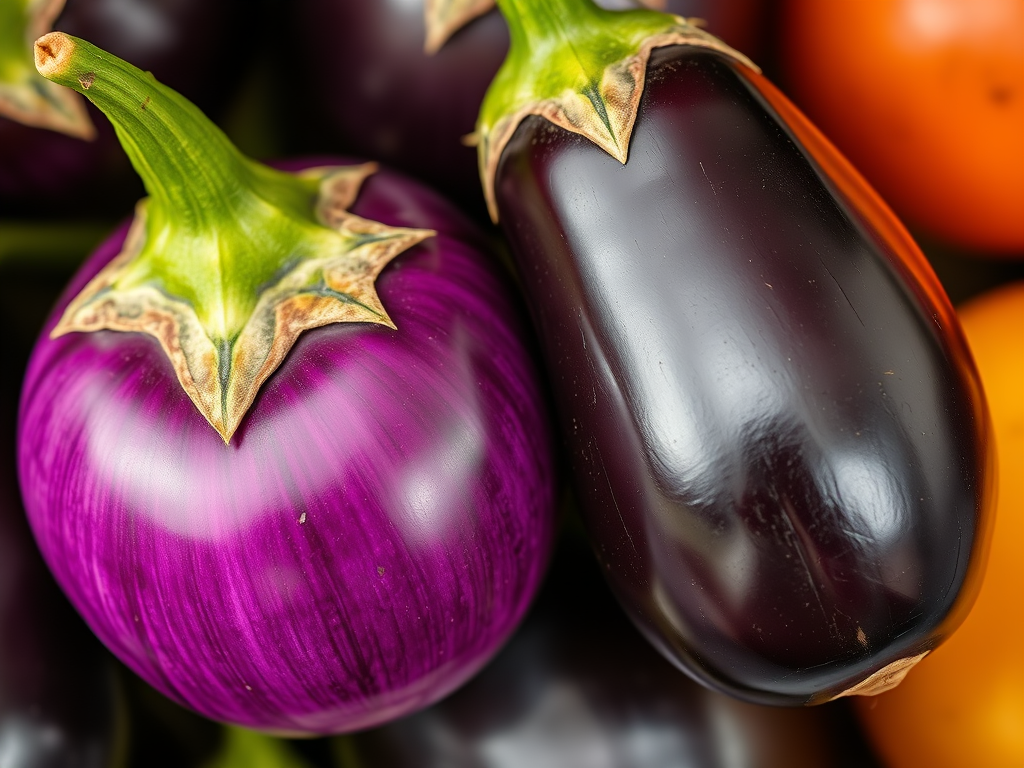
Did you know that Eggplant might play the part of a veggie on your plate, but botanically speaking, it’s a fruit, specifically a berry. That’s because it develops from the flower of the eggplant plant and contains seeds. Nature’s got a way of blurring those culinary lines. Same goes for tomatoes, cucumbers, and even bell…
-
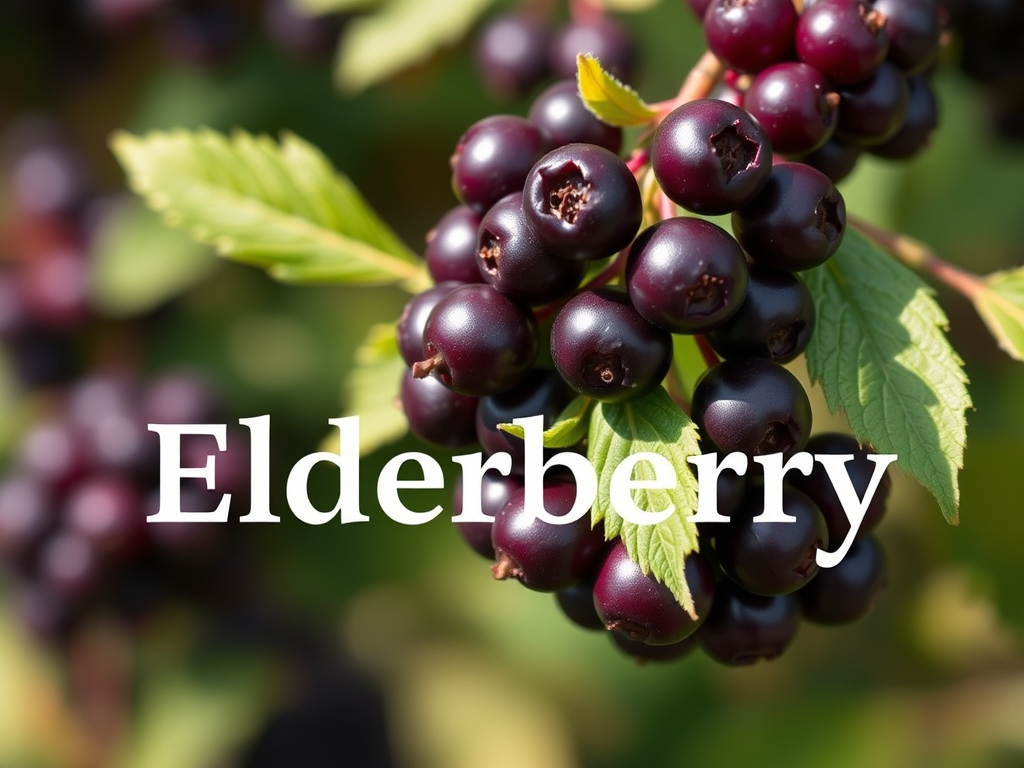
Elderberry, from the Sambucus genus—most notably Sambucus nigra—is a small, dark purple fruit that grows on the elder tree, native to Europe and North America. It’s been a staple in traditional medicine for thousands of years, prized for its immune-boosting and antiviral properties. The earliest known medicinal use of elderberry dates back to Ancient Egypt…
-
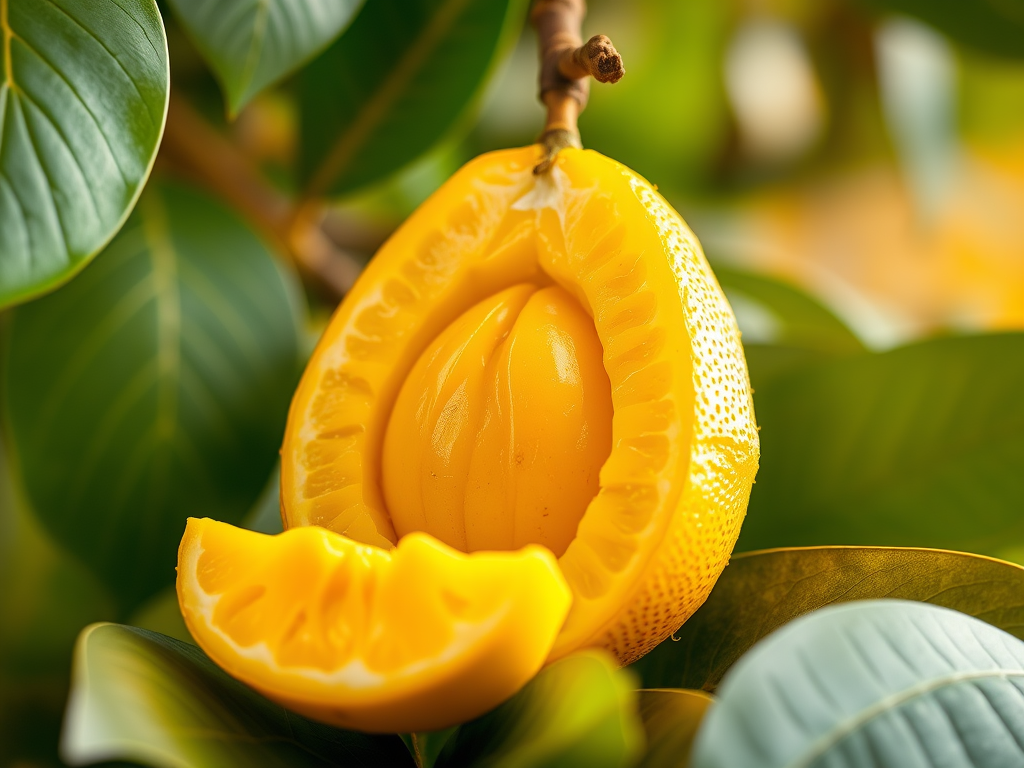
I hope you are still interested in fruits that can be introduced into your daily routine to improve your overall health and wellness. We’re only up to the letter E, so let’s explore what fruits the letter has to offer. Eggfruit (Canistel) A tropical delight with a creamy, bright yellow flesh reminiscent of a hard-boiled…
-
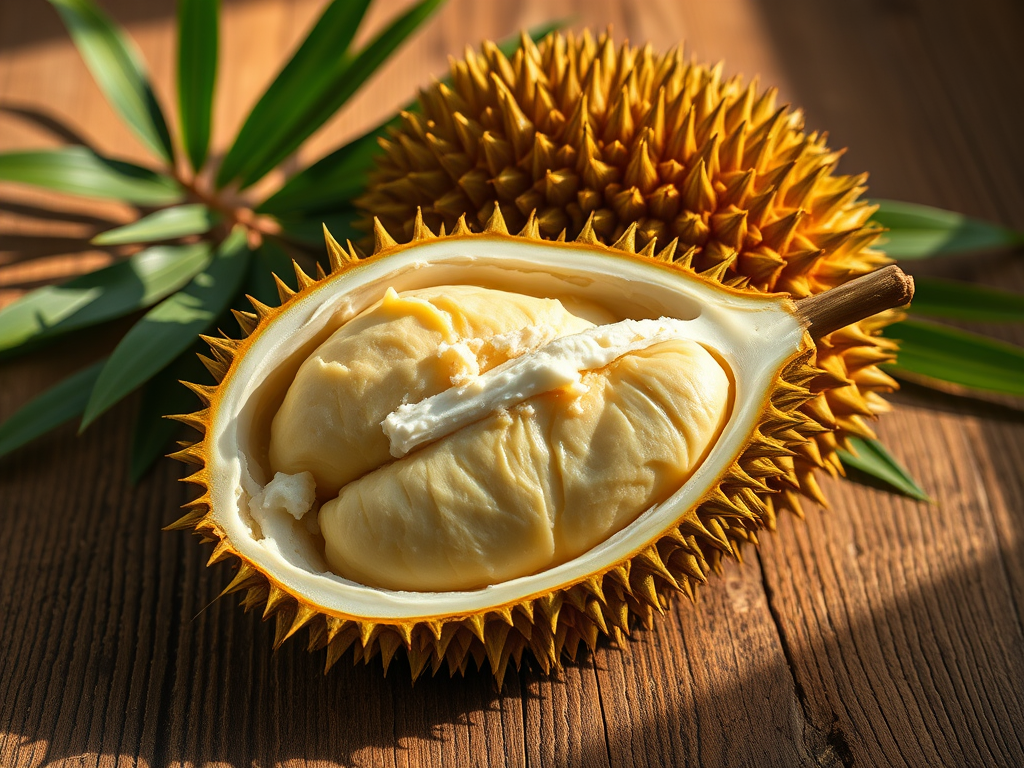
Durian—the infamous “king of fruits”! It’s a tropical powerhouse native to Southeast Asia, known for its spiky shell, custard-like flesh, and a smell so intense it’s banned on public transport in places like Singapore. Durian is native to Southeast Asia, where indigenous peoples had been enjoying and cultivating it for millennia before its “discovery” by…
-
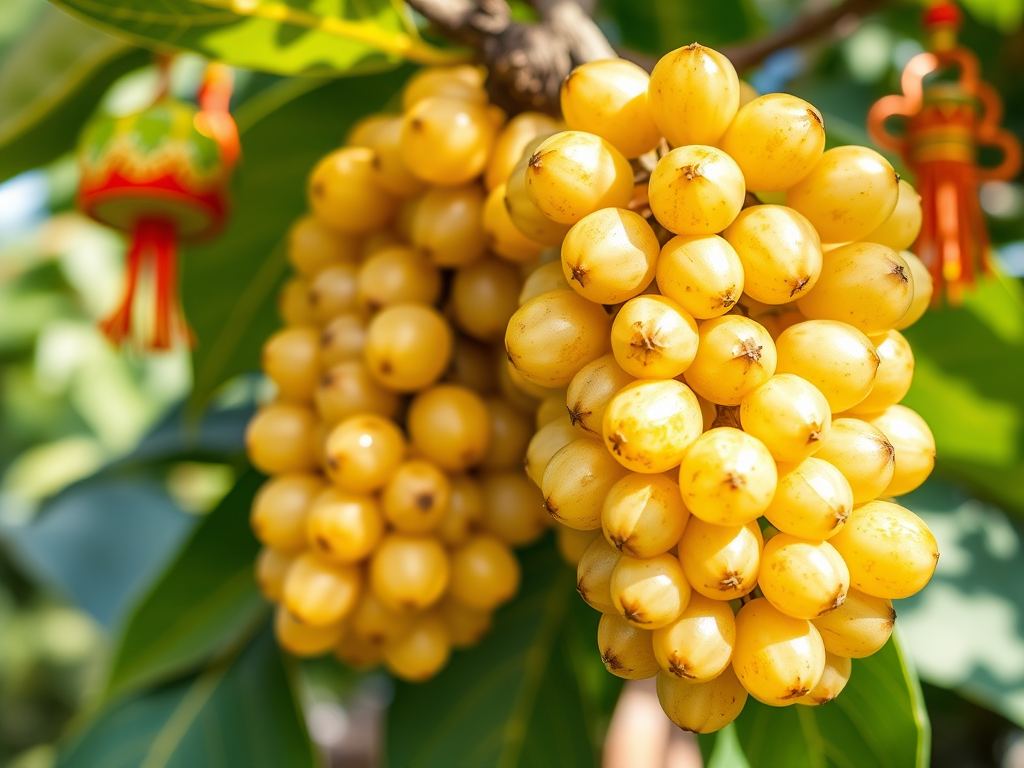
Duku Duku is a tropical fruit native to Southeast Asia, often confused with its close cousin, langsat. It grows in grape-like clusters and has a round to oval shape with a leathery yellow-brown skin. Inside, you’ll find translucent white segments that are juicy, sweet-tart, and slightly citrusy—some say it tastes like a mix between grapefruit…
-
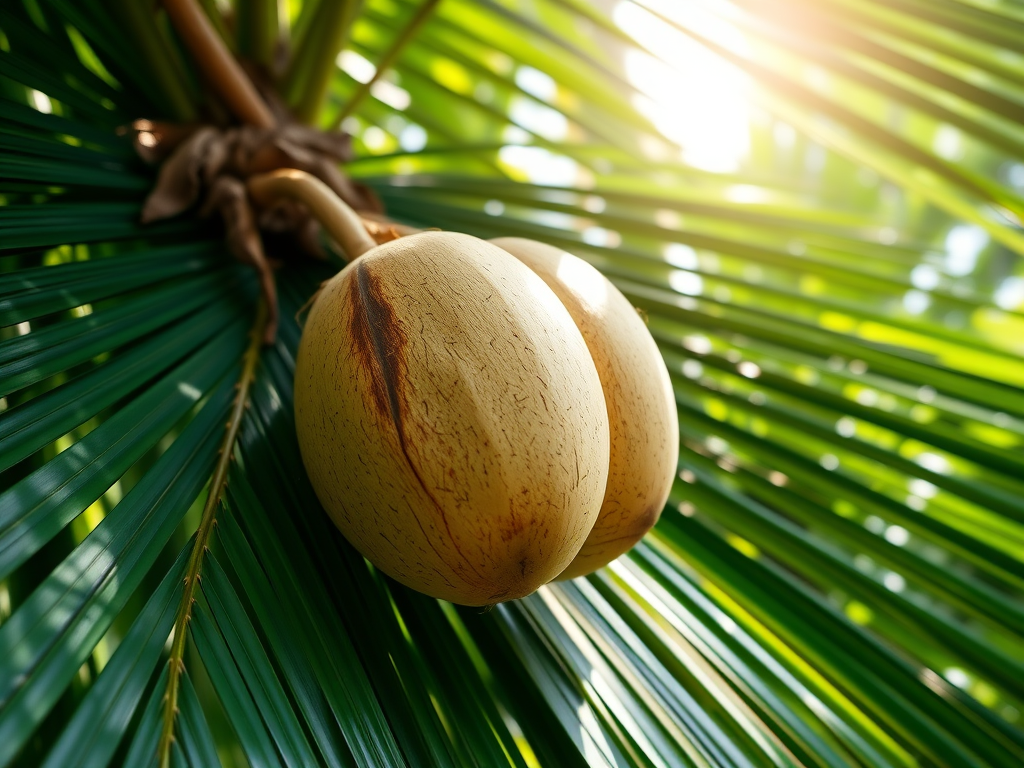
The Double Coconut name comes from the fruit’s unique shape: the seed has two lobes that resemble a pair of buttocks, which earned it the cheeky nickname coco fessesBritannica in French. The tree itself can grow up to 30 meters tall and has enormous fan-shaped leaves that can span 10 meters across. (The contents of…
-
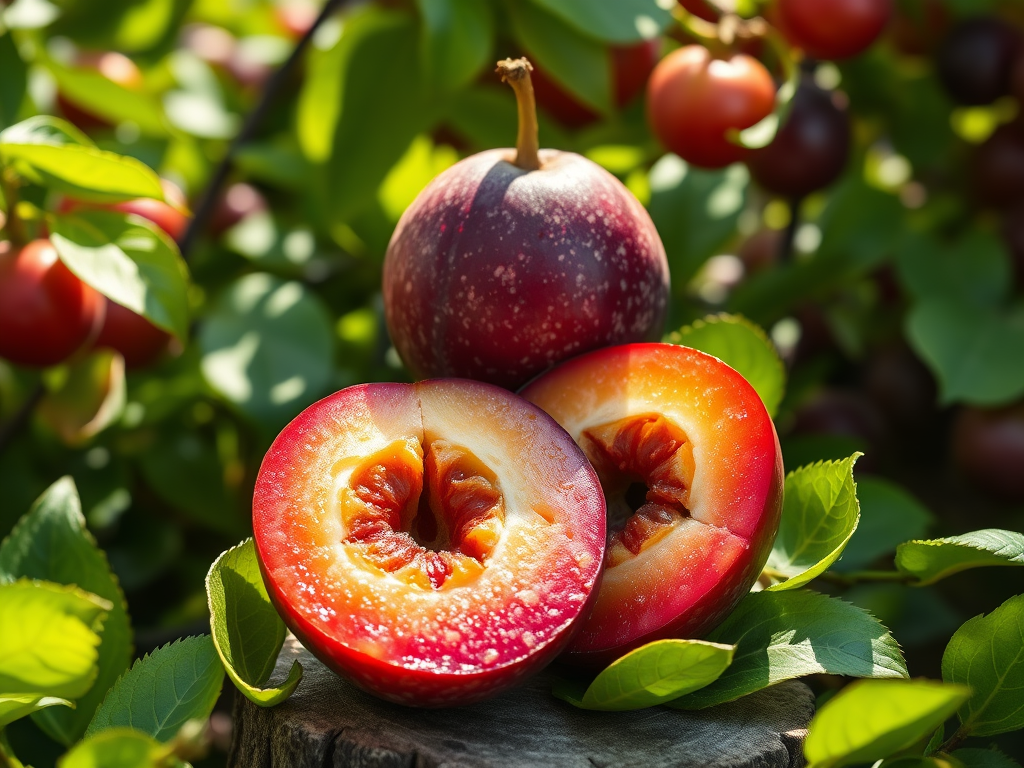
Let’s dive into the fruity side of the “Dinosaur Egg”. While the Dinosaur Egg One of the most popular varieties is the Dapple Dandy pluot, nicknamed the Dinosaur Egg because of its speckled, mottled skin that resembles a dinosaur egg. It has a sweet, juicy interior with a flavor that blends the tartness of plums…
 EJADA
EJADA 