EJADA
Living Healthy, Natural Healing, Herbal Health, and nutritional
Category: Healthy Living
-
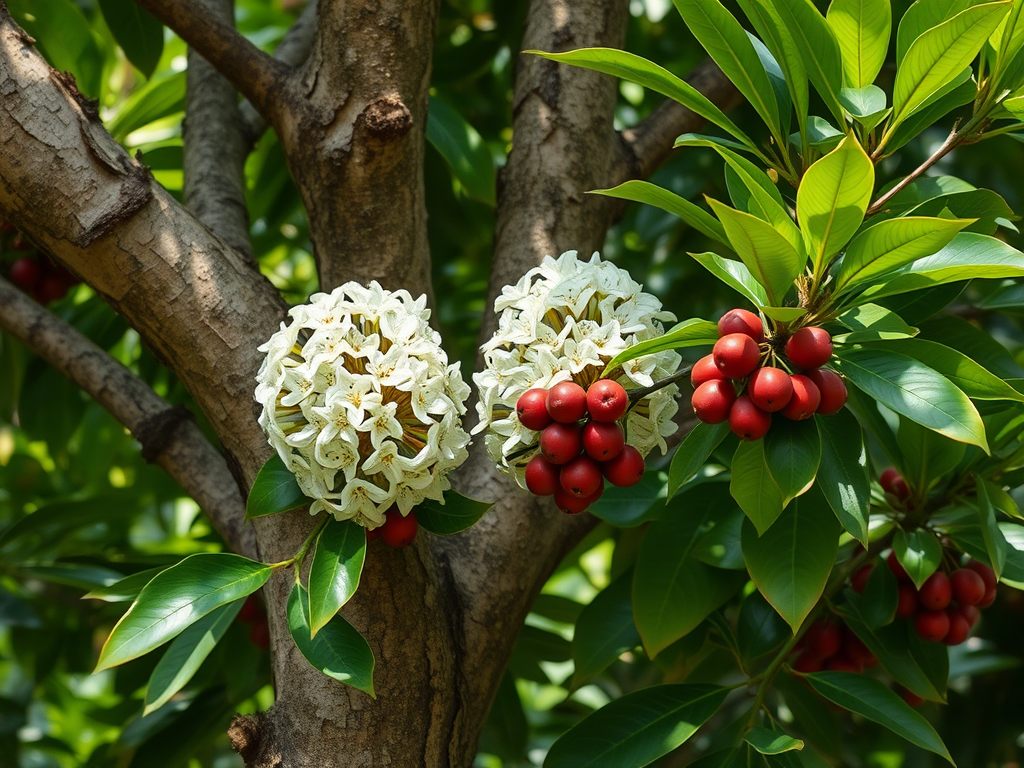
fibrous satinash, also known by its scientific name Syzygium fibrosum. It’s a fascinating rainforest tree native to northern Australia and parts of Indonesia. This tree can grow up to 30 meters tall and is known for its peeling bark, glossy green leaves, and clusters of white or cream flowers. The fruit it produces is small,…
-
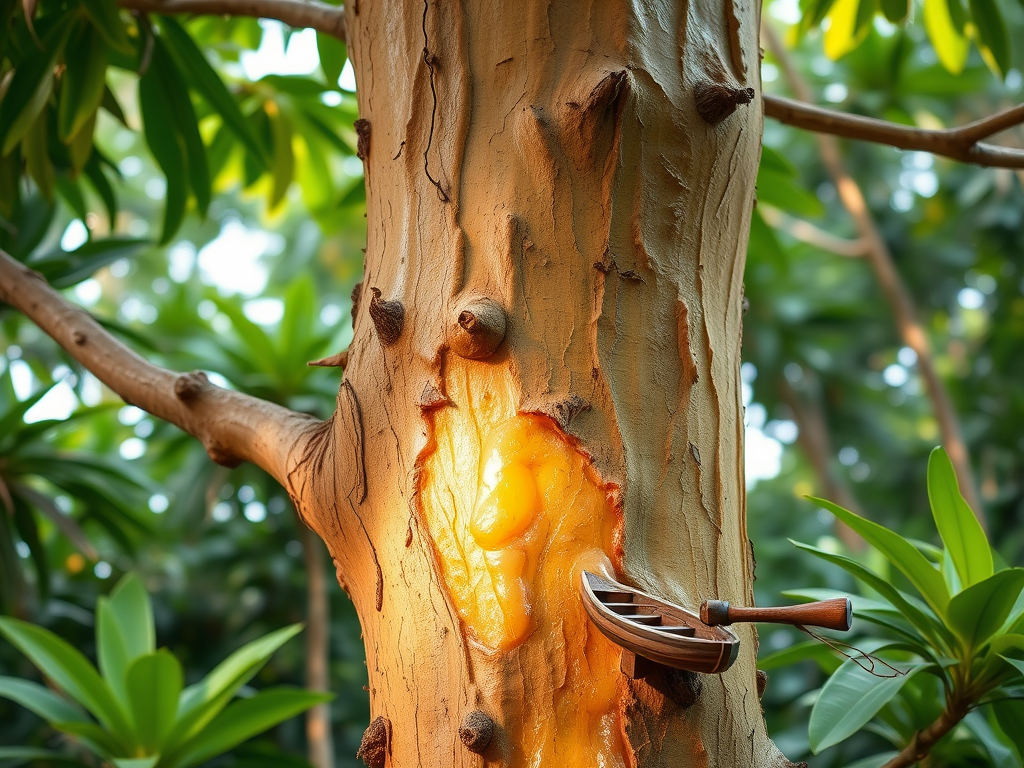
False mastic (Sideroxylon foetidissimum) got its common name in the 18th century as a nod to true mastic (the resin of Pistacia lentiscus), to which its wood-gum bore a passing resemblance—but grew in the New World instead of the Mediterranean. Botanical naming: – Carl Linnaeus the Younger first described it (as Mastichodendron foetidissimum) in 1782,…
-
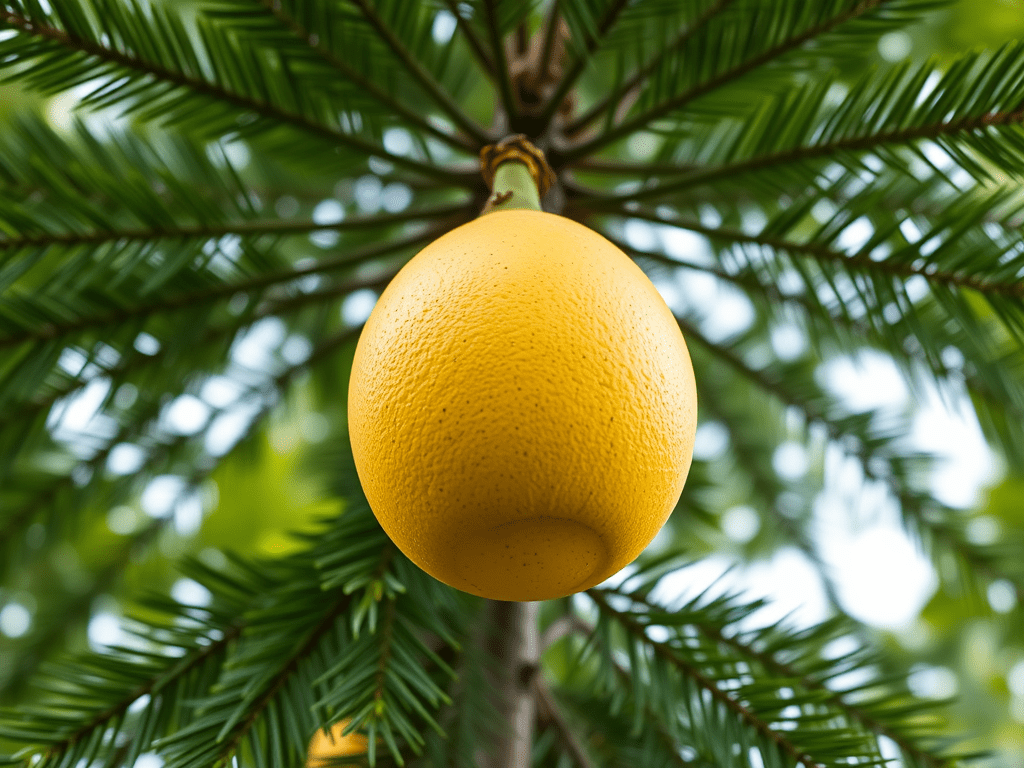
The Keule fruit is yellow when ripe, about the size of a small hen’s egg, and has a sweet, pleasant taste. It’s often used to make marmalade, desserts, and baked fruit syrups. Interestingly, the tree is the only species in its family—Gomortegaceae—making it a botanical rarity. But here’s a quirky twist: while the fruit is…
-
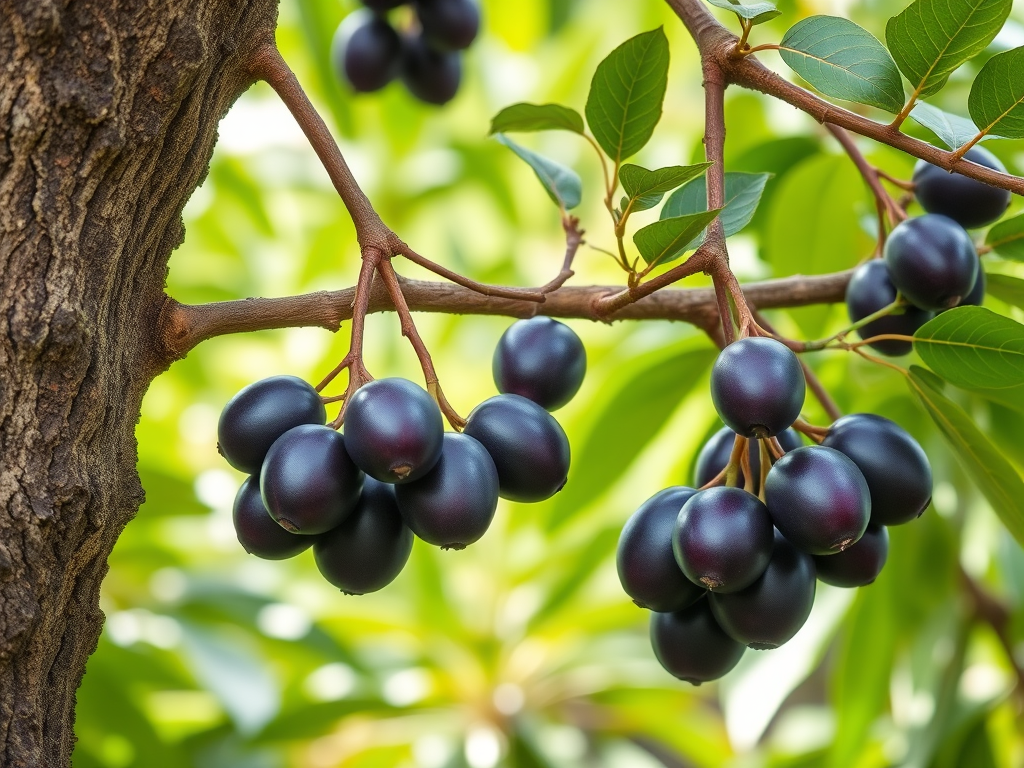
False jaboticaba is the common name for Myrciaria vexatora slow-growing evergreen tree in the myrtle family (Myrtaceae) native to Costa Rica, Panama and Venezuela. It reaches up to 10 m tall and bears dark purple, plum-sized fruits that grow directly on the trunk and branches. The berries are larger, darker and thicker-skinned than true jaboticabas,…
-
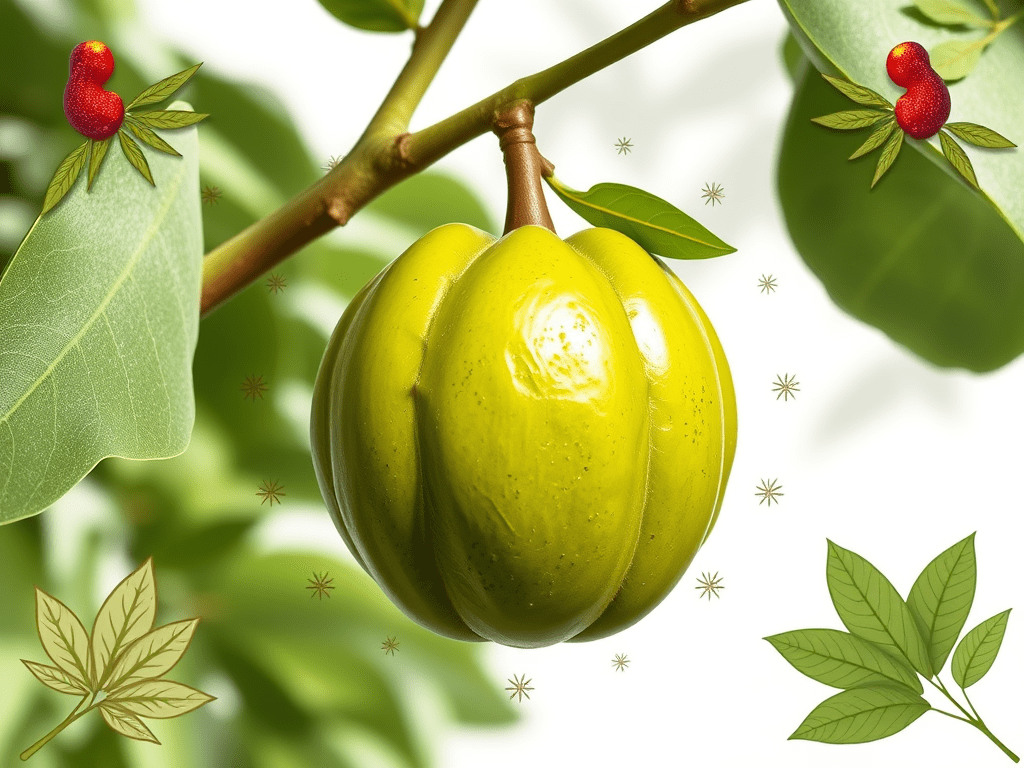
Kepel, also known as Stelechocarpus burahol, is a rare tropical fruit native to Southeast Asia, particularly Java, Indonesia. It’s also called kepel apple, burahol, or kepel fruit. Traditionally, it was cultivated in palace gardens and reserved for Javanese royalty due to its unique properties and cultural significance. Historical and Medicinal Use Kepel has been used…
-
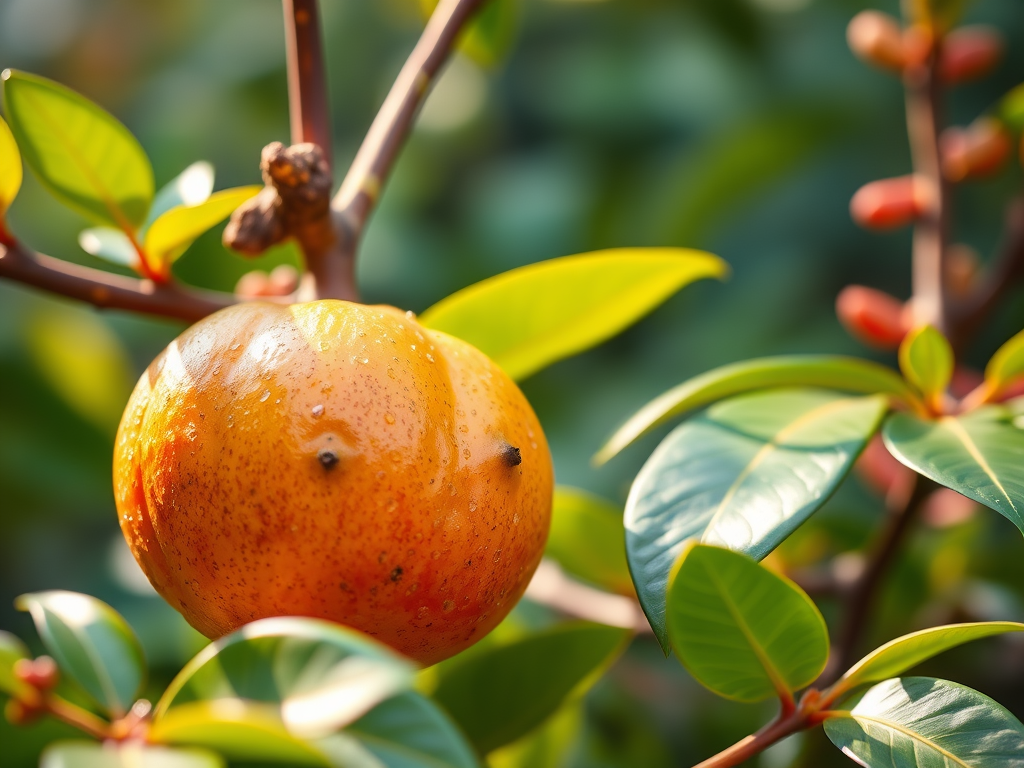
Karonde (Carissa carandas), also known as Bengal currant or Christ’s thorn, is a resilient, nutrient-rich fruit with deep roots in South Asian culture and traditional medicine. Here’s a comprehensive look at its origins, uses, and medicinal benefits: Historical Cultivation Karonde is believed to have originated in the Himalayan regions and has been cultivated for thousands…
-
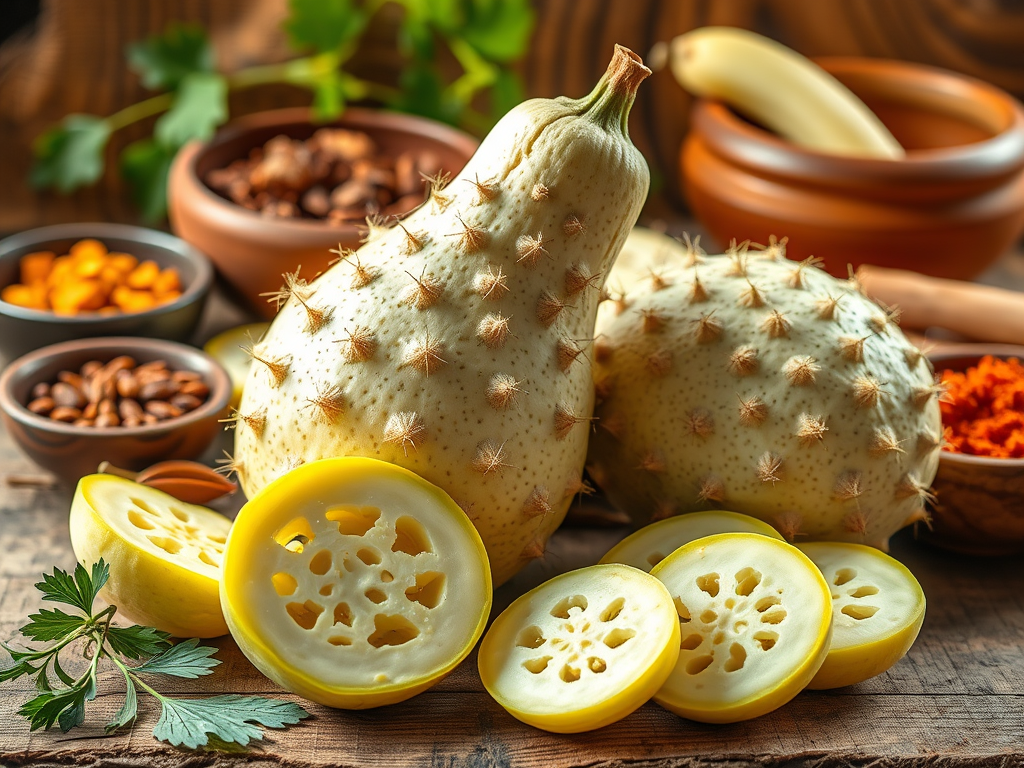
Kantola is the common name in parts of India and South Asia for the spiny or teasel gourd (Momordica dioica)—a small, oval, green vegetable covered in soft spines. It belongs to the cucumber family (Cucurbitaceae) and is prized both as a seasonal culinary vegetable and a traditional medicinal plant. Historically, Kantola’s first recorded use dates…
-
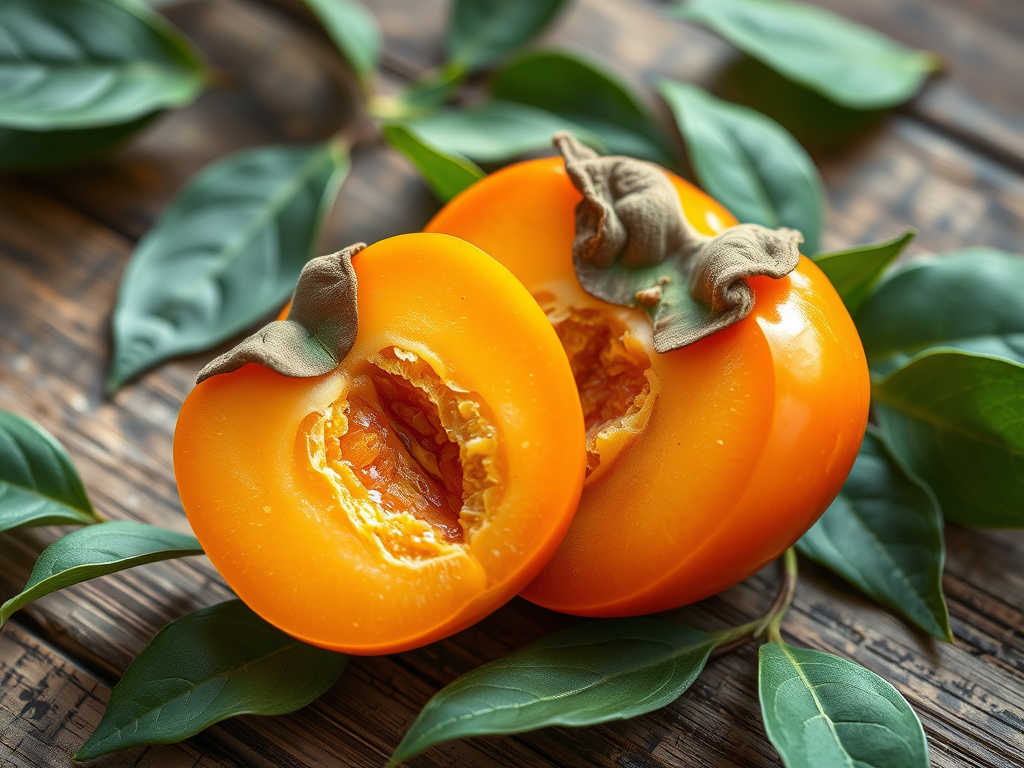
Kaki (Diospyros kaki) was first cultivated in ancient China over 2,000 years ago and by the 7th century had been introduced to Japan (and later to Korea in the 14th century), reaching Europe and North America in the 1800s. The most common names you’ll see for Diospyros kaki: Cachi – the Italian name, widely used…
-
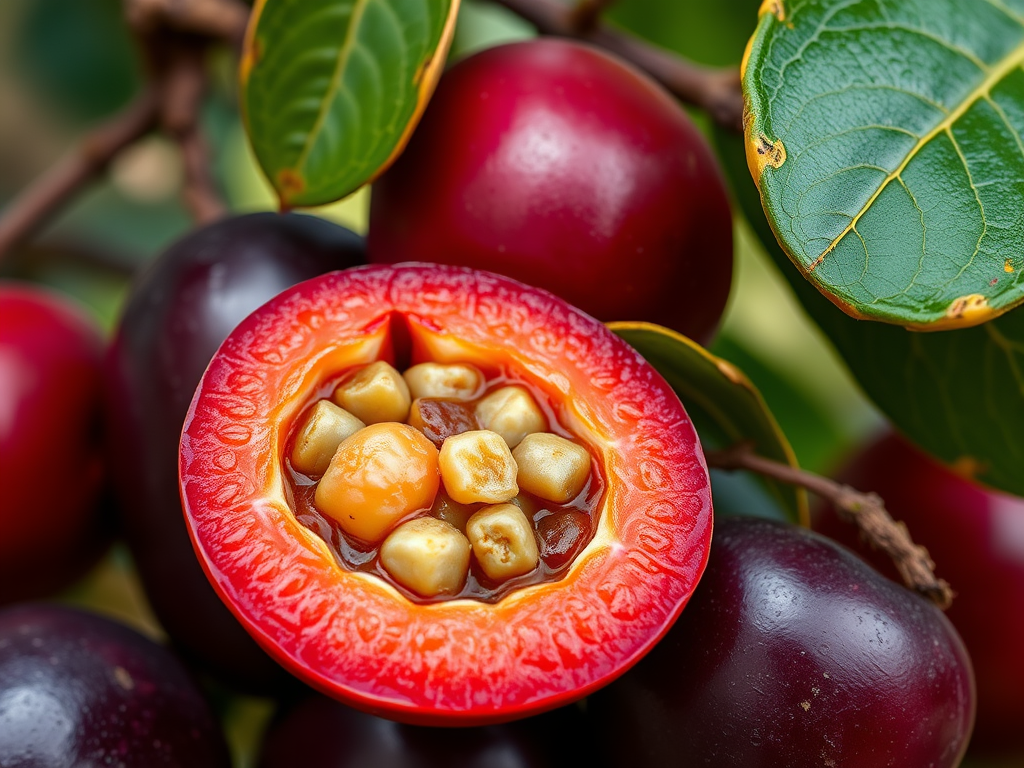
The Kakadu Plum—also known as gubinge, billygoat plum, or Terminalia ferdinandiana—was recognized for its health benefits long before modern science caught on. Indigenous Australians have utilized this remarkable fruit for thousands of years as a traditional medicine to treat colds, flu, headaches, and infections, as well as an antiseptic for wounds. What’s fascinating is that…
-
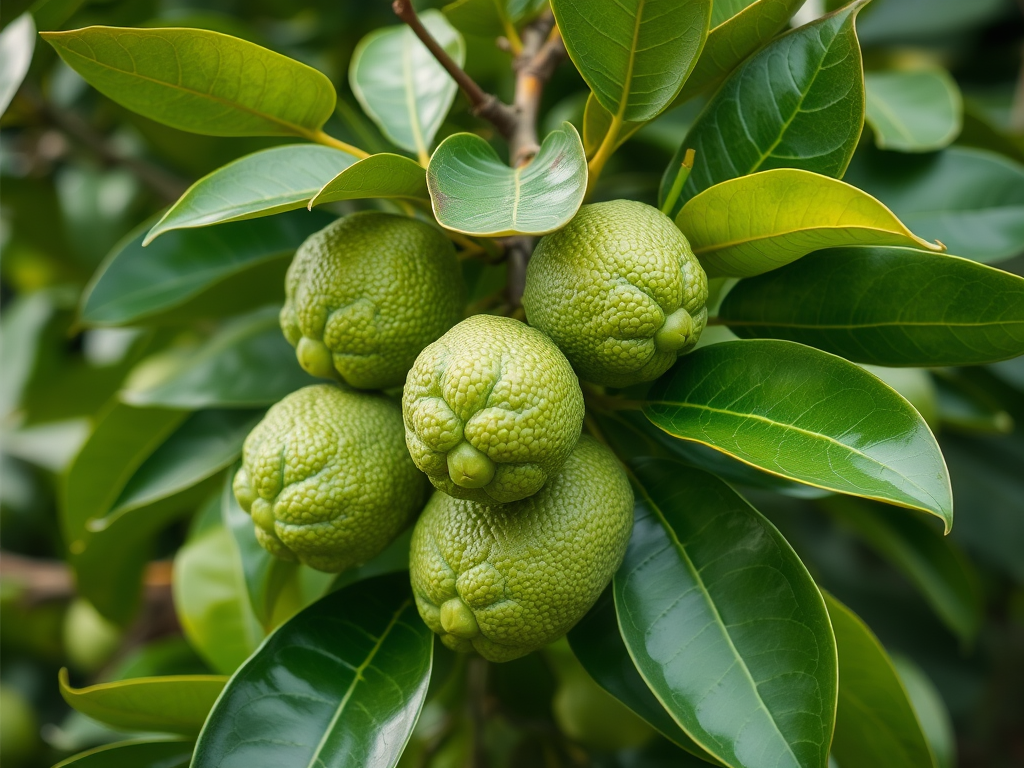
The “Kaffir lime,” is a small, rough-skinned citrus tree in the rue family (Rutaceae) native to tropical Southeast Asia. Its bumpy green fruits average about 4 cm in diameter, and both the fruit’s aromatic rind and the distinctly double-lobed leaves are prized ingredients in Thai, Cambodian, Lao, and Malay cooking. The botanical Citrus hystrix DC.…
-
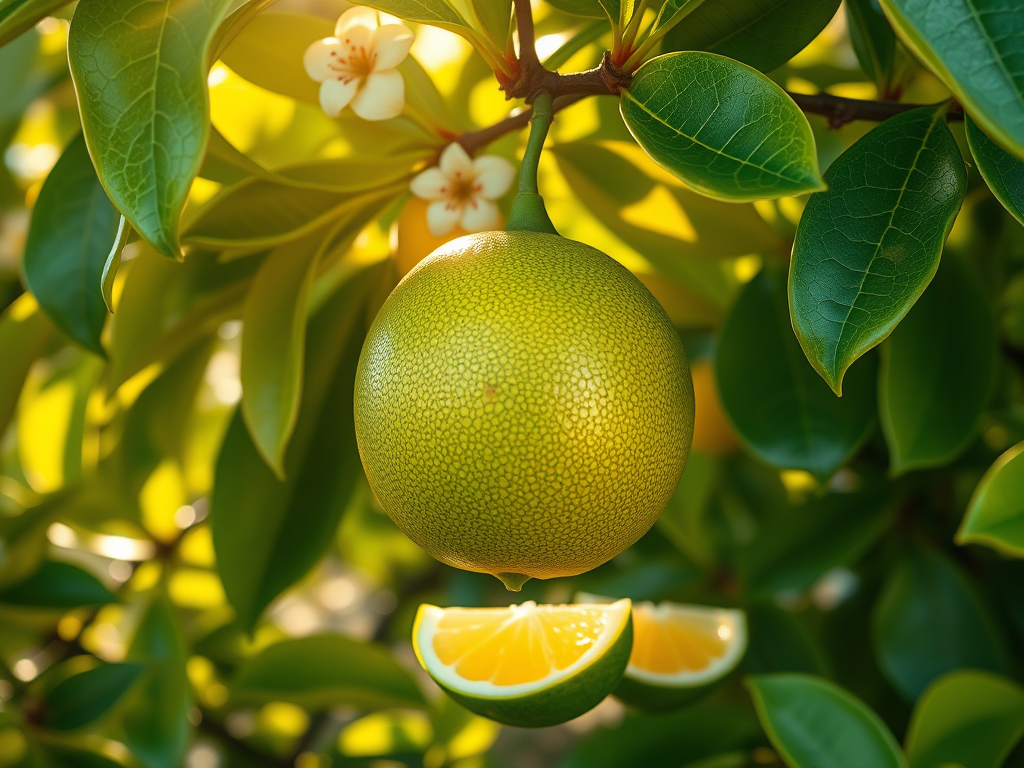
History & First Uses: Kabosu was introduced from China into Kyushu and, by the Edo period (mid-1600s), was already being cultivated in Ōita Prefecture, where it earned a reputation both as a seasoning for grilled fish and sashimi and as a folk remedy for fatigue, inflammation, and liver sluggishness. Its juice doubled as a vinegar…
-
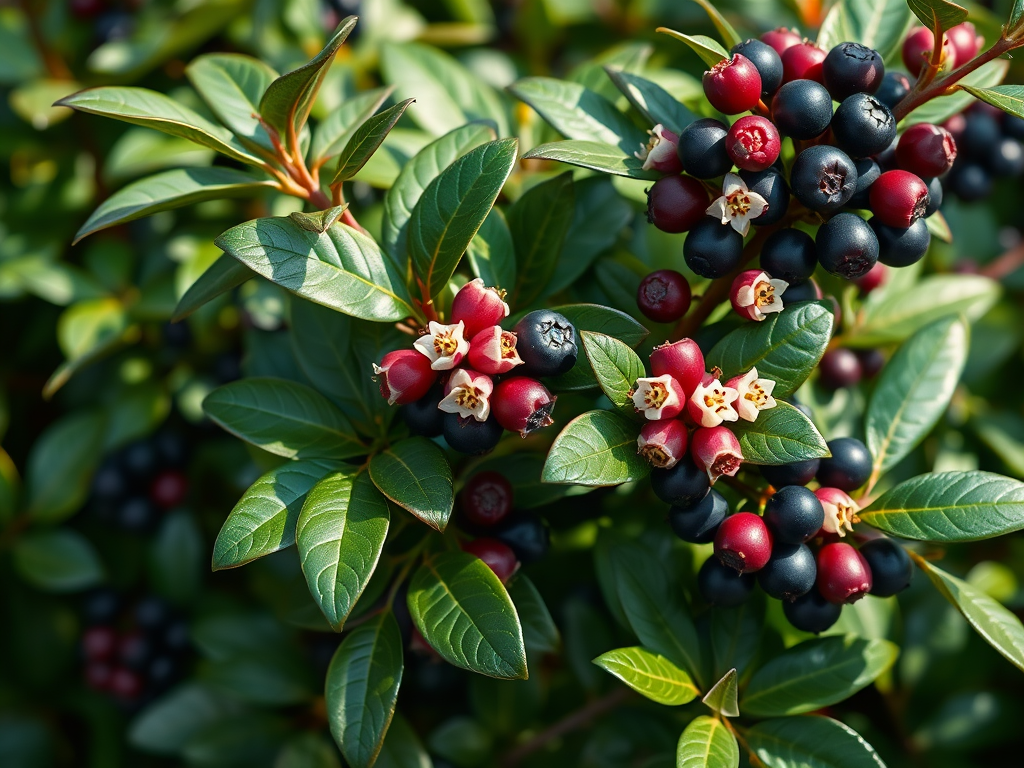
The very first medicinal uses of evergreen huckleberry trace back centuries to the Indigenous peoples of the Pacific Northwest Coast—tribes like the Coast Salish, Comox and Quinault—who brewed teas from the leaves and used the berries and poultices to ease digestive upsets, urinary complaints and to help regulate blood-sugar levels. These practices were recorded in…
 EJADA
EJADA 