EJADA
Living Healthy, Natural Healing, Herbal Health, and nutritional
Category: Healthy Living
-
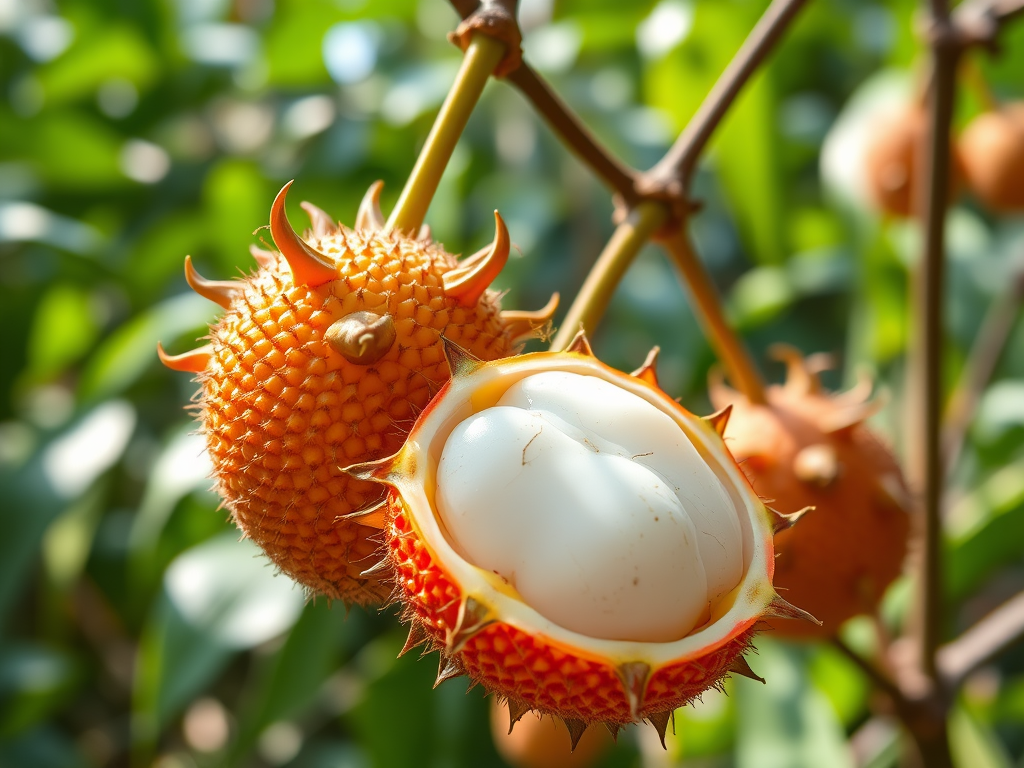
Have you heard of this one? The “Hairless Ramitar,” known scientifically as Nephelium xerospermoides, is commonly called the hairless rambutan. 🌱 What is Hairless Ramitar? Scientific Name: Nephelium xerospermoides Common Name: Hairless rambutan Family: Sapindaceae (same as lychee and longan) Distinct Feature: Unlike the traditional rambutan (Nephelium lappaceum), this species lacks the characteristic hairy spines…
-

It is very interesting to learn about both known and little-known fruits. I hope you enjoy knowledge as much as I do. Now let’s see what we can learn about fruits that begin with the letter H. 🌴 What Is the Hala Fruit? Scientific Name: Pandanus tectorius Common Names: Hala fruit, Tahitian screwpine, beach pandan,…
-
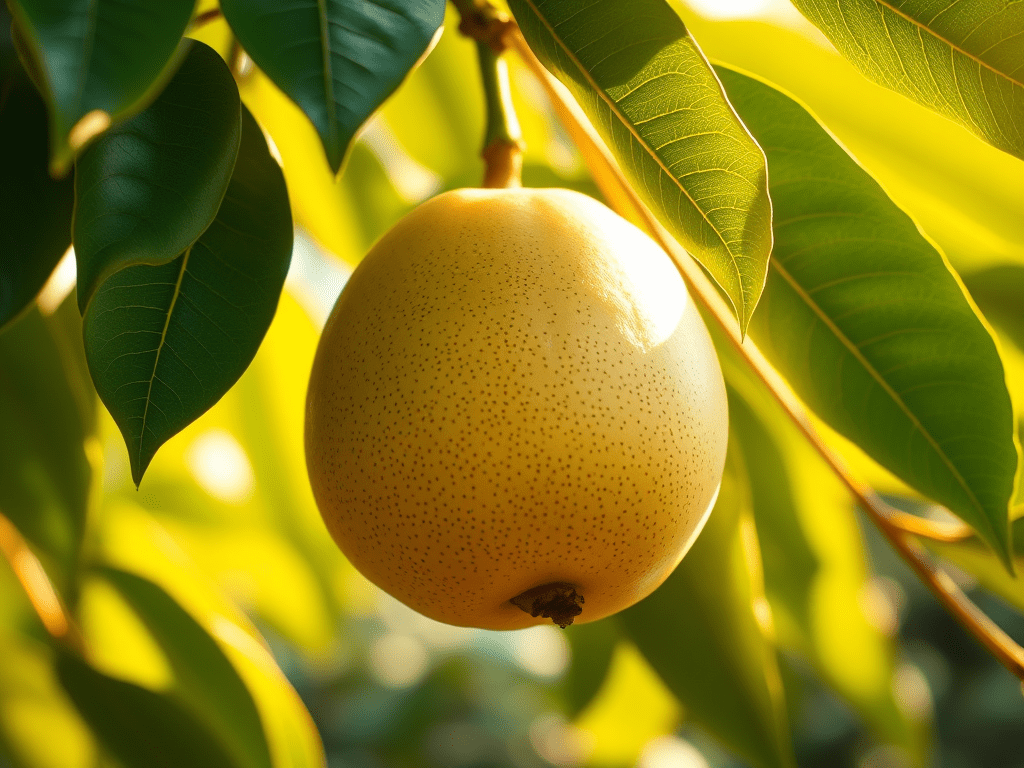
The name guava has rich linguistic and cultural roots that trace back to the Indigenous peoples of the Caribbean: 🌿 Etymology of “Guava” Origin: The word guava comes from the Spanish word “guayaba”, which itself was derived from the Taíno word “guayaba”, meaning “guava tree.” Language Lineage: Taíno (Arawakan language) → guayaba (tree) Spanish →…
-
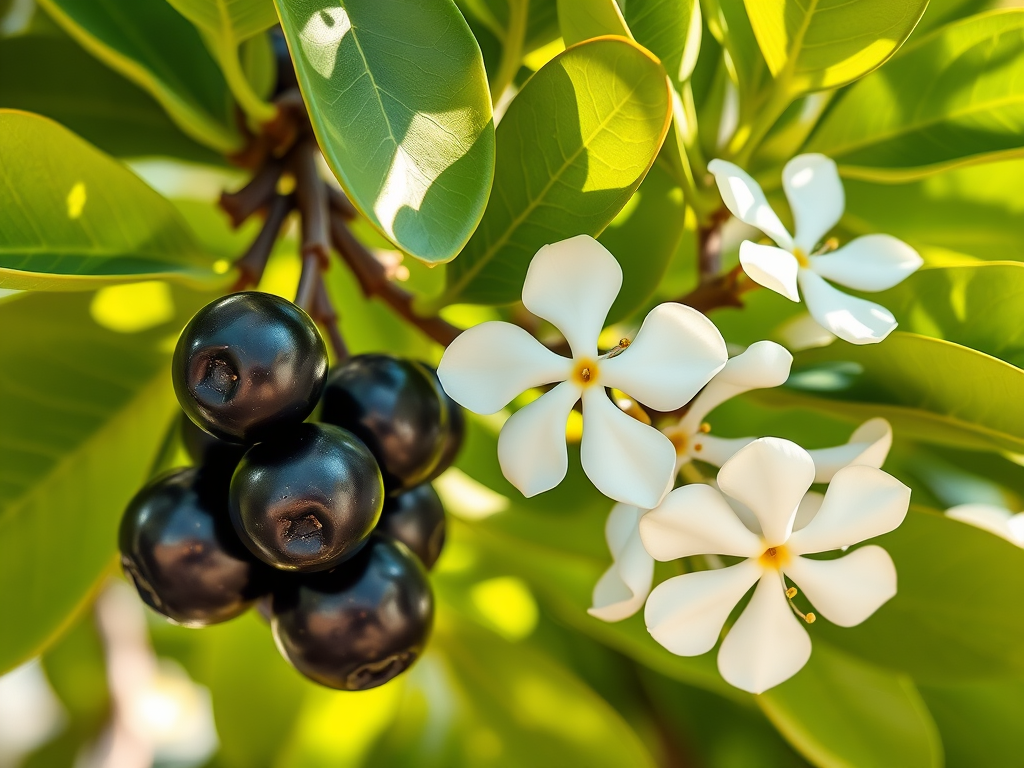
🌿 What Is Grumichama? Botanical Name: Eugenia brasiliensis Common Names: Grumichama, Brazil cherry Family: Myrtaceae (same as guava and eucalyptus) Origin: Endemic to southern Brazil, but also cultivated in tropical/subtropical regions like Florida and Hawaii. Grumichama (Eugenia brasiliensis) is native to southern Brazil, where it has been part of local ecosystems and home gardens for…
-

Ground cherries are a fascinating and underappreciated fruit with a rich cultural history and a flavor profile that bridges the familiar and the exotic. Here’s a detailed look at what makes them so special: 🍒 What Are Ground Cherries? Botanical Name: Physalis pruinosa (part of the nightshade family, Solanaceae) Common Names: Ground cherry, husk tomato,…
-

The Origins and First Use of Grapefruit Grapefruit has a fascinating and somewhat serendipitous history: 🌍 Where It Was First Used Barbados, 1700s: Grapefruit originated in Barbados during the 18th century as a natural hybrid between the sweet orange (Citrus sinensis) and the pomelo (Citrus maxima). This hybridization occurred without human intervention and was initially…
-
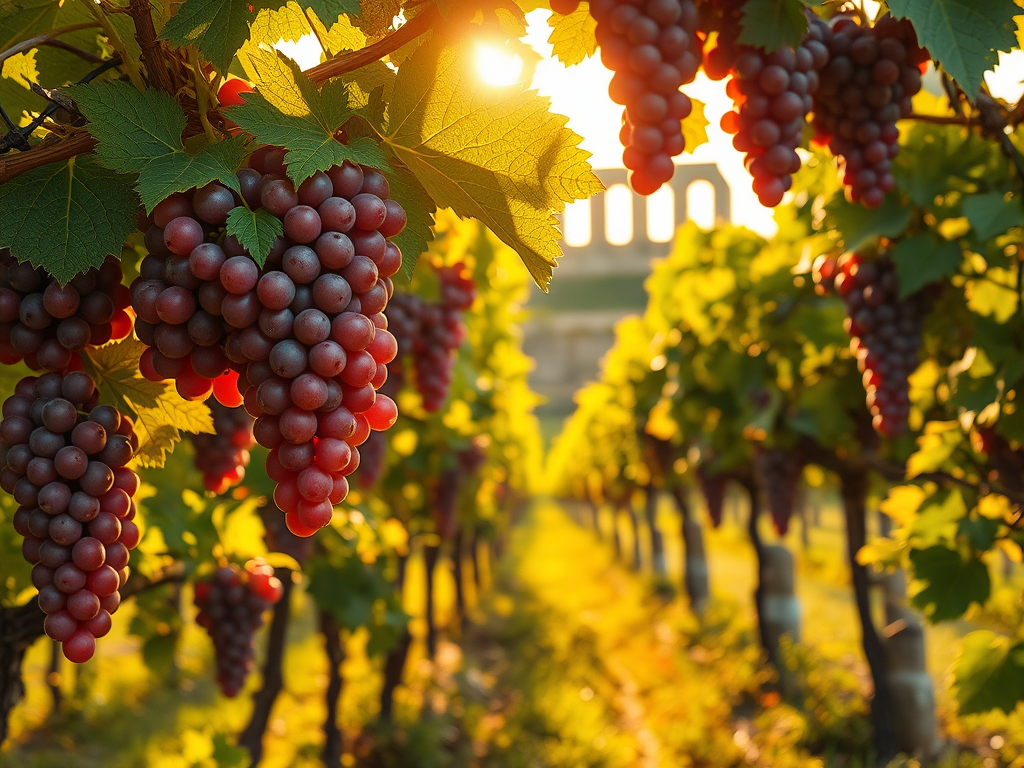
Grapes are not only a beloved fruit but also one of the earliest cultivated by humans, making them a cornerstone of agricultural history and civilization itself. Grapes First Cultivated Around 11,000 years ago, shortly after the last Ice Age, Neolithic farmers began domesticating wild grapevines (Vitis vinifera spp. sylvestris). This domestication occurred simultaneously in two…
-
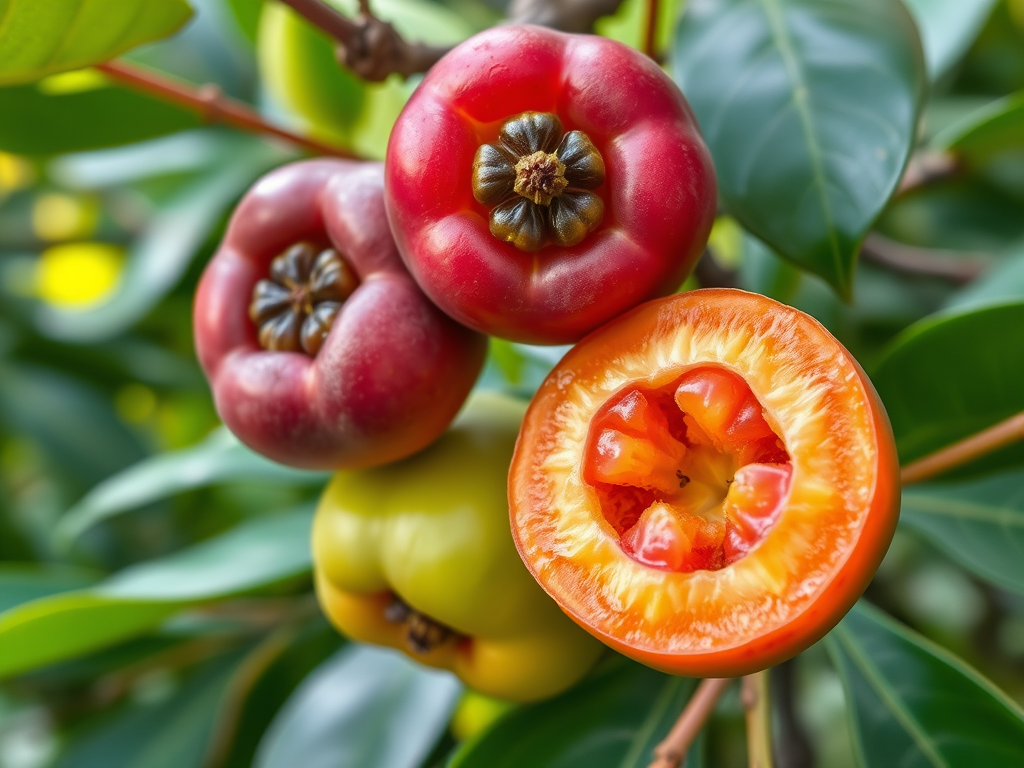
Governor’s Plum (Flacourtia indica) was first formally described in 1768 by the Dutch botanist Nicolaas Laurens Burman, who named it Gmelina indica in his work Flora Indica. Later, in 1917, American botanist Elmer Drew Merrill reclassified it under the genus Flacourtia, giving it the name we use today: Flacourtia indica 🌍 Historical Context The genus…
-
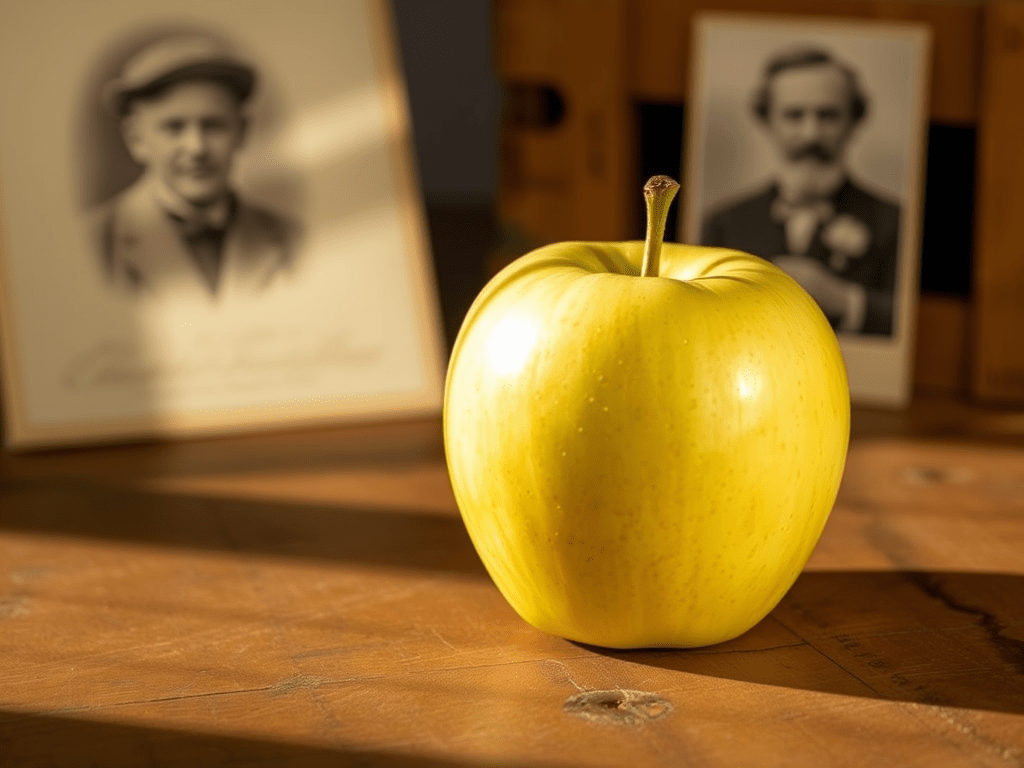
Golden Delicious apples are not only a sweet favorite but also a nutritional powerhouse with a fascinating backstory. 🌳 Origin & Discovery of Golden Delicious Golden Delicious apples have a rich American heritage: 📍 Where & When Discovered: Around 1905–1912 in Clay County, West Virginia, USA5. Discoverer: Anderson Mullins, who found the tree growing as…
-

Gamboge—a rich, golden-yellow pigment—has a history as vivid as its color. Its first recorded use dates back to the 8th century, where it appeared in Japanese art, particularly in watercolor painting. Primary Early Purpose Watercolor Paint: Its transparency and brilliance made it a go-to pigment in early East Asian ink-and-wash paintings. Dyeing and Pigment for…
-
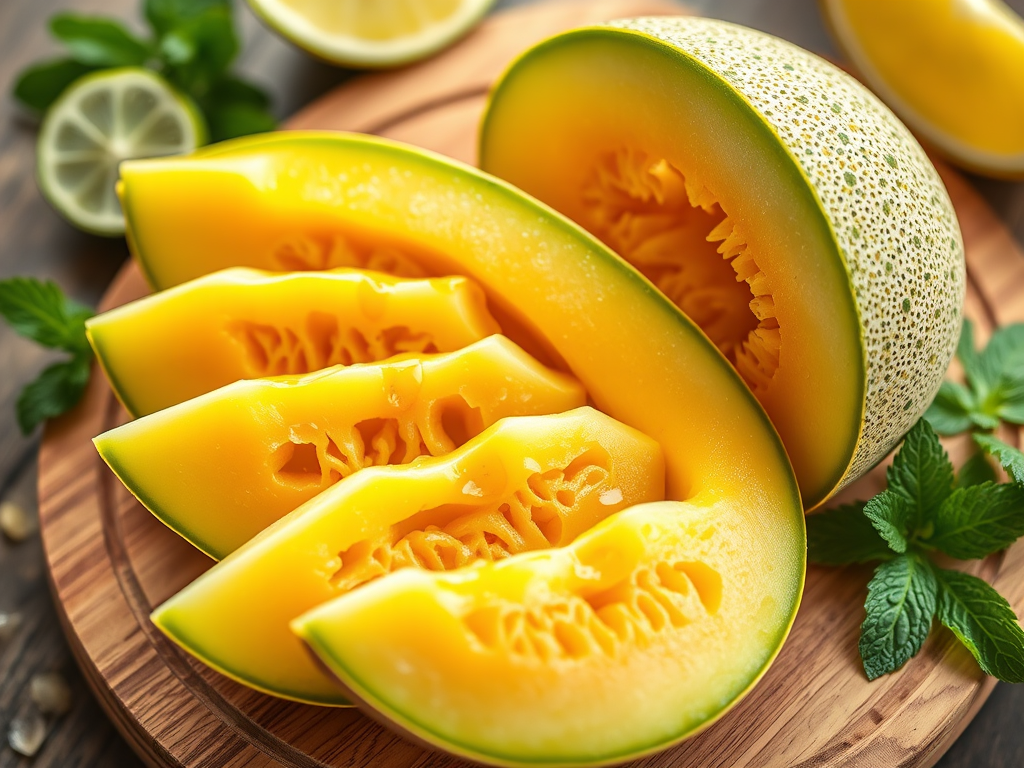
Galia melon is a sweet, juicy fruit that’s not just refreshing, it’s a nutritional powerhouse with a fascinating backstory. Origin of Galia Melon Developed in Israel in the 1960s by Dr. Zvi Karchi at the Nevé Yaar Research Center. It’s a hybrid between the ‘Ha’Ogen’ (a green-flesh cantaloupe) and ‘Krymka’ (a netted-rind melon). Named after…
-
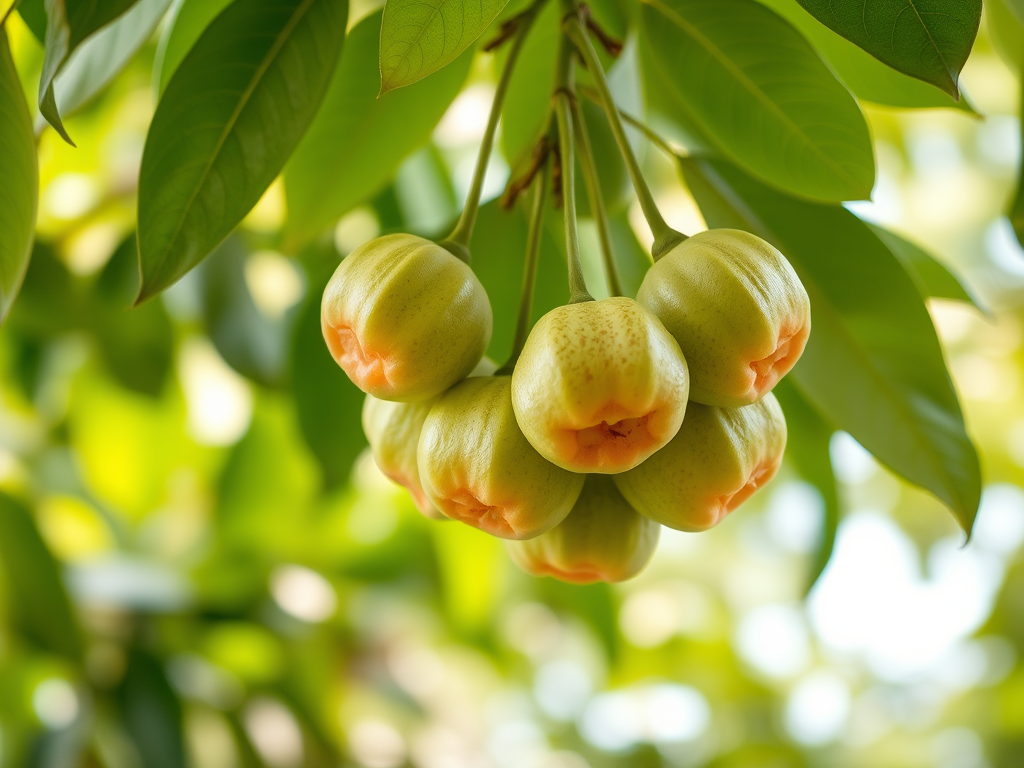
Genip, also known as quenepa, mamoncillo, Spanish lime, or limoncillo, is a tropical fruit native to the Caribbean, Central America, and parts of South America. It grows on the Melicoccus bijugatus tree and is especially popular in places like Puerto Rico, where there’s even a festival celebrating it. Here’s what makes genip special: 🌿 Appearance:…
 EJADA
EJADA 