🌹 Rose Apple: History, Origins, and the Story Behind Its Fragrance
A botanical jewel with ancient roots and a perfume all its own.
🍏 What Exactly Is a Rose Apple?
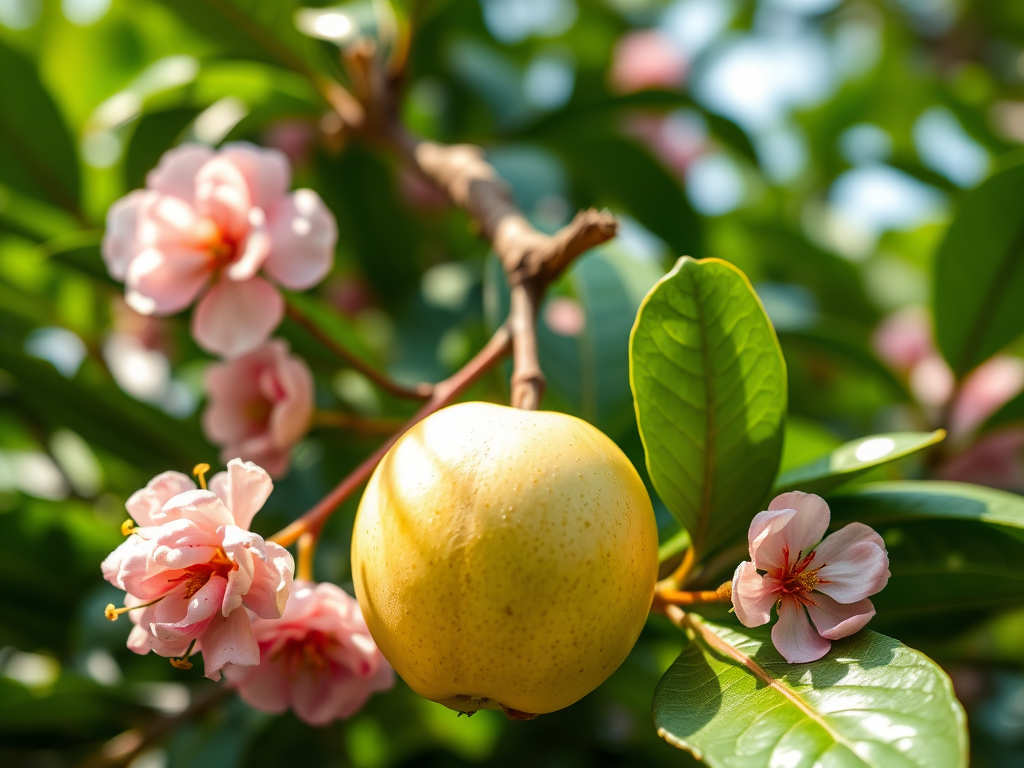
Rose apple — scientifically known as Syzygium jambos — is a tropical fruit from the Myrtaceae family, the same botanical lineage that gives us cloves and guava. Native to Southeast Asia, it has spread across the tropics as both a fruit tree and an ornamental thanks to its glossy leaves, pom‑pom blossoms, and unmistakable rose‑scented fruit.
The fruit itself is pale yellow to light green, with thin waxy skin and crisp, lightly sweet flesh. Its signature trait is the strong floral aroma, which inspired names like rose apple and pomarrosa.
📜 When Was Rose Apple First Known?
Rose apple is ancient — long cultivated and used across Southeast Asia well before written botanical records. Because it originated in the region and naturalized widely, there is no single “discovery date.”
However, historical documentation gives us key milestones:
- It was possibly cultivated in India as early as 500 B.C.
- It was introduced to Jamaica in 1762 during colonial botanical exchanges
- By the 18th century, it was already widespread across the moist tropics, from Asia to the Caribbean
In other words: Indigenous Southeast Asian communities were the earliest stewards of the rose apple, and Western science encountered it much later.
👤 Who First Documented It?
The first formal scientific description was made by Carl Linnaeus, who classified the species under the name Eugenia jambos. Later, botanist Alston reassigned it to the genus Syzygium, giving us the modern name Syzygium jambos.
This shift reflects centuries of evolving botanical taxonomy — but the fruit itself has remained the same fragrant, beloved staple across cultures.
🌿 Why Rose Apple Still Matters
Beyond its perfume and beauty, rose apple carries:
- Cultural significance across Asia and the Caribbean
- Ecological value in moist tropical forests
- Culinary potential in jams, syrups, salads, and cooling beverages
- Ornamental appeal with its glossy foliage and showy flowers
🌿 Health Benefits of the Rose Apple
A fragrant fruit with a surprisingly powerful nutritional profile.
Rose apples (Syzygium jambos) may look delicate, but their nutritional makeup is anything but. Modern research highlights a wide range of benefits — from digestion to immunity — thanks to their vitamins, minerals, antioxidants, and high water content.
💪 1. Supports Healthy Blood Sugar Levels
Rose apples contain jambosine, an organic compound that helps regulate how the body converts starch into sugar. This may help stabilize blood glucose levels, making the fruit a supportive choice for people monitoring their sugar intake.
❤️ 2. Promotes Heart Health
Several nutrients in rose apples contribute to cardiovascular wellness:
- Potassium helps regulate blood pressure
- Sodium–potassium balance supports healthy cholesterol levels
- Antioxidants reduce oxidative stress on the heart
Together, these factors may reduce the risk of hypertension, stroke, and heart disease.
🛡️ 3. Boosts Immunity
Rose apples are rich in vitamin C and vitamin A, both essential for immune defense. These nutrients help the body fight microbial infections and support overall immune resilience.
🌱 4. Improves Digestion
The fruit contains dietary fiber, which:
- Prevents constipation
- Reduces bloating
- Supports a balanced gut environment
Even the seeds have been traditionally used to help regulate stomach issues like diarrhea and vomiting.
⚖️ 5. Supports Weight Management
With high fiber and very low calories (about 25–30 calories per 100g), rose apples help you feel full longer and reduce overeating tendencies.
💧 6. Hydrates the Body
Rose apples are made up of over 90% water, making them a natural hydrator that helps regulate body temperature and support kidney function.
🦴 7. Strengthens Bones
A 100‑gram serving contains:
- 29 mg calcium
- Magnesium
- Potassium
These minerals support bone density, healthy teeth, and overall skeletal strength.
✨ 8. Nourishes Skin
Vitamin C acts as a powerful antioxidant that:
- Protects skin cells
- Supports collagen production
- Helps maintain a healthy, glowing complexion
Rose apple leaf extracts are also used in skincare formulations for their antimicrobial properties.
🧠 9. Provides Antioxidant Protection
Rose apples contain flavonoids, polyphenols, quercetin, and gallic acid — compounds known to reduce oxidative stress and inflammation. This may help lower the risk of chronic diseases over time.
🧽 10. Supports Liver and Kidney Cleansing
Antioxidants in rose apples help the liver process toxins more effectively, and the fruit’s high water content supports kidney function and detoxification.
🌸 In Summary
Rose apples offer a wide spectrum of benefits:
- Blood sugar support
- Heart health
- Immune strength
- Digestive balance
- Hydration
- Weight management
- Bone support
- Skin nourishment
- Antioxidant protection
- Liver and kidney cleansing
A fragrant fruit with a functional profile — perfect for your fruit blog’s blend of education, culture, and wellness storytelling.
🌺 Cultural and Culinary Significance of the Rose Apple
A fruit that carries memory, ritual, and refreshment across the tropics.
🌏 Cultural Roots
Rose apples hold a meaningful place in the daily life and food traditions of Southeast Asia, especially in Thailand, where the fruit is known as chomphu. It appears in markets, home gardens, and family tables, valued not only for its cooling crispness but also for its symbolism of freshness and abundance.
Across the tropics, rose apples are woven into:
- Festive gatherings, where they’re served chilled as a refreshing treat
- Traditional meals, often paired with spicy dishes to balance heat
- Local preservation practices, such as pickling and sweet-sour condiments
- Cultural identity, especially in regions where the fruit grows wild and is shared among neighbors
In Thailand, rose apple pickles are a common accompaniment to spicy foods, adding a sweet‑tangy counterpoint that reflects the region’s love of balancing flavors.
🍽️ Culinary Uses
Rose apples shine in the kitchen because of their crisp texture, high water content, and delicate floral sweetness.
🌿 Enjoyed Fresh
The most traditional way to eat rose apples is simply fresh and chilled. Many people sprinkle them with salt or chili powder to heighten the fruit’s subtle sweetness.
🥗 In Salads
Their crunch makes them a natural fit for tropical salads. In Thailand, they appear in dishes like Yam Mamuang Chomphu, a spicy green mango and rose apple salad that blends heat, tang, and floral crispness.
🧂 Pickles & Preserves
Rose apples are often:
- Pickled
- Brined
- Turned into sweet‑sour condiments
These preparations pair beautifully with spicy curries and grilled meats.
🍹 Drinks & Smoothies
Because they’re over 90% water, rose apples blend into:
- Cooling juices
- Hydrating smoothies
- Light, floral beverages
Their subtle rose aroma adds elegance without overpowering other fruits.
🍧 Desserts
Rose apples can be used in:
- Fruit cups
- Light syrups
- Chilled desserts
- Decorative garnishes
Their pale color and floral scent make them a natural match for tropical sweets.
✨ In Essence
Culturally, the rose apple is a fruit of refreshment, sharing, and everyday abundance. Culinarily, it’s a versatile ingredient — crisp enough for salads, delicate enough for desserts, and refreshing enough to enjoy on its own.
🌿 Availability of Rose Apples
Rose apples grow in tropical and subtropical regions and are found in markets where the climate supports year‑round or seasonal harvests.
🌎 Where They’re Commonly Found
- Tropical climates: Available year‑round in many regions
- Subtropical to temperate climates: Typically available summer through fall
- Local access: Often sold at farmers’ markets, Asian grocery stores, and specialty produce shops
- Online availability: Some retailers ship fresh rose apples seasonally
🗓️ Seasonal Notes
- Peak season: Late spring to early summer, depending on region
- Shelf life: Very short — they bruise easily and spoil quickly, so they’re usually eaten within a day or two of purchase
🚫 Who Should Not Consume Rose Apples
Medical sources highlight several considerations for people who may need caution. These points are grounded in the health‑related search results you triggered.
1. People Taking Diabetes Medications
Rose apples have compounds that may lower blood sugar and improve insulin sensitivity. Because of this, they may enhance the effects of diabetes medications, increasing the risk of hypoglycemia.
Caution: Anyone on insulin or oral diabetes drugs should monitor their levels closely and consult a clinician before consuming regularly.
2. People on Blood Pressure or Blood‑Thinning Medications
Some research suggests rose apple extracts may interact with:
- Antihypertensive medications
- Anticoagulants (blood thinners)
These interactions were noted in the safety section of the medical review.
3. Individuals With Sensitive Digestion
Mild gastrointestinal discomfort has been reported in some cases when consuming rose apple extracts or large quantities of the fruit.
4. People With Fruit Allergies
Although uncommon, anyone with known sensitivities to tropical fruits or the Myrtaceae family (guava, clove, eucalyptus) should proceed with caution.
5. Pregnant or Breastfeeding Individuals
There is insufficient clinical research on rose apple consumption during pregnancy or breastfeeding. Medical sources recommend caution until more evidence is available.
✨ Summary
Rose apples are widely available in tropical regions and seasonally in subtropical climates. They’re fresh, fragrant, and culturally beloved — but like all fruits with medicinal properties, they’re not for everyone.
Avoid or use caution if you:
- Take diabetes medications
- Take blood pressure or blood‑thinning medications
- Have sensitive digestion
- Have fruit or Myrtaceae allergies
- Are pregnant or breastfeeding (due to limited research)
Sources
- Biology Insights — What Are the Health Benefits of Rose Apple? https://biologyinsights.com/what-are-the-health-benefits-of-rose-apple/
- Zee News — 10 Health Benefits of Eating Rose Apple https://zeenews.india.com/health/10-health-benefits-of-eating-rose-apple-reasons-to-add-this-juicy-fruit-to-your-diet-2912525
- Jamaicans.com — The 10 Benefits of the Rose Apple You Need to Know https://jamaicans.com/the-10-benefits-of-the-rose-apple-you-need-to-know/
- Specialty Produce — Rose Apples Information & Facts https://specialtyproduce.com/produce/rose_apples_11045.php
- My Sakon Nakhon — Thai Rose Apple (Chomphu): Taste, Uses & Benefits https://mysakonnakhon.com/thai-rose-apple-chomphu-taste-uses-benefits/
- Holistic Health Pathways — What Is Pomarosa (Rose Apple)? https://holistichealthpathways.com/glossario/what-is-pomarosa-rose-apple/
- Low FODMAP Eating — Where Can I Buy Rose Apple Fruit? https://lowfodmapeating.com/where-can-i-buy-rose-apple-fruit/
- Instacart — Rose Apples https://www.instacart.com/categories/316-food/317-fresh-produce/318-fresh-fruit/319-apples/2453-rose-apples
🌸 Closing
In the quiet lineage of tropical orchards, the rose apple has carried its fragrance across generations — a fruit of refreshment, memory, and everyday grace. From the hands that first tended it to the kitchens and markets where it still shines today, it remains a reminder that nourishment is not only physical but cultural, communal, and deeply sensory.
May this fruit invite you to slow down, taste with intention, and honor the stories held within every crisp bite. May it remind you that even the simplest foods can carry history, healing, and beauty.
As you explore the world of fruits, may each one become a small ritual of learning — a moment of connection between land, lineage, and the table before you.
 EJADA
EJADA 
Leave a comment