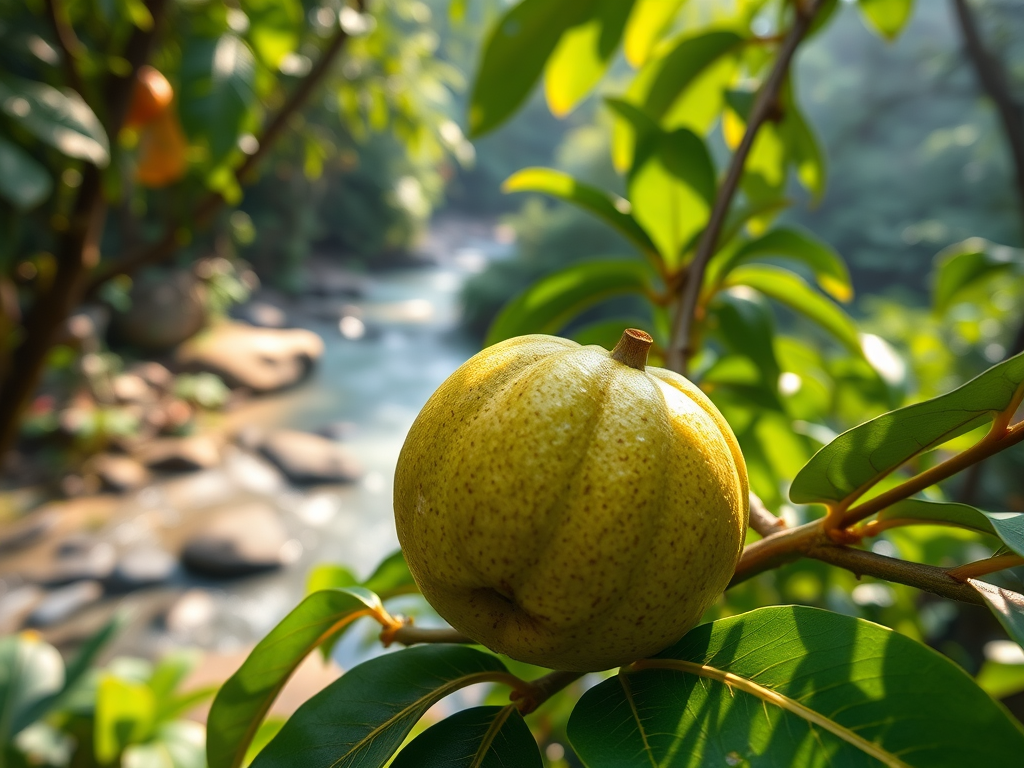
🍈 When Was Rambai Discovered?
There is no recorded “discovery date” for Rambai, because it is an indigenous, wild Southeast Asian fruit that was already known, cultivated, and eaten by local communities long before Western botanical documentation existed.
However, we can trace when it entered scientific literature.
🌿 Timeline of Rambai Cultivation
🟢 1. Indigenous Era (Pre‑1500s to 1800s)
Rambai originates in the lowland rainforests of Southeast Asia, where it grows naturally along rivers and in mixed tropical forests.
✅ Earliest Cultivators
- Orang Asli communities of Peninsular Malaysia
- Dayak peoples of Borneo
- Minangkabau and Malay communities of Sumatra
- Southern Thai rural and temple gardeners
✅ How they cultivated it
- Managed in forest gardens (not formal orchards)
- Grown near homes for shade, fruit, and medicine
- Harvested seasonally and shared within villages
- Used in fermented drinks, snacks, and ceremonial offerings
Key idea: Rambai was not “domesticated” in the Western sense — it was integrated into indigenous agroforestry systems.
🟡 2. Colonial Botanical Era (Mid‑1800s to Early 1900s)
European botanists began documenting Southeast Asian flora during British and Dutch colonial expansion.
✅ What changed
- Rambai was formally described in botanical literature (mid‑19th century).
- Classified under the genus Baccaurea.
- Specimens were collected for colonial herbaria in Calcutta, Bogor, and London.
- It appeared in early agricultural reports as a “native edible fruit tree.”
✅ What did not change
- It was not commercialized.
- It remained a village fruit, grown in home gardens and forest edges.
- Indigenous cultivation practices continued unchanged.
Key idea: Colonial science recorded Rambai, but did not transform its cultivation.
🔵 3. Modern Cultivation Era (1950s → Today)
✅ 1950s–1980s: Regional Recognition
- Rambai appears in local markets in Malaysia, Indonesia, and Thailand.
- Agricultural departments list it as an “underutilized indigenous fruit.”
- Small-scale farmers begin planting it intentionally in mixed orchards.
✅ 1990s–2010s: Conservation & Agroforestry
- Rambai becomes part of biodiversity conservation programs.
- Promoted as a heritage fruit in Malaysia and Indonesia.
- Used in community-based agroforestry to restore degraded land.
✅ 2020s–Present: Niche Revival
- Rising interest in rare fruits and indigenous foodways.
- Rambai appears in:
- eco-tourism orchards
- slow-food movements
- specialty fruit markets
- botanical gardens’ living collections
Key idea: Rambai is experiencing a quiet revival — not commercialized, but cherished as a cultural and ecological treasure.
Rambai was never “discovered” at a single point in time. It is a traditional indigenous fruit that existed in Southeast Asia for centuries before botanists formally classified it in the 1800s.
🍈 Medical & Health Benefits of Rambai (Baccaurea motleyana)
Rambai is more than a heritage fruit — it carries a surprisingly strong nutritional profile with several documented health benefits.
✅ 1. Rich in Antioxidants
Rambai contains natural antioxidants that help protect cells from oxidative stress and inflammation.
Why it matters:
- Supports immune function
- Helps slow cellular aging
- Reduces risk of chronic inflammation
✅ 2. Supports Immunity
Rambai is high in vitamin C, which helps the body produce white blood cells and defend against infections.
Potential benefits:
- Fewer seasonal colds
- Better resistance to flu and minor infections
✅ 3. Promotes Digestive Health
Rambai is a good source of dietary fiber, which supports healthy digestion.
What fiber does:
- Prevents constipation
- Reduces bloating
- Supports beneficial gut bacteria
✅ 4. Helps Regulate Blood Pressure
Rambai contains potassium, a mineral that helps balance fluids and reduce strain on the heart.
Potential effects:
- Lower risk of hypertension
- Better cardiovascular stability
✅ 5. Supports Heart Health
The combination of fiber, antioxidants, potassium, and magnesium contributes to heart protection.
Possible benefits:
- Lower LDL (“bad”) cholesterol
- Higher HDL (“good”) cholesterol
- Reduced risk of stroke and heart disease
✅ 6. Good for Weight Management
Rambai is low in calories and high in fiber, helping you feel full longer.
Why this matters:
- Reduces overeating
- Helps manage cravings
- Supports healthy metabolism
✅ 7. General Nutritional Value
According to the botanical profile, Rambai contains beneficial nutrients and is considered a fruit with “good health benefits”
Rambai may be a quiet forest fruit, but its nutritional profile is anything but modest — rich in antioxidants, fiber, and heart‑friendly minerals, it supports immunity, digestion, cardiovascular health, and overall wellness
🍈 Rambai Flavor Profile
🌿 Overall Taste
Rambai has a sweet–tart flavor that sits somewhere between mild citrus and tropical grape, with a soft acidity that brightens the palate.
🍯 Sweetness
- Light to moderate sweetness
- Similar to lychee or longan, but gentler
- Ripeness increases honeyed notes
🍋 Acidity
- Noticeably tangy, especially near the skin
- A citrus‑like brightness, almost like mandarin meets gooseberry
🍇 Fruit Notes
- Grape-like juiciness
- Hints of mangosteen in the softer varieties
- Occasional pear-like mildness in fully ripe fruit
🌸 Aroma
- Light, floral, and clean
- Slightly tropical but not perfumed
- A soft “orchard fruit” scent when freshly opened
🧵 Texture
- Soft, juicy pulp
- Slightly fibrous depending on the variety
- Clings to the seed like langsat or duku
✨ Culinary Summary
If you want a polished line for your blog:
Rambai tastes like a sweet‑tart blend of citrus, grape, and mangosteen, wrapped in a soft, juicy pulp with a bright, refreshing finish.
🌿 “The Orchard Lantern Fruit” — Rambai in Festival Season
In Southeast Asia, Rambai ripens at the height of the warm season, when village festivals spill into the streets and families gather under the canopy of fruiting trees. Its pale-gold clusters hang like tiny lanterns, and that visual alone makes it a natural symbol for abundance, reunion, and shared sweetness.
Here’s how Rambai becomes a festive ingredient — not just a fruit, but a moment.
✨ 1. The Welcome Bowl (Hospitality Ritual)
At gatherings, Rambai is often placed in a large woven tray at the entrance — a quiet gesture of welcome. Guests pluck the fruit, twist it open, and taste that first burst of sweet–tart brightness that wakes the palate.
Story angle:
“The first fruit you taste sets the tone for the celebration — Rambai brings brightness, ease, and a little mischief.”
✨ 2. Rambai–Palm Sugar Dip (Communal Snacking)
A classic festive pairing: Rambai dipped in palm sugar caramel or chili‑salt. The sweet–tart fruit cuts through the richness, creating a playful contrast.
Culinary note:
- Perfect for street festivals
- Works beautifully in tasting boards
- Adds a tropical spark to holiday spreads
✨ 3. Rambai Sparkling Cooler (Signature Party Drink)
Crushed Rambai pulp + lime leaf syrup + sparkling water. It becomes a golden, effervescent drink that feels celebratory without being heavy.
Flavor profile:
- Bright
- Floral
- Refreshing
- Slightly nostalgic
Story angle:
“A drink that tastes like the moment lanterns are first lit.”
✨ 4. Rambai in Festive Desserts
Rambai’s sweet–tart profile makes it perfect for:
- Rambai compote over coconut pudding
- Rambai–ginger jam for holiday pastries
- Rambai syrup drizzled over shaved ice
- Rambai curd folded into cream puffs
Editorial hook:
“A fruit that behaves like citrus but tastes like a tropical grape — the perfect bridge between tradition and indulgence.”
✨ 5. The Ceremonial Ending: Rambai Blessing Bowl
In some communities, the last bowl of Rambai is saved for the end of the celebration. Everyone takes one fruit, makes a wish, and tosses the seed into the garden.
Symbolism:
- Renewal
- Fertility
- Continuity
- Gratitude
Your closing line:
“Rambai ends the feast the way it began — with brightness, community, and a promise of return.”
🍈 Rambai Pairing Guide for Chefs
How to use Rambai in savory, sweet, and festive applications
Rambai behaves like a tropical grape with citrus energy, so it pairs beautifully with ingredients that either amplify its brightness or ground its acidity.
🔥 SAVORY PAIRINGS
🌶️ Chili Salt
- Enhances Rambai’s tartness
- Adds heat that wakes up the palate
- Perfect for street‑food style snacking
Use it in:
- Chili‑salt Rambai skewers
- Rambai tossed with lime, chili flakes, and sea salt
🐟 Fish Sauce
- The umami balances Rambai’s acidity
- Creates a Southeast Asian flavor profile instantly
Use it in:
- Rambai + fish sauce + palm sugar → dipping sauce
- Rambai in Thai‑style salads (som tam–inspired)
🌿 Fresh Herbs
- Thai basil
- Mint
- Cilantro
These herbs soften the fruit’s tang and add fragrance.
Use it in:
- Rambai herb salad
- Rambai + mint over grilled fish
🧅 Aromatics
- Shallot
- Garlic
- Lemongrass
These create contrast and depth.
Use it in:
- Rambai–shallot relish
- Rambai + lemongrass dressing for grilled meats
🍯 SWEET PAIRINGS
🍬 Palm Sugar
- The classic pairing
- Caramel warmth rounds out the tartness
Use it in:
- Palm sugar caramel dip
- Rambai–palm sugar jam
🥥 Coconut
- Creamy, cooling, tropical
- Balances acidity beautifully
Use it in:
- Coconut panna cotta with Rambai compote
- Rambai over coconut sticky rice
🍋 Citrus
- Lime, calamansi, mandarin
- Amplifies the fruit’s natural brightness
Use it in:
- Rambai–lime sparkling cooler
- Rambai + calamansi sorbet
🍦 Dairy & Cream
- Yogurt
- Mascarpone
- Sweet cream
These soften the tang and create a luxurious mouthfeel.
Use it in:
- Rambai yogurt parfait
- Rambai whipped mascarpone tart
🌸 FLAVOR BRIDGES
These ingredients connect Rambai to both sweet and savory dishes:
- Ginger – adds warmth
- Galangal – adds floral spice
- Tamarind – mirrors the sweet–sour profile
- Honey – softens acidity
- Salted plum – deepens the fruitiness
🍽️ CHEF APPLICATIONS
✅ 1. Rambai Gastrique
Reduce Rambai pulp with vinegar + palm sugar → drizzle over duck, pork belly, or roasted squash.
✅ 2. Rambai Ceviche Accent
Add Rambai segments to fish ceviche for a sweet–tart pop.
✅ 3. Rambai Chutney
Cook with ginger, chili, and palm sugar → serve with grilled meats or cheese boards.
✅ 4. Rambai Dessert Sauce
Blend Rambai with coconut cream + lime → pour over cakes or shaved ice.
🇺🇸 Is Rambai Available in the United States?
✅ Short answer:
Rambai is not commonly available as a fresh fruit in the U.S., but you can buy the tree from specialty tropical nurseries and grow it yourself in warm climates.
✅ What the search results show
1. Rambai is not commercially sold as fresh fruit in the U.S.
Rambai is described as a “jungle fruit that is not commercially cultivated on a wide scale”. Because of this, it rarely appears in U.S. markets — even in Asian grocery stores.
2. It is available as a live tree from U.S. nurseries
A U.S. nursery (Ken’s Nursery) sells Rambai fruit trees for home growers. This means:
- You can grow Rambai in the U.S.
- But only in warm zones (USDA 10a–11) or indoors in a pot.
3. No evidence of U.S. retail fruit availability
The Specialty Produce listing shows zero inventory and confirms Rambai is mostly a wild or home‑garden fruit in Southeast Asia.
✅ So what does this mean for you?
Fresh Rambai fruit:
❌ Not available in U.S. grocery stores
❌ Not imported commercially
❌ Not found in farmers markets
Rambai trees:
✅ Available from U.S. tropical plant nurseries
✅ Can be grown in Florida, Southern California, Hawaii, or indoors
✅ Fruit production possible with proper warmth and humidity
🌺 Closing: A Fruit With a Character All Its Own
Rambai is one of those rare fruits that refuses to be ordinary. It hangs in golden clusters like tiny lanterns, tastes like citrus wrapped in tropical sweetness, and carries the quiet history of forest gardeners who tended it long before it had a name in any book. It’s a fruit with personality — bright, tender, a little mischievous — the kind that turns a simple tasting into a story.
And yet, for all its charm, Rambai remains a wanderer of its homeland. It hasn’t made its way into American markets, and I’m sorry to say you won’t find it fresh in the United States. Its journey is still rooted in the villages and riverbanks of Southeast Asia, where it continues to shine in the place that shaped it.
But perhaps that’s part of its magic — a reminder that some fruits are meant to be discovered slowly, cherished deeply, and honored for the worlds they come from.
 EJADA
EJADA 
Leave a comment