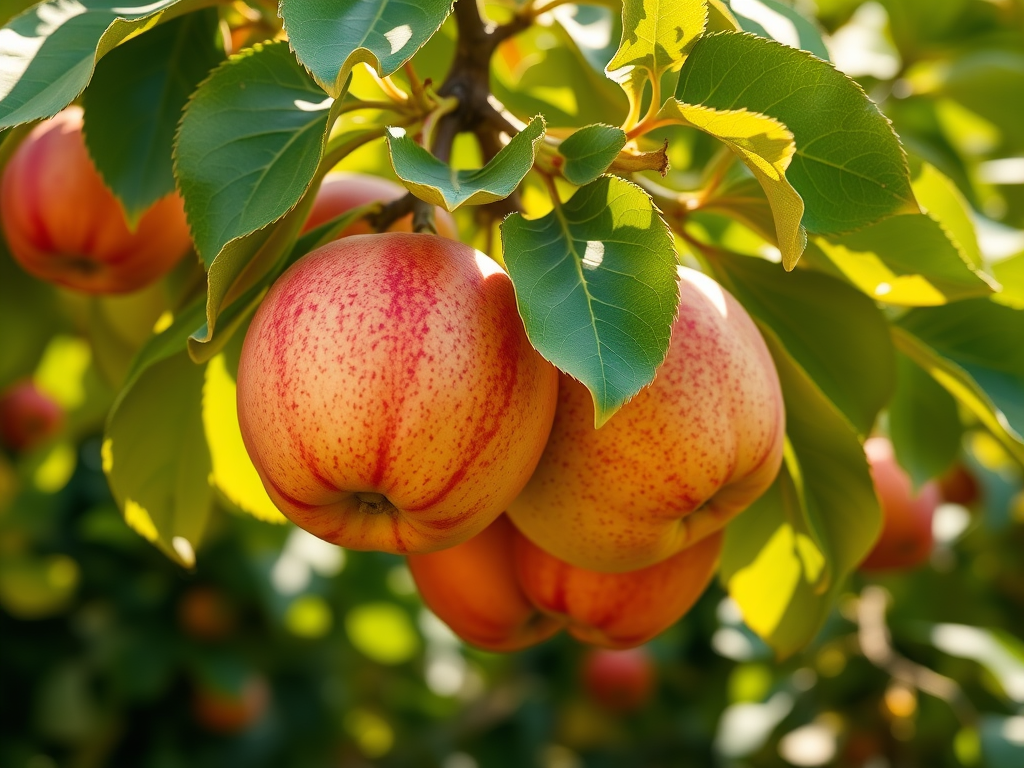
Rajka Apple
A Modern Czech Beauty With Old‑World Flavor
The Rajka apple may not yet be a household name in the United States, but among orchardists, gardeners, and European growers, it’s considered one of the most successful modern dessert apples. Developed in the Czech Republic with a focus on disease resistance, flavor, and visual appeal, Rajka represents the new generation of apples bred for both sustainability and taste.
This post explores its origins, characteristics, flavor profile, growing habits, and why it’s becoming a favorite for organic orchards and home growers alike.
Origins of the Rajka Apple
The Rajka apple was developed in Czechia at the Institute of Experimental Botany, a research center known for producing disease‑resistant apple cultivars. According to the Institute’s published records, Rajka is a hybrid of:
- Champion (Šampion) × UEB 1200/1 (Katka)
This breeding program specifically targeted scab resistance, a major issue in apple production, especially in humid climates.
Rajka was officially released in 1999, making it a relatively young cultivar compared to heritage apples that date back centuries.
Appearance & Flavor Profile
Rajka is known for its striking beauty — a trait that has helped it gain popularity in European markets.
✅ Appearance
- Medium to large fruit
- Globose‑conical shape
- Golden‑yellow base color
- Nearly fully covered in deep cherry‑red or bright red overcolor
- Occasional russeting around the stem cavity
✅ Flesh & Texture
- Creamy‑yellow flesh
- Crisp, juicy bite
- Fine to medium grain texture
✅ Flavor
Rajka’s flavor is often compared to Elstar, with:
- Sweetness balanced by lively acidity
- A clean, refreshing finish
- Occasional strawberry‑like notes in warm summers — a flavor hint linked to its Lord Lambourne ancestry
This makes Rajka a true dessert apple, ideal for fresh eating.
Growing Characteristics
Rajka was bred with growers in mind — especially those seeking low‑spray or organic‑friendly varieties.
✅ Tree Growth
- Moderately vigorous
- Spur‑bearing
- Upright to spreading growth habit
- Precocious (bears fruit early)
✅ Disease Resistance
- Highly resistant to apple scab
- Tolerant of powdery mildew
- Performs well in damp climates (as noted by multiple growers)
✅ Productivity
- Heavy annual cropper
- Minimal pre‑harvest fruit drop
- Mid‑season blossom timing
- Suitable for both commercial orchards and home gardens
✅ Climate Suitability
Rajka thrives in:
- Temperate climates
- Cooler regions
- Humid areas where scab‑resistant varieties are essential
Harvest & Storage
- Harvest period: Mid‑season to early winter (varies by region)
- Storage life: Approximately 3 months in cold storage
- Fruit quality: Holds texture and flavor well during storage
This makes Rajka a practical choice for growers who need apples that store reliably without losing their crispness.
Culinary Uses
While Rajka is primarily a fresh‑eating apple, its balanced acidity and firm texture make it versatile.
✅ Best uses:
- Fresh eating
- Slicing for salads
- Cheese boards
- Juicing
- Light baking (holds shape but softens slightly)
Its natural sweetness means it requires minimal added sugar in recipes.
If you want, I can create a Rajka‑specific recipe section (salads, galettes, cider blends, etc.).
Why Rajka Is Gaining Popularity
Growers love Rajka because it offers:
- High disease resistance
- Consistent yields
- Attractive fruit
- Excellent flavor
- Low maintenance
- Organic‑friendly performance
Consumers love it because it’s:
- Sweet but refreshing
- Beautifully colored
- Crisp and juicy
- Aromatic and flavorful
It’s a modern apple with the charm of an old‑world dessert variety.
🍎 Medical Uses of Rajka Apples: Then and Now
While the Rajka apple itself has not been the subject of individual medical studies, its nutritional profile, polyphenol content, and disease‑resistant breeding place it firmly within the category of apples known for meaningful health benefits. Modern research on apple varieties — especially red‑skinned, polyphenol‑rich types — helps us understand Rajka’s potential wellness value.
Below is a WordPress‑ready section you can drop directly into your Rajka Apple post.
✅ Traditional (Historical) Medical Uses of Apples
For centuries, apples were used in folk medicine across Europe and the Mediterranean. Rajka, as a modern Czech cultivar, inherits this long tradition.
1. Digestive Support
Historically, apples were used to soothe the stomach, relieve constipation, and support digestion. This aligns with the natural fiber found in all apples.
2. General Vitality & Recovery
Apples were eaten to restore strength after illness or travel — a practice rooted in their hydration, natural sugars, and micronutrients.
3. Anti‑Inflammatory Folk Remedies
Apple poultices and preparations were used to calm inflammation and soothe irritated tissues.
4. Fever & Cooling Remedies
Some European and Indigenous traditions used apple infusions to help cool the body during fever.
Rajka, though modern, carries the same nutritional traits that made apples valuable in early medicine.
✅ Modern Medical & Nutritional Benefits of Rajka Apples
Modern research shows that red‑skinned apples — like Rajka — tend to contain higher levels of anthocyanins, quercetin, and other polyphenols that support health.
1. Antioxidant Protection
Red apples contain anthocyanins and polyphenols that help fight oxidative stress and inflammation. Rajka’s deep red skin suggests a similar antioxidant profile.
2. Heart Health Support
Polyphenols in apples may help:
- Lower LDL cholesterol
- Reduce inflammation
- Support vascular function
Fuji and Gala apples show strong polyphenol activity in studies, and Rajka’s breeding lineage suggests comparable benefits.
3. Digestive Health
Apples are rich in fiber, which supports:
- Regularity
- Gut microbiome balance
- Blood sugar stability
This applies to Rajka as well.
4. Blood Sugar Regulation
Apples have a low glycemic index, and their polyphenols may help moderate glucose absorption.
5. Immune Support
Apples contain vitamin C and antioxidant compounds that help reduce oxidative stress and support immune function.
6. Weight Management
High fiber + high water content = increased satiety. Apples are frequently recommended in weight‑management diets.
✅ Why Rajka Specifically Fits Modern Health Trends
Rajka was bred for:
- Disease resistance (meaning fewer pesticides needed)
- High‑quality red skin (linked to anthocyanins)
- Crisp, juicy flesh (high water content)
- Balanced sweetness and acidity (better for blood sugar control than ultra‑sweet varieties)
This makes Rajka an excellent choice for people seeking apples that are:
- Nutrient‑dense
- Antioxidant‑rich
- Grown with fewer chemicals
- Suitable for fresh eating and juicing
🍎 Where the Rajka Apple Is Available
The Rajka apple is not a mass‑market grocery store variety. Instead, it is primarily available through:
✅ 1. Specialty Orchards & Home Growers (Most Common)
Rajka is widely grown by private orchardists and home gardeners, especially in:
- The United Kingdom
- Central Europe (Czech Republic, Slovakia, Poland)
- Cooler, damp climates where scab‑resistant apples perform well
Orange Pippin notes that Rajka is “an increasingly popular garden variety” because it grows well with minimal pesticides.
✅ 2. European Nurseries
Rajka is commonly sold as a tree (not fruit) through nurseries in:
- Czech Republic
- Germany
- UK
- Netherlands
- Scandinavia
These regions value disease‑resistant cultivars for organic growing.
✅ 3. Limited U.S. Availability
Rajka is not widely available in U.S. supermarkets, but it is available through:
- Specialty fruit tree nurseries
- Hobby orchard suppliers
- Some organic orchards that grow European disease‑resistant varieties
Because it’s a modern Czech cultivar, it’s still gaining traction in North America.
✅ 4. “Where to Buy” Listings
Orange Pippin includes a “Where to Buy” section for Rajka, indicating that availability is mostly through growers and nurseries, not retail fruit markets.
🍎 Culinary Uses of the Rajka Apple
The Rajka apple is primarily known as a dessert apple, meaning it was bred for fresh eating — crisp, juicy, aromatic, and beautifully balanced between sweetness and acidity. But its firm flesh and lively flavor also make it surprisingly versatile in the kitchen.
Below is a polished section you can drop directly into your WordPress post.
✅ 1. Fresh Eating (Primary Use)
Rajka is classified as a fresh‑eating apple, thanks to its:
- Crisp, juicy flesh
- Sweet‑tart balance
- Pleasant aroma
- Clean “snap” when bitten
This makes it ideal for:
- Snacking
- Lunchboxes
- Cheese boards
- Fruit platters
Its deep red skin also adds visual appeal to raw preparations.
✅ 2. Salads & Cold Dishes
Because Rajka resists browning reasonably well and holds its texture, it works beautifully in:
- Green salads
- Grain salads (farro, quinoa, bulgur)
- Waldorf‑style salads
- Apple‑and‑cheese pairings
The sweet‑acid balance (similar to Elstar) keeps salads bright rather than overly sweet.
✅ 3. Baking (Light to Moderate)
While Rajka is not a heavy baking apple like Granny Smith, its firm flesh and balanced flavor make it suitable for:
- Rustic galettes
- Apple muffins
- Apple cakes
- Dutch babies
- Light pies (especially when mixed with a firmer variety)
It softens slightly when baked but retains enough structure to avoid turning mushy.
✅ 4. Juicing & Fresh Pressing
Rajka’s juicy flesh and aromatic profile make it excellent for:
- Fresh apple juice
- Blended juices (carrot‑apple, beet‑apple)
- Smoothies
Its natural sweetness means you don’t need added sugar.
✅ 5. Cider Blending
While not a traditional cider apple, Rajka’s acidity and aroma make it a good balancing apple in cider blends. It adds:
- Brightness
- Fresh fruit notes
- A clean finish
This is especially useful in modern craft cider making.
✅ 6. Dehydrating & Snacks
Rajka’s sweetness and color make it great for:
- Apple chips
- Dried apple rings
- Fruit leather
The red skin creates a beautiful blush on dried slices.
✅ 7. Charcuterie & Cheese Pairings
Rajka’s flavor profile — sweet with lively acidity — pairs well with:
- Aged cheddar
- Gouda
- Brie
- Blue cheese
- Smoked meats
Its crisp texture holds up well on boards.
🍏 Summary
Rajka is at its best when eaten fresh, but its crisp texture, balanced sweetness, and aromatic flesh make it a flexible apple for salads, light baking, juicing, and even cider blending. Its beauty and flavor give it a place in both everyday cooking and more elevated presentations. The Rajka apple is a standout example of modern apple breeding done right — combining disease resistance, beauty, and flavor in a single cultivar. Whether you’re a home gardener, orchardist, or simply an apple enthusiast, Rajka offers a dependable, delicious, and visually stunning fruit with a growing global reputation.
🍎 Vitamins in Rajka Apples
Rajka apples share the same core vitamin profile as most red dessert apples. According to Healthline and NutritionValue, apples provide a meaningful mix of vitamin C, B‑vitamins, vitamin E, and vitamin K, along with antioxidant plant compounds that support overall wellness.
✅ Vitamin C (Ascorbic Acid)
- Apples are a good source of vitamin C, a key antioxidant that supports immune function, skin health, and tissue repair.
- Healthline notes that vitamin C is one of the primary vitamins in apples.
Benefits:
- Immune support
- Collagen production
- Antioxidant protection
✅ Vitamin B‑Complex (Small but meaningful amounts)
Apples contain trace amounts of several B‑vitamins, including:
- Vitamin B1 (Thiamin)
- Vitamin B2 (Riboflavin)
- Vitamin B3 (Niacin)
- Vitamin B6
NutritionValue lists measurable amounts of these B‑vitamins in raw apples.
Benefits:
- Energy metabolism
- Nervous system support
- Red blood cell formation
✅ Vitamin E (Alpha‑Tocopherol)
Apples contain small amounts of vitamin E, an antioxidant that helps protect cells from oxidative stress. NutritionValue confirms vitamin E content in raw apples.
Benefits:
- Skin health
- Immune support
- Antioxidant activity
✅ Vitamin K (Phylloquinone)
Apples contain modest levels of vitamin K, which supports blood clotting and bone health. NutritionValue lists vitamin K in the apple vitamin profile.
Benefits:
- Bone metabolism
- Healthy blood clotting
🍏 Summary
Rajka apples provide:
- Vitamin C (primary vitamin)
- B‑vitamins (B1, B2, B3, B6)
- Vitamin E
- Vitamin K
Combined with their polyphenols (quercetin, catechin, anthocyanins), Rajka apples offer a nutrient profile that supports immunity, heart health, digestion, and antioxidant protection.
Groups That Should Avoid Rajka Apples?
(General information only — not medical advice.)
Rajka apples are safe for most people, but certain groups may need to limit or avoid apples depending on their health needs or dietary restrictions. Here’s a clean breakdown you can add directly to your Rajka Apple post.
✅ 1. Individuals With Apple Allergies
Some people experience:
- Oral itching
- Lip or throat tingling
- Swelling
- Digestive discomfort
This is often linked to birch pollen allergy (oral allergy syndrome). Rajka apples are not known to be hypoallergenic, so anyone with apple allergies should avoid them.
✅ 2. People With FODMAP Sensitivities or IBS
Apples — including Rajka — are high in FODMAPs, especially fructose. This can trigger:
- Bloating
- Gas
- Cramping
- Digestive discomfort
Individuals following a low‑FODMAP diet may need to limit or avoid apples.
✅ 3. Those Monitoring Blood Sugar
Apples have natural sugars and carbohydrates. While they have a low glycemic index, people who are:
- Managing diabetes
- Following a low‑sugar diet
may need to watch portion sizes.
✅ 4. Individuals on Potassium‑Restricted Diets
Apples contain potassium. People with certain kidney conditions or those advised to limit potassium should follow their clinician’s guidance regarding fruit intake.
✅ 5. People With Dental Sensitivities
Apples are acidic and contain natural sugars. Those with:
- Enamel erosion
- Sensitive teeth
- Frequent cavities
may need to consume apples with caution and rinse afterward.
✅ 6. Very Young Children (Choking Risk)
Whole apple slices can be a choking hazard for toddlers. They should be:
- Cut into very small pieces
- Cooked or softened if needed
Rajka apples are safe for most people, but individuals with allergies, digestive sensitivities, blood sugar concerns, or potassium restrictions may need to limit or avoid them. As always, anyone with a medical condition should follow guidance from a healthcare professional.
Primary Apple‑Specific Sources
These are the core factual sources for Rajka’s origin, characteristics, flavor, and cultivation details.
1. Orange Pippin – Rajka Apple Profile
https://www.orangepippin.com/varieties/apples/rajka
2. Wikipedia – Rajka (Apple)
https://en.wikipedia.org/wiki/Rajka_(apple)
3. Pomiferous – Rajka Apple Database Entry
https://pomiferous.com/applebyname/rajka-id-5192
General Apple Nutrition & Vitamin Sources
These support the sections on vitamins, health benefits, and modern nutritional value.
4. Healthline – Apple Nutrition & Health Benefits
https://www.healthline.com/nutrition/apples (Used for vitamin C, B‑vitamins, fiber, antioxidants)
5. NutritionValue – Raw Apple Nutrition Facts
https://www.nutritionvalue.org/Apple%2C_raw_nutritional_value.html (Used for vitamin E, vitamin K, B‑vitamin amounts)
General Apple Medical & Historical Use Sources
These support the “medical uses then and now” section.
6. WHFoods – Apples: Health Benefits & History
https://www.whfoods.com/genpage.php?tname=foodspice&dbid=15 (Used for traditional uses + modern benefits)
7. SynapseWaves – Exploring the Multifaceted Apple
https://synapsewaves.com/exploring-the-multifaceted-apple (Used for historical + nutritional context)
✅ Availability & Culinary Use Sources
8. Orange Pippin – Where to Buy Rajka
https://www.orangepippin.com/varieties/apples/rajka (Availability + grower notes)
9. CooksInfo – Rajka Apples
https://www.cooksinfo.com/rajka-apples (Used for culinary uses + flavor notes)
Conclusion: A Modern Apple With a Purpose
The Rajka apple stands as a beautiful example of what thoughtful breeding can achieve — a fruit that balances disease resistance, sustainability, and exceptional eating quality. With its deep red skin, crisp texture, and lively sweet‑tart flavor, Rajka brings together the best of modern horticulture and old‑world apple character.
Whether enjoyed fresh, sliced into salads, pressed into juice, or used in light baking, Rajka offers versatility and reliability. Its strong natural resistance to scab and mildew makes it a favorite among organic growers and home orchardists, while its flavor and appearance make it a standout on the table.
As more growers discover its strengths, Rajka continues to expand beyond its Czech origins, earning a place among the most promising modern dessert apples.
Disclaimer
This article is for general informational and educational purposes only. It is not medical advice, nutritional counseling, or a substitute for professional guidance. Anyone with allergies, medical conditions, or dietary restrictions should consult a qualified healthcare professional before making changes to their diet or consuming new foods.
 EJADA
EJADA 
Leave a comment