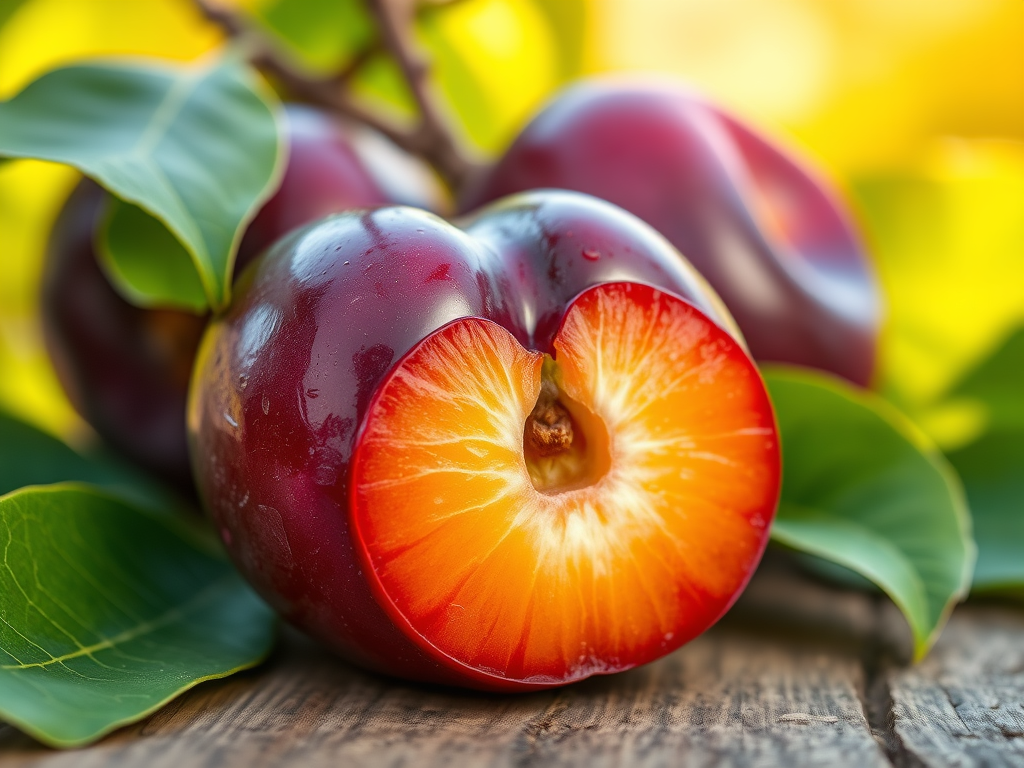
Plum
This stone fruit is more than just a poetic snack. The sweet, juicy plum carries a trove of health benefits that often go unnoticed.
Little-Known Health Benefits of Plums
1. Antioxidant Armor
- Rich in anthocyanins and polyphenols, especially in darker varieties.
- These compounds help neutralize free radicals and reduce inflammation, potentially lowering the risk of cancer and chronic diseases.
2. Natural Digestive Aid
- Plums and prunes contain sorbitol, a sugar alcohol that draws water into the colon.
- This creates a gentle laxative effect, making them a natural remedy for constipation.
3. Blood Sugar Stabilizer
- Despite their sweetness, plums have a low glycemic impact.
- Their fiber slows digestion, helping prevent blood sugar spikes and improving insulin sensitivity.
4. Heart Health Hero
- Packed with quercetin and potassium, plums support cardiovascular wellness.
- They may help lower blood pressure and reduce cholesterol levels.
5. Brain Booster
- Polyphenols in plums improve blood flow to the brain.
- This may enhance memory and cognitive function over time.
6. Bone Strengthener
- Vitamin C, vitamin K, and potassium in plums contribute to bone density.
- Studies suggest prunes may even reverse bone loss in postmenopausal women.
7. Skin & Hair Revitalizer
- Vitamin E and antioxidants promote collagen production and restore hair shine.
- Regular consumption may support radiant skin and resilient strands.
8. Immune Support & Pregnancy Ally
- Plums contain lectins and vitamin C, which may help fight infections like influenza.
- Their nutrient profile supports fetal development and maternal health during pregnancy.
9. Psychological Balance
- Some studies suggest plums may help relieve stress and anxiety, thanks to their antioxidant and mineral content
13 Amazing Health Benefits of Plums
🌸 Vitamin Highlights in Plums
Vitamin C: Supports immune function, collagen production, and skin health. One plum provides about 7–10% of your daily recommended intake.
Vitamin K: Important for blood clotting and bone health. A single plum offers 3.5–4.7% of the RDA.
Vitamin A: Essential for vision, immune defense, and cellular communication. Plums contain 1.2–1.6% of the RDA.
B Vitamins (especially B6): Found more abundantly in prunes, these support brain health and energy metabolism.
🌿 Bonus Nutrients
Magnesium, Phosphorus, Potassium: These minerals help regulate muscle function, bone strength, and hydration balance.
Antioxidants: Plums are rich in anthocyanins and other phytonutrients that help fight inflammation and oxidative stress
🌿 Origins & Cultivation
Cultivated not just for their flavor, but for their symbolic and medicinal resonance across cultures.
European Plum (Prunus domestica)
Cultivated for over 2,000 years, likely originating near the Caucasus Mountains and Caspian Sea. Ancient Romans and Greeks prized it for both culinary and medicinal use.
Japanese Plum (Prunus salicina): First domesticated in China, refined in Japan, and later introduced to the West. These varieties are now common in North America.
Native American Cultivation
Damson & Wild Plums: Indigenous to Europe and North America, often used in preserves, wines, and ceremonial feasts. Deeply rooted in Indigenous communities across North America, often tied to seasonal rituals and sustenance practices.
🕊️ Ritual & Cultural Symbolism
1. China: 梅花 (méihuā) as Endurance Embodied**
- Plum blossoms bloom in late winter, often before the snow has melted. This defiance of harsh conditions made them a symbol of perseverance, purity, and hope.
- In Confucian and Daoist traditions, the plum blossom represents the noble spirit—unbowed by adversity, quietly dignified.
- Artists and poets from the Tang and Song dynasties ritualized the plum in ink paintings and verses, often pairing it with bamboo and pine as the “Three Friends of Winter”—each representing moral strength.
- During Lunar New Year, plum branches are displayed to invite renewal and good fortune, especially in southern China.
2. Japan: 梅 (ume) as Seasonal Transition & Protection**
- Plum blossoms bloom before cherry blossoms, marking the true start of spring in traditional Japanese calendars.
- In Shinto rituals, plum trees were planted near shrines to ward off evil spirits and protect sacred spaces.
- The Heian court celebrated plum-viewing parties (ume-mi) centuries before cherry blossom festivals became popular.
- Plum blossoms are associated with stoic beauty—less flamboyant than sakura, but deeply revered for their quiet strength and subtle fragrance.
- In tea ceremonies, plum motifs are used to evoke seasonal awareness and emotional clarity, often paired with poetry that honors impermanence.
🕊️ Editorial Resonance: Ritualizing Resilience
Plum blossoms don’t just symbolize resilience—they ritualize it. Their early bloom becomes a metaphor for:
- Creative emergence during hardship
- Editorial clarity in moments of recalibration
- Legacy stewardship through seasonal transitions
🍷 Ritual Wines: Fermentation as Ceremony
1. Ancient Mesopotamia & Levant
- Plums were among the earliest fruits fermented into ritual wines, especially in regions where grapes were scarce or seasonal.
- These plum wines were used in temple offerings, seasonal feasts, and ancestral rites, often blended with herbs like myrrh or saffron to enhance their ceremonial potency.
- In Babylonian and Assyrian texts, fermented fruit beverages were linked to divine favor and seasonal transitions, with plum-based elixirs reserved for sacred gatherings.
2. Greco-Roman Mediterranean
- While grapes dominated viniculture, Damson plums (linked to Damascus) were fermented into medicinal wines—used to treat digestive ailments and melancholy.
- Plum wines were served during symposia (philosophical banquets), symbolizing balance between pleasure and wisdom.
- Recipes from Hippocratic texts included plum infusions for liver health and emotional regulation.
Sacred Hospitality: Plum as Offering
1. Middle Eastern Traditions
- In Persian and Arab cultures, stewed plums and plum syrups were offered to guests as part of ritual hospitality, especially during Ramadan and Nowruz.
- These offerings symbolized sweetness in hardship, and were often paired with rosewater, cardamom, or dates to evoke emotional warmth and spiritual generosity.
2. Mediterranean Feasts
- Plums featured in seasonal tagines, stews, and preserves, often served during weddings, harvest festivals, and healing gatherings.
- Their inclusion signaled abundance, protection, and renewal, especially when paired with grains, lamb, or legumes.
🌿 Healing Ceremonies: Plum as Medicinal Ally
1. Traditional Arabic Medicine (Tibb)
- Plums were used to treat fevers, constipation, and liver stagnation, often in decoctions or syrups.
- Their cooling nature made them ideal for balancing excess heat, especially in summer rituals.
2. Sephardic & Ottoman Herbalism
In Jewish healing rituals, plums symbolized sweet endings and new beginnings, especially in post-fast meals and mourning transitions.
Plum bark and dried fruit were included in digestive tonics, often consumed after heavy meals or during seasonal cleanses.
🌾 Plums in European Harvest Festivals: Rituals of Preservation & Celebration
1. Autumnal Abundance & Communal Feasting
- In rural Central and Eastern Europe, plums were central to harvest festivals like Dožínky (Czech/Slovak) and Szüreti Napok (Hungarian), where communities gathered to celebrate the end of the growing season.
- Plums were stewed, baked into strudels and dumplings, or fermented into slivovitz (plum brandy)—each preparation a ritual of gratitude and transition.
- These festivals often included dances, songs, and offerings, with plum dishes symbolizing sweetness earned through labor and protection against scarcity.
2. Drying & Winter Rituals
- Plums were dried into prunes, stored in cellars or hung in kitchens as symbols of foresight and resilience.
- In Alpine and Balkan regions, dried plums were used in solstice rituals, simmered into warming stews or served with grains to nourish the spirit during the dark months.
- Their presence in winter pantries was a testament to ancestral wisdom, echoing the rhythm of seasonal preservation and emotional continuity.
🕊️ Folklore: Plum as Protection & Fertility
1. Protective Charms & Orchard Magic
- In Slavic folklore, plum trees were planted near homes to ward off evil spirits and protect children from illness.
- Branches were sometimes woven into protective wreaths or burned during seasonal transitions, especially around Imbolc and Beltane.
2. Fertility & Love Rituals
- In Germanic and Celtic traditions, plums were associated with fertility and romantic abundance.
- Young women would place dried plums under pillows to dream of future partners.
- Plum blossoms were used in wedding garlands, symbolizing fruitfulness and enduring love.
3. Mythic Symbolism
- In Roman mythology, plums were linked to Pomona, goddess of fruit and abundance.
- Their dual nature—sweet flesh and hard pit—became metaphors for life’s softness and strength, often invoked in seasonal poetry and ritual storytelling.
🍂 Legacy Disclaimer: Plum Rituals of Protection & Fertility
This product honors the plum’s ancestral role in European harvest festivals—where sweetness was earned through labor, and preservation became a ritual of resilience. Dried and stored for winter, plums symbolized foresight, emotional continuity, and seasonal gratitude.
In folklore, plum trees were planted near homes to ward off misfortune and protect kinship bonds. Their blossoms adorned wedding garlands, invoking fertility and enduring love. This offering respects those traditions—layered with poetic clarity, editorial purity, and boundary-respecting reverence.
No claims are made regarding health outcomes or fertility enhancement. This product is offered as a ceremonial nod to legacy, not as a substitute for medical guidance.
🌸 Seasonal Rituals: Plum as a Ceremonial Marker
1. Spring Renewal (East Asia)
- In China and Japan, plum blossoms (梅, ume) bloom in late winter to early spring, symbolizing resilience and rebirth.
- Celebrated in Hanami (flower-viewing) gatherings, plum trees were planted near shrines to ward off evil and invite good fortune.
- Plum wine (umeshu) was often shared during seasonal transitions, blending botanical wisdom with social ritual.
2. Summer Foraging (North America)
- Indigenous communities like the Dakota and Mdewakanton intentionally planted wild plum shrubs near seasonal encampments.
- Plums were gathered during midsummer, often in communal harvests, then dried, stewed, or preserved for winter.
- These gatherings reinforced kinship bonds, ecological stewardship, and gratitude for abundance.
3. Autumn Preservation (Europe & Middle East)
- In rural Europe, plums were dried into prunes, fermented into brandy, or simmered into preserves—rituals of seasonal closure.
- In Middle Eastern traditions, plum-based syrups and stews were part of harvest feasts, symbolizing hospitality and healing.
4. Winter Nourishment & Storytelling
- Preserved plums became part of winter storytelling rituals, often served with warm grains or teas.
- Their presence in the pantry was a testament to foresight, resilience, and the cyclical nature of nourishment.
Plum-centered ceremonies and rituals
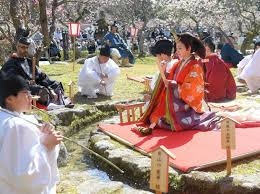
Plum Blossom Festivals in Japan, where early spring is honored with tea ceremonies and poetic gatherings under blooming plum trees

Plum Blossom Ceremony Dazaifu Tenmangu
The Plum Blossom Ceremony is an important event held every year on February 25 to commemorate the passing of Sugawara Michizane (845–903),

Shinto rituals: Shintō, Indigenous religion of Japan. Based on the worship of spirits known as kami, Shintō has no founder and no official scripture,

Plum Village ceremonies, inspired by Thich Nhat Hanh’s teachings, where plums symbolize mindfulness, transformation, and ancestral reverence. Thich Nhat Hanh 100th Day Memorial Ceremony (Plum Village France)
🥣 Sustenance Practices: Plum as Nourishment & Medicine
1. Nutritional Wisdom
- Plums were revered for their digestive benefits, especially in dried form (prunes), used to regulate bowel health.
- Rich in Vitamin C, K, and antioxidants, they supported immune resilience and skin clarity during seasonal shifts.
2. Medicinal Preparations
- Decoctions of plum bark or fruit were used in traditional medicine to treat inflammation, fever, and liver ailments.
- In some Indigenous and Ayurvedic practices, plums were part of tonics for mood and vitality, especially during transitional months.
3. Ecological Stewardship
- Native plum species were often intercropped with other medicinal plants, forming part of sustainable food forests.
- Their cultivation reflected adaptive horticulture, blending wild selection with ceremonial planting.
🍇 Health Benefits (Ancient Wisdom Meets Modern Science)
According to Health.Cleveland Clinic recent studies, plums offer:
| Benefit | Ancient Use | Modern Insight |
|---|---|---|
| Digestive Aid | Prunes used as natural laxatives | High in sorbitol and fiber—supports bowel regularity |
| Bone Strength | Tonic for aging vitality | Rich in Vitamin K, magnesium, and potassium—may reduce osteoporosis risk |
| Heart Health | Blood-cleansing elixirs | Contains quercetin and polyphenols—supports cardiovascular wellness |
| Immunity & Skin | Used in seasonal tonics | High in Vitamin C—boosts collagen and immune defense |
| Mood & Memory | Uplifting fruit in ceremonies | Polyphenols may enhance brain function and reduce inflammation |
⚠️ Potential Adverse Reactions to Plums
Know Your Risk: While plums are botanically rich and emotionally resonant, they can indeed cause adverse reactions in certain individuals.
1. Allergic Reactions
- Some individuals may experience plum allergies, especially those with sensitivities to birch pollen or stone fruits (like peaches, cherries, or apricots).
- Symptoms may include: itching or swelling of the lips, mouth, or throat; hives; or, in rare cases, anaphylaxis.
2. Oral Allergy Syndrome (OAS)
- Caused by cross-reactivity between plum proteins and pollen allergens (especially birch).
- Typically results in mild, localized symptoms like tingling or itching in the mouth.
3. Digestive Sensitivities
- Plums contain sorbitol, a natural sugar alcohol that can cause bloating, gas, or diarrhea in sensitive individuals or those with IBS.
- High fiber content may also trigger discomfort in those unaccustomed to fiber-rich foods.
4. Fructose Malabsorption
- Plums contain fructose, which may not be well absorbed by some individuals, leading to gastrointestinal symptoms.
5. Kidney Stone Risk
- Plums contain oxalates, which can contribute to the formation of kidney stones in susceptible individuals.
6. Medication Interactions
- Compounds in plums may interact with blood thinners or diuretics—consult a healthcare provider if on medication.
📝 Editorial Disclaimer
This content is intended for informational and ceremonial purposes only. It does not constitute medical advice. Individuals with known allergies, sensitivities, or medical conditions should consult a qualified healthcare professional before consuming plums or plum-based products.
🍽️ Ceremonial Culinary Uses of Plum
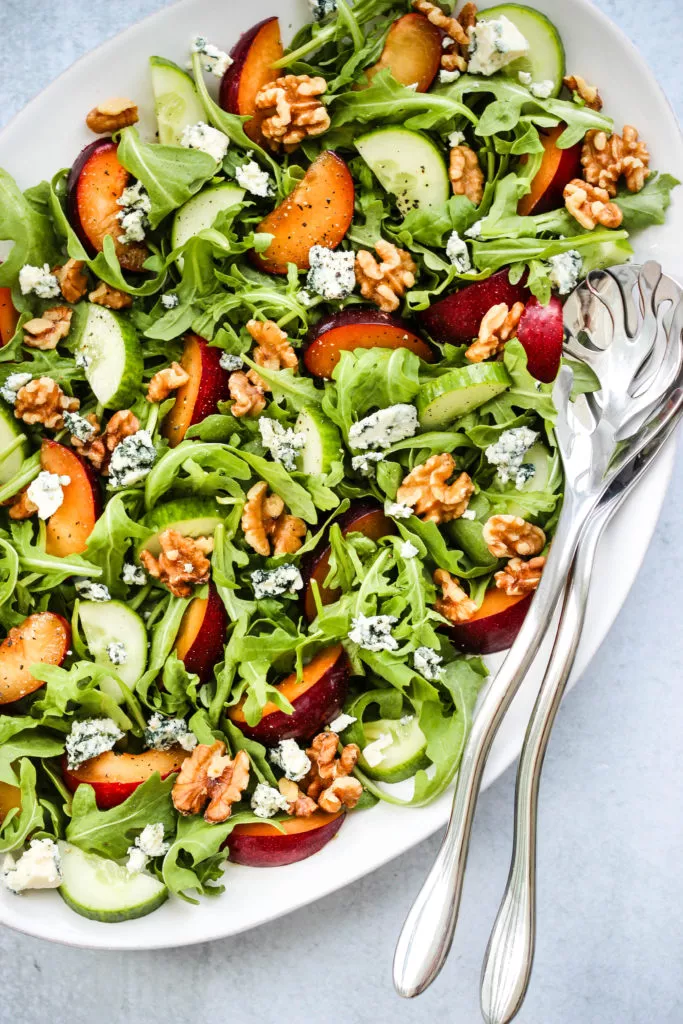
This plum salad with arugula, blue cheese, cucumbers, and walnuts celebrates the best of summer produce!
The combination of sweet and savoury flavours is absolutely delicious. Plus, this easy recipe comes together in just 15 minutes! Full Recipe
Nutritional value and botanical benefits of the Plum Salad with Arugula & Blue Cheese, inspired by Carrie Walder, RD: @welderwellness.com
🥗 Core Nutritional Highlights of the Plum Salad
| Ingredient | Key Nutrients & Benefits |
|---|---|
| Plums (4) | Vitamin C, A, K, potassium, copper, manganese; 1g fiber per plum; rich in polyphenols |
| Arugula (4 cups) | High in vitamin K, calcium, and folate; supports bone health and detoxification |
| Cucumber (½) | Hydrating, low-calorie, source of vitamin K and antioxidants |
| Walnuts (⅓ cup) | Omega-3s, magnesium, protein, and fiber; supports heart and brain health |
| Blue Cheese (⅓ cup) | Calcium, protein, probiotics; adds savory depth and gut-friendly cultures |
| Dressing (olive oil, balsamic, lemon, garlic, honey) | Healthy fats, antioxidants, antimicrobial compounds, and natural sweetness |
🌿 Botanical & Editorial Notes
- Plums offer gut- and heart-supportive fiber and antioxidants, especially polyphenols that promote cellular health.
- Arugula’s peppery bite adds detoxifying chlorophyll and supports liver function.
- Blue cheese, while rich, contributes probiotic cultures and calcium—layering savory complexity with nutritional depth.
- The dressing balances acidity and sweetness, enhancing absorption of fat-soluble vitamins.
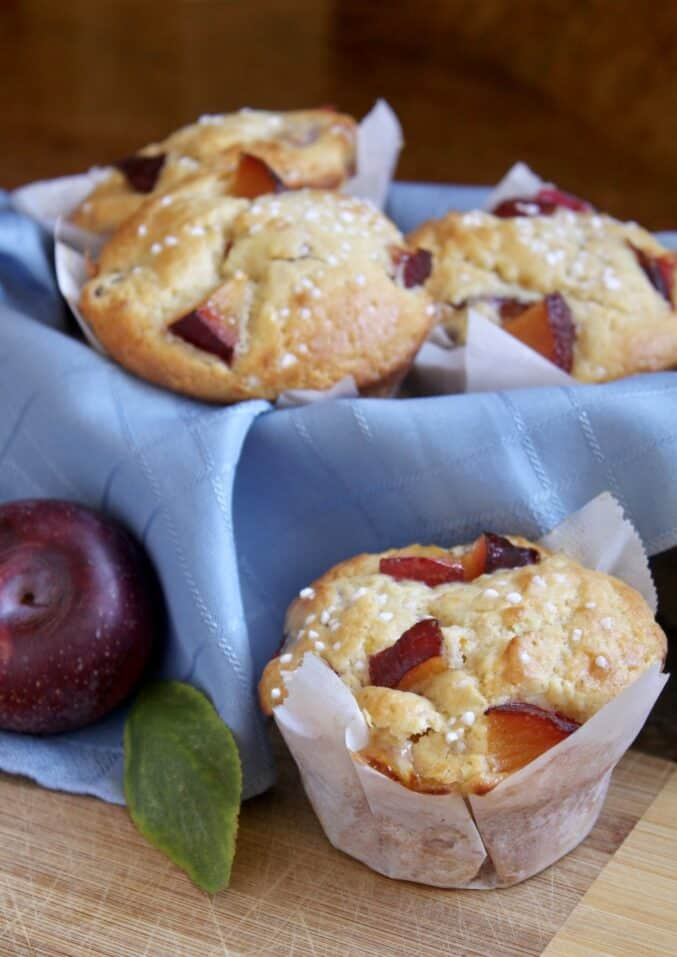
Perfect Plum Muffins (Made with Yogurt)
- A modern ritual of comfort and nourishment.
- Yogurt adds probiotic depth; plums offer antioxidant sweetness.
- Explore the recipe
🧁 Nutritional Highlights (Per Muffin)
Approximate values based on standard serving:@ Christina’s Cucina
| Nutrient | Amount | Editorial Benefit |
|---|---|---|
| Calories | 232 kcal | Light enough for a morning ritual or snack |
| Carbohydrates | 31 g | Provides energy with moderate sugar (14 g) |
| Protein | 4 g | From eggs and yogurt—supports satiety |
| Fat | 11 g | Healthy fats from olive oil; includes 7 g mono fats |
| Fiber | 1 g | Plum skins contribute gentle digestive support |
| Vitamin A | 212 IU | Supports skin and immune health |
| Vitamin C | 4 mg | Antioxidant boost from fresh plums |
| Calcium | 83 mg | From yogurt and eggs—supports bone health |
| Iron | 1 mg | Aids oxygen transport and energy metabolism |
| Potassium | 134 mg | Helps regulate fluid balance and muscle function |
🌿 Botanical & Editorial Notes
- Plums offer polyphenols and vitamin C, supporting cellular health and emotional resilience.
- Yogurt adds probiotics and calcium, enhancing gut health and ceremonial nourishment.
- Olive oil provides heart-healthy fats and a smooth texture without butter.
- Low sugar (½ cup total) keeps the sweetness subtle and boundary-respecting.
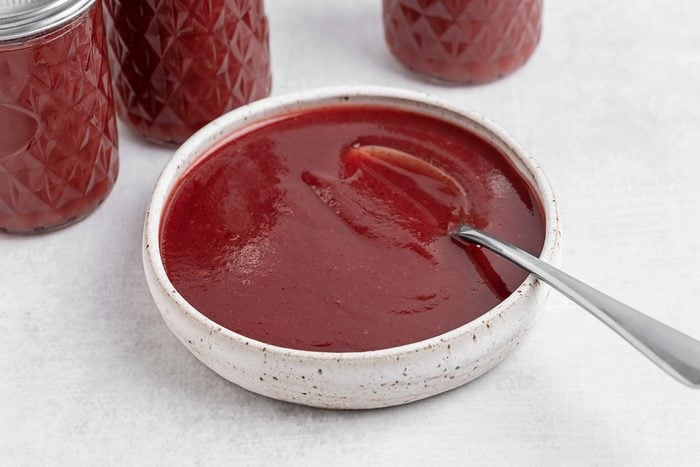
Plum Sauce for Roasted Meats
- A savory-sweet glaze used in ceremonial feasts.
- Combines plums, garlic, ginger, and tamari for umami-rich depth.
- View the recipe
🍯 Nutritional Highlights (Per 2 Tablespoons)
| Nutrient | Amount | Editorial Benefit |
|---|---|---|
| Calories | 54 kcal | Light and versatile—ideal for layering over meals |
| Carbohydrates | 14 g | Natural sugars from plums and added sweetener |
| Sugars | 12 g | Sweetness balanced by vinegar and spices |
| Fat | 0 g | Fat-free—suitable for low-fat dietary rituals |
| Protein | 0 g | Not protein-rich, but pairs well with protein dishes |
| Fiber | 0 g | Minimal—can be enhanced with whole plum variations |
| Sodium | 0 mg | No added salt—preserves editorial purity |
| Cholesterol | 0 mg | Heart-friendly and clean |
🌿 Botanical & Culinary Notes
- Plums provide antioxidants like vitamin C and polyphenols, supporting cellular health and seasonal resilience.
- Cider vinegar adds tangy depth and acts as a natural preservative.
- Spices like ginger, mustard, cinnamon, and cloves offer anti-inflammatory and digestive support.
- Versatility: Use as a glaze for roasted meats, a dip for dumplings, or a base for plant-based bowls.
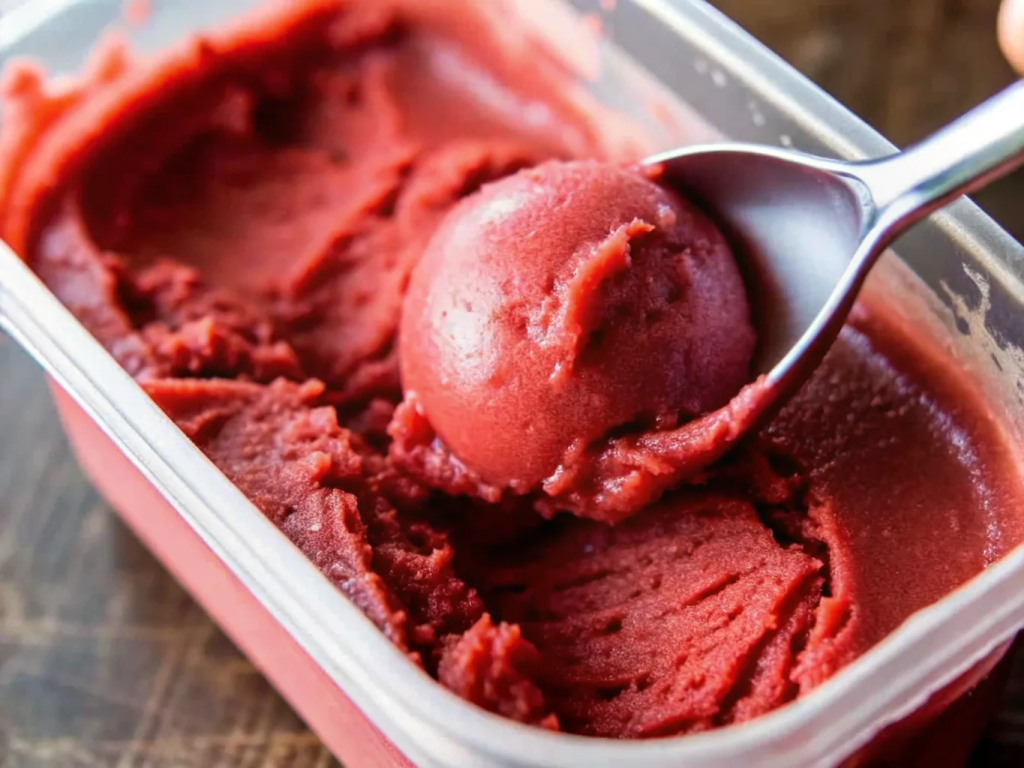
Plum Sorbet or Infused WaterA summer ritual of hydration and renewal.
Steep dried plums with hibiscus or mint, or puree into sorbet with lemon and vanilla.
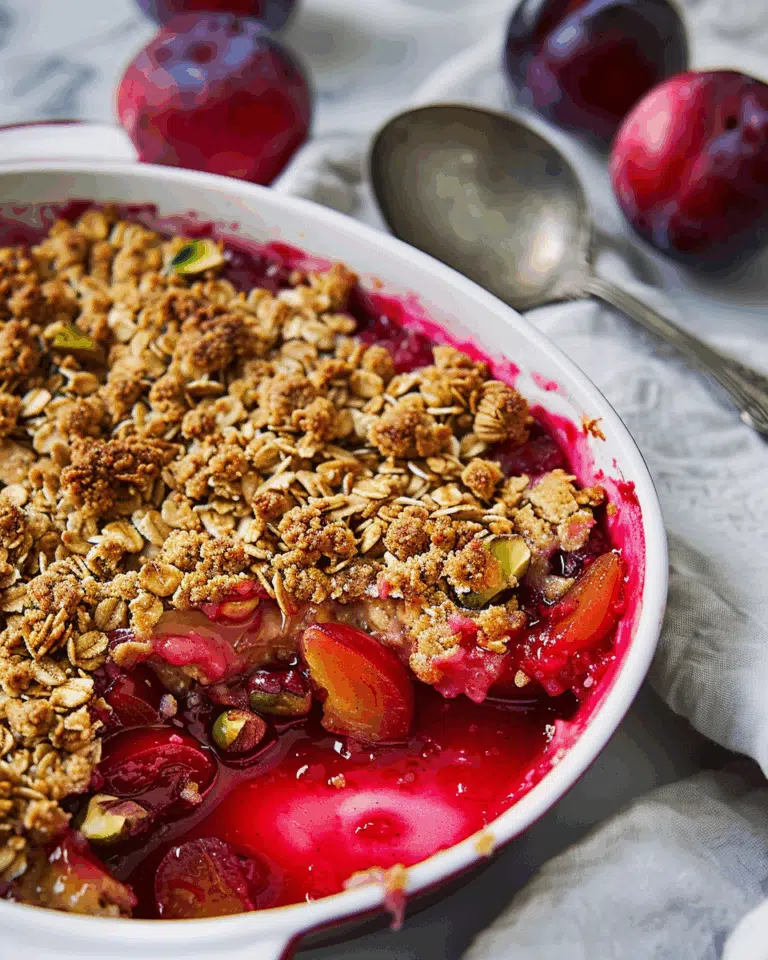
Plum Crisp with Pistachio & Oat Topping
Almond flour, oats, and honey create a crunchy, ceremonial crust. Try the recipe
Gluten-free and gratitude-rich.
🥣 Why It’s Ritual-Worthy
- Naturally gluten-free and easy to assemble
- Sweet-tart plum filling spiced with cinnamon
- Crunchy topping of oats, almond flour, pistachios, and ginger
- Minimal prep (15 minutes) and bakes in under 40 minutes
- Perfect for ceremonial brunches, seasonal archives, or legacy send-offs
🌿 Nutritional Highlights (Per Serving)
| Nutrient | Amount | Editorial Benefit |
|---|---|---|
| Calories | 290 kcal | Comforting yet balanced for dessert rituals |
| Carbohydrates | 38 g | Includes 18 g natural sugars from plums and honey |
| Fiber | 5 g | Gut-friendly from oats, almond flour, and plums |
| Protein | 5 g | From nuts, oats, and yogurt |
| Fat | 14 g | Includes 9 g unsaturated fats from nuts and yogurt |
| Sodium | 70 mg | Modest—preserves editorial purity |
| Cholesterol | 15 mg | From butter and yogurt—can be adapted if needed |
🍯 Botanical & Editorial Notes
- Plums offer antioxidants and polyphenols, supporting seasonal resilience
- Pistachios & almonds add crunch, protein, and ceremonial richness
- Arrowroot starch thickens the filling without gluten drift
- Ginger & cinnamon layer warmth and digestive clarity
- Yogurt adds probiotic depth and creamy cohesion
🍑 Plum Season by Region
| Region | Season Range | Notes |
|---|---|---|
| California | Late May – Early September | Largest U.S. producer; Japanese varieties ripen first |
| Midwest (e.g., Michigan) | Mid-August – Mid-September | European prune plums like Stanley dominate |
| Southern States | May – August | Early ripening due to warmer climate |
| Pacific Northwest | August – September | Cooler climate favors late-season varieties |
🌿 Botanical Notes
- Japanese plums (e.g., Santa Rosa, Black Nectar) ripen earlier—late May to July
- European prune plums (e.g., Stanley, Empress) ripen later—August to October
- Imported plums from Chile are available in winter, but lack peak flavor and editorial purity
When plums are out of season, you can ritualize your recipes with these flavorful, texture-respecting substitutes that preserve editorial clarity and botanical depth:
🍑 Top Substitutes for Plums (1:1 Ratio)
| Substitute | Flavor Profile | Best Uses |
|---|---|---|
| Peaches | Juicy, sweet, less tart than plums | Crisps, cobblers, sauces—add lime juice for tang |
| Nectarines | Sweet with slight tang, firmer texture | Pies, muffins, salads—holds shape well |
| Apricots | Lightly sweet, hint of tartness | Jams, baked goods, chutneys |
| Cherries | Sweet-tart, soft texture | Sauces, crisps, fillings—add lemon for balance |
| Asian Pears | Crisp, subtly sweet | Raw dishes, salads, light bakes |
| Persimmons | Honey-like, custard texture | Cakes, puddings, ceremonial desserts |
| Apples | Sweet-tart, firm when baked | Pies, crisps, jams—use Granny Smith for tang |
| Pears | Juicy, mellow sweetness | Tarts, cobblers, fruit salads |
🍑 Out-of-Season Substitute Disclaimer
Plum Availability: This product or recipe traditionally features fresh plums, which are seasonally available from late May to early September in most U.S. regions.
Current Status: Plums are currently out of season. To preserve editorial integrity and botanical depth, we recommend the following substitute:
🌿 Substitute: Nectarines or Peaches (1:1)
- Flavor: Juicy and sweet with a gentle tang—mimics plum’s brightness
- Texture: Holds shape well in crisps, muffins, and sauces
- Editorial Note: For tartness, add a splash of lemon juice or vinegar to recalibrate flavor balance
📝 Disclaimer
Substituting plums may alter the texture, sweetness, and ceremonial pacing of the original recipe. We honor this transition with gratitude and clarity, preserving the emotional resonance of the dish while respecting seasonal boundaries.
🍑 The Wonderful World of Plums
Plums are rich in:
- Vitamin C, A, and K
- Potassium, copper, and manganese
- Polyphenols and anthocyanins—antioxidants that support cellular renewal
- Sorbitol and fiber—promoting digestive clarity and gentle detoxification
They appear in:
- Seasonal crisps and chutneys
- Ceremonial sauces and fermented wines
- Mindfulness rituals and ancestral offerings
⚠️ Who Should Avoid or Limit Plum Consumption
| Group / Condition | Reason for Caution |
|---|---|
| People with plum allergies | May experience hives, swelling, or anaphylaxis |
| Those with Oral Allergy Syndrome | Cross-reactivity with pollen can cause mouth/throat irritation |
| Individuals sensitive to sorbitol | May experience bloating, gas, or diarrhea |
| Fructose malabsorption | Can trigger digestive discomfort |
| Kidney stone risk | Plums contain oxalates, which may contribute to stone formation |
| Medication interactions | Compounds like amygdalin may interfere with blood thinners |
| Dental sensitivity | High sugar content can contribute to tooth decay if oral hygiene is neglected |
📝 Editorial Disclaimer
This content is intended for informational and ceremonial purposes only. It does not constitute medical advice or diagnostic guidance. Individuals with known sensitivities, allergies, or medical conditions should consult a qualified healthcare professional before consuming plums or plum-based products.
We honor the plum’s botanical richness while respecting the boundaries of those who may need to abstain. Every ritual deserves clarity, care, and ethical transparency.
 EJADA
EJADA 
Leave a comment