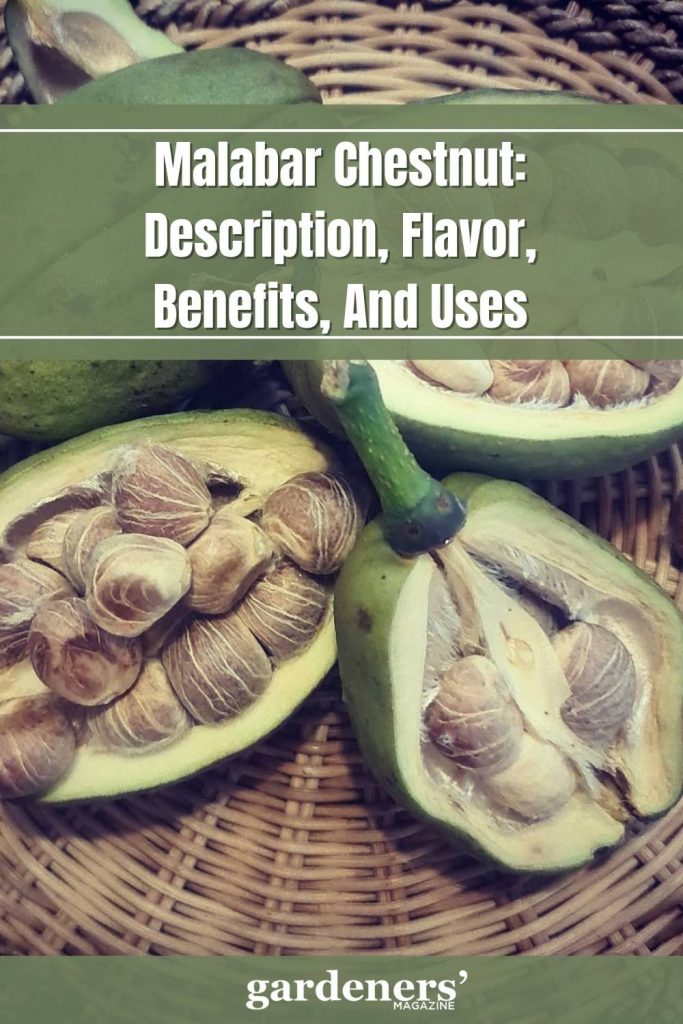
Malabar Chestnut: Nut or Fruit?
Malabar chestnut is botanically the seed (nut) housed within a woody fruit pod. Pachira aquatica produces large, football-shaped capsules (the fruit), and each pod splits open to reveal 10–25 edible nuts inside.
Why We’re Excited About This “Nut-Fruit” Hybrid
- It’s a double delight: a showy fruit pod that bursts open, unveiling a trove of creamy-white, chewy nuts.
- Versatile in the kitchen: eat raw for a mild peanut-almond vibe or roast for chestnut-macadamia sweetness.
- Year-round harvest in tropical climates—perfect for steady content and seasonal recipes.
First Discovered the Malabar Chestnut?
The tree behind the Malabar chestnut has fed Amazonian and Central American wetland communities for centuries. Long before any botanist set pen to paper, its swollen pods and creamy seeds were part of indigenous diets, medicine chests, and seasonal rituals.
Jean Baptiste Christophore Fusée Aublet’s Expedition
In 1762, French naturalist Jean Baptiste Christophore Fusée Aublet ventured into what is now French Guiana, collecting specimens of a swamp‐dwelling tree with showy flowers and woody pods. He formally described it in his 1775 work Histoire des Plantes de la Guiane Françoise, assigning the binomial name Pachira aquatica Aubl.—the “Aubl.” credit marking his authorship of the species name.
Aublet’s 1762–1764 Expedition to French Guiana
Jean Baptiste Christophore Fusée Aublet set sail from France in early 1762, tasked by the French crown to serve as the King’s apothecary and botanist in its Guianan colony.
Early Preparation and Arrival
- Trained under Bernard de Jussieu in Paris, Aublet honed skills in plant identification, chemistry, and pharmacology.
- He departed France with supplies for a colonial herbarium and arrived at Isle de Cayenne in August 1762, stepping into a swamp-forested world teeming with undocumented flora.
Ethnobotanical Collaboration
- From day one, Aublet sought out indigenous guides and enslaved people to learn vernacular plant names and traditional uses.
- He recorded medicinal applications, culinary practices, and ceremonial lore alongside Latin descriptions—a pioneering approach that earned him the title “founding father of Neotropical ethnobotany.”
Fieldwork in the Marshlands
- Navigating tidal swamps by dugout canoe, he collected dozens of live specimens each week, pressing them for transport back to Europe.
- His meticulous notes detailed flowering seasons, habitat types, and even local harvesting rituals—capturing unwritten ecological knowledge before it vanished.
Confronting Colonial Politics
- Aublet’s vocal opposition to slavery and insistence on crediting indigenous expertise strained relations with plantation owners and governors.
- Rumors of his “corrupt” sympathies reached France, forcing him to secure letters of commendation to defend his character upon return.
Herbarium Assembly and Illustrations
- By 1764, Aublet amassed over 1,200 species specimens, complete with more than 400 hand-drawn plates.
- He collaborated with artists in Cayenne to render accurate botanical illustrations, a luxury nearly unheard of in remote expeditions.
Return to France and Publication
- Poor health compelled Aublet to leave French Guiana in late 1764; he stopped briefly in Saint-Domingue before reaching Paris in 1765.
- With Bernard de Jussieu’s guidance, he organized his collections and, in 1775, published Histoire des Plantes de la Guiane Françoise, describing 576 genera and 1,241 species—many new to science.
Legacy and Type Specimen
- His Latin description of the swamp tree became the basis for Pachira aquatica Aubl., with the type specimen (BM000645671) still preserved at the Natural History Museum, London.
- Aublet’s work laid the groundwork for modern tropical botany, marrying rigorous taxonomy with respect for local knowledge.
🩺 Health Information: Malabar Chestnut Fruit (Pachira aquatica)
Malabar chestnut seeds—often called nuts—are a nutrient-dense, wellness-friendly food with a rich profile of vitamins, minerals, and bioactive compounds. Though underutilized in mainstream nutrition, they offer a compelling blend of heart-healthy fats, plant-based protein, and digestive-supporting fiber.
🌰 Nutritional Highlights
| Nutrient | Benefit |
|---|---|
| Protein | Supports muscle repair and satiety |
| Healthy fats | Rich in unsaturated fats for heart health |
| Fiber | Aids digestion and promotes gut health |
| Magnesium | Calms nerves, supports sleep and energy |
| Potassium | Regulates blood pressure and hydration |
| Phosphorus & Zinc | Bone strength and immune support |
| Iron | Boosts oxygen transport and energy levels |
| Antioxidants | Protects against free radical damage |
💚 Wellness Benefits
1. Supports Heart Health
- Unsaturated fats help lower LDL (“bad”) cholesterol and raise HDL (“good”) cholesterol
- Potassium aids in blood pressure regulation
2. Boosts Energy
- Balanced macronutrients (protein, fat, carbs) provide sustained energy
- Ideal for plant-based diets and midday snacks
3. Promotes Digestive Health
- High fiber content improves bowel regularity and gut microbiome balance
- May help prevent constipation and bloating
4. Helps Manage Blood Sugar
- Low glycemic index and complex carbs support stable glucose levels
- Useful in diabetes-friendly diets
5. Combats Inflammation
- Traditional use includes treating minor wounds, insect bites, and skin irritation
- Anti-inflammatory compounds may reduce chronic disease risk
🧪 Traditional Medicinal Uses
- Immature fruit skin: Used in folk remedies for hepatitis
- Seed extracts: Applied topically for skin inflammation and minor injuries
- Decoctions: Used in indigenous Amazonian communities for digestive and circulatory support
⚠️ Who Should Avoid or Be Cautious
People with liver conditions or compromised immunity
- The nuts contain cyclopropenic fatty acids, which are possibly toxic and even carcinogenic in large quantities. While occasional consumption may be safe, those with liver concerns should be cautious.
Pregnant or breastfeeding individuals
- There’s limited research on its safety during pregnancy. Best to avoid unless cleared by a healthcare provider.
Children under 5
- Due to potential toxicity and immature digestive systems, it’s wise to avoid giving Malabar chestnut to very young children.
Individuals with nut allergies
- Although not a true tree nut, cross-reactivity is possible. Anyone with nut sensitivities should proceed with caution.
Those relying on it as a staple food
- In regions where it’s promoted as a protein source, concerns have been raised about chronic toxicity from regular, high-volume consumption. Moderation is key.
🧠 Cultural & Ethical Note
This is a prime example of where indigenous wisdom and modern science intersect. While traditionally used in some cultures, newer research urges caution. It’s a great opportunity to include a playful disclaimer or “ritual respect” section in your branded content — honoring its heritage while educating on safe use.
🥣 Culinary Wellness Applications
- Roasted seed trail mix with dried tropical fruits
- Chestnut-nut butter blended with cacao and coconut oil
- Malabar energy bites with dates, seeds, and adaptogenic herbs
- Infused ceremonial jam with turmeric, ginger, and honey
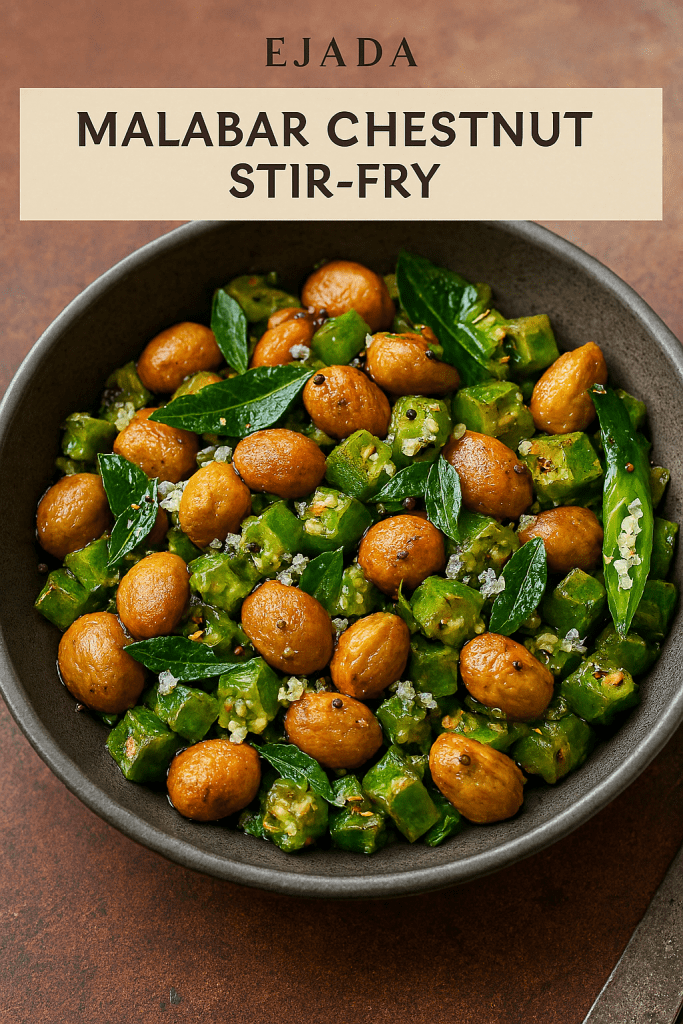
Malabar Chestnut Stir-Fry: A vibrant, plant-forward dish with tropical crunch and Asian aromatics. Here’s a vibrant look at Malabar Chestnut Stir-Fry, a dish that blends earthy crunch with tropical flair.
🥘 1. Malabar Chestnut Stir-Fry
Malabar Chestnut Stir-Fry that honors its heritage and elevates its culinary role:
Ingredients
- 1 cup boiled Malabar chestnut seeds
- 2 tbsp vegetable oil
- 2 cloves garlic, minced
- 1 medium onion, sliced
- 2 cups mixed veggies (bell peppers, carrots, broccoli)
- 2 tbsp soy sauce
- Salt & pepper to taste
- Sesame seeds & spring onions for garnish
Method Boil seeds for 10 minutes. Sauté garlic and onion, add veggies, stir in chestnuts and soy sauce. Garnish and serve over rice or noodles.
🥣 2. Roasted Malabar Chestnut Soup
Earthy, comforting, and ideal for ceremonial storytelling.
Ingredients
- Roasted Malabar chestnuts
- Vegetable broth
- Onion, garlic, thyme, bay leaf
- Coconut milk (optional)
Method Roast seeds with olive oil and salt. Blend with broth and aromatics. Simmer and finish with coconut cream.
🥗 3. Malabar Chestnut Salad
Sweet-savory fusion with crunchy texture and wellness appeal.
Ingredients
- Roasted chestnuts
- Spinach or arugula
- Feta or coconut flakes
- Dried cranberries
- Walnuts or pumpkin seeds
- Olive oil, balsamic vinegar, honey
Method Toss all ingredients gently. Serve chilled with dressing.
🍛 4. Malabar Chestnut Ragu
A bold, plant-based sauce with ceremonial depth.
Ingredients
- Chopped roasted chestnuts
- Bell peppers, onions, garlic
- Diced tomatoes
- Fresh herbs (oregano, basil)
- Olive oil, salt, pepper
Method Sauté veggies, add chestnuts and tomatoes, simmer until thick. Serve over polenta or heritage grains.
🍬 5. Candied Chestnut Dessert Bites
Sweet ceremonial treats with a rebellious twist.
Ingredients
- Boiled chestnuts
- Honey or jaggery
- Cardamom, cinnamon
- Toasted coconut flakes
Method Simmer chestnuts in honey and spices until glazed. Roll in coconut flakes and chill.
🎥 Bonus: Watch It in Action
Check out this YouTube video on harvesting and cooking Malabar chestnuts for a hands-on look at preparation.
Malabar Chestnut: Uses, Health Benefits And A Simple Recipe From This Money Tree
🌰 Nutritional Highlights
- Macronutrients:
- High in fiber – Supports digestion and satiety
- Rich in protein – A plant-based source ideal for vegetarian diets
- Healthy fats – Includes unsaturated fats beneficial for heart health
- Micronutrients:
- Magnesium – Supports muscle and nerve function
- Potassium – Regulates blood pressure and fluid balance
- Phosphorus – Essential for bone health and energy metabolism
- Zinc – Boosts immunity and skin health
- Iron – Vital for oxygen transport and energy
- Antioxidants:
- Contains compounds that help neutralize free radicals, potentially reducing the risk of chronic diseases like heart disease and cancer
🍽️ Culinary & Medicinal Notes
- Flavor: Mildly nutty when raw, with roasted notes reminiscent of macadamia and chestnut when cooked
- Uses: Can be eaten raw, roasted, or ground into flour. Traditionally used in snacks, desserts, and ceremonial dishes.
- Medicinal Lore: In some cultures, the skin of the immature fruit is used to treat hepatitis
Availability of Malabar Chestnut in the US
Malabar chestnuts (Pachira aquatica) are not commonly found in mainstream grocery stores across the continental United States. Their edible nuts are primarily sourced from tropical regions, and widespread commercial distribution remains limited.
Fruiting Regions and Climate Requirements
| Region | USDA Zones | Fruiting Likelihood |
|---|---|---|
| Southern Florida | 10–11 | Regular outdoor fruiting |
| Hawaii | 10–12 | Year-round harvests |
| Southern California (coastal) | 10–11 | Possible with irrigation |
| Greenhouses & Conservatories | All zones | Fruits indoors under controlled humidity and temperature |
Commercial Produce Availability
- Specialty tropical-produce vendors in South Florida and Hawaii occasionally stock fresh pods when in season.
- Major specialty-produce wholesalers (e.g., Specialty Produce) report limited inventory and unpredictable availability.
- You’re unlikely to find Malabar chestnuts in standard supermarkets or most farmers’ markets outside tropical microclimates.
Ornamental and Home-Grow Options
- Widely sold as the “money tree” houseplant (braided trunk bonsai), Pachira aquatica is easy to source online or at garden centers.
- Indoor specimens rarely flower or fruit unless provided with high humidity, bright light, and consistent warmth.
- Growing your own tree from seed can yield nuts after 5–6 years if you recreate tropical humidity and temperature.
Malabar Chestnut Fruit
Botanical Profile
The Malabar chestnut (Pachira aquatica) is an evergreen tree in the Malvaceae family that can reach up to 20–30 m in its native tropical habitat of Central and South America. Its common names include Provision Tree, Saba Nut, Guiana Chestnut, and Money Tree. The tree produces glossy palmately compound leaves, showy white flowers, and five-valved ovoid fruit capsules.2
Fruit Morphology
The fruit is a woody, football-shaped capsule measuring 10–30 cm long and 5–7 cm in diameter. As it ripens from green to dark brown, five longitudinal seams split open to reveal tightly packed nuts. Each pod typically contains 10–25 ivory seeds enclosed in a white, spongy coating and a light brown membrane that must be peeled before eating.
| Feature | Description |
|---|---|
| Pod shape | Ovoid, five-valved capsule |
| Pod size | 10–30 cm long, 5–7 cm diameter |
| Seeds per pod | 10–25 ivory, 1–3 cm diameter seeds |
| Seed coatings | Spongy white layer and brown edible skin |
Taste and Culinary Uses
Raw Malabar chestnuts have a mild nutty profile reminiscent of peanuts and almonds. When roasted or boiled, they develop a sweeter, chestnut-macadamia flavor with a firmer, crunchier texture. The nuts can be eaten as a snack, ground into flour for baking, or added to soups and stews as a thickening agent.
- Snack on roasted seeds with sea salt or spice blends
- Blend into creamy plant-based spreads or nut butters
- Use the flour in gluten-free baking for breads and cakes
- Stir into porridges or grain bowls for added protein
Cultural and Ecological Significance
Known as the Provision Tree, Pachira aquatica has served indigenous communities as a reliable food source during lean seasons. Its deep root system stabilizes wetland soils, and its flowers provide nectar for bees and hummingbirds. In urban settings, it’s prized as an ornamental and “money tree” symbol, bridging cultural lore with contemporary décor.
Nutritional and Health Benefits
Malabar chestnuts are rich in protein, dietary fiber, and healthy unsaturated fats. They contain essential minerals such as magnesium, potassium, phosphorus, zinc, and iron, along with antioxidants that combat free radical damage. Their anti-inflammatory properties may support heart health and aid in weight management by promoting satiety.
Harvesting and Preparation
Pods are harvested by hand during the dry season when they crack open naturally. After collection, seeds are removed, washed, and dried. The brown membrane is peeled away before consumption. Nuts can be stored dried in airtight containers for several months or refrigerated to extend shelf life.3
- Hand-pick fully split pods
- Rinse and sun-dry seeds for 2–3 days
- Peel thin brown skin to reveal ivory kernel
- Store in cool, dry conditions
How to Procure Nuts in the US
- Online Specialty Retailers • Trade Winds Fruit, Gardener’s Supply, and similar tropical-fruit suppliers offer seeds and occasionally shelled nuts.
- Farmers’ Markets & Roadside Stands • South Florida markets may carry fresh pods in peak season (spring–summer).
- DIY Harvest • Order seeds, cultivate a tree under greenhouse conditions, and harvest pods at maturity.
Rituals and Cultural Symbolism of the Malabar Chestnut 🌱
While the Malabar chestnut (Pachira aquatica) is native to Central and South America, its most widely recognized rituals and symbolic uses come from East Asian traditions, especially Chinese folklore and Feng Shui. These practices have transformed the tree into a global emblem of prosperity, luck, and ecological harmony.
🌿 Feng Shui Rituals: The “Money Tree” Tradition
In Chinese culture, the Malabar chestnut is often called the Money Tree, and it plays a central role in rituals meant to attract abundance and balance.
Key Rituals:
- Placement in the Wealth Corner: According to the Bagua map in Feng Shui, placing the tree in the southeast corner of your home or office activates financial energy.
- Five Leaves, Five Elements: Each leaf represents one of the five Feng Shui elements—wood, water, fire, earth, and metal—symbolizing holistic harmony.
- Braided Trunks for Luck: Braiding multiple trunks is believed to “trap” fortune within the weave, preventing wealth from escaping.
- Gifting Rituals: The tree is gifted during weddings, housewarmings, and business launches to bless the recipient with prosperity and success.
🌎 Indigenous Lore: The Provision Tree
In its native Amazonian and Central American habitats, Pachira aquatica is revered as the Provision Tree, a symbol of sustenance and resilience.
Ceremonial Uses:
- Harvest Blessings: Communities often gather around ripening pods to offer thanks for seasonal abundance.
- Medicinal Rituals: The seeds and bark are used in poultices and infusions for treating wounds, bites, and inflammation—often accompanied by chants or prayers.
- Rainforest Stewardship: Planting and harvesting are done with ecological reverence, honoring the tree’s role in stabilizing wetland ecosystems.
🕯️ Modern Interpretations
- Eco-Wellness Altars: Some wellness practitioners incorporate the tree into home altars with crystals, candles, and affirmations for financial healing.
- Seed-Planting Intentions: Planting a Malabar chestnut seed is used as a symbolic act of manifesting long-term goals—each sprout representing growth in a specific area of life.
🌿 Ritual Respect: A Note on Malabar Chestnut
Before you roast, grind, or ceremonially snack on the mighty Malabar chestnut, a moment of mindful pause:
This nut is a gift — but not a free-for-all. While traditionally revered in tropical cultures, modern science reminds us that moderation is sacred. The seeds contain cyclopropenic fatty acids, which may be toxic in large amounts. So treat it like ceremonial cacao or sacred mushrooms: potent, precious, and best enjoyed with intention.
⚠️ Who Should Pass the Nut Bowl
- Little ones under 5
- Pregnant or breastfeeding folks
- Anyone with liver conditions or nut allergies
- Those tempted to make it a daily staple (don’t!)
🧘🏽♀️ How to Honor It
- Roast lightly to reduce potential toxins
- Pair with balancing ingredients like turmeric, tamarind, or coconut
- Use in small-batch ceremonial recipes — not bulk snacks
This isn’t fear — it’s reverence. Let’s celebrate the Malabar chestnut not just for its flavor, but for the story it carries: of tropical abundance, ancestral caution, and the wisdom of restraint.


 EJADA
EJADA 
Leave a comment