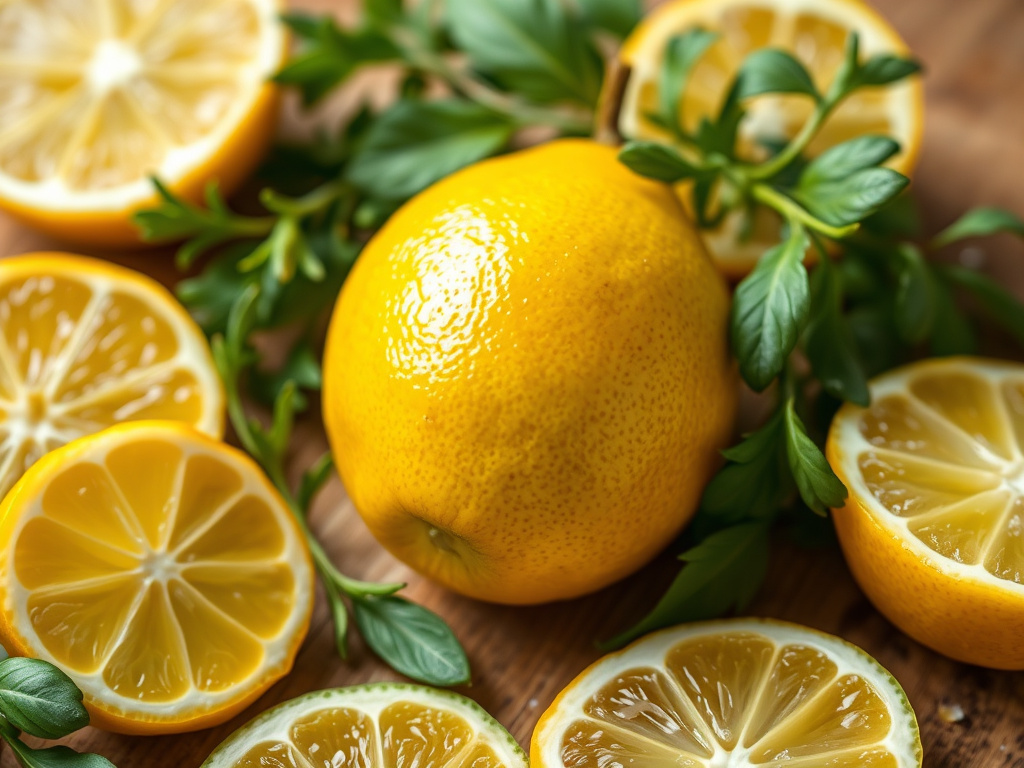
Limequat is a fascinating citrus hybrid with a rich backstory and a surprising range of uses—both culinary and medicinal. Here’s a full breakdown tailored to your storytelling and wellness branding style:
🍈 What Is Limequat?
Botanical Name: Citrus × floridana
Hybrid Origins: Cross between Key lime (Citrus aurantiifolia) and kumquat (Fortunella margarita)
Flavor Profile: Tart like lime, sweet like kumquat; edible peel and pulp
Appearance: Small, oval fruit with green to yellow skin; resembles a mini lime
🥗 Nutritional Profile (per 100g or ~1 medium fruit)
| Nutrient | Amount | Benefit |
|---|---|---|
| Calories | ~30 per 100g / ~20 per fruit | Low-calorie, guilt-free snacking |
| Water Content | ~81% | Excellent for hydration |
| Carbohydrates | ~7g | Natural energy source |
| Dietary Fiber | ~2g | Supports digestion and gut health |
| Vitamin C | ~44mg | Boosts immunity, skin health |
| Potassium | ~70mg | Aids heart and muscle function |
| Calcium | ~22mg | Supports bone health |
| Fat & Protein | ~0g | Virtually fat-free and protein-free |
| Antioxidants | Flavonoids, limonoids, carotenoids | Protects against oxidative stress |
🌿 Health Benefits
Immune Support: High vitamin C content helps fight colds and infections.
Digestive Health: Fiber promotes regularity and gut microbiome balance.
Hydration: High water content makes it a refreshing snack.
Eye & Skin Health: Antioxidants like lutein and zeaxanthin support vision and skin.
Heart & Bone Support: Potassium and calcium contribute to cardiovascular and skeletal health.
🍋 Culinary Bonus
The entire fruit is edible—including the sweet peel—making it perfect for marmalades, cocktails, salads, and even candied zest.
🌱 Cultivation & Global Spread
- Inventor: Botanist Walter Tennyson Swingle, USDA, Florida
- Year Created: 1909; introduced commercially in 1913
- Cultivation Regions: U.S. (FL, CA, TX, AZ), Spain, Japan, Israel, Malaysia, South Africa, UK
- Growth Habit: Small evergreen shrub, ideal for containers; flowers and fruits up to 7 months/year
🕰️ First Use & Cultural Significance
- First Use: Developed as a cold-hardy alternative to limes after Florida’s citrus freeze in the 1890s
- Culinary Debut: Used in pies, marmalades, and preserves; later adopted in cocktails and savory dishes
- Cultural Integration: In Spain, limequats are used in seafood stews like suquet, and simmered into syrups for sweet and savory applications
🍽️ How It’s Used
- Raw: Eaten whole, peel and all
- Culinary: Marmalades, jams, sauces, dressings, pies, cocktails, and savory dishes like grilled meats
- Medicinal Preparations: Infused into teas, syrups, or tinctures for immune and digestive support
🍈 Limequat: The Bold Citrus Hybrid with Healing Power
🌿 Medicinal Benefits at a Glance
| Benefit | Active Compounds | Traditional Use |
|---|---|---|
| Immune Boost | Vitamin C, limonoids | Cold remedy, seasonal immunity |
| Digestive Support | Fiber, citric acid | Gut cleansing, bloating relief |
| Antioxidant Defense | Flavonoids, carotenoids | Anti-aging, cellular repair |
| Respiratory Relief | Essential oils, vitamin C | Herbal teas for congestion |
| Iron Absorption | Ascorbic acid | Anemia support in indigenous diets |
🌱 Cultivation & Cultural Origins
- Invented: 1909 by botanist Walter Tennyson Swingle (USDA, Florida)
- Purpose: Cold-hardy lime alternative post-Florida citrus freeze
- Regions Grown: U.S., Spain, Japan, Israel, South Africa
- Cultural Use: Spanish suquet stews, Japanese citrus infusions
🍽️ Culinary & Wellness Uses
- Eat Whole: Peel and pulp are edible—perfect for snacking
- Infuse: Slice into herbal teas or syrups for immune support
- Preserve: Make marmalades, chutneys, or fermented tonics
- Cook: Add zest to grilled meats, seafood, or salad dressings
- Cocktails: Muddle into citrus-forward drinks for a tart twist
🔥 Branded Recipe Idea: Limequat Immuni-Tea Elixir
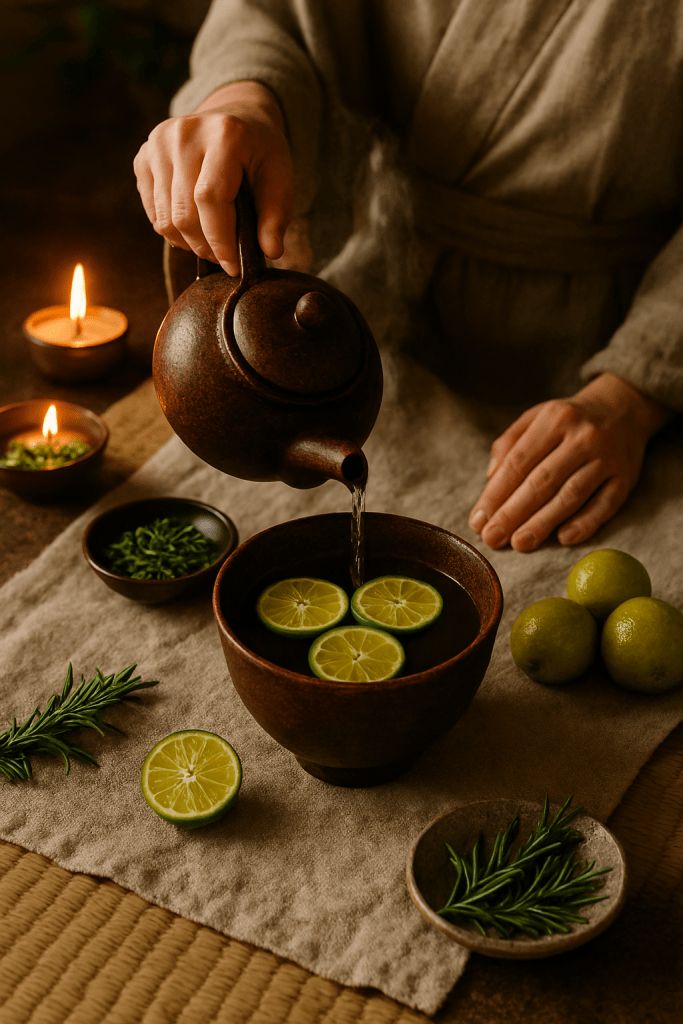
3 sliced limequats (with peel)
1 tsp grated ginger
1 tbsp raw honey
1 cinnamon stick
2 cups hot water
Instructions:
- Steep limequats, ginger, and cinnamon in hot water for 10 minutes.
- Strain and stir in honey.
- Serve warm or chilled over ice.
Benefits
Combats inflammation, boosts immunity, and soothes digestion.
🔮 Invented Rituals & Symbolic Uses for Limequat
🌞 Seasonal Renewal Ceremony
- Symbolism: Limequat’s tart-sweet profile and cold-hardy nature represent resilience and balance.
- Ritual Use: Slice limequats and float them in herbal infusions during solstice or equinox gatherings to honor transitions and new beginnings.
🧘🏽♀️ Citrus Cleansing Ritual
- Purpose: Detox and clarity
- How: Use limequat-infused water in facial steams or foot soaks during full moon self-care rituals. Add mint and rosemary for amplified cleansing.
🕯️ Ancestral Offering Bowl
- Symbolism: Hybrid fruit as a metaphor for cultural fusion and ancestral wisdom
- Use: Place whole limequats in a bowl with native herbs and flowers as an altar offering—especially in rituals honoring ecological stewardship or lineage.
✨ Branded Content Idea: “Limequat as Ritual Fruit”
Post Title: “From Hybrid to Healer: Limequat’s Role in Modern Wellness Rituals”
Intro: “Though born in a USDA lab, limequat carries the spirit of resilience, balance, and transformation. We honor this citrus gem not just for its flavor, but for its symbolic power in rituals of renewal, cleansing, and ancestral connection.”
Would you like me to turn this into a full WordPress post draft with visuals and a call-to-action? I can also design a ritual card or infographic for your audience to download and use.
What Is A Limequat And What Sets It Apart From A Normal Lime?
When the weather’s still playing hard to get with spring and you can practically taste the warmer days, winter citrus is here to give your recipes that sweet and tangy tropical twist they crave. Sure, lemons, limes, and oranges are the go-to gang, but sometimes your taste buds demand a little adventure. Enter the limequat.
So, what exactly is a limequat, and what sets it apart from a normal lime? The flavorful lovechild of a lime and a kumquat, this teardrop-shaped Franken-fruit combines the best of its parent produce into one mouth-puckering package that’s perfect for pickling, juicing, baking, or just about any other culinary application that calls for a bit of extra brightness.
Limequats:
are available in the U.S.—though they’re considered a specialty citrus and not always easy to find in mainstream grocery stores. Here’s how you can get your hands on them:
Where to Find Limequats in the U.S.
🛒 Retail & Online Options
Instacart: Offers limequats seasonally from local grocers. You can find fresh or organic limequats by searching in your area.
Pearson Ranch: A California-based specialty citrus grower that sells limequats intermittently throughout the year. They recommend calling ahead due to limited quantities.
Amazon: You can even buy live limequat trees for your garden—perfect for homegrown fruit if you’re in a warm climate.
🌱 Growing Regions
Originally developed in Florida, limequats are now grown in:
Florida (especially central and southern regions)
California (by specialty growers)
Texas and Arizona (in warmer zones)
They’re hardy enough to withstand cooler temperatures compared to limes, thanks to their kumquat lineage.
⚠️ Limequat Precautions & Who Should Avoid
While limequats are generally safe and nutritious, certain individuals should exercise caution:
🚫 Who Should Be Careful
Infants & Toddlers: Limequats pose a choking hazard due to their small size and seeds. Introduce only in puréed or blended form, and monitor for allergic reactions.
People with Citrus Allergies: Limequats are part of the citrus family. Those allergic to limes, lemons, or kumquats should avoid them entirely.
Sensitive Digestive Systems: The high acidity may cause stomach upset or acid reflux in some individuals. Moderation is key.
Skin Sensitivity: The oils and sap from limequat peels may cause irritation or dermatitis in sensitive individuals.
Medication Interactions: Citrus fruits can interact with certain medications (e.g., statins or antihistamines). Consult a healthcare provider if unsure.
⚠️ Use Caution With:
Pets: Citrus peels and oils can be mildly toxic to cats and dogs.
Skin Contact: The peel contains limonene, which may cause irritation in sensitive individuals.
Disclaimer:
This content is for informational purposes only and is not intended as medical advice. Limequats are generally safe for consumption, but individuals with citrus allergies, sensitive digestion, or specific health conditions should consult a healthcare professional before use. Always supervise young children when introducing new foods.
 EJADA
EJADA 
Leave a comment