EJADA
Living Healthy, Natural Healing, Herbal Health, and nutritional
Month: June 2025
-
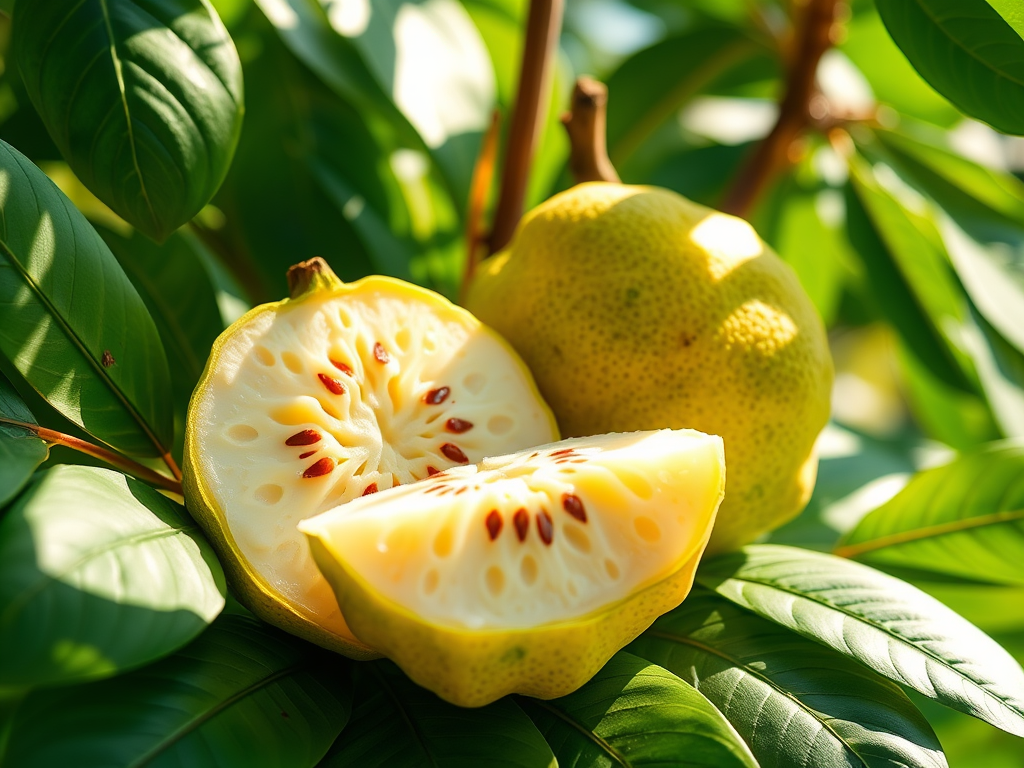
The custard apple is a tropical fruit from trees in the genus Annona (family Annonaceae). Unlike apples from the temperate Malus species, custard apples have a soft, sweet, and creamy pulp that resembles a rich, smooth custard, which is where the name comes from. There are several species in the genus, with common ones being…
-
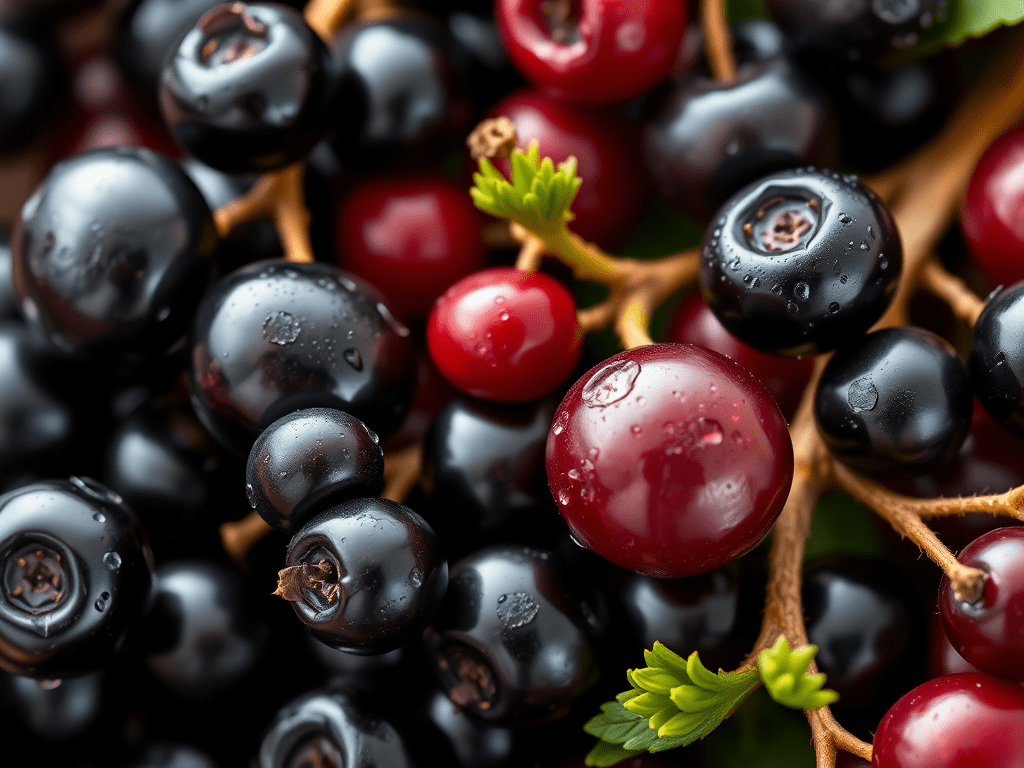
Currants are small, tart berries that belong to the Ribes genus. They come in several varieties, including black, red, and white currants. Black currants (Ribes nigrum) are rich in antioxidants, vitamin C, and anthocyanins, making them highly valued for their health benefits. Red and white currants (Ribes rubrum) have a slightly milder flavor and are…
-
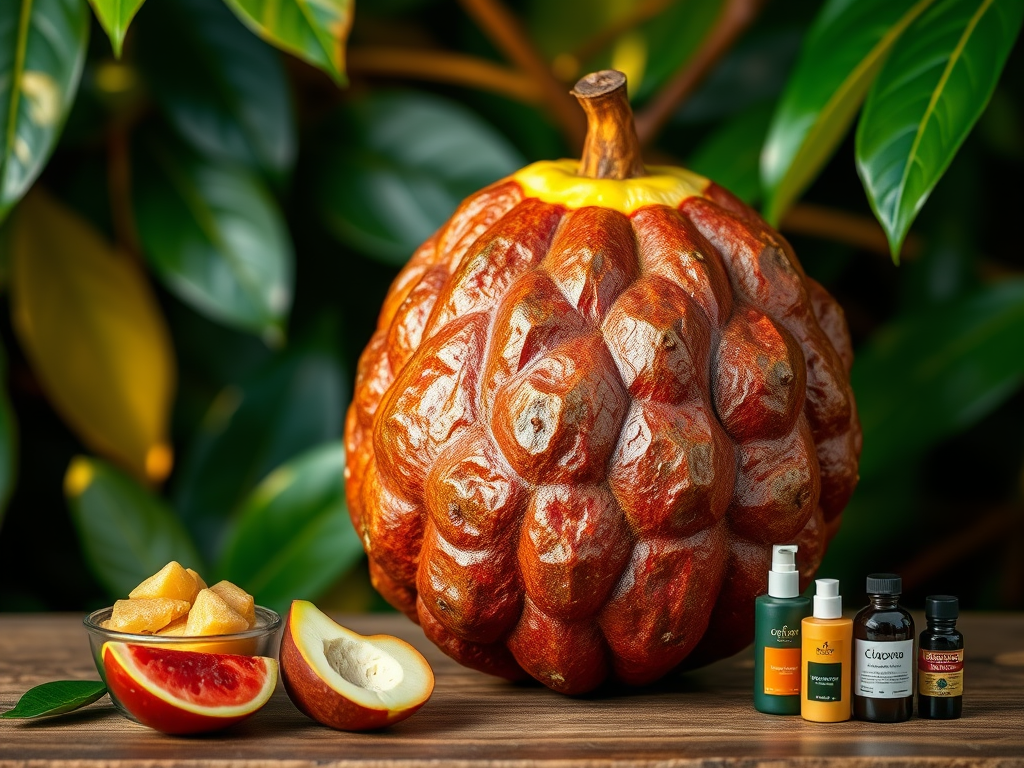
Cupuacu (Theobroma Grandiflorum) is native to the Amazon basin and has a long history of use by indigenous peoples. While the fruit as a wild species undoubtedly predates human intervention by millions of years, recent research indicates that the domestication process, when local communities began to selectively cultivate and value the fruit, may have started…
-

A cumquat, more commonly spelled kumquat, is a small, citrus fruit that resembles an orange but is much smaller, about the size of an olive. The kumquat is believed to have originated in China, where it was known as “金橘” (gam gwat)—literally translating to “golden orange” because of its vibrant hue. European traders and missionaries…
-
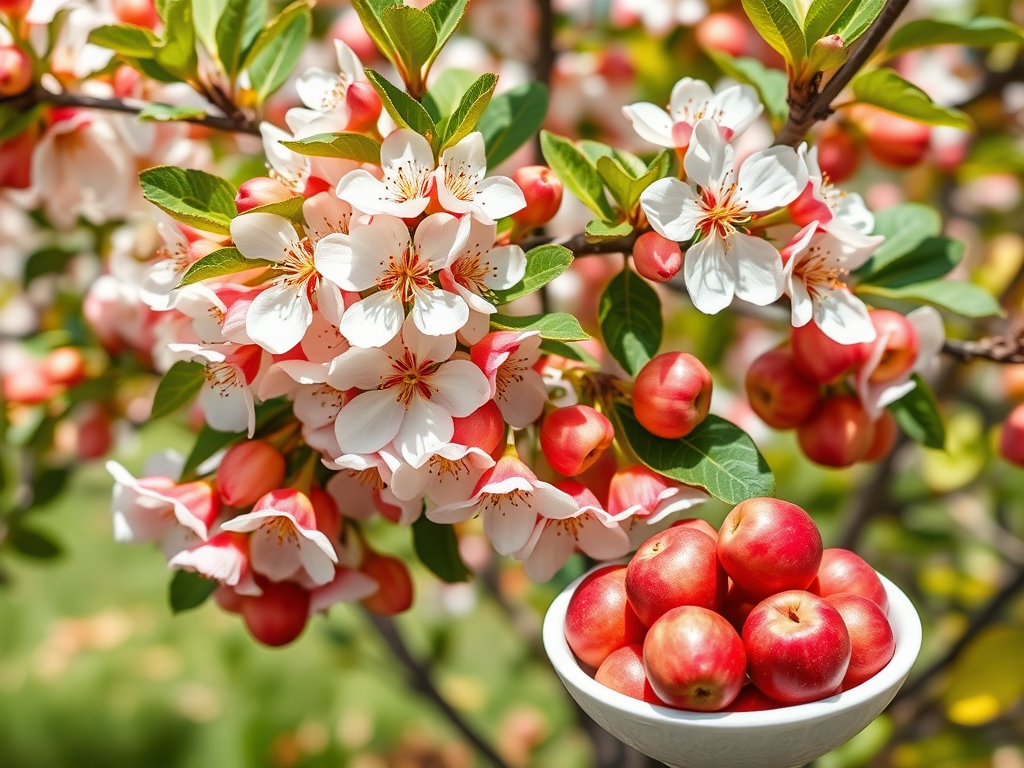
Crab apples are a fascinating and often misunderstood fruit. They’re essentially smaller varieties of apples—typically those with fruits less than 2 inches in diameter—which many people regard more as ornamental because of their beautiful blossoms and striking autumn hues. However, despite their tart flavor that might seem off-putting at first, they are completely edible and…
-
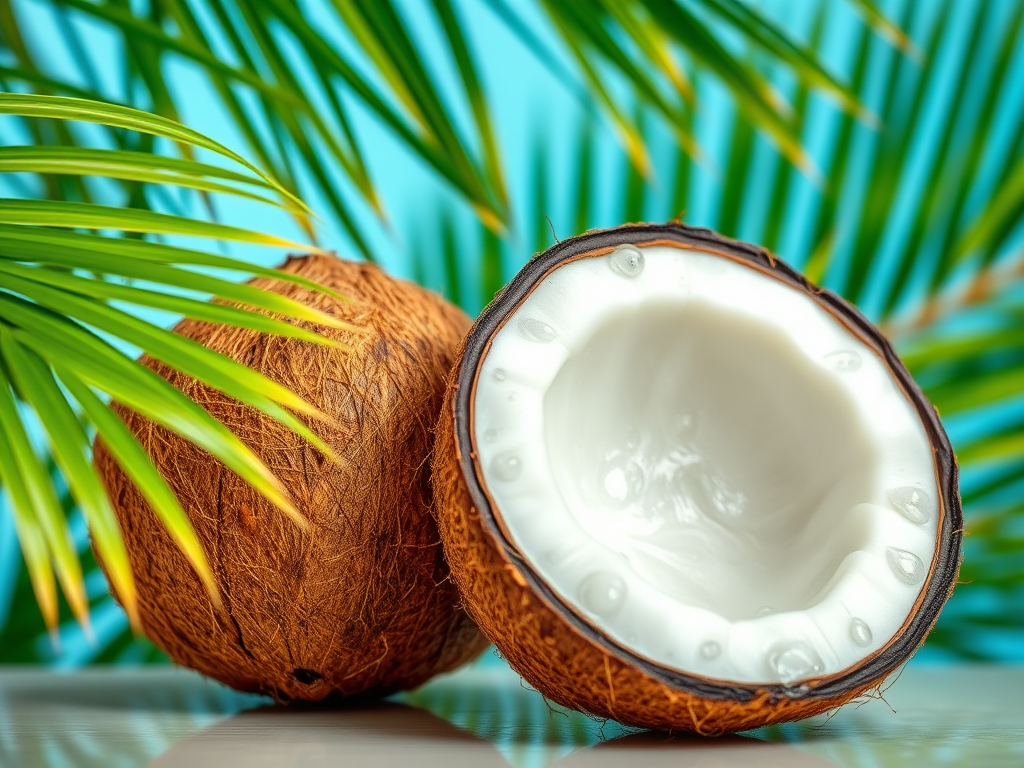
Almost everyone has heard of a coconut, but did you know that there’s so much more to this tropical wonder than its familiar shell? For starters, despite its name, the coconut isn’t actually a true nut—it’s classified botanically as a drupe, a fruit with a hard outer layer that encloses both a seed and a…
-
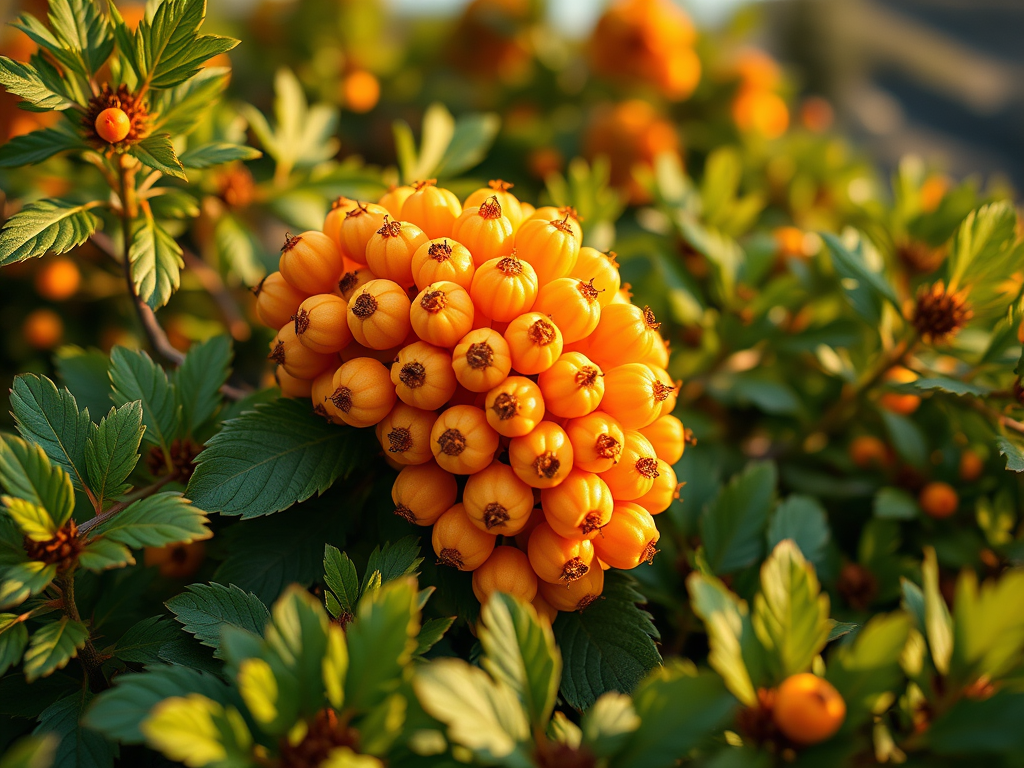
Cloudberry is a delightful wild berry prized for its unique, tangy-sweet flavor and vibrant golden-orange color. Grown in cold, northern regions like Scandinavia, Canada, and Alaska, these berries thrive in arctic and subarctic environments where they’re handpicked from the wild. Their flavor—a blend of sweet, tart, and honeyed notes, reminiscent of raspberries and apples—makes them…
-
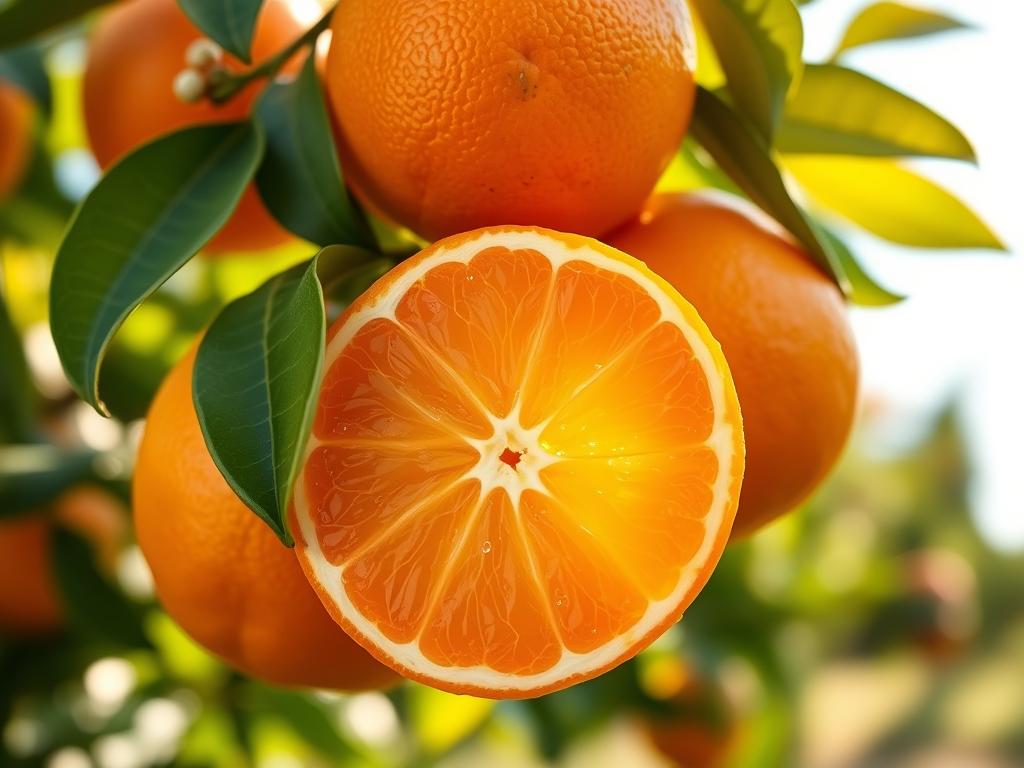
Accidental discovery: Clementines were first identified in the late 19th century in Algeria, in an orphanage garden. Brother Clément Rodier, a French missionary, stumbled upon them—and that’s how they got their name. China’s citrus connection: While some sources claim that similar fruits existed in China, genetic studies confirm their Algerian origin. The “Easy-Peelers”: Their smooth,…
-
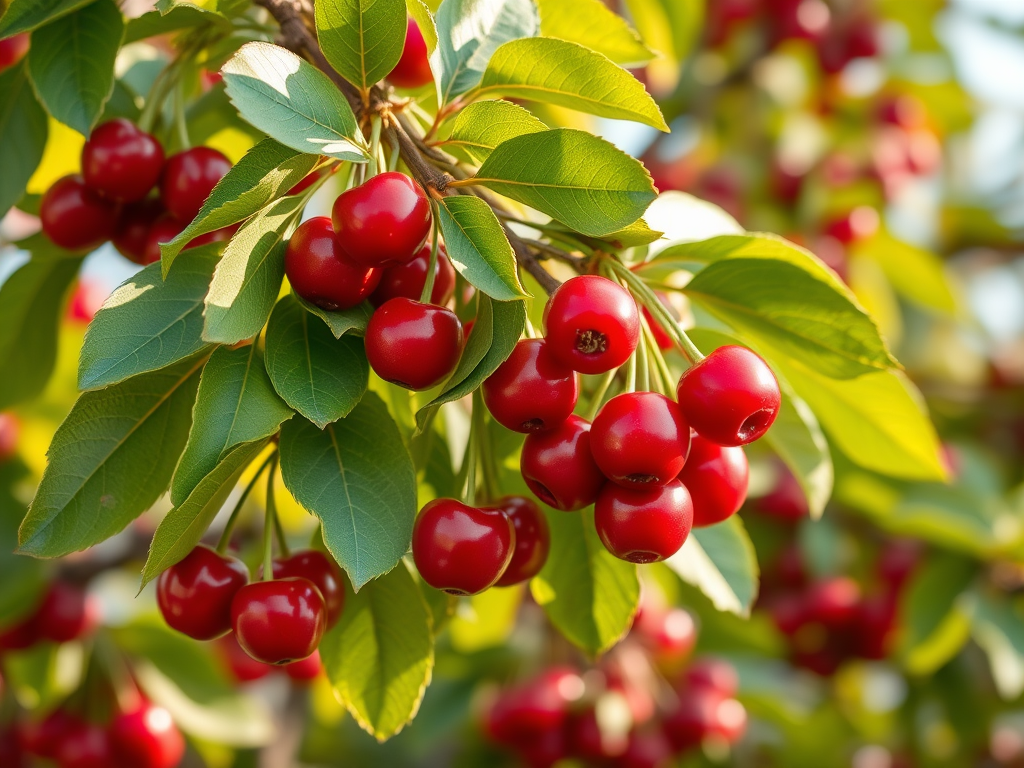
Cherries are a vibrant, versatile summer fruit that can elevate almost any dish with their bright color and juicy flavor. Here are some of the best ways to incorporate them into your summer culinary adventures: Incorporating cherries into your summer isn’t just about adding color and flavor—it’s a delightful way to infuse your meals with…
-
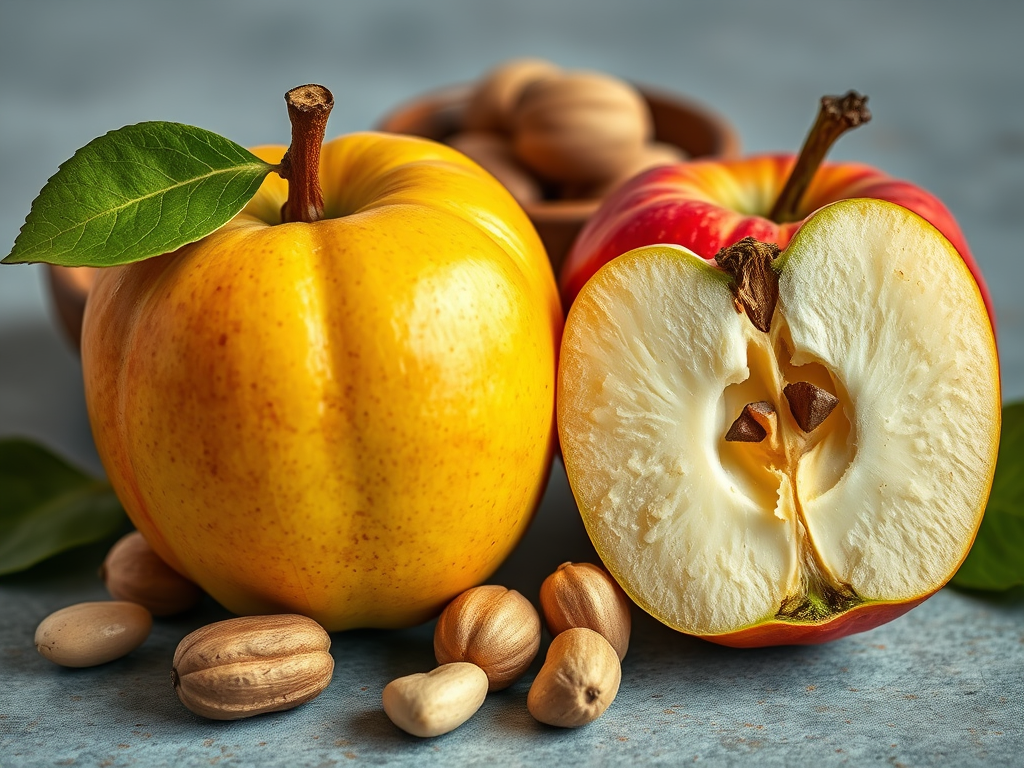
Determining the very “first use” of the cashew apple is challenging because indigenous peoples in its native range—primarily in northeastern Brazil—have long enjoyed and utilized the fruit for both nutritional and medicinal purposes long before any written records existed. In other words, the fruit’s use dates back centuries within these communities, though specific dates have…
-
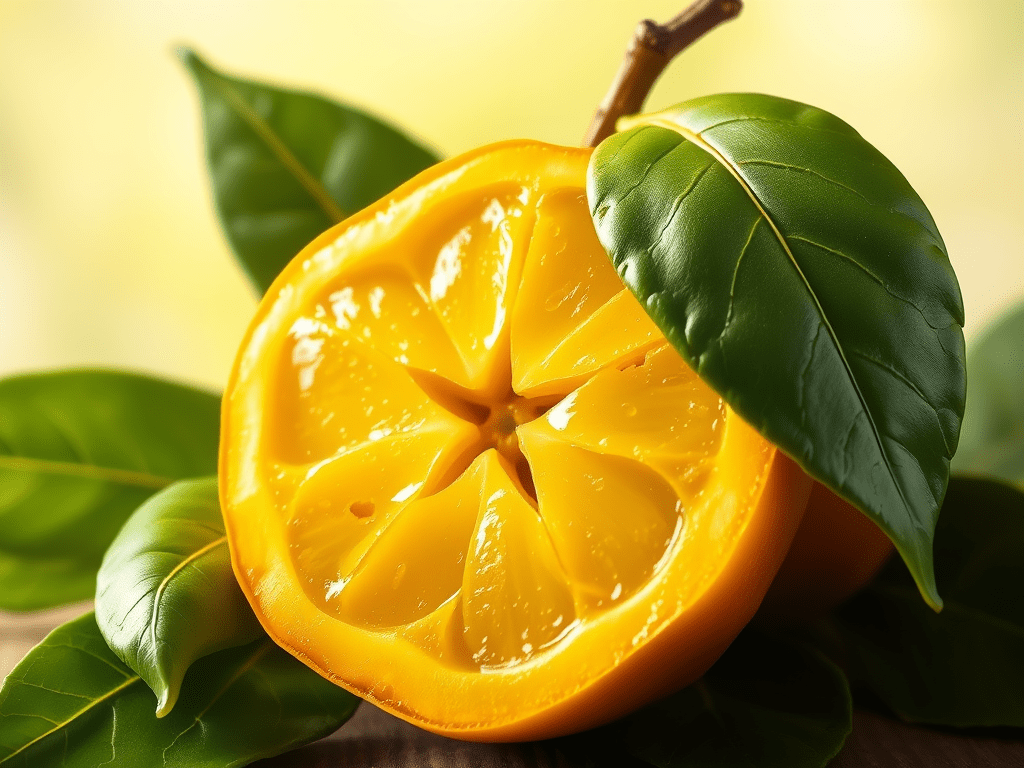
Carambola—commonly known as star fruit—is celebrated not only for its unique, attractive appearance and tangy-sweet flavor but also for its diverse health benefits. Its nutritional profile includes a generous amount of vitamin C, dietary fiber, and potent antioxidants (such as epicatechin and gallic acid), which help fight oxidative stress and inflammation. These properties make carambola…
 EJADA
EJADA 