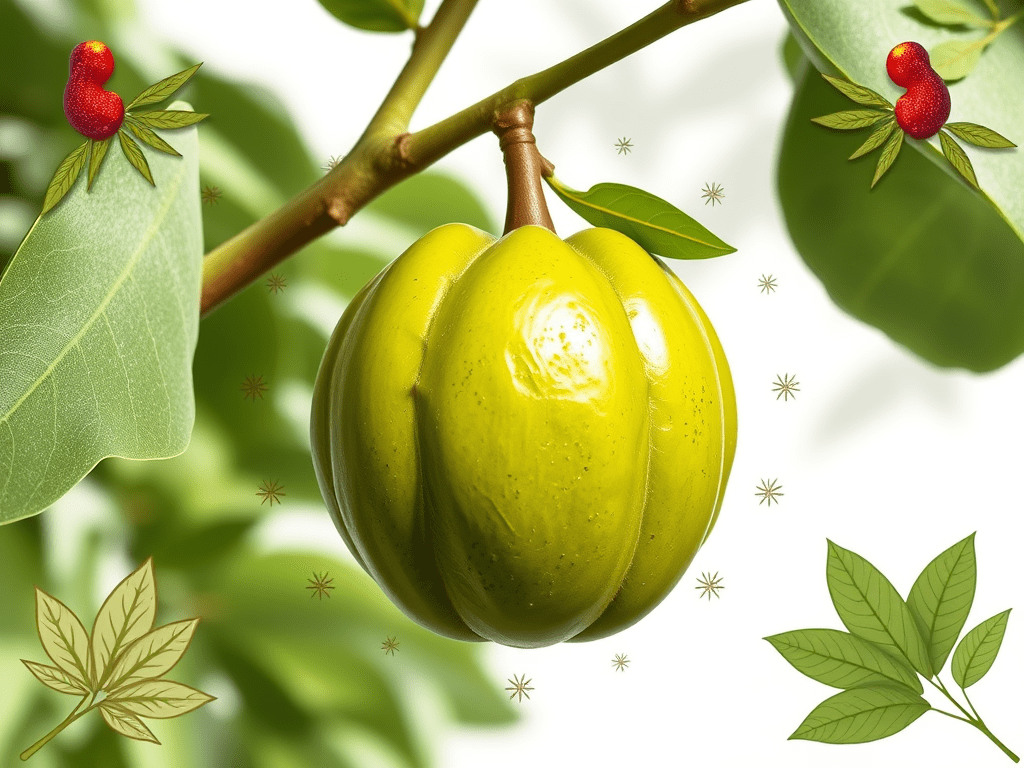
Kepel, also known as Stelechocarpus burahol, is a rare tropical fruit native to Southeast Asia, particularly Java, Indonesia. It’s also called kepel apple, burahol, or kepel fruit. Traditionally, it was cultivated in palace gardens and reserved for Javanese royalty due to its unique properties and cultural significance.
Historical and Medicinal Use
Kepel has been used for centuries in traditional Javanese medicine. Its earliest documented uses include:
Natural deodorant: Consuming the fruit was believed to act as an internal perfume, subtly scenting the body and breath, a trait highly prized among Javanese nobility.
Kidney health: The fruit has diuretic properties, helping to prevent kidney stones and support urinary tract health.
Gout remedy: Traditional healers used it to treat gout and inflammation, likely due to its antioxidant and anti-inflammatory compounds.
Digestive aid: Kepel stimulates digestive enzymes and acts as a mild carminative, easing digestion.
Skin and liver support: Rich in vitamin C and antioxidants, it promotes collagen production and supports liver and kidney cell regeneration2.
Nutritional Profile
Kepel is packed with:
Vitamin C
Dietary fiber
Antioxidants
Essential minerals
Its peel, interestingly, has the strongest adsorbent properties, which may contribute to its deodorizing effects.
Scientific studies on Stelechocarpus burahol (kepel) are still scarce, and most data come from traditional use or in vitro/animal work rather than large human trials. What follows are the best‐documented benefits to date:
Kidney support & diuresis
Traditional Javanese practice and limited experimental data show kepel fruit has diuretic effects that may help flush the urinary tract and reduce the risk of kidney stone formation.
Antioxidant & cell-regeneration activity.
The fruit is rich in vitamin C, flavonoids, and terpenes. In lab assays, these compounds scavenge free radicals and accelerate the regeneration of liver and kidney cells after injury.
Anti-inflammatory & gout relief.
Folk medicine uses kepel for gout; its flavonoids and quercetin exhibit anti-inflammatory activity in preclinical models, offering a plausible mechanism for pain relief in arthritis.
Digestive-odor control via prebiotic action.
Peel extracts activated beneficial gut bacteria in a 2012 study, reducing fecal odor—confirming its centuries-old reputation as an “internal deodorant”.
Antimicrobial potential Seeds, roots, and leaves contain saponins and polyphenols with demonstrated antibacterial effects against certain pathogens in vitro.
Bottom line: While these findings validate many traditional claims, human clinical trials are still needed to confirm dosing, safety, and efficacy in people.
READ MORE healthbenefitstimes.com:
Health Benefits of Burahol
The study shows the ability to restore the performance of enzyme production in the liver and assist in regenerating cells from the damaged liver.
It accelerates the process of cell regeneration in the kidneys and prevents kidney cell damage.
It acts as a remedy for gout.
It speeds up the process of cell regeneration and also maintains body fitness and keeps a person young.
High content of Vitamin C helps to keep skin clean. It cleanses the blood, strengthens the liver, kidneys, and lungs.
Here’s how to enjoy kepel safely and get the most benefit with minimal risk:
Source & Clean
• Choose ripe, unblemished fruits (they should smell faintly floral).
• Rinse under running water to remove dust, microbes, or residues.
Prep & Portion
Peel or scrub the skin—while edible and adsorbent, it can taste a bit astringent and trap debris if not washed well.
Scoop out the white pulp; discard the seed—it contains saponins/polyphenols that can irritate the gut if eaten in quantity.
A typical serving is 1–2 small fruits (about 50–100 g pulp) per day. If you’ve never had it before, start with half a fruit to gauge your tolerance.
Ways to Eat
Fresh: Eat the pulp straight for maximum enzyme and vitamin C activity.
Juice or smoothie: Blend pulp with water or coconut water; strain if you dislike any fibrous bits.
Blend into yogurt bowls or green smoothies for a perfumed twist.
Timing & Frequency
Because kepel has mild diuretic and prebiotic effects, avoid consuming more than 3 fruits (or ~300 g pulp) daily.
Spread servings throughout the day—e.g., half fruit with breakfast, half as an afternoon snack.
Who Should Be Cautious
Kidney-stone patients or those on diuretic medication: monitor fluid and electrolyte balance.
Low-blood-pressure individuals: Excess diuresis may drop BP further.
Allergy-prone folks (especially to mango, cashew, poison-ivy family): start with a tiny taste and watch for itching or swelling.
Pregnant or nursing women: no clinical safety data—best to consult your healthcare provider first.
Storage
Fresh pulp lasts 2–3 days in the fridge; juice keeps for 24 hours.
Freeze excess pulp in ice-cube trays for easy portions.
Bottom line: Treat kepel like any new functional fruit—start small, remove the seed, enjoy the pulp fresh or juiced, and keep your total daily intake under 300 g. Enjoy its unique violet aroma and antioxidant boost without overdoing the diuretic effects
Today, fresh kepel isn’t commercially sold in U.S. produce markets—there’s essentially zero inventory stateside. Although the tree has been introduced to Florida gardens, those plantings remain rare, and fruit is never offered for retail on a scale you’d find mangos or papayas.
If you really want to get your hands on it, the only practical route is to grow your own. A handful of specialty growers sell Stelechocarpus burahol seedlings online (for example, via veliyathgardens). Note that it can take 7–10 years to fruit, and you’ll need USDA clearance or a nursery license to import live plants.
Alternatives to consider:
Partner with a botanical garden or a Rare Fruit Council chapter in Florida to sample from their collections.
Explore similar Annonaceae fruits (cherimoya, atemoya) that share aromatic, tropical-cream notes and are widely available.
Cherimoya • Seasonal but fairly easy to find in the U.S. during winter–spring (roughly December through May).
Carried by:
Major grocery chains (Whole Foods, Trader Joe’s, Safeway) during peak season. – Specialty/ethnic markets and farmers’ markets—your best bet for the freshest, most exotic varieties. – Online grocers and delivery services (e.g., Instacart, TropicalFruitsy, RareFruit vendors) year-round (shipping times vary).
Atemoya
A cherimoya × sugar-apple hybrid, atemoya pops up more sporadically: – Grown in small volumes in Florida, California, and sometimes Hawaii—look for it at South Florida farmer’s markets in spring. – Specialty tropical-fruit sellers and online nurseries will ship both fruit (when in season) and live trees for home-growing. – Some upscale grocers (Whole Foods, Fresh Market) may stock atemoya under “custard apples” during their short season (March–July).
Tips for tracking them down
Call ahead. Ask produce managers at Whole Foods, Trader Joe’s, or your local co-op when they expect tropical fruits in.
Hit your local farmer’s market in South/central Florida or southern California—growers often bring atemoyas.
Order online. Instacart and niche vendors (e.g., TropicalFruitsy) can deliver cherimoya almost year-round; atemoya is more seasonal but often available through the same outlets.
 EJADA
EJADA 
Leave a comment