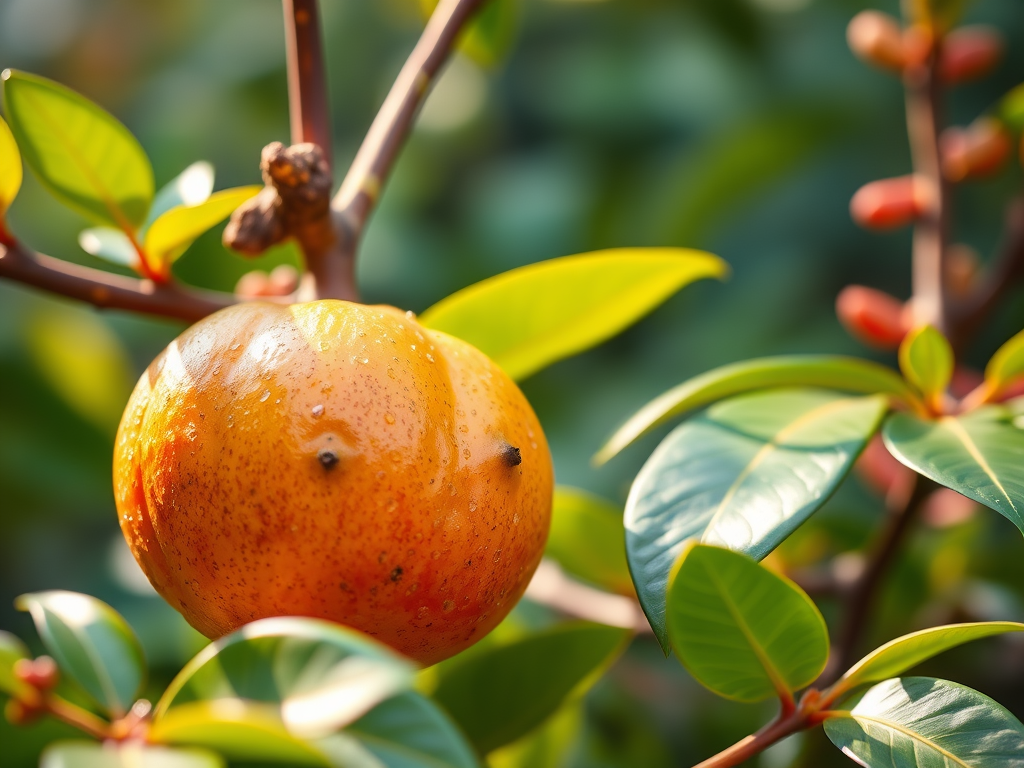
Karonde (Carissa carandas), also known as Bengal currant or Christ’s thorn, is a resilient, nutrient-rich fruit with deep roots in South Asian culture and traditional medicine. Here’s a comprehensive look at its origins, uses, and medicinal benefits:
Historical Cultivation
Karonde is believed to have originated in the Himalayan regions and has been cultivated for thousands of years across India, Nepal, and Southeast Asia. It thrives in tropical and subtropical climates, particularly in arid and semi-arid zones, and is commonly found in the Siwalik Hills, Western Ghats, Bihar, and Karnataka. Traditionally, it was grown both as a wild shrub and a hedge plant, valued for its hardiness and drought resistance.
Ancient Wisdom vs. Modern Science: Karonde’s Medicinal Legacy
| Aspect | Ancient Knowledge | Modern Science |
|---|---|---|
| Medicinal Use | Treated anemia, scurvy, digestive issues, fevers, and nerve disorders in Ayurveda and Unani. | Validated for antioxidant, anti-inflammatory, and cardioprotective effects; emerging research on diabetes and liver health. |
| Parts Used | Fruit, seeds, latex, leaves, and roots. | Focus on fruit and leaves for their bioactive compounds (flavonoids, triterpenoids, vitamin C). |
| Preparation | Decoctions, pastes, fermented tonics, and pickles. | Extracts used in nutraceuticals, functional foods, and supplements. |
| Cultural Role | Used in seasonal diets, rituals, and as a protective hedge. | Promoted as a sustainable crop with economic potential in arid regions. |
| Mental Health | Used to calm nerves and reduce stress. | Contains magnesium and tryptophan, which support serotonin production—though more clinical research is needed. |
This comparison highlights how traditional knowledge is increasingly supported by modern research, bridging centuries of empirical wisdom with contemporary science.
🌿 Traditional and Culinary Uses
Karonde has long been used in Indian households for its culinary versatility:
Pickles and chutneys: Their tartness makes them ideal for preserving.
Jams and jellies: The high pectin content in ripe fruit aids in thickening.
Curries and sauces: Dried or powdered karonde is used as a souring agent.
Fresh consumption: Ripe berries are eaten raw or juiced for a tangy refreshment.
🩺 Medicinal Benefits
Karonde is a powerhouse of nutrients and bioactive compounds, making it a staple in Ayurveda, Unani, and Homeopathy. Its medicinal applications include:
1. Rich in Nutrients
Vitamin C (200–500 mg/100g): Boosts immunity, prevents scurvy.
Iron and calcium: Support bone health and combat anemia.
Fiber: Aids digestion and prevents constipation.
2. Antioxidant and Anti-inflammatory
Contains flavonoids, tannins, and triterpenoids that reduce oxidative stress and inflammation, potentially lowering the risk of chronic diseases like cancer and heart disease.
3. Diabetes Management
Flavonoids in karonde help regulate blood sugar levels, making it beneficial for people with diabetes.
4. Digestive Health
The fruit’s astringent and pectin-rich properties soothe the gut, relieve bloating, and improve appetite.
5. Cardiovascular Support
Juice from the fruit strengthens cardiac muscles and may help reduce cholesterol and blood pressure.
6. Mental Well-being
Contains magnesium and tryptophan, which support serotonin production and may help alleviate stress and improve mood.
there are several types of medication warnings that are important to be aware of. Here’s a breakdown of the key categories:
⚠️ Boxed Warnings (Black Box Warnings)
These are the most serious warnings issued by the U.S. Food and Drug Administration (FDA). They appear in a bold black box on the medication label and are used to highlight:
Life-threatening risks, such as heart attack, stroke, addiction, or suicidal thoughts.
Critical usage instructions, like avoiding alcohol or not operating heavy machinery.
Specific populations at risk such as pregnant individuals or those with certain health conditions.
🏷️ Common Pharmacy Warning Labels
These are colorful auxiliary labels placed on prescription bottles to reinforce safe usage. Examples include:
“Do not crush or chew” (for time-release medications)
“Take with food” (to reduce stomach irritation)
“For external use only” (to prevent ingestion)
“May cause drowsiness” (to avoid driving or using machinery).
Why you should pay attention to boxed drug warnings
Boxed medication warnings call attention to potentially serious or life-threatening side effects from using a prescription or over-the-counter drug. In addition, these advisories may share important instructions for the safe use of the medication, including:
- Dosage
- Possible interactions with other medications
- Guidelines on activities while taking the drug (such as not driving or operating heavy machinery). Read More @ https://health.clevelandclinic.org
✅ Scientifically Supported Benefits
Several of the medicinal benefits attributed to Karonde (Carissa carandas) have been supported by scientific studies, though much of the evidence is still preclinical or based on traditional knowledge systems like Ayurveda, Unani, and Homeopathy. Here’s a breakdown of what has been substantiated:
1. Antioxidant and Anti-inflammatory Properties
Karonde contains flavonoids, tannins, triterpenoids, and phenolic compounds, which have been shown to reduce oxidative stress and inflammation in laboratory studies.
These compounds help neutralize free radicals, potentially lowering the risk of chronic diseases like cancer and cardiovascular conditions.
2. Cardiovascular Health
Studies suggest that carissic acid, lupeol, and β-sitosterol found in the fruit may help strengthen cardiac muscles and improve blood circulation.
Regular consumption of karonde juice has been linked to reduced risk of hypertension and cardiac arrest in traditional use, with some early scientific backing.
3. Digestive Support
The pectin and fiber content in karonde aids digestion, relieves bloating, and improves appetite. This has been validated in both traditional medicine and nutritional studies3.
4. Immunity and Fever Reduction
High levels of vitamin C and other phytochemicals contribute to immune support and have been used traditionally to treat fevers. This is supported by its antioxidant profile.
⚠️ Benefits Needing More Research
Mental health benefits (e.g., reducing stress and anxiety) are largely anecdotal or based on its magnesium and tryptophan content, which are known to support serotonin production. However, direct clinical studies on karonde’s effects on mental health are limited.
Diabetes management: While flavonoids in many fruits have shown blood sugar regulation potential, specific clinical trials on karonde for diabetes are lacking.
Skin disorders, ulcers, and epilepsy: These uses are cited in traditional medicine, but scientific validation is minimal or absent.
In the United States, Karonde (Carissa carandas) is still relatively niche but is gaining attention among health-conscious consumers, herbalists, and specialty food enthusiasts. Here’s how it’s currently used:
Uses of Karonde in the United States
1. Nutritional and Wellness Circles
Marketed as a superfruit due to its high vitamin C, iron, and antioxidant content.
Consumed for immune support, digestive health, and skin wellness, often in the form of:
Dried fruit snacks
Herbal teas
Powdered supplements
2. Culinary Applications
Used in fusion cuisine and gourmet preserves:
Tart jams and jellies
Chutneys with a South Asian twist
Sour flavoring in sauces and marinades
Occasionally featured in farmers’ markets and ethnic grocery stores, especially in areas with large South Asian communities.
3. Ethnobotanical and Herbal Medicine
Embraced by Ayurvedic practitioners and natural health stores for its traditional uses:
Supporting heart health
Managing blood sugar
Reducing inflammation
4. Gardening and Landscaping
Grown as a decorative hedge or thorny barrier plant in warmer U.S. climates (e.g., Southern California, Florida, Texas).
Valued for its drought resistance and low maintenance.
📉 Limitations in the U.S. Market
Not widely cultivated or commercially available.
Still considered an underutilized crop, though it holds promise for rural economic development and sustainable agriculture.
While Karonde (Carissa carandas) is generally safe and beneficial when consumed in moderation, certain groups of people should exercise caution or avoid it altogether:
⚠️ Who Should Avoid or Limit Karonde
1. People with Sensitive Stomachs or Acid Reflux
Unripe karonde is highly acidic and may cause:
Hyperacidity
Burning sensation in the stomach
Digestive discomfort
Those prone to gastritis or acid reflux should avoid unripe fruit or consume it only in small amounts.
2. Individuals with Low Blood Pressure (Hypotension)
Karonde has vasodilatory effects and may lower blood pressure.
People already on antihypertensive medication or with naturally low blood pressure should consult a healthcare provider before regular use.
3. Pregnant or Breastfeeding Women
There is limited clinical data on the safety of karonde during pregnancy or lactation.
Traditional medicine sometimes uses it for uterine stimulation, so it’s best to avoid or consult a doctor before use during these stages.
4. People with Allergies to Latex or the Apocynaceae Family
Karonde contains white latex, and individuals allergic to latex or related plants (like oleander or periwinkle) may experience allergic reactions.
5. Children Under 5
Due to its astringency and acidity, it may not be suitable for very young children unless cooked or sweetened.
✅ General Advice
Moderation is key: Overconsumption can lead to stomach upset or hypotension.
Cooked or ripe fruit is generally safer and easier to digest than raw or unripe fruit.
For Information Purposes Only
While Karonde (Carissa carandas) offers a wide range of health benefits, it’s important to note that not all individuals may respond to it the same way.
The following groups should consult a healthcare provider before regular use:
Individuals with acid reflux or sensitive stomachs: Unripe karonde is highly acidic and may cause discomfort.
Those with low blood pressure: Karonde may have mild hypotensive effects.
Pregnant or breastfeeding women: Traditional use suggests caution, and clinical data are limited.
People with latex allergies: The plant’s latex may trigger allergic reactions in sensitive individuals.
Young children: Due to its astringency and acidity, it may not be suitable for children under five unless cooked.
🧠 This content is intended for educational purposes and continuing knowledge. It is not a substitute for professional medical advice, diagnosis, or treatment.


 EJADA
EJADA 
Leave a comment