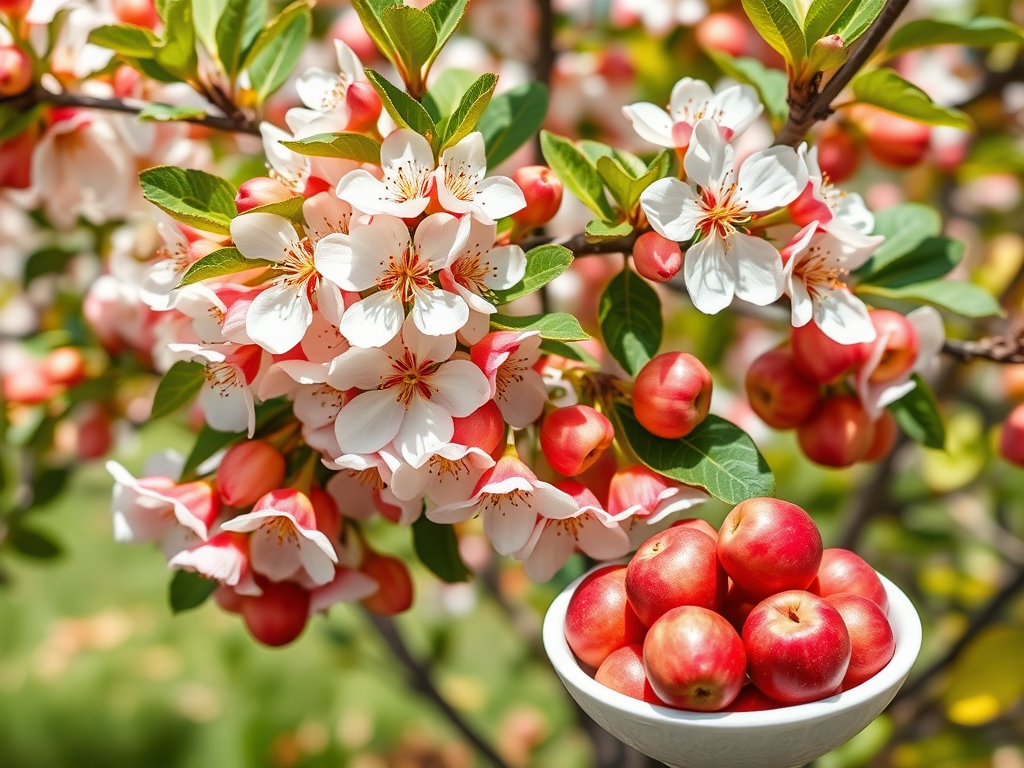
Crab apples are a fascinating and often misunderstood fruit. They’re essentially smaller varieties of apples—typically those with fruits less than 2 inches in diameter—which many people regard more as ornamental because of their beautiful blossoms and striking autumn hues. However, despite their tart flavor that might seem off-putting at first, they are completely edible and offer a surprising range of nutritional benefits.
From a health perspective, crab apples are an excellent source of vitamin C. For instance, even a small serving contributes to the immune system, aids in collagen production, and assists in iron absorption.
Beyond vitamin C, they contain a rich array of antioxidants, including quercetin, catechin, and chlorogenic acid. These antioxidants help neutralize free radicals in the body, potentially reducing inflammation and lowering the risk of chronic diseases like heart disease and diabetes.
Some interesting early research even indicates that the polyphenols in crab apples may help protect heart health by reducing blood pressure and LDL (“bad”) cholesterol levels.
Another notable aspect is that crab apples are naturally high in pectin—a type of soluble fiber that not only helps maintain healthy cholesterol levels but also acts as a prebiotic, feeding the friendly bacteria in your gut.
The fruit’s tart taste means it’s less commonly eaten raw. Still, many creative cooks transform it into jellies, sauces, and even ciders, thereby harnessing these nutritional benefits while balancing its sharp flavor.
In essence, crab apples are much more than an ornamental tree’s showpiece. They embody a blend of beauty and utility, offering both visual delight and tangible health benefits that, if incorporated appropriately, can enrich your diet.
Next time you pass by a crab apple tree in bloom, consider it not just for its aesthetic appeal but for its potential to add a nutritious punch to your culinary endeavors.
Crab Apples are high in pectin, which is a natural water-soluble fiber found in the cell walls of many plants, particularly abundant in fruits like apples, citrus, and even crab apples. Chemically, it is a complex polysaccharide, which means it’s composed of long chains of sugar molecules. One of pectin’s remarkable qualities is its ability to form a gel when heated with water in the presence of sugar and acid. This gelling action is why pectin is such a popular ingredient in making jams, jellies, and other fruit preserves—it helps set these mixtures into a firm, spreadable consistency.
Beyond its culinary uses, pectin offers several potential health benefits. As a form of soluble fiber, it can aid in digestion by promoting regular bowel movements and supporting gut health, largely because it acts as a prebiotic, feeding beneficial gut bacteria. Additionally, pectin may help lower LDL (‘bad’) cholesterol by binding with cholesterol in the digestive tract and preventing its absorption. Its ability to slow down the absorption of sugars can also contribute to improved blood sugar control, making it a useful component in a balanced diet.
Historically, the name “pectin” comes from the Ancient Greek word pēktikos, meaning “congealed” or “curdled”, which perfectly captures its gelling properties. Today, pectin is commercially extracted—mostly from citrus peels and apples—and is available as both a powder and a liquid, ensuring that it’s accessible for both industrial and home culinary applications.
Another great thing about the crab apple chlorogenic acid is one of the standout compounds that makes crab apples not just a pretty sight but also a functional food. In essence, chlorogenic acid is a natural antioxidant polyphenol found in many fruits (and, famously, in coffee), and it plays a key role in neutralizing free radicals that can otherwise contribute to inflammation and oxidative stress.
This antioxidant capacity supports overall cellular health, which can help reduce the risk of chronic issues like cardiovascular disease and type 2 diabetes.
But that’s not all. Chlorogenic acid also appears to influence carbohydrate metabolism by slowing the breakdown of complex carbohydrates, potentially moderating blood sugar levels post-meal. This property is one of the reasons why research has explored its potential for aiding in weight management and improving glycemic control. Additionally, its anti-inflammatory actions may further support heart health by helping to regulate blood pressure and reduce LDL cholesterol levels.
When you consider that crab apples already offer a mix of vitamin C, pectin, and other antioxidants like quercetin and catechin, the presence of chlorogenic acid adds yet another layer of nutritional and functional value. Although crab apples can be quite tart when eaten raw, many innovative recipes transform them into jellies, sauces, or even ciders, making it easier to enjoy their unique flavor and health perks without the sharp tang.
Read more on pectin @ healthline.com
Special Precautions and Warnings WebMD
When taken by mouth, Pectin is commonly consumed in food amounts. It is possibly safe when used in larger amounts for up to one year. It’s usually well-tolerated. Side effects might include diarrhea, gas, and stomach cramps.
Pregnancy and breastfeeding: Pectin is commonly consumed in foods. It is possibly safe when taken by mouth in larger amounts.
Children: Pectin is commonly consumed in foods. It is possibly safe when taken by mouth in larger amounts, short-term.
Allergy to cashew: Pectin might cause allergic reactions in people who are allergic to cashew.
Read more: Webmd
 EJADA
EJADA 
Leave a comment