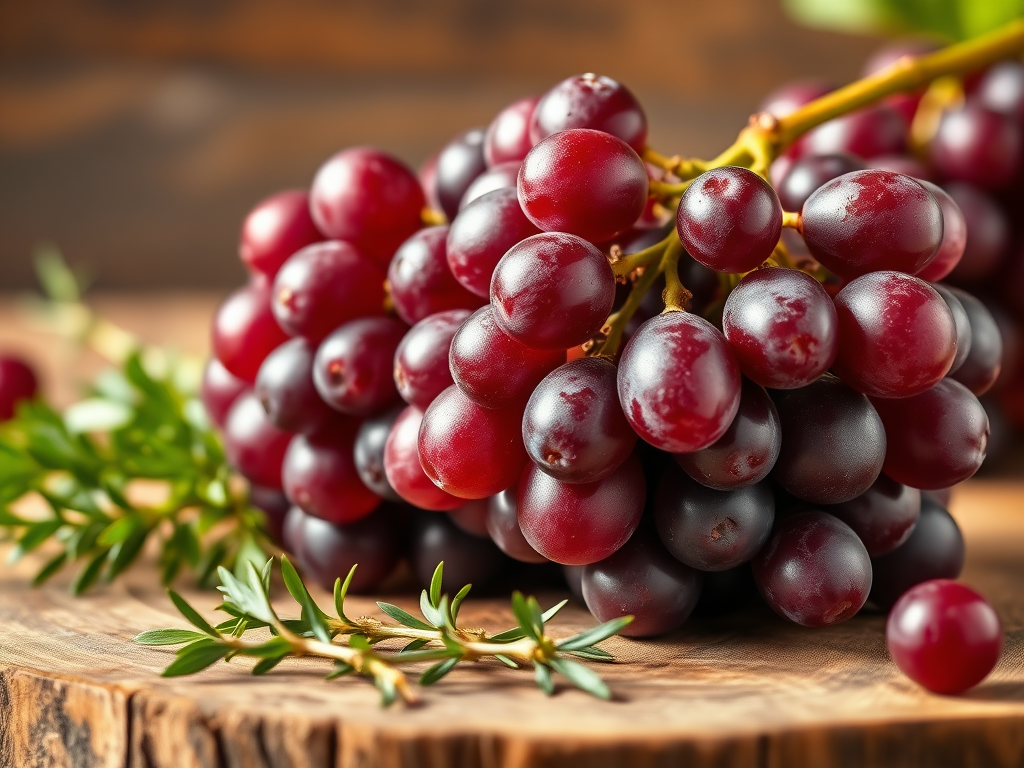
Queen Red Grapes (often marketed as Queen Nina or Queen Rouge®) are premium seedless red grape varieties known for their sweet flavor, crisp texture, and vibrant ruby color. They are cultivated in regions like Japan and China, prized for fresh eating, wine-making, and luxury gifting. Nutritionally, they are rich in antioxidants (resveratrol, anthocyanins), vitamins A, C, B6, potassium, and fiber, supporting heart health, digestion, immunity, and skin vitality. WebMD
🍇 What Are Queen Red Grapes?
Varieties: Queen Nina (China), Queen Rouge® (Japan), and other premium red seedless grapes.
Appearance: Medium to large, oval berries with glossy red skin.
Flavor: Sweet, mildly tangy, with a crisp bite.
Cultivation: Grown in controlled climates for consistent sweetness and texture.
Market Position: Considered a luxury fruit, often sold in gift boxes in Asia.
📜 Traditional & Modern Uses of Queen Red Grapes
🍇 Traditional Uses
- Ancient Rituals & Symbolism
- Grapes have been sacred since antiquity, tied to fertility, abundance, and divine favor.
- In Greek and Roman cultures, grapes were central to rituals honoring Dionysus/Bacchus, gods of wine, festivity, and ecstasy.
- Grapes and wine symbolized life, renewal, and community bonding, often consumed in feasts and offerings.
- Religious Ceremonies
- Grapes and wine became integral to Christian Eucharist (symbolizing the blood of Christ) and Jewish Kiddush (sanctifying the Sabbath and festivals).
- In Islamic tradition, while wine is prohibited, grapes themselves are celebrated as one of the fruits of paradise.
- Harvest Festivals
- Communities across Europe and Asia celebrated grape harvests with music, dance, and feasting, marking the transition of seasons.
- Grapes were dried into raisins for winter storage, symbolizing sustenance and preservation.
🍷 Modern Uses
- Culinary Luxury
- Queen Red Grapes are marketed as premium seedless table grapes, enjoyed fresh for their crisp sweetness.
- They are featured in salads, desserts, and cheese boards, elevating everyday meals into gourmet experiences.
- In Japan and China, they are packaged in luxury gift boxes, symbolizing prosperity and abundance during festivals.
- Wine & Beverages
- Boutique wineries use Queen Red Grapes for sweet red wines and sparkling blends, prized for their vibrant color and flavor.
- Fresh grape juice and smoothies are popular for their antioxidant richness.
- Grapes are also simmered into syrups and reductions for cocktails and sauces.
- Health & Wellness
- Modern diets highlight grapes for their resveratrol, anthocyanins, and vitamin C, linked to heart health and longevity.
- Grapes are incorporated into detox regimens, skin care routines, and functional foods.
- Cultural Continuity
- Grapes remain central to religious rituals (Eucharist, Kiddush) and festive traditions (harvest festivals, New Year offerings).
- Their role has expanded into global luxury culture, where premium varieties like Queen Red Grapes are symbols of refinement and prosperity.
🩺 Health & Medical Benefits
Queen Red Grapes (premium red seedless varieties) are rich in resveratrol, anthocyanins, quercetin, vitamins, and minerals. They support heart health, diabetes control, cancer prevention, brain function, skin vitality, and immunity, while being naturally low in fat and hydrating.
❤️ Cardiovascular Health
- Resveratrol & flavonoids in grape skins relax blood vessels, reduce inflammation, and improve circulation.
- They lower LDL cholesterol and reduce platelet clotting, acting similarly to aspirin.
- Regular consumption is linked to reduced risk of atherosclerosis and hypertension.
🧠 Brain & Cognitive Function
- Resveratrol boosts blood flow to the brain, improving memory and learning speed.
- Studies show increased hippocampal activity, supporting cognition and neuroprotection against Alzheimer’s and Parkinson’s.
🩸 Diabetes & Blood Sugar Control
- Grapes have a low glycemic index, meaning they don’t spike blood sugar quickly.
- Polyphenols reduce insulin resistance, helping manage type 2 diabetes.
- They may also protect against diabetic complications like neuropathy and retinopathy.
🛡️ Cancer Prevention
- Antioxidants (resveratrol, anthocyanins, quercetin) neutralize free radicals that damage DNA.
- Grape skin extracts show promise in inhibiting prostate, breast, and colon cancer cell growth.
- Resveratrol protects skin from UV damage, reducing risk of skin cancer.
🌟 Skin & Anti-Aging
- Resveratrol and grape seed antioxidants are 20–50 times stronger than vitamins C & E in protecting collagen.
- They reduce acne-causing bacteria and slow signs of aging, improving elasticity and glow.
🦴 Joint & Bone Health
- Daily grape consumption improves joint flexibility and mobility, especially in osteoarthritis patients.
- Polyphenols reduce uric acid, easing knee pain and gout symptoms.
👁️ Eye Health
- Flavonoids and antioxidants protect against oxidative stress in the retina.
- Regular grape intake reduces risk of macular degeneration, cataracts, and diabetic retinopathy.
⚖️ Weight Management
- Low-calorie (≈62 kcal per cup) and high-water fruit that promotes satiety.
- Resveratrol may increase muscle energy use, aiding fat metabolism.
🛡️ Immunity & Anti-Inflammation
- Boosts innate immunity by activating protective proteins.
- Quercetin acts as a natural antihistamine, reducing allergy symptoms.
- Anti-inflammatory properties help prevent chronic diseases like heart disease, cancer, and arthritis.
Queen Red Grapes are a nutritional powerhouse. Their antioxidants and polyphenols make them protective against heart disease, diabetes, cancer, joint pain, eye degeneration, and skin aging, while being refreshing, low-calorie, and immunity-boosting.
🍽️ Nutritional Values (per 100 g of red grapes)
| Nutrient | Amount |
|---|---|
| Calories | ~69 kcal |
| Carbohydrates | 18 g |
| Sugars | 15 g |
| Fiber | 0.9 g |
| Vitamin C | 10.8 mg |
| Vitamin A | 66 IU |
| Vitamin B6 | 0.1 mg |
| Potassium | 191 mg |
| Manganese | 0.1 mg |
| Resveratrol | ~1.5 mg (varies by grape type) |
✅ In summary: Queen Red Grapes are luxury seedless red grapes celebrated for their sweetness, antioxidant richness, and cultural prestige. They are enjoyed fresh, in wines, desserts, and as gifts, while offering heart, brain, and immune health benefits.
🍎 🍇 Culinary Uses of Queen Red Grapes
Queen Red Grapes are prized for their sweetness, seedless convenience, and vibrant ruby color. They are used in fresh eating, salads, desserts, sauces, roasting, drinks, and luxury gifting, making them one of the most versatile grape varieties in modern cuisine.
1. Fresh Eating & Snacking
- Enjoyed raw as a table grape, thanks to their crisp texture and balanced sweetness.
- Commonly served in fruit platters, charcuterie boards, and school lunches.
- Their deep red skin adds visual appeal to fresh dishes.
2. Salads & Appetizers
- Spinach fruit salad with grapes, feta, and nuts for a sweet-salty balance.
- Grain salads (quinoa, couscous, tabbouleh) with roasted grapes for smoky depth.
- Crostini & cheese boards: roasted grapes paired with labneh, walnuts, and honey.
3. Main Dishes
- Roasted with meats: Grapes caramelize beautifully, complementing chicken, pork, or lamb.
- Pollo al Lambrusco: chicken glazed with red wine and grapes for a rich centerpiece.
- Sandwiches & panini: grape mostarda balances sharp cheeses and cured meats.
4. Desserts
- Grape compote: simmered grapes with sugar and lemon, served over pancakes or ice cream.
- Frozen grape pops: blended with kiwi and blueberries for refreshing summer treats.
- Moscato pound cake with grape glaze: freeze-dried grapes add vibrant color and flavor.
- Frozen grape mochi: Cotton Candy grapes wrapped in matcha mochi for a modern twist.
5. Drinks & Syrups
- Cocktails: grapes muddled into gin fizzes or simmered into syrups for creative spirits.
- Juices & smoothies: blended for antioxidant-rich beverages.
- Wine-making: Queen Red Grapes are sometimes used in boutique wines for their sweetness.
6. Luxury & Festive Uses
- Packaged in gift boxes in Japan and China, symbolizing prosperity and abundance.
- Featured in holiday spreads for their jewel-like appearance.
✅ In Summary
Queen Red Grapes are culinary chameleons—delicious raw, roasted, or cooked into sauces, desserts, and drinks. Their sweetness, seedless convenience, and vibrant color make them equally at home in everyday snacks and luxury festive dishes.
Queen Red Grapes (including premium varieties like Queen Rouge®) are available in the United States through specialty growers and retailers. They are typically sold fresh in late summer through fall. For autumn cooking, grapes shine in roasted dishes, savory mains, crostini, tarts, and seasonal desserts.
🍇 Availability in the US
- Nationwide distribution: Specialty growers such as Grapery confirm their premium grapes are available in all 50 states.
- Seasonality: Queen Rouge® grapes (a Japanese premium variety) are harvested in late summer through mid-fall, aligning perfectly with autumn menus.
- Retailers: Found at major chains like Whole Foods Market and select gourmet stores.
- Luxury positioning: Often marketed as high-end, seedless grapes with deep red color, crisp texture, and honeyed sweetness.
🍂 Fall Recipes Featuring Red Grapes
Here are some standout seasonal dishes where Queen Red Grapes shine:
1. Savory Mains
- Pollo al Lambrusco (Red Wine Glazed Chicken with Grapes): Chicken roasted with a Lambrusco reduction and red grapes for a rich, jammy flavor.
- Pork with Grapes and Tarragon: Grapes add sweetness and depth to a glossy red wine pan sauce.
2. Appetizers
- Roasted Grape & Brie Crostini: Caramelized grapes with creamy brie on toasted baguette, finished with thyme.
- Grape, Walnut & Labneh Crostini with Spicy Honey: Roasted grapes paired with tangy labneh and hot honey.
3. Desserts
- Olive Oil Cake with Red Grapes: Moist, tender cake showcasing seasonal grapes.
- Roasted Grape Mascarpone Tart: Grapes roasted with honey, layered over mascarpone cream.
- Moscato Pound Cake with Grape Glaze: Freeze-dried grapes add vibrant color and flavor.
4. Drinks & Frozen Treats
- Concord Grape Gin Fizz: A frothy cocktail with muddled grapes, gin, and lemon.
- Concord Grape Sorbet with Rosemary & Black Pepper: A refreshing frozen dessert with a savory twist.
✅ In Summary
- Availability: Queen Red Grapes are sold across the US, especially in fall.
- Seasonal Recipes: Perfect for roasting, baking, crostini, tarts, cakes, and cocktails.
- Their sweetness and crisp texture make them ideal for both luxury gifting and autumn comfort food.
Sources:
Grapery – Find Our Grapes Specialty Produce – Queen Rouge® Grapes Information and Facts Whole Foods Market – Red Seedless Grapes Food & Wine – 13 Ways to Cook and Bake With Grapes This Fall Simply Family Recipes – 22 Delicious Grape Recipes for Every Occasion Hey That Tastes Good – 22 Easy Grape Desserts
🌟 Wrapping Up: Queen Red Grapes
The Queen Red Grapes stand out as a luxury fruit variety—seedless, sweet, crisp, and visually stunning. They bridge ancient traditions (rituals, harvest festivals, religious symbolism) with modern culinary innovation (roasted dishes, desserts, cocktails, and festive gifting). Beyond taste, they deliver powerful health benefits through antioxidants like resveratrol and anthocyanins, supporting heart health, brain function, immunity, and skin vitality.
In essence, Queen Red Grapes embody abundance, refinement, and wellness, making them a fruit that nourishes both body and culture.
⚠️ Precautions
Moderation: Grapes are naturally high in sugars; excessive consumption may affect blood sugar levels, especially for people with diabetes.
Allergies: Rare, but grape allergies can cause skin irritation or digestive discomfort.
Interactions: Resveratrol and grape extracts may interact with blood-thinning medications (like warfarin or aspirin).
Dental Health: Frequent snacking on grapes can expose teeth to sugars and acids—best to rinse or brush after eating.
📜 Disclaimer
This post is for general informational and cultural purposes only. It is not medical advice and should not replace consultation with a qualified healthcare professional. If you have health concerns, dietary restrictions, or are on medication, please seek guidance from your doctor or nutritionist before making changes to your diet.
 EJADA
EJADA 